
by TCMVET | Oct 18, 2023 | Research and News
Fatty tumors, also known as lipomas, are common in dogs, especially as they age. While these tumors are benign and usually harmless, many pet owners seek ways to treat or prevent them to ensure the health and comfort of their furry companions. Among various treatments and preventative measures, Chinese herbs have gained increasing attention in recent years. In this article, we will delve into the potential of Chinese herbs in treating and managing fatty tumors in dogs.
Understanding Fatty Tumors (Lipomas)
Lipomas are soft, movable lumps that form under the skin. They’re formed by the overgrowth of fat cells and can vary in size. While they are non-cancerous and typically don’t cause pain, they can become problematic if they grow too large or press against other organs or tissues.
Why Consider Chinese Herbs?
Traditional Chinese Veterinary Medicine (TCVM) has been practiced for thousands of years and offers a holistic approach to treating various ailments in animals. Chinese herbs, in particular, are known to help in balancing the body’s Qi (energy), enhancing the immune system, and promoting overall health. Their natural and holistic nature makes them a favored choice for many pet owners wary of the side effects of conventional drugs.
Chinese Herbs for Lipomas
- Jiaogulan (Gynostemma pentaphyllum): Often called the ‘immortality herb’, Jiaogulan is believed to boost the immune system and improve circulation. It may help in slowing down the growth of lipomas.
- Hawthorn (Crataegus): Traditionally used to support heart health, Hawthorn also has anti-inflammatory properties. This can potentially reduce the size or prevent the growth of fatty tumors.
- Turmeric (Curcuma longa): Known for its powerful anti-inflammatory and antioxidant properties, Turmeric can be beneficial in preventing and managing lipomas.
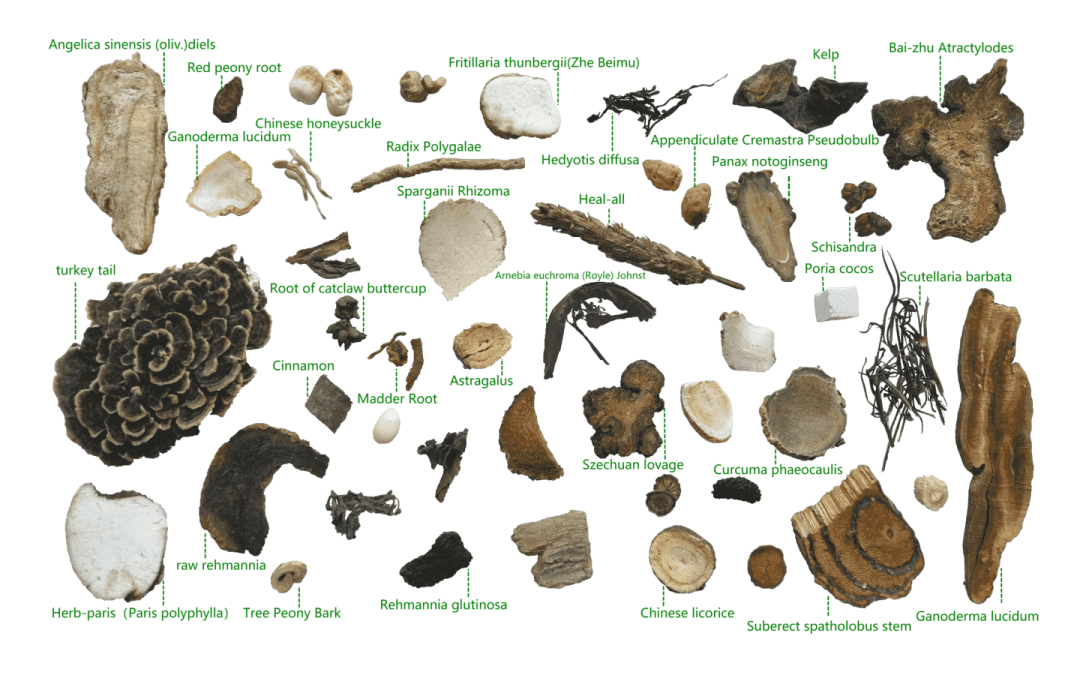
- Reishi Mushroom (Ganoderma lucidum): This mushroom is renowned in Chinese medicine for boosting the immune system and promoting overall health, potentially preventing the formation of lipomas.
Consultation is Key
While the potential of Chinese herbs in treating lipomas is promising, it’s essential for pet owners to consult with a veterinarian before administering any herbs. Some herbs may interact with medications or have unwanted side effects. A vet knowledgeable in both Western and Chinese medicine can provide the best guidance on the correct dosage and combination of herbs for your dog.
Conclusion
Lipomas are common in dogs and, while mostly harmless, can be a cause for concern. The holistic approach of Traditional Chinese Veterinary Medicine, including the use of Chinese herbs, offers a natural alternative or complement to conventional treatments. With proper consultation and care, these herbs might just be the answer to managing or even preventing fatty tumors in our canine companions.
by TCMVET | Oct 13, 2023 | Research and News
With the rising trend in holistic health and well-being, pet parents worldwide are seeking natural ways to enhance their dog’s health and longevity. Canine lymphoma, a common malignancy, is no exception. While traditional treatments like chemotherapy play a pivotal role in managing this disease, holistic alternatives offer complementary support. Dive into the world of holistic treatments for canine lymphoma, optimized for SEO and your pet’s well-being.
1. Understanding Canine Lymphoma:
Lymphoma is a cancer of the lymphatic system. Though aggressive, with timely diagnosis and treatment, many dogs can live comfortably for extended periods.
2. Why Consider Holistic Treatment?:
Holistic treatments focus on the whole dog – mind, body, and spirit. The idea is not just to treat the disease but to improve overall quality of life.
3. Dietary Adjustments:
- Anti-inflammatory Diet: Foods like blueberries, turmeric, and fish oils, rich in omega-3 fatty acids, have anti-inflammatory properties which can support overall health.
- High Protein, Low Carb: Some believe a diet low in carbohydrates can be beneficial for cancer patients as cancer cells predominantly use glucose for energy.
4. Herbal Supplements:
- Astragalus: Boosts the immune system and can potentially slow tumor growth.
- Milk Thistle: Supports liver function, especially if your dog is undergoing chemotherapy.
- Echinacea: Enhances immune system function but should be used under veterinary supervision.
5. Acupuncture:
This ancient Chinese practice can alleviate some symptoms associated with lymphoma and side effects of chemotherapy, like nausea and fatigue.
6. CBD and Hemp Oils:
While research is in its infancy, some dog owners report that these oils help with pain management and appetite stimulation. Always choose a high-quality source and consult your vet.
7. Essential Oils:
Lavender and chamomile can be calming for pets undergoing treatment. However, ensure any oil used is pet-safe and properly diluted.
8. Massage and Physical Therapy:
This can help with circulation, muscle tone, and overall well-being. Plus, it’s a great bonding activity!
9. Consultation is Key:
Remember, while holistic treatments can offer support, they should not replace traditional treatments without veterinary consultation. Discuss all therapies, supplements, and diet changes with a holistic or integrative veterinarian to ensure they’re safe and effective.
In Conclusion:
A holistic approach to canine lymphoma aims to enhance quality of life, manage symptoms, and complement traditional treatments. In a digital age where pet parents are proactively seeking health information, blending both science and nature offers a harmonious solution for our beloved four-legged companions. Always prioritize professional advice and trust reputable sources when charting the best path forward for your furry friend.

by TCMVET | Oct 8, 2023 | pet Chinese herbal medicine
Embracing the treasure trove of ancient Chinese herbal medicine can offer holistic healing alternatives for your four-legged friends. These herbs, renowned for their therapeutic benefits, have been used for centuries to promote overall health and treat various ailments in both humans and animals. Let’s explore some of these potent Chinese herbs that can be invaluable additions to your dog’s wellness routine, offering a natural approach to healing and prevention.
Section I: The Healing Harmony of Yin and Yang in Canines
Chinese medicine operates on the fundamental principles of Yin and Yang balance. The dynamic equilibrium between these two forces ensures optimal health and vitality in living beings, including dogs. Understanding this balance is crucial when incorporating Chinese herbs, as each herb is believed to either nourish Yin or support Yang, contributing to the restoration and maintenance of health.
Section II: Key Chinese Herbs for Dog Wellness
1. Astragalus (Huang Qi)
This potent herb acts as an immunomodulator, enhancing the dog’s immune system. Astragalus is known for its anti-inflammatory, anti-viral, and anti-cancer properties, making it a robust supplement for preventing and alleviating various health conditions.
2. Rehmannia (Shu Di Huang)
Rehmannia is a revered tonic for the kidneys and liver. It aids in detoxifying the body, improving blood circulation, and supporting the adrenal glands, making it an excellent choice for senior dogs or those with chronic kidney disease.
3. Ginger (Sheng Jiang)
A common household spice, ginger has significant digestive benefits. It aids in alleviating nausea, improving digestion, and reducing inflammation, making it an ideal supplement for dogs with sensitive or upset stomachs.
4. Jiaogulan (Gynostemma)
Jiaogulan acts as a powerful antioxidant and adaptogen. It supports the cardiovascular system, helps regulate cholesterol levels, and provides overall support for the immune system.
Section III: Incorporating Chinese Herbs Safely
While Chinese herbs offer various health benefits, it is crucial to administer them cautiously. Consult with a veterinarian, preferably one experienced in holistic or Chinese medicine, before adding any new supplement to your dog’s diet. Proper dosage, quality of herbs, and understanding potential interactions with other medications or supplements are also vital considerations.
Chinese herbs possess a rich history and tradition of promoting health and preventing diseases in a natural way. Incorporating these herbs into your dog’s wellness routine can provide a holistic approach to health, harnessing the power of nature’s pharmacy to support and enhance the life of your furry friend. By sharing insightful and reliable information about Chinese herbs for dogs, this article aims to improve visibility on search engines, becoming a valuable resource for pet owners exploring natural alternatives for canine health and wellness.

by TCMVET | May 31, 2023 | Dog Cancer & Tumors, Medicines & Therapies
CBD oil has gained popularity as a potential treatment option for various health conditions in humans and animals, including canine tumors and cancer. However, it is important to note that while there is some anecdotal evidence and ongoing research, scientific evidence for CBD oil in particular in treating tumors and cancer in dogs remains limited. That being said, here are some potential benefits associated with the use of CBD oil in canine tumors and cancer:
Pain Management: Dogs with tumors or cancer may experience pain, and CBD oil may help ease their discomfort. CBD interacts with the endocannabinoid system in the body and plays a role in regulating pain perception. It may have analgesic properties, helping to reduce pain and inflammation.
Anti-inflammatory effects: CBD oil has been shown to have anti-inflammatory properties. Inflammation often accompanies tumors and cancer, and by reducing inflammation, CBD oil may help alleviate some of the associated symptoms.
Relieves nausea and vomiting: Cancer treatments such as chemotherapy can cause nausea and vomiting in dogs. The reported antiemetic properties of CBD oil may help reduce these side effects and improve the overall health of dogs treated.
Appetite Stimulation: Dogs with tumors or undergoing cancer treatment may experience loss of appetite. CBD oil may help stimulate appetite and encourage eating, which is essential for maintaining proper nutrition and supporting the immune system.
Reduce Anxiety and Stress: A cancer diagnosis and its treatment can be stressful for both dogs and their owners. CBD oil has been studied for its potential anti-anxiety properties, which may help reduce anxiety and stress levels in dogs, promoting a better quality of life.
CBD oil can be used together with herbal medicines, such as TCMVET Baituxiao. There is no conflict between these two products. TCMVET Baituxiao contains herbs and mushrooms, which can help fight tumors, inhibit tumor development, help shrink tumors, and reduce postoperative recurrence rates .
It’s important to remember that every dog is different and the effects of CBD oil may vary. Before using CBD oil or any other alternative therapy for your dog’s tumor or cancer, it is crucial to consult a veterinarian experienced in cannabinoid therapy. They can provide guidance, assess your dog’s specific condition, and determine the appropriate dosage and method of administration, taking into account potential drug interactions or contraindications.
