
by TCMVET | May 17, 2024 | Dog Cancer & Tumors
Tumor development in dogs can be a distressing concern for any pet owner. Understanding how to prevent or slow tumor growth can significantly enhance a dog’s quality of life and increase their longevity. This article discusses comprehensive strategies that combine preventative measures and effective management techniques to combat tumor growth in dogs.
1. Regular Veterinary Checkups
Early detection is key to effectively managing tumor growth in dogs. Regular veterinary checkups, ideally twice a year for adult dogs and more frequently for seniors, allow for early identification and treatment of any suspicious growths before they develop further. These checkups should include thorough physical examinations and, if necessary, diagnostic imaging like X-rays or ultrasounds.
2. Proper Nutrition
Feeding your dog a balanced, high-quality diet is crucial in preventing tumors. Diets rich in antioxidants, such as vitamins A, C, and E, can help protect cells from damage and reduce the risk of cancer. Incorporate fresh, whole foods such as lean meats, healthy fats like fish oil, and vegetables to support overall health and immune function.
3. Maintain a Healthy Weight
Obesity is a known risk factor for various types of cancer. Maintaining your dog at a healthy weight not only reduces the risk of tumor development but also aids in overall health and vitality. Regular exercise and portion control are essential components of weight management.
4. Minimize Exposure to Carcinogens
Reducing your dog’s exposure to carcinogens can help prevent the onset of tumors. Avoid second-hand smoke, lawn chemicals, and harmful household cleaners. Opt for natural products both in your home and in your yard to keep your pet’s environment as safe as possible.
5. Spaying or Neutering
Spaying or neutering your dog can significantly reduce the risk of certain types of tumors, particularly those related to the reproductive system, such as mammary tumors in females and testicular cancer in males. Consult with your veterinarian about the best age for these procedures, as timing can influence their protective effects against cancer.
6. Use of Immunotherapy and Supplements
Emerging treatments such as immunotherapy are showing promise in helping the immune system recognize and fight tumor cells in dogs. Additionally, dietary supplements like turmeric, which contains curcumin, have anti-inflammatory and anti-cancer properties that may help in slowing tumor growth.
7. Regular Dental Care
Poor dental health can be a hidden source of chronic inflammation, which may contribute to cancer development. Regular dental checkups and cleanings, along with daily tooth brushing, are vital to maintain your dog’s oral health and potentially reduce the risk of oral tumors.
8. Stress Reduction
Chronic stress can weaken the immune system and potentially increase the risk of tumor growth. Provide a stable and loving home environment, regular exercise, and mental stimulation to help your dog manage stress effectively.
By incorporating these proactive strategies, you can significantly impact your dog’s risk and management of tumor growth, leading to a healthier, happier life for your furry friend.

by TCMVET | May 11, 2024 | Dog Cancer & Tumors
In the ever-evolving world of veterinary medicine, pet owners are increasingly seeking effective treatments for serious health issues like cancer and fatty tumors in dogs. Recent advancements have not only improved diagnostic tools but also expanded the range of treatments that can significantly enhance the quality of life for our canine companions. This article delves into the promising approaches to treating dog cancer and reducing fatty tumors, providing hope and options for pet owners.
Understanding Dog Cancer and its Treatments
Cancer in dogs can manifest in various forms, with symptoms and severity varying widely. The term “miracle cure” often circulates in discussions about cancer treatment, but it’s important to approach this topic with a realistic perspective. While no universal cure exists that guarantees complete recovery from cancer, certain treatments have shown remarkable results in prolonging life and reducing symptoms.
1. Conventional Treatments: The most common methods for treating dog cancer include surgery, chemotherapy, and radiation. These treatments are continually refined to improve effectiveness and minimize side effects. For example, targeted therapy now allows for more precise attack on cancer cells, sparing healthy tissues.
2. Immunotherapy: This newer form of cancer treatment involves stimulating the dog’s own immune system to fight cancer cells more effectively. Some immunotherapies have been quite successful, offering what might be seen as ‘miraculous’ improvements in certain cases.
3. Holistic Approaches: Many pet owners also turn to holistic treatments, including special diets, herbal supplements like TCMVET herbal formulas, and acupuncture, which can support the dog’s health and enhance their response to conventional treatments.
Shrinking Fatty Tumors in Dogs
Fatty tumors, or lipomas, are common in dogs, especially as they age. These tumors are typically benign and don’t always require removal unless they hinder the dog’s mobility or quality of life. However, reducing the size of these tumors is often desired by pet owners.
1. Diet and Exercise: Implementing a rigorous diet and exercise regimen can help manage a dog’s weight and potentially reduce the size of fatty tumors. Lowering fat intake and increasing activity levels can indirectly affect lipoma size and prevent further growth.
2. Herbal Remedies: Herbal treatments, like those found in TCMVET’s lineup, have been noted for their potential to assist in shrinking tumors. These natural remedies often focus on improving overall vitality and boosting the immune system, which can help the body manage or reduce tumor growth.
3. Surgical Removal: For persistent or problematic lipomas, surgical removal remains a straightforward option. This is typically recommended when the tumor’s size significantly affects the dog’s life.
While the search for a “miracle cure” in canine cancer continues, significant progress has been made in treating and managing this complex disease. Similarly, while fatty tumors in dogs generally pose less risk, understanding and managing their growth through a combination of diet, exercise, and innovative treatments like herbal remedies can contribute to a dog’s overall health and longevity.
The journey with a pet diagnosed with cancer or lipomas can be challenging, but with the advancements in veterinary care and holistic treatment options, there is ample reason for hope and optimism.

by TCMVET | Apr 30, 2024 | Dog Cancer & Tumors
Cancer is a formidable challenge not only for humans but also for our canine companions. It affects a significant number of dogs, with many breeds prone to specific types of cancer as they age. Understanding the methods available to shrink and potentially manage tumors in dogs is crucial for pet owners seeking to provide the best care for their pets. This article explores proven treatments and emerging methods in canine cancer care that can help manage and even shrink tumors effectively.
Understanding Canine Tumors
Tumors in dogs can be either benign (non-cancerous) or malignant (cancerous). Common types of malignant tumors in dogs include mast cell tumors, lymphoma, and osteosarcoma. The treatment and prognosis vary significantly depending on the type and stage of the tumor, making early detection and specialized care critical.
Surgical Removal
Surgery is often the first line of treatment for accessible tumors and can result in a complete cure if the cancer has not spread. Veterinarians aim to remove the tumor and a margin of surrounding healthy tissue to ensure no cancerous cells are left behind.
Radiation Therapy
Radiation therapy is another effective treatment, especially for tumors that cannot be completely removed surgically. It involves the use of high-energy rays to target and destroy cancer cells. Recent advancements have improved the precision of radiation therapy, minimizing damage to surrounding healthy tissues.
Chemotherapy
Chemotherapy uses drugs to kill cancer cells and is commonly employed when cancer has spread or is at high risk of spreading. The goal is to shrink tumors and reduce the likelihood of metastasis. While the side effects can be concerning, veterinary oncologists tailor protocols to minimize discomfort and maintain quality of life for the dogs undergoing treatment.
Immunotherapy
A promising area in canine cancer treatment is immunotherapy, which involves stimulating the dog’s immune system to attack cancer cells. One example is the use of monoclonal antibodies designed to target specific cancer cells without harming normal cells. This treatment is gaining traction and has shown efficacy in treating certain types of cancer with fewer side effects compared to traditional chemotherapy.
Nutritional and Supportive Care
Nutrition plays a pivotal role in cancer care. Diets formulated to support the immune system and overall health can impact the effectiveness of treatments and the dog’s quality of life. High-quality proteins, limited carbohydrates, and fats rich in omega-3 fatty acids are often recommended. Additionally, supplements such as antioxidants and probiotics may support overall well-being and treatment efficacy.
Holistic Approaches
Many pet owners also turn to holistic approaches to complement conventional treatments. Acupuncture, herbal medicine, and massage therapy are used to help manage symptoms and side effects associated with cancer treatments. These methods can help improve the overall well-being of dogs during their treatment period.
Monitoring and Ongoing Care
Continuous monitoring is crucial in managing canine cancer. Regular follow-up visits to the veterinarian allow for adjustments in treatment plans as needed and early detection of any recurrence. Advanced diagnostic tools, such as MRI and CT scans, are used to monitor the tumor’s response to treatment and adjust strategies accordingly.
Managing canine cancer is a multifaceted approach that requires a combination of surgical, medical, and supportive strategies. With advances in veterinary medicine, there are now more options than ever to help shrink tumors and extend the quality of life for dogs with cancer. As a pet owner, staying informed about the latest treatments and maintaining close communication with your veterinarian are key to navigating this challenging journey with your beloved dog.

by TCMVET | Mar 12, 2024 | Cat Cancer & Tumors
Fibrosarcomas are among the more daunting diagnoses a cat owner can face. As a form of cancer that arises from fibrous tissue, these tumors pose a serious health threat. However, with advancements in veterinary medicine, there are several effective treatment options available. This article aims to provide an in-depth overview of these treatments, offering hope and guidance to cat owners.
Understanding Fibrosarcomas in Cats Fibrosarcomas are aggressive tumors that can occur in any part of a cat’s body but are commonly found in the skin and subcutaneous tissues. They are characterized by rapid growth and a high potential for recurrence and metastasis.
Surgical Removal The primary treatment for fibrosarcomas in cats is surgical removal of the tumor. The goal of surgery is to remove the entire tumor along with a margin of healthy tissue around it, to ensure no cancerous cells are left behind. The extent of the surgery depends on the tumor’s size and location.
Radiation Therapy Radiation therapy is often used in conjunction with surgery, especially if the tumor cannot be completely removed or if there’s a high risk of recurrence. It involves the use of high-energy rays to kill cancer cells. Radiation therapy is particularly useful for targeting specific areas and minimizing damage to surrounding healthy tissues.
Chemotherapy Chemotherapy is another option, especially in cases where the cancer has spread or there’s a significant risk of metastasis. Chemotherapy drugs can be administered orally or intravenously and work by targeting rapidly dividing cancer cells. The specific drugs and treatment regimen depend on the individual case.
Immunotherapy and Targeted Therapies Newer treatment options include immunotherapy and targeted therapies. These treatments focus on boosting the cat’s immune system to fight cancer or targeting specific molecules involved in tumor growth. While still relatively new, these therapies show promise for improving outcomes and reducing side effects.
Palliative Care In cases where curative treatment is not possible or if a cat is not a candidate for aggressive treatment, palliative care becomes the focus. This includes managing pain, ensuring proper nutrition, and maintaining quality of life.
Follow-Up and Monitoring Post-treatment, regular follow-up is crucial. This may involve physical examinations, imaging tests, and bloodwork to monitor for recurrence and manage any side effects of treatment.
The diagnosis of a fibrosarcoma in a cat can be challenging, but there are several treatment options available that offer hope. Advances in veterinary oncology continue to improve the prognosis for cats with this type of cancer. Early detection and prompt treatment are key to managing fibrosarcomas effectively.
by TCMVET | Mar 7, 2024 | Dog Cancer & Tumors
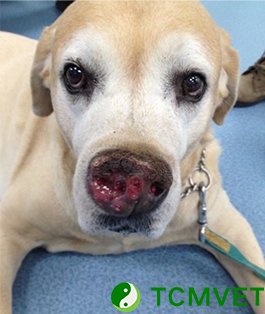
Squamous Cell Carcinoma (SCC) is a prevalent form of cancer in small animals, especially in cats and dogs. This malignancy, arising from the squamous cells lining the skin or various internal organs, poses significant health challenges. However, recent advancements in veterinary oncology and related research are bringing new hope to pet owners and veterinarians. This article explores the latest developments in SCC research and how they are reshaping the treatment and management of this condition in small animals.
1. Targeted Therapies and Precision Medicine:
Advancements in understanding the molecular basis of SCC have paved the way for targeted therapies. Precision medicine, which involves tailoring treatment based on the individual pet’s genetic makeup, is gaining traction. Researchers are identifying specific genetic mutations and pathways involved in SCC, which could lead to more effective, customized treatment plans with potentially fewer side effects compared to traditional chemotherapy.
2. Immunotherapy:
Immunotherapy, a treatment that harnesses the body’s immune system to fight cancer, is a significant breakthrough in human oncology and is now being explored in veterinary medicine. This approach includes the development of cancer vaccines and immune checkpoint inhibitors that can help the immune system recognize and attack cancer cells more effectively.
3. Advanced Imaging Techniques:
The use of advanced imaging techniques such as PET scans and high-resolution MRI is improving the ability to diagnose and stage SCC in small animals. These technologies offer more detailed and accurate insights into the tumor’s size, spread, and response to treatment, allowing for more precise surgical planning and treatment monitoring.
4. Nanotechnology:
Nanotechnology in cancer treatment is an emerging field that holds promise for treating SCC in pets. Nanoparticles can be designed to target cancer cells specifically, delivering drugs directly to the tumor and reducing the impact on healthy tissues. This approach could lead to more effective treatments with fewer side effects.
5. Enhanced Surgical Techniques:
Surgical intervention remains a cornerstone in treating SCC, and advancements in surgical techniques are improving outcomes. Minimally invasive surgeries, guided by advanced imaging, allow for more precise tumor removal with quicker recovery times. Laser surgery is another area of advancement, offering a less invasive option with less bleeding and reduced pain.
6. Better Understanding of Environmental Factors:
Research into the environmental and lifestyle factors contributing to SCC, such as sun exposure and chemical exposure, is helping in the development of better preventive strategies. This includes public awareness campaigns on the importance of protecting pets from excessive sun exposure and avoiding harmful chemicals.
7. Holistic and Supportive Care:
There is an increasing focus on holistic approaches and supportive care in managing SCC. This includes nutritional support, pain management, and alternative therapies like acupuncture and herbal medicine, which can complement traditional treatments and improve the quality of life for pets with cancer.
The landscape of SCC treatment in small animals is evolving rapidly, thanks to ongoing research and technological advancements. These developments not only promise more effective and targeted treatments but also emphasize the importance of a comprehensive approach that includes prevention and supportive care. For pet owners and veterinarians, staying informed about these advancements is key to providing the best possible care for pets with SCC.
