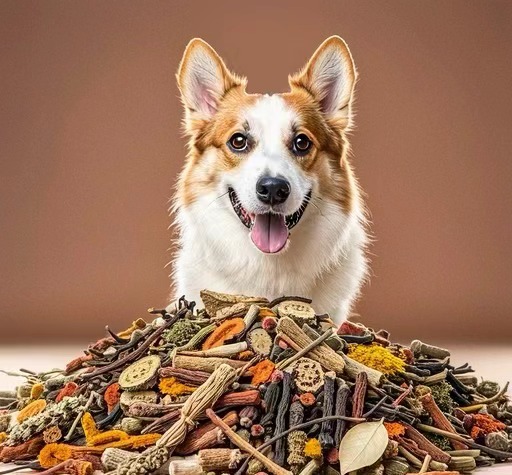
In recent years, pet owners and veterinarians alike are increasingly turning to Traditional Chinese Veterinary Medicine (TCVM) to complement conventional cancer treatments. TCVM offers a holistic approach to health, emphasizing balance and natural healing. This article explores how TCVM is used to manage and treat cancer in pets naturally, focusing on its principles, methods, and benefits.
Principles of TCVM in Cancer Management
Yin and Yang: TCVM is based on the balance of Yin (cooling, passive) and Yang (warming, active) energies in the body. Cancer is often viewed as a condition of excessive Yang, and treatments aim to restore balance between these forces.
Qi (Energy) and Blood: A healthy flow of Qi and blood is essential for health. TCVM treatments often aim to enhance Qi flow and strengthen the blood to help the body resist cancer and cope with the side effects of conventional cancer treatments.
TCVM Treatment Modalities for Cancer
Acupuncture: Used to stimulate specific points on the body to enhance Qi flow, reduce pain, and improve vitality. Acupuncture is particularly beneficial for managing pain and improving the quality of life in pets with cancer.
Herbal Medicine: A cornerstone of TCVM, herbal formulas are customized to address individual symptoms and the specific type of cancer. Herbs like Huang Qi (Astragalus) and Ling Zhi (Reishi mushrooms) are known for their immune-boosting and anti-tumor properties.
Food Therapy: Diet plays a crucial role in TCVM. Food therapy involves using specific foods that have properties to counteract the type of cancer. For example, cooling foods like rabbit and duck are often recommended for pets with inflammatory cancers.
Integrating TCVM with Conventional Cancer Treatments
While TCVM can be used as a standalone treatment, it is often most effective when combined with conventional methods like surgery, chemotherapy, and radiation. This integrative approach can help minimize side effects, improve overall well-being, and extend the quality of life for pets with cancer.
Benefits of TCVM for Pets with Cancer
Enhanced Quality of Life: TCVM focuses on improving the quality of life, not just treating the disease. Pets often show improved appetite, energy levels, and pain management through these natural therapies.
Personalized Treatments: Unlike one-size-fits-all approaches, TCVM considers the unique condition and temperament of each pet, allowing for more tailored and effective treatment plans.
Supporting Immune System: Many TCVM practices and herbs are known to support and enhance the immune system, crucial for pets undergoing cancer treatment.
Considerations and Choosing a Practitioner
Choosing a qualified TCVM practitioner is crucial. Look for veterinarians who have specific training and certification in TCVM. It’s also important to maintain open communication between your regular veterinarian and your TCVM practitioner to ensure a coordinated and safe treatment plan.
In the ever-evolving field of veterinary medicine, a novel approach is gaining momentum: the use of herbal remedies in treating canine mast cell tumors (MCTs). This approach, which might sound unconventional to some, is rooted in a deep understanding of both the ancient wisdom of herbal medicine and the modern scientific methodology. The integration of these methodologies is not just a trend but a revolutionary step forward in veterinary oncology, offering new hope and options for our beloved four-legged friends diagnosed with MCTs.
Understanding Canine Mast Cell Tumors
MCTs are among the most common skin tumors in dogs, accounting for about 20% of all skin tumors in canines. These tumors can vary widely in their behavior, appearance, and prognosis, making them a complex challenge for veterinarians. Traditionally, treatment options have included surgery, chemotherapy, and radiation therapy, but these methods, while effective, often come with significant side effects.
The Rise of Herbal Remedies in Veterinary Oncology
In recent years, there has been a growing interest in the potential of herbal medicine to provide a more holistic approach to cancer treatment. Herbs have been used for thousands of years in human medicine, and their application in veterinary medicine, especially for cancer treatment, is now being explored with promising results.
Key Herbs and Their Potential Benefits
Some of the herbs commonly used in the treatment of canine MCTs include:
Astragalus: Known for its immune-boosting properties, it may help in strengthening the body’s natural defense system.
Szechuan Lovage: Believed to improve blood circulation, which is crucial in delivering nutrients and medications to the affected areas.
Rehmannia glutinosa: Has anti-inflammatory properties, which can be beneficial in managing tumors.
Integrating Herbs with Conventional Treatments
One of the most significant aspects of using herbs in treating MCTs is their potential to be integrated with conventional treatments. This integrative approach can offer a more comprehensive treatment plan, targeting the tumor while supporting the overall health and well-being of the dog.
Navigating the Challenges and Considerations
While the use of herbal remedies is promising, it is not without challenges. The quality, dosage, and type of herb, as well as its interaction with other medications, are crucial factors to consider. Therefore, it is essential that any herbal treatment plan be developed and monitored by a veterinarian experienced in both oncology and herbal medicine.
As we continue to seek better ways to treat canine MCTs, the use of herbal remedies offers a fascinating and potentially game-changing approach. With their ability to integrate seamlessly with traditional treatments and offer a more holistic approach, herbs are carving out a significant niche in the field of veterinary oncology. The journey of “Herbs for Hounds” is just beginning, and the possibilities it holds for revolutionizing the treatment of canine mast cell tumors are as vast as they are exciting.
The field of veterinary oncology is witnessing a paradigm shift with the integration of holistic care approaches, particularly through the use of Traditional Chinese Herbal Medicine (TCM) in treating dog tumors. This approach represents a complementary method, working alongside conventional treatments like surgery, chemotherapy, and radiation, to provide a more rounded care for dogs diagnosed with cancer.
Understanding the Role of TCM in Canine Oncology
TCM, with its centuries-old history, focuses on treating the whole patient rather than just the symptoms or the disease itself. The core principle of TCM is to restore and maintain balance in the body’s energy, or Qi. When it comes to canine tumors, TCM addresses the underlying imbalances that contribute to the disease, which could be Qi stagnation, blood stasis, or an imbalance in Yin and Yang.
Key Herbs in TCM for Dog Tumors
TCM utilizes a variety of herbs that are known for their cancer-fighting properties. Astragalus, for instance, is celebrated for boosting the immune system, which is crucial for dogs undergoing cancer treatment. Szechuan lovage, another vital herb, is known for improving blood circulation, essential for transporting nutrients and medicinal compounds throughout the body. Herbs like Rehmannia glutinosa have anti-inflammatory properties, which help in reducing the inflammation often associated with cancer.
Synergy with Conventional Cancer Treatments
The most notable aspect of incorporating Chinese herbs into canine cancer treatment is their ability to complement conventional treatments. While the primary treatments focus on eliminating cancer cells, TCM works to strengthen the dog’s overall constitution, thereby enhancing the effectiveness of conventional treatments and helping to mitigate their side effects.
Natural Management of Treatment Side Effects
Chinese herbs can play a significant role in alleviating the side effects of conventional cancer treatments. They provide support to organ systems that might be affected by chemotherapy or radiation, aid in detoxification, and offer anti-inflammatory and antioxidative benefits. This natural approach to managing side effects is essential for maintaining the quality of life of dogs during cancer treatment.
Tailoring TCM to Individual Needs
TCM treatments should be customized to each dog’s specific condition and needs, and should be administered under the guidance of a veterinarian skilled in both conventional and holistic veterinary medicine. This ensures the safety and effectiveness of the treatment and that it is appropriately integrated with standard cancer therapies.
Integrating Traditional Chinese Herbal Medicine into veterinary oncology for the treatment of dog tumors represents a significant advancement in the field. This approach offers a more holistic treatment option, not just targeting the tumor, but supporting the overall health and well-being of the dog. As the veterinary field continues to embrace this integrated approach, dogs with cancer can look forward to more comprehensive and effective treatment plans that offer a better quality of life.
The convergence of traditional Chinese medicinal knowledge with modern technology in the field of canine oral oncology is a fascinating development in veterinary medicine. This union represents a holistic approach to treating one of the most challenging canine diseases. This article delves into how ancient wisdom is being integrated with cutting-edge technology to improve outcomes for dogs suffering from oral cancer.
The Ancient Wisdom of Chinese Medicine
Traditional Chinese Medicine (TCM) has a rich history dating back thousands of years. It is based on the principle of harmony and balance within the body and the universe. TCM uses various practices, including herbal medicine, acupuncture, and dietary therapy, to treat ailments. Key to this philosophy is the concept of Qi, the vital life force that flows through the body, and the balance of the Yin and Yang energies.
Canine Oral Cancer: A Modern Challenge
Canine oral cancer, primarily comprising conditions like melanoma, squamous cell carcinoma, and fibrosarcoma, poses significant challenges in veterinary medicine. These cancers are often aggressive and require a multi-faceted treatment approach. Modern veterinary oncology has made strides in diagnosis and treatment, including surgery, chemotherapy, and radiation therapy.
Integrating TCM in Modern Veterinary Oncology
The integration of TCM in treating canine oral cancer involves using ancient medicinal knowledge alongside modern medical techniques. This approach aims to treat the disease while maintaining the overall well-being of the animal.
Herbal Medicine: Certain herbs in TCM are known for their anti-inflammatory and anti-cancer properties. They are used alongside conventional treatments to enhance their efficacy and mitigate side effects.
Acupuncture: Acupuncture is used for pain management and to improve the quality of life of dogs undergoing cancer treatment. It is believed to stimulate the body’s natural healing processes.
Dietary Therapy: TCM also emphasizes the importance of diet in managing diseases. Nutritional adjustments can support the immune system and help the body cope with cancer and its treatments.
Technology Enhancing Traditional Practices
Modern technology plays a pivotal role in integrating TCM into canine oral oncology. Advanced diagnostic tools, precision in administering treatments, and research into the efficacy of herbal remedies are vital components of this integrative approach.
The Importance of a Balanced Approach
The combination of TCM and modern veterinary oncology stresses the importance of a balanced approach to treatment. This methodology not only focuses on eradicating cancer cells but also on enhancing the overall health and quality of life of the canine patient.
“Tradition Meets Technology” is not just a phrase but a progressive approach in veterinary medicine, particularly in treating canine oral cancer. The blending of ancient Chinese medicinal knowledge with modern technology is paving the way for more comprehensive and compassionate cancer care. As we continue to explore and validate this integration, the potential to revolutionize veterinary oncology remains immense.
The convergence of Eastern and Western medical practices is creating new pathways in veterinary healthcare, particularly in the treatment of canine cancer. “East Meets West: A New Approach to Treating Dog Cancer with Chinese Herbal Medicine” explores this fusion, highlighting how Chinese herbs are being incorporated into contemporary cancer treatments for dogs.
The Growing Concern of Canine Cancer
Cancer in dogs is a major health issue with increasing prevalence. As dogs live longer due to advanced veterinary care, the likelihood of developing cancer rises. Conventional treatments like chemotherapy and radiation, while effective, can have harsh side effects.
The Essence of Chinese Herbal Medicine
Chinese Herbal Medicine (CHM) is an ancient practice that forms a significant part of Traditional Chinese Medicine (TCM). It focuses on restoring balance and harmony within the body using natural herbs and plants. The philosophy behind CHM is to treat the whole body, not just the symptoms of a disease.
Integrating CHM in Canine Cancer Treatment
The integration of CHM in treating dog cancer represents a holistic approach. This method doesn’t replace conventional treatments but complements them. The focus is on enhancing the dog’s quality of life, boosting the immune system, reducing side effects of conventional treatments, and potentially targeting cancer cells.
Scientific Basis and Research
While CHM has been used for centuries, scientific research backing its efficacy in canine cancer is growing. Studies have begun to explore the anti-cancer properties of various herbs. For instance, research on herbs like Turmeric and Astragalus shows promising results in reducing tumor growth.
Key Chinese Herbs in Canine Cancer Treatment
Turmeric (Curcumin): Known for its anti-inflammatory and anti-cancer properties.
Astragalus: Boosts the immune system and may help in countering the effects of chemotherapy.
Ginseng: Often used for its energy-boosting and anti-cancer effects.
Dong Quai: Helps in blood circulation, potentially beneficial in cancer treatments.
The Role of Veterinary Oncologists
Veterinary oncologists play a crucial role in integrating CHM into cancer treatment plans. They can provide guidance on the appropriate herbs, dosages, and treatment schedules, ensuring the best possible care for canine patients.
Success Stories and Testimonials
The article would include real-life stories and testimonials from pet owners and veterinarians who have seen positive outcomes using CHM in conjunction with traditional cancer treatments. These stories provide a personal touch and help readers connect with the subject.
Guidelines for Pet Owners
The article will provide practical advice for pet owners interested in exploring CHM for their dogs. It emphasizes the importance of consulting with veterinary professionals and choosing certified herbal products.
This new approach in treating canine cancer signifies a meaningful collaboration between Eastern and Western medical practices. By embracing the strengths of both, we can open doors to more effective and compassionate cancer treatments for our beloved dogs.