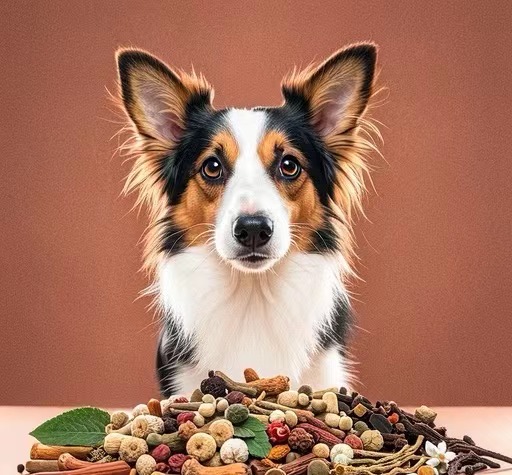
Mammary Mass Removal in Dogs: A New Era of Care, Beyond the Scalpel
When it comes to our furry companions, nothing is more heart-wrenching than the diagnosis of a mammary mass. The very word “mass” strikes fear, conjuring images of cancer and invasive treatments. But what if there was more to mammary mass removal in dogs than just the surgical procedure? What if the healing process could encompass not only the physical act of removing the mass but also embrace a holistic, integrative approach that promotes true wellness?
In this article, we’ll explore how mammary mass removal is evolving, pushing the boundaries of conventional veterinary medicine to offer a comprehensive solution for dogs facing this condition.
The Mammary Mass Mystery: Understanding the Basics
Mammary masses are relatively common in female dogs, especially those that have not been spayed. While many masses are benign, some may be malignant, leading to a higher concern for cancer. In fact, approximately 50% of mammary tumors in dogs are cancerous, making early detection and prompt treatment vital.
Traditionally, the primary treatment for mammary masses has been surgical removal, often followed by chemotherapy or radiation if the mass is found to be malignant. This approach is still widely used, but with a growing interest in alternative and complementary therapies, the scope of treatment has expanded.
Surgery: A Foundation, Not the Whole Solution
Surgical removal remains the cornerstone of mammary mass treatment. The goal is to excise the mass completely, reducing the risk of the cancer spreading. However, the act of surgery alone does not guarantee long-term health. The real work begins after the incision has healed.
It’s here that an integrative approach comes into play.
Integrating Holistic Care: The Power of Prevention and Support
While surgery addresses the immediate physical concern, what many dog owners are now discovering is that post-operative care can be just as important in slowing recurrence and promoting overall health. The role of diet, lifestyle, and natural therapies is coming to the forefront as essential components of recovery.
1. Diet and Nutrition: Fueling the Body’s Defenses
Post-surgery, a balanced diet becomes crucial. Research suggests that certain nutrients can support immune function and help fight off cancerous cells. Omega-3 fatty acids (found in fish oil) have anti-inflammatory properties, while antioxidants (such as vitamins C and E) can protect healthy cells from oxidative stress.
Some experts even recommend a raw food diet or an anti-cancer diet for dogs with a history of mammary tumors. These diets emphasize lean meats, vegetables, and herbs that may help strengthen the dog’s immune system and reduce inflammation.
2. Herbal Supplements and Natural Remedies: A Holistic Touch
In addition to conventional treatments, many holistic veterinarians advocate for herbal supplements that can aid in healing. Adaptogenic herbs like ashwagandha or turmeric are known for their anti-inflammatory and immune-boosting properties. Additionally, lignans, found in flax seeds, are often recommended for their potential to inhibit the growth of cancer cells.
These natural remedies can be used alongside traditional treatments to help balance the body’s systems and improve overall vitality.
3. Mind-Body Connection: Stress Reduction and Emotional Healing
A dog’s emotional well-being should not be underestimated in the healing process. Research increasingly supports the idea that stress, anxiety, and negative emotions can affect the body’s ability to recover from illness. Offering a calm, loving environment with plenty of rest and affection can help reduce your dog’s stress levels, allowing their body to heal more effectively.
Massage therapy, gentle exercise, and even canine acupuncture are also being explored as ways to promote circulation, reduce pain, and encourage overall wellness during recovery.
Early Detection and Proactive Care: Prevention is Key
Prevention of future mammary masses or recurrence hinges on early detection. Regular vet check-ups, along with routine mammary gland exams (either during grooming or through veterinary visits), can help catch abnormalities early. For dogs at higher risk—those who haven’t been spayed or have had previous tumors—owners should be vigilant and proactive about any changes in the mammary glands.
In addition, spaying before the first heat cycle has been shown to reduce the risk of mammary tumors in dogs, making it an important consideration for pet owners.
What’s Next? The Future of Mammary Mass Treatment
As veterinary care continues to evolve, the approach to mammary mass removal is becoming increasingly multifaceted. While surgery remains a critical tool, it is no longer the sole focus of treatment. The integration of holistic care practices, early detection, and preventative measures offer a more comprehensive strategy to combat mammary masses and promote overall health in dogs.
By embracing a well-rounded approach that nurtures both the body and the mind, we can ensure that our furry friends have the best chance at a long, healthy, and happy life after mammary mass removal.
Key Takeaways
- Surgery remains essential for mammary mass removal but should be followed by supportive care.
- Diet plays a pivotal role in recovery, with anti-inflammatory and immune-boosting foods helping the healing process.
- Holistic therapies, including herbal remedies and acupuncture, can enhance recovery and overall health.
- Stress reduction and emotional well-being are key components of the healing process.
- Early detection and spaying are crucial for preventing mammary masses and cancers in the future.
By thinking beyond the scalpel and embracing a holistic approach, we give our dogs not only the best chance at recovery but also a path to a richer, fuller life.