by TCMVET | Aug 27, 2026 | Research and News
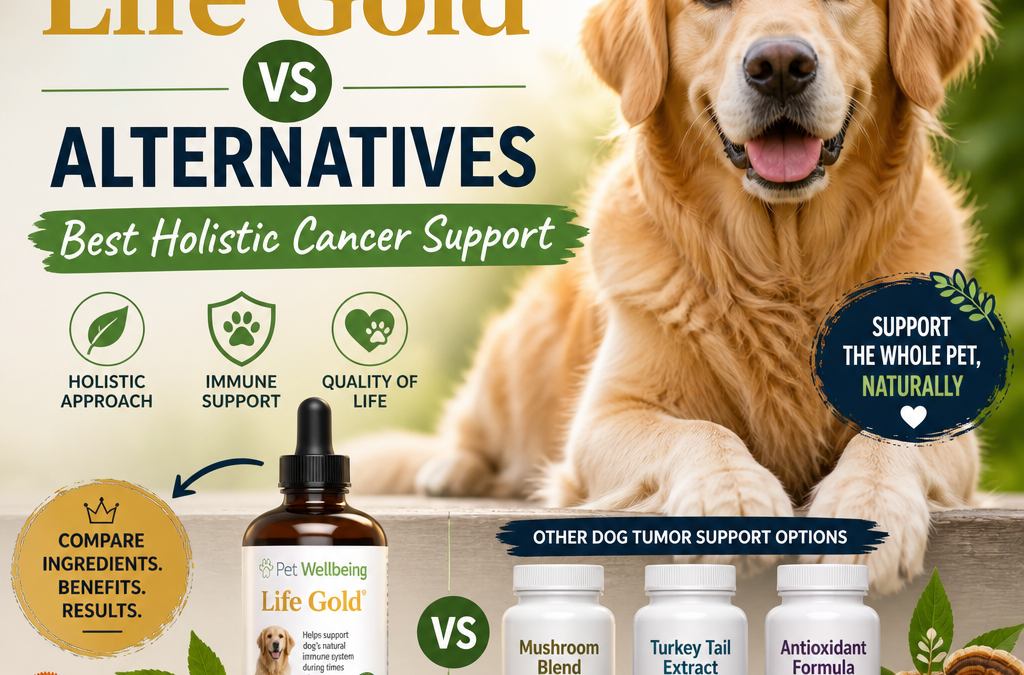
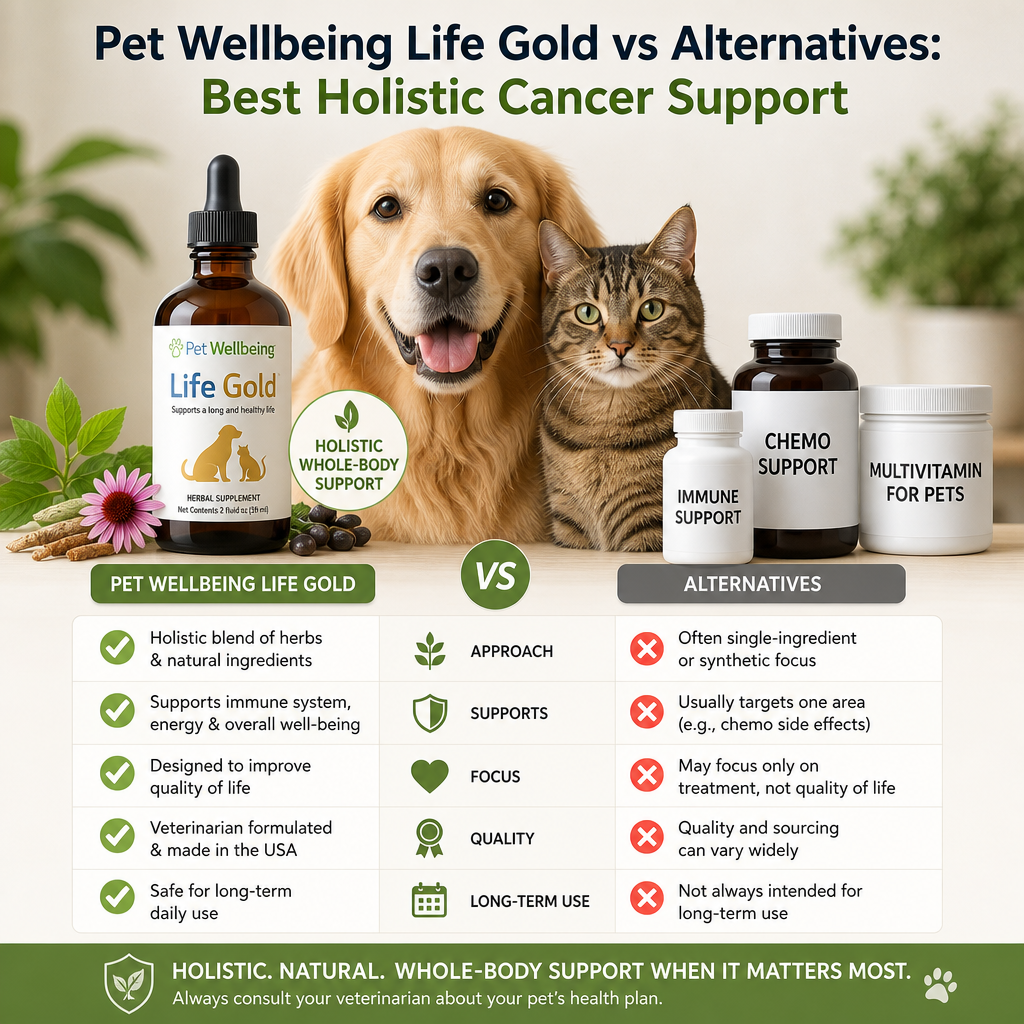
Pet Wellbeing Life Gold vs alternatives is an important comparison for pet guardians exploring holistic cancer support alongside veterinary care. When a dog or cat develops a tumor, families often look for gentle ways to support comfort, appetite, immune function, and overall quality of life. Supplements may have a role, but they should be selected carefully and used as part of a complete medical plan rather than as a replacement for diagnosis or treatment.
Cancer is not one single disease. Tumors differ in location, behavior, stage, and response to therapy. A supplement that is appropriate for one animal may be unsuitable for another, particularly when a pet is taking chemotherapy, corticosteroids, anti-inflammatory medication, anticoagulants, or other prescription drugs. Understanding ingredients, evidence, safety, and practical goals can make the decision more informed.
Understanding holistic cancer support
Holistic cancer support focuses on the whole patient rather than the tumor alone. This may include veterinary oncology, pain management, nutritional support, hydration, mobility assistance, stress reduction, and carefully chosen supplements. The objective is usually to help a pet tolerate treatment and maintain a better daily life.
A holistic approach does not mean rejecting conventional medicine. Surgery, chemotherapy, radiation, targeted therapies, and palliative care may be essential depending on the diagnosis. Integrative care combines these options with supportive strategies that address appetite, digestion, inflammation, sleep, anxiety, and comfort.
Before choosing any product, a veterinarian should confirm the diagnosis and discuss the pet’s current condition. Weight loss, vomiting, weakness, difficulty breathing, persistent pain, or a rapidly growing mass can require prompt medical attention. Supplements cannot replace imaging, biopsy, blood testing, or an individualized treatment plan.
In practice, holistic cancer support should match the pet’s stage of illness and day-to-day needs. For some animals, the goal is to maintain appetite and steady weight. For others, it may be to support energy, joint comfort, or calm behavior during treatment visits. That is why the same product will not suit every patient.
When families begin comparing supportive products, Pet Wellbeing Life Gold vs alternatives often becomes less about brand loyalty and more about fit. The best option is usually the one that aligns with the pet’s cancer type, current medications, and comfort goals.
Supportive care can also change over time. A supplement that made sense right after diagnosis may be less appropriate after surgery, during chemotherapy, or when the pet’s appetite changes. That is why any comparison of Pet Wellbeing Life Gold vs alternatives should be revisited as the treatment plan evolves.
Pet Wellbeing Life Gold vs alternatives: what to compare
When evaluating Pet Wellbeing Life Gold vs alternatives, the first consideration is the product’s intended purpose. Life Gold is marketed as a herbal supplement for dogs and cats, commonly used by owners seeking support during serious illness. Its botanical blend may include ingredients such as milk thistle, turmeric, astragalus, reishi, and other herbs, depending on the formulation and market labeling.
Because formulas can change, pet owners should read the current label and review the complete ingredient list with a veterinarian. The presence of a “natural” ingredient does not automatically mean it is harmless. Herbs can produce pharmacological effects, interact with medication, or affect the liver, kidneys, blood clotting, blood pressure, or immune system.
Useful comparison points include:
– Ingredient transparency: The label should clearly identify active ingredients and amounts whenever possible.
– Quality control: Look for manufacturing information, batch consistency, and appropriate testing for contamination.
– Species suitability: Dogs and cats metabolize some compounds differently, and products designed for one species may not be safe for another.
– Evidence: Laboratory findings or traditional use do not necessarily prove that a supplement shrinks tumors or extends survival.
– Administration: A product should be practical to give and appropriate for the pet’s appetite, digestive health, and treatment schedule.
– Veterinary compatibility: The supplement must fit safely with surgery, chemotherapy, radiation, and other medications.
No supplement should be judged solely by its ingredient count or marketing claims. A shorter formula with clear dosing and reliable quality may be preferable to a complex blend with uncertain concentrations. For a broader look at related approaches, some owners compare these choices with alternatives to medicinal mushrooms for dog tumor support as part of a larger care plan.
One practical way to compare Pet Wellbeing Life Gold vs alternatives is to ask three questions: What is the main goal, what is the risk of interaction, and how easy is it to monitor results? If the answer is unclear, the product may not be the best fit at that moment.
It also helps to think about the level of support you want. Some alternatives are designed to be broadly supportive, while others focus on one task such as inflammation, digestion, or liver support. In the Pet Wellbeing Life Gold vs alternatives discussion, narrower products can sometimes be easier to integrate into a veterinary plan because they are simpler to track.
Common dog tumor support options
Dog tumor support options vary according to the type of cancer and the pet’s symptoms. Some guardians consider medicinal mushrooms, omega-3 fatty acids, antioxidants, digestive support, or herbal formulas. These categories may offer supportive benefits, but their effects are not interchangeable.
Medicinal mushrooms such as turkey tail have attracted interest because of compounds called polysaccharopeptides. Early research, including veterinary investigations, has examined their potential role in immune support and cancer care. However, product quality and extract concentration differ substantially, so results from one preparation cannot automatically be applied to another.
Omega-3 fatty acids, particularly EPA and DHA, may help support skin, joints, and inflammatory balance. They are also sometimes included in nutritional plans for pets with cancer. The correct dose depends on body weight, diet, health status, and medication use. Fish oil can cause digestive upset and may affect blood clotting, making veterinary guidance especially important before surgery.
Milk thistle is commonly used for liver support, while turmeric is often selected for its anti-inflammatory properties. Both may be included in holistic formulas, but absorption, dosing, and interactions remain important concerns. Turmeric products can vary widely, and some enhanced-absorption formulations may have stronger effects than standard preparations.
A complete diet is another foundational support option. Pets with cancer may need calorie-dense, highly digestible food, especially when appetite is poor. The right nutritional strategy depends on the cancer type, treatment plan, kidney and liver function, and the pet’s preferences. Homemade diets should be formulated with a veterinary nutritionist to avoid deficiencies.
Owners who want to compare supplement routes with breed-specific risk education may also find it helpful to review canine cancer resources such as Golden Retriever cancer risks and early tumor signs, especially when they are trying to understand why individualized support matters.
For families evaluating holistic cancer support, the most useful dog tumor support options are usually the ones that can be monitored clearly. Appetite, stool quality, weight, hydration, and comfort can tell you more than a product description ever will.
In many cases, the best of the dog tumor support options is not the one with the longest ingredient panel. It is the one that a pet can tolerate consistently, the veterinarian can review safely, and the family can afford to continue over time.
Some owners also want to know whether a supplement is more appropriate during active treatment or during palliative care. That distinction matters. Supportive products may be used differently when the aim is symptom control rather than direct tumor management, and Pet Wellbeing Life Gold vs alternatives should be evaluated in that context.
How to judge evidence and expectations
Evidence for supplements varies widely. Some products have laboratory studies, some have small clinical trials, and some rely mainly on traditional use. That does not mean the weakest products are useless, but it does mean that claims should be weighed against the actual quality of evidence.
It is also important to separate supportive care from treatment claims. A supplement may help a pet feel better without proving it can treat cancer. That distinction matters, especially when a dog or cat has an aggressive tumor, is recovering from surgery, or is receiving chemotherapy.
Owners should be cautious with language that promises to “destroy,” “remove,” or “reverse” tumors. If a product sounds too certain, it often is. A responsible veterinary plan focuses on realistic goals such as comfort, function, appetite, and tolerance of treatment.
There are also practical signs that a product is doing something useful. A pet may have steadier appetite, fewer digestive issues, improved energy, or better mobility. Those changes do not prove a cure, but they can show that a supplement is serving a supportive purpose within the broader plan.
On the other hand, if a pet becomes nauseous, sleepy, itchy, or less interested in food after starting a product, the formula may not be a good match. This is another reason Pet Wellbeing Life Gold vs alternatives should be assessed with monitoring rather than assumptions.
Even when a supplement has a promising reputation, it still needs to be judged by the individual patient. A dog with liver disease, a cat with kidney compromise, or a pet on blood thinners may need a very different option from a healthy adult animal with an early-stage tumor.
Life Gold compared with single-ingredient supplements
A combination product can be convenient because it brings several herbs into one formula. This may appeal to owners who want broad support without giving multiple capsules or liquids. However, combination products can make it harder to identify which ingredient is helping or causing a reaction.
Single-ingredient supplements offer greater control. For example, a veterinarian may recommend a specific omega-3 product, a measured mushroom extract, or a nutritional supplement based on a pet’s needs. The tradeoff is that owners must manage more products and carefully avoid overlapping ingredients.
A veterinarian may also advise pausing supplements before surgery or during certain treatment periods. Some herbs and antioxidants can potentially interfere with drug metabolism, bleeding risk, or the intended effects of cancer therapy. Timing and coordination are therefore just as important as product selection.
This is one reason Pet Wellbeing Life Gold vs alternatives should never be reduced to a simple “natural equals better” decision. The best option is the one that fits the pet’s condition, medication schedule, and monitoring plan.
There is also a difference between general wellness support and cancer-focused support. A product can be useful for comfort without being the most appropriate choice for a pet with a tumor. When looking at Pet Wellbeing Life Gold vs alternatives, ask whether the formula targets a broad wellness goal or a more specific clinical need.
For example, a single-ingredient supplement may be preferred when the goal is to address one clear problem such as appetite, inflammation, or liver support. A blended herbal product may be more appealing when the goal is broader maintenance, provided the veterinarian is comfortable with the ingredient profile.
That is why the most useful comparison is not just what is inside the bottle, but how the formula fits the whole treatment plan. Pet Wellbeing Life Gold vs alternatives becomes easier to judge when the decision is tied to a measurable outcome and a specific timeline.
Seven practical holistic cancer support options
If you are narrowing the field, these seven categories are the most common holistic cancer support options pet owners discuss with veterinarians:
- Herbal blends such as Life Gold, which may offer broad supportive care.
- Medicinal mushroom extracts used for immune-related support.
- Omega-3 fatty acids for inflammation and nutritional support.
- Liver-support supplements such as milk thistle when clinically appropriate.
- Digestive support products for nausea, stool quality, and appetite changes.
- Targeted nutritional support including calorie-dense or highly digestible diets.
- Comfort-focused care such as pain management, mobility support, and calm routines.
These categories are not interchangeable, and a pet may benefit from more than one at the same time. The key is to avoid layering products without a reason. In a careful Pet Wellbeing Life Gold vs alternatives review, simplicity often improves safety and makes outcomes easier to interpret.
For example, if appetite loss is the main concern, a formula that supports digestion and palatability may matter more than a broad herbal blend. If the issue is inflammation, an omega-3 product or another targeted option may be more sensible. Matching the support to the symptom is usually the smartest approach.
Families sometimes compare holistic support with breed-specific cancer information to understand risk and urgency. Resources such as Bichon Frise cancer risks and early tumor signs can help reinforce why early veterinary evaluation is important, even when the goal is natural support.
Safety guidelines for holistic supplements
Always provide the veterinarian with photographs of supplement labels, exact doses, and a list of all medications. Monitor the pet after introducing a new product. Possible warning signs include vomiting, diarrhea, loss of appetite, itching, lethargy, yellowing of the gums or eyes, unusual bruising, or changes in urination.
Introduce only one new supplement at a time unless a veterinary professional gives different instructions. This makes it easier to identify a problem. Never use human cancer supplements, essential oils, concentrated herbal extracts, or products containing questionable ingredients without professional approval. Some substances that are tolerated by people can be toxic to pets.
Keep realistic expectations. Holistic cancer support may help with comfort, nutrition, or general wellbeing, but claims that a supplement can cure cancer should be viewed skeptically. The strongest care plan combines accurate diagnosis, evidence-based treatment, symptom control, emotional support, and regular reassessment.
For readers who want a reference point on safety and evidence standards, the American Veterinary Medical Association guidance on pet nutrition and supplements is a helpful educational source.
It is also wise to confirm whether any ingredient may be inappropriate for pets with liver, kidney, or clotting concerns. That precaution is especially important when comparing Pet Wellbeing Life Gold vs alternatives because herbal blends may include multiple active compounds.
If a pet has a scheduled procedure, ask the veterinarian whether supplements should be stopped in advance. The safest answer depends on the product, the dosage, the timing of surgery, and the pet’s health status.
The best choice in the Pet Wellbeing Life Gold vs alternatives discussion depends on the individual pet, not on a universal ranking. Life Gold may be considered when its ingredients, quality, and intended use fit the veterinary plan. An alternative may be better when a pet needs a targeted ingredient, has medication interactions, or cannot tolerate a complex herbal blend.
Track practical outcomes such as appetite, energy, stool quality, comfort, sleep, mobility, and interest in family activities. These observations help determine whether a product is providing meaningful support. Follow-up examinations and appropriate testing remain essential, even when the pet appears better.
Ultimately, responsible holistic cancer support is careful, coordinated, and centered on quality of life. Supplements can be one part of dog tumor support options, but they work best when chosen with professional guidance and integrated into a broader plan that respects both scientific evidence and the unique needs of the animal.
If you are comparing Pet Wellbeing Life Gold vs alternatives for a dog or cat with cancer, the most helpful next step is usually a veterinary review of the current treatment plan, the supplement label, and the specific goals for supportive care. That approach keeps the decision practical, safe, and aligned with the pet’s needs.
Many families find it useful to keep a simple log after starting a new product. Note changes in appetite, stool, comfort, sleep, and activity level, and bring that information to the next appointment. A short record can make Pet Wellbeing Life Gold vs alternatives much easier to evaluate objectively.
In the end, no supplement should replace a diagnostic plan or a thoughtful conversation with a veterinary professional. The best result is usually a combination of medical care, symptom management, and the right supportive product at the right time.
by TCMVET | Aug 27, 2026 | Research and News
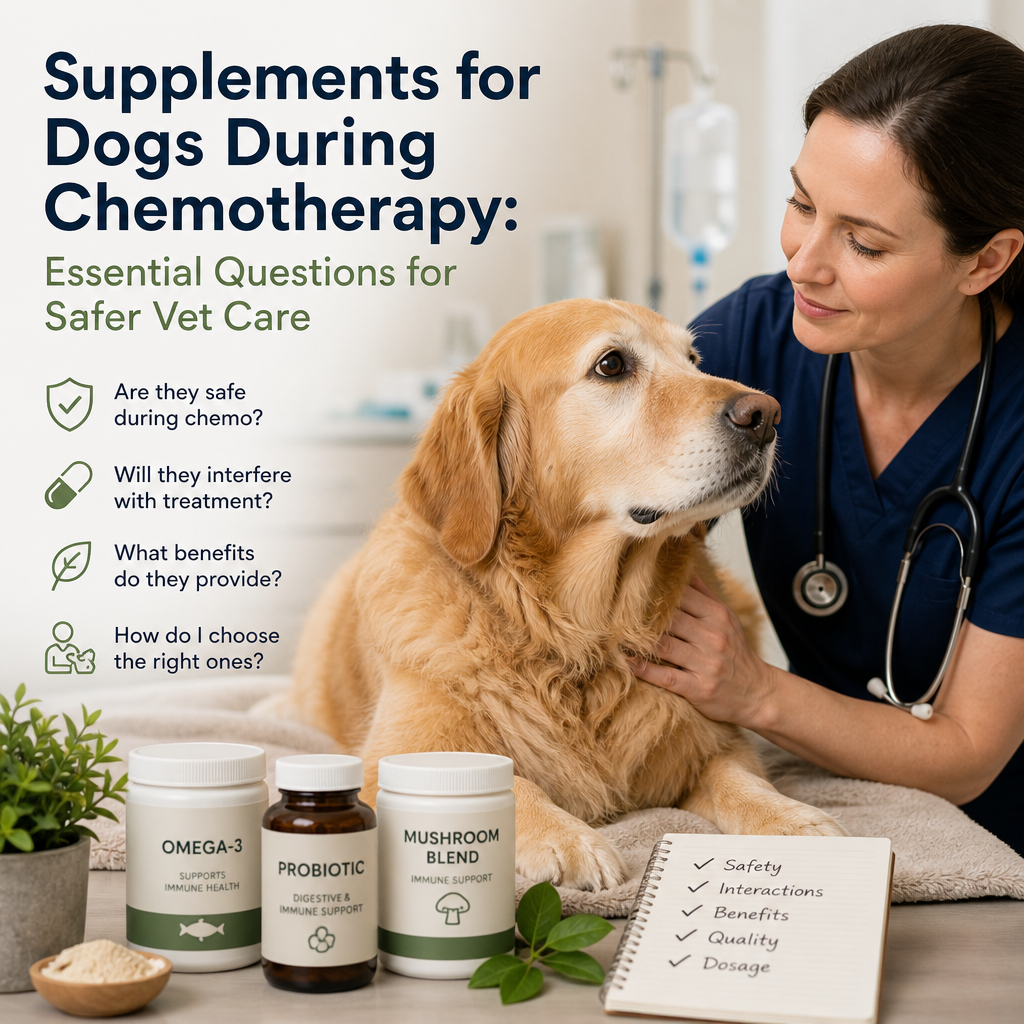
Supplements for Dogs During Chemotherapy can seem like a natural way to support a pet’s strength, appetite, and overall well-being. However, cancer treatment changes how a dog’s body processes nutrients and medications, so even products marketed as gentle or natural may create risks. The safest approach is to treat every supplement as a medical intervention and discuss it with the veterinary oncology team before giving it.
Used carefully, supplements for dogs during chemotherapy may have a place in supportive care, but they should never be added casually. A small change in ingredients, dose, or timing can make a big difference when a dog is receiving cancer treatment. That is why a clear plan matters more than a long list of products.
Why supplements for dogs during chemotherapy require caution
Chemotherapy is designed to damage or destroy rapidly dividing cancer cells, but it can also affect healthy cells in the bone marrow, digestive tract, and other tissues. Dogs may experience nausea, diarrhea, reduced appetite, fatigue, or lowered white blood cell counts. Because of these effects, owners often look for supplements that might improve immunity, protect organs, or help maintain body weight.
The challenge is that supplements for dogs during chemotherapy can interact with chemotherapy drugs in several ways. Some may change how a medication is absorbed or broken down. Others may affect blood clotting, blood pressure, kidney function, or liver enzymes. Antioxidant products may also influence the oxidative mechanisms involved in some cancer treatments, although the significance varies by drug, dose, and individual patient.
A supplement that is appropriate for a healthy dog may therefore be unsuitable during treatment. The product’s ingredients, concentration, manufacturing quality, and timing all matter. A “natural” label does not guarantee safety, especially when the body is already under stress from cancer and medication.
For additional background on supportive options, see Dog Tumour Supplements: 7 Safe, Effective Support Options Compared.
It also helps to think about the overall treatment goal. Some supplements are intended to support appetite or digestion for a few days, while others are marketed for immune health or long-term use. Those are not the same thing, and they should not be treated the same way. A dog with a sensitive stomach after treatment needs a different plan than a dog that is stable and eating well.
Another reason for caution is that cancer patients often receive several medications at once. Anti-nausea drugs, antibiotics, pain relievers, steroids, and appetite stimulants may already be part of the protocol. Adding another product without review can make it harder to trace the cause of side effects. With supplements for dogs during chemotherapy, simplicity usually improves safety.
Questions to ask before using dog cancer supplements
Before adding any product, ask the veterinary oncologist several specific questions:
- Is this supplement compatible with the chemotherapy protocol?
- Could it interfere with another medication, such as an anti-nausea drug, steroid, antibiotic, or pain reliever?
- Is there evidence that it benefits dogs with this type of cancer?
- Could it affect blood clotting, kidney function, liver function, or blood cell counts?
- Should it be stopped before chemotherapy or resumed only after bloodwork?
- Is the product manufactured for dogs, and has it been tested for quality and contamination?
- What dose and schedule are appropriate for this individual dog?
Bring the actual container or a complete ingredient list to the appointment. Product labels can vary, and some supplements contain blends that do not clearly identify the amount of every ingredient. Human products may also contain xylitol, excessive vitamin D, iron, or other substances that are dangerous for dogs.
When you are unsure, it is better to pause and ask than to guess. That is especially true with supplements for dogs during chemotherapy, because even small ingredient changes can matter. A short delay is usually safer than an avoidable interaction.
It can also help to ask whether the supplement is meant for short-term support during a difficult week or for longer use throughout treatment. The answer may change depending on bloodwork, appetite, and side effects. If your dog is also receiving prescription cancer therapy, this question becomes even more important because timing may matter as much as the ingredient itself.
If you are comparing product categories or trying to narrow down options, a broader review can be useful before making a choice. You can also look at guidance on Dog Tumour Supplements: 7 Safe, Effective Support Options Compared to understand how supportive products are generally evaluated.
Common types of canine chemo supplements
There is no universal supplement plan for dogs receiving cancer treatment. Recommendations depend on the cancer type, treatment protocol, laboratory results, appetite, weight, and existing medical conditions.
Some owners hope to find one product that will do everything, but that rarely exists. In real-world care, a supplement should address a specific problem such as poor appetite, loose stool, weight loss, or low dietary intake. When the purpose is clear, it is easier to judge whether the product is helping.
Omega-3 fatty acids
Fish oil provides EPA and DHA, which may support skin health, help regulate inflammation, and contribute calories to the diet. Some veterinary nutritionists use omega-3 fatty acids as part of a broader nutritional plan for selected cancer patients.
However, fish oil can cause gastrointestinal upset and may influence platelet function or bleeding risk, particularly at high doses or when combined with certain medications. Quality also matters because rancid or contaminated products may be harmful. A veterinarian should determine whether omega-3 supplementation is suitable and calculate an appropriate dose based on the dog’s weight and overall health.
In some care plans, omega-3s are considered one of the more practical supplements for dogs during chemotherapy, but only when the dosing and timing are reviewed first. If the dog already has diarrhea or a history of pancreatitis, that recommendation may change.
Probiotics and digestive support
Chemotherapy can disturb the gastrointestinal tract, and some dogs develop soft stools, diarrhea, or changes in appetite. A veterinary probiotic may be considered for digestive support, but probiotics are not automatically appropriate for every patient. Dogs with severe immune suppression or certain serious illnesses may require extra caution.
Products should be selected with veterinary guidance, especially if the dog has fever, bloody diarrhea, persistent vomiting, or a low white blood cell count. These symptoms can indicate complications that require medical care rather than supplementation. In those cases, the right response is usually a call to the clinic, not a change in supplements.
For dogs with upset stomach or variable stools, supportive nutrition may be more useful than adding several products at once. That approach can make it easier to see what is helping and what may be causing side effects. It also reduces the chance that supplements for dogs during chemotherapy will be layered on top of an already complicated medication plan.
Nutritional supplements and calorie support
Maintaining body weight and muscle mass is often more important than adding a long list of specialty products. Depending on the situation, a veterinarian may recommend a complete, balanced diet, a highly digestible food, a therapeutic nutrition product, or carefully selected calorie support.
Avoid forcing food or making sudden dietary changes without guidance. Appetite loss can result from nausea, pain, constipation, medication side effects, or disease progression. Treating the underlying cause is usually more effective than relying on a general appetite supplement.
Owners sometimes ask about supplements for dogs during chemotherapy because they hope to improve energy quickly. In practice, steady calorie intake and symptom control often provide more reliable support. If weight loss is occurring, the team may focus first on food texture, feeding frequency, and nausea control before recommending anything else.
Vitamins and minerals
Dogs eating a complete and balanced commercial or veterinary diet typically do not need broad vitamin and mineral supplementation. Excess amounts of certain nutrients can be toxic or may place additional stress on the liver and kidneys. Vitamin D, calcium, iron, and selenium are examples of nutrients that should not be supplemented casually.
Blood tests and a dietary assessment can help determine whether a deficiency exists. In many cases, correcting the diet or treating an underlying problem is safer than using a multivitamin. A dog that is eating poorly may need food support more than a vitamin blend.
If your dog’s diet has become limited, your veterinarian may refer you to a board-certified nutrition specialist through the American College of Veterinary Nutrition.
Even when a product seems simple, the label may hide a long list of added ingredients. That is one reason supplements for dogs during chemotherapy should be checked line by line before use. A single blend can contain herbs, antioxidants, and vitamins all in one formula.
Some owners also ask whether a multivitamin can “cover the bases” during treatment. In most cases, the answer is no. Broad supplementation is not a substitute for a targeted plan, and extra nutrients may create more problems than they solve. The safest route is usually to match the product to a specific need and a specific time frame.
Antioxidants and chemotherapy: a careful conversation
Antioxidants are frequently included in canine cancer supplements chemotherapy products. These compounds may help neutralize free radicals, but some chemotherapy drugs rely partly on oxidative damage to affect cancer cells. Research in veterinary patients is still limited, and the effects may differ between medications.
This does not mean every antioxidant is harmful, nor does it mean antioxidants must always be avoided. It means the decision should be based on the specific chemotherapy protocol. Do not start high-dose vitamin C, vitamin E, turmeric, curcumin, or blended antioxidant formulas without approval from the oncology team.
When in doubt, ask whether the product has been studied alongside the exact drug your dog is receiving. That question can prevent avoidable overlap and helps keep supplements for dogs during chemotherapy aligned with the treatment plan. It also shows the veterinarian exactly what you are hoping to support, whether that is appetite, inflammation control, or recovery between visits.
If the oncology team approves an antioxidant, ask whether it should be paused on treatment days or used only between chemotherapy visits. Timing can matter as much as the ingredient itself. A product that is acceptable on off-days may not be appropriate right before or after infusion.
Owners often assume that more protection is always better. With cancer therapy, that assumption can be risky. The point is not to block all stress in the body; the point is to support the dog without weakening the effect of treatment. That is why these conversations should happen before the bottle is opened.
Herbal products are not automatically safer
Herbal ingredients can have genuine biological effects. Turmeric, milk thistle, medicinal mushrooms, green tea extracts, and other botanicals may influence inflammation, liver enzymes, immune activity, or blood clotting. Some products may also contain contaminants or vary substantially between batches.
Milk thistle, for example, is sometimes considered for liver support, but it can still interact with medications and should be used only when a veterinarian has evaluated the dog’s liver function and treatment plan. Likewise, medicinal mushrooms are not a substitute for chemotherapy and may not be suitable for dogs receiving immune-modifying treatments.
In practice, the most helpful approach is not to assume a supplement is safe because it is plant-based. It is to verify whether it fits the dog’s diagnosis, bloodwork, and chemotherapy schedule. That is especially important if the dog already has liver disease, kidney disease, clotting issues, or a history of digestive sensitivity.
Owners looking at supplements for dogs during chemotherapy should also check whether the brand uses third-party testing. Independent quality control can reduce, though not eliminate, the risk of contamination or inaccurate labeling. When a company provides transparent manufacturing information, it is easier for the veterinary team to assess the product.
Herbal blends are also more likely to include multiple active ingredients in a single capsule or chew. That can make it hard to identify what is helping and what is causing a problem. If a dog develops vomiting or a rash, a simple product is easier to stop and review than a complex multi-ingredient formula.
If you are considering any plant-based support, ask for the exact ingredient list and share it with the oncology team. The fact that something is sold as a pet wellness product does not mean it belongs in every treatment plan.
Warning signs that require prompt veterinary attention
Contact the veterinary team promptly if a dog receiving chemotherapy develops repeated vomiting, severe or persistent diarrhea, refusal to eat, marked weakness, pale gums, difficulty breathing, bleeding, fever, or sudden behavioral changes. Do not attempt to manage these signs with supplements alone.
Keep a written record of every medication, supplement, treat, and dose. Include the time each product is given and note changes in appetite, stool, energy, and weight. This information helps veterinarians identify side effects and make safer adjustments.
If your dog is already receiving supplements for dogs during chemotherapy, bring the list to every recheck so the team can reassess what still makes sense. A product that was appropriate during one phase of treatment may become unnecessary or risky later.
When symptoms change quickly, the safest choice is to stop the new product and call the clinic. A fast response can prevent minor side effects from becoming more serious. This is particularly important when chemotherapy is affecting blood counts or hydration status.
Watch for subtle changes too. A dog that is less interested in food, quieter than usual, or drinking much more or less than normal may be giving early warning signs. Those changes are worth reporting even if they seem mild. Catching a problem early may allow the oncology team to adjust treatment or supportive care before the next scheduled visit.
Making a supplement plan part of safer cancer care
The most useful plan is individualized, evidence-informed, and regularly reviewed. A veterinary oncologist may collaborate with a board-certified veterinary nutritionist to address weight loss, muscle preservation, food preferences, and digestive problems. Supplements may have a role, but they should complement—not replace—prescribed cancer treatment, symptom control, follow-up bloodwork, and appropriate nutrition.
Ultimately, the best canine chemo supplements are not necessarily the products with the longest ingredient list. They are the products that have a clear purpose, a verified quality standard, a carefully calculated dose, and a demonstrated compatibility with the dog’s treatment. Careful communication with the veterinary team gives owners the best chance of supporting comfort and quality of life while minimizing avoidable risks.
For readers comparing supportive options, this article pairs well with Dog Tumour Supplements: 7 Safe, Effective Support Options Compared, which explains how common ingredients are typically used in cancer care. The main goal is the same: make each decision safer, simpler, and better informed.
Before starting anything new, remember that supplements for dogs during chemotherapy are most helpful when they solve a specific problem and fit the treatment plan. A thoughtful, case-by-case approach is usually the safest path.
If your dog’s care plan feels complicated, write down the goal of each product in one sentence. For example, one supplement might support digestion, another might help with calories, and another might be under review for liver support. That simple step can make supplements for dogs during chemotherapy easier to track and discuss at each follow-up visit.
In the end, the best choice is the one that helps your dog feel better without creating new risks. When owners, primary veterinarians, and oncology teams communicate clearly, it becomes much easier to choose products wisely and stop anything that no longer serves a purpose. That is the safest way to use supplements for dogs during chemotherapy as part of a broader cancer care plan.
by TCMVET | Aug 27, 2026 | Research and News
Botanical tumor support vs Immune / Coriolus / medicinal mushrooms is an important comparison for dog owners exploring supportive care during a cancer diagnosis. Supplements may help promote general wellness, appetite, digestion, or immune function, but they are not replacements for veterinary diagnosis and treatment. A thoughtful dog cancer supplement comparison should consider the dog’s cancer type, current medications, organ health, treatment plan, and overall goals of care.
Understanding the Main Categories
The phrase “botanical tumor support” generally refers to plant-derived ingredients selected for their antioxidant, anti-inflammatory, immune-modulating, or cellular-support properties. These formulas may contain herbs such as turmeric, milk thistle, green tea compounds, ginger, or other botanical extracts. The exact ingredients and concentrations vary widely, so products with similar marketing claims can have very different safety profiles.
Immune supplements are a broader category. They may include vitamins, minerals, beta-glucans, medicinal mushrooms, probiotics, or herbal ingredients intended to support normal immune activity. Immune support does not necessarily mean stimulating the immune system aggressively. In a dog undergoing chemotherapy, excessive or poorly timed immune stimulation may not be appropriate, which is why product selection should be guided by a veterinarian.
Coriolus is another name commonly associated with turkey tail mushroom, scientifically known as Trametes versicolor. It contains compounds such as polysaccharide peptides and beta-glucans that have attracted research interest. Coriolus products are often marketed for immune support and as part of an integrative cancer-care plan.
Medicinal mushrooms may include turkey tail, reishi, maitake, shiitake, cordyceps, and other fungi. Each mushroom has a different chemical profile and may affect immune signaling, inflammation, blood clotting, or liver metabolism differently. “Medicinal mushrooms” should therefore not be treated as one uniform supplement category.
If you are comparing formulations, a reliable starting point is another veterinary-focused resource such as Dog Cancer Supplements: 7 Essential, Affordable and Positive Buying Tips for UK Pet Owners.
Botanical tumor support vs Immune / Coriolus / medicinal mushrooms
The key difference is usually the intended emphasis. Botanical tumor-support formulas are often designed around plant compounds that may support inflammatory balance, antioxidant defenses, normal detoxification pathways, or overall cellular health. Immune, Coriolus, and medicinal mushroom products focus more heavily on immune-related pathways, particularly innate immune activity and natural defense mechanisms.
This distinction is useful, but it should not be interpreted as proof that one category is superior. A botanical formula may still influence immune function, while a mushroom product may have antioxidant or anti-inflammatory effects. Many products combine both plant and fungal ingredients, making the label and dosage more important than the category name.
Coriolus is often considered separately because turkey tail has received more attention in veterinary and human integrative oncology than many other mushrooms. However, research findings from one species, extract, or dosage cannot automatically be applied to every turkey tail product. Extraction method, beta-glucan content, purity, storage, and manufacturing quality may substantially affect the final supplement.
That is why botanical tumor support vs Immune / Coriolus / medicinal mushrooms should be evaluated through the lens of the individual dog, not a single headline claim. The same product category may be reasonable in one case and inappropriate in another.
In Greece and elsewhere, owners often want a clear side-by-side decision. The safest approach is to compare the formula, the dog’s diagnosis, and the veterinarian’s plan rather than rely on category names alone.
What a Dog Cancer Supplement Comparison Should Examine
A meaningful dog cancer supplement comparison should begin with ingredient transparency. Look for products that list the scientific names of herbs or mushrooms, the amount per serving, extraction details when relevant, and independent quality testing. Proprietary blends that hide ingredient quantities make it difficult for a veterinarian to assess safety or calculate the total daily exposure.
The next consideration is the dog’s treatment plan. Some botanical compounds and mushrooms may influence liver enzymes responsible for metabolizing medications. Others may affect platelet function or blood clotting. These effects could matter when a dog is receiving chemotherapy, corticosteroids, nonsteroidal anti-inflammatory drugs, targeted medications, or surgery.
Organ function also matters. Dogs with liver disease, kidney disease, gastrointestinal inflammation, or a history of pancreatitis may tolerate certain supplements poorly. A product that is reasonable for a healthy senior dog may be unsuitable for a dog with reduced liver clearance or a sensitive digestive system.
Product quality is equally important. Supplements should ideally be manufactured under recognized quality standards and tested for contaminants such as heavy metals, pesticides, bacteria, mold, and inaccurate ingredient concentrations. Mushroom products require particular attention because misidentified species or poor-quality raw materials can undermine both safety and effectiveness.
For a useful evidence-based overview of turkey tail and immune research, the U.S. National Center for Complementary and Integrative Health provides a helpful reference on complementary approaches at NCCIH’s official integrative health resources.
It also helps to ask a practical question: what problem is the supplement meant to solve? If the goal is appetite support, a botanical blend may be more relevant. If the goal is immune support during an integrative cancer plan, a mushroom extract may fit better. The answer depends on the dog, not the trend.
Potential Benefits and Limitations
Supportive supplements may help address practical concerns that arise during cancer care. Depending on the ingredients, they may support appetite, stool quality, normal inflammatory balance, antioxidant defenses, or general vitality. Some dogs appear to tolerate treatment better when nutrition, hydration, nausea control, and digestive health are managed comprehensively.
However, supplements should not be described as cures. Evidence in canine cancer remains limited for many products, and studies in people or laboratory models do not guarantee the same results in dogs. Cancer is also not one disease. A supplement that appears promising for one tumor type may have little relevance to another.
Antioxidants illustrate the complexity. Oxidative stress can contribute to cellular damage, but some cancer treatments may partly rely on oxidative mechanisms. Whether a particular antioxidant should be used during treatment depends on the drug, dose, timing, and veterinary assessment. More is not always better.
When people compare botanical tumor support vs Immune / Coriolus / medicinal mushrooms, they often assume the mushroom side is always the gentler option. In reality, both categories can be helpful, neutral, or problematic depending on the formula and the dog’s medical history.
There is also a quality-of-evidence issue. A product may contain a respected ingredient, but that does not guarantee the finished supplement has the right dose or the right extraction. The best-looking label can still be disappointing if the manufacturing is poor.
How to Use These Products Responsibly
Before adding botanical tumor support, Coriolus, or another medicinal mushroom product, provide the full label to the veterinary oncologist or primary veterinarian. Include all other supplements, treats, medications, and dietary additions. This allows the care team to identify duplicate ingredients and possible interactions.
Introduce only one new product at a time, using the recommended dose unless the veterinarian gives different instructions. Monitor for vomiting, diarrhea, reduced appetite, itching, lethargy, unusual bruising, or changes in thirst and urination. Stop the product and contact the veterinary team if concerning symptoms appear.
Keep a simple record of the product, dose, start date, treatment schedule, appetite, stool quality, and energy level. This makes it easier to determine whether the supplement is helping, causing side effects, or having no noticeable effect.
Practical caution matters because botanical tumor support vs Immune / Coriolus / medicinal mushrooms can overlap with medications in ways that are easy to miss. Clear documentation helps your veterinarian review the full support plan safely.
When in doubt, ask whether the supplement could affect surgery, chemotherapy timing, liver enzymes, or bleeding risk. Those are often the most important safety questions in an oncology setting.
Choosing the Most Appropriate Approach
The best choice is rarely determined by the label claim alone. For some dogs, the priority may be maintaining appetite and body weight. For others, the focus may be gastrointestinal support, recovery after surgery, or maintaining comfort during chemotherapy. A mushroom-based immune product may be considered in one situation, while a carefully selected botanical formula or no supplement at all may be more appropriate in another.
Ultimately, botanical tumor support vs Immune / Coriolus / medicinal mushrooms is not a simple contest between competing categories. The most responsible approach combines evidence, product quality, veterinary oversight, and the individual dog’s needs. Supplements can sometimes complement conventional cancer care, but nutrition, pain control, infection prevention, appropriate treatment, and quality of life should remain the foundation of the plan.
If you are still deciding between options, revisit the label, check the source of the extract, and confirm the plan with your veterinarian. In many cases, the safest answer is not choosing one side of botanical tumor support vs Immune / Coriolus / medicinal mushrooms blindly, but selecting the product that fits the dog’s diagnosis, medications, and overall care goals.
For owners who want a practical rule of thumb, choose the product with the clearest ingredient disclosure, the best quality controls, and the most appropriate fit for the dog’s medical situation. That simple filter can prevent many avoidable mistakes.
by TCMVET | Aug 19, 2026 | Research and News
Botanical tumor support vs Cross-border oncology / supplement products is an important comparison for pet owners exploring additional support for a dog with cancer. While supplements may help address nutrition, inflammation, appetite, or general wellness, they are not interchangeable with veterinary oncology treatment. The most responsible approach is to understand what each option can and cannot do, assess product quality carefully, and use any supplement only as part of a veterinarian-guided care plan.
Botanical tumor support vs Cross-border oncology / supplement products
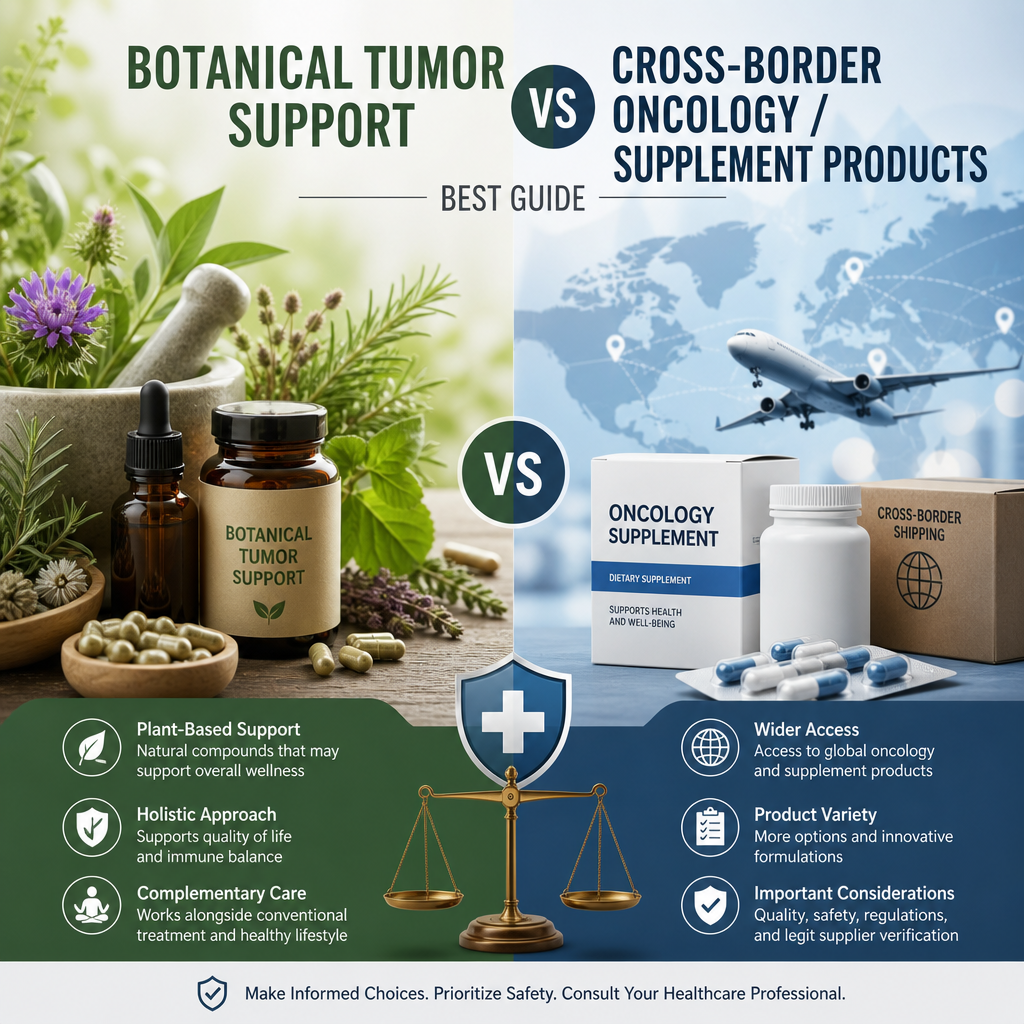
Botanical tumor support usually refers to plant-derived compounds used alongside conventional cancer care. These may include medicinal mushrooms, turmeric-derived curcuminoids, green tea compounds, milk thistle, boswellia, or other herbal ingredients. Their proposed roles can include antioxidant activity, immune support, digestive support, and assistance with maintaining quality of life.
In a practical sense, botanical tumor support is often chosen because owners want something gentle, familiar, and compatible with routine care. That interest is understandable, especially when a dog is dealing with appetite changes, fatigue, or treatment side effects. Even so, every botanical product should be judged by the same standards used for any active health product. The question is not whether a supplement sounds natural; the question is whether it is appropriate for the specific dog, the specific diagnosis, and the current oncology plan.
Cross-border oncology or supplement products are a broader category. They may include prescription medications, imported veterinary products, compounded formulas, nutritional products, and nonprescription supplements purchased from another country. The phrase “cross-border” does not automatically indicate that a product is superior or unsafe. It means that additional questions must be asked about manufacturing standards, labeling, storage, legal status, and veterinary oversight.
In other words, botanical tumor support vs Cross-border oncology / supplement products is not a contest between good and bad products. It is a comparison between different product categories that may vary widely in purpose, quality, and evidence. A responsible dog owner should look beyond the country of origin and focus on safety, formulation, and clinical fit.
The key distinction is that botanical support is defined primarily by its ingredients and intended supportive role, whereas cross-border oncology products may range from evidence-based medical treatments to products with limited documentation. Comparing them requires more than looking at marketing claims or ingredient lists.
For many owners, the central issue is not whether a product is local or imported, but whether it fits the dog’s diagnosis and treatment plan. That is why veterinary review matters in any dog cancer supplement comparison.
What botanical tumor support may offer
A carefully selected botanical formula can sometimes complement a dog’s cancer care plan. Depending on the ingredients, possible goals may include:
- Supporting appetite and digestion
- Helping maintain body condition
- Providing nutrients during recovery
- Supporting normal inflammatory pathways
- Offering compounds with antioxidant or immune-modulating properties
- Promoting general comfort and wellness
These goals are supportive rather than curative. That distinction matters, because many owners search for botanical tumor support after conventional care has already started or when they are trying to reduce discomfort without adding unnecessary complexity. Used appropriately, some products may help a dog feel better or tolerate a treatment plan more comfortably. Used poorly, the same products may create confusion, side effects, or interactions.
However, evidence varies substantially from one ingredient to another. Research conducted in laboratory cells, rodents, or humans cannot automatically be applied to dogs. Dosage, absorption, metabolism, and toxicity may differ among species. Even a plant that is traditionally used in people may be inappropriate for dogs in concentrated extract form.
Botanical products should therefore be assessed by their specific ingredients, amounts, formulation, and intended use—not simply by the words “natural,” “herbal,” or “holistic.” Natural substances can produce side effects and may interact with chemotherapy, radiation, surgery, steroids, pain medicines, or drugs processed by the liver.
When families search for botanical tumor support, they are often trying to do something proactive and gentle. The most useful products are the ones that make sense on paper, have a clear rationale, and fit the dog’s actual needs. In many cases, the best results come from matching the product to a very specific goal rather than trying to do everything at once.
If owners want to understand the biology behind a tumor diagnosis before selecting any supportive product, it can help to review how tumor behavior, immune imbalance, and treatment response differ from one case to another. A broader resource such as Dog Cancer Biology Helpful Immune Imbalance & Tumor Factors can provide helpful context.
Understanding cross-border oncology and supplement products
Imported or cross-border products can create both opportunities and risks. Some may contain ingredients unavailable locally, while others may be marketed under regulatory systems that differ from those in the dog’s home country. Product names, concentrations, dosing instructions, and quality standards may not translate clearly between markets.
When discussing botanical tumor support vs Cross-border oncology / supplement products, one of the most important practical differences is regulation. A botanical product may be sold as a supplement with minimal oversight in one country but require more specific labeling or approvals in another. Likewise, an oncology-related product may be standard in one market and difficult to evaluate in another because instructions, language, or dosage conventions differ.
Important concerns include:
- Unclear ingredient amounts: A label may list a proprietary blend without stating the quantity of each active ingredient.
- Different quality controls: Manufacturing, testing, contamination screening, and batch consistency can vary.
- Storage and shipping issues: Heat, humidity, delays, or improper packaging may reduce product stability.
- Counterfeit or mislabeled products: Online marketplaces can make it difficult to verify the original manufacturer.
- Regulatory differences: A product legally sold as a supplement in one country may be classified differently elsewhere.
- Limited veterinary guidance: Instructions may be written for humans or based on assumptions that do not apply to dogs.
A product’s foreign origin is not proof of effectiveness, and local availability is not proof of poor quality. The practical question is whether the product has reliable documentation and can be safely integrated into the dog’s treatment plan.
For dogs already receiving treatment, cross-border products should be checked carefully for ingredient overlap, hidden excipients, and dosing inconsistencies. This is especially important if the dog has a sensitive stomach, liver disease, kidney disease, or a history of medication intolerance. Even a helpful product can become a problem if the concentration is different from what the owner expects.
For readers who are comparing supportive options in different markets, this article can also be paired with regional guidance such as Ocoxin Pets alternative 5 Powerful Ways to Support Dogs in Spain when researching supplement choices and vet-guided care.
Dog cancer supplement comparison: the most important criteria
A useful dog cancer supplement comparison should focus on safety, transparency, evidence, and compatibility with treatment. Consider the following criteria before making a decision.
Ingredient transparency
Choose products that identify every active ingredient and provide the amount per serving. Avoid vague blends that make it impossible to calculate a meaningful dose. The label should also disclose inactive ingredients, allergens, preservatives, and flavoring agents when relevant.
Good labeling is especially important when owners are weighing botanical tumor support vs Cross-border oncology / supplement products, because the labels may follow different national standards. A clear label makes it easier to compare ingredients fairly and to discuss the product with the veterinarian.
Manufacturing and testing
Look for products made in facilities that follow recognized quality standards. Independent testing for contaminants, heavy metals, pesticides, microbes, and accurate ingredient levels provides greater confidence. A certificate of analysis can be helpful, although it should come from a credible laboratory and correspond to the specific product batch.
If the product is imported, ask whether the same batch was tested before export, after arrival, or not at all. That detail matters because transport conditions can influence stability and shelf life. A supplement that is well made but poorly stored may not perform as expected.
Veterinary compatibility
Your veterinarian should know about every supplement your dog receives. This is especially important before surgery or when the dog is receiving chemotherapy, radiation, targeted medication, anticoagulants, nonsteroidal anti-inflammatory drugs, anticonvulsants, or corticosteroids. Some supplements may affect bleeding, blood pressure, liver enzymes, immune activity, or drug absorption.
Veterinary compatibility should also be considered in relation to the dog’s age, breed, weight, and concurrent illnesses. Senior pets may process certain compounds more slowly, and small dogs can be more sensitive to dosing errors. A product that seems mild in theory may still be too concentrated for a frail patient.
Evidence and realistic claims
Be cautious of products claiming to cure cancer, replace chemotherapy, dissolve tumors, or guarantee survival. These statements are warning signs. A trustworthy product generally presents supportive goals rather than promises of a cure and distinguishes laboratory findings from clinical evidence.
The best way to evaluate these claims is to ask what type of evidence exists. Is there data from dogs, or only from laboratory models? Was the study small, uncontrolled, or based on a different species? Strong claims should be backed by stronger evidence, not just by testimonials or sales language.
Dog-specific formulation
Human products may contain ingredients that are unsuitable for dogs, including xylitol, excessive vitamin D, concentrated essential oils, or inappropriate mineral levels. A canine product should still be evaluated carefully, but it is often easier to assess when the formulation and directions are specifically designed for veterinary use.
Another point to remember in botanical tumor support vs Cross-border oncology / supplement products is that “for pets” does not automatically mean “safe for every pet.” The dog’s medical history should always guide the final decision.
Potential risks of combining supplements with cancer treatment
The most serious mistake is assuming that a supplement is harmless because it is natural. Certain concentrated botanicals can affect liver enzymes and potentially change how medications are metabolized. Others may increase bleeding risk, alter blood sugar, cause gastrointestinal upset, or stimulate the immune system in ways that are undesirable for a particular treatment plan.
Antioxidant supplements also require thoughtful discussion. Antioxidants may support normal cells under some conditions, but their use during radiation or certain chemotherapy protocols may be controversial because treatment can partly rely on oxidative mechanisms. The right decision depends on the specific cancer, medication, timing, and overall health of the dog.
Dogs with liver disease, kidney disease, clotting disorders, diabetes, seizure disorders, or gastrointestinal problems may face additional risks. Puppies, senior dogs, and underweight patients may also respond differently to concentrated products.
These concerns do not mean botanical options have no place in care. They mean that a dog cancer supplement comparison should always include safety first, especially when a dog is already on prescription therapy. Even supportive ingredients should be handled like real medical tools, not like flavorless food additives.
A cautious owner should also avoid layering too many supplements at once. Multiple products can lead to overlapping ingredients, unintended high doses, or confusion when side effects occur. Simplicity often makes monitoring safer and more effective.
How to make a safer decision
Start by identifying the primary goal. Is the aim to support appetite, maintain weight, ease digestive problems, address a documented deficiency, or provide general nutritional support? A clear goal helps prevent the use of multiple overlapping products.
Next, gather complete product information, including photographs of the label, serving size, manufacturer, lot number, and suggested dose. Share this information with the veterinary team. Ask whether any ingredient conflicts with the dog’s diagnosis or current medications.
Introduce only one new product at a time, unless a veterinarian gives different instructions. This makes it easier to identify side effects. Monitor appetite, vomiting, diarrhea, energy, thirst, urination, skin changes, and any unusual behavior. Stop the product and contact the veterinarian if concerning symptoms appear.
Regular monitoring may include bloodwork, weight checks, liver and kidney assessments, and evaluation of tumor response. Supplements should never delay imaging, surgery, oncology consultations, pain management, or other recommended care.
It can also help to review primary-source product or ingredient information from recognized medical references. For example, the PubMed research database is a reliable place to verify whether a botanical ingredient has been studied in dogs or in related species.
Owners comparing botanical tumor support vs Cross-border oncology / supplement products may also want to ask practical questions before purchasing. What is the exact active ingredient? Is the dose expressed clearly? Has the product been used in dogs, or only discussed in human studies? Can the manufacturer explain the source and testing process? These questions help turn a marketing decision into a health decision.
If a product must be imported, confirm how it will be shipped, whether it requires refrigeration, and how long it remains stable after opening. Ask whether the package includes a lot number and expiration date. These details may seem minor, but they matter when a dog’s treatment depends on consistent quality.
The role of quality of life
Cancer care is not measured only by tumor size or survival time. Appetite, comfort, mobility, sleep, interaction, hydration, and enjoyment of daily activities are also important. A supplement may be worthwhile if it supports a specific quality-of-life objective and does not interfere with effective treatment.
Some dogs benefit most from symptom support rather than aggressive product use. For example, if appetite is poor, a product that helps with digestion or palatability may matter more than one that promises broad anti-tumor activity. If joint stiffness or discomfort is the main problem, then quality-of-life support may take priority over other claims.
The strongest plan usually combines evidence-based veterinary oncology with individualized nutrition, pain control, symptom management, and honest monitoring. Botanical products can have a place in that plan, but they should be selected with the same caution applied to any active medical substance.
Ultimately, botanical tumor support vs Cross-border oncology / supplement products is not a simple contest between “natural” and “medical” options. The safest choice depends on the dog’s diagnosis, treatment protocol, health status, product quality, and veterinary supervision. Transparent labeling, realistic expectations, and careful monitoring are the foundation of responsible supplement use.
For owners comparing options across markets, this discussion also fits into a broader decision-making process that includes local availability, cost, and follow-up care. A lower-priced product is not automatically better if the dosing is unclear or the source cannot be verified. Likewise, a premium imported product is not automatically worth the price unless it has a clear role in the care plan.
Every dog cancer supplement comparison should balance hope with evidence. Botanical support may be useful, and imported products may have a place, but neither should replace clinical judgment. A product earns trust when it is transparent, practical, and appropriate for the dog in front of you.
In practice, the best answer is rarely the most dramatic one. A carefully chosen botanical formula, used for the right reason, may help. A cross-border product may also be appropriate if it is well documented and professionally supervised. The key is to protect the dog, not the marketing claim. When owners keep that priority in mind, botanical tumor support vs Cross-border oncology / supplement products becomes a clearer and safer decision.
by TCMVET | Aug 19, 2026 | Research and News
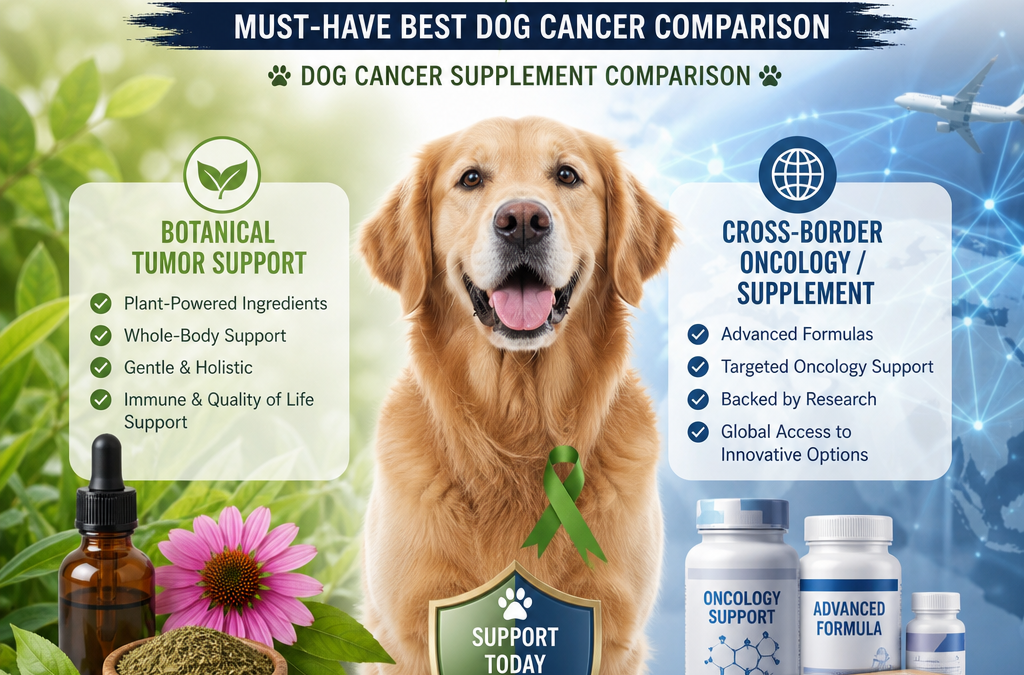
Botanical tumor support vs Cross-border oncology / supplement is an important comparison for dog owners exploring complementary care after a cancer diagnosis. Although supplements may play a supportive role, they should never replace veterinary evaluation, diagnostic testing, surgery, chemotherapy, radiation, or other evidence-based treatments. The right choice depends on the dog’s cancer type, overall health, current medications, and treatment goals.
When families compare botanical tumor support vs Cross-border oncology / supplement options, the first step is to separate marketing language from real clinical value. Some products are designed to support appetite, digestion, inflammation, liver function, or quality of life. Others are sold with bold claims that sound impressive but are not backed by strong veterinary evidence. A careful review of the label, the manufacturer, and the intended use can help owners avoid expensive mistakes while keeping treatment safe.
Understanding the dog cancer supplement comparison
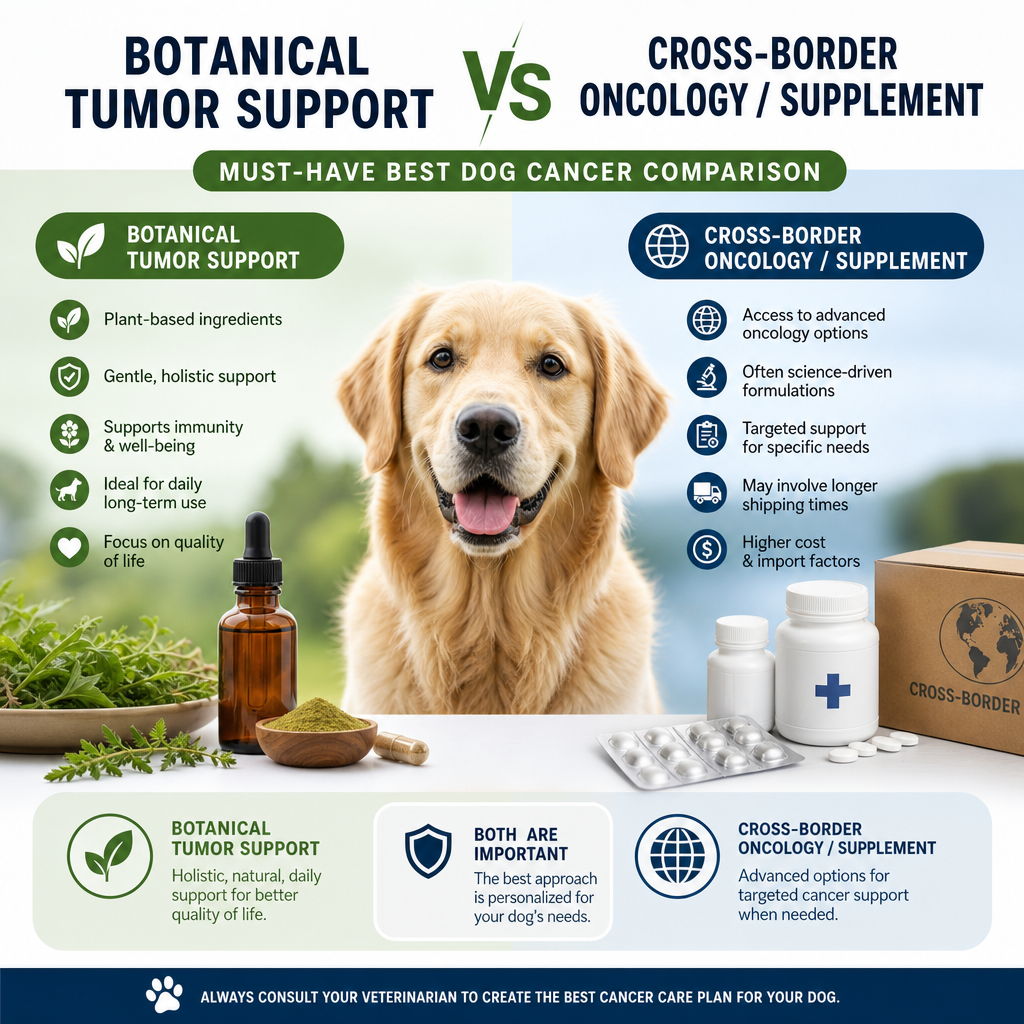
A dog cancer supplement comparison should begin with a clear distinction between supportive products and cancer-directed medical care. Botanical tumor support vs Cross-border oncology / supplement choices may look similar on a product page, but they can serve very different purposes. Botanical products commonly contain plant-derived ingredients selected for antioxidant, anti-inflammatory, immune-supporting, or general wellness purposes. Examples may include medicinal mushrooms, turmeric compounds, milk thistle, green tea extracts, or other herbs. In some cases, these ingredients are used to support comfort during a difficult treatment period rather than to treat the tumor itself.
Cross-border oncology / supplement products may refer to supplements purchased from another country, imported protocols, or products marketed alongside international cancer-treatment approaches. These products can vary considerably in formulation, manufacturing standards, labeling, dosage instructions, and available safety data. The phrase “cross-border oncology” does not automatically indicate superior care or higher quality. It often describes where a product or treatment originates rather than proving how effective it is.
The most useful comparison focuses on evidence, transparency, safety, veterinary oversight, and compatibility with the dog’s primary treatment plan. A product may be helpful for a specific symptom, but that does not mean it is appropriate for every dog or every cancer type. For owners who also want to understand broader cancer warning signs, this article from Dog Cancer Symptoms: Helpful Early Tumor Signs can help put supportive care in context.
It is also helpful to remember that a supplement choice is rarely made in isolation. Most dogs with cancer are already receiving pain relief, anti-nausea medication, nutrition support, or other therapies. That means the safest and most useful plan is the one that fits into the existing medical schedule without creating avoidable risk.
In practice, botanical tumor support vs Cross-border oncology / supplement decisions often come down to the same core questions: What is the goal, what is the evidence, and how will the product affect the dog’s current care plan? Keeping those questions front and center helps owners avoid confusion and focus on useful support.
Botanical tumor support: Potential advantages and limitations
Botanical products may offer certain practical advantages. They are often designed to support appetite, digestion, inflammation management, liver function, or general resilience during illness. Some ingredients have been studied in laboratory settings or in limited animal research. For example, certain mushroom extracts and plant compounds have shown immune-modulating or anti-inflammatory activity in preliminary studies.
Some owners choose botanical support because they want something that feels gentler than conventional medicine. That preference is understandable, especially when a dog is already dealing with side effects from cancer care. In a well-designed plan, botanical tumor support may be used to support comfort, maintain interest in food, or help a dog cope with chronic inflammation. The goal should be support, not substitution.
However, laboratory findings do not prove that a supplement can shrink a tumor or extend survival in dogs. A product that affects cancer cells in a test tube may not reach the same concentration in the body. Absorption, metabolism, tumor biology, and interactions with other medications can significantly change the outcome. A promising ingredient is not the same as a clinically effective treatment.
Quality is another important consideration. Botanical products can differ by species, plant part, extraction method, concentration, and batch. A label may list an herb without identifying the amount of its active compounds. Products may also contain contaminants, pesticides, heavy metals, or ingredients that are not clearly disclosed. Choosing a company that provides independent testing and a certificate of analysis can reduce, but not eliminate, these concerns.
Botanical tumor support can be a useful term only when it describes realistic supportive care. It is not the same as a proven cancer cure, and it should not be presented that way. In practice, the best botanical tumor support for dogs is usually part of a monitored plan that respects the veterinarian’s treatment schedule. When owners keep expectations grounded, they are less likely to be disappointed or misled by exaggerated promises.
In many cases, botanical products make the most sense when the main objective is quality of life. That may include appetite support during chemotherapy, gastrointestinal comfort after medication changes, or additional nutritional support in a dog that is losing weight. These are meaningful goals, but they are different from claiming a direct tumor response.
Botanical tumor support vs Cross-border oncology / supplement comparisons also benefit from a simple reality check: supportive care can improve comfort, but it should not be expected to replace a structured oncology plan. That distinction keeps decisions practical and safer for the dog.
Cross-border oncology / supplement considerations
Cross-border oncology / supplement options may appeal to owners seeking treatments unavailable locally or hoping to access specialized cancer protocols. In some cases, international veterinary centers may provide legitimate expertise, advanced imaging, clinical trials, or specialist consultations. The quality of care should be evaluated based on the credentials of the veterinary team, the diagnostic process, published evidence, and communication with the dog’s primary veterinarian—not simply the country of origin.
Imported supplements require additional caution. Regulations differ between countries, and a product approved or sold in one region may not meet the same standards elsewhere. Dosage instructions may be based on different body-weight calculations, and shipping conditions may affect stability. Customs delays, temperature exposure, unclear expiration dates, and limited customer support can complicate treatment.
Owners should also verify whether the product is intended for dogs, whether the manufacturer has established quality-control procedures, and whether the product contains substances that could interfere with chemotherapy, anesthesia, blood clotting, or liver metabolism. This matters even more when the dog has a complex diagnosis or is taking several prescriptions at the same time.
Another practical issue is consistency. A supplement that arrives in one batch may not be identical to the next batch, especially when the manufacturing process is not well documented. When care depends on predictable dosing, especially during active oncology treatment, predictability matters as much as ingredient choice.
If you are comparing supportive options alongside tumor care, it can help to review broader cancer biology as well. The overview at Dog Cancer Biology Helpful Immune Imbalance & Tumor Factors explains why cancer behavior, immune response, and treatment response can vary so much from one dog to another.
For some families, cross-border oncology / supplement research starts with the hope of finding a better answer than they received locally. That hope is understandable. Still, the best international option is not the one with the most dramatic online language; it is the one that shows clear diagnostic reasoning, realistic goals, and a credible plan for follow-up care.
When you compare botanical tumor support vs Cross-border oncology / supplement products, pay attention to who is providing the oversight. A responsive veterinary team matters more than an impressive origin story, especially when safety and follow-up monitoring are involved.
What dog owners should know before choosing any product
Dog owners often look for the fastest way to help, but a smart decision begins with asking what problem the product is supposed to solve. Is the goal to reduce nausea, improve appetite, support liver function, ease inflammation, or address anxiety during treatment? A supplement can only be judged properly when the goal is clear.
It is also useful to match the supportive product to the dog’s life stage. A senior dog may need a different plan than a young dog with a newly diagnosed tumor. If aging is part of the picture, the article on Senior Dog Cancer: Important Tumor Risks, Aging Dog Health provides additional background on the special needs of older pets.
Timing matters too. A product that seems harmless on its own may become risky if started right before surgery or during a chemotherapy cycle. For that reason, veterinary teams often prefer to review the exact ingredient list before making a recommendation. A dog that is stable today may react differently once a new medication, diet change, or treatment phase begins.
It also helps to think in terms of daily function. Is the dog eating normally? Is there vomiting, diarrhea, constipation, panting, fatigue, or a new limp? Supplements are often considered when a dog needs support with these real-world symptoms. In that sense, the right choice is less about trendiness and more about whether the product has a sensible place in the dog’s current routine.
Owners comparing botanical tumor support vs Cross-border oncology / supplement choices should also remember that the best option may simply be the most practical one. A product that is affordable, consistent, and easy to monitor is often safer than a more complicated plan that cannot be followed reliably.
Key safety issues when comparing supplements
The phrase “natural” does not mean risk-free. Some herbs can cause vomiting, diarrhea, sedation, liver injury, kidney stress, or changes in blood pressure. Others may affect platelet function and increase bleeding risk during surgery. Supplements with antioxidant activity may theoretically interfere with certain treatments that rely partly on oxidative mechanisms, although the significance varies by product and therapy.
Drug interactions are especially important. A supplement may alter the absorption or breakdown of chemotherapy drugs, steroids, pain medications, antibiotics, or seizure medicines. Even common ingredients can become problematic when combined with several prescriptions or used in a dog with liver or kidney disease.
Before adding any product, provide the veterinarian with the complete label, ingredient list, concentration, suggested dose, and manufacturer information. The veterinarian may recommend bloodwork, a lower starting dose, or avoiding the product entirely during a particular phase of treatment.
Botanical tumor support deserves the same safety review as any other intervention. When owners use botanical tumor support with clear dosing and close monitoring, the risk of accidental harm is lower than when they add multiple products at once. That same caution applies to any imported formula in the cross-border oncology / supplement market.
There is also a difference between a side effect and a coincidence. If a dog develops lethargy, poor appetite, or digestive upset after starting a new product, the supplement should be considered as a possible cause rather than dismissed immediately. Careful observation helps the veterinary team decide whether to pause, adjust, or replace the product.
In short, botanical tumor support vs Cross-border oncology / supplement options should be screened for the same red flags: unclear labels, vague promises, no testing data, and no veterinary guidance. Safety remains the first filter, no matter how attractive the marketing looks.
How to evaluate evidence and product quality
A careful dog cancer supplement comparison should ask several practical questions:
- Has the product been studied in dogs, or only in laboratory cell cultures?
- Are the studies peer-reviewed and independent?
- Does the manufacturer disclose exact ingredient amounts?
- Is there batch testing for identity, purity, and contaminants?
- Does the product have a clear expiration date and storage guidance?
- Is the company transparent about adverse events and contraindications?
- Can a veterinarian contact the manufacturer with technical questions?
- Is the product being marketed as supportive care or as a cure?
Claims that promise to dissolve tumors, replace chemotherapy, or work for every type of cancer should be treated as warning signs. Cancer is not one disease, and a supplement cannot be assumed to work equally for lymphoma, mast cell tumors, osteosarcoma, hemangiosarcoma, or other cancers.
Owners who want to read reliable safety information can also review the Merck Veterinary Manual, a widely used clinical reference for veterinary topics and medication concerns. Primary reference sources like this are useful because they help owners check whether claims are biologically plausible before spending money or changing treatment.
When evaluating botanical tumor support, it helps to look beyond marketing language. The best products usually offer transparent sourcing, meaningful dosage information, and responsible labeling. The same is true for any cross-border oncology / supplement product, where translation issues and regional regulation differences can make labels harder to trust.
Evidence quality should also be weighed by outcome. A study that measures appetite, body condition, or tolerated dose is not the same as a study that proves tumor control. Supportive care studies can still be useful, but they should not be confused with cancer-treatment trials.
The strongest way to compare botanical tumor support vs Cross-border oncology / supplement brands is to look for the same things you would expect from any medical product: clarity, consistency, and accountability.
Questions to ask your veterinarian before starting a supplement
Before using botanical tumor support or any imported option, ask the veterinary team these simple but important questions:
- Does this product fit my dog’s diagnosis and current treatment plan?
- Could it interact with surgery, chemotherapy, anesthesia, or pain relief?
- What side effects should I watch for at home?
- Should the product be paused before procedures?
- Do you recommend bloodwork or follow-up monitoring?
- Is there a safer alternative with better evidence?
These questions help turn a vague supplement choice into a practical medical decision. They also make it easier to compare different brands without getting distracted by aggressive advertising or one-size-fits-all claims.
It can help to bring a photo of the packaging, the front label, the supplement facts panel, and any dosing instructions. If the dog has already taken the product, note the start date and any changes in behavior, stool quality, appetite, or energy. Those details may be more useful than a general description like “it seemed helpful.”
When discussing botanical tumor support vs Cross-border oncology / supplement options with your veterinarian, be direct about your goals. A clear conversation usually leads to clearer recommendations and fewer surprises.
Choosing a responsible supportive-care plan
The safest approach is usually an integrated plan. A veterinary oncologist can explain the diagnosis, stage the disease, outline realistic treatment options, and identify supportive measures that fit the dog’s condition. A supplement may be considered when its ingredients, dosage, and potential interactions are understood.
Supportive care may also include pain control, nausea management, nutritional support, hydration, dental care, mobility assistance, and monitoring of quality of life. These measures often have clearer immediate benefits than an unproven product. Keeping a record of appetite, energy, vomiting, stool quality, pain, medication use, and daily enjoyment can help the veterinary team judge whether a supplement is helping or causing harm.
Ultimately, botanical tumor support vs Cross-border oncology / supplement should not be framed as a simple choice between “natural” and “advanced” care. Both categories include products and services with widely varying levels of evidence and oversight. The strongest decision is based on verified quality, honest claims, veterinary supervision, and compatibility with the dog’s established cancer treatment. Supplements may contribute to comfort or general support, but they should remain one carefully evaluated part of a comprehensive oncology plan.
For dogs with newly recognized tumor concerns, the article on American Eskimo Dog Cancer Risks: Essential Early Tumor Signs offers another reminder of why early veterinary assessment matters before any supplement is started.
In short, botanical tumor support can be helpful when it is thoughtful, transparent, and supervised, while cross-border oncology / supplement options should be judged on evidence rather than geography. Used carefully, both may have a place in a broader care plan, but neither should replace proven cancer treatment or timely veterinary guidance. The most positive outcome usually comes from making choices that are simple, documented, and aligned with the veterinarian’s plan.
Dog owners who stay patient, ask questions, and verify claims are more likely to choose a product that truly supports their pet. That careful approach is especially valuable when weighing botanical tumor support vs Cross-border oncology / supplement options, because the wrong decision can waste money, delay effective treatment, or create avoidable side effects. A calm, evidence-based plan is almost always the safest path forward.
As a final reminder, botanical tumor support vs Cross-border oncology / supplement decisions should always be made with the dog’s full medical picture in mind. When the product fits the diagnosis, the dosing is clear, and the evidence is reasonable, supportive care can play a helpful role without overshadowing proven treatment.
