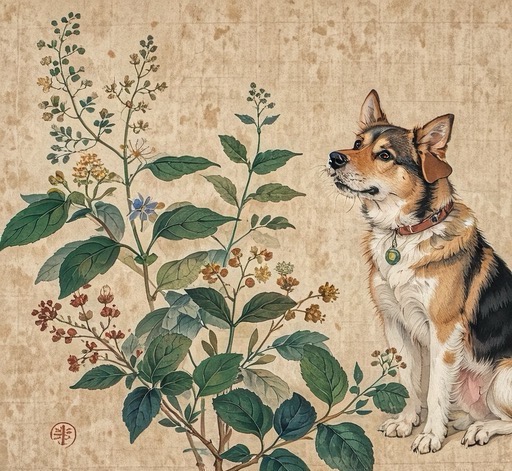
by TCMVET | Mar 19, 2024 | Dog Cancer & Tumors
In the journey to holistic pet health, Traditional Chinese Medicine (TCM) is emerging as a promising ally in the fight against canine cancer. This ancient practice, rooted in a rich heritage of herbal wisdom, is now finding its way into the world of modern veterinary oncology, offering new hope for our furry companions.
TCM, with a history spanning thousands of years, is based on the principles of balance, harmony, and energy flow in the body. Central to this philosophy are concepts like Qi (life energy), Yin and Yang (opposite forces), and the Five Elements. TCM uses a variety of approaches including herbal medicine, acupuncture, diet, and exercise to prevent and treat illness.
The Rising Tide of Canine Cancer
As dogs live longer due to improved care and nutrition, the incidence of cancer in these beloved pets has been on the rise. Conventional treatments like chemotherapy, surgery, and radiation, while effective, often come with side effects that can impact a dog’s quality of life.
Integrating TCM in Canine Cancer Care
In the context of canine cancer, TCM offers a unique perspective. Rather than solely targeting the cancer, it focuses on restoring the body’s balance and strengthening its natural defenses. Herbal remedies, a cornerstone of TCM, use natural ingredients that are believed to possess anti-cancer properties and help alleviate side effects of conventional treatments.
Herbal Remedies: The Heart of TCM for Canine Cancer
Herbs like Huang Qin, Bai Hua She She Cao, and Yun Zhi are used in TCM for their potential anti-tumor and immune-boosting effects. These herbs are often administered in combination, tailored to the individual dog’s condition, and used alongside conventional cancer treatments.
Acupuncture: More Than Just Pain Relief
Acupuncture, another key component of TCM, is renowned for its pain-relieving properties. In dogs with cancer, it’s used not just for pain management but also to improve appetite, boost energy levels, and enhance overall well-being.
The Challenge of Adaptation and Integration
Adapting TCM to canine cancer care isn’t without challenges. It requires a deep understanding of both TCM principles and veterinary oncology. Furthermore, collaboration between TCM practitioners and veterinary oncologists is vital to ensure safe and effective integration of these therapies.
The Future of TCM in Veterinary Oncology
The future looks promising for TCM in veterinary medicine, particularly in oncology. As more research is conducted, and as pet owners increasingly seek holistic care options, TCM is poised to play a significant role in the comprehensive care of dogs with cancer.
“From Fields to Fido” is not just a journey across time and space but a metaphor for the adaptation of ancient wisdom to modern needs. As we embrace TCM’s potential in canine cancer care, we open doors to more compassionate, holistic, and personalized treatment options for our beloved pets.

by TCMVET | Mar 15, 2024 | Dog Cancer & Tumors
Invasive Squamous Cell Carcinoma (SCC) in dogs is a condition that not only affects their physical health but also their overall well-being. While conventional veterinary treatments are essential, incorporating traditional Chinese herbal medicine (TCM) can offer additional support in managing the chronic and clinical symptoms. This article explores how TCM can complement modern treatments to enhance the quality of life for dogs with invasive SCC.
Recognizing Invasive SCC in Dogs Invasive SCC in dogs presents with symptoms like persistent sores, thickened skin patches, and, in advanced stages, ulcerations and bleeding. Understanding these signs is crucial for early intervention and effective management.
TCM Approach to Symptom Management TCM focuses on restoring balance and enhancing the body’s natural healing processes. Some herbs and formulations that can be beneficial in managing SCC symptoms include:
- Bai Hua She She Cao (Hedyotis diffusa): Known for its purported anti-cancer properties.
- Jin Yin Hua (Honeysuckle): Used for its anti-inflammatory and soothing effects.
- Xi Yang Shen (American Ginseng): Believed to boost energy and improve overall vitality.
Integrating TCM with Conventional Treatments Combining TCM with surgery, chemotherapy, or radiation can provide a more holistic treatment approach. TCM can help alleviate some of the side effects of conventional treatments and support the dog’s immune system.
TCM for Pain Management Herbs like Yan Hu Suo (Corydalis) and Yu Jin (Turmeric Tuber) are traditionally used in TCM for pain relief. They can be particularly useful in managing discomfort associated with invasive SCC.
Diet and Lifestyle Adjustments Along with herbal remedies, dietary adjustments and maintaining a stress-free environment are important. Foods rich in antioxidants and easy-to-digest nutrients can support healing and overall well-being.
Integrating traditional Chinese herbal medicine with conventional veterinary treatments offers a comprehensive approach to managing chronic and clinical symptoms of invasive SCC in dogs. It emphasizes not only treating the condition but also improving the quality of life for our canine companions.

by TCMVET | Mar 15, 2024 | Dog Cancer & Tumors
The progression of Squamous Cell Carcinoma (SCC) in dogs is a concerning issue for pet owners. While conventional treatments are primary, integrating traditional Chinese herbal medicine (TCM) can offer supportive benefits at various stages of the disease. This article delves into how TCM can complement conventional treatments from the in situ to the invasive stages of canine SCC.
In Situ Stage of Canine SCC In its earliest form, SCC appears as a localized skin lesion. At this stage, intervention with TCM can be particularly beneficial. Herbs such as Jin Yin Hua (Honeysuckle) and Lian Qiao (Forsythia) are known for their anti-inflammatory and antitumor properties, potentially slowing the disease’s progression.
Early Invasive Stage As SCC progresses to early invasion, it begins to penetrate deeper tissues. Herbal remedies such as Huang Qi (Astragalus) can be used to strengthen the dog’s immune system. Ban Zhi Lian (Scutellaria barbata) is another herb believed to have anti-cancer properties and can be considered in treatment plans.
Advanced Stages of SCC In advanced stages, where the carcinoma infiltrates deeper layers and possibly metastasizes, the focus of herbal treatment shifts towards maintaining quality of life and supporting conventional treatments. Yunnan Baiyao can be used to control bleeding, a common symptom in advanced SCC. Gui Zhi (Cinnamon Twig) and Bai Shao (White Peony Root) can help alleviate pain and inflammation.
Integrating TCM with Conventional Therapies Integrating TCM with surgery, chemotherapy, or radiation therapy can provide a more holistic approach. These herbs can potentially reduce side effects of conventional treatments and support overall well-being.
Consulting with Veterinary Herbalists It’s crucial to consult with a veterinary herbalist before starting any herbal regimen. They can provide tailored advice based on the dog’s specific condition and the stage of SCC.
Combining traditional Chinese herbal medicine with conventional treatments offers a promising avenue for managing SCC in dogs at different stages. This integrated approach prioritizes not just treatment efficacy but also the overall well-being and quality of life of our canine companions.

by TCMVET | Mar 15, 2024 | Dog Cancer & Tumors
Canine Squamous Cell Carcinoma (SCC) is a common skin cancer in dogs, often exacerbated by UV radiation and pigment deficiency. Recently, the integration of traditional Chinese herbal medicine (TCM) with conventional treatments has shown promise in managing this condition. This article explores the role of UV radiation, pigment deficiency, and the potential of TCM in treating canine SCC.
Understanding Canine SCC and Its Causes SCC in dogs manifests in areas exposed to sunlight, particularly in dogs with light-colored or thin fur. UV radiation can damage DNA in skin cells, leading to cancer, especially in dogs lacking protective melanin pigment.
Traditional Chinese Herbal Medicine in SCC Treatment TCM offers a holistic approach to health, and its application in canine SCC is gaining attention. Some herbs commonly used in TCM for cancer treatment include:
- Bai Hua She She Cao (Hedyotis diffusa): Believed to have anti-tumor properties.
- Yunnan Baiyao: Used for its wound-healing and hemostatic properties.
- Astragalus (Huang Qi): Known for boosting the immune system.
Integrating TCM with Conventional Therapies Combining TCM with conventional treatments like surgery, radiation, or chemotherapy can offer a more comprehensive approach. TCM can help mitigate side effects of conventional treatments and improve overall wellness.
Preventive Measures Preventive strategies are crucial in managing SCC. Limiting sun exposure and using protective clothing or dog-safe sunscreen can help, especially for dogs with light fur or skin.
Role of Diet and Lifestyle A balanced diet, possibly including herbal supplements, can support a dog’s health. Regular veterinary check-ups are essential for early detection and treatment of SCC.
The integration of TCM in treating canine SCC presents a novel approach, especially for dogs affected by UV radiation and pigment deficiency. By combining the best of both worlds – traditional and modern – we can offer our canine companions a fighting chance against this disease.

by TCMVET | Mar 2, 2024 | Dog Cancer & Tumors
“Nature’s Healing: Traditional Chinese Herbs as a Complementary Therapy for Canine Cancer” delves into the realm where ancient practices meet modern veterinary science. This comprehensive article explores how traditional Chinese herbs are being used as complementary treatments in canine cancer, offering a holistic approach to pet healthcare.
Understanding Canine Cancer
Canine cancer, a leading cause of death in dogs, presents in various forms like lymphoma, mast cell tumors, and osteosarcoma. While modern medicine has advanced in treating these cancers, the search for less invasive and more holistic approaches remains paramount.
The Role of Traditional Chinese Medicine (TCM)
TCM, a millennia-old medical practice, uses natural herbs and holistic techniques to treat illnesses. Unlike Western medicine, which often focuses on directly combating diseases, TCM aims to restore the body’s balance and strengthen its natural defense mechanisms.
TCM Herbs in Canine Cancer Treatment
The use of TCM herbs in canine cancer treatment is based on the concept of addressing the underlying imbalances leading to the disease. The article will detail commonly used herbs like:
- Huang Qi (Astragalus): Known to boost the immune system.
- Yunnan Baiyao: Traditionally used to control bleeding and enhance wound healing.
- Dang Gui (Angelica Sinensis): Improves circulation and works as an anti-inflammatory agent.
Integration with Conventional Cancer Therapies
A key focus of the article is the integration of TCM herbs with conventional cancer treatments such as chemotherapy and radiation. This integrative approach can potentially minimize side effects, improve the quality of life, and enhance the overall efficacy of treatment.
Scientific Backing and Veterinary Perspectives
The article examines the scientific research supporting the use of TCM in treating canine cancer, alongside insights from veterinary oncologists who have adopted this approach. It discusses clinical trials and studies that validate the effectiveness of specific herbs.
Case Studies and Success Stories
Real-life case studies and success stories from pet owners and veterinarians will be featured, providing a personal and practical perspective on the use of TCM in canine cancer treatment.
A Guide for Pet Owners
Practical advice for pet owners considering TCM herbs for their dogs will be included. The article emphasizes the importance of consulting with a veterinary professional experienced in both TCM and conventional oncology.
“Nature’s Healing: Traditional Chinese Herbs as a Complementary Therapy for Canine Cancer” aims to enlighten pet owners about the benefits of integrating traditional herbal remedies with modern cancer treatments, offering a more compassionate approach to managing canine cancer.
