Chinese herbs for dog cancer are increasingly discussed by owners seeking supportive care alongside veterinary treatment. Traditional Chinese medicine (TCM) may help address symptoms such as poor appetite, fatigue, digestive upset, inflammation, or weakness, but it should never replace diagnosis, surgery, chemotherapy, radiation, or other evidence-based cancer care. The safest approach combines a clear veterinary diagnosis with carefully selected herbal support, professional supervision, and regular monitoring.
This guide explains how Chinese herbal dog tumour support is usually used, what to ask before starting a formula, and how to choose products more responsibly. It also covers the risks, the role of your veterinary team, and where Can Dogs with Cancer Take Chinese Herbs? A Clear Guide to Safety and Cautions fits into a broader care plan.
In TCM, illness is viewed through patterns of imbalance rather than through a tumour alone. A practitioner may assess the dog’s energy, appetite, digestion, sleep, thirst, stool, tongue, pulse, and overall constitution before recommending a formula. Two dogs with the same cancer diagnosis may therefore receive different herbs because their symptoms and underlying patterns differ.
Chinese herbal dog tumour support is generally intended to complement conventional treatment. Depending on the individual case, a veterinary herbalist may focus on maintaining appetite, supporting normal digestion, promoting comfortable movement, helping the dog cope with treatment-related fatigue, or supporting quality of life. These goals are practical and important, particularly when cancer care extends over several weeks or months.
However, herbal products are not automatically gentle or risk-free. Plants contain biologically active compounds that can affect the liver, kidneys, blood clotting, blood pressure, immune activity, and the way prescription medicines are processed. “Natural” describes an origin, not a guarantee of safety.
For many owners, the appeal of Chinese herbs for dog cancer is that they can be tailored to the dog’s current condition rather than used as a one-size-fits-all option. That flexibility can be useful, but it also increases the need for expert guidance and honest communication with the oncology team.
It is also worth remembering that supportive care should be practical. If a dog is struggling with nausea, poor appetite, or low energy, the real question is whether the herbal plan helps the animal feel better without creating new problems. That means watching for small changes, keeping records, and revisiting the plan when the cancer care picture changes.
Some owners hope a supplement will do everything at once, but that is rarely realistic. A more thoughtful approach is to ask whether the formula can support the dog’s specific needs today, while leaving room for adjustment later. This is one reason Chinese herbs for dog cancer are best used as part of an ongoing conversation, not as a one-time purchase.
Common TCM approaches used in canine cancer care
TCM cancer support may involve herbal formulas rather than single ingredients. Practitioners often select combinations designed to address a specific pattern, such as deficiency, stagnation, heat, dampness, or blood stasis. Some formulas are traditionally used to support vitality, while others are chosen for digestive function, respiratory comfort, inflammation, or recovery after surgery.
Medicinal mushrooms and botanical ingredients are also frequently included in TCM dog cancer supplements. Reishi, turkey tail, astragalus, and certain other traditional remedies have attracted interest because of their potential immune-modulating or antioxidant properties. Research in veterinary oncology is developing, but evidence varies considerably between ingredients, products, and cancer types. Laboratory findings should not be interpreted as proof that a supplement can shrink a tumour or cure cancer.
A responsible practitioner will explain the intended purpose of every ingredient. Support might mean helping a dog eat more consistently, maintaining body condition, or improving comfort. It should not be presented as a guaranteed tumour treatment.
Chinese herbs for dog cancer are often used in a phased way, with the formula adjusted as symptoms change. A dog that is weak and not eating well may need a different approach from one that is stable after surgery but still recovering from inflammation or digestive upset. This pattern-based thinking is one reason TCM is usually best handled by a veterinarian trained in herbal medicine.
Owners sometimes notice that the best outcomes come from simple, measurable goals. For example, the aim may be to improve appetite for the next two weeks, reduce nausea during chemotherapy, or support a more comfortable recovery after surgery. These smaller goals help keep the plan realistic and make it easier to tell whether the support is actually helping.
What owners should ask before starting a formula
Before adding any herbal product, ask what the formula is meant to do, how long it should be used, and what changes you should watch for. You should also ask whether the product has been used alongside the dog’s current medicines, whether bloodwork should be repeated, and when to stop if a reaction appears. These questions can help make Chinese herbs for dog cancer a more informed part of care rather than a guess.
It is also helpful to ask whether the formula is intended for short-term symptom support or longer-term maintenance. Some products are better suited to brief use during periods of low appetite or fatigue, while others may be designed to support a dog through an extended treatment plan. Clear expectations reduce confusion and make follow-up easier.
A second useful question is how the herbal plan will be measured. Will the owner track appetite, stool quality, activity, or weight? Will the veterinarian repeat liver and kidney testing? If the dog is already on multiple medications, understanding the monitoring plan becomes even more important. Good herbal care is not only about the formula itself; it is also about the process used to check whether it remains appropriate.
When owners and veterinarians communicate clearly, Chinese herbs for dog cancer can be discussed more safely and with less uncertainty. The goal is not to add complexity for its own sake, but to make sure every part of the plan has a clear role.
How Chinese herbs may fit with conventional treatment
The role of Chinese herbs for dog cancer depends on the diagnosis, stage of disease, treatment plan, and general health of the animal. Herbs may be considered during recovery from surgery, between chemotherapy sessions, or when the main aim is palliative comfort. In other cases, a veterinary team may advise avoiding supplements temporarily, especially around anaesthesia, surgery, blood tests, or certain drug protocols.
Timing matters. Some herbs may influence platelet function or blood clotting, which could increase surgical bleeding risk. Others may affect liver enzymes involved in drug metabolism. Antioxidant supplements can also require careful consideration during radiation or chemotherapy because treatment mechanisms differ. This does not mean all supplements are inappropriate, but it does mean that coordination is essential.
Owners should provide the oncologist and primary veterinarian with the complete product label, ingredient list, dosage, and administration schedule. Vague descriptions such as “immune support” are not enough for safe decision-making.
For broader reading on the evidence and cautions involved, see the veterinary-focused overview on herbal medicine in dogs from VCA Animal Hospitals. It offers a useful reminder that dosage, product quality, and medical supervision matter as much as the herb itself.
In practice, Chinese herbs for dog cancer should be discussed alongside surgery, chemotherapy, pain management, and nutrition rather than in place of them. The most useful plans are usually the ones that fit the dog’s wider treatment schedule and are reviewed whenever that schedule changes.
That wider schedule may include more than one specialist. For example, an oncologist may be managing chemotherapy while another veterinarian handles symptom relief and integrative care. When everyone has the same information, the chances of a safe, coherent plan improve. This is especially important when a dog is weak, elderly, or already receiving several medicines.
Choosing TCM dog cancer supplements responsibly
Quality control is one of the most important considerations when selecting TCM dog cancer supplements. Choose products made by reputable companies that provide clear ingredient quantities, batch information, expiration dates, and independent testing for contaminants. Herbal products can be affected by misidentification, contamination with heavy metals, pesticides, microbes, or undeclared pharmaceutical ingredients.
Avoid products that promise to dissolve tumours, replace chemotherapy, or work for every type of cancer. Be cautious with products that conceal their formula under a proprietary blend, provide no dosing guidance, or rely entirely on testimonials. A supplement marketed for dogs should also be appropriate for canine use, since human products may contain unsafe additives, concentrated ingredients, or incorrect dosing information.
The best starting point is a veterinarian with training in veterinary herbal medicine, acupuncture, or integrative oncology. A qualified professional can review the dog’s medical records, current medicines, laboratory results, and nutritional status before recommending a formula.
When comparing options, it helps to think in terms of purpose rather than popularity. One product may be suitable for short-term digestive support, while another may be chosen for ongoing general support during treatment. That distinction matters because Chinese herbs for dog cancer are most useful when the chosen formula matches the dog’s actual clinical picture.
Another helpful habit is to save every label and lot number. If a product causes a reaction or if the practitioner later wants to review it, that information will be much easier to find. Owners should also avoid switching brands repeatedly without a reason, because it becomes hard to know what is helping and what is not.
Responsible buying also means being cautious with online claims. Some marketing language sounds reassuring but gives little real information. A product may be described as holistic, immune-boosting, or advanced, yet still lack meaningful quality control. Good TCM dog cancer supplements are transparent, appropriately dosed, and chosen for the individual dog rather than for general popularity.
Practical signs of a better-quality product
Look for a clear ingredient list, dosage instructions based on the dog’s size or condition, and contact details for the manufacturer. Third-party testing, contamination screening, and species-appropriate formulation are all positive signs. If those details are missing, caution is reasonable.
Chinese herbs for dog cancer should not be selected like a casual pet treat. They are active products with potential benefits and real risks, which is why product quality matters so much.
Possible side effects and warning signs
Even carefully selected herbs can cause adverse reactions. Potential problems include vomiting, diarrhoea, reduced appetite, skin irritation, lethargy, restlessness, changes in urination, or abnormal bleeding. Some dogs may be sensitive to particular ingredients, while others may develop problems because a formula is too strong or poorly matched to their condition.
Stop the supplement and contact a veterinarian promptly if a dog develops repeated vomiting, severe diarrhoea, facial swelling, breathing difficulty, collapse, yellowing of the gums or eyes, dark urine, unusual bruising, or sudden worsening of pain. Do not assume that a new symptom is simply part of the cancer.
Regular monitoring may include weight checks, physical examinations, complete blood counts, liver and kidney tests, and imaging when indicated. Keeping a daily record of appetite, water intake, bowel movements, energy, pain, and medication times can help the veterinary team identify changes early.
Because dogs with cancer can become more fragile over time, it is especially important not to ignore subtle changes. A mild appetite dip, a slightly looser stool, or a small drop in energy can become more significant if the dog is also receiving chemotherapy or pain medication. Careful observation helps the veterinary team decide whether the herbal plan should be adjusted.
Some reactions are obvious, but others are gradual. A dog may simply seem “not quite right” for a few days before a larger problem becomes visible. That is why owners should trust their observations and report changes early, even if they seem minor at first. The sooner the veterinarian knows, the easier it is to decide whether the issue is related to the herbs, the cancer, or another medication.
Why monitoring is especially important
Chinese herbs for dog cancer may be used for comfort, but the dog’s response can change over time as the disease and treatment plan evolve. A formula that helped during one phase may become unsuitable after surgery, during chemotherapy, or when appetite drops. That is why regular review is safer than a “set it and forget it” approach.
Monitoring also helps owners separate expected variation from a true adverse reaction. If the dog’s energy improves for a few days and then suddenly declines, the team can compare that change with medication timing, diet changes, or new supplements. This makes it easier to decide whether the formula is helping, neutral, or no longer appropriate.
Owners can make monitoring easier by keeping a short daily log. Note appetite, water intake, bowel movements, vomiting, mobility, and general mood. If the dog is receiving Chinese herbs for dog cancer, record the time the supplement is given and any changes that follow. That small routine can make follow-up visits much more useful.
Supporting the dog beyond herbal medicine
Herbal care works best as part of a broader support plan. A complete, balanced diet appropriate for the dog’s condition is important, although major dietary changes should be discussed with a veterinarian or veterinary nutritionist. Maintaining hydration, gentle activity, comfortable bedding, dental care, and a low-stress routine can also contribute meaningfully to quality of life.
Pain control deserves particular attention. Acupuncture, massage, physiotherapy, prescription medicines, and environmental adjustments may be useful depending on the dog’s needs. These approaches should complement—not delay—appropriate pain management.
Chinese herbs for dog cancer should never be the only thing owners focus on. Sleep, hydration, pain relief, appetite support, and emotional comfort all matter, and small improvements in those areas can make a meaningful difference to daily wellbeing.
Simple home support can also make a difference. Keep the dog’s resting area warm, quiet, and easy to reach. Offer food and water in a way that reduces effort. Maintain a calm routine where possible, since stress can make eating and resting harder for some dogs. These changes do not replace treatment, but they can improve comfort while the veterinary team manages the cancer itself.
It is also sensible to avoid introducing too many new supplements at once. If several changes happen together, it becomes difficult to know which one is helpful and which one may be causing a problem. A measured approach is usually the safest approach when Chinese herbs for dog cancer are part of the plan.
Finally, owners should remember that quality of life matters as much as laboratory numbers. If a dog is eating better, moving more comfortably, and enjoying daily life, that is meaningful progress. Herbal support should contribute to that outcome, not distract from it.
Ultimately, Chinese herbs for dog cancer should be viewed as one possible tool within personalised veterinary care. The goal is not to pursue every available supplement, but to choose support that has a clear purpose, a reasonable safety profile, and a monitoring plan. With honest communication between owners, oncologists, and qualified TCM practitioners, herbal support can be considered thoughtfully while keeping the dog’s comfort, safety, and quality of life at the centre of every decision.
When used carefully, Chinese herbs for dog cancer may help support appetite, vitality, and day-to-day comfort without distracting from proven medical care. The most positive outcomes usually come from a measured, evidence-aware approach that respects both the promise and the limits of Chinese herbal dog tumour support.
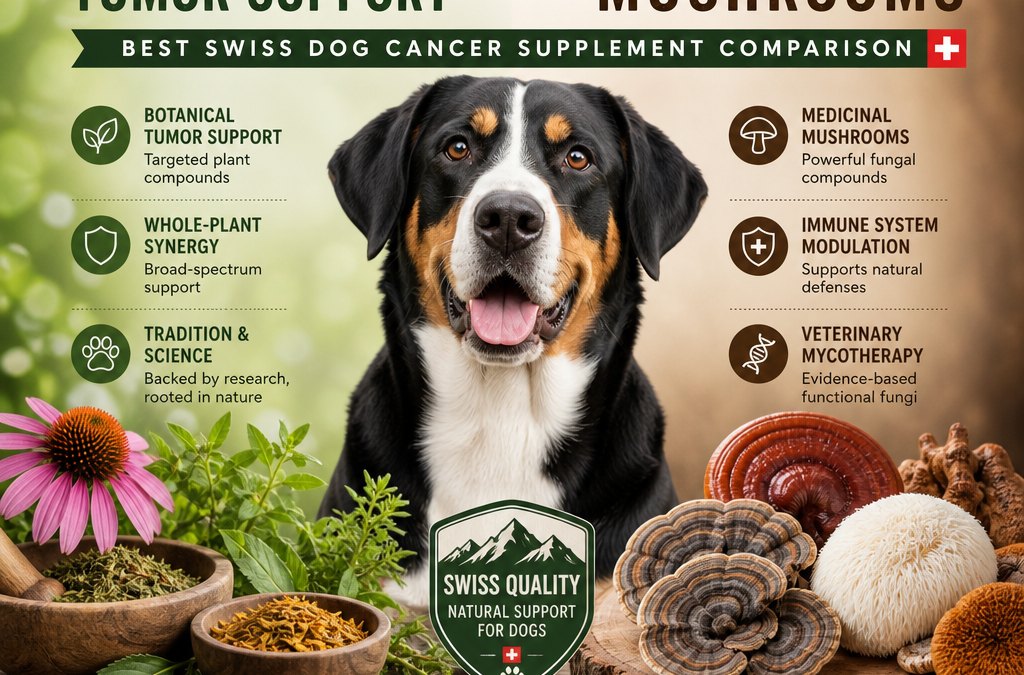
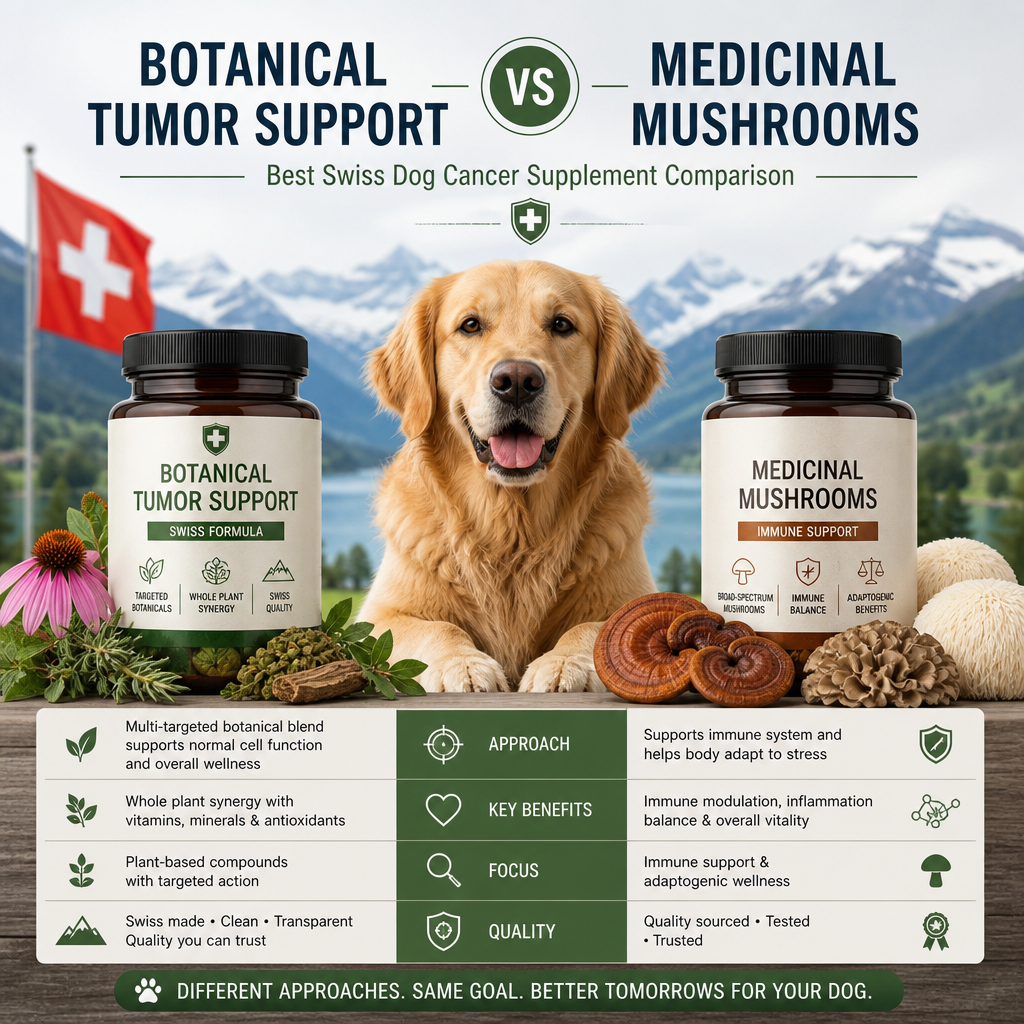
Botanical tumor support vs Medicinal mushrooms / veterinary mycotherapy is an important comparison for dog owners exploring complementary care during a cancer diagnosis. Both approaches may provide supportive compounds, but they are not interchangeable, and neither should replace veterinary oncology treatment. The right dog cancer supplement depends on the type of cancer, current medications, liver and kidney function, appetite, digestive health, and the overall goals of care.
Botanical tumor support generally refers to formulas containing plant-derived ingredients selected for antioxidant, anti-inflammatory, immune-modulating, or cellular-support properties. Common examples may include turmeric extracts, green tea compounds, milk thistle, medicinal herbs, or standardized plant polyphenols.
Medicinal mushrooms, by contrast, are fungi used for their polysaccharides, beta-glucans, triterpenes, and other bioactive compounds. Veterinary mycotherapy is the clinical use of medicinal mushrooms or mushroom-derived extracts as part of an integrative veterinary plan. Frequently discussed species include turkey tail, reishi, maitake, shiitake, and cordyceps.
The most useful distinction is not that one category is automatically better. Rather, botanical and mushroom supplements offer different chemistry, research backgrounds, manufacturing challenges, and potential interactions.
For readers who want a broader overview of mushroom-based support, the article on the benefits of medicinal mushrooms for dogs provides helpful background on how these products are commonly used in integrative care.
Botanical Tumor Support vs Medicinal Mushrooms: Key Differences
When comparing botanical tumor support vs medicinal mushrooms, it helps to examine several practical factors instead of focusing only on marketing claims.
Active compounds
Botanical formulas may contain flavonoids, terpenes, alkaloids, phenolic compounds, and other plant chemicals. Their effects can vary considerably depending on the plant species, extraction method, and concentration.
Mushroom products are often standardized around beta-glucans or polysaccharides. However, “mushroom powder” and “mushroom extract” are not necessarily equivalent. A basic powder may contain substantial fiber and less concentrated active material, while a hot-water or dual extract may be designed to increase the availability of specific compounds.
Research depth
Some mushroom species, particularly turkey tail, have attracted interest in canine cancer research. Early and limited studies have examined immune response and survival-related outcomes in dogs with certain cancers. These findings are promising but should not be interpreted as proof that every mushroom product treats cancer.
Botanical ingredients also have varying levels of evidence. Certain compounds have been studied in laboratory models, while others have traditional use but limited controlled research in dogs. Evidence from human studies or cell cultures cannot automatically be applied to a canine patient.
Intended role
Botanical supplements are often chosen for broad supportive goals, such as helping maintain normal inflammatory balance, supporting liver function, or improving nutritional resilience.
Medicinal mushrooms are more commonly selected for immune modulation. This does not mean they “boost immunity” in a simple or universally beneficial way. Cancer involves a complex interaction between abnormal cells, inflammation, immune surveillance, and treatment effects. Immune-modulating supplements should therefore be selected with professional guidance.
For dogs with tumor-related immune concerns, you may also find it useful to read about dog cancer biology and helpful immune imbalance factors, since understanding the disease process can make supplement decisions clearer.
Veterinary Mycotherapy and Canine Cancer Care
Veterinary mycotherapy can be considered an adjunct to surgery, chemotherapy, radiation, targeted therapy, or palliative care. Its purpose may include supporting quality of life, appetite, energy, immune function, or recovery. The specific mushroom matters, and so do the product’s extraction process and laboratory testing.
Turkey tail is one of the most frequently discussed mushrooms in canine oncology because of interest in its polysaccharide compounds. Reishi is often used in wellness formulas for immune and inflammatory support, while maitake and cordyceps may appear in broader mushroom blends. Yet combining several mushrooms does not automatically create a stronger product. Blends can make it harder to determine which ingredient is responsible for an effect or adverse reaction.
A veterinarian may also consider whether a mushroom supplement could affect blood clotting, blood pressure, blood sugar, liver enzymes, or immune activity. These issues are especially important before surgery or when a dog is receiving chemotherapy, corticosteroids, nonsteroidal anti-inflammatory drugs, or anticoagulant medication.
If you are comparing mushroom-based support options across different regions, product selection articles such as Ocoxin Pets alternative 5 Powerful Ways to Support Dogs in Spain can be useful for understanding how integrative formulas are positioned in practice.
Dog Cancer Supplement Comparison: What to Evaluate
A meaningful dog cancer supplement comparison should focus on quality and suitability rather than the number of ingredients listed on the label.
1. Product identity and standardization
Look for clearly identified species, extract type, serving size, and measurable active compounds. A label that simply states “proprietary blend” provides limited information. For mushrooms, beta-glucan content may be more useful than total polysaccharide content, because not all polysaccharides have the same biological relevance.
For botanical products, standardized levels of key constituents can help improve consistency. The source of the ingredient and the extraction method should also be disclosed.
2. Independent testing
Choose products supported by testing for heavy metals, pesticides, microbes, mold, and unwanted contaminants. This is particularly important with mushrooms because fungi can accumulate substances from their growing environment.
Quality assurance does not prove that a product treats cancer, but it reduces the risk of contamination and inaccurate labeling.
3. Veterinary compatibility
A supplement should be reviewed against the dog’s complete medical profile. A product that is reasonable for a healthy dog may be inappropriate for a dog with liver disease, kidney impairment, gastrointestinal ulcers, clotting problems, or an upcoming operation.
The oncology team should know about every supplement, including powders, chews, oils, teas, and concentrated liquid extracts.
4. Dosing transparency
Avoid products that provide vague instructions or encourage rapid dose increases. Dosing may depend on body weight, extract concentration, the dog’s health status, and the intended use. More is not necessarily better, particularly with concentrated extracts.
Potential Benefits and Limitations
Both botanical and mushroom supplements may support general wellness, but expectations should remain realistic. Possible benefits may include improved appetite, digestive support, maintenance of normal inflammatory balance, or assistance with recovery from demanding treatments. Some dogs may show no noticeable response, while others may experience digestive upset or other adverse effects.
Supplements cannot reliably shrink tumors, eliminate cancer, or guarantee longer survival. They also should not delay diagnostic testing or evidence-based treatment. The strongest approach is usually integrative: use proven veterinary care as the foundation and consider carefully selected supplements as an additional layer of support.
Owners seeking wider clinical perspective can also review peer-reviewed biomedical research on NCBI to better understand how veterinary nutrition and oncology studies are reported.
Safety Considerations for Dog Owners
Introduce only one new supplement at a time so that changes can be monitored. Watch for vomiting, diarrhea, reduced appetite, itching, lethargy, unusual bruising, or changes in urination. Stop the product and contact a veterinarian if concerning symptoms appear.
Extra caution is warranted before surgery, during chemotherapy, and when a dog takes medication that affects immunity, clotting, blood pressure, blood sugar, or liver metabolism. Antioxidant-heavy products may also require discussion during radiation or certain chemotherapy protocols, since treatment mechanisms can vary.
Keep a record of the product name, lot number, dose, start date, and any observed changes. This information helps the veterinary team make safer decisions.
Making the Best Choice
The choice between botanical tumor support and medicinal mushrooms should be individualized rather than based on a universal ranking. A mushroom extract may be considered when immune-focused support is a priority and the product has reliable standardization. A botanical formula may be more suitable when the goal involves digestive, liver, inflammatory, or general nutritional support. In some cases, a veterinarian may recommend neither, at least temporarily, because treatment interactions or organ function make supplementation unsuitable.
The most responsible dog cancer supplement comparison considers evidence, product quality, safety, and the dog’s specific diagnosis. Veterinary mycotherapy and botanical support can have a place in compassionate, integrative care, but they work best when selected transparently and monitored alongside conventional treatment.
For dogs with age-related concerns that overlap with cancer care, the article on senior dog cancer and important tumor risks may also help owners think through the bigger picture of long-term support.
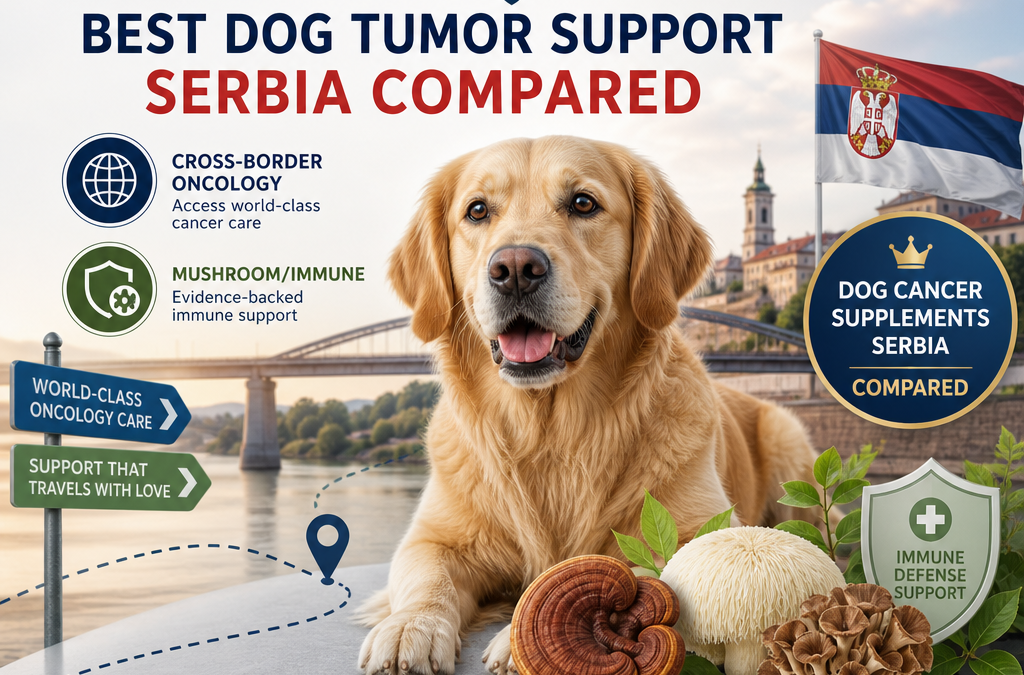
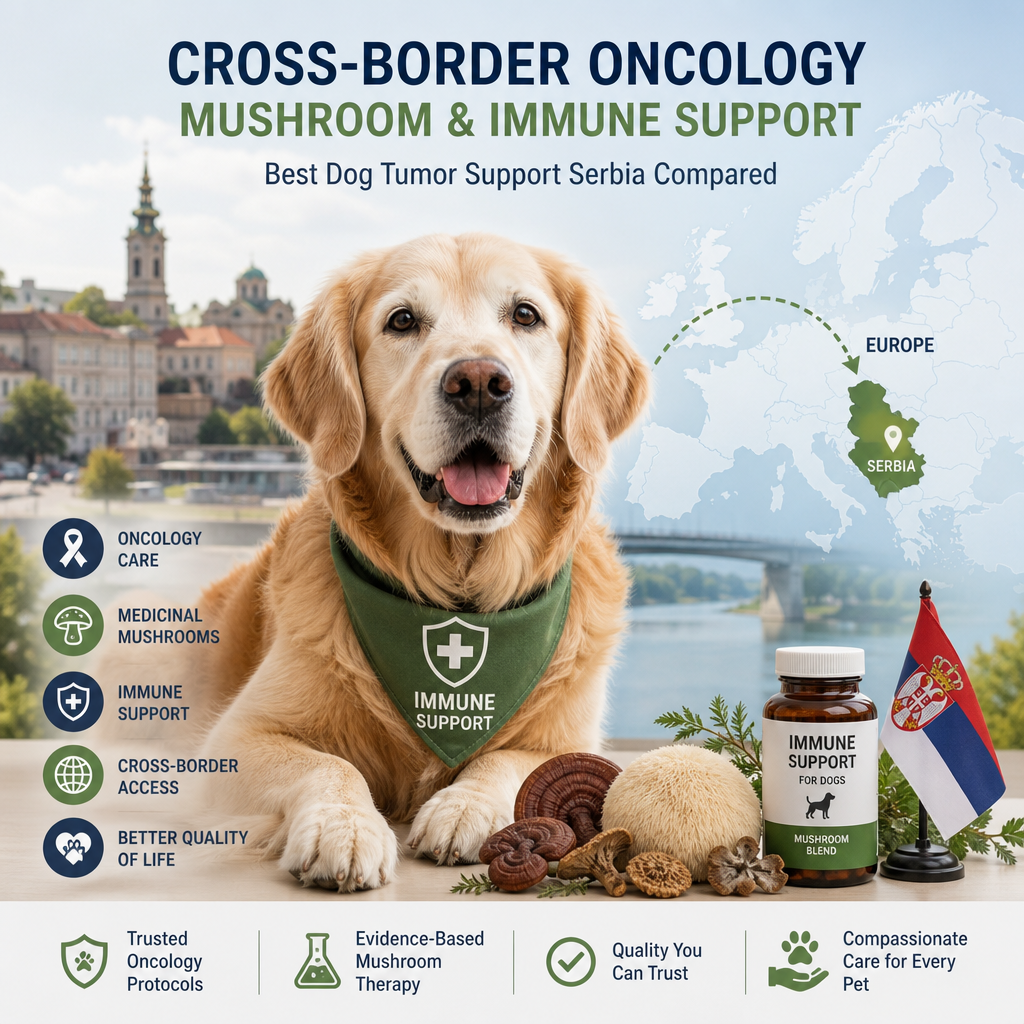
Cross-border oncology + mushroom/immune care is becoming an important consideration for Serbian dog owners seeking comprehensive support after a cancer diagnosis. Veterinary oncology can involve surgery, chemotherapy, radiation, imaging, pathology, and long-term monitoring, while carefully selected nutritional or mushroom-based products may be considered as complementary support. The key is to combine reliable medical care with evidence-informed decisions rather than treating supplements as replacements for diagnosis or therapy.
For families comparing cross-border oncology + mushroom/immune options, the goal is usually the same: find the safest path for the dog, avoid delays in diagnosis, and make sure every supportive product fits the treatment plan. The process can feel overwhelming at first, especially when local care and specialist care may happen in different countries.
A dog with a suspected tumor should first receive a proper veterinary evaluation. Depending on the location and type of growth, this may include blood tests, ultrasound, X-rays, CT or MRI imaging, fine-needle aspiration, biopsy, and histopathology. These steps help determine whether a mass is benign or malignant, how aggressively it may behave, and whether it has spread.
In Serbia, many general veterinary clinics can perform initial examinations and routine diagnostics. More complex cases may require referral to a larger urban center or consultation with specialists abroad. Cross-border treatment can be useful when a dog needs advanced imaging, highly specialized surgery, radiation therapy, oncology second opinions, or access to clinical trials and multidisciplinary cancer teams.
However, traveling for care requires organization. Owners should collect all medical records, laboratory reports, imaging files, pathology slides, medication lists, and treatment history. A translated summary can help foreign specialists review the case quickly. It is also important to ask about travel requirements, vaccination documents, border regulations, accommodation near the hospital, and follow-up care after returning home.
Before choosing any add-on product, it helps to remember that cross-border oncology + mushroom/immune planning works best when diagnosis comes first and supportive care comes second. A clear diagnosis gives the oncology team a stronger basis for deciding whether a supplement belongs in the plan at all.
In many cases, the first useful step is not to order a product or book a flight, but to build a complete case file. That file should show the tumor history, timing of symptoms, previous medications, and any known lab abnormalities. When owners prepare this information early, the oncology team can respond faster and more accurately.
It is also helpful to separate urgent medical questions from long-term support questions. A lump that is growing quickly, causing pain, or affecting eating should be assessed immediately. A supplemental plan can be discussed after the primary diagnosis is clearer. That order matters because cross-border oncology + mushroom/immune choices depend on the tumor type, stage, and the dog’s overall condition.
Owners sometimes feel pressure to decide quickly, but a rushed supplement purchase is rarely better than a careful review. Even when a product is marketed as gentle or natural, the dose, extraction method, and ingredient purity can change the risk profile. In oncology care, these details matter just as much as the brand name.
Cross-border oncology + mushroom/immune: how the approaches fit together
Cross-border oncology + mushroom/immune planning should be viewed as a coordinated strategy, not as two competing treatment systems. Oncology focuses on controlling or removing the cancer through methods supported by veterinary evidence. Mushroom and immune products are generally considered adjuncts that may support appetite, general wellbeing, antioxidant balance, or immune function, depending on the ingredient and the individual dog.
Some medicinal mushrooms commonly discussed in pet wellness include turkey tail, reishi, maitake, and cordyceps. Research into mushroom-derived compounds, especially beta-glucans and polysaccharides, has attracted interest because of their potential effects on immune signaling. Turkey tail extracts have received particular attention in canine cancer research, although results from studies should be interpreted carefully. A promising laboratory finding or small clinical study does not automatically prove that every commercial product will extend survival or work for every tumor type.
The most important principle is compatibility with the primary treatment plan. A supplement that is harmless in one situation may be inappropriate before surgery, during chemotherapy, with liver disease, or alongside medications that affect blood clotting or immune activity. The veterinary oncologist should know every product the dog receives, including powders, tinctures, capsules, herbal blends, and human supplements.
If you want a broader overview of immune support considerations, the article on dog immune system and cancer risk explains why inflammation, nutrition, and immune balance matter in long-term care. That context can help families compare cross-border oncology + mushroom/immune plans more realistically.
In practice, cross-border oncology + mushroom/immune support works best when the specialist team and the local veterinarian agree on the main treatment goals. That cooperation reduces confusion about timing, dosage, and follow-up monitoring.
Families should also ask how success will be measured. For one dog, the priority may be tumor control and longer survival. For another, the main goal may be comfort, appetite, and mobility. When those goals are defined clearly, cross-border oncology + mushroom/immune support can be evaluated more honestly and with less emotional stress.
It can help to think of the system in layers. The first layer is diagnosis and staging. The second is the core cancer plan, such as surgery, chemotherapy, or radiation. The third layer is supportive care, which may include pain control, diet changes, and selected supplements. The final layer is monitoring, because response to treatment can change over time. This layered approach keeps cross-border oncology + mushroom/immune decisions organized.
Choosing dog cancer supplements Serbia owners can evaluate safely
When comparing dog cancer supplements Serbia pet owners should focus on quality, transparency, and veterinary guidance. The label should clearly identify the mushroom species, part used, extraction method, concentration, serving size, and batch information. Products made specifically for animals are often easier to dose, but “natural” does not automatically mean safe or effective.
Look for manufacturers that provide independent testing for heavy metals, pesticides, microbial contamination, and inaccurate labeling. Mushroom products can vary substantially depending on whether they contain fruiting-body extracts, mycelium, grain substrate, hot-water extracts, alcohol extracts, or a mixture. These differences affect the concentration and availability of active compounds.
Avoid products making absolute promises such as curing cancer, shrinking every tumor, or replacing chemotherapy. Responsible companies should describe their products as supportive rather than curative. They should also provide clear warnings, storage instructions, and contact information.
Dosage is another critical issue. It should be based on the dog’s body weight, health status, product concentration, and treatment plan. Dogs with kidney or liver disease may need special precautions. Puppies, pregnant dogs, and animals taking several medications require additional veterinary review.
For readers comparing product categories, herbal support for pets with cancer offers another way to think about complementary care without overpromising results. It can also help owners compare mushroom products with broader herbal options in a more structured way.
Cross-border oncology + mushroom/immune decisions should always include a product review. That review can prevent interactions, wasted spending, and confusion about what the supplement is actually meant to do.
When evaluating labels, owners should pay attention to whether the serving amount is stated in milligrams per capsule, drops per milliliter, or another format. Without that detail, it becomes difficult for the receiving oncologist to compare products or estimate total daily intake. A precise label is one of the simplest signs that a manufacturer takes safety seriously.
It is also wise to check whether the product has a short shelf life after opening. Some liquid extracts and blended powders lose quality if they are exposed to heat, humidity, or light. In cross-border oncology + mushroom/immune planning, storage issues matter because a supplement may travel between clinics, homes, and even countries before it is fully used.
Owners should remember that supplements can also change appetite or stool quality. A dog already dealing with nausea or digestive upset may not tolerate a rich mushroom blend well. If the product is started, the first week should be watched closely for vomiting, loose stools, itching, reduced appetite, or unusual tiredness. Any of these signs should be discussed with the veterinarian promptly.
Evaluating dog tumor support Serbia options
Dog tumor support Serbia services may include veterinary oncology consultations, nutritional planning, pain management, rehabilitation, palliative care, and access to supplements. A good support plan addresses the whole patient rather than focusing only on the tumor.
Nutrition is especially important. Dogs undergoing cancer treatment may lose appetite, muscle mass, or body weight. A veterinarian can recommend an appropriate diet based on the dog’s tumor type, laboratory results, digestion, and treatment side effects. Homemade diets should be formulated by a veterinary nutrition professional because unbalanced recipes can create deficiencies or interfere with recovery.
Supportive care may also include anti-nausea medication, appetite stimulants, pain relief, wound care, hydration support, and strategies for reducing stress. Regular monitoring helps identify problems early. Owners should report persistent vomiting, diarrhea, severe lethargy, breathing difficulty, uncontrolled pain, refusal to eat, pale gums, or sudden changes in behavior.
Palliative care is not a failure of treatment. When curative options are limited, comfort-focused care can preserve quality of life and help families make thoughtful decisions. A written plan for symptom monitoring, medication schedules, and emergency contacts is useful, particularly when care is divided between Serbian and foreign veterinary teams.
For many families, dog tumor support Serbia decisions are easier when the care plan is written down. That makes it simpler to compare symptom control, travel needs, supplement use, and the timing of specialist visits.
A support plan should also include realistic follow-up intervals. Some tumors require frequent checkups, while others may be monitored with periodic imaging or blood work. When owners know what to expect, they can prepare for changes in schedule, medication refills, and travel back to the specialist if needed. This is another area where cross-border oncology + mushroom/immune care benefits from clear coordination.
Cost is part of the discussion as well. Families may need to balance specialist fees, transportation, lodging, diagnostics, and long-term medication. A transparent estimate helps owners avoid choosing a supplement simply because it seems cheaper than medical care. Good dog tumor support Serbia planning should make the most effective use of the budget, not just the fastest or least expensive option.
Questions to ask before traveling for oncology treatment
Before arranging cross-border care, ask the receiving clinic what records are required and whether a remote consultation is possible. Find out which procedures are recommended, how many visits may be necessary, and what follow-up can be handled locally. Request an estimated cost that separates consultation, diagnostics, hospitalization, surgery, medication, and aftercare.
Owners should also ask whether the clinic has experience with the specific tumor type and whether pathology can be reviewed by a specialist. If mushroom or immune-support products are already being used, provide exact names, ingredient lists, doses, and start dates. This information can influence surgical timing and medication choices.
Communication between veterinarians is essential. A Serbian veterinarian may manage routine monitoring while an overseas oncologist provides specialist recommendations. Shared records and consistent medication instructions reduce the chance of duplicated treatments or unsafe combinations.
It is also worth asking how the oncologist views cross-border oncology + mushroom/immune support before treatment begins. Some teams are comfortable integrating supplements; others prefer to pause them during certain stages of care. Clear answers at the start can prevent misunderstandings later.
Travel planning should also include the dog’s comfort. Some dogs handle car rides or long trips poorly, especially if they are already weak, nauseated, or painful. Owners may need to ask about anti-nausea medication, rest stops, crate setup, or whether a companion should help during the trip. These practical steps can make cross-border oncology + mushroom/immune care less stressful for the patient and the family.
Before departure, confirm how pathology samples should be transported, whether original slides are needed, and whether digital images are acceptable. Small administrative mistakes can delay treatment decisions by days or weeks. In a cancer case, that delay can matter. Careful preparation is one of the simplest ways to protect the dog’s outcome.
If the trip is intended for a second opinion, owners should ask for a written summary that clearly states the current diagnosis, the purpose of the consultation, and what questions need answering. That summary helps the specialist focus on the most relevant issues quickly. It also supports more efficient cross-border oncology + mushroom/immune planning because everyone involved is working from the same facts.
Making informed decisions for a dog with cancer
The best approach combines realistic expectations, accurate diagnosis, and individualized care. Mushroom-based products may have a role as supportive supplements for some dogs, but they should never delay biopsy, surgery, chemotherapy, radiation, or other recommended treatment. Evidence, product quality, and patient safety matter more than marketing claims.
For families comparing dog cancer supplements Serbia products or dog tumor support Serbia providers, a consultation with a veterinarian experienced in oncology is the safest starting point. Cross-border oncology + mushroom/immune care can be valuable when it improves access to specialist expertise while maintaining coordinated local support. With careful planning, owners can make decisions that prioritize both the dog’s medical needs and quality of life.
When used thoughtfully, cross-border oncology + mushroom/immune care can support a more organized, less stressful treatment journey. The best results usually come from pairing timely medical intervention with realistic supplement choices, clear communication, and ongoing monitoring.
In short, the most useful version of cross-border oncology + mushroom/immune care is the one that protects the dog from delays, avoids unsafe combinations, and keeps every decision centered on veterinary guidance. That balance matters whether the next step is local monitoring, specialist referral, or a combination of both.
Owners who approach the process carefully often feel more confident after the first round of decisions. They know which tests have been completed, what the next appointment is for, and where supplements fit into the plan. That clarity can reduce stress for both the dog and the family.
There is no single formula that works for every tumor, every dog, or every country-to-country referral. Still, the same principles apply again and again: diagnose first, coordinate care, verify product quality, and monitor closely. If those principles guide the plan, cross-border oncology + mushroom/immune support can remain a thoughtful part of the broader treatment journey.
Ultimately, good cancer care is not just about choosing a product or a clinic. It is about building a safe system around the dog. When owners, local veterinarians, and specialists communicate well, the dog benefits from more consistent care, fewer avoidable risks, and a clearer path forward.