by TCMVET | Dec 11, 2025 | Dog Cancer & Tumors
Australian Cattle Dog cancer risks, tumor signs in Cattle Dogs, common cancers in the breed are all crucial topics for owners of this hard-working, energetic herding dog. Because they’re so tough and stoic, these dogs may hide illness until it’s advanced, which makes informed, proactive care especially important as they age.
—
A. Breed Overview: The Tough, Tireless “Heeler”
Australian Cattle Dogs (often called Blue or Red Heelers) are medium-sized, muscular herding dogs originally developed to move cattle over long distances in harsh conditions.
Typical traits include:
– Temperament: Intelligent, focused, loyal, often strongly bonded to “their” person; can be wary with strangers and highly driven.
– Size: Usually 35–50 pounds, compact but powerful.
– Lifespan: Commonly 12–15 years, with many remaining active well into their senior years.
– Genetic tendencies: Known for strong herding instincts, high energy, and a reputation for being “tough as nails.” They also have some breed-specific issues such as joint problems (hip or elbow dysplasia), eye conditions (like progressive retinal atrophy), and congenital deafness.
While Australian Cattle Dogs are not at the very top of cancer-risk lists like some giant or brachycephalic breeds, they do develop many of the same tumor types seen in other medium to large, active dogs—especially as they reach middle and senior age. Their stoic nature can delay detection, making regular checks and early vigilance particularly important.
—
B. Australian Cattle Dog Cancer Risks, Tumor Signs in Cattle Dogs, Common Cancers in the Breed
Several tumor types are seen relatively often in this breed. Not every Cattle Dog will develop cancer, but knowing the major concerns helps you spot problems earlier.
1. Mast Cell Tumors (Skin Tumors)
Mast cell tumors are among the most common skin cancers in dogs and can occur in Australian Cattle Dogs:
– They often appear as single or multiple skin lumps, which may change size, become red, or itch.
– Any new lump, especially in a middle-aged or older dog, deserves prompt veterinary evaluation.
Because these dogs are often outdoors, owners sometimes assume a lump is “just a bug bite” or minor injury. That assumption can delay diagnosis.
2. Soft Tissue Sarcomas
Soft tissue sarcomas are tumors that arise from connective tissues (fat, muscle, nerves, etc.):
– They may present as firm, non-painful masses under the skin or in deeper tissues.
– They tend to grow slowly at first but can invade surrounding structures.
Active working Cattle Dogs often have muscular builds, which can make subtle swellings harder to notice, especially on the legs and trunk.
3. Osteosarcoma (Bone Cancer)
As a medium, athletic breed with a strong build, Australian Cattle Dogs can develop osteosarcoma, especially in their later years:
– More often seen in larger or long-limbed breeds, but not exclusive to them.
– Typically affects the long bones of the legs, causing lameness and pain.
– Owners might initially think it’s an injury from rough play or farm work.
This confusion between injury and disease is common, which is why persistent or worsening lameness should always be checked.
4. Hemangiosarcoma (Blood Vessel Cancer)
Hemangiosarcoma is a cancer of blood vessel cells that often affects the spleen, liver, or heart:
– It may be “silent” until it bleeds internally.
– Can cause sudden collapse, weakness, pale gums, or a swollen abdomen.
Active, outdoor dogs like Cattle Dogs may seem perfectly normal until a sudden crisis occurs, making routine senior screening especially valuable.
5. Lymphoma
Lymphoma is a cancer of lymphocytes (a type of white blood cell):
– Often presents with enlarged lymph nodes (under the jaw, in front of shoulders, behind knees).
– Can also cause weight loss, lethargy, or decreased appetite.
This cancer is common in many breeds, and Cattle Dogs are no exception, particularly as they reach middle age and beyond.
6. Mammary and Reproductive Tumors
In intact (unspayed) females, mammary (breast) tumors are a significant risk:
– Risk increases with every heat cycle a dog goes through unspayed.
– Testicular tumors can develop in unneutered males, especially if a testicle is retained (cryptorchid).
Early spaying and neutering decisions should always be discussed with your veterinarian, balancing behavior, joint health, and cancer considerations.
—
C. Early Warning Signs Owners Should Watch For
Because Australian Cattle Dogs are tough and often hide discomfort, subtle signs may be your earliest clues that something isn’t right.
1. Skin and Body Changes
Check your dog’s body regularly—many owners do this during grooming or belly rubs.
Watch for:
– New lumps or bumps, anywhere on the skin or just under it.
– Existing lumps that grow, change shape, redden, ulcerate, or start to bleed.
– Areas that are painful when touched or your dog suddenly avoids being handled.
Monthly “nose-to-tail” checks are a simple habit: run your hands over the entire body, noting anything new or different. If you’re unsure, take photos and measurements (with a ruler or coin for scale) to show your vet.
2. Changes in Weight, Appetite, or Thirst
Australian Cattle Dogs usually have strong appetites and high energy. Concerning signs include:
– Unexplained weight loss despite normal eating.
– Reduced appetite or becoming picky.
– Increased thirst or urination, which can signal a range of health problems.
Persistent changes—lasting more than a week or two—warrant a veterinary check.
3. Energy, Mobility, and Behavior Shifts
These dogs live to work and play, so decreases in activity can be meaningful:
– Reluctance to jump into the car, onto the couch, or into the truck.
– Limping that doesn’t resolve with rest.
– Choosing to lie down instead of joining usual games or chores.
– Subtle irritability, restlessness, or changes in sleeping habits.
If you find yourself saying, “He’s just slowing down” or “She’s just getting old,” pause and consider a vet visit. Age alone shouldn’t cause sudden or dramatic changes.
4. Coughing, Breathing Issues, Bleeding, or Collapse
Some cancer signs are more urgent:
– Coughing or noisy breathing.
– Difficulty breathing or rapid, shallow breaths at rest.
– Unexplained nosebleeds, blood in urine or stool, or vaginal discharge in spayed females.
– Episodes of collapse, sudden weakness, or distended abdomen.
Any of these require prompt veterinary or emergency care.
—
D. Senior Care Considerations for Australian Cattle Dogs
As they age, Australian Cattle Dogs often remain mentally sharp but may show wear-and-tear on joints and organs. Aging also increases the likelihood of tumors and cancer.
1. Nutrition and Body Condition
Senior Cattle Dogs benefit from:
– Lean body condition: Excess weight stresses joints and can be linked with higher cancer risk in dogs generally.
– High-quality protein to maintain muscle.
– Adjusted calories to prevent weight gain as activity slows.
Ask your veterinarian about an age-appropriate diet and monitor your dog’s waistline and rib coverage monthly. You should be able to feel ribs easily under a thin fat layer.
2. Exercise and Activity Adjustments
These dogs need mental and physical engagement even in their senior years:
– Swap intense, high-impact activities (endless ball chasing, hard stops/turns) for moderate, controlled exercise, like brisk walks or gentle games.
– Incorporate low-impact activities such as swimming (if safe and supervised) or controlled hill walks.
Consistent, moderate exercise helps maintain muscle, joint mobility, and a healthy weight, which supports overall resilience.
3. Joint Care and Pain Awareness
Many older Cattle Dogs develop arthritis or joint soreness:
– Watch for stiffness after rest, hesitation on stairs, or difficulty rising.
– Comfortable bedding and non-slip flooring can help prevent falls and strain.
– Your vet may recommend pain-management strategies or supportive therapies; never start medications without veterinary guidance, as some can harm the liver, kidneys, or stomach.
Pain can mask or mimic cancer symptoms, so ongoing dialogue with your vet is important.
4. Recommended Check-Ups and Screening
For senior Australian Cattle Dogs (often 8+ years, or earlier if working hard):
– Wellness exams at least every 6–12 months are wise; many vets suggest every 6 months for older dogs.
– Discuss:
– Baseline bloodwork and urinalysis
– Possible imaging (X-rays or ultrasound) if concerns arise
– Regular oral exams (oral tumors can be missed until advanced)
These visits allow your vet to establish trends in weight, lab work, and physical findings, which helps catch subtle changes earlier.
—
E. General Tumor Prevention & Wellness Support
No approach can guarantee a dog will never get cancer, but you can reduce some risk factors and support overall health.
1. Maintain a Healthy Weight
Obesity is linked with a variety of health issues and may influence some cancers:
– Feed measured portions rather than free-feeding.
– Use healthy training treats in moderation, adjusting meal size to compensate.
– Regularly score your dog’s body condition with your vet’s help.
2. Quality Diet and Hydration
A balanced, complete diet appropriate for age and activity level supports immune and organ function:
– Choose a reputable commercial food or a well-formulated home-prepared diet designed with veterinary guidance.
– Ensure constant access to fresh water, especially in hot weather or for working dogs.
Some owners explore foods rich in omega-3 fatty acids or antioxidants; discuss any diet changes or supplements with your veterinarian to ensure safety.
3. Regular Physical and Mental Activity
Australian Cattle Dogs thrive on movement and problem-solving:
– Daily walks, training sessions, and puzzle toys keep them fit and mentally engaged.
– Avoid overexertion, especially in heat, and monitor for signs of fatigue or pain.
Activity supports cardiovascular health, muscle mass, and mental well-being, all of which contribute to resilience in later life.
4. Limit Environmental Risks Where Possible
While not all environmental factors can be controlled, you can:
– Minimize exposure to tobacco smoke.
– Store chemicals, pesticides, and rodent poisons securely.
– Protect from excessive sun exposure, especially on light-colored or sparsely haired areas, as UV light may contribute to some skin cancers.
5. Thoughtful Use of Supplements or “Natural” Supports
Some owners consider herbs, supplements, or integrative products to support general wellness:
– Options might include joint-support supplements, general multivitamins, or omega-3s.
– Effects can vary widely, and not all products are safe or evidence-based.
Always consult your veterinarian before starting any supplement, especially if your dog is on other medications or has been diagnosed with cancer.
—
F. Optional Integrative Care: Complementing Modern Veterinary Medicine
Integrative or holistic approaches—such as acupuncture, massage, or traditional wellness philosophies—may play a supportive role for some dogs with tumors or cancer:
– They may help comfort, mobility, stress levels, and overall quality of life.
– Some approaches, like acupuncture or gentle physical therapy, are often used alongside conventional treatments.
Any integrative plan should be coordinated with your primary veterinarian or a veterinary oncologist to avoid conflicts with medications and to ensure that helpful supportive care never replaces necessary diagnostics or medical treatments.
—
Conclusion
Australian Cattle Dogs are hardy, determined companions, but their toughness can mask emerging health problems, including cancer. Understanding the main tumor types they may face, watching for early changes in lumps, weight, energy, or behavior, and committing to regular senior check-ups can dramatically improve the chances of catching problems early. By combining breed-aware monitoring with close partnership with your veterinarian, you give your Cattle Dog the best possible support for a long, active, and comfortable life.
by TCMVET | Dec 11, 2025 | Dog Cancer & Tumors
Labrador Retriever cancer risks, early tumor signs in Labradors, common cancers in this breed are concerns many owners face as their friendly, energetic dogs move into middle and senior years. Because Labs are so popular and often live active lives well into old age, it’s important for owners to understand which cancers they’re more prone to, how to spot problems early, and how to support them as they age.
—
A. Breed Overview
Labrador Retrievers are medium-to-large, athletic dogs known for their gentle temperament, intelligence, and strong desire to please. Males typically weigh 65–80 pounds, females 55–70 pounds, with a lifespan of about 10–12 years, though many live longer with good care.
Key traits that matter for cancer and tumor risk:
– Size and build: As a large breed with a deep chest and strong bones, Labs share some cancer risks seen in other bigger dogs.
– Friendly, food-motivated nature: Their love of food can easily lead to obesity, which is linked to increased risk of several diseases, potentially including some cancers.
– Genetic popularity: Because Labs are so common, some hereditary conditions—including certain tumor types—are well documented in the breed.
While any dog can develop cancer, Labrador Retrievers are known to have a higher-than-average incidence of several tumor types, including skin tumors (both benign and malignant), lymphoma, and some internal cancers. This doesn’t mean your Lab will get cancer, but it does mean their owners should be especially proactive about monitoring health changes.
—
B. Tumor and Cancer Risks for Labrador Retrievers
1. Mast Cell Tumors (MCTs)
Mast cell tumors are one of the most common skin cancers in Labs. They can:
– Appear as small, raised bumps or larger, irregular lumps
– Change in size quickly (sometimes growing and shrinking)
– Be mistaken for harmless “fatty tumors” at first
Labs may have a genetic tendency toward MCTs. Because they can vary in how aggressive they are, any suspicious lump should be checked by a veterinarian, often with a simple needle sample.
2. Lymphoma
Lymphoma is a cancer of the lymphatic system and is reported fairly often in Labrador Retrievers. It can affect:
– Lymph nodes (common)
– Internal organs like the liver, spleen, or intestines
Owners might first notice painless swelling under the jaw, in front of the shoulders, or behind the knees. Some dogs show only subtle signs at first, so routine exams are important, especially in middle-aged and older Labs.
3. Hemangiosarcoma
Hemangiosarcoma is an aggressive cancer of blood vessel cells, often affecting the spleen, liver, or heart in large breeds like Labs. The challenge is that:
– Dogs may seem normal until a tumor bleeds suddenly
– Signs can appear abruptly: weakness, collapse, pale gums, or a swollen abdomen
Because it’s usually internal, it’s not something you can see from the outside, making regular check-ups and attention to vague signs like fatigue or “slowing down” very important.
4. Soft Tissue Sarcomas
Labs may develop malignant tumors in soft tissues such as muscle or connective tissue:
– Often felt as firm, deep lumps under the skin
– May grow slowly at first, leading owners to ignore them
Not every firm lump is cancer, but any persistent or enlarging mass should be evaluated. Early removal, if recommended, is often easier and may have a better outlook.
5. Benign Lipomas (Fatty Tumors)
Although not cancer, lipomas are extremely common in middle-aged and older Labrador Retrievers:
– Soft, movable lumps under the skin
– Often appear on the chest, ribs, legs, or belly
– Usually harmless but can become large or interfere with movement
Because cancerous lumps can sometimes feel similar, it’s important not to assume every lump on a Lab is “just a lipoma” without a vet’s assessment.
6. Osteosarcoma (Bone Cancer) – Less Common but Possible
Osteosarcoma is more classic in giant breeds, but Labs, as a larger breed, can be affected:
– Often appears in the long bones of the legs
– Early signs may look like simple lameness or stiffness
Any persistent lameness in a middle-aged or older Lab warrants a veterinary visit, especially if there is swelling or sensitivity in one limb.
—
C. Early Warning Signs Owners Should Watch For
You know your Lab better than anyone. Subtle changes are often the first clues that something is wrong. Watch for:
1. Skin and Lump Changes
– New lumps or bumps anywhere on the body
– Existing lumps that:
– Grow quickly
– Change shape or texture
– Become red, ulcerated, or start to bleed
– Lumps that feel fixed rather than freely movable
At-home tip:
Once a month, run your hands gently over your dog from nose to tail:
– Check behind elbows, armpits, groin, chest, and along the ribs
– Note size and location; taking a quick photo with a ruler nearby can help track growth
Seek veterinary attention if:
– A lump is larger than a pea and has been present for more than a month
– Any lump is growing, bothering your dog, or looks inflamed
2. Changes in Appetite, Weight, or Energy
– Unexplained weight loss despite normal or increased appetite
– Loss of interest in food or treats (rare for Labs and therefore a red flag)
– Decreased energy, reluctance to exercise, or sleeping much more than usual
– “Just getting old” behavior that appears fairly suddenly
These signs can be caused by many conditions, not just cancer, but they should always prompt a veterinary visit.
3. Mobility and Pain
– Persistent limping or favoring one leg
– Stiffness that doesn’t improve with gentle movement
– Reluctance to jump into the car, climb stairs, or go for usual walks
– Whining, panting, or restlessness, especially at night
Pain can come from joints, bones, or internal organs. Chronic lameness or discomfort deserves investigation.
4. Breathing, Bleeding, and Other Concerning Symptoms
– Coughing, labored breathing, or shortness of breath
– Distended or “pot-bellied” abdomen
– Pale gums or sudden weakness/collapse (possible internal bleeding)
– Unexpected nosebleeds, blood in stool or urine, or vomiting repeatedly
These signs need prompt veterinary attention—sometimes urgent or emergency care.
—
D. Senior Care Considerations for Labrador Retrievers
As Labs age, their bodies change in ways that can increase the chance of both benign and malignant tumors. Senior care is about early detection and keeping them comfortable and strong.
1. How Aging Affects Labs
Common age-related issues include:
– Slower metabolism and tendency toward weight gain
– Joint stiffness and arthritis
– Reduced organ reserve (liver, kidneys, heart)
– Weakened immune surveillance
Because cancer risk generally rises with age, a senior Lab benefits greatly from more frequent, proactive veterinary care.
2. Nutrition and Body Condition
– Aim to keep your Lab lean but not thin; you should be able to feel ribs easily with a slight fat cover.
– Senior or joint-support diets can help manage calories and support mobility.
– Excess weight puts strain on joints and may contribute to chronic inflammation.
Discuss with your vet:
– Ideal target weight
– Portion sizes and feeding frequency
– Whether a prescription or specialized diet is appropriate
3. Exercise and Activity Adjustments
Labs often have the heart of a puppy even when their bodies are older:
– Continue daily walks, but adjust length and intensity based on comfort.
– Focus on low-impact activities like gentle walks, swimming (if safe), and controlled play.
– Avoid sudden, high-impact exercise that may worsen joint issues.
Regular, moderate activity supports muscle tone, joint function, and overall health.
4. Joint Care and Pain Management
Arthritis is common in older Labs and may mask or complicate cancer-related lameness:
– Provide soft, supportive bedding
– Use non-slip surfaces where possible
– Keep nails trimmed to support good posture and gait
Your veterinarian may recommend pain management strategies, physical therapy, or other supportive approaches. Never give human pain medications without veterinary guidance.
5. Check-Up Intervals and Screening
For Labs over about 7–8 years:
– Twice-yearly wellness exams are often recommended
– Routine bloodwork and, as indicated, imaging (X-rays, ultrasound) can help catch issues earlier
– Regular lump checks at home plus professional evaluations of any changes
Partner with your vet to develop a senior care plan tailored to your dog’s history, lifestyle, and risk factors.
—
E. General Tumor Prevention & Wellness Support
No method can guarantee that a Lab will avoid cancer, but solid general health practices may reduce risk factors and improve resilience.
1. Maintain a Healthy Weight
– Use a body condition score chart to guide ideal shape.
– Measure food portions instead of free-feeding.
– Limit high-calorie treats; consider using part of your dog’s daily ration as rewards.
2. Appropriate Diet and Hydration
– Feed a complete and balanced diet suited to your dog’s age, size, and health status.
– Ensure constant access to fresh water.
– Ask your vet before making major diet changes, especially for seniors or dogs with existing conditions.
3. Regular Physical Activity
– Encourages good circulation, muscle tone, and joint function.
– Helps maintain a healthy weight.
– Supports mental wellbeing, reducing stress that can impact immune function.
Adjust activity for your dog’s abilities, but avoid long sedentary stretches when possible.
4. Minimize Environmental Risks Where Possible
While not all cancer causes are known, you can:
– Avoid unnecessary exposure to tobacco smoke.
– Use pet-safe cleaning products and lawn chemicals when possible.
– Protect light-colored or thin-coated areas from excessive sun to reduce skin damage.
5. Thoughtful Use of Supplements and “Natural” Support
Some owners explore options such as:
– Omega-3 fatty acid supplements
– Joint-support supplements
– General wellness or antioxidant blends
These may support overall health but should never be seen as cures or stand-alone cancer treatments. Always:
– Discuss any supplement or herb with your veterinarian first.
– Inform your vet about everything your dog receives to avoid interactions with medications.
—
F. Integrative and Holistic Support (Optional Complement to Care)
Some families choose to add integrative approaches alongside conventional veterinary care. These might include:
– Acupuncture or massage to support comfort and mobility
– Gentle physical therapy or hydrotherapy
– Holistic guidance on diet, stress reduction, or general vitality
The goal of these approaches is usually to improve quality of life, comfort, and resilience—not to replace surgery, chemotherapy, or other standard treatments when needed. Any integrative care plan should be coordinated with your primary veterinarian or a veterinary oncologist to ensure it is safe and appropriate for your individual dog.
—
Conclusion
Labrador Retrievers are loving, active companions who unfortunately face a meaningful risk of tumors and cancer, particularly skin tumors, lymphoma, and some internal cancers. By staying alert to early warning signs—like new lumps, changes in weight, appetite, or energy—and by committing to regular veterinary check-ups, you greatly increase the chance of catching problems early. With thoughtful senior care, healthy lifestyle habits, and a strong partnership with your veterinarian, you can give your Lab the best possible support throughout their golden years.
by TCMVET | Dec 11, 2025 | Dog Cancer & Tumors
Pointer cancer risks, early tumor symptoms in Pointers, common cancers in this breed are concerns many owners never expect to face until a sudden lump or worrying change appears. Understanding this athletic, affectionate breed’s specific vulnerabilities can help you protect your dog with earlier detection, better senior care, and a closer partnership with your veterinarian.
—
A. Breed Overview: The Pointer at a Glance
Pointers (often called English Pointers) are medium-to-large sporting dogs, known for their elegant build, keen nose, and high energy. They were developed as bird dogs, and modern Pointers still thrive on activity, mental stimulation, and close companionship with their families.
Typical traits include:
– Size: Usually 45–75 pounds, with males generally larger than females
– Temperament: Friendly, gentle, intelligent, and driven when working; often very affectionate at home
– Lifespan: Commonly around 12–14 years with good care
– Common traits: Short coat, athletic frame, deep chest, and a strong desire to run and explore
As a breed, Pointers are not at the very top of cancer-risk lists like some giant or heavily inbred breeds, but they are still medium-to-large dogs that live into their senior years—two factors that naturally increase the chances of tumors and malignancies over time. Reports and clinical experience suggest that Pointers can be prone to certain skin masses, lymphatic cancers, and bone tumors, especially in older dogs.
—
B. Pointer Cancer Risks: Common Cancers in This Breed
While any dog can develop almost any type of tumor, some patterns are seen more often in Pointers. Below are several tumor types that owners should know about. Keep in mind this is general information, not a diagnosis.
1. Mast Cell Tumors (Skin Cancers)
Mast cell tumors are one of the more common skin cancers in many breeds, including athletic, short-coated dogs like Pointers. They can:
– Appear as small, firm bumps or larger, irregular masses
– Be on the body, limbs, or even the muzzle
– Sometimes change size, become red, or ulcerate (open and ooze)
Because Pointers have short hair, new lumps are usually easier to notice—but also easier to dismiss as “just a bug bite” or “a fatty lump.” Any new or changing bump deserves veterinary attention.
2. Lymphoma (Cancer of the Lymphatic System)
Lymphoma is a cancer of the lymph nodes and lymphatic tissues. In Pointers, as with many medium and large breeds, it can show up as:
– Enlarged, firm lymph nodes under the jaw, in front of the shoulders, or behind the knees
– Generalized swelling that wasn’t there before
– Lethargy, weight loss, or decreased appetite
Genetic and immune factors are believed to play a role, though specific “lymphoma genes” are not fully defined for Pointers. Their active, outdoor lifestyle may also mean more exposure to environmental factors, which are being studied as potential contributors.
3. Osteosarcoma (Bone Cancer)
Large, athletic dogs with long limbs, like Pointers, are at higher risk for osteosarcoma, a serious bone tumor, particularly as they age. It often appears in:
– Long bones of the legs (especially near the knee or shoulder)
– The jaw or other bony structures in some cases
Typical warning signs include sudden or worsening lameness, localized swelling over a bone, or pain when the area is touched. Dogs with deep chests and long limbs seem more vulnerable, which matches the Pointer’s build.
4. Soft Tissue Sarcomas
Soft tissue sarcomas are tumors that arise from connective tissues under the skin or within muscles. In Pointers, they might show up as:
– Firm, non-painful lumps under the skin
– Masses that seem “fixed” to underlying tissue rather than freely movable
These can range from relatively low-grade, slow-growing tumors to more aggressive forms, which is why biopsy and vet assessment are crucial.
5. Mammary Tumors (in Intact Females)
Unspayed female Pointers, especially as they age, can develop mammary (breast) tumors. Risk is strongly linked to hormonal exposure:
– Spaying at an early age significantly reduces risk
– Intact females or those spayed later in life are more likely to develop these tumors
Regularly feeling along the mammary chain (from chest to groin) is a simple, at-home check you can do.
—
C. Early Warning Signs: Early Tumor Symptoms in Pointers
Catching changes early is often the key to more options and better comfort for your dog. Some signs can be subtle, while others are more obvious.
1. Skin and Lump Changes
Watch for:
– New lumps or bumps anywhere on the body
– Existing masses that change size, shape, texture, or color
– Lumps that ulcerate, bleed, or ooze
– A “bug bite” or “cyst” that doesn’t fade within a couple of weeks
At-home tip:
Once a month, give your Pointer a slow, head-to-tail “massage exam”:
– Use your hands to gently feel along the head, neck, chest, sides, belly, legs, and tail
– Note any lumps—where they are, approximate size, and firmness
– Take photos and jot down dates so you can detect changes over time
Any new mass, or any lump that grows rapidly or looks inflamed, should be checked by a veterinarian promptly.
2. Changes in Energy, Appetite, or Weight
Because Pointers are naturally energetic, subtle drops in enthusiasm can be meaningful:
– Less interest in running, playing, or walks
– Getting tired much faster than usual
– Unexplained weight loss or muscle wasting
– Changes in appetite—either decreased interest in food or, less commonly, sudden excessive hunger
A gradual change over weeks or months can be easy to overlook, especially in older dogs. Keeping a simple weight log and paying attention to body condition can help catch early shifts.
3. Pain, Lameness, or Mobility Problems
Potential bone or internal tumors may show as:
– Persistent limping or reluctance to bear weight
– Stiffness that doesn’t improve with gentle activity
– Unwillingness to jump into the car or onto furniture
– Guarding a specific area when touched
In an active breed like the Pointer, it’s tempting to assume lameness is from a sprain or overexertion. If limping lasts more than a few days, or is severe or worsening, a vet visit is important.
4. Internal Signs: Breathing, Bleeding, and Behavior
Other concerning symptoms include:
– Coughing that persists more than a week
– Labored breathing or panting at rest
– Nosebleeds, blood in stool or urine, or unexplained bruising
– Drinking and urinating more than usual
– “Just not himself/herself” – increased hiding, restlessness, or clinginess
When to seek help fast:
Call your veterinarian promptly if you notice:
– Rapidly growing lump
– Sudden, severe lameness
– Difficulty breathing
– Collapse, profound lethargy, or pale gums
– Uncontrolled bleeding
—
D. Senior Care for Pointers: Managing Age and Cancer Risk
As Pointers move into their senior years (often around age 8 and older), their needs shift, and tumor risks naturally rise.
1. Nutrition and Body Condition
Lean, well-muscled Pointers generally age more comfortably and may have lower risk for some health issues.
– Aim for a slim waist and easy-to-feel ribs under a thin layer of fat
– Choose a high-quality, balanced diet appropriate for age and activity level
– Work with your veterinarian to adjust calories if your senior Pointer is gaining or losing weight without explanation
Sudden or significant weight changes always deserve evaluation.
2. Exercise and Activity Adjustments
Aging Pointers often still want to move, but their joints, heart, and lungs may need a gentler approach.
– Swap intense, high-impact runs for brisk walks, controlled off-leash time, or swimming (if safe and approved by your vet)
– Break activity into multiple shorter sessions rather than one long outing
– Include low-impact “brain games” like scent work, puzzle feeders, or gentle training refreshers
Regular, moderate exercise supports joint health, muscle tone, and mental wellbeing.
3. Joint Care and Pain Management
The long limbs and active lifestyle of Pointers can lead to joint wear, which may mask or mimic bone-related tumor signs.
Support may include:
– Comfortable, padded bedding away from cold drafts
– Non-slip rugs or runners on slippery floors
– Vet-guided use of pain relief options, joint-supportive diets, or supplements
– Physical therapy or gentle stretching exercises where recommended
Always consult your veterinarian before starting any supplement or new therapy.
4. Veterinary Check-Ups and Screening
For senior Pointers, consider:
– Twice-yearly wellness exams once your dog reaches senior age
– Regular bloodwork and, when indicated, imaging (X-rays, ultrasound) to check internal organs
– Routine oral exams—oral masses can be missed until they’re large
These visits provide a chance to raise even “minor” concerns, which sometimes reveal early disease.
—
E. General Tumor Prevention & Wellness Support
There is no guaranteed way to prevent cancer, but you can reduce some risk factors and support your Pointer’s overall health.
1. Maintain a Healthy Weight
Obesity is linked to higher risks of many diseases and can make cancer treatment more complicated.
– Measure meals rather than free-feeding
– Use healthy treats in moderation
– Combine calorie control with daily activity
2. Appropriate Diet and Hydration
A balanced diet that meets your Pointer’s nutritional needs helps support immune function and overall resilience.
– Choose a complete and balanced food approved by recognized standards
– Ensure fresh, clean water is available at all times
– Discuss any major diet change—such as home-cooked or raw—with your veterinarian to avoid nutrient imbalances
3. Regular Physical Activity
Steady, consistent movement supports cardiovascular, metabolic, and joint health:
– Daily walks and play sessions appropriate for age
– Off-leash exercise in safe, controlled environments if your dog has good recall
– Avoiding extreme heat, which Pointers can be sensitive to during vigorous exercise
4. Minimize Environmental Risks Where Possible
You cannot control everything, but you can reduce some exposures:
– Limit contact with tobacco smoke
– Store lawn chemicals, pesticides, and household cleaners securely; follow label safety instructions
– Avoid allowing your dog on freshly treated lawns or surfaces until they are dry and safe as indicated
5. Thoughtful Use of Supplements and Integrative Support
Some owners explore:
– Omega-3 fatty acids for general wellness
– Joint-supportive products for older Pointers
– Herbal or “immune-supporting” supplements
These may have a place as supportive measures, but they do not cure or treat cancer. Always:
– Discuss any product with your veterinarian first
– Avoid unproven “miracle cures” or supplements that claim to shrink tumors or replace medical care
—
F. Integrative Care: Complementing, Not Replacing, Veterinary Treatment
For Pointers living with tumors or cancer, some families consider integrative approaches alongside conventional oncology.
These may include:
– Gentle acupuncture to support comfort and mobility
– Massage or physical therapy to maintain function and reduce stiffness
– Mindful stress reduction—quiet routines, predictable schedules, and calm environments
Approached thoughtfully, these methods can help overall comfort and quality of life, but they should never replace diagnostics, surgery, chemotherapy, radiation, or other evidence-based treatments when recommended. Coordination between your regular veterinarian, any veterinary specialists, and integrative practitioners is essential.
—
Conclusion
Pointers are energetic, loving companions who, like many medium-to-large breeds, face increased risks of skin, lymphatic, and bone tumors as they age. Recognizing early changes—new lumps, unexplained weight loss, lameness, or shifts in energy—can make a major difference in how quickly problems are identified and managed. With regular veterinary checkups, thoughtful senior care, and attentive at-home monitoring, you can give your Pointer the best chance for a long, comfortable life and catch potential issues as early as possible.
by TCMVET | Feb 7, 2025 | Dog Cancer & Tumors
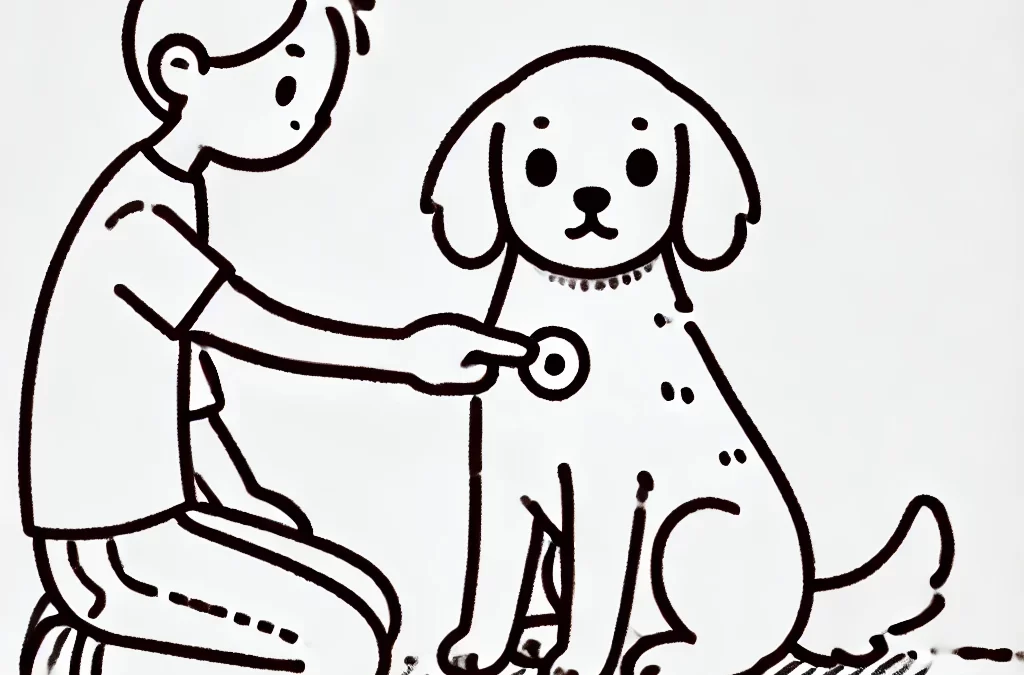
Discovering a lump on your dog’s body can be alarming. Is it just a harmless fatty tumor, or could it be something more serious? Many pet owners hesitate between monitoring the lump at home and rushing to the vet. The key is knowing how to assess the lump properly and recognizing the warning signs that require medical attention.
This article introduces a practical, hands-on guide for pet owners to evaluate their dog’s lumps and bumps, helping you make informed decisions about when to seek veterinary care.
Step-by-Step Guide to Checking Your Dog’s Lump
🖐 1. Use the “Rule of Five” Approach
When examining a lump on your dog, assess these five factors:
1️⃣ Size – Is the lump smaller than a pea, or is it growing over time?
2️⃣ Shape – Is it round and smooth, or irregular and bumpy?
3️⃣ Texture – Is it soft and movable, or firm and attached to underlying tissue?
4️⃣ Color & Surface – Is the skin over the lump normal, reddened, or ulcerated?
5️⃣ Growth Rate – Has it changed in size within weeks or months?
🐾 2. The “Two-Finger Test”
Gently move the lump between your fingers. If it feels freely movable under the skin, it’s more likely to be benign (such as a lipoma). If it’s firmly attached to deeper tissues, it could be more concerning.
🔍 3. Observe Any Additional Symptoms
Check for changes in your dog’s behavior and overall health. Are they eating well? Losing weight? Scratching or licking the lump excessively? These clues can help determine if the lump is causing discomfort or systemic effects.
Common Types of Lumps and When to Worry
🔹 Lipomas (Fatty Tumors)
✅ Soft, round, and movable
✅ Common in older or overweight dogs
✅ Usually harmless, but should be monitored for sudden growth
🔹 Sebaceous Cysts
✅ Filled with a thick, white, or yellowish substance
✅ Can rupture or become infected
✅ Often not serious but may need draining or removal if problematic
🔹 Mast Cell Tumors (MCTs)
🚨 Often appear red, swollen, or ulcerated
🚨 Can change size rapidly due to histamine release
🚨 Require immediate veterinary evaluation, as they can be aggressive
🔹 Histiocytomas
✅ Common in young dogs, usually on the head or legs
✅ Appear as red, raised, button-like lumps
✅ Often disappear on their own, but should still be checked
🔹 Soft Tissue Sarcomas
🚨 Firm, deep-seated, and slow-growing
🚨 Often do not feel well-defined
🚨 Can be invasive and may require surgical removal
When Should You See a Vet?
📌 Immediate Veterinary Visit Required If:
- The lump grows rapidly or changes shape
- It is firmly attached to underlying structures
- There is bleeding, ulceration, or infection
- The lump causes pain or discomfort
- Your dog shows other symptoms like weight loss, lethargy, or appetite changes
📌 Monitor at Home If:
- The lump is small, soft, and slow-growing
- Your dog is acting normal with no discomfort
- No rapid changes in size, texture, or color are observed
How Vets Diagnose Lumps
If a vet visit is necessary, they may use:
🩸 Fine Needle Aspiration (FNA) – Extracting cells for microscopic examination
🔬 Biopsy – Taking a tissue sample for more detailed analysis
🖥 Ultrasound or X-rays – To check for internal masses or metastasis
Final Thoughts
Not all lumps are cause for panic, but early detection is crucial. The best approach is to regularly check your dog’s body, stay alert for changes, and consult your vet when in doubt. Being proactive can make a huge difference in ensuring your dog’s long-term health.

by TCMVET | Nov 23, 2024 | Dog Cancer & Tumors
Mast cell tumors (MCTs) are one of the most common types of cancer in dogs, often presenting as lumps on the skin. While some dogs survive with timely treatment, others succumb to this disease. The process through which mast cell tumors lead to death can be both complex and gradual, involving a cascade of biological disruptions that impact the dog’s entire body. This article delves into the underexplored journey of how mast cell tumors can lead to fatal outcomes.
The Biological Battleground: Understanding Mast Cell Tumors
Mast cells are part of the immune system, responsible for releasing histamines and other chemicals to combat allergens and infections. However, when these cells turn cancerous, they unleash havoc within the body.
Mast cell tumors often become dangerous not because of the primary tumor itself but due to their systemic effects. These effects can trigger life-threatening complications in ways that might surprise many dog owners.
The Silent Killers: Mechanisms Behind Fatalities
1. Histamine Overload: The Internal Storm
One of the most insidious effects of mast cell tumors is the excessive release of histamines and other chemical mediators. This can lead to:
- Gastric Ulcers: Histamine stimulates acid production in the stomach, which can cause ulcers. These ulcers may bleed, leading to severe anemia or life-threatening hemorrhages.
- Shock: A sudden release of histamine can result in systemic inflammation and a dangerous drop in blood pressure, potentially leading to anaphylactic shock.
2. Organ Failure: A Domino Effect
When mast cell tumors metastasize, they invade vital organs like the liver, spleen, and bone marrow. This can result in:
- Liver Dysfunction: The liver’s inability to process toxins can lead to jaundice and systemic poisoning.
- Bone Marrow Suppression: If mast cells infiltrate the bone marrow, the production of red and white blood cells is impaired, causing anemia and a weakened immune system.
3. Cachexia: The Cancer Wasting Syndrome
Cachexia, or cancer-related wasting, is a common cause of death in dogs with advanced mast cell tumors. The tumor alters the dog’s metabolism, causing:
- Muscle Loss: Despite eating, dogs lose muscle mass and strength.
- Fatigue: This debilitating condition can render even simple activities unbearable.
4. Uncontrolled Tumor Growth: Localized Destruction
In some cases, the tumor itself grows aggressively, infiltrating surrounding tissues. This can cause:
- Open Wounds: Ulcerated tumors may become infected, leading to sepsis.
- Pain and Mobility Issues: Tumors near joints or critical structures can cause excruciating pain and limit movement.
Beyond the Biology: Emotional and Behavioral Changes
Dogs suffering from mast cell tumors may exhibit changes in behavior due to pain, discomfort, or systemic illness. Signs such as restlessness, aggression, or withdrawal are often overlooked but indicate the severity of their suffering.
Breaking the Silence: The Importance of Early Intervention
While mast cell tumors can be fatal, their progression isn’t always inevitable. Early detection and treatment can drastically alter the outcome. Here are some proactive steps:
- Frequent Vet Visits: Regular check-ups increase the chances of catching tumors in their early stages.
- Biopsy All Lumps: Even benign-looking lumps could be mast cell tumors.
- Combination Therapies: Surgery, radiation, and chemotherapy are common approaches, but newer methods like immunotherapy are emerging.
Emerging Frontiers: Holistic Care for MCTs
Beyond conventional treatments, integrating holistic approaches can improve a dog’s quality of life:
- Dietary Adjustments: Anti-inflammatory diets with omega-3 fatty acids can support overall health.
- Herbal Supplements: Ingredients like turmeric and boswellia may help reduce inflammation.
- Stress Reduction: Chronic stress can exacerbate cancer symptoms; calming environments and gentle exercise may make a difference.
When Is It Time to Say Goodbye?
Deciding to euthanize a dog with mast cell tumors is one of the hardest choices a pet owner can make. Tools like the Quality of Life Scale (QoL) can guide this decision, focusing on pain levels, appetite, and the dog’s ability to enjoy daily activities.
Conclusion: Understanding to Empower
Mast cell tumors are more than just lumps—they are systemic threats that can silently and gradually overwhelm a dog’s body. By understanding the mechanisms behind their fatality, pet owners and veterinarians can make informed decisions to mitigate suffering and improve outcomes. Empowered with knowledge, we can ensure that every moment with our beloved pets is as pain-free and fulfilling as possible.
