

Integrating Western and Eastern Medicine for Mediastinal Tumor Treatment in Animals

Integrating Western and Eastern Medicine for Mediastinal Tumor Treatment in Animals

The realm of veterinary medicine is evolving, and one of the most significant advancements is the integration of Western and Eastern medical practices, particularly in treating complex conditions like mediastinal tumors in animals. This holistic approach not only enhances treatment efficacy but also improves the overall quality of life for our furry companions.

Understanding Mediastinal Tumors in Pets

Mediastinal tumors, found in the area between the lungs, can be a serious health concern for pets. These tumors include thymomas, lymphomas, and other less common types. Symptoms often include respiratory distress, coughing, and general lethargy. Traditional Western veterinary medicine offers diagnostic and treatment modalities such as surgery, chemotherapy, and radiation therapy.

The Eastern Approach: Traditional Chinese Veterinary Medicine (TCVM)

TCVM is an ancient practice that views disease as an imbalance in the body’s natural energy flow. In the context of mediastinal tumors, TCVM aims to restore balance and strengthen the body’s ability to heal itself. This is achieved through various methods, including herbal medicine, acupuncture, and dietary adjustments.

Key Principles of Integrative Medicine

  1. Holistic Diagnosis and Treatment: Considering the pet’s entire health, lifestyle, and environment, not just the symptoms of the tumor.
  2. Combination of Therapies: Utilizing Western treatments for their precision and Eastern methods for their holistic healing properties.
  3. Personalized Care: Every pet is unique, and so should be their treatment plan, combining various elements from both medical traditions.

Herbal Remedies and Acupuncture

Specific herbs like Astragalus, Ginseng, and Turmeric are known for their immune-boosting and anti-inflammatory properties. Acupuncture is used to relieve pain, improve immune response, and enhance overall well-being.

The Role of Diet in TCVM

Diet is a crucial aspect of TCVM. Foods that support immune health and are easy to digest are often recommended for pets with mediastinal tumors. This might include a combination of high-quality commercial food and fresh, natural ingredients.

The Benefits of Integrative Medicine

This integrative approach offers several benefits:

  • Reduced side effects from conventional treatments.
  • Improved overall health and well-being.
  • Personalized care plans that address the unique needs of each pet.

The integration of Western and Eastern medicine for treating mediastinal tumors in animals represents a significant step forward in veterinary care. This approach allows for more comprehensive and compassionate care, ensuring that our pets not only live longer but also have a better quality of life.
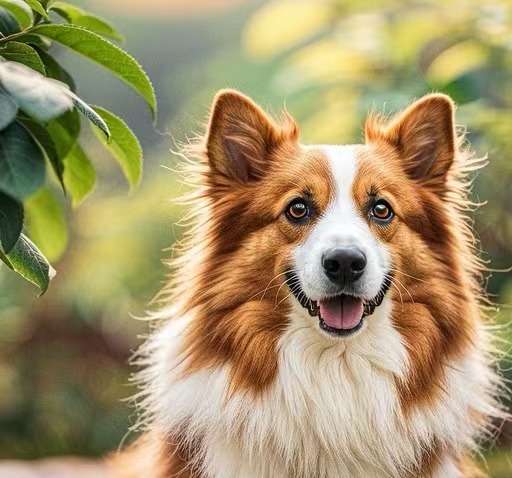
Herbal Remedies for Rare Mediastinal Tumors: Harnessing Ancient Wisdom

Herbal Remedies for Rare Mediastinal Tumors: Harnessing Ancient Wisdom

In the dynamic field of veterinary oncology, the treatment of rare mediastinal tumors in pets presents both a challenge and an opportunity for integrating traditional approaches with modern medicine. Herbal remedies, deeply rooted in ancient wisdom, offer a unique perspective in this endeavor, especially for rare tumors such as hemangiosarcoma (HSA) and mesothelioma.

Understanding Rare Mediastinal Tumors

Mediastinal tumors are located in the mediastinum, the central compartment of the thoracic cavity, and can affect both dogs and cats. While thymomas and lymphomas are more common, rarer types like HSA and mesothelioma pose significant treatment challenges due to their aggressive nature and often late diagnosis.

The Role of Herbal Medicine in Treating Tumors

Herbal medicine, a cornerstone of various traditional healing systems like Traditional Chinese Medicine (TCM) and Ayurveda, offers a holistic approach to health. In treating rare mediastinal tumors, these ancient practices focus on restoring the body’s natural balance and strengthening its innate healing abilities.

Key Herbs in Cancer Treatment

  1. Astragalus (Huang Qi): Known for boosting immune function, it’s often used in cancer therapy to enhance the body’s resistance to disease.
  2. Turmeric (Curcuma longa): Contains curcumin, which has been shown to have anti-cancer properties.
  3. Milk Thistle (Silybum marianum): Used for its liver-protective qualities, especially important during cancer treatments.
  4. Cat’s Claw (Uncaria tomentosa): Believed to have anti-inflammatory and immune-boosting effects.

Integrating Herbal Remedies with Conventional Treatments

The integration of herbal remedies with conventional treatments such as chemotherapy and radiation therapy can provide a more comprehensive approach. Herbs can help mitigate the side effects of conventional treatments and improve the overall quality of life for pets.

The Importance of a Tailored Approach

It’s important to note that herbal treatment for cancer in pets should be tailored to the individual animal, considering factors like the type of tumor, the stage of the disease, and the pet’s overall health. Consulting with a veterinarian experienced in both conventional and herbal medicine is crucial.

The use of herbal remedies for rare mediastinal tumors in pets represents a fusion of ancient wisdom and modern veterinary practice. While these tumors pose significant challenges, the integration of traditional herbal medicine offers a ray of hope for improved treatment outcomes and enhanced quality of life for our animal companions.

Green yin-yang logo with TCMVET
Privacy Overview

This website uses cookies so that we can provide you with the best user experience possible. Cookie information is stored in your browser and performs functions such as recognising you when you return to our website and helping our team to understand which sections of the website you find most interesting and useful.