Shiba Inu cancer risks, early tumor signs in Shibas, common cancers in this breed are important topics for any owner who wants to protect their dog’s health, especially as they age. While these fox-like companions are generally sturdy and long-lived, they are not immune to tumors or cancer, and understanding their specific vulnerabilities can help you catch problems as early as possible.
—
A. Breed Overview: Health Profile of the Shiba Inu
The Shiba Inu is a small to medium-sized Japanese spitz breed, typically weighing 17–23 pounds and standing around 13.5–16.5 inches tall. Known for their bold personality, independence, and cat-like cleanliness, Shibas are alert, intelligent, and often reserved with strangers but deeply loyal to their families.
Most Shibas have a relatively long lifespan, often reaching 12–16 years with good care. They tend to be:
– Athletic and energetic, especially in early and middle adulthood
– Prone to some orthopedic issues (like patellar luxation) and allergies
– Generally considered a hardy breed in terms of day-to-day health
In terms of tumors and cancer, Shibas are not typically listed among the highest-risk breeds (like Boxers or Golden Retrievers). However, as with most purebred dogs, certain patterns do show up. Veterinary reports and clinical experience suggest that Shibas can be somewhat prone to:
– Skin and subcutaneous masses (benign and malignant)
– Mast cell tumors
– Lymphoma
– Hemangiosarcoma
– Oral and other melanomas
Because Shibas often live into their senior years, age-related cancers become more common later in life, even if they are not a “high cancer risk” breed overall.
—
B. Understanding Shiba Inu Cancer Risks, Early Tumor Signs in Shibas, Common Cancers in This Breed
While any dog can develop almost any tumor type, several patterns are seen more often in Shibas or similar-sized, similar-bodied breeds.
1. Mast Cell Tumors (MCTs)
Mast cell tumors are among the most frequently diagnosed skin cancers in dogs, and Shibas do appear fairly represented in case reports:
– Where they show up: Often as skin or just-under-the-skin lumps, anywhere on the body
– How they feel: They may feel soft or firm, can grow quickly or slowly, and sometimes change size day to day
– Why Shibas may be at risk: Their compact body and thick double coat can make small lumps easy to miss, allowing tumors more time to grow before being noticed
2. Lymphoma
Lymphoma is a cancer of the lymphatic system and is seen across many breeds:
– Typical signs: Enlarged lymph nodes (often under the jaw, in front of the shoulders, or behind the knees), lethargy, weight loss
– Breed relevance: Shibas are not among the highest-risk breeds, but their longer lifespan and increasing age raise the odds as they enter their senior years
3. Hemangiosarcoma
Hemangiosarcoma is an aggressive cancer of blood vessel cells, often affecting the spleen, liver, or heart:
– Why it’s dangerous: It can grow silently with few early signs, sometimes only becoming obvious if it ruptures and causes internal bleeding
– Which dogs are at risk: Large breeds are over-represented, but medium-sized dogs like Shibas can also be affected, especially in later life
4. Melanoma (Including Oral Melanoma)
Melanomas in dogs can be benign or malignant and may occur on the skin or in the mouth:
– Oral melanoma: Often appears as dark or sometimes pale masses on the gums, lips, or tongue
– Why Shibas may be vulnerable: Dark pigment on gums and mouth can sometimes make it harder to spot subtle changes without regular checks
5. Soft Tissue Sarcomas and Lipomas
As Shibas age, you may notice various lumps and bumps:
– Lipomas (fatty tumors): Usually benign, soft, movable masses under the skin
– Soft tissue sarcomas: May feel similar but can be malignant
– Key point: You cannot reliably tell which is which by feel alone—testing is important
Factors That May Influence Risk in Shibas
Several characteristics of the breed may play into how tumors are detected or develop:
– Size and body shape: Their compact frame can make internal space limited, so abdominal tumors may show signs (distended belly, reduced appetite) a bit earlier than in giant breeds—but that’s not guaranteed.
– Thick double coat: Can hide small skin lumps, especially on the shoulders, hips, and neck.
– Stoic temperament: Many Shibas are good at hiding discomfort or pain, which can delay noticing that something is wrong.
– Long lifespan: Simply living longer increases the chance of developing age-related cancers.
—
C. Early Warning Signs Owners Should Watch For
Catching cancer early often leads to more options and better outcomes. For Shibas, who tend to be independent and stoic, it’s especially important to be proactive.
Common Early Signs of Tumors or Cancer
Watch for:
– New or changing lumps:
– Any bump on or under the skin that appears, grows, changes shape, or starts to bleed
– Lumps that feel “attached” rather than freely movable
– Weight changes:
– Unexplained weight loss, even if your Shiba seems to be eating normally
– Gradual muscle loss in the hips, back, or shoulders
– Appetite or drinking changes:
– Refusing meals, being pickier than usual
– Drinking and urinating more than normal
– Behavioral shifts:
– Less interest in walks, play, or interaction
– Hiding more, seeming grumpy when touched in certain areas
– Mobility or pain issues:
– Limping without a clear injury
– Difficulty jumping on furniture or into the car
– Bleeding or discharge:
– Nosebleeds, coughing up blood, or bloody drool
– Bleeding from the mouth, rectum, or genitals
– Coughing or breathing changes:
– Persistent cough, especially in a senior Shiba
– Labored breathing or reduced exercise tolerance
At-Home Monitoring Tips
Create a simple routine:
1. Monthly “nose-to-tail” check:
– Run your hands gently over your Shiba’s entire body, lifting the fur to look at the skin.
– Check the mouth, gums, and tongue for unusual spots, growths, or bleeding.
– Feel the belly gently for any unusual firmness or enlargement.
2. Track changes in a notebook or phone:
– Note date, location, size (compare to a coin or pea), and photo of any lump.
– Record appetite, weight (if you can weigh at home), and energy levels.
3. When to seek prompt veterinary attention:
– Any new lump that appears suddenly or grows over a few weeks
– Lumps that ulcerate, bleed, or ooze
– Signs of pain, rapid breathing, collapse, or pale gums
– Persistent weight loss, coughing, or major behavior changes
If something feels “off,” it’s always safer to call your veterinarian rather than wait and see.
—
D. Senior Care Considerations for Shiba Inus
Shibas often age gracefully, but their later years need extra attention, especially regarding cancer risk.
How Aging Affects This Breed
Common age-related changes include:
– Slower metabolism and easier weight gain
– Reduced muscle mass
– Stiffer joints or arthritis-like signs
– Decreased tolerance for intense exercise
With age, the likelihood of tumors—both benign and malignant—increases. A senior Shiba (around 8–10 years and older) should be monitored more closely for lumps, weight changes, and subtle behavior shifts.
Nutrition and Body Condition
For older Shibas:
– Aim for a lean, fit body condition: Visible waist and easily felt ribs under a thin fat layer.
– Choose age-appropriate food: Senior formulas often have adjusted calories and nutrients; ask your vet what’s best for your individual dog.
– Monitor weight regularly: Monthly weights help spot gradual loss or gain, which can be an early clue to illness.
Exercise and Activity
Shibas usually love their walks even as seniors, but they may need:
– Shorter, more frequent walks instead of long, strenuous sessions
– Gentle play over high-impact activities like repetitive jumping
– Mental enrichment (sniff walks, puzzle toys) to keep their mind active
Joint Care and Pain Management
Arthritis and joint discomfort are common in older Shibas:
– Watch for hesitancy on stairs, difficulty jumping, or lagging behind on walks.
– Talk with your veterinarian about pain management options and joint support strategies; never start pain medications without veterinary guidance.
Check-Up Intervals and Screening
For middle-aged and senior Shibas, consider:
– Wellness exams at least every 6–12 months (every 6 months is ideal for seniors).
– Baseline bloodwork and urinalysis to screen for internal issues.
– Discussion of screening options (e.g., imaging, specific lab tests) if your dog is at higher risk or has concerning signs.
A strong partnership with your veterinarian is key to catching problems before they become crises.
—
E. General Tumor Prevention & Wellness Support
No approach can guarantee your Shiba will never develop cancer. However, good overall health can help reduce some risk factors and support resilience.
Key Lifestyle Strategies
1. Maintain a healthy weight
– Obesity is linked to inflammation and many health problems.
– Adjust food portions and treats to keep your dog lean.
2. Feed a balanced, high-quality diet
– Choose a complete and balanced food appropriate for your Shiba’s life stage and health status.
– Avoid frequent, dramatic diet changes without reason; consistency supports digestive health.
3. Ensure adequate hydration
– Fresh water should always be available.
– Monitor for increased thirst, which can signal underlying illness.
4. Provide regular physical activity
– Daily walks and playtime support cardiovascular health, joint mobility, and mental well-being.
– Adapt intensity and duration based on age and comfort level.
5. Minimize environmental risks when possible
– Limit exposure to tobacco smoke.
– Store lawn chemicals, pesticides, and household cleaners safely out of reach.
– Use sun caution for areas of sparse fur or pale skin, especially if your Shiba has light pigmentation.
Integrative and Natural Support (General Considerations)
Some owners explore:
– Omega-3 fatty acids for overall wellness and joint support
– Certain herbs or mushroom-based supplements aimed at immune health
– Acupuncture or massage as part of comfort care
These approaches can sometimes help quality of life, but:
– They should never be considered a cure or primary treatment for cancer.
– Always consult your veterinarian before starting any supplement or alternative therapy, as interactions and side effects are possible.
—
F. Integrative Care as a Complement to Veterinary Oncology
If your Shiba is diagnosed with a tumor or cancer, some families consider integrative or holistic options alongside conventional care.
Examples of supportive approaches may include:
– Acupuncture for comfort, appetite, and mobility support
– Gentle massage or physical therapy to maintain mobility and reduce stiffness
– Stress-reducing practices (predictable routines, calm environments) to support overall well-being
These methods are best viewed as complements, not replacements, for modern veterinary diagnostics and treatments like surgery, chemotherapy, radiation, or targeted therapies. Working with your primary veterinarian—and, when appropriate, a veterinary oncologist and an integrative vet—can help you create a plan focused on comfort, quality of life, and realistic expectations.
—
Conclusion
Shiba Inu cancer risks may not be the highest among all breeds, but these intelligent, long-lived dogs are still vulnerable to skin tumors, lymphoma, hemangiosarcoma, and other cancers, especially as they age. By watching for early tumor signs in Shibas—new lumps, weight changes, behavior shifts, or unexplained bleeding—you can bring concerns to your veterinarian quickly. Thoughtful senior care, including weight management, appropriate exercise, and regular wellness exams, offers your Shiba the best chance for early detection and compassionate, effective care throughout their life.
Australian Shepherd cancer risks, early tumor symptoms in Aussies, common cancers in this breed are topics every Australian Shepherd owner should understand, especially as these energetic dogs reach middle age and beyond. While many Aussies live long, active lives, they are a breed with some known predispositions to certain cancers and tumors. Knowing what to watch for—and how to support your dog as they age—can make a big difference in catching problems early and giving them the best quality of life.
—
A. Breed Overview
Australian Shepherds (“Aussies”) are medium-sized herding dogs known for their intelligence, agility, and intense bond with their families. They typically weigh 40–65 pounds, with males on the larger end. Their average lifespan is around 12–15 years, which is relatively long for a medium-sized dog.
Key traits of the breed:
– Highly active, athletic, and mentally driven
– Strong herding and working instincts
– Very people-oriented and often sensitive
– Common coat colors: black, blue merle, red, red merle; often with white markings and copper points
From a health perspective, Aussies are generally robust but can be prone to several inherited conditions, including eye issues, hip dysplasia, and certain autoimmune disorders. Importantly for owners, this breed is also believed to have a higher incidence of some tumor and cancer types compared with mixed-breed dogs, particularly:
– Lymphoma
– Hemangiosarcoma
– Mast cell tumors
– Melanoma (especially in heavily pigmented areas, sometimes the mouth)
Not every Aussie will develop cancer, but as a breed that commonly reaches senior years and stays active, vigilance about tumor and cancer risks is wise.
—
B. Tumor and Cancer Risks for Australian Shepherds
1. Lymphoma
Lymphoma is a cancer of the lymphatic system and is one of the more frequently reported cancers in herding and medium-sized breeds, including Aussies. It can affect:
– Lymph nodes (causing them to enlarge)
– Internal organs (such as spleen, liver, intestines)
Why Aussies may be at risk:
– Possible breed-related genetic susceptibility
– Active immune systems in herding breeds, which may play a role in some immune-related cancers
Owners might first notice generalized swelling of lymph nodes under the jaw, in front of the shoulders, or behind the knees, but this can be subtle, which is why regular “hands-on” checks are important.
2. Hemangiosarcoma
Hemangiosarcoma is an aggressive cancer of blood vessel cells. It often affects:
– Spleen
– Liver
– Heart
– Skin or subcutaneous tissues (less common but possible)
Medium and large breeds, including Aussies, are overrepresented in cases of this cancer. Because it involves blood vessels, it can cause internal bleeding when tumors rupture.
Risk contributors:
– Medium-to-large body size
– Possible hereditary factors shared with other herding and working breeds
This type of cancer often remains hidden until a crisis occurs, which makes regular senior screenings and awareness of vague signs (weakness, pale gums, collapse) very important.
3. Mast Cell Tumors
Mast cell tumors are common skin cancers in dogs. Aussies, like many other breeds, can develop:
– Single or multiple skin lumps
– Masses that may change size, become red, or itch
Factors in Aussies:
– Their dense double coat can hide small lumps until they are larger
– Owners may not notice a lump under longer fur, especially around the neck, chest, or thighs
Mast cell tumors are known as the “great imitator” because they can feel like anything from a soft fatty lump to a firm nodule, so any new skin lump in an Aussie should be checked by a veterinarian.
4. Melanoma (Including Oral Melanoma)
Melanoma is a cancer of pigment-producing cells. In dogs, it often appears:
– In the mouth or around the lips
– On the toes or nail beds
– In pigmented skin areas
Aussies with darker pigmentation, especially around the gums or lips, may develop oral masses that can be harder to see at a glance. Routine mouth checks are beneficial.
5. Soft Tissue Sarcomas
Soft tissue sarcomas are a group of cancers that arise from connective tissues (muscle, fat, fibrous tissue). In Aussies, they may show up as:
– Firm, deep lumps under the skin
– Masses on limbs or body that slowly enlarge over time
These are not unique to Aussies but do occur in active, athletic, medium-sized breeds with some frequency.
—
C. Early Warning Signs Owners Should Watch For
Recognizing early tumor or cancer warning signs in an Australian Shepherd can be challenging because they’re often stoic and energetic, hiding discomfort well. Building a routine of at-home checks is one of the best ways to catch issues early.
1. New or Changing Lumps and Bumps
Things to look for:
– Any new lump on or under the skin
– A lump that grows over weeks or months
– A mass that becomes red, ulcerated, or starts to bleed
– A lump that changes texture (soft to firm, or vice versa)
At-home tip:
Once a month, run your hands over your dog from nose to tail, including:
– Under the jaw and around the neck
– Between the front legs and under the armpits
– Along the chest, belly, and groin
– On the thighs and under the tail
If you find a lump:
– Note its size (compare to a coin or measure with a ruler)
– Note its location (e.g., “right side of chest, 3 inches behind front leg”)
– Contact your veterinarian, especially if the lump is new, larger than a pea, or changing.
2. Weight Loss and Appetite Changes
Early cancer signs can be subtle:
– Eating slower or less enthusiastically
– Skipping meals occasionally
– Losing weight despite eating normally
Because Aussies are often active, weight loss can be mistaken for “getting fit.” Weigh your dog regularly (monthly for seniors) and ask your vet to record weight trends at each visit.
3. Lethargy, Pain, or Mobility Issues
Watch for:
– Decreased interest in play, walks, or activities they used to love
– Stiffness, limping, or reluctance to jump into the car or onto furniture
– Panting more than usual, even with light activity
While these signs can be related to arthritis or muscle strain, they can also indicate pain from internal tumors, bone cancers, or general illness. Any persistent change in activity or comfort level warrants a veterinary exam.
4. Bleeding, Coughing, or Other Concerning Symptoms
Contact your veterinarian promptly if you notice:
– Nosebleeds or blood in the mouth
– Coughing, especially if it’s new or worsening
– Difficulty breathing or increased breathing rate at rest
– Pale gums or sudden collapse
– Persistent vomiting or diarrhea
– Swollen belly that seems tight or uncomfortable
For Aussies, a sudden episode of weakness, pale gums, and a distended abdomen can be a sign of internal bleeding from a tumor such as hemangiosarcoma and is an emergency.
—
D. Senior Care Considerations for Australian Shepherds
As Aussies age—often from around 7–8 years onward—their risk for many cancers increases. Their strong drive to keep going means they may hide discomfort, so proactive senior care is especially important.
1. How Aging Affects Aussies
Common age-related changes include:
– Slower recovery after exercise
– Stiffness or joint discomfort
– Changes in appetite or weight
– Slightly reduced stamina or tolerance for heat
These changes can be normal, but they can also overlap with early cancer symptoms. This is why regular veterinary exams and screening are critical in senior Aussies.
2. Nutrition and Body Condition Management
Goals for senior Aussies:
– Maintain a lean, muscular body condition
– Avoid both obesity and excessive thinness
Consider:
– Senior-appropriate diets formulated for joint and overall health
– Monitoring calorie intake if activity decreases
– Checking body condition score with your vet and adjusting diet accordingly
A lean body condition may help lower the risk of several chronic diseases and can reduce strain on joints, making it easier to detect unexplained weight loss, a possible early warning sign of cancer or other illness.
3. Exercise and Activity Adjustments
Even as seniors, most Aussies benefit from:
– Daily walks (shorter or more frequent if needed)
– Gentle off-leash time in a safe, fenced area
– Low-impact mental and physical games (nose work, puzzle toys, obedience refreshers)
Avoid sudden, intense bursts if your dog shows signs of stiffness or fatigue. Gradual warm-ups and cool-downs can help protect aging joints.
4. Joint Care and Pain Management
Joint problems and pain can mask or mimic cancer-related lameness or discomfort. Work with your veterinarian to:
– Assess joint health regularly
– Discuss safe pain management options if your dog is stiff or sore
– Consider supportive measures such as orthopedic beds, non-slip flooring, or ramps
Never assume limping is “just arthritis” in an older Aussie; persistent lameness should be evaluated to rule out bone or soft tissue tumors.
5. Recommended Check-Up Intervals
For a healthy adult Aussie (under senior age), annual wellness exams are usually appropriate. Once your dog reaches senior status (often 7–8 years):
– Aim for check-ups every 6 months
– Discuss routine bloodwork, urinalysis, and possibly imaging (X-rays, ultrasound) as your vet recommends
– Ask your vet to perform a thorough lymph node, abdomen, oral, and skin exam each visit
These appointments are an opportunity to catch early changes that may not be obvious at home.
—
E. General Tumor Prevention & Wellness Support
Not all tumors and cancers can be prevented, especially those with a genetic component. However, you can support your Aussie’s overall health and potentially reduce certain risk factors.
1. Maintain a Healthy Weight
Excess body fat can contribute to inflammation and strain on the body. To support a healthy weight:
– Feed measured portions rather than free-feeding
– Use a high-quality, balanced diet appropriate for age and activity level
– Limit high-calorie treats and use small training rewards instead
2. Appropriate Diet and Hydration
While no specific diet is proven to prevent cancer, a balanced, complete diet supports the immune system and organ function. General tips:
– Choose diets that meet AAFCO (or your country’s equivalent) standards
– Ensure constant access to fresh, clean water
– Discuss any major diet changes with your veterinarian, especially if your dog has existing health issues
3. Regular Physical Activity
Consistent, moderate exercise:
– Supports a healthy weight
– Maintains muscle strength and joint mobility
– Helps you notice changes in stamina or gait, which might indicate underlying problems
For Aussies, mental enrichment is as important as physical exercise. Regular training and games give you extra chances to observe your dog’s overall condition and behavior.
4. Avoiding Environmental Risks Where Possible
You may be able to lower some environmental exposures by:
– Minimizing secondhand smoke around your dog
– Avoiding excessive sun exposure, particularly on lightly pigmented skin areas
– Using pet-safe cleaning and lawn products when possible, and storing chemicals securely
While research is ongoing, reducing unnecessary exposures is a reasonable part of a general wellness plan.
5. Natural and Integrative Support (With Veterinary Guidance)
Some owners are interested in:
– Omega-3 fatty acids
– Certain herbs or mushroom-based supplements
– Joint-support products
These may help support general wellness, inflammation control, or joint comfort in some dogs. However:
– They are not proven to prevent or cure cancer
– Quality and safety vary widely between products
Always consult your veterinarian before starting any supplement, especially if your Aussie is on medications or has a known health condition.
—
F. Optional Integrative Care: Supporting Overall Resilience
Integrative approaches—combining conventional veterinary medicine with thoughtful use of holistic or traditional wellness concepts—can sometimes help support an Aussie’s overall comfort and resilience.
Some families explore:
– Acupuncture or acupressure for pain relief and relaxation
– Gentle massage or physical therapy to maintain mobility
– Mindful, whole-dog care focused on stress reduction, routine, and a calm environment
These approaches do not replace diagnostics, surgery, chemotherapy, or other veterinary oncology treatments when needed. Instead, they may complement standard care by:
– Supporting comfort
– Encouraging mobility and function
– Strengthening the dog–owner bond, which can improve monitoring and day-to-day care
Discuss any integrative options with your veterinarian or a qualified integrative veterinary practitioner to ensure they are safe and appropriate for your individual dog.
—
Conclusion
Australian Shepherds are active, affectionate companions, but they do carry meaningful risks for certain tumors and cancers, including lymphoma, hemangiosarcoma, mast cell tumors, and melanoma. Early detection—through routine hands-on checks, awareness of subtle changes, and regular veterinary visits—is one of the most powerful tools you have. By combining smart senior care, thoughtful lifestyle choices, and a strong partnership with your veterinarian, you can help your Aussie navigate aging with the best possible chance of catching problems early and maintaining a high quality of life.
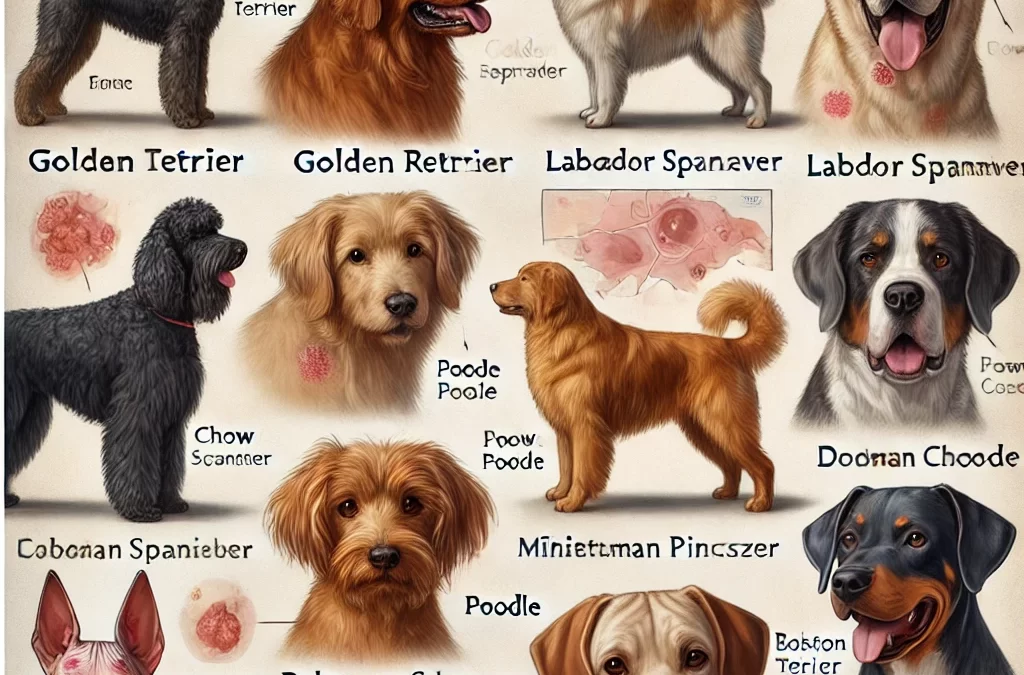
Melanoma is one of the most concerning cancers in dogs, often appearing in the mouth, skin, nail beds, and even the eyes. While all dogs can develop melanoma, certain breeds are genetically predisposed due to their pigmentation, skin characteristics, and other biological factors. This article explores which dog breeds are more susceptible to melanoma, the role of environmental factors, and how pet owners can take preventive measures.
Why Are Some Breeds More Prone to Melanoma?
Melanoma arises from melanocytes, the pigment-producing cells in a dog’s body. The following factors contribute to an increased risk in certain breeds:
Genetic predisposition – Some breeds inherit a higher likelihood of abnormal melanocyte growth.
Pigmentation & coat color – Dogs with dark pigmentation, particularly black-coated breeds, are often more prone to oral melanoma. Conversely, lightly pigmented dogs are more susceptible to skin melanoma in sun-exposed areas.
Environmental triggers – Prolonged sun exposure, immune system function, and even diet can influence the development of melanoma in dogs.
Breeds with Higher Risk of Melanoma
Research and veterinary case studies suggest that the following breeds have a higher risk of developing melanoma:
Scottish Terrier – Often linked to skin melanoma, especially in sun-exposed areas.
Golden Retriever – Prone to various cancers, including melanoma, particularly in their mouths.
Labrador Retriever – Increased cases of oral melanoma have been reported.
Cocker Spaniel – Higher occurrence of melanoma, particularly in the eyes (ocular melanoma).
Chow Chow – Their dark pigmentation increases susceptibility to oral melanoma.
Poodle – Miniature and standard Poodles have been diagnosed with nail bed melanoma.
Dachshund – More likely to develop skin melanoma due to genetic factors.
Doberman Pinscher – Higher incidence of oral and nail bed melanomas.
Miniature Schnauzer – Prone to both skin and oral melanoma.
Boston Terrier – Increased risk of skin melanoma, especially in lighter-colored individuals.
Environmental & Lifestyle Factors That Increase Risk
Even if a dog is not from a high-risk breed, external factors can still influence melanoma development:
Sun exposure – Dogs with lighter skin or thin fur are at risk of UV-induced skin melanoma.
Oral hygiene – Poor dental care can contribute to inflammation, potentially increasing oral melanoma risks.
Age – Older dogs are more prone to cellular mutations that lead to melanoma.
Toxins & diet – Chemical exposure and a lack of antioxidants in a dog’s diet may play a role in cancer susceptibility.
Preventive Measures for Dog Owners
Routine vet check-ups – Early detection is crucial, especially for high-risk breeds.
Oral and skin examinations – Regularly check inside your dog’s mouth, paws, and skin for unusual growths.
Sunscreen protection – Light-skinned dogs should avoid excessive sun exposure, and pet-safe sunscreen can help.
A balanced diet – Antioxidants and omega-3 fatty acids can support immune function and reduce inflammation.
Maintain oral health – Brushing your dog’s teeth and providing dental chews may lower oral melanoma risks.
Final Thoughts
While melanoma is an aggressive cancer, awareness of breed-specific risks and proactive care can help in early detection and prevention. Regular check-ups, a healthy diet, and vigilant monitoring can make a significant difference in a dog’s health. If you notice any unusual lumps, especially in your dog’s mouth, seek veterinary advice as soon as possible.
A dog’s paws are often overlooked when it comes to routine checkups, but they can be the site of various types of growths and tumors. Tumors or unusual lumps on a dog’s paw can be a cause for concern and should be evaluated by a veterinarian to ensure your pet’s health. Regularly inspecting your dog’s paws can help catch these issues early, preventing discomfort and potential complications.
Types of Tumors Commonly Found on Dog Paws
Several types of growths may develop on a dog’s paw, ranging from benign to malignant. These include:
Melanoma: One of the more serious forms of tumors, melanomas often appear black and are frequently found around the nail bed. These tumors can spread to other areas of the body, making early detection critical.
Mast Cell Tumors: These growths can be pink or red and may appear ulcerated or raw. Mast cell tumors can vary in severity, from benign to highly aggressive forms, so any new lump should be checked by a vet.
Squamous Cell Carcinoma: This type of cancer commonly affects the area between the toes and can resemble a wart or scab. Although these tumors tend to grow slowly, they can still invade nearby tissues, so prompt treatment is important.
Benign Growths: Not all growths on a dog’s paw are cancerous. Warts or cysts are relatively common and generally harmless, but should still be examined to rule out more serious issues.
Signs to Watch for on Your Dog’s Paws
If you regularly inspect your dog’s paws, you’ll be better able to detect changes early. Here are some signs that may indicate a tumor or other growth on your dog’s paw:
Swollen areas or lumps between the toes
Nail abnormalities, such as discoloration or deformation
Pain or sensitivity when the paw is touched
Limping or reluctance to walk
Visible sores, bleeding, or discharge
Why Veterinary Attention Is Crucial
While some lumps may seem harmless, it’s always better to err on the side of caution when it comes to your dog’s health. A veterinarian can perform a biopsy or other tests to determine whether a growth is benign or malignant. Early detection and diagnosis can lead to more effective treatment options, potentially saving your dog from unnecessary pain or more serious health risks.
Treatment Options
Treatment for paw tumors can vary depending on the diagnosis. For benign growths, your veterinarian may recommend monitoring or simple removal. Malignant tumors, on the other hand, may require more aggressive treatment such as surgery, chemotherapy, or radiation therapy. In some cases, if the tumor has spread or is causing significant damage, amputation of the affected area might be considered to prevent further complications.
Regularly checking your dog’s paws is a simple yet effective way to keep your pet healthy and comfortable. If you notice any new lumps or unusual growths, it’s essential to have them evaluated by a veterinarian. Early detection and treatment can improve outcomes and help ensure your dog enjoys a long, happy life.
Melanoma is a serious form of skin cancer that affects many dogs, particularly as they age. While conventional treatments like surgery, radiation, and chemotherapy are commonly used to manage the disease, more pet owners are exploring the benefits of Chinese herbal medicine as a complementary approach. Chinese herbs have been used for centuries to support overall health and treat various ailments, and they can play a valuable role in enhancing the care of dogs with melanoma. This article delves into how Chinese herbs can be integrated into canine melanoma care to support healing, improve quality of life, and potentially slow the progression of the disease.
Understanding Canine Melanoma
Melanoma in dogs is a type of cancer that originates in melanocytes, the cells responsible for producing pigment. It can occur in various parts of the body, including the skin, mouth, nail beds, and eyes. While some melanomas are benign, malignant melanomas are aggressive and can metastasize to other parts of the body, making early detection and treatment crucial.
Symptoms of melanoma in dogs can vary depending on the location of the tumor but often include darkly pigmented lumps, swelling, and changes in behavior such as limping or excessive licking of a specific area.
The Role of Chinese Herbs in Melanoma Care
Chinese herbal medicine is based on the principles of Traditional Chinese Medicine (TCM), which seeks to balance the body’s energy (Qi) and harmonize the functions of the body’s organs. In the context of cancer care, Chinese herbs can be used to strengthen the immune system, reduce inflammation, and support the body’s natural healing processes. Here are some of the key Chinese herbs that can be beneficial for dogs with melanoma:
Huang Qi (Astragalus Root): Astragalus is well-known for its immune-boosting properties. It helps to enhance the body’s ability to fight off infections and may slow the growth of tumors by strengthening the immune response. Astragalus is also believed to increase energy levels and improve overall vitality.
Ban Zhi Lian (Scutellaria barbata): Scutellaria barbata is often used in TCM for its anti-cancer properties. It has been shown to inhibit the growth of cancer cells and reduce inflammation, making it a valuable herb in the treatment of melanoma. It is commonly used to treat various types of cancer, including those affecting the skin.
Bai Hua She She Cao (Oldenlandia diffusa): This herb is traditionally used to clear heat and detoxify the body, making it effective in managing infections and cancer. Bai Hua She She Cao is believed to have strong anti-tumor effects, and it may help reduce the size of melanomas and prevent their spread.
Dang Gui (Angelica Sinensis): Dang Gui is known as the “female ginseng” and is commonly used to nourish the blood and improve circulation. In the context of melanoma, it can help support the body’s recovery from surgery and promote the healing of tissues affected by cancer.
Ling Zhi (Reishi Mushroom): Reishi mushroom is a powerful adaptogen that helps the body manage stress and supports the immune system. It has anti-inflammatory and antioxidant properties, which can help reduce the side effects of conventional cancer treatments and improve overall health.
Integrating Chinese Herbs into Canine Melanoma Treatment
Integrating Chinese herbs into the treatment plan for canine melanoma should always be done under the guidance of a qualified veterinarian who is experienced in TCM. The following steps outline how these herbs can be incorporated into your dog’s care:
Consultation and Diagnosis: The first step is to consult with a veterinarian who practices TCM. They will conduct a thorough examination of your dog, taking into account the type and stage of melanoma, overall health, and any other underlying conditions.
Herbal Prescription: Based on the diagnosis, the veterinarian will prescribe a customized herbal formula tailored to your dog’s specific needs. This formula may include a combination of the herbs mentioned above, as well as others that address your dog’s unique condition.
Administration: Chinese herbs can be administered in various forms, including powders, capsules, teas, or tinctures. Your veterinarian will provide instructions on the appropriate dosage and method of administration. Consistency is key, so it’s important to follow the prescribed regimen carefully.
Monitoring and Adjustment: Regular follow-up appointments are essential to monitor your dog’s response to the herbs and make any necessary adjustments to the treatment plan. The veterinarian may modify the herbal formula as needed based on your dog’s progress and any changes in their condition.
Benefits of Chinese Herbs in Melanoma Care
Chinese herbs offer several potential benefits for dogs with melanoma:
Immune Support: Many Chinese herbs are known for their immune-boosting properties, which can help your dog’s body fight off cancer cells more effectively.
Reduced Inflammation: Chronic inflammation is a common issue in cancer patients. Chinese herbs can help reduce inflammation, which may slow the progression of the disease and alleviate pain.
Enhanced Healing: For dogs undergoing surgery or other conventional treatments, Chinese herbs can support the healing process and reduce recovery time.
Improved Quality of Life: By addressing symptoms like pain, fatigue, and stress, Chinese herbs can help improve your dog’s overall well-being and quality of life.
Chinese herbal medicine offers a promising complementary approach to managing canine melanoma. By integrating these time-tested herbs into a comprehensive treatment plan, you can enhance your dog’s care and potentially improve outcomes. Always consult with a veterinarian experienced in TCM to ensure the safe and effective use of Chinese herbs in your dog’s melanoma treatment.