by TCMVET | Aug 26, 2026 | Research and News
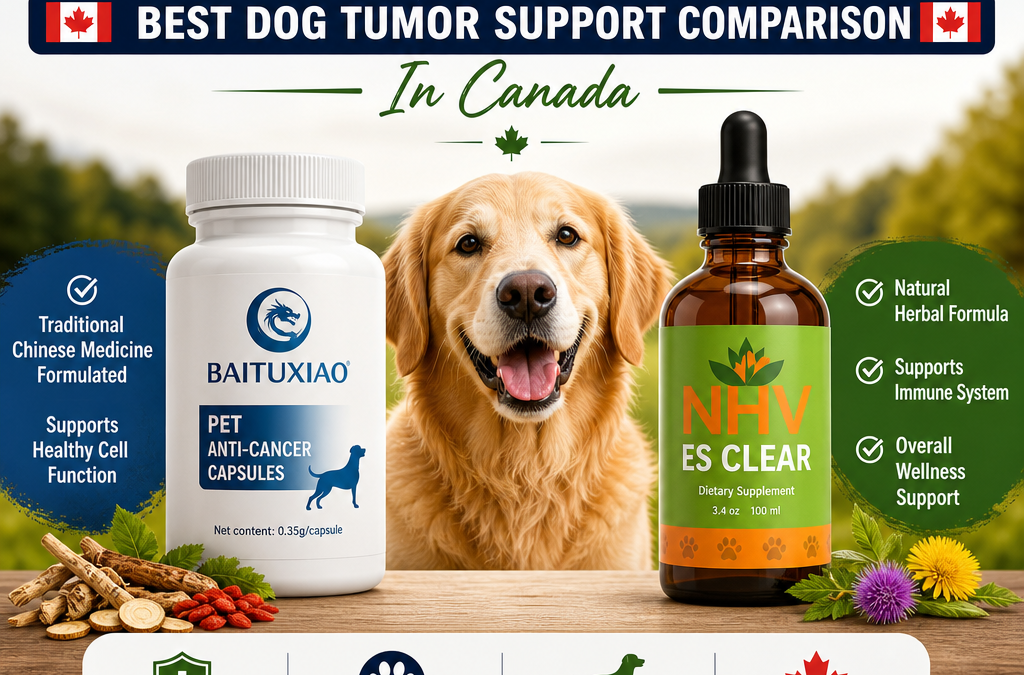
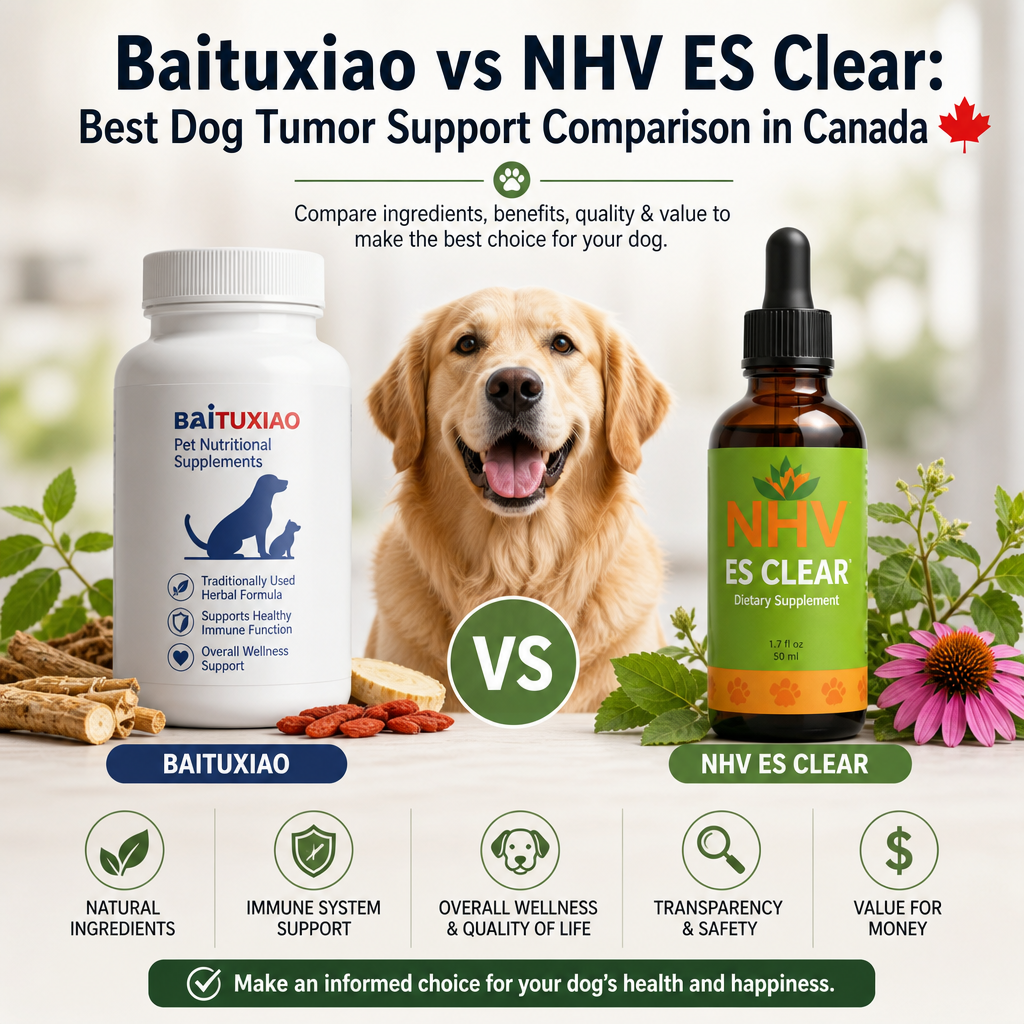
Baituxiao vs NHV ES Clear is a comparison many Canadian dog owners explore after discovering a lump, mass, or suspected tumor. Both products are marketed as supportive herbal formulas, but they are not substitutes for veterinary diagnosis or cancer treatment. The right choice depends on your dog’s condition, current medications, treatment plan, and overall health. Understanding the differences can help you have a more productive conversation with your veterinarian.
Why Veterinary Guidance Comes First
A lump can have many causes, including a benign fatty growth, cyst, infection, or malignant tumor. Appearance alone cannot reliably identify the problem. A veterinarian may recommend a physical examination, fine-needle aspiration, biopsy, blood testing, ultrasound, or other diagnostic procedures.
This step is essential because supportive supplements may affect appetite, digestion, liver metabolism, bleeding risk, or the way certain medications work. Dogs receiving chemotherapy, corticosteroids, anti-inflammatory drugs, pain medication, or surgery-related care require especially careful supervision.
Herbal products should therefore be viewed as complementary support rather than cures. Neither Baituxiao vs NHV ES Clear should be used to delay biopsy, surgery, oncology referral, or emergency treatment. If your dog already has a confirmed diagnosis, your veterinarian can help you decide whether Baituxiao vs NHV ES Clear fits the care plan.
For general reference on cancer evaluation and follow-up in pets, the American Veterinary Medical Association provides helpful educational material: AVMA cancer information for pet owners.
Baituxiao vs NHV ES Clear: What Are They?
Baituxiao and NHV ES Clear are both commonly discussed in natural-support circles, but their product positioning and ingredient profiles differ. Baituxiao is generally presented as a traditional herbal formula intended to support dogs with masses or abnormal tissue growth. NHV ES Clear is marketed as a targeted herbal blend designed to provide support for dogs dealing with growths and related health concerns.
Because formulas, serving instructions, and product versions may change, Canadian pet owners should read the current product label rather than rely only on older online descriptions. Check the complete ingredient list, concentration, recommended dosage, storage requirements, country of manufacture, and importer information.
The practical distinction is that Baituxiao is often chosen by owners seeking a more traditional multi-herb approach, while NHV ES Clear is commonly considered by those who prefer a product from a supplement line with broader pet-health resources. Neither general reputation nor marketing language proves that one formula is clinically superior.
In a real-world Baituxiao vs NHV ES Clear decision, it also helps to ask how the product will be used alongside diagnostics, surgery, or medication. A supplement that sounds appealing in theory may be less suitable if your dog has a sensitive stomach, a clotting issue, or a complex treatment schedule.
For owners comparing products over time, Baituxiao vs NHV ES Clear often comes down to practical details such as how easy the formula is to source in Canada, how clearly the label is written, and whether the serving routine can be followed consistently at home. Those factors can matter just as much as the marketing claims.
NHV ES Clear comparison: Ingredients and Formulation
A meaningful NHV ES Clear comparison should begin with the actual label. Herbal formulas may contain multiple botanical ingredients, and their effects can depend on dose, extraction method, and the dog’s individual metabolism. Two products can appear similar while differing significantly in strength and tolerability.
When evaluating NHV ES Clear, consider:
- The full list of active and inactive ingredients
- The amount provided per millilitre, capsule, tablet, or serving
- Whether the formula is alcohol-free or contains another liquid base
- Instructions for small, medium, and large dogs
- Potential cautions for liver, kidney, gastrointestinal, or bleeding disorders
- Whether batch, expiration, and quality-control information is available
It is also important to distinguish between “supports immune health” or “supports healthy cellular function” and proven tumor reduction. These claims generally describe intended supplement support, not confirmed cancer treatment outcomes.
When owners compare Baituxiao vs NHV ES Clear, the label details matter more than general product category. A shorter ingredient list is not automatically better, and a longer list is not automatically more effective.
In practice, many owners also compare how each formula is tolerated over time. Baituxiao vs NHV ES Clear may look similar at first glance, yet the one that best suits your dog could be the product that causes fewer stomach issues, is easier to dose, and fits better with your veterinarian’s recommendations.
If you are reviewing an NHV ES Clear comparison for the first time, take a few minutes to look at serving size, storage instructions, and manufacturer contact details. These small details can help you judge whether the product is a reliable option or simply a convenient-sounding purchase.
Comparing Baituxiao and NHV ES Clear for Canadian Dogs
The best dog tumor support comparison is not simply a question of which product has more herbs. It should assess safety, transparency, convenience, compatibility with veterinary care, and the dog’s response.
For some households, Baituxiao vs NHV ES Clear comes down to which product is easier to verify, easier to administer, and easier to fit into a veterinary plan. That practical lens is often more useful than online testimonials.
Ingredient transparency
Choose a product with a clearly listed formula and understandable serving instructions. Avoid products that conceal all active ingredients under vague proprietary blends, especially when your dog takes prescription medication.
Veterinary compatibility
Ask your veterinarian to review the label before starting either supplement. This is particularly important if your dog has a confirmed tumor, is scheduled for surgery, or receives chemotherapy. Some herbs may influence clotting, sedation, blood pressure, liver enzymes, or immune activity.
Ease of administration
A liquid may be easier for dogs that refuse tablets, while capsules or tablets may be more practical for owners who need consistent, mess-free dosing. The best product is one your dog can take reliably without significant stress or digestive upset.
Product quality and Canadian availability
Canadian buyers should verify shipping conditions, seller reputation, return policies, labeling compliance, and whether the product is imported. Supplements purchased through unofficial marketplaces may be expired, improperly stored, counterfeit, or different from the manufacturer’s current formula.
Cost over time
Compare the cost per day rather than the price of one bottle. A product that appears inexpensive may require a larger serving or more frequent reordering. Also account for shipping, taxes, and possible delays at the border.
If you want to compare similar supportive products, our guide to dog tumour supplements explains how to assess ingredient lists, safety, and quality before buying.
For a practical buying checklist, remember that Baituxiao vs NHV ES Clear should be judged against the same basics: clear labeling, appropriate dosing, reliable sourcing, and compatibility with your dog’s treatment plan. Those factors often matter more than brand familiarity.
When Canadian owners compare Baituxiao vs NHV ES Clear, they often ask which one is more natural or more advanced. A better question is which option is better documented, better tolerated, and less likely to complicate the care your veterinarian has already planned.
One more useful point is consistency. If you choose a product, keep the same dose schedule unless your veterinarian advises a change. Switching repeatedly between supplements can make it difficult to tell whether a change in appetite, stool quality, or energy is related to the product itself or to the underlying condition.
Possible Benefits and Limitations
Owners often seek herbal support to help maintain appetite, energy, digestion, or general comfort. Some dogs tolerate supplements well, and a carefully selected product may fit into a broader wellness plan. However, evidence for herbal tumor-support products in dogs is limited compared with established veterinary treatments.
Possible limitations include inconsistent research, variable product quality, uncertain interactions, and individual differences in response. A dog may experience vomiting, diarrhea, reduced appetite, itching, lethargy, or other symptoms after starting a supplement. Stop the product and contact a veterinarian if concerning reactions occur.
Do not interpret a stable or shrinking lump without appropriate testing. Similarly, a dog seeming brighter does not confirm that a tumor is responding. Objective monitoring may require repeat examinations, measurements, imaging, bloodwork, or pathology.
Baituxiao vs NHV ES Clear can both be part of supportive care, but neither should be viewed as a stand-alone solution. The safest approach is to treat them as optional aids that may or may not fit your dog’s medical needs.
It is also wise to consider your dog’s overall comfort. If appetite drops, stools change, or energy declines after starting a supplement, the timing may be a clue. In that situation, your veterinarian can help you decide whether to stop the product, adjust the plan, or pursue further testing.
Supportive products may play a role in quality of life, especially when they are used with realistic expectations. The goal is not to replace veterinary oncology or surgery, but to support your dog while the medical team addresses the underlying disease. That is why Baituxiao vs NHV ES Clear should always be weighed against the full treatment picture.
How to Choose Between the Two
When deciding between Baituxiao vs NHV ES Clear, create a simple comparison with your veterinarian. Record your dog’s diagnosis, medications, allergies, liver and kidney status, planned procedures, and treatment goals. Then review the current labels side by side.
A veterinarian may recommend avoiding both products, selecting one, or waiting until after surgery or other treatment. In some cases, the most useful support may be a balanced therapeutic diet, pain control, nausea management, hydration, dental care, or nutritional assistance rather than an herbal formula.
If your dog has rapid tumor growth, bleeding, breathing difficulty, repeated vomiting, severe pain, collapse, pale gums, or sudden weakness, seek urgent veterinary care. These signs require prompt evaluation and should not be managed with supplements alone.
When comparing Baituxiao vs NHV ES Clear, it also helps to set a short trial period with clear goals, such as appetite, stool quality, comfort, and energy. If those markers worsen, the product may not be a good fit.
Some owners find it helpful to keep notes for one to two weeks after starting a supplement. A simple log can show whether your dog is eating better, resting comfortably, or showing side effects. That record can make future follow-up visits more productive.
It can also help to involve your pharmacy or veterinary clinic if your dog is on multiple medicines. A quick medication review may identify potential overlap in liver metabolism, blood pressure effects, or bleeding concerns before you commit to long-term use.
If cost is a deciding factor, look beyond the bottle price and compare the total monthly expense. Baituxiao vs NHV ES Clear may differ in serving frequency, bottle size, shipping charges, and how often you need to reorder. A more affordable option on paper may become less practical over time.
Final Considerations
Baituxiao vs NHV ES Clear is best understood as a supportive-care decision, not a contest between two proven cancer cures. A responsible dog tumor support comparison should prioritize diagnosis, veterinary oversight, label transparency, medication safety, product quality, and measurable outcomes.
For Canadian pet owners, the most appropriate choice is the product—if any—that fits safely into an individualized veterinary plan. Keep a record of the supplement, dose, start date, appetite, stool quality, energy, lump measurements, and any side effects. This information can help your veterinary team determine whether continuing the product makes sense while ensuring that evidence-based diagnosis and treatment remain the foundation of your dog’s care.
In the end, Baituxiao vs NHV ES Clear should be approached carefully, with your veterinarian guiding the decision and your dog’s comfort and safety remaining the priority. If you revisit the comparison later, use the same criteria each time so your decision stays based on your dog’s current needs rather than marketing claims.
To make the decision process easier, focus on a few repeatable questions: Is the label clear? Does the product fit your dog’s current medications? Can you source it reliably in Canada? Does your dog tolerate it well? If the answer to any of these is no, the safer choice may be to pause and reassess with your veterinarian before continuing.
With that approach, Baituxiao vs NHV ES Clear becomes less about choosing a winner and more about choosing a support option that is sensible, transparent, and medically appropriate for your dog.
by TCMVET | Aug 25, 2026 | Research and News
Immune / medicinal mushrooms are becoming an increasingly discussed option for pet owners seeking supportive care for dogs diagnosed with tumors. In Bosnia and Herzegovina, interest in natural wellness products is growing, but choosing a supplement should always be approached carefully. Medicinal mushrooms may support general immune function and quality of life, yet they are not a replacement for veterinary diagnosis, surgery, chemotherapy, radiation, or other proven cancer treatments.
A tumor diagnosis can be overwhelming. Owners often want to do everything possible to help their dog remain comfortable, active, and well nourished. Supportive supplements may have a role in a broader care plan, especially when selected with guidance from a veterinarian who understands the dog’s medical history, current medication, and specific type of cancer.
For many families, the conversation starts with careful research and ends with practical questions: which ingredients are included, how the product is made, and whether the formula is appropriate for a dog already dealing with illness. Those are the right questions to ask, because Immune / medicinal mushrooms should be chosen for quality and safety first, not for marketing claims.
Why immune and medicinal mushrooms are attracting attention
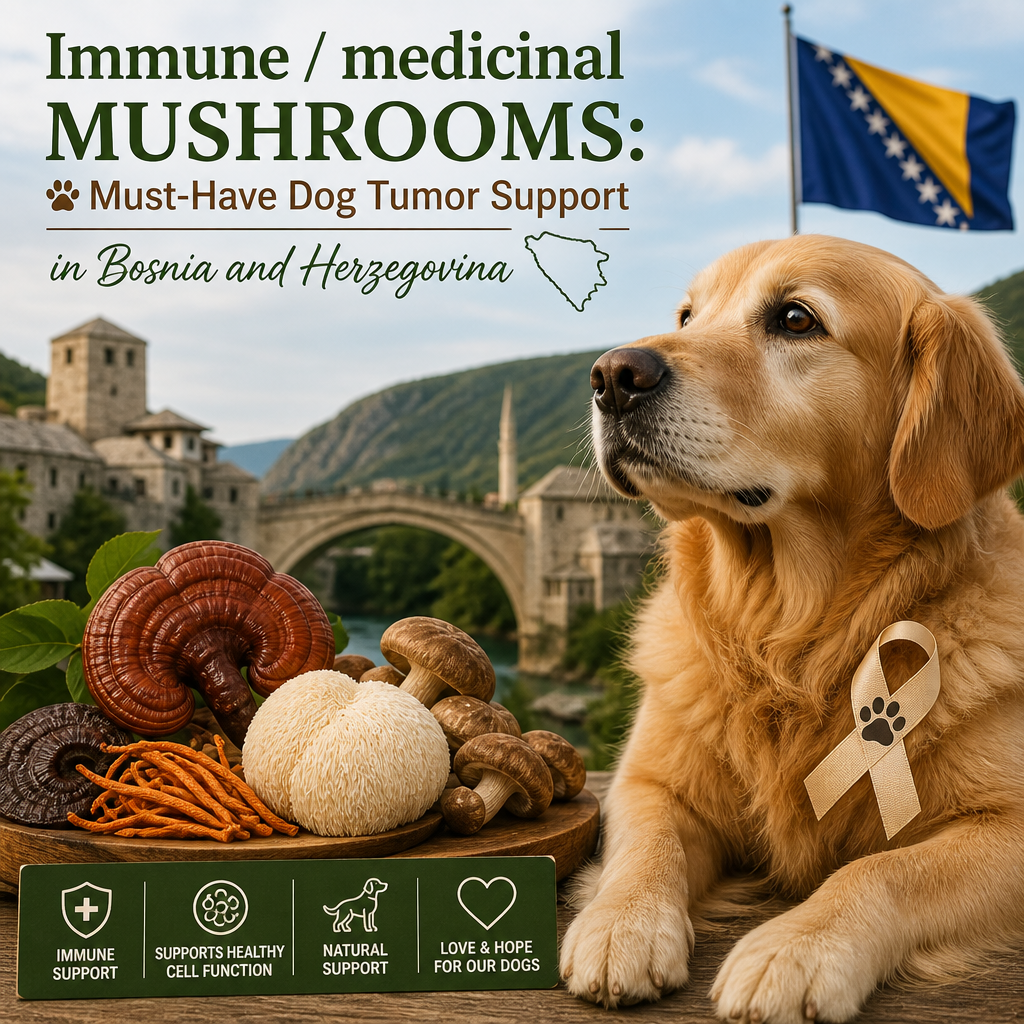
Certain mushrooms contain naturally occurring compounds such as beta-glucans, polysaccharides, triterpenes, antioxidants, and other bioactive substances. These compounds are being studied for their potential effects on immune regulation, inflammation, oxidative stress, and overall resilience.
Common medicinal mushrooms found in canine supplements include:
- Reishi, also known as Ganoderma lucidum
- Turkey tail, or Trametes versicolor
- Maitake, or Grifola frondosa
- Shiitake, or Lentinula edodes
- Cordyceps species
- Chaga, or Inonotus obliquus
Each mushroom has a different nutritional and biochemical profile. Turkey tail, for example, has received attention in veterinary research because of compounds associated with immune support. Reishi is often included in wellness formulas intended to promote balance and support normal inflammatory responses. However, evidence varies by mushroom, product, dosage, and health condition.
It is important to understand that “natural” does not automatically mean safe for every dog. A dog with liver disease, kidney problems, diabetes, autoimmune disease, or a sensitive digestive system may respond differently to a supplement than a healthy dog.
For owners comparing options, the broader category of Immune / medicinal mushrooms should be viewed as supportive care rather than a stand-alone solution. Used well, they may fit into a structured plan that also includes diet, symptom relief, and follow-up veterinary care.
Dog tumor support Bosnia and Herzegovina: building a responsible care plan
When searching for dog tumor support Bosnia and Herzegovina, pet owners should begin with a complete veterinary assessment. The most useful plan depends on the tumor’s location, stage, grade, size, symptoms, and whether it has spread to other parts of the body. Blood tests, imaging, biopsy results, and medication history may all influence supplement decisions.
A supportive plan may include:
- Veterinary cancer treatment when appropriate
- A complete and balanced diet
- Pain and nausea management
- Hydration and appetite support
- Gentle exercise suited to the dog’s condition
- Stress reduction and a stable routine
- Carefully selected supplements
- Regular monitoring for changes
Mushroom products may be used as part of this wider approach, but they should not delay treatment or be presented as a cure. The goal of supportive care is often to help preserve comfort, appetite, energy, and everyday function while the primary condition is being managed.
Some owners also explore other evidence-informed supportive options, including strengthening the immune system of dogs with mast cell tumors, when their veterinarian feels it is appropriate.
When the diagnosis is recent, it can help to slow the decision-making process. Ask what the medical priorities are for the next few weeks, whether there are any upcoming procedures, and which symptoms are most important to track at home. In that setting, Immune / medicinal mushrooms may become one part of a larger, carefully monitored routine rather than the first or only step.
What to look for in immune / medicinal mushrooms
Product quality is especially important when buying immune / medicinal mushrooms. Supplements can differ significantly in the type of mushroom used, extraction method, concentration, purity, and quality control.
Look for products that clearly state:
- The exact mushroom species
- The amount of active extract per serving
- Whether the product uses fruiting bodies, mycelium, or both
- Extraction methods, especially for compounds that are difficult to digest
- Batch or lot information
- Storage instructions and expiration date
- Manufacturer contact details
- Independent testing for contaminants
Mushrooms can absorb contaminants from their growing environment. Reliable testing should address heavy metals, pesticides, bacteria, mold, and unwanted substances. Products with vague labels, exaggerated promises, or no dosage information should be treated cautiously.
For owners comparing dog cancer supplements Bosnia and Herzegovina, it is also worth checking whether the product is specifically formulated for dogs. Human supplements may contain ingredients that are unsuitable for animals, including sweeteners, excessive minerals, herbs, or high concentrations of compounds that have not been evaluated for canine use.
If you want to verify ingredient safety and supplement standards, the FDA guidance on veterinary dietary supplements is a useful educational reference.
Owners should also compare labels with a practical eye. A product that lists the mushroom species, the exact amount of extract, and the testing method is easier to evaluate than one that relies on broad claims. Clear labeling helps reduce guesswork, which matters when Immune / medicinal mushrooms are being considered for a dog already under medical stress.
Potential benefits and limitations
The possible benefits of medicinal mushrooms are generally related to immune modulation and overall support rather than direct tumor elimination. Some research suggests that mushroom-derived compounds may influence immune cells and help the body maintain normal defenses. Other studies are exploring their antioxidant and anti-inflammatory properties.
These findings are promising, but laboratory research does not always translate into the same outcome in real dogs. A supplement that shows activity in a cell culture or animal study may not have the same effect when given orally in a commercial product. Dosage, absorption, tumor type, and the dog’s overall health all matter.
Owners should be cautious of claims that a mushroom supplement can dissolve tumors, replace chemotherapy, or guarantee longer survival. Responsible products and professionals should describe possible supportive benefits without making unrealistic promises.
In many real-world cases, Immune / medicinal mushrooms are most useful when expectations stay realistic and the overall treatment plan remains veterinarian-led. That means looking at quality of life, appetite, activity, stool quality, and comfort rather than focusing only on one supplement’s label.
Supportive care also works best when the dog’s daily routine is stable. Regular feeding times, easy access to water, and calm rest periods can make a bigger difference than owners sometimes expect. In that context, a mushroom supplement is one tool among several, not the whole strategy.
How they may fit into daily care
Some dogs do better with supplements added to food, while others need a more gradual introduction. A veterinarian can help decide whether to start slowly, whether to split doses, and whether to monitor liver or kidney values during use. This is especially useful when a dog is already taking multiple medications.
Many owners also want to know whether a supplement is appropriate for long-term use. The answer depends on the dog’s condition, the exact formula, and how well the product is tolerated over time. If the dog is stable and the ingredient profile is clean, Immune / medicinal mushrooms may be continued as part of an ongoing supportive plan with periodic reassessment.
Safety, dosage, and interactions
A veterinarian should approve any supplement before it is added to a dog’s routine. This is particularly important if the dog is receiving chemotherapy, corticosteroids, anti-inflammatory medication, blood thinners, antibiotics, or drugs for diabetes or autoimmune conditions.
Possible side effects may include digestive upset, loose stools, vomiting, reduced appetite, or allergic reactions. Some mushroom products may affect immune activity or blood clotting, which could be significant before surgery or during certain medical treatments.
Start only with a professional recommendation and observe the dog closely. Contact a veterinarian if there is persistent vomiting, diarrhea, weakness, facial swelling, breathing difficulty, unusual bleeding, yellowing of the eyes or gums, or a sudden change in behavior.
Because dogs with cancer can already be medically fragile, even a seemingly gentle supplement should be introduced carefully and monitored over time. When used thoughtfully, Immune / medicinal mushrooms may fit into a wider supportive plan, but they should never replace clinical oversight.
It is also sensible to consider timing. Some supplements may be easier on the stomach when given with food, while others may be better separated from medication. Your veterinarian can advise on spacing, especially if the dog has a history of nausea or reduced appetite. The more carefully the routine is planned, the easier it is to tell whether Immune / medicinal mushrooms are helping, causing side effects, or making no noticeable difference.
Choosing dog cancer supplements Bosnia and Herzegovina
Availability can vary between pharmacies, veterinary clinics, pet shops, and online retailers in Bosnia and Herzegovina. Buying from a reputable source is more important than choosing the cheapest option. Ask whether the product has a clear label, verified origin, veterinary guidance, and suitable storage conditions.
A veterinarian may also recommend checking the supplement against the dog’s complete treatment plan. Keeping a written list of all medications, vitamins, herbal products, and supplements helps prevent accidental duplication or interactions.
If you are comparing Immune / medicinal mushrooms with other supportive products, prioritize transparency, species-specific dosing, and quality control over marketing language.
It can help to compare several questions side by side: Is the source standardized? Does the seller explain the extraction process? Are there visible batch numbers? Does the company publish testing results? Those details can be more meaningful than broad claims about “strength,” “detox,” or “miracle support.” For dogs with tumors, sensible selection matters more than hype, and Immune / medicinal mushrooms should be judged by evidence, safety, and practicality.
Families sometimes ask whether one mushroom is better than another. In practice, the best product is often the one that is appropriate for the dog’s medical condition, easy to administer consistently, and manufactured with good quality controls. Even a strong ingredient profile is less useful if the dog refuses the supplement or has stomach upset after taking it.
Practical questions to ask before buying
Before choosing a supplement, ask whether the manufacturer can explain the ingredient source, the extraction method, and the quality checks behind the product. Those details matter because two products with similar labels may behave very differently in the body. For dogs undergoing treatment, the safest choice is usually the product with the clearest testing and the most conservative formulation.
It also helps to ask how the supplement fits into the dog’s current routine. If appetite is low, the taste and ease of administration matter. If the dog is on several medications, timing can reduce the chance of stomach upset. These small details can make Immune / medicinal mushrooms easier to use consistently without adding stress for the owner or the dog.
Owners should remember that the goal is support, not hype. A careful plan may include diet adjustments, pain control, follow-up exams, and a supplement with a sensible profile. That balanced approach gives Immune / medicinal mushrooms the best chance to be used responsibly and safely.
It is also worth asking who will monitor progress. A supplement that appears useful in the first week may not continue to be appropriate later, especially if the dog’s medication changes. Regular review keeps expectations grounded and protects the dog from unnecessary trial and error.
When to pause or stop a supplement
Any sudden change in stool quality, appetite, energy, or skin condition should prompt a review. If a dog becomes more lethargic, vomits repeatedly, or starts to show new signs after starting a supplement, it is reasonable to pause the product and contact the veterinarian. Even if the product is generally well tolerated, the individual dog’s situation can change quickly.
This is especially important around surgery, chemotherapy cycles, or medication changes. A supplement that was acceptable one month may not be ideal the next month. Monitoring and communication help keep supportive care aligned with the dog’s current needs.
In a complex case, a simple rule works best: if in doubt, ask the veterinarian first. That approach keeps Immune / medicinal mushrooms in their proper role as a possible supportive tool rather than an assumption-based fix.
For owners in Bosnia and Herzegovina, the strongest decisions are the ones built on veterinary guidance, product transparency, and realistic expectations. Used carefully, Immune / medicinal mushrooms may complement a well-planned care strategy while the dog continues to receive the medical attention it needs.
As a final thought, keep the focus on the whole dog, not just the supplement. Quality of life, comfort, digestion, mobility, and emotional well-being all matter. When those factors are tracked consistently, it becomes much easier to judge whether Immune / medicinal mushrooms are a helpful addition or simply not the right fit for that particular dog.
by TCMVET | Aug 24, 2026 | Research and News
Beta-glucan / mushrooms / immune support is attracting growing interest among Belgian dog owners looking for complementary ways to care for a dog with a tumor. Medicinal mushroom extracts and beta-glucans may help support normal immune function, but they should never replace veterinary diagnosis, surgery, chemotherapy, radiation, pain control, or other recommended treatments. The best approach combines evidence-informed supplementation with regular veterinary supervision, careful product selection, and attention to the dog’s overall quality of life.
Understanding dog tumor support in Belgium
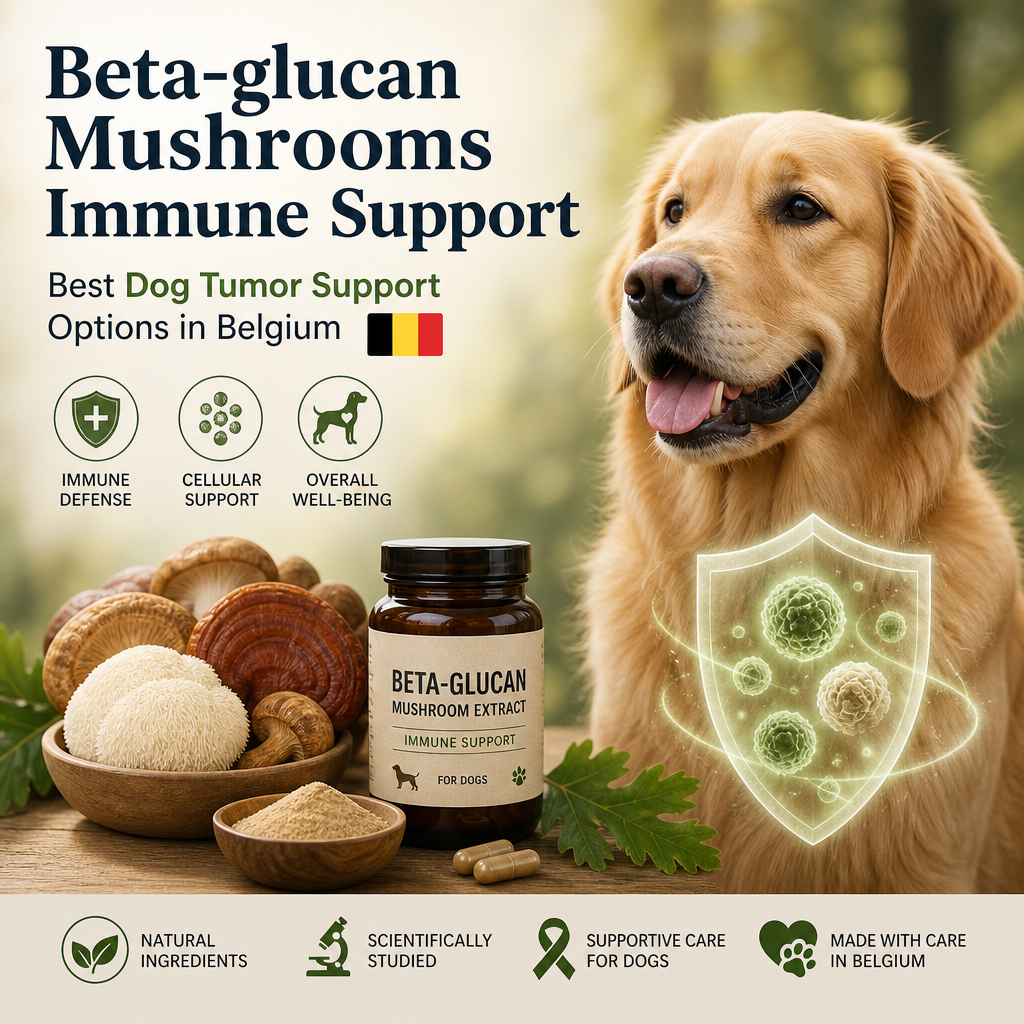
A tumor can be benign or malignant, and different cancers behave very differently. A mast cell tumor, lymphoma, osteosarcoma, mammary tumor, and soft-tissue sarcoma may each require a different treatment plan. Before considering supplements, a veterinarian should confirm the diagnosis whenever possible through examination, imaging, cytology, biopsy, or other appropriate tests.
Dog tumor support Belgium options typically fall into several categories:
– Veterinary cancer treatment
– Nutritional support
– Management of pain, nausea, and inflammation
– Support for appetite and body weight
– Carefully selected supplements
– Emotional and practical support for the dog and family
Supplements may be useful as part of this broader plan, but “natural” does not automatically mean safe. Some products can affect blood clotting, liver enzymes, blood pressure, or the way chemotherapy drugs are processed. For this reason, every supplement should be discussed with the treating veterinarian, particularly when a dog is receiving medication or preparing for surgery.
Beta-glucan / mushrooms / immune support: what does it mean?
Beta-glucans are naturally occurring polysaccharides found in the cell walls of certain mushrooms, yeasts, oats, and other organisms. In medicinal mushrooms, beta-glucans are often considered among the most relevant compounds for immune-support research. They may interact with receptors involved in the body’s innate immune response, including immune cells such as macrophages and natural killer cells.
This does not mean beta-glucans directly destroy tumors or guarantee a stronger immune response. Their potential role is better described as immune modulation: helping regulate immune activity rather than simply “boosting” it. Research in veterinary medicine is still developing, and results from laboratory studies, human research, and small animal studies should not be treated as proof that a product will work for every dog.
Mushrooms commonly included in immune-support formulas include:
– Turkey tail, also known as Trametes versicolor
– Reishi, or Ganoderma lucidum
– Maitake, or Grifola frondosa
– Shiitake, or Lentinula edodes
– Chaga, or Inonotus obliquus
– Cordyceps species
These mushrooms differ in their active compounds, extraction methods, safety profiles, and available research. A quality product should identify the mushroom species, extraction method, beta-glucan content, serving size, batch information, and testing for contaminants. When owners compare Beta-glucan / mushrooms / immune products, these label details make a major difference in how trustworthy a formula appears.
Turkey tail and other medicinal mushrooms
Turkey tail is one of the most frequently discussed mushrooms in the context of canine tumor support. Its polysaccharide compounds, including polysaccharide-K and polysaccharide peptide, have been studied for immune-related applications. Some research has explored turkey tail extracts in dogs with cancer, but evidence remains limited compared with conventional veterinary oncology treatments. For owners comparing beta-glucan / mushrooms / immune products, turkey tail is often the starting point because it is one of the better-known options.
Reishi may be selected for its traditional use in immune and inflammatory support, while maitake is often marketed for beta-glucans and general immune health. Shiitake and cordyceps may also appear in blended formulas. However, combining several mushrooms does not automatically make a supplement more effective. Multi-ingredient products can make it harder to identify which ingredient causes a benefit or side effect.
The quality of extraction is important. Hot-water extracts may concentrate certain polysaccharides, while dual extracts use both water and alcohol to obtain a wider range of compounds. Products listing only “mushroom powder” may contain less concentrated active material than standardized extracts. Look for transparent labeling rather than vague claims such as “supports cancer healing” or “kills tumors.”
For a broader overview of how specific mushroom ingredients may be used in canine care, see The Surprising Health Benefits of Mushrooms for Your Dog.
Another useful comparison point is a product line built around immune support for dogs, such as Exploring Turkey Tail Mushrooms: A Natural Ally for Dogs Fighting Cancer, which helps owners understand how one mushroom may fit into a larger care plan.
Choosing dog cancer supplements in Belgium
When comparing dog cancer supplements Belgium products, owners should evaluate both the formula and the company behind it. Important questions include:
1. Does the label list the exact mushroom species?
2. Is the beta-glucan amount stated separately from total polysaccharides?
3. Is the product designed for dogs rather than adapted from a human supplement?
4. Are ingredients tested for heavy metals, pesticides, bacteria, and mycotoxins?
5. Does the manufacturer provide batch numbers and a certificate of analysis?
6. Are serving instructions based on body weight?
7. Does the product avoid unnecessary sweeteners, flavorings, or herbal ingredients?
8. Can the company explain where the raw materials are sourced?
Belgian owners may find supplements through veterinary practices, pharmacies, specialist pet retailers, and European online suppliers. Purchasing from a reputable Belgian or EU-based company can make it easier to check labeling, contact the manufacturer, and understand shipping and storage requirements. Products imported from outside Europe may have unclear quality controls or labeling standards.
A veterinary nutritionist or veterinary oncologist can also help determine whether a supplement is appropriate for a dog’s diagnosis, current treatment, appetite, kidney function, liver function, and digestive health. In many cases, the best beta-glucan / mushrooms / immune product is the one that fits safely into an already coordinated treatment plan.
Safety and possible interactions
Mushroom extracts and beta-glucans are often tolerated well, but side effects can occur. Mild digestive upset, loose stools, vomiting, reduced appetite, or itching may develop, especially when a product is introduced at a high dose. More serious concerns may arise in dogs with autoimmune disease, bleeding disorders, liver or kidney problems, or known allergies.
Extra caution is appropriate when a dog is taking:
– Chemotherapy drugs
– Corticosteroids
– Non-steroidal anti-inflammatory drugs
– Blood thinners
– Immunosuppressive medication
– Diabetes medication
– Drugs processed by the liver
Supplements are also not always appropriate immediately before surgery. Some ingredients may influence platelet function or clotting, so the veterinarian may advise stopping them in advance. Never assume that a supplement is harmless simply because it is sold over the counter.
Introduce only one new product at a time and keep a record of the dose, start date, appetite, stool quality, energy, and any unusual symptoms. Stop the product and contact a veterinarian if the dog develops repeated vomiting, severe diarrhea, facial swelling, breathing difficulty, unusual bleeding, marked lethargy, or a sudden decline.
For official veterinary safety guidance on complementary products, the Australian Veterinary Association’s complementary and alternative therapies policy offers a useful reference point for discussing risks and limitations.
Nutrition as a foundation for tumor support
A supplement cannot compensate for inadequate nutrition. Dogs with cancer may lose weight because of reduced appetite, nausea, pain, inflammation, or changes in metabolism. Maintaining comfortable eating and a healthy body condition is often more important than adding numerous products.
Offer a complete, balanced diet recommended by a veterinarian. Some dogs benefit from calorie-dense meals, smaller portions served more frequently, or carefully selected protein and fat levels. Dietary changes should consider the tumor type, treatment plan, kidney and liver health, and digestive tolerance. Homemade diets should be formulated with professional help because nutritional deficiencies can develop quickly.
Hydration, dental comfort, nausea control, and pain management also influence appetite. A dog that refuses food may need medical assessment rather than another supplement. Even when owners are focused on beta-glucan / mushrooms / immune options, the foundation still has to be food, comfort, and medical oversight.
A practical plan for dog tumor support Belgium
A sensible plan begins with a confirmed diagnosis and a clear treatment discussion. Ask the veterinary team what the goals are: removing the tumor, slowing progression, controlling pain, supporting recovery, or preserving quality of life. Then review any proposed beta-glucan or mushroom product before giving it.
Monitor practical indicators such as appetite, body weight, mobility, sleep, interest in family activities, breathing, bowel movements, and signs of pain. These observations help determine whether the overall care plan is helping. Regular checkups allow the veterinarian to assess tumor progression and identify side effects early.
Beta-glucan / mushrooms / immune support may have a place in integrative canine care, but the strongest option is a coordinated approach. High-quality products, realistic expectations, professional monitoring, and evidence-based cancer treatment can work together to provide safer and more meaningful support for dogs living with tumors in Belgium.
When owners compare beta-glucan / mushrooms / immune options carefully, they can better judge which products are worth discussing with their veterinarian and which claims are too vague to trust. The goal is not to replace oncology care, but to support the dog in a way that is thoughtful, transparent, and medically responsible.
by TCMVET | Aug 21, 2026 | Research and News
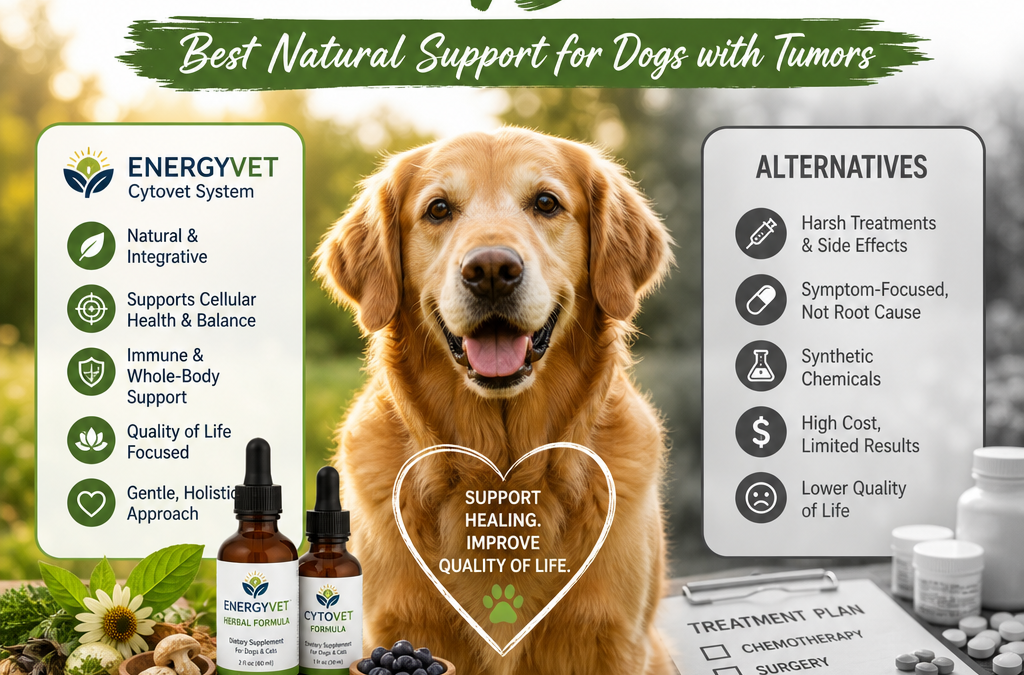
Energyvet / Cytovet system vs alternatives is an important comparison for dog owners exploring natural or integrative support during a cancer diagnosis in Slovakia and beyond. These products are often discussed alongside nutrition, medicinal mushrooms, antioxidants, acupuncture, and other complementary approaches. However, no supplement should replace veterinary diagnosis or proven cancer treatment. The safest plan combines professional medical guidance with carefully selected supportive options tailored to the dog’s tumor type, overall health, medications, and quality of life.
Understanding dog tumor support options
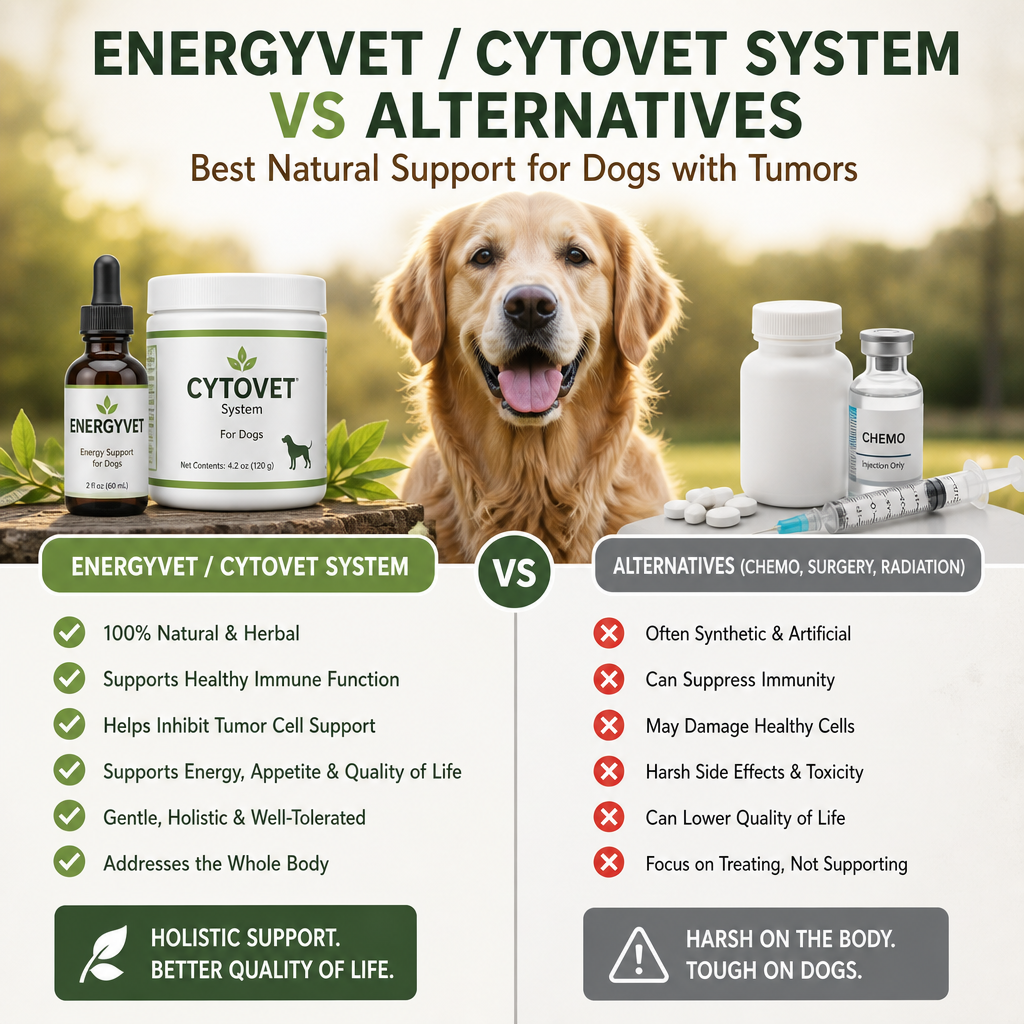
“Support” can mean several different things. Some approaches aim to help maintain appetite, digestion, hydration, mobility, or immune function. Others are marketed as having direct anticancer effects, although evidence may be limited or based mainly on laboratory, animal, or anecdotal data.
Before choosing any product, owners should clarify the goal. Is the priority reducing nausea after chemotherapy, supporting weight maintenance, improving comfort, managing inflammation, or addressing anxiety? A clearly defined goal makes it easier to evaluate whether an intervention is useful and whether it is safe alongside conventional treatment.
A veterinarian may recommend surgery, chemotherapy, radiation, immunotherapy, targeted medication, pain control, or palliative care depending on the diagnosis. Natural or integrative measures can sometimes complement these treatments, but they should be coordinated with the veterinary team.
In practical terms, the most useful plan is the one that supports the dog day to day. A small improvement in appetite, energy, comfort, or hydration can make a meaningful difference in quality of life even when the tumor itself is still being treated. That is why many families compare the Energyvet / Cytovet system vs alternatives not only by claims, but also by safety, cost, simplicity, and fit with the dog’s current care plan.
It also helps to keep expectations realistic. Natural support may ease side effects, improve comfort, or help the dog tolerate a treatment plan, but it is not a substitute for a full diagnostic workup. A dog’s response depends on the tumor’s biology, where the tumor is located, whether the disease has spread, and whether the dog is already dealing with kidney, liver, or gastrointestinal disease.
Because of that, the same product can be a reasonable choice for one patient and a poor choice for another. The best comparisons are specific, not generic. Instead of asking whether a supplement is “good,” ask whether it is suitable for this dog, at this stage, with these medications, and for this exact goal.
What is the Energyvet / Cytovet system?
The Energyvet / Cytovet system is commonly discussed in holistic pet-care circles as a natural support approach for dogs with serious illness. Cytovet is generally presented as a supplement intended to support cellular and immune function, while Energyvet products may be used within a broader complementary-care system.
Product formulations, recommended uses, and availability can vary by country and supplier. For that reason, owners should examine the current label, ingredient list, dosing instructions, and quality controls rather than relying only on promotional descriptions or online testimonials.
The most important consideration is not whether a product is labeled “natural,” but whether its ingredients are appropriate for an individual dog. A dog with kidney disease, liver dysfunction, gastrointestinal ulcers, bleeding risk, or a history of adverse reactions may require a very different plan from an otherwise healthy dog.
When people research Energyvet / Cytovet system vs alternatives, they often want to know whether the product is meant for general wellness or for a more specific support goal. That distinction matters. A supplement that supports the body broadly may still be reasonable for some dogs, but it should not be mistaken for a therapy with proven tumor-control effects.
Owners sometimes hope a supplement will “strengthen” a dog enough to face treatment better. In some cases, supportive care can indeed help maintain appetite or comfort. Still, the timing matters. What is appropriate before surgery may not be appropriate during chemotherapy, and what works during remission may not be the right choice during active disease. A sensible plan is built around the actual medical stage rather than around product marketing.
Potential advantages and limitations
Some owners consider the Energyvet / Cytovet system because it may fit a broader integrative-care philosophy and can be incorporated into a daily routine. Supporters may value its focus on general wellness, cellular health, and immune-related support.
At the same time, evidence for many supplement systems marketed for canine tumors remains incomplete. A product may have plausible ingredients without having strong clinical studies showing that it shrinks tumors, extends survival, or improves treatment response in dogs. Testimonials can be encouraging, but they cannot establish effectiveness because individual outcomes are influenced by tumor biology, staging, genetics, treatment, and overall care.
Another limitation is the possibility of interactions. Supplements with antioxidant or immune-modulating effects may theoretically affect chemotherapy or radiation, although the significance depends on the specific substance and treatment protocol. Giving multiple products at once can also make it difficult to determine what is helping or causing side effects.
For this reason, Energyvet / Cytovet system vs alternatives should be judged with the same standard: what is the evidence, what is the risk, and what measurable benefit should the dog’s family expect? If the answer is unclear, the best next step is a conversation with the dog’s veterinarian or oncology team.
There are also practical limitations. Some products are difficult to source consistently, may not have clear batch testing, or may require a dosing schedule that is hard for a family to maintain. If a supportive option is too expensive, too complicated, or too hard to administer, it may not be a realistic fit even if the concept sounds appealing. Simplicity matters in long-term care.
Another important point is that a supportive product should not delay a decisive treatment plan. If imaging, biopsy results, or clinical signs suggest an aggressive tumor, the window for effective intervention may be short. In those situations, integrative support should run alongside evidence-based care, not instead of it.
Natural/integrative support: common alternatives
Natural/integrative support often includes several carefully selected strategies rather than one “miracle” product. Nutritional therapy is one of the most practical options. A complete, balanced diet that maintains body weight and muscle mass is essential. Some dogs benefit from calorie-dense meals, appetite support, or customized nutrition plans prepared with a veterinary nutritionist.
Medicinal mushrooms, such as turkey tail, are also frequently discussed. Certain mushroom compounds have shown immune-related activity in research, and some preliminary veterinary studies are of interest. However, product quality varies widely, and dosing should be reviewed with a veterinarian, especially when a dog is receiving chemotherapy or other medications.
Omega-3 fatty acids may support skin, joint, and inflammatory health in selected patients. They can also create risks at inappropriate doses, particularly in dogs with pancreatitis, clotting problems, or gastrointestinal sensitivity. Antioxidant supplements, herbs, and concentrated oils require similar caution.
Acupuncture, massage, physical rehabilitation, and gentle exercise may help with mobility, pain, stress, and recovery. These approaches do not directly eliminate tumors, but they can contribute meaningfully to comfort and daily function. Palliative-care planning may include prescription pain relief, anti-nausea medication, appetite stimulants, and other evidence-based therapies alongside complementary care.
Many owners in Slovakia also look for practical support that can be coordinated locally with their veterinarian. That may include checking access to diagnostic follow-up, asking about pharmacy availability, and discussing whether a supplement plan is realistic to maintain over time. In that setting, Energyvet / Cytovet system vs alternatives becomes less about marketing and more about sustainable care.
Some families also ask whether a natural option should be used only after conventional treatment, or whether it can be used from the start. The answer depends on the dog’s condition and the specific treatment plan. For example, a dog waiting for surgery may need a different strategy than a dog in palliative care. That is why a broad comparison of Energyvet / Cytovet system vs alternatives should include timing, not just ingredients.
Nutrition as the foundation
Nutrition deserves special attention because it affects strength, healing, and tolerance of treatment. Dogs with tumors often lose weight because of reduced appetite, nausea, pain, or increased metabolic demand. Even when a dog is still eating, subtle weight loss can happen quickly. Owners should monitor body condition, muscle condition, stool quality, and meal interest.
Some dogs do better with smaller, more frequent meals. Others need stronger palatability, warmed food, or prescription appetite support. A veterinary nutritionist can help build a plan that matches the dog’s diagnosis and treatment stage. In many cases, this practical support does more for daily comfort than a supplement alone.
When nutrition is stabilized, it becomes easier to judge other interventions fairly. If the dog’s appetite improves after switching foods, adding a supplement at the same time may be confusing. For that reason, changes should be introduced carefully and documented. This approach helps distinguish true benefit from normal day-to-day variation.
Medicinal mushrooms and immune support
Interest in medicinal mushrooms has grown because certain compounds may influence immune activity. That said, not all products are created equal. Concentration, extraction method, contamination control, and labeling accuracy can vary widely. A reputable product should clearly identify the species, ingredients, and dosing information.
As with the Energyvet / Cytovet system vs alternatives comparison, the key question is whether the product has been evaluated in a way that is meaningful for dogs. If a mushroom supplement is being considered, it should be discussed before starting, especially if the dog is taking steroids, undergoing radiation, or receiving chemotherapy.
Owners should also remember that “immune support” is not always the same as “tumor support.” A product that seems to support general immune balance may still be inappropriate if the dog has an immune-mediated condition, is taking immunosuppressive medication, or has a cancer type where immune stimulation is not desirable. That is another reason why veterinary input matters.
Movement, comfort, and rehabilitation
Comfort-focused therapies are often overlooked, yet they can make a major difference. Dogs with cancer may become stiff, tired, or reluctant to move. Gentle rehabilitation, short walks, massage, and acupuncture can support mobility and reduce stress. These approaches are especially valuable when the goal is not cure but maintaining a good quality of life for as long as possible.
In many real-world cases, integrative care works best when it supports the dog’s ability to eat, sleep, move, and interact normally. That practical lens is more useful than any claim that one supplement system is universally superior.
For some dogs, the most meaningful gains come from multiple small improvements rather than from a single dramatic change. Better sleep, less nausea, fewer painful steps, and improved interest in food can all add up. That is why a thoughtful care plan can include rehabilitation, pain control, and symptom management even when the family is still exploring natural products.
Comparing alternatives safely
When comparing the Energyvet / Cytovet system vs alternatives, consider five practical questions:
1. What evidence supports the product or therapy? Look for veterinary clinical research rather than laboratory claims alone.
2. Is the ingredient list transparent? Avoid products that do not clearly identify ingredients, amounts, batch information, and manufacturer details.
3. Could it interact with treatment? Provide the full supplement list to the oncologist or primary veterinarian.
4. How will success be measured? Track appetite, weight, stool quality, energy, pain, and veterinary imaging when appropriate.
5. What is the risk if it does not work? Delaying effective treatment can allow an aggressive tumor to progress.
A useful comparison is not simply “natural versus pharmaceutical.” It is “well-supported and monitored versus uncertain and unmanaged.” Some natural products may be reasonable adjuncts, while others may be expensive, poorly standardized, or potentially harmful.
It also helps to separate short-term symptom relief from long-term disease management. A supplement that helps a dog feel better for a week is not automatically a cancer treatment. Likewise, a therapy that supports recovery but does not claim to treat the tumor can still be valuable. Clear goals make decisions easier and reduce the chance of disappointment.
When speaking with a veterinarian, bring the actual product label, a list of ingredients, and the current medication plan. If a supplement is being used alongside prescriptions, the whole team should know. This kind of coordination is especially important if the dog has already started cancer treatment or has had surgery, since recovery periods can change what is appropriate.
Reliable external information can also help owners evaluate claims. The American Veterinary Medical Association’s cancer guidance for pets explains common treatment options and highlights why veterinary supervision matters.
Another safety habit is to check whether a product has a clear return policy, contact information, and lot tracking. These details do not prove that something works, but they do reflect basic product accountability. In a field where owners are making emotional decisions under stress, that level of transparency can be useful.
Common questions owners ask about Energyvet / Cytovet system vs alternatives
Many families want to know whether choosing a natural support plan means rejecting conventional care. It does not. In most cases, the most responsible approach combines medical diagnosis, evidence-based treatment, and carefully selected supportive care. The goal is not to pick a side; it is to help the dog live as well as possible.
Another frequent question is whether the best choice is the most expensive option. Price does not always reflect quality. Some costly supplements have minimal data, while some lower-cost measures, such as diet adjustment or nausea control, may have a much greater effect on day-to-day comfort. A thoughtful comparison should always look at the expected benefit, not just the price tag.
Owners also ask whether one product can be continued throughout the whole cancer journey. Sometimes yes, sometimes no. A product that is well tolerated during stable disease may need to be paused around surgery or changed when medications are adjusted. Monitoring is more important than the label itself.
If a dog is receiving more than one supportive therapy, the number of changes should stay manageable. Adding many products at once increases the chance of confusion, side effects, and cost without proving any one option is actually helping. Small, measured steps are usually the safest path.
Building a veterinarian-guided plan
Start with a confirmed diagnosis and staging whenever possible. The tumor’s type, location, grade, spread, and expected behavior should guide decisions. Ask the veterinary team whether a supplement is compatible with surgery, chemotherapy, radiation, steroids, pain medications, or targeted drugs.
Introduce only one new product at a time. This makes it easier to identify side effects such as vomiting, diarrhea, lethargy, appetite changes, itching, or abnormal bleeding. Keep a written record of the product name, dose, start date, and observed changes.
Finally, judge every dog tumor support option by its impact on quality of life. A supportive therapy should ideally help the dog eat, rest, move, interact, and enjoy daily activities without adding unnecessary risk. Natural care can be a valuable part of an integrative plan, but the strongest approach is individualized, transparent, and supervised by qualified veterinary professionals.
If you are reviewing Energyvet / Cytovet system vs alternatives, ask whether the same money and effort might better support a nutrition plan, pain control, nausea management, or rehabilitation session. Those basics are not glamorous, but they often provide the most dependable benefit.
It can also be helpful to set a review date. After two to four weeks, assess whether the dog is eating better, moving more comfortably, or tolerating treatment more easily. If there is no measurable improvement, the plan should be reconsidered rather than continued automatically. Supportive care should earn its place by helping the dog, not by habit alone.
When to seek urgent veterinary help
Some signs should never be managed at home alone. Contact a veterinarian promptly if the dog stops eating for more than a day, has repeated vomiting or diarrhea, seems weak or collapsed, has trouble breathing, shows bleeding, develops severe pain, or becomes suddenly disoriented. Rapid changes can signal treatment complications, infection, dehydration, internal bleeding, or tumor progression.
Do not wait for a supplement to “kick in” if the dog is declining. Supportive care works best when it is layered onto prompt medical attention. If a product seems to worsen symptoms, stop it and ask the veterinarian whether it should be avoided in the future.
In the end, the best decision is usually not the most dramatic one. It is the most informed one. The Energyvet / Cytovet system vs alternatives comparison should help owners choose a plan that is realistic, safe, and centered on the dog’s comfort and medical needs. With careful coordination, natural and integrative support can play a constructive role without replacing the essential care that a dog with cancer still needs.
For many dogs, success means fewer bad days, steadier appetite, and better comfort rather than a single dramatic change. That is a sensible way to evaluate Energyvet / Cytovet system vs alternatives and every other supportive option. If the plan helps the dog feel and function better while staying compatible with medical care, it has real value.
by TCMVET | Aug 13, 2026 | Research and News
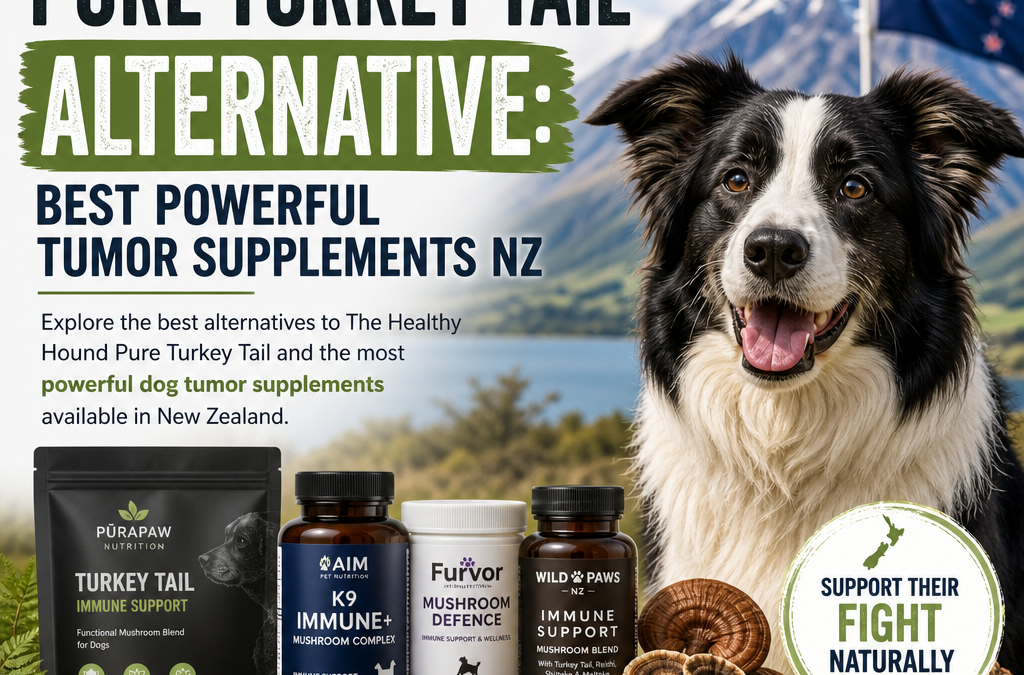
The Healthy Hound Pure Turkey Tail Alternative can be worth considering when pet owners in New Zealand are searching for a broader, more accessible, or differently formulated supplement to support a dog diagnosed with a tumour. Turkey tail mushroom is widely discussed for its beta-glucans and other natural compounds, but choosing a suitable product involves more than comparing labels. Ingredient quality, veterinary guidance, product testing, dosage, and the dog’s overall health should all be considered carefully.
A supplement cannot replace veterinary treatment, surgery, chemotherapy, radiation, or other professional care. However, some carefully selected products may be used as part of a broader wellness plan. The right approach is to understand what turkey tail products offer, what alternatives may contain, and how to evaluate The Healthy Hound Pure Turkey Tail alternative options in New Zealand responsibly.
In practice, the best choice is often the one that matches your dog’s current needs, your veterinarian’s plan, and the level of transparency you want from a supplement brand. That is especially important when you are comparing mushroom products, since extraction methods, ingredient sources, and dosing strength can vary widely from one formula to another.
Why turkey tail is used in canine wellness
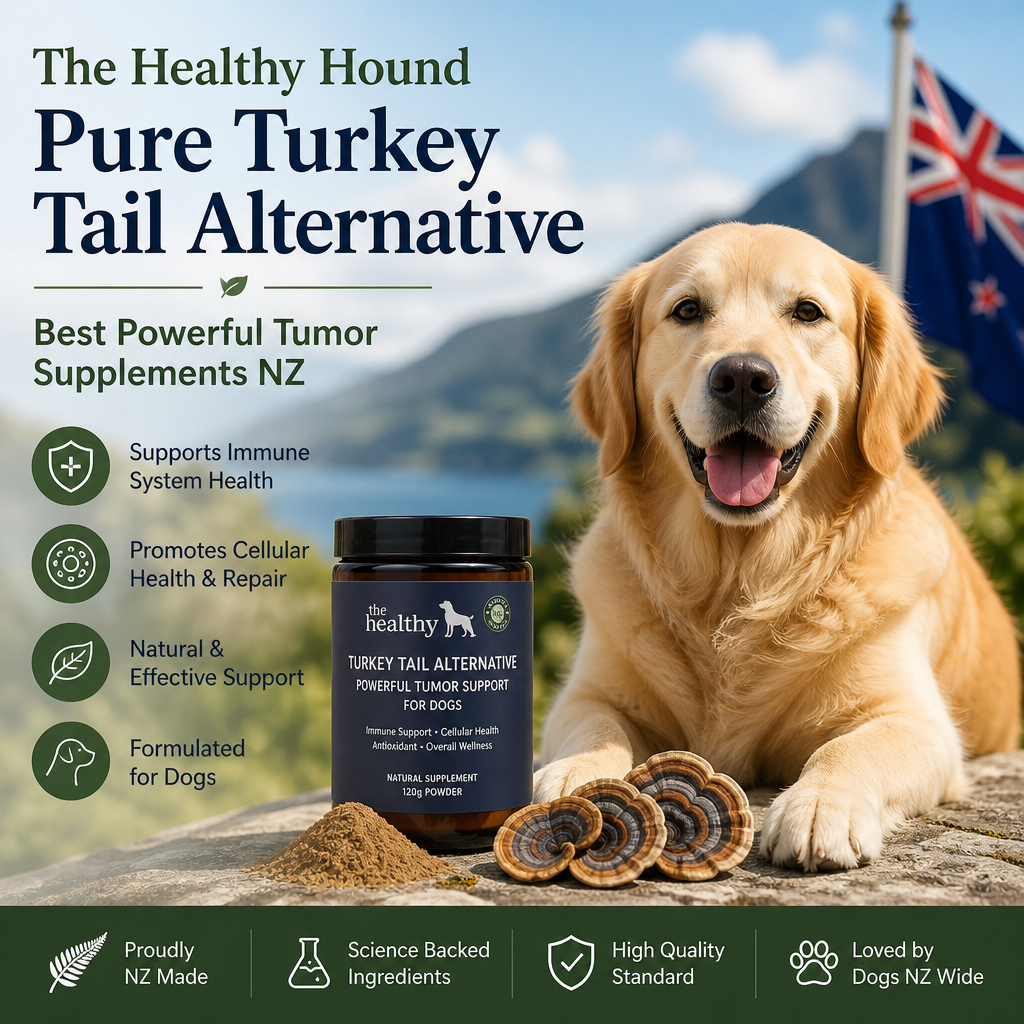
Turkey tail, scientifically known as Trametes versicolor, is a medicinal mushroom recognised for its colourful, fan-shaped appearance. It contains polysaccharides, including beta-glucans, that have attracted scientific interest because of their potential role in supporting immune function.
In dogs, turkey tail supplements are generally used as complementary products rather than direct cancer treatments. Research into medicinal mushrooms and canine health is still developing, but some studies have investigated compounds associated with immune support and quality of life. Results can vary depending on the mushroom species, extraction method, concentration, product purity, and the individual dog.
This is why the label “turkey tail” alone does not tell the whole story. A high-quality product should clearly identify its ingredients, provide serving information, and ideally offer evidence of testing for contaminants and consistency. When owners compare The Healthy Hound Pure Turkey Tail alternative products, these details matter as much as the mushroom name.
It also helps to remember that supportive supplements work best when they are considered part of a wider care plan. A dog with a tumour may need pain control, diet adjustments, rest, mobility support, and regular veterinary follow-up. Supplements may contribute to that plan, but they should not distract from it.
Some owners are drawn to mushroom supplements because they want something “natural,” but natural does not automatically mean effective or safe. The most useful products tend to be the ones with a clear purpose, measurable quality controls, and practical dosing guidance that can be followed consistently.
The Healthy Hound Pure Turkey Tail Alternative: what to look for
When comparing The Healthy Hound Pure Turkey Tail alternative products, look for formulas designed specifically for dogs. Human mushroom supplements may contain unsuitable ingredients, inaccurate dosing guidance, alcohol-based extracts, or combinations that have not been evaluated for pets.
A useful product comparison should include the following points:
- Clearly identified mushroom species: The label should state whether it contains turkey tail and whether the product uses the fruiting body, mycelium, or a combination.
- Extraction information: Hot-water extraction is commonly used to make certain mushroom compounds more available. Transparent brands explain their processing methods.
- Third-party testing: Testing can help verify identity, potency, microbial safety, heavy metals, pesticides, and other contaminants.
- Simple ingredients: Avoid unnecessary sweeteners, artificial colours, excessive fillers, or ingredients that may be unsuitable for dogs.
- Dog-specific directions: Serving recommendations should be based on body weight and product concentration.
- Manufacturing transparency: Reputable companies should provide information about sourcing, manufacturing standards, and batch quality.
Some alternatives may combine turkey tail with other medicinal mushrooms, antioxidants, or nutritional ingredients. This can be convenient, but combination formulas also make it more difficult to determine which ingredient is responsible for a benefit or adverse reaction.
For owners trying to decide on The Healthy Hound Pure Turkey Tail alternative that best fits their dog, the goal is not simply to find a similar label. It is to find a product with dependable quality, sensible dosing, and a formulation that matches the dog’s needs.
One of the easiest ways to compare products is to read the label as if you were trying to monitor a treatment plan. If you can identify exactly what is in the jar, how much is provided per serving, and how the product has been tested, you are in a much better position to judge whether it is a sensible choice.
It can also help to think about the dog’s preferences and routine. Some dogs accept capsules mixed into food, while others do better with powders or chewable formats. A supplement that is technically well formulated but impossible to give consistently may not be the best fit in real life.
Comparing alternatives to The Healthy Hound Pure Turkey Tail
Alternatives to The Healthy Hound Pure Turkey Tail may include single-mushroom powders, concentrated extracts, multi-mushroom blends, or broader canine immune-support formulas. Each option has potential advantages and limitations.
A single-ingredient turkey tail product may appeal to owners who want a straightforward formula and easier monitoring. It may also be simpler for a veterinarian to assess alongside existing medication. On the other hand, a blended product could provide a wider range of mushroom compounds, although the amounts of each ingredient may be relatively small.
Some products include reishi, shiitake, maitake, or agaricus mushrooms. These ingredients are often selected for general immune and antioxidant support, but more ingredients do not automatically mean a better supplement. A formula with a long list of ingredients may increase the risk of digestive upset or interactions with medication.
Other dog tumour supplements may focus on omega-3 fatty acids, medicinal herbs, probiotics, antioxidants, or nutritional support for appetite and digestion. These products address different aspects of health and should not be judged as direct substitutes for turkey tail. For example, an omega-3 supplement may support skin, joints, and general inflammation balance, while a mushroom extract is typically chosen for immune-focused support.
If you are comparing options against The Healthy Hound Pure Turkey Tail alternative idea, it helps to ask what the dog actually needs: immune support, appetite support, digestive comfort, or a broader wellness formula that can be monitored carefully over time.
Some pet owners also compare products by convenience, which is understandable. A supplement is only useful if it is easy enough to use day after day. That said, convenience should never override ingredient transparency or safety information. A simple formula with a dependable supply chain is usually more reassuring than a flashy blend with vague claims.
It is also sensible to compare packaging and storage directions. Mushroom extracts can lose quality if stored poorly, and moisture or heat may affect powders and capsules differently. Clear instructions are a good sign that the manufacturer understands product stability and the needs of pet owners.
Choosing between mushroom blends and single-ingredient formulas
When evaluating supplements, a single mushroom extract offers simplicity. It may be easier to notice whether the product is helping or causing side effects. A blend, however, may appeal to owners looking for a more comprehensive supplement approach.
The trade-off is clarity. With a single-ingredient product, it is easier to understand whether the dose is appropriate. With a blend, each ingredient may be present in smaller amounts, and the label may not clearly show which mushroom is doing what. For dogs with sensitive stomachs, a simpler formula is often easier to tolerate.
That is why many pet owners comparing The Healthy Hound Pure Turkey Tail alternative products start by checking whether the formula is single-ingredient or multi-ingredient. Once that is clear, they can review the extraction method, dosage guidance, and testing information in more detail.
Another useful comparison point is the form of the extract. Some brands use powders made from the whole mushroom, while others focus on concentrated extracts. Neither is automatically superior, but they are not identical either. Extracts may deliver a more targeted concentration of certain compounds, while powders may feel more familiar to owners looking for a simple food topper.
If your dog is already taking several medications or supplements, a single-ingredient approach may also reduce confusion. It becomes much easier to track changes in appetite, stool quality, energy, or skin irritation when fewer ingredients are involved.
Dog tumour supplements New Zealand owners should assess carefully
The market for dog tumour supplements New Zealand pet owners can access includes locally made products, imported formulas, veterinary products, and supplements sold through online retailers. Product availability and regulatory requirements can vary, so buyers should check where the product is manufactured and whether the seller provides reliable customer and batch information.
Before purchasing, consider whether the product has:
- A complete ingredient list with amounts per serving.
- A clear recommended dose for dogs of different sizes.
- A batch number and expiry date.
- Independent laboratory testing or a certificate of analysis.
- Safe packaging and storage instructions.
- Contact details for the manufacturer or distributor.
- No unsupported promises to cure, shrink, or eliminate tumours.
Claims that a supplement can cure cancer should be treated as a serious warning sign. Canine cancers differ significantly, including lymphoma, mast cell tumours, osteosarcoma, mammary tumours, and soft tissue sarcomas. A product that may be appropriate as supportive care in one situation may be unsuitable in another.
In New Zealand, it is also sensible to check whether the seller provides clear shipping, storage, and batch-tracking information. These details help owners compare options more confidently and choose dog tumour supplements New Zealand buyers can evaluate with greater transparency.
For additional background on oncology-related care and treatment discussions, the American College of Veterinary Surgeons overview of cancer in dogs provides a useful educational reference.
When researching dog tumour supplements New Zealand consumers should also think about availability over time. If you start a product that later becomes unavailable, switching formulas too often can make it difficult to understand what is helping. Consistency matters, especially when a dog is already dealing with a diagnosis and treatment schedule.
In some cases, the best product is not the one with the biggest marketing presence but the one with the most reliable support documents. A brand that provides a certificate of analysis, contact information, and clear dosage instructions is giving you practical tools to make a more informed decision.
Safety and veterinary guidance matter
Speak with a veterinarian before introducing any supplement, particularly if a dog is undergoing cancer treatment or taking prescription medication. Certain supplements may affect blood clotting, liver enzymes, immune activity, blood pressure, or the way medicines are absorbed and processed.
Veterinary advice is especially important for dogs with liver disease, kidney disease, autoimmune conditions, diabetes, bleeding disorders, or a history of digestive sensitivity. Pregnant or nursing dogs also require extra caution.
Introduce a new supplement gradually when the veterinarian agrees it is appropriate. Monitor for vomiting, diarrhoea, reduced appetite, lethargy, itching, swelling, or unusual changes in behaviour. Stop the product and contact a veterinary professional if concerning symptoms develop.
When used thoughtfully, The Healthy Hound Pure Turkey Tail alternative options may fit into a wider care plan. The key is to keep your veterinarian informed so any supplement can be reviewed alongside medication, nutrition, and treatment goals.
It is also useful to remember that dogs receiving cancer treatment may have changing needs over time. What seems appropriate at diagnosis may no longer be the best option after surgery, during chemotherapy, or when appetite becomes inconsistent. Regular review is part of responsible supplement use.
Even seemingly mild products can matter if a dog is taking other therapies. For that reason, it is wise to bring the supplement label to appointments or share a photo of the ingredient panel with the veterinary team. That small step can save time and reduce guesswork.
Practical ways to compare products at home
If you are sorting through several options, create a simple checklist before buying. Start with the ingredient list, then compare dosage, testing, and manufacturing details. This makes it easier to distinguish between a product that is merely popular and one that is actually suitable for your dog.
It can also help to compare the expected cost per day rather than the sticker price on the jar. A cheaper supplement with a lower concentration may end up costing more over time, while a more concentrated product may be easier to dose and store. Looking at the daily cost can make comparisons fairer.
Another useful question is whether the product fits your dog’s feeding routine. Some dogs tolerate supplements best when mixed into a consistent meal, while others need something that can be given separately. Simplicity often improves compliance, and compliance matters because the most carefully selected supplement is not helpful if it cannot be given regularly.
If your dog has a history of gastrointestinal sensitivity, start with extra caution and keep your veterinarian informed. A product that seems ideal on paper may still cause loose stools, nausea, or a reduced appetite in a dog that is already fragile. In those cases, smaller steps and closer observation are usually safer than trying to push through mild side effects.
How to make a sensible choice
The best The Healthy Hound Pure Turkey Tail alternative is not necessarily the most expensive or the one with the longest ingredient list. It should be a transparent, dog-appropriate product that fits the animal’s diagnosis, treatment plan, size, age, and general health.
Look for realistic marketing, clear dosing information, reliable testing, and a manufacturer willing to explain its sourcing and quality controls. Keep a record of the product name, dose, start date, and any changes noticed. This information can help the veterinarian decide whether the supplement is beneficial or causing problems.
Most importantly, use supplements to complement—not replace—professional cancer care. A balanced diet, appropriate treatment, pain management, regular monitoring, gentle exercise when suitable, and emotional support all contribute to a dog’s wellbeing. With careful research and veterinary oversight, owners can make more informed decisions about mushroom products and other supportive options available in New Zealand.
In practical terms, the strongest choice is the one that is both evidence-aware and easy to monitor. That is why many families narrow the field by comparing labels, asking about testing, and reviewing whether The Healthy Hound Pure Turkey Tail alternative they are considering has a sensible formula for their dog’s stage of care.
If you are still deciding between products, use the same checklist each time: ingredient transparency, dog-specific dosing, manufacturer contact details, and veterinary compatibility. This makes it easier to compare The Healthy Hound Pure Turkey Tail alternative products fairly rather than relying on marketing claims alone.
For owners seeking a steady, low-risk place to start, the simplest option is often the most practical. A clean formula, a clear dose, and a supportive veterinarian can make it much easier to monitor how the dog responds over time.
When the goal is long-term support rather than a quick fix, patience matters. Keep observations consistent, avoid changing multiple supplements at once, and focus on products that can be evaluated honestly. That approach gives you the best chance of finding a useful supplement without adding unnecessary complexity.
Ultimately, choosing wisely means balancing optimism with caution. A well-selected mushroom supplement may have a place in your dog’s care, but it should always sit within a broader plan guided by veterinary advice, good nutrition, and careful monitoring.
