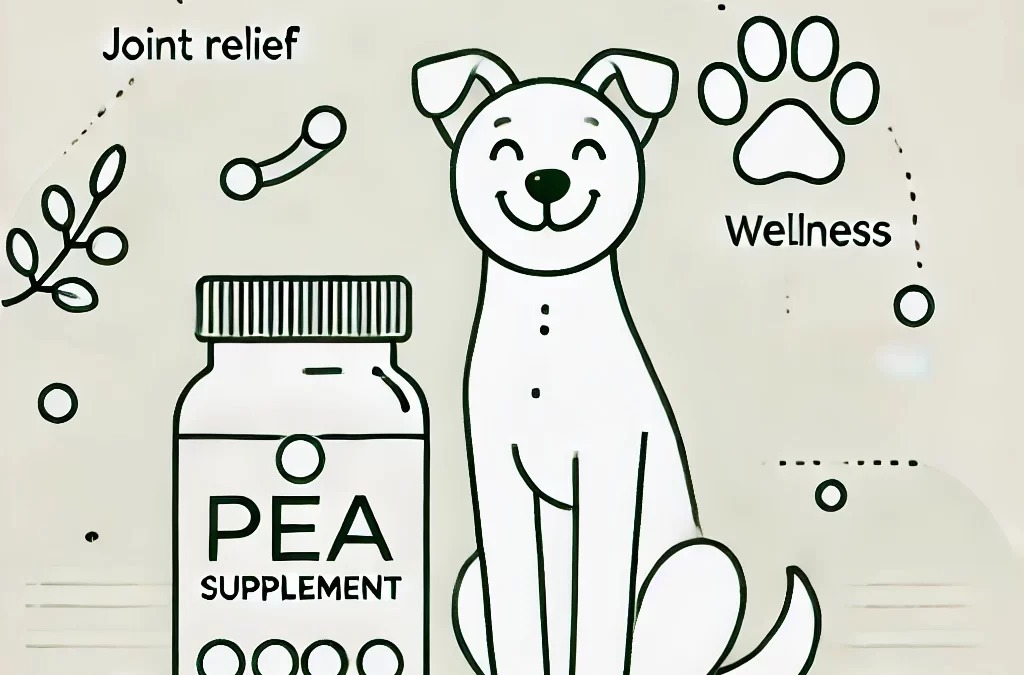
Palmitoylethanolamide, or PEA, is gaining popularity in the world of canine care for its natural pain-relieving and anti-inflammatory properties. Originally discovered as a body-produced fatty acid amide, PEA is an endocannabinoid-like compound found in various tissues, including the brain and immune system. This unique compound, present in foods like eggs and soy, has shown potential benefits in supporting pain management and reducing inflammation in both humans and animals. But what does it mean for our canine companions?
What is PEA, and Why is It Useful for Dogs?
PEA is naturally produced in the bodies of humans and dogs alike as a response to inflammation and pain. As an endogenous compound, PEA works with the endocannabinoid system to help modulate inflammation and pain perception without psychoactive effects. This makes it a safer alternative for pets compared to traditional pharmaceuticals, especially for long-term use.
Key Benefits of PEA for Dogs:
Pain Relief: PEA interacts with receptors in the nervous system, providing a natural means of reducing discomfort.
Anti-Inflammatory Properties: It works on the body’s immune response to decrease inflammation, which can benefit dogs suffering from arthritis, dermatitis, and other inflammatory conditions.
Improved Quality of Life: By alleviating pain and inflammation, PEA may improve mobility, energy levels, and overall well-being.
How Does PEA Work?
Unlike other pain medications, PEA doesn’t block the pain signals directly. Instead, it works on what’s known as the “entourage effect,” enhancing the natural processes that regulate pain and inflammation. Here’s a simplified look at how it works:
Interaction with Cannabinoid Receptors: PEA indirectly interacts with cannabinoid receptors (CB2 receptors) in the immune system, promoting a balanced immune response.
Inhibition of Inflammatory Enzymes: It inhibits enzymes that fuel inflammation, allowing the body’s natural healing processes to work more effectively.
Mast Cell Stabilization: PEA stabilizes mast cells, which are immune cells that release histamines in response to injury or inflammation, reducing inflammation-related discomfort.
What Conditions Can PEA Help Manage in Dogs?
PEA may benefit dogs with a variety of chronic conditions:
Arthritis: Its anti-inflammatory effects can help dogs with joint inflammation and stiffness.
Skin Conditions: Dogs with chronic dermatitis may experience relief from itching and irritation.
Neurological Conditions: Some research suggests PEA may help dogs with nerve-related pain by calming overactive nerve cells.
Post-Surgery Recovery: PEA’s pain-relieving properties may support faster recovery and pain management after surgery.
Using PEA Safely: Dosage and Precautions
PEA is generally well-tolerated, but it’s essential to follow a safe approach:
Consult a Vet: Always speak with a veterinarian before introducing PEA into your dog’s routine, especially if they’re on other medications.
Start Slowly: Introduce PEA in smaller doses and monitor for any reactions. PEA is typically available in tablet, powder, or chewable forms, with dosage recommendations based on body weight.
Observe and Adjust: Monitor your dog’s response, adjusting dosage as needed under veterinary supervision.
Choosing the Right PEA Supplement for Your Dog
Not all PEA supplements are the same. When selecting a PEA product, look for:
Purity and Quality: Choose supplements tested for purity and free from contaminants.
Micronized Form: This form of PEA is more bioavailable, meaning it is absorbed more effectively into your dog’s system.
Dog-Specific Products: Some brands design PEA specifically for pets, ensuring the correct dosage and formulation.
Final Thoughts: The Future of PEA in Pet Care
As more pet owners seek natural options to enhance their dogs’ lives, PEA stands out as a promising addition. Its multi-faceted approach to pain relief and inflammation management can benefit aging pets, those with chronic conditions, and any dog in need of safe, gentle support for wellness.
With growing research and more pet-specific formulations, PEA may soon become a staple in holistic pet care. Its unique mechanisms and proven safety make it a viable, innovative option for supporting the comfort and vitality of dogs without the side effects of conventional medications.
Inflammation is a common issue in dogs, often leading to discomfort, pain, and more serious health conditions if left untreated. Whether it’s due to arthritis, allergies, or an injury, inflammation can significantly affect your dog’s quality of life. Fortunately, there are several natural herbs that can help reduce inflammation and support your dog’s overall well-being. This article explores some of the most effective anti-inflammatory herbs for dogs and how they can be integrated into your pet’s care routine.
1. Turmeric
Turmeric is one of the most well-known and widely used anti-inflammatory herbs for both humans and pets.
Curcumin Benefits: The active compound in turmeric, curcumin, has powerful anti-inflammatory properties that help reduce swelling and pain associated with conditions like arthritis and joint issues.
Joint Support: Turmeric not only helps reduce inflammation but also supports joint health, making it an excellent choice for older dogs or those suffering from chronic pain.
2. Ginger
Ginger is another potent anti-inflammatory herb that can be highly beneficial for dogs.
Reducing Swelling: Ginger helps reduce inflammation by inhibiting the production of prostaglandins, which are chemicals in the body that contribute to inflammation and pain.
Digestive Health: In addition to its anti-inflammatory effects, ginger can also aid in digestion and help alleviate nausea in dogs.
3. Boswellia
Boswellia, also known as Indian frankincense, is a resin extracted from the Boswellia tree and has been used for centuries to treat inflammation.
Pain Relief: Boswellia is particularly effective in reducing inflammation in joints, making it a popular choice for dogs with arthritis.
Improving Mobility: Regular use of Boswellia can help improve mobility and reduce stiffness in dogs, allowing them to move more comfortably.
4. Devil’s Claw
Devil’s Claw is an herb that is often used to treat inflammation and pain in dogs, particularly those suffering from arthritis.
Natural Painkiller: The active components in Devil’s Claw work as natural painkillers, reducing inflammation and providing relief from joint pain.
Supporting Joint Health: This herb is especially beneficial for dogs with chronic inflammatory conditions, as it helps support joint health and function.
5. Licorice Root
Licorice root is a versatile herb that has anti-inflammatory properties and is often used to treat a variety of conditions in dogs.
Corticosteroid Effects: Licorice root mimics the effects of corticosteroids, which are commonly used to reduce inflammation, without the harmful side effects associated with long-term steroid use.
Soothing Effects: This herb is also known for its soothing effects on the digestive tract, making it beneficial for dogs with inflammatory bowel disease (IBD).
6. Green Tea
Green tea is rich in antioxidants and has anti-inflammatory properties that can benefit your dog’s health.
Reducing Inflammation: The catechins in green tea help reduce inflammation and protect the body from damage caused by free radicals.
Supporting Overall Health: Regular use of green tea can support your dog’s overall health, helping to reduce the risk of chronic diseases associated with inflammation.
How to Incorporate Anti-Inflammatory Herbs into Your Dog’s Diet
When using herbs to reduce inflammation in your dog, it’s important to:
Consult Your Veterinarian: Always consult your veterinarian before adding any new herbs to your dog’s diet to ensure they are safe and appropriate for your pet’s specific condition.
Start Slowly: Introduce herbs gradually and monitor your dog for any adverse reactions.
Choose Quality Products: Use high-quality, organic herbs or supplements specifically formulated for pets to ensure safety and effectiveness.
Using herbal remedies to reduce inflammation in dogs is a natural and effective way to improve your pet’s quality of life. Herbs like turmeric, ginger, Boswellia, and Devil’s Claw offer powerful anti-inflammatory benefits without the side effects associated with conventional medications. By incorporating these herbs into your dog’s care routine, you can help alleviate pain, reduce inflammation, and support overall health. Always work closely with your veterinarian to determine the best approach for your dog’s specific needs.
Oral tumors in dogs can be a devastating diagnosis, leaving pet owners searching for the best possible treatments to ensure their furry friends’ well-being. While conventional treatments like surgery and radiation therapy are common, many are turning to herbal medicine as a complementary and natural approach. This article explores how herbal medicine can benefit dogs suffering from oral tumors, highlighting the effectiveness and holistic advantages of these natural remedies.
What Are Oral Tumors in Dogs?
Oral tumors in dogs are growths that can develop in the mouth, including the gums, tongue, and palate. Symptoms often include drooling, bad breath, bleeding, difficulty eating, and noticeable lumps. Prompt diagnosis and treatment are vital for managing the condition effectively.
Benefits of Herbal Medicine for Oral Tumors
Herbal medicine, particularly rooted in Traditional Chinese Veterinary Medicine (TCVM), offers a range of benefits for dogs with oral tumors. Here are some of the primary advantages:
1. Holistic Healing
Herbal medicine treats the body as a whole, addressing not only the tumor but also underlying imbalances. This holistic approach helps in improving overall health and vitality. Herbs like Dang Gui (Angelica sinensis) and Bai Shao (Paeonia lactiflora) work to restore balance and promote overall well-being.
2. Natural Anti-Cancer Properties
Certain herbs have demonstrated anti-cancer properties. For example, Bai Hua She She Cao (Hedyotis diffusa) and Ban Zhi Lian (Scutellaria barbata) have been used to inhibit tumor growth and induce apoptosis in cancer cells. These herbs provide a natural way to combat cancer.
3. Supporting Conventional Treatments
Herbal medicine can enhance the effectiveness of conventional treatments. Herbs such as Huang Qi (Astragalus) and Ren Shen (Ginseng) can support the immune system and improve recovery times when used alongside surgery or chemotherapy.
4. Reducing Side Effects
Chemotherapy and radiation can have significant side effects, including nausea, loss of appetite, and fatigue. Herbs like Sheng Jiang (Ginger) and Chen Pi (Citrus peel) can help mitigate these side effects, making treatment more tolerable for your dog.
5. Pain and Inflammation Relief
Pain management is crucial for dogs with oral tumors. Herbs such as Yan Hu Suo (Corydalis) and Mu Dan Pi (Moutan cortex) have analgesic and anti-inflammatory properties that can provide relief from pain and swelling.
6. Boosting Appetite and Energy
Maintaining a healthy diet and energy levels is essential for dogs undergoing cancer treatment. Herbs like Bai Zhu (Atractylodes) and Shan Yao (Dioscorea) can stimulate appetite and enhance energy levels, helping your dog stay strong during treatment.
Incorporating Herbal Medicine into Treatment Plans
Consulting with a veterinarian experienced in TCVM is essential before starting any herbal treatment. They can provide a tailored herbal formula specific to your dog’s condition and ensure that it integrates safely with any conventional treatments.
Real-Life Success Stories
Many pet owners have shared inspiring stories of their dogs’ recovery and improved quality of life through the use of herbal medicine. These testimonials underscore the potential of natural remedies to make a significant difference in the lives of dogs with oral tumors.
Herbal medicine offers a promising, natural approach to treating oral tumors in dogs. Its holistic, anti-cancer, and supportive properties make it a valuable addition to conventional treatments. By incorporating herbal remedies into your dog’s care regimen, you can enhance their quality of life and support their journey to recovery.
Managing the pain associated with cancer in dogs is a crucial aspect of their care. While medications are commonly used, many pet owners seek additional methods to provide comfort to their furry friends. One such method is the application of heat compresses. This article explores whether heat compresses can effectively alleviate pain in dogs with cancer, and how to use them safely.
Understanding Pain in Dogs with Cancer
Cancer can cause significant pain in dogs, stemming from the tumor itself or as a side effect of treatments like surgery, chemotherapy, and radiation. Symptoms of pain in dogs can include:
Limping or reluctance to move
Whimpering or vocalizing
Loss of appetite
Changes in behavior or mood
Benefits of Heat Compresses
Heat compresses work by dilating blood vessels, increasing blood flow, and relaxing muscles. This can help in:
Reducing Muscle Tension: Heat can help relax tight or spasming muscles, which is common in dogs with cancer.
Improving Blood Circulation: Enhanced circulation can help deliver more oxygen and nutrients to affected areas, promoting healing and comfort.
Alleviating Joint Stiffness: Dogs with cancer may suffer from stiffness and arthritis. Heat can provide temporary relief from these symptoms.
When to Use Heat Compresses
While heat compresses can offer relief, they are not suitable for all situations. Here’s when they can be beneficial:
Muscle Pain and Stiffness: If your dog experiences muscle spasms or stiffness, heat can help relax these areas.
Chronic Pain: For ongoing pain management, heat can be a complementary therapy alongside medications.
Precautions and Safety Measures
Using heat compresses requires careful attention to avoid burns and other injuries. Follow these guidelines to ensure safe application:
Check Temperature: Ensure the compress is warm, not hot. Test it on your own skin before applying it to your dog.
Use a Barrier: Place a cloth or towel between the heat source and your dog’s skin to prevent burns.
Limit Duration: Apply the compress for 10-15 minutes at a time. Prolonged exposure can lead to overheating and burns.
Monitor Your Dog: Stay with your dog during the application to observe their reaction. If they show signs of discomfort, remove the compress immediately.
How to Apply Heat Compresses
Choose the Right Heat Source: You can use a commercial heat pack, a warm towel, or a microwavable heating pad.
Prepare the Area: Ensure your dog is in a comfortable position. Gently clean the area to be treated if necessary.
Apply the Compress: Place the heat compress over the painful area, ensuring it’s not too hot.
Monitor and Adjust: Watch your dog’s reaction and adjust the compress as needed to maintain comfort.
Combining Heat Therapy with Other Treatments
Heat compresses can be part of a broader pain management plan. Combine them with other treatments for optimal results:
Medications: Follow your veterinarian’s advice on pain medications and anti-inflammatories.
Massage Therapy: Gentle massage can complement heat therapy by further relaxing muscles and reducing pain.
Acupuncture: Some dogs respond well to acupuncture, which can be another non-invasive way to manage pain.
Consulting Your Veterinarian
Always consult your veterinarian before introducing new treatments. They can provide personalized advice based on your dog’s specific condition and overall health.
Heat compresses can be a valuable tool in alleviating pain for dogs with cancer. When used correctly, they offer a safe and effective way to provide comfort and improve your pet’s quality of life. Remember to use heat therapy as part of a comprehensive pain management plan and consult your veterinarian to ensure the best care for your beloved companion.