by TCMVET | Aug 12, 2026 | Research and News
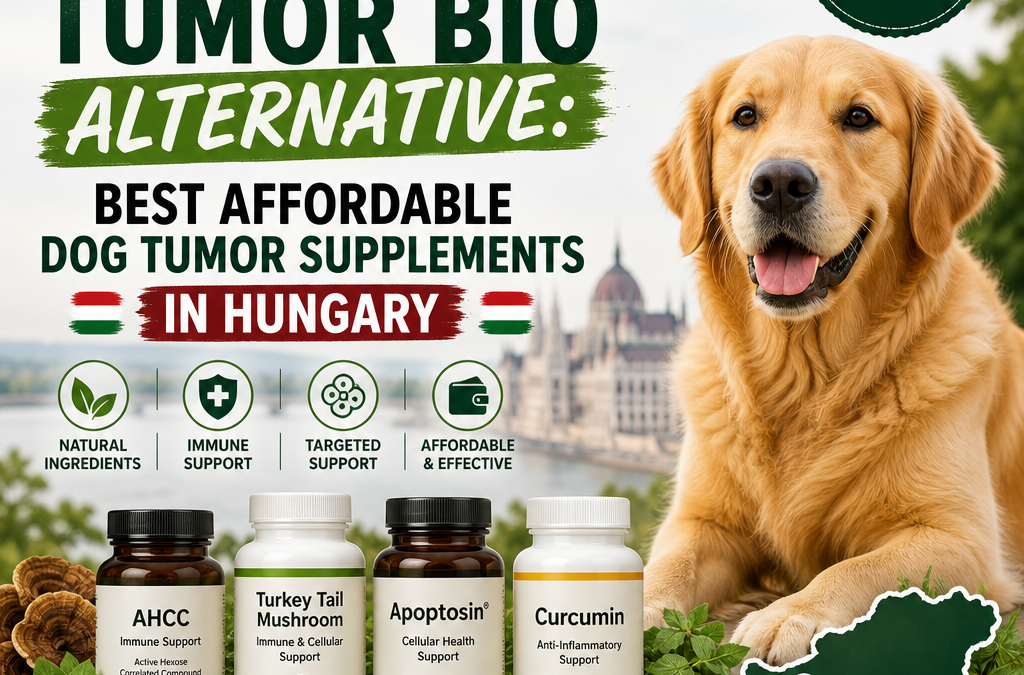
HerbalVet Tumor Bio alternative options can help Hungarian dog owners find more affordable nutritional support when veterinary treatment and daily care place pressure on the household budget. However, supplements should never replace a veterinary diagnosis, surgery, chemotherapy, radiation, pain management, or other treatment recommended by a qualified professional. The safest approach is to compare ingredients, product quality, dosage guidance, and total monthly cost while keeping the dog’s individual condition at the center of every decision.
Understanding dog tumor supplements in Hungary
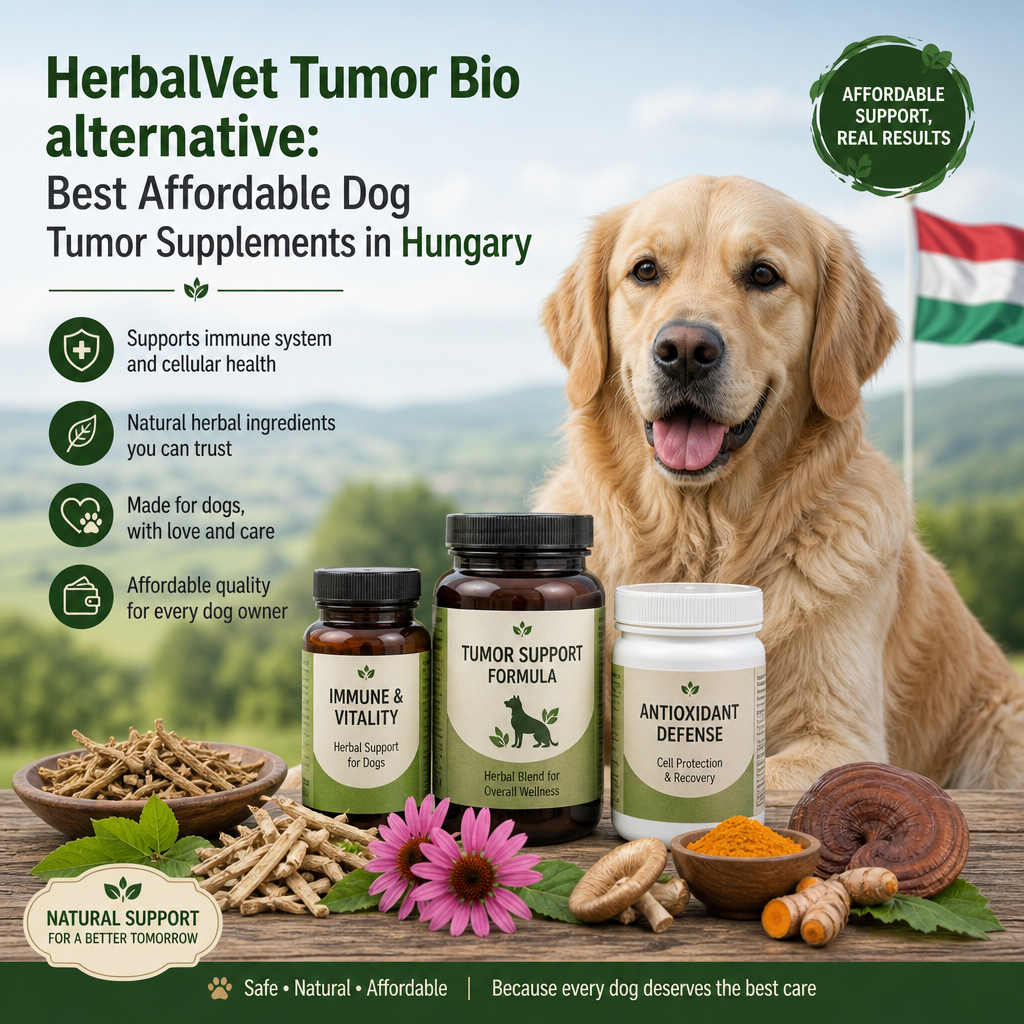
Dog tumor supplements Hungary buyers can find through veterinary clinics, specialist pet shops, pharmacies, and reputable online retailers. Products may contain medicinal mushrooms, omega-3 fatty acids, antioxidants, vitamins, minerals, or herbal extracts. Their purpose is usually supportive: helping maintain appetite, normal immune function, body condition, digestion, or general wellbeing during a challenging period.
The term “tumor supplement” can be misleading. No over-the-counter product should be presented as a guaranteed cure for cancer. Tumors differ widely in type, location, biological behavior, and response to treatment. A supplement that is reasonable for one dog may be unsuitable for another, especially if the dog has liver or kidney disease, is taking medication, or is preparing for surgery.
Before purchasing, ask the veterinarian what the confirmed diagnosis is, whether the dog needs additional testing, and which ingredients should be avoided. This simple step can prevent unnecessary expense and reduce the risk of interactions. If you want a broader look at warning signs and breed-specific cancer risk, this guide on Vizsla cancer risks and early tumor signs is a useful reference.
What to look for in alternatives to HerbalVet Tumor Bio
When comparing alternatives to HerbalVet Tumor Bio, start with the formula rather than the brand name. A transparent label should state the amount of every active ingredient per serving. Avoid products that use vague “proprietary blends” without explaining the quantity of each component.
Useful factors to compare include:
- Ingredient transparency: Clear names, concentrations, and serving instructions make products easier to evaluate.
- Quality control: Look for batch information, manufacturer contact details, storage instructions, and independent testing where available.
- Veterinary suitability: The label should indicate that the product is intended for dogs and provide weight-based guidance.
- Practical cost: Calculate the monthly price based on the dog’s actual weight instead of comparing container prices alone.
- Palatability: A supplement is of limited value if the dog refuses it or develops digestive upset.
- Compatibility with treatment: Ingredients should be reviewed alongside chemotherapy, steroids, anti-inflammatory drugs, anticoagulants, and other medicines.
Some owners focus heavily on popular ingredients such as turkey tail mushroom, beta-glucans, curcumin, or fish oil. These substances may have nutritional or researched supportive roles, but evidence varies and dosage matters. “Natural” does not automatically mean safe, and concentrated extracts can have stronger effects than ordinary food ingredients.
For a trustworthy overview of safe supplement use in pets, the VCA Animal Hospitals pet health library offers clear, veterinarian-reviewed educational articles that can help owners ask better questions before buying.
Affordable supplement categories for Hungarian dog owners
A budget-friendly plan does not necessarily require choosing the cheapest product. In many cases, a simple, targeted supplement is more economical than a complex formula containing numerous ingredients the dog may not need. The right HerbalVet Tumor Bio alternative is often the one that matches the dog’s condition, diet, and current treatments without unnecessary extras.
Omega-3 fatty acids
Veterinary-grade fish oil can provide EPA and DHA, which are commonly used to support normal inflammatory balance and general nutrition. Select a product that states the actual EPA and DHA content, not just the total amount of fish oil. Products should be stored properly to reduce oxidation, and dosing should be confirmed with a veterinarian, particularly before surgery or when blood-clotting medication is involved.
For dogs already eating a complete diet, omega-3s may be enough as a basic support option, especially when owners want a practical HerbalVet Tumor Bio alternative that does not rely on multiple overlapping ingredients.
Medicinal mushroom extracts
Mushroom-based products are frequently included in dog tumor supplements Hungary shoppers encounter. Quality varies considerably. Look for the mushroom species, extraction method, active compounds, and testing information. Avoid human products containing sweeteners, alcohol, or unsuitable additives. Mushroom extracts may not be appropriate for every dog, especially those with immune-mediated disease or specific medication requirements.
When a veterinarian approves a mushroom product, the most sensible choice is usually the one with full labeling and consistent dosing rather than the marketing-heavy option. In this category, the best HerbalVet Tumor Bio alternative is the product that is easiest to verify and safest to use.
Antioxidant and nutritional support
Some veterinary formulas contain vitamins, minerals, or plant-derived antioxidants. These may help address nutritional gaps, but excessive supplementation can be harmful. Fat-soluble vitamins, in particular, can accumulate in the body. A complete and balanced diet is usually a better foundation than adding several overlapping products.
That is why an HerbalVet Tumor Bio alternative should be chosen with restraint: if the dog’s food already covers the basics, a highly concentrated antioxidant blend may add cost without much real benefit.
Digestive and appetite support
Dogs with tumors may experience nausea, reduced appetite, constipation, or diarrhea. In these cases, digestive support, probiotics, or a highly palatable therapeutic diet may deliver more practical value than a broad “immune booster.” Maintaining hydration, calorie intake, and muscle mass is often a major part of supportive cancer care.
For some dogs, the most useful HerbalVet Tumor Bio alternative is not a tumor-labeled product at all, but a simple digestive support plan that helps them keep eating and stay stronger during treatment.
How to evaluate HerbalVet Tumor Bio alternative products by monthly value
To compare an HerbalVet Tumor Bio alternative fairly, convert every option into a monthly cost at the correct dose for your dog’s weight. This helps reveal whether a lower-priced jar actually lasts long enough to matter. A concentrated formula may cost more at checkout but provide better value over time if the serving size is small.
It also helps to compare what you are paying for. A single-ingredient fish oil or mushroom extract may be more cost-effective than a broad formula that repeats nutrients already present in the dog’s diet. If a product requires refrigeration, special handling, or frequent shipping, factor those expenses into the real total.
When possible, choose brands that publish clear lot numbers, expiration dates, and customer support details. That level of traceability matters when the dog is medically fragile and every decision needs to be easy to review with a veterinarian.
Comparing total value, not just the purchase price
The best HerbalVet Tumor Bio alternative is not always the product with the lowest shelf price. Compare the cost per day or per month, taking the dog’s weight and recommended serving into account. A concentrated product may seem expensive initially but last longer, while a low-cost powder may require several scoops daily.
Also consider shipping within Hungary, storage requirements, return policies, and whether the seller provides a complete Hungarian or English ingredient label. Buying from an established retailer or veterinary practice can offer more reliable traceability than purchasing an unlabeled product through an informal marketplace.
Keep a simple record of the product, dose, start date, appetite, stool quality, energy level, and any unusual symptoms. This helps the veterinarian decide whether the supplement is tolerated and whether it is worth continuing.
If the dog is already receiving medical treatment, the safest HerbalVet Tumor Bio alternative is usually the one with the clearest cost-per-day breakdown and the least risk of duplicate ingredients.
Safety precautions that should not be overlooked
Stop the product and contact a veterinarian if the dog develops vomiting, persistent diarrhea, facial swelling, breathing difficulty, unusual bruising, severe lethargy, or a sudden decline in appetite. Bring the supplement packaging to appointments so the veterinary team can review the exact formula.
Do not combine several immune-support products without professional advice. Overlapping ingredients can increase side effects without providing additional benefit. Avoid human cancer supplements, essential oils, and products containing garlic, xylitol, alcohol, or other substances toxic to dogs.
Most importantly, do not delay investigation of a new lump, unexplained weight loss, bleeding, persistent cough, abdominal enlargement, or changes in behavior. Early veterinary assessment can be more valuable than any supplement. Affordable supportive care should work alongside appropriate diagnosis and treatment, not substitute for it.
For Hungarian dog owners, a careful comparison of transparent formulas, evidence-informed ingredients, veterinary compatibility, and monthly cost can make supplement choices more practical. With professional guidance, the right HerbalVet Tumor Bio alternative may support comfort and nutrition while avoiding unnecessary spending and unsafe claims.
To make a final decision, ask whether the product adds something your dog truly needs, whether it fits your budget long term, and whether your veterinarian agrees it is appropriate. If those three answers are yes, the supplement may be a sensible HerbalVet Tumor Bio alternative rather than just another expensive bottle on the shelf.
In practice, the most reliable HerbalVet Tumor Bio alternative is often the one that keeps the dog eating, reduces owner stress, and stays compatible with the treatment plan. That balance of safety, affordability, and usefulness is what matters most when managing tumor care at home.
With that in mind, Hungarian owners can compare options more confidently and focus on support that truly fits the dog’s medical situation. A well-chosen HerbalVet Tumor Bio alternative should be simple, transparent, and discussed with the veterinary team before use.

by TCMVET | Jan 2, 2025 | Dog Cancer & Tumors
Cancer in dogs, much like in humans, is a complex interplay of genetic predisposition and external factors. While genetics may predispose certain breeds to specific cancers, environmental and dietary triggers often act as catalysts, accelerating the onset of the disease. This article dives deep into the hidden culprits in your dog’s surroundings and diet, unveiling actionable insights to reduce risks and promote a healthier, longer life.
Environmental Triggers: Hidden Dangers in Everyday Life
Dogs are highly adaptable creatures, but their close proximity to human environments exposes them to a plethora of carcinogens. Here are the most common environmental factors linked to canine cancer:
- Pesticides and Herbicides
The lush green lawn your dog loves to frolic in might harbor unseen dangers. Many pesticides and herbicides contain chemicals like glyphosate, which have been associated with increased cancer risk. Studies show a significant correlation between exposure to these chemicals and lymphoma in dogs.What You Can Do: Opt for organic gardening solutions or restrict your dog’s access to treated areas for at least 48 hours.
- Secondhand Smoke
Exposure to tobacco smoke can double the risk of lung cancer in dogs, particularly those living in small or poorly ventilated spaces. Short-nosed breeds like pugs and bulldogs are especially vulnerable due to their respiratory anatomy.What You Can Do: Establish a smoke-free home and ensure adequate ventilation if smoking occurs outdoors.
- Household Cleaning Products
Many cleaning products release volatile organic compounds (VOCs) that can irritate a dog’s respiratory system and potentially contribute to cancers over prolonged exposure.What You Can Do: Use pet-safe, non-toxic cleaning agents and avoid heavily fragranced products.
- Pollution and Industrial Exposure
Dogs living near industrial zones or high-traffic areas may inhale carcinogenic pollutants like benzene and asbestos. These toxins can accumulate over time, affecting the respiratory and immune systems.What You Can Do: Consider air purifiers for indoor environments and minimize walks during high pollution hours.
Dietary Triggers: The Impact of Nutrition on Cancer Risk
Diet is a cornerstone of health, and for dogs, it can either be a shield or a sword. Unfortunately, many commercial pet foods and dietary habits may inadvertently increase cancer risks.
- Low-Quality Commercial Pet Foods
Some pet foods are laden with artificial preservatives, dyes, and low-quality by-products. Ingredients like BHA, BHT, and ethoxyquin, often used as preservatives, have been flagged as potential carcinogens.What You Can Do: Choose premium-quality pet foods made from whole ingredients, or consider home-cooked meals tailored to your dog’s nutritional needs.
- Obesity and High-Carb Diets
Excess weight is a proven risk factor for cancer, and high-carbohydrate diets may contribute to obesity and fuel cancer cell growth.What You Can Do: Transition to a balanced diet rich in protein, healthy fats, and low-glycemic vegetables.
- Contaminated Water and Food
Tap water contaminated with heavy metals or pesticides can increase cancer risks, as can food containing mycotoxins from moldy grains.What You Can Do: Provide filtered water and inspect pet food storage conditions to prevent contamination.
- Overfeeding and Treat Choices
Frequent overfeeding and reliance on sugary treats may lead to metabolic imbalances and inflammatory conditions, which are precursors to cancer.What You Can Do: Monitor portion sizes and opt for natural treats like freeze-dried meats or fresh vegetables.
Proactive Measures for Cancer Prevention
- Regular Veterinary Checkups
Early detection is key to managing cancer. Schedule routine vet visits and keep an eye out for unusual lumps or changes in behavior.
- Exercise and Enrichment
Physical activity strengthens the immune system, reduces stress, and helps maintain a healthy weight, all of which lower cancer risks.
- Natural Supplements
Certain herbs and supplements, like turmeric or medicinal mushrooms, are known for their anti-cancer properties. Consult your vet before adding these to your dog’s diet.
By addressing environmental and dietary triggers, pet owners can take proactive steps to minimize the risk of cancer in their dogs. A combination of informed choices and regular care can go a long way in ensuring your furry friend enjoys a long, healthy life.
by TCMVET | Nov 13, 2024 | Food & Health
Palmitoylethanolamide, or PEA, is gaining popularity in the world of canine care for its natural pain-relieving and anti-inflammatory properties. Originally discovered as a body-produced fatty acid amide, PEA is an endocannabinoid-like compound found in various tissues, including the brain and immune system. This unique compound, present in foods like eggs and soy, has shown potential benefits in supporting pain management and reducing inflammation in both humans and animals. But what does it mean for our canine companions?
What is PEA, and Why is It Useful for Dogs?
PEA is naturally produced in the bodies of humans and dogs alike as a response to inflammation and pain. As an endogenous compound, PEA works with the endocannabinoid system to help modulate inflammation and pain perception without psychoactive effects. This makes it a safer alternative for pets compared to traditional pharmaceuticals, especially for long-term use.
Key Benefits of PEA for Dogs:
- Pain Relief: PEA interacts with receptors in the nervous system, providing a natural means of reducing discomfort.
- Anti-Inflammatory Properties: It works on the body’s immune response to decrease inflammation, which can benefit dogs suffering from arthritis, dermatitis, and other inflammatory conditions.
- Improved Quality of Life: By alleviating pain and inflammation, PEA may improve mobility, energy levels, and overall well-being.
How Does PEA Work?
Unlike other pain medications, PEA doesn’t block the pain signals directly. Instead, it works on what’s known as the “entourage effect,” enhancing the natural processes that regulate pain and inflammation. Here’s a simplified look at how it works:
- Interaction with Cannabinoid Receptors: PEA indirectly interacts with cannabinoid receptors (CB2 receptors) in the immune system, promoting a balanced immune response.
- Inhibition of Inflammatory Enzymes: It inhibits enzymes that fuel inflammation, allowing the body’s natural healing processes to work more effectively.
- Mast Cell Stabilization: PEA stabilizes mast cells, which are immune cells that release histamines in response to injury or inflammation, reducing inflammation-related discomfort.
What Conditions Can PEA Help Manage in Dogs?
PEA may benefit dogs with a variety of chronic conditions:
- Arthritis: Its anti-inflammatory effects can help dogs with joint inflammation and stiffness.
- Skin Conditions: Dogs with chronic dermatitis may experience relief from itching and irritation.
- Neurological Conditions: Some research suggests PEA may help dogs with nerve-related pain by calming overactive nerve cells.
- Post-Surgery Recovery: PEA’s pain-relieving properties may support faster recovery and pain management after surgery.
Using PEA Safely: Dosage and Precautions
PEA is generally well-tolerated, but it’s essential to follow a safe approach:
- Consult a Vet: Always speak with a veterinarian before introducing PEA into your dog’s routine, especially if they’re on other medications.
- Start Slowly: Introduce PEA in smaller doses and monitor for any reactions. PEA is typically available in tablet, powder, or chewable forms, with dosage recommendations based on body weight.
- Observe and Adjust: Monitor your dog’s response, adjusting dosage as needed under veterinary supervision.
Choosing the Right PEA Supplement for Your Dog
Not all PEA supplements are the same. When selecting a PEA product, look for:
- Purity and Quality: Choose supplements tested for purity and free from contaminants.
- Micronized Form: This form of PEA is more bioavailable, meaning it is absorbed more effectively into your dog’s system.
- Dog-Specific Products: Some brands design PEA specifically for pets, ensuring the correct dosage and formulation.
Final Thoughts: The Future of PEA in Pet Care
As more pet owners seek natural options to enhance their dogs’ lives, PEA stands out as a promising addition. Its multi-faceted approach to pain relief and inflammation management can benefit aging pets, those with chronic conditions, and any dog in need of safe, gentle support for wellness.
With growing research and more pet-specific formulations, PEA may soon become a staple in holistic pet care. Its unique mechanisms and proven safety make it a viable, innovative option for supporting the comfort and vitality of dogs without the side effects of conventional medications.

by TCMVET | Sep 13, 2024 | pet Chinese herbal medicine
Shiitake mushrooms (Lentinula edodes) are one of the most widely used edible mushrooms, valued for their rich flavor and impressive nutritional profile. With caps ranging from two to five inches in width, these mushrooms come in shades of light and dark brown, adding depth to dishes worldwide. Native to eastern Asia, shiitake mushrooms have become a staple ingredient in many kitchens, but their benefits go beyond flavor. In fact, they’ve been used for centuries in traditional medicine to promote health and wellness.
1. The History and Origins of Shiitake Mushrooms
The name “shiitake” is derived from the Japanese Castanopsis tree, known as “shii,” where the mushrooms grow naturally, and “take,” which means mushroom in Japanese. While shiitake mushrooms were originally found in the wild growing on decaying wood, they are now widely cultivated in various countries, including Japan, China, Singapore, Canada, and the United States. Remarkably, one log can produce mushrooms for several years, making them a sustainable choice for home cultivation.
2. Shiitake Mushrooms in Traditional Medicine
Shiitake mushrooms have long been incorporated into traditional medicine due to their antiviral, antibacterial, and antifungal properties. These mushrooms are nutrient powerhouses, loaded with vitamins, minerals, fiber, enzymes, and essential fatty acids. They also contain many of the same amino acids found in meat, making them a great option for plant-based diets. These qualities remain intact no matter how the mushrooms are prepared—whether they’re sautéed, roasted, or dried.
In traditional medicine, shiitake mushrooms are often used to boost the immune system, especially during illnesses such as colds or the flu. Their ability to enhance overall health has earned them a prominent place in natural remedies.
3. Shiitake Mushrooms for Dogs
Given the wide-ranging health benefits of shiitake mushrooms for humans, it’s no surprise that they are now gaining popularity as a health supplement for dogs. Shiitake mushrooms are commonly used in canine supplements to help boost the immune system, but their advantages don’t stop there. With their rich nutritional content, shiitake mushrooms can support multiple areas of canine health, from enhancing immunity to promoting digestive health.
For dogs, the same beneficial properties of shiitake mushrooms—antiviral, antibacterial, and antifungal—can help protect against various ailments. Additionally, the high levels of antioxidants found in these mushrooms can reduce inflammation, support heart health, and improve overall vitality.
4. How to Safely Incorporate Shiitake Mushrooms into Your Dog’s Diet
While shiitake mushrooms can be a valuable addition to your dog’s diet, it’s essential to ensure that they are prepared safely. Always cook mushrooms before feeding them to your dog, as raw mushrooms can be difficult for them to digest. If you’re considering adding shiitake mushrooms as a regular supplement, consult your veterinarian for guidance, especially if your dog has existing health conditions.
Shiitake mushrooms are a versatile, nutrient-rich food that offers impressive health benefits for both humans and dogs. From enhancing immune function to promoting better overall health, this superfood has become a popular ingredient in supplements and natural remedies. With their rich nutritional content and medicinal properties, shiitake mushrooms are a valuable addition to a healthy lifestyle.

by TCMVET | Sep 12, 2024 | Dog Cancer & Tumors
Medicinal mushrooms, such as Reishi and Shiitake, have long been used in traditional medicine for their health benefits. Now, pet owners are discovering that these mushrooms can also help boost their dog’s immune system and reduce inflammation. However, it’s important to introduce them carefully into your dog’s diet under veterinary guidance. In this article, we’ll explore how medicinal mushrooms can benefit your dog’s health and what precautions to take when using them.
Why Medicinal Mushrooms Are Good for Dogs
Medicinal mushrooms are packed with bioactive compounds that can benefit your dog’s overall health. Some of the key components include:
- Polysaccharides: Known for their immune-boosting properties, polysaccharides help regulate the immune system, making it more effective at fighting infections and diseases.
- Glycoproteins: These compounds support the immune system and improve overall wellness.
- Triterpenoids: With their anti-inflammatory properties, triterpenoids help reduce inflammation, which is especially beneficial for dogs with chronic inflammatory conditions like arthritis.
1. Reishi Mushrooms: The Immune Modulator
Reishi mushrooms are known for their immune-modulating properties. They help balance the immune system, making it stronger when needed and calming it down when the body’s response is too aggressive. Reishi can be particularly helpful for dogs with autoimmune conditions or chronic inflammation.
2. Shiitake Mushrooms: Fighting Inflammation
Shiitake mushrooms contain a wide variety of nutrients that help reduce inflammation and improve digestion. They are rich in vitamins B and D, as well as minerals like selenium and zinc, which support the immune system. Shiitake mushrooms also have anti-cancer properties, which can be an added benefit for dogs at risk of or currently fighting cancer.
Are Mushrooms Safe for Dogs?
When considering medicinal mushrooms for your dog, it’s important to distinguish between safe, edible varieties like Reishi and Shiitake, and wild mushrooms, which can be highly toxic. As a general rule, if a mushroom is safe for humans, it’s safe for dogs. However, never allow your dog to eat wild mushrooms, as many can be poisonous.
How to Introduce Medicinal Mushrooms to Your Dog’s Diet
While medicinal mushrooms offer great benefits, they should always be introduced under the guidance of a veterinarian. Mushrooms need to be appropriately dosed based on your dog’s size, breed, and health condition. Some dogs may also have allergies, so it’s essential to monitor them closely after introducing any new supplement.
Forms of Mushroom Supplements:
- Powders: Can be mixed into your dog’s food.
- Capsules: An easy option for precise dosing.
- Tinctures: Liquid extracts that can be added to meals or given directly.
Medicinal mushrooms like Reishi and Shiitake can be a great addition to your dog’s diet, offering immune support, reducing inflammation, and even providing anti-cancer properties. However, always consult your vet before adding any new supplement to your dog’s diet. With proper guidance, medicinal mushrooms can help your dog stay healthier and happier for years to come.
