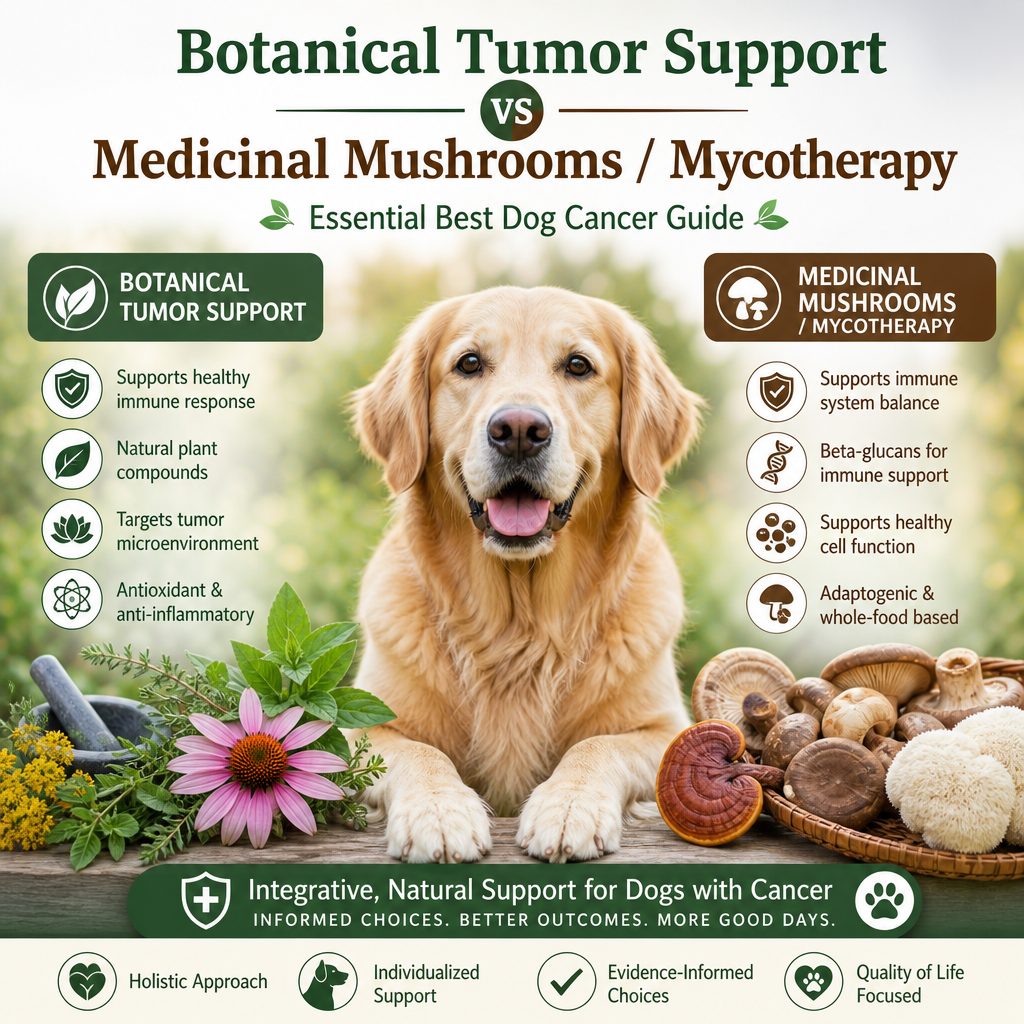
Botanical Tumor Support vs Medicinal Mushrooms / Mycotherapy: 5 Essential Best Dog Cancer Guide

Botanical Tumor Support vs Medicinal Mushrooms / Mycotherapy: 5 Essential Best Dog Cancer Guide

Botanical tumor support vs Medicinal mushrooms / mycotherapy is an important distinction for dog guardians exploring complementary options during cancer care. Both approaches may be used alongside veterinary treatment, but they are not interchangeable. Botanical formulas generally rely on plant compounds selected for antioxidant, anti-inflammatory, immune-modulating, or tissue-supportive effects. Medicinal mushrooms, often called mycotherapy, use fungi or mushroom extracts that contain compounds such as beta-glucans and triterpenes. Understanding how these categories differ can help owners make safer, more informed decisions.

For a broader overview of how fungi-based support fits into canine wellness, see The Benefits of Medicinal Mushrooms for Dogs: Boosting Immune Health Naturally.

When people compare botanical tumor support vs Medicinal mushrooms / mycotherapy, the most useful question is not which one is “stronger,” but which one matches the dog’s needs, diagnosis, and treatment plan. In cancer care, the right supplement is the one that can be used responsibly, at the right time, with clear goals and veterinary oversight.

Understanding botanical tumor support

botanical tumor support vs Medicinal mushrooms / mycotherapy illustration

Botanical tumor support refers to the use of herbs, plant extracts, and other botanical ingredients as part of a broader wellness plan for a dog with cancer. These products may be designed to support appetite, digestion, immune function, inflammation balance, liver health, or general resilience during conventional treatment.

Common botanical ingredients may include turmeric-derived curcuminoids, milk thistle, green tea compounds, ginger, astragalus, or other traditional herbs. Each plant has a different chemical profile and potential purpose. For example, milk thistle is often included for liver support, while ginger may be selected for digestive comfort. However, the presence of a familiar herb does not automatically make a product appropriate for every dog.

Botanical supplements can be complex because one plant may contain dozens of active compounds. The effects may vary according to extraction method, concentration, processing, and the dog’s health status. A product made from a standardized extract is not necessarily equivalent to a powdered whole herb, even when both use the same plant name.

In practice, botanical tumor support works best when the goal is specific and realistic. Some formulas are chosen to help maintain appetite, others to support the liver, and others to assist with inflammation balance. That variety is useful, but it also means the ingredients must be checked carefully before use. A formula that seems gentle may still be unsuitable if a dog has kidney disease, liver compromise, or a medication schedule that could be affected by plant compounds. This is why veterinary guidance matters before starting any supplement.

It also helps to think about botanical support in the same practical way as any other part of cancer care: by asking what problem it is meant to address. If the goal is digestive comfort, the product should be selected for that purpose. If the goal is liver support, the label and dosing should reflect that aim. That approach keeps botanical tumor support grounded in real-world needs rather than marketing language.

Some dog owners also appreciate that botanical products can be blended into a broader routine that includes diet, hydration, symptom control, and stress reduction. Even so, more ingredients do not automatically mean better results. A short, well-chosen formula is often easier to monitor than a complicated blend with multiple overlapping actions. In many cases, simplicity improves safety.

What is medicinal mushroom therapy?

Medicinal mushrooms, or mycotherapy, involve the use of mushrooms and mushroom extracts for supportive health purposes. Common examples include turkey tail, reishi, maitake, shiitake, cordyceps, and agaricus species. These fungi contain polysaccharides, beta-glucans, sterols, triterpenes, and other compounds that may influence immune signaling and inflammatory pathways.

Turkey tail is one of the most discussed mushrooms in veterinary cancer support because of research into its polysaccharide compounds. Some studies have explored its use in dogs with certain cancers, but evidence remains limited compared with standard veterinary oncology treatments. Reishi and maitake are also frequently used in integrative protocols, although their benefits can depend heavily on product quality, extraction technique, and dose.

Mycotherapy is not a cure for cancer. Its most reasonable role is usually supportive: helping maintain quality of life, supporting immune balance, and complementing a veterinarian-supervised treatment plan. Research in dogs is still developing, and findings from laboratory studies or human research cannot automatically be applied to canine patients.

Product type also matters. Some supplements use only the fruiting body, while others rely on mycelium or a blend of both. Extraction methods can change the final composition, including the concentration of beta-glucans and other compounds. When evaluating medicinal mushrooms, dog owners should ask what part of the mushroom is used, how it is extracted, and whether contaminant testing has been performed. Those details often separate a dependable formula from a marketing claim.

In many conversations about canine cancer support, medicinal mushrooms are discussed because they offer a well-defined category of compounds rather than a broad botanical mix. That can make them easier to evaluate in a dog cancer supplement comparison, provided the label is transparent and the company can explain its sourcing and testing methods.

Botanical tumor support vs Medicinal mushrooms / mycotherapy

When comparing these categories, the primary difference is their source and chemical composition. Botanical products come from plants, while medicinal mushroom products come from fungi. Their biological actions may overlap, but they are not identical.

Botanical formulas are often broader and may target several areas at once, such as digestion, inflammation, antioxidant defenses, and organ support. Mushroom products are commonly chosen for their immune-modulating compounds, especially beta-glucans. In some cases, a veterinarian may recommend one category; in others, a carefully designed protocol may include both.

Another difference is standardization. Mushroom quality can vary significantly depending on whether a product uses the fruiting body, mycelium, or a combination. It also matters whether the extract is water-based, alcohol-based, or dual-extracted. Botanical products face similar challenges, including variation in plant species, growing conditions, harvesting, and concentration.

Neither category should be judged only by its ingredient list. A high-quality product should identify the exact species, extraction method, active-compound content when relevant, lot testing, and contaminant screening.

In a real-world cancer plan, the decision is rarely about one being universally better than the other. Instead, the question is whether a botanical or mushroom product matches the dog’s medical needs, current medications, and ability to tolerate the supplement. That is why the comparison should be framed as a support strategy rather than a competition. Some dogs may benefit more from a plant-based formula aimed at digestive comfort, while others may be better suited to a mushroom extract chosen for immune support. The right answer depends on context.

How the two approaches differ in practice

Botanical products are often used for targeted support such as calming inflammation, assisting the liver, or easing digestive upset. Medicinal mushroom therapy is more often discussed in relation to immune balance and general resilience. Both can be part of a thoughtful plan, but neither should be added casually. The safest approach is to define the purpose first and then choose the product second.

One reason owners search for botanical tumor support vs Medicinal mushrooms / mycotherapy is that both options are commonly described as “natural,” yet the practical risks and benefits are not the same. A botanical formula may be chosen for a dog with poor appetite or digestive sensitivity, while a mushroom extract may be considered when immune support is the main goal. That difference matters when multiple drugs or therapies are already part of the treatment plan.

It is also important to note that natural does not mean automatically safer. A mushroom supplement can still cause stomach upset, and a botanical product can still affect metabolism or clotting. In other words, the category alone does not determine safety. Product quality, dosing, and the dog’s condition are often more important than the label category.

Dog cancer supplement comparison: what matters most

A useful dog cancer supplement comparison should consider more than whether a product is labeled “natural.” Important evaluation points include:

  • Veterinary oversight: The supplement should be reviewed by the dog’s veterinarian, ideally with input from a veterinary oncologist or integrative veterinary professional.
  • Ingredient transparency: Avoid products that hide amounts behind vague proprietary blends.
  • Quality control: Look for independent testing for heavy metals, pesticides, microbes, and inaccurate ingredient claims.
  • Medical compatibility: The product must be assessed alongside chemotherapy, radiation, surgery, steroids, pain medication, antibiotics, and other treatments.
  • The dog’s individual condition: Kidney disease, liver disease, clotting problems, gastrointestinal sensitivity, and immune disorders can affect supplement safety.
  • Clear treatment goals: A supplement should have a specific purpose, such as supporting appetite or digestive comfort, rather than being added without a defined reason.

A dog receiving chemotherapy may need a different supplement plan from a dog undergoing palliative care. The timing of administration may also matter. Some compounds can affect drug metabolism, platelet activity, blood pressure, or immune signaling.

When possible, compare products by evidence, not by promotional language. A transparent label, published ingredient standards, and a sensible dosing plan are more useful than broad claims about “supporting everything.” If a product cannot clearly explain what it is meant to do, it may not be the right fit for a dog with cancer.

For owners who want to understand why health conditions can change supplement needs, it may help to review a related topic such as Dog Cancer Biology Helpful Immune Imbalance & Tumor Factors. A better understanding of tumor behavior, immune imbalance, and treatment context often leads to better supplement decisions.

When comparing botanical tumor support vs Medicinal mushrooms / mycotherapy, it is also wise to ask whether the product is meant for short-term symptom relief or longer-term supportive use. A formula used for nausea or digestive upset may be relevant only during a certain phase of treatment, while an immune-support formula may be used in a more ongoing way. That distinction can prevent unnecessary overlap and reduce the chance of mixing too many compounds at once.

Potential risks and interactions

Natural products can cause side effects and drug interactions. Herbs with blood-thinning properties may be inappropriate before surgery or for dogs with low platelet counts. Certain concentrated extracts can irritate the stomach or place additional demands on the liver. Mushroom products may occasionally cause digestive upset, allergic reactions, or changes in immune activity.

Antioxidant supplements require particular care. Although antioxidants are often promoted as universally beneficial, high doses may not be appropriate during some cancer treatments. The relationship between oxidative stress and chemotherapy is complex, and the effect can depend on the specific drug, dose, timing, and cancer type.

Owners should also avoid substituting supplements for proven treatment. Delaying surgery, chemotherapy, radiation, or other recommended care can allow disease to progress. Supportive products should be viewed as additions to a veterinary plan, not replacements for diagnosis and treatment.

The safest practical rule is simple: if a supplement might change how a drug behaves, it deserves a professional review. That includes possible effects on metabolism, clotting, blood pressure, or immune response. Even when a product seems gentle, the combination of cancer, medications, and underlying organ stress can make reactions less predictable.

Another practical risk is duplication. Some formulas combine mushrooms with botanicals, while others overlap with diet supplements or prescription support products. If multiple items include similar ingredients, the total dose may become higher than intended. Keeping a written list of every supplement makes it easier to spot overlap and discuss the full plan with the veterinarian.

Owners should also be cautious with online recommendations that are not tailored to the dog’s situation. A product that helped one dog may not be suitable for another dog with a different diagnosis, different lab values, or a different medication schedule. Cancer care is individualized, and supplement selection should be individualized too.

How to choose a responsible supportive plan

Start with an accurate diagnosis and a clear understanding of the treatment goals. Ask the veterinary team whether the proposed botanical or mushroom product could affect clotting, liver enzymes, kidney function, immune activity, or medication levels. Provide the exact product label rather than relying on a brand name alone.

Introduce only one new supplement at a time when possible. This makes it easier to identify side effects or benefits. Monitor appetite, vomiting, diarrhea, energy, thirst, urination, skin changes, and any signs of discomfort. Stop the product and contact the veterinarian if a concerning reaction occurs.

Regular bloodwork may be appropriate, especially when a dog has cancer or is receiving medications that affect the liver, kidneys, or bone marrow. Documentation also helps the veterinary team understand how the dog responds over time.

If you are comparing formulas at home, write down the active ingredients, dosage instructions, and the intended purpose of each product. That simple habit can prevent duplication and reduce the chance of using overlapping ingredients. It also makes follow-up conversations with the veterinary team more productive.

A careful plan often starts with a short list of priorities: symptom control, organ support, appetite support, or immune support. Once the priority is clear, it becomes easier to decide whether a botanical product, a mushroom extract, or a different supportive option makes sense. In this way, botanical tumor support vs Medicinal mushrooms / mycotherapy becomes a practical decision rather than a general debate.

For owners looking to support immune health in a more structured way, another helpful resource is The Benefits of Medicinal Mushrooms for Dogs: Boosting Immune Health Naturally. It can be useful to compare the general mushroom category with a specific product plan before making changes.

A simple decision checklist

  • Does the dog have a confirmed diagnosis and a current treatment plan?
  • Is the supplement intended to support a specific need?
  • Are the ingredients, extraction method, and dose clearly labeled?
  • Could the product interact with surgery, chemotherapy, or other medications?
  • Has the veterinary team reviewed the plan before use?

The role of evidence in decision-making

Evidence for canine cancer supplements varies widely. Some ingredients have laboratory or early clinical research behind them, while others are supported mainly by traditional use, anecdotal reports, or studies in humans. A promising mechanism does not guarantee a meaningful benefit in a living dog.

For reference on how evidence is organized in medicine and research, the National Center for Complementary and Integrative Health offers a useful overview of complementary approaches at the U.S. National Center for Complementary and Integrative Health.

The strongest approach combines available research with professional judgment and careful monitoring. The goal is not to find the most aggressive supplement regimen, but to support comfort, function, and quality of life without interfering with essential treatment.

Botanical tumor support and medicinal mushrooms may each have a place in integrative canine cancer care. Their value depends on the diagnosis, the dog’s overall health, product quality, and coordination with veterinary treatment. A thoughtful dog cancer supplement comparison should always prioritize safety, transparency, realistic expectations, and the individual needs of the patient. When used well, botanical tumor support vs Medicinal mushrooms / mycotherapy can be part of a careful plan; when used poorly, it can create confusion or risk. The best choice is the one that fits the dog, the diagnosis, and the treatment team’s guidance.

In summary, the most responsible path is to use evidence where it exists, stay alert to interactions, and choose only products with clear labeling and realistic goals. That approach supports better decisions for dogs facing cancer and helps owners avoid unnecessary trial and error.
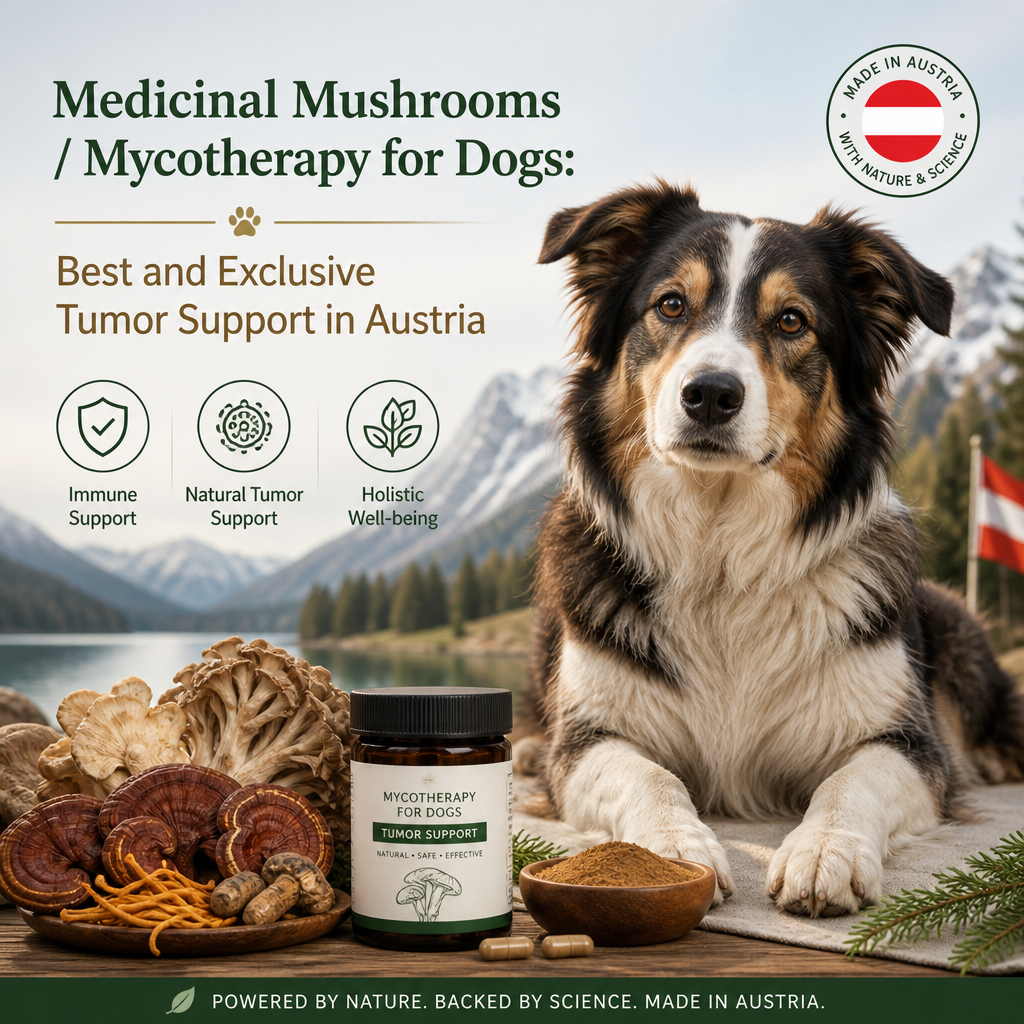
Medicinal mushrooms / mycotherapy for Dogs: 5 Smart Tumor Support Tips in Austria

Medicinal mushrooms / mycotherapy for Dogs: 5 Smart Tumor Support Tips in Austria

Medicinal mushrooms / mycotherapy can provide valuable complementary support for dogs affected by tumors, especially when used alongside veterinary diagnosis and treatment. In Austria, more dog owners are exploring evidence-informed natural options to help maintain quality of life, support normal immune function, and promote strength during demanding cancer therapies. However, supplements should never replace surgery, chemotherapy, radiation, pain management, or other treatments recommended by a veterinarian.

Understanding medicinal mushrooms / mycotherapy for dogs

Medicinal mushrooms / mycotherapy illustration

Mycotherapy is the therapeutic use of selected mushrooms or mushroom extracts. Several medicinal mushrooms contain naturally occurring compounds such as beta-glucans, triterpenes, polysaccharides, and other bioactive substances. These compounds are being studied for their potential effects on immune regulation, antioxidant activity, inflammation, and general vitality.

For dogs with cancer, the goal of mycotherapy is usually supportive rather than curative. A carefully selected product may help a dog cope with reduced appetite, fatigue, stress, or the physical demands of conventional treatment. The response can vary considerably depending on the tumor type, stage of disease, age, breed, medications, and overall health. That is why medicinal mushrooms / mycotherapy should be viewed as a tailored support tool, not a one-size-fits-all solution.

The most commonly discussed mushrooms in veterinary complementary care include Reishi, Turkey Tail, Shiitake, Maitake, and Cordyceps. Each has a different nutritional and biochemical profile, which is why a personalized plan is more appropriate than using a single mushroom without professional guidance. For a broader overview of mushroom-based support, see The Benefits of Medicinal Mushrooms for Dogs: Boosting Immune Health Naturally.

Many owners first encounter medicinal mushrooms / mycotherapy through online articles, social media recommendations, or word of mouth from other pet parents. While that can be a useful starting point, the best next step is to compare product quality, dosage guidance, and the dog’s current medical needs. In cancer care, small details matter, and the right choice can depend on whether the dog is newly diagnosed, recovering from surgery, receiving chemotherapy, or already in a palliative stage.

It also helps to understand that “mushroom supplement” can mean many different things. Some products are simple dried powders, while others are hot-water extracts, dual extracts, capsules, liquids, or blended formulas. Because the extraction method influences what compounds are available to the body, medicinal mushrooms / mycotherapy products should be evaluated on more than label design or marketing language.

Potential benefits of dog tumor support Austria

Dog tumor support Austria includes a range of complementary measures intended to improve comfort and wellbeing while a dog receives appropriate medical care. Medicinal mushroom extracts may be considered as one component of that support plan.

Potential areas of interest include:

  • Supporting normal immune-system activity
  • Helping maintain energy and stamina
  • Supporting appetite and digestive resilience
  • Providing antioxidant compounds
  • Promoting recovery during periods of physical stress
  • Helping preserve quality of life

These potential benefits should be discussed realistically. A supplement cannot guarantee tumor shrinkage, prevent metastasis, or replace an individualized oncology plan. The strongest reason to consider mycotherapy is often its role in comprehensive care: nutrition, symptom control, emotional wellbeing, and veterinary treatment work together to support the dog as a whole.

Turkey Tail, for example, is widely researched for compounds known as polysaccharide-K and polysaccharide-peptide. Reishi is traditionally valued for its immune-modulating and calming properties. Shiitake and Maitake contain beta-glucans and other compounds that may support normal immune function. Cordyceps is often selected for dogs experiencing reduced vitality, although its suitability depends on the individual animal. In practical terms, medicinal mushrooms / mycotherapy may be used to support comfort and resilience, not to promise a cure.

Supportive care becomes especially important when a dog’s daily routine is disrupted by treatment side effects or tumor burden. Appetite changes, reduced enthusiasm for walks, nausea, or quiet withdrawal can all indicate that the dog needs more than a single supplement. In those cases, mycotherapy is best considered alongside pain management, nutritional support, and veterinarian-guided symptom relief.

For owners comparing broader supportive strategies, an oncology-focused resource such as the American Veterinary Medical Association’s cancer in pets guide can help set realistic expectations about treatment and supportive care.

Choosing dog cancer supplements Austria responsibly

When searching for dog cancer supplements Austria, product quality and veterinary oversight are essential. Not every mushroom powder or human supplement is appropriate for dogs. Products may differ significantly in extraction method, concentration, purity, and labeling accuracy.

A high-quality supplement should ideally provide:

  • Clearly identified mushroom species
  • Information about the part of the mushroom used
  • Details about extraction and standardization
  • Batch testing for contaminants
  • Guidance based on the dog’s body weight
  • Transparent ingredient and additive information
  • Appropriate storage and expiration details

Extracts are often preferred over simple raw powders because extraction can make certain compounds more available. However, the best form depends on the mushroom, the dog’s health status, and the intended purpose. A veterinarian or qualified animal-health professional can help determine whether a powder, liquid, capsule, or combination formula is suitable.

It is also important to distinguish between a product designed specifically for animals and a general human supplement. Human products may contain alcohol, sweeteners, herbs, high concentrations, or other ingredients that are unsuitable for dogs. Xylitol, in particular, is highly toxic to dogs and must be avoided.

Another useful comparison point is whether the manufacturer provides evidence for safety testing and clear usage instructions. Even when a label looks professional, the ingredient list may not reveal enough about the quality of the extract or the consistency of the batch. Responsible dog cancer supplements Austria shoppers should ask whether the product is made under good manufacturing practices, whether it has been tested for heavy metals and microbial contamination, and whether the company can explain how the extract is standardized.

Owners often ask whether a “stronger” product is automatically better. The answer is no. With medicinal mushrooms / mycotherapy, a balanced formula that fits the dog’s size, condition, and medication plan is more useful than an aggressive dose or a crowded blend of unnecessary ingredients. In many cases, simplicity is safer and easier to monitor.

When comparing options, it may also help to think about palatability. If a dog refuses a capsule, powder, or liquid, the supplement will not be helpful no matter how good the ingredients look on paper. Taste, smell, and ease of administration matter in daily life, especially for dogs already coping with illness or reduced appetite.

Safety, dosage, and veterinary supervision

Natural does not automatically mean risk-free. Medicinal mushrooms can cause digestive upset, changes in stool, reduced appetite, or allergic reactions in some animals. More importantly, supplements may interact with medications or affect blood clotting, immune activity, blood pressure, or liver metabolism.

Veterinary consultation is particularly important when a dog is receiving chemotherapy, corticosteroids, immunosuppressants, anticoagulants, or medication for chronic conditions. Supplements may need to be paused before surgery or adjusted during periods of low blood counts and infection risk.

Dosage should never be estimated solely from a human label. Dogs differ in body size, metabolism, age, and disease status. A small senior dog with kidney impairment may require a very different approach from a healthy adult dog of the same weight. Introducing one product at a time and monitoring the dog closely can make it easier to identify both benefits and adverse effects.

Owners should contact their veterinarian promptly if they notice persistent vomiting, diarrhea, facial swelling, breathing difficulty, unusual bruising, severe lethargy, refusal to eat, or sudden changes in behavior.

In some cases, the oncology team may adjust support based on bloodwork, treatment cycles, or concurrent medications. That kind of supervision is especially important when medicinal mushrooms / mycotherapy are added to a protocol already designed for cancer care. If a dog is already taking medications for pain, nausea, infections, or appetite support, the supplement plan should be reviewed as carefully as any prescription medicine.

It is also wise to keep a simple symptom log. Record the date the supplement started, the product name, the dose, appetite, stool quality, energy level, and any changes in sleep, grooming, or activity. This practical record can help the veterinarian judge whether medicinal mushrooms / mycotherapy are actually helping or whether the dog’s needs have changed.

Because adverse reactions can be subtle at first, owners should not wait for a major problem to appear. Even mild diarrhea or slight lethargy may be enough reason to pause the supplement and speak with the clinical team. This cautious approach is especially useful in older dogs, dogs with concurrent illness, and dogs that are already taking several medications.

What to compare before buying

Before choosing a product, compare the mushroom species, extraction method, and testing standards rather than relying on marketing claims. A thoughtful comparison also includes the dog’s diagnosis, current medications, and daily routine. A product that looks impressive on a label may not be the safest or most useful option for a particular patient.

Owners can also compare whether a formula is intended for general wellness or for oncology support. Products made for dogs with cancer are usually better aligned with the goals of comfort, appetite support, and immune balance than broad “immune booster” blends that contain many untested ingredients. If you are evaluating other adjunct options, this article on Best Supplements for Dogs with Cancer: 7 Essential UK Support Tips offers another useful framework for comparison.

Finally, ask whether the manufacturer provides clear contact information, lot numbers, and quality-control documentation. These details matter when you want consistency from one order to the next and need to track how your dog responds over time.

It is also helpful to compare practical fit. Will the product be easy to give twice a day? Does it need refrigeration? Can it be mixed with food? Does it contain unnecessary flavorings or sweeteners? These questions may sound simple, but they matter when a dog is stressed, nauseous, or finicky. In real life, the best medicinal mushrooms / mycotherapy product is often the one that can be used consistently and safely.

Some owners try to compare products by mushroom name alone. That is not enough. Two turkey tail products, for example, may differ greatly in extraction type, amount of active compounds, and purity. The same is true for Reishi, Maitake, Shiitake, and Cordyceps. Always compare the full formulation, not just the headline ingredient.

Mycotherapy as part of a complete care plan

The most effective dog tumor support Austria offers is not based on a single supplement. A complete plan may include oncology consultation, imaging, blood tests, appropriate tumor treatment, pain relief, nutritional support, physiotherapy, dental care, and regular quality-of-life assessments.

Nutrition is especially important. Dogs with cancer may experience appetite changes, nausea, muscle loss, or altered energy needs. A balanced diet selected with veterinary guidance can help maintain body condition. Some dogs may benefit from adjusted protein, energy, or omega-3 fatty acid intake, but dietary changes should account for the tumor type and any liver, kidney, or gastrointestinal disease.

Regular monitoring is equally valuable. Keep records of appetite, body weight, activity, sleep, bowel movements, pain signs, and enjoyment of normal activities. These observations help the veterinarian evaluate whether a supportive protocol is helping or needs to be changed.

When signs of discomfort become more prominent, families may also want practical guidance on palliative support. This detailed resource on What Can Be Done for Dogs in the Late Stages of Cancer? How to Relieve Their Pain? can help owners think through comfort-focused care.

In some dogs, mycotherapy may also be paired with other complementary supports such as herbal formulas, probiotics, or targeted nutritional products. Even so, each addition should be reviewed for possible overlap, unnecessary duplication, or interaction risk. More is not always better. A focused plan that is easy to monitor usually gives the veterinary team a clearer picture of what is truly helping.

Owners should also think in terms of goals. The goal may be to improve appetite for several weeks, help a dog tolerate treatment, or make day-to-day life more comfortable. Clear goals make it easier to decide whether medicinal mushrooms / mycotherapy are worthwhile for that individual dog. If the dog’s comfort improves and side effects remain minimal, the support may be a good fit. If not, the plan can be adjusted without losing sight of the bigger treatment picture.

Mycotherapy and the bigger picture of veterinary oncology

Medicinal mushrooms / mycotherapy should be viewed as one element in a wider oncology strategy. That bigger picture includes accurate diagnosis, staging, treatment choices, symptom control, and honest conversations about goals of care. For some dogs, the goal is extending survival time. For others, it is preserving appetite, activity, and dignity during treatment.

Because every cancer behaves differently, there is no universal formula. The best support plan is tailored to the tumor type, the dog’s age and size, and the current treatment phase. In practice, that often means one approach during chemotherapy, another after surgery, and another during palliative care. A good plan is flexible enough to change as the dog changes.

That is why medicinal mushrooms / mycotherapy are most useful when they complement—not compete with—standard veterinary care. When they are selected carefully and monitored closely, they can fit into a thoughtful support plan without overwhelming the rest of the routine.

It is also useful to recognize the emotional side of cancer care. Owners often want to feel that they are doing something meaningful beyond prescriptions and procedures. A well-chosen supportive supplement can provide that sense of action, but it should remain grounded in evidence, veterinary guidance, and the dog’s actual response. In other words, the value of medicinal mushrooms / mycotherapy comes from thoughtful use, not from wishful thinking.

Making an informed choice in Austria

Dog owners in Austria can seek advice from their regular veterinarian, a veterinary oncology service, or a professional experienced in complementary veterinary medicine. A trustworthy provider should welcome questions about ingredients, testing, contraindications, and compatibility with conventional treatment.

Be cautious of products marketed with absolute promises, secret formulas, or claims that they can cure every type of cancer. Responsible mycotherapy focuses on support, transparency, and realistic expectations. The best approach is individualized, medically informed, and centered on the dog’s comfort and quality of life.

Medicinal mushrooms / mycotherapy may become a useful part of supportive care for selected dogs, but they work best when integrated into a broader veterinary plan. With careful product selection, appropriate supervision, and regular monitoring, mycotherapy can offer a thoughtful complementary option for families seeking additional support during a challenging diagnosis.

For readers comparing complementary care options, the key question is not whether medicinal mushrooms / mycotherapy can replace treatment, but whether they can safely support the dog’s overall care plan. In the right case, the answer may be yes.

For owners in Austria who want to make a calm, evidence-based decision, the most practical path is to speak with the veterinary team first, compare products carefully, and start only when the dog’s treatment plan and health status are clear. That approach keeps medicinal mushrooms / mycotherapy in the right role: supportive, measured, and aligned with the dog’s needs.

In summary, medicinal mushrooms / mycotherapy can be a meaningful part of integrated cancer support when the product is high quality, the dosage is appropriate, and the veterinary plan is already in place. The goal is not to replace medicine, but to help a dog feel better, cope better, and live as comfortably as possible.

Green yin-yang logo with TCMVET
Privacy Overview

This website uses cookies so that we can provide you with the best user experience possible. Cookie information is stored in your browser and performs functions such as recognising you when you return to our website and helping our team to understand which sections of the website you find most interesting and useful.