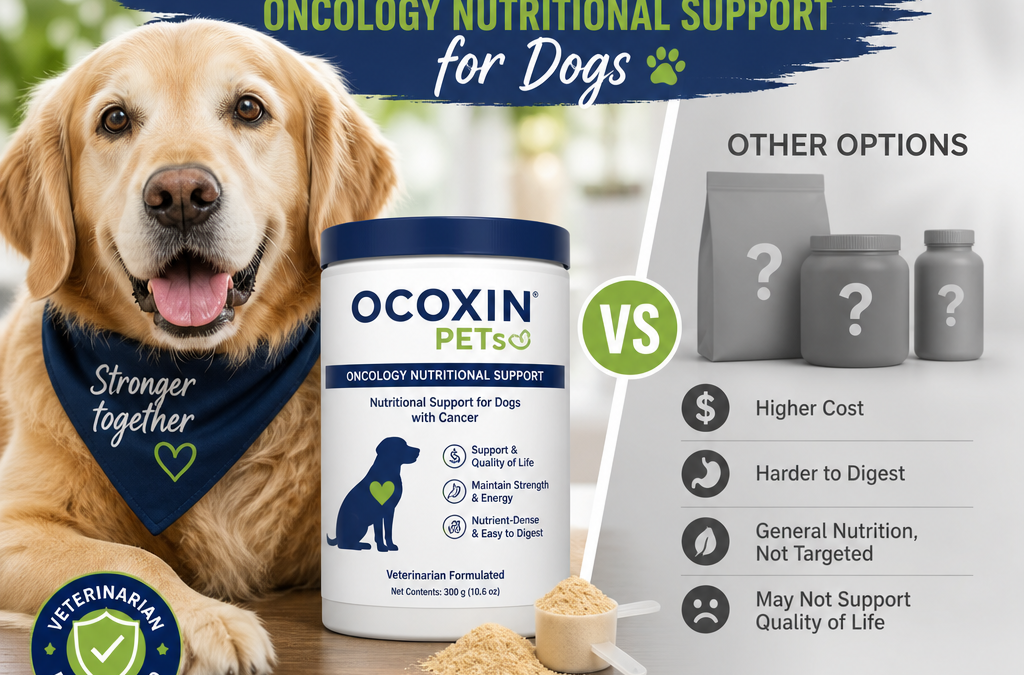
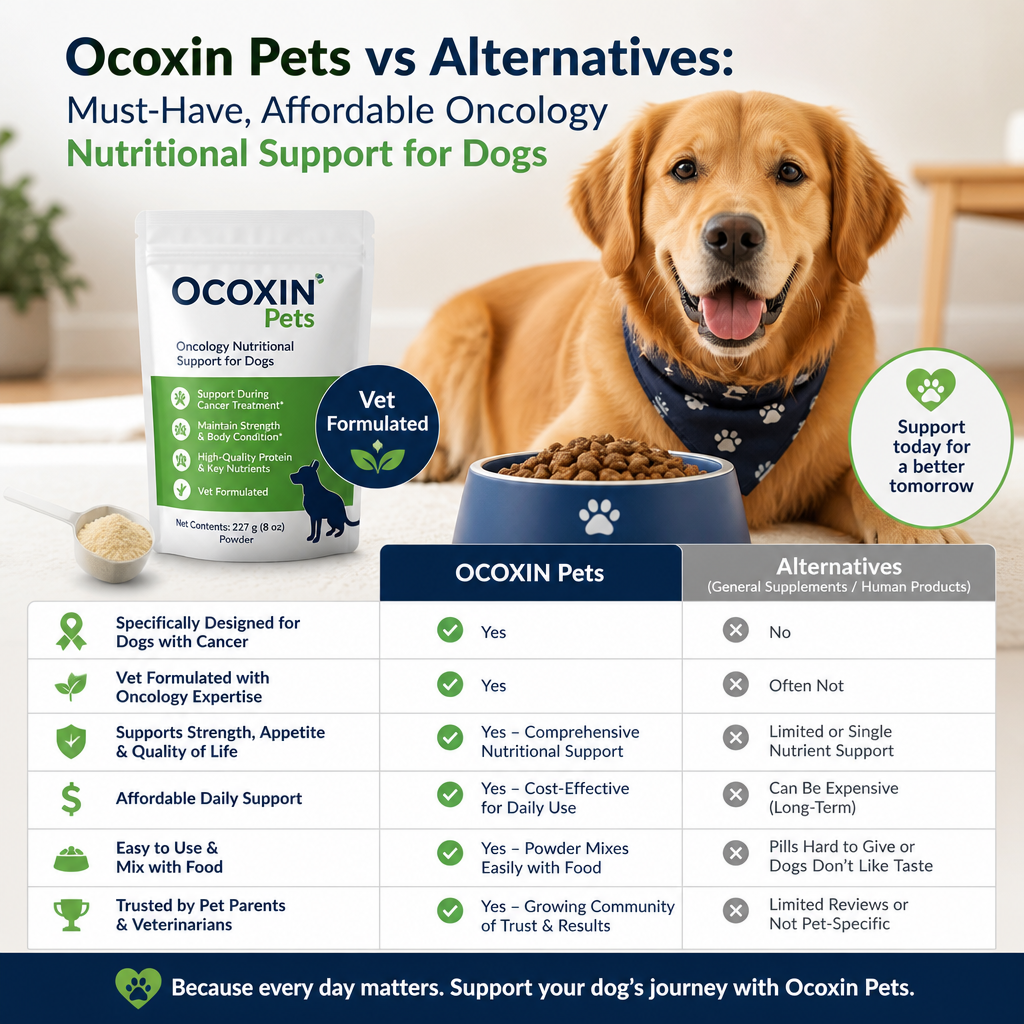
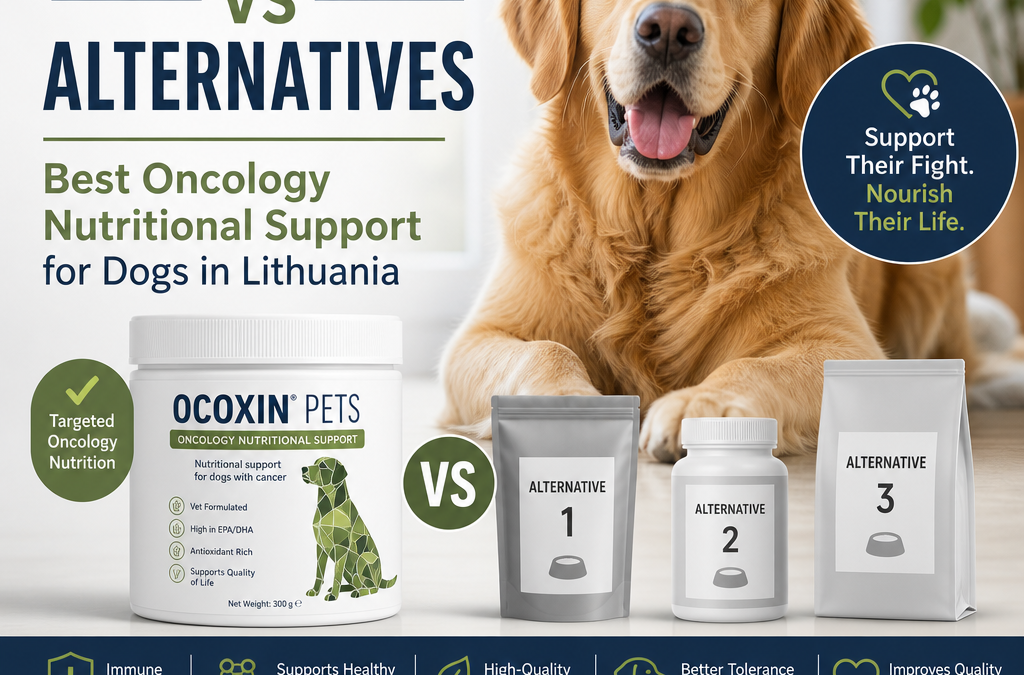
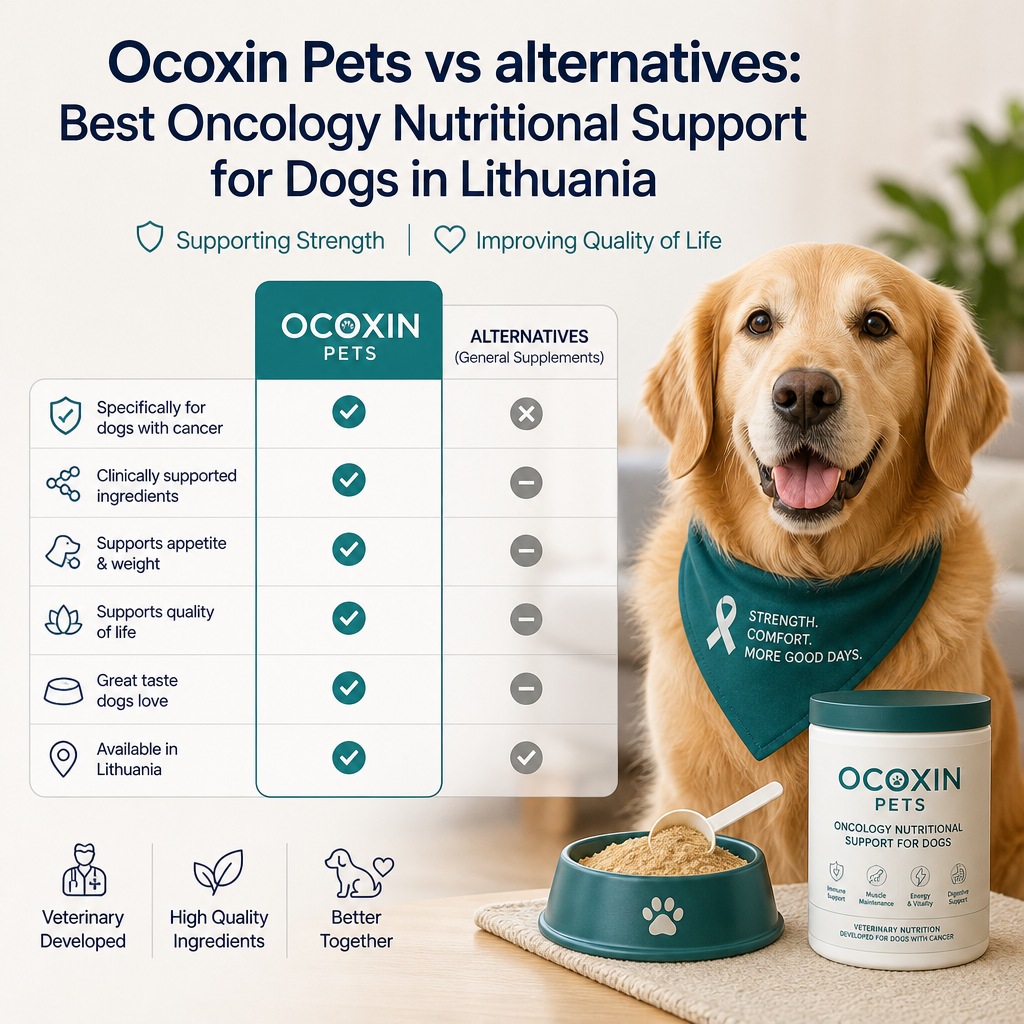
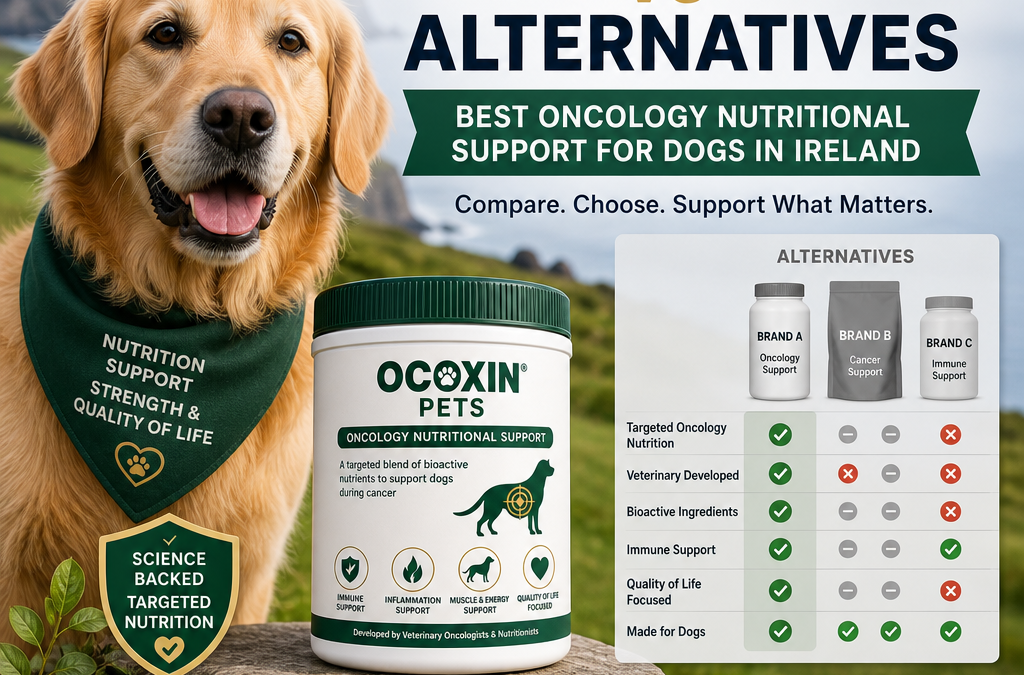
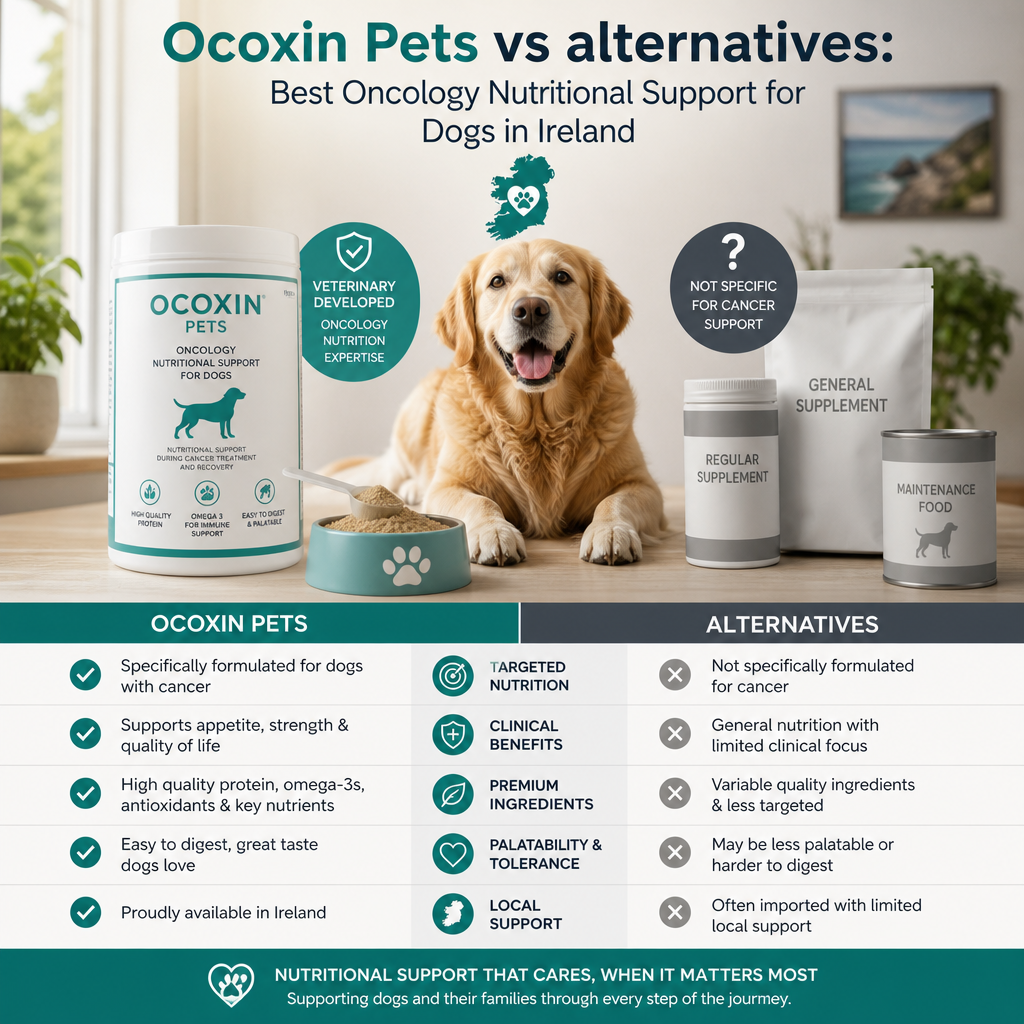
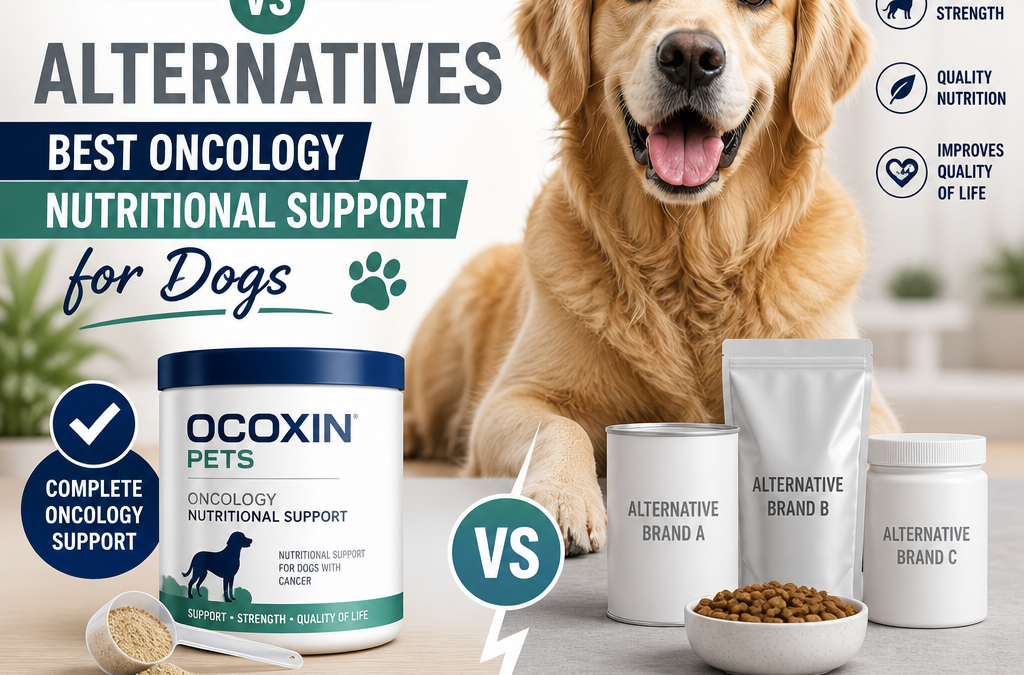
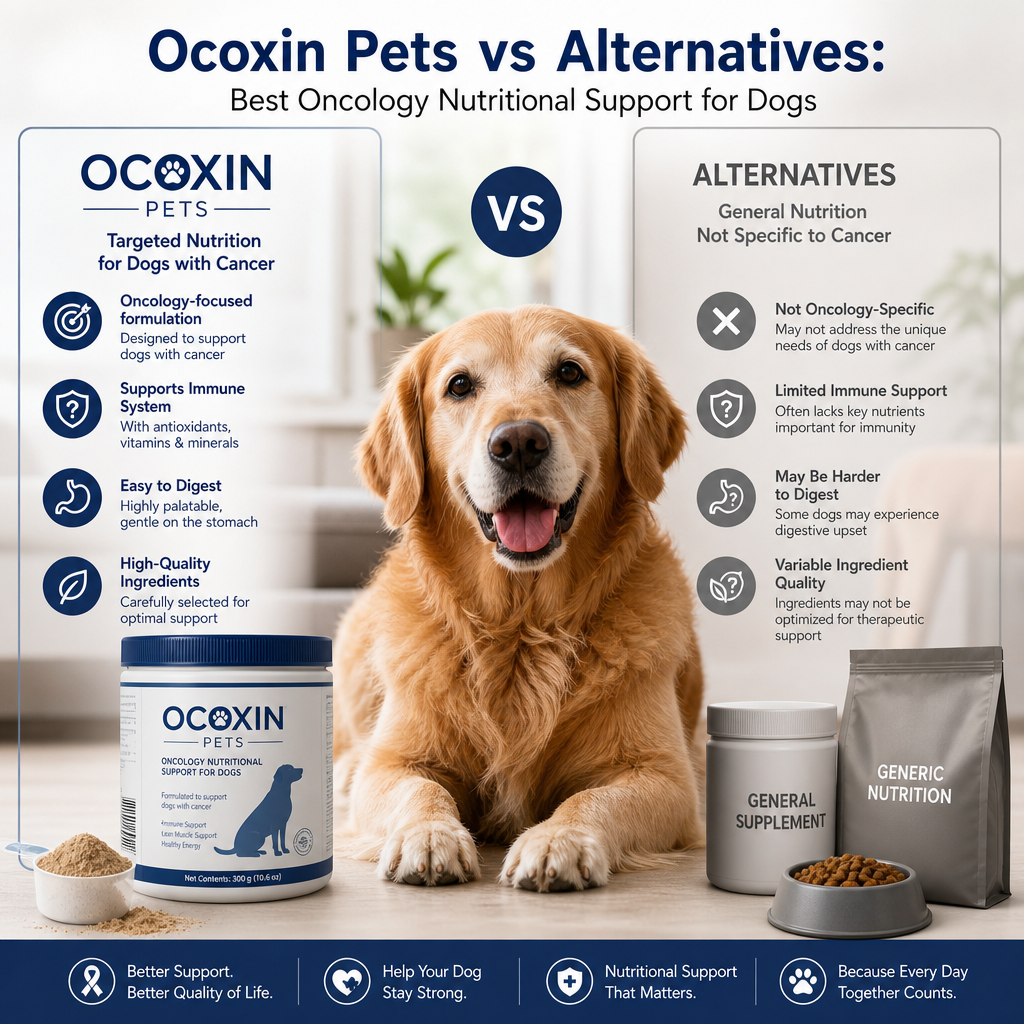
Ocoxin Pets vs Alternatives is an important comparison for dog owners looking for affordable, practical support during cancer care. A diagnosis of cancer can be overwhelming, especially when treatment plans involve surgery, chemotherapy, radiation, repeated examinations, and significant expenses. Nutritional support may help maintain appetite, body condition, energy, and overall resilience, but it should complement—not replace—veterinary oncology treatment.
Understanding the differences between products, ingredients, costs, and clinical expectations can help owners make responsible decisions. The right choice depends on the dog’s diagnosis, treatment plan, eating habits, medical history, and the advice of a veterinarian. In many cases, Ocoxin Pets vs alternatives becomes less about brand loyalty and more about matching support to a dog’s real needs.
Oncology nutritional support refers to dietary strategies and supplements designed to help dogs meet their nutritional needs while living with cancer or undergoing treatment. Cancer can affect metabolism, appetite, digestion, hydration, and muscle mass. Some dogs lose weight rapidly, while others experience nausea, altered taste, diarrhea, constipation, or reduced interest in food.
A suitable nutritional plan may focus on:
Maintaining adequate calories and protein
Supporting hydration
Preserving muscle mass and body condition
Improving palatability when appetite is poor
Providing carefully selected vitamins, minerals, fatty acids, or antioxidants
Supporting recovery after surgery or other treatments
Nutritional products should not be described as cures. Their role is generally supportive, helping a dog tolerate treatment and maintain quality of life. Because cancer varies widely, nutritional needs can also differ significantly between dogs. For a broader overview of supportive care, see Best Supplements for Dogs with Cancer: 7 Essential UK Support Tips.
Many dogs with cancer do best when the nutritional plan is kept simple. A targeted plan can reduce confusion, limit unnecessary spending, and make it easier to tell whether a change is helping. That is one reason Ocoxin Pets vs alternatives is worth reviewing carefully before buying multiple products at once. When the dog is already coping with treatment, consistency often matters more than novelty.
It also helps to remember that nutritional support can serve different purposes at different stages of disease. Early in treatment, the priority may be appetite and maintaining weight. Later, the focus may shift to symptom relief, recovery after a procedure, or preserving comfort during a difficult period. A good plan adapts as the dog’s condition changes.
Ocoxin Pets: What Makes It Different?
Ocoxin Pets is a veterinary nutritional supplement developed for dogs and other companion animals requiring additional support during illness. It is associated with a blend of nutritional and botanical ingredients intended to support appetite, vitality, antioxidant defenses, and general condition.
The exact formula and recommended use may vary by market, product version, and animal size. Owners should always read the current label and follow veterinary guidance. Some products in this category contain plant extracts, amino acids, vitamins, minerals, or other compounds selected for their potential supportive effects.
One possible advantage of a formulated product is convenience. A standardized supplement can be easier to administer than assembling several individual ingredients. It may also provide clear serving instructions based on body weight. However, convenience does not automatically mean that it is the best option for every dog.
Before using Ocoxin Pets, owners should consider whether the dog has kidney disease, liver disease, diabetes, gastrointestinal sensitivity, food allergies, or other conditions that could affect supplement safety. It is also important to disclose every supplement to the veterinary team, particularly when chemotherapy, surgery, or prescription medication is involved.
Because cancer care can involve complex decisions, some owners compare Ocoxin Pets vs alternatives only by price. That can be misleading. A lower-priced option may still be a poor fit if the dog refuses it, develops loose stool, or cannot tolerate the flavor. On the other hand, a more expensive product may be worthwhile if it is easier to give and more consistent day to day.
The practical question is not whether a product sounds advanced. It is whether it can be used safely, regularly, and in a way that supports the treatment plan. For some dogs, that means a supplement like Ocoxin Pets. For others, the better choice may be a therapeutic diet, omega-3 support, or a short-term calorie booster.
Ocoxin Pets vs Alternatives: Comparing the Main Options
When evaluating Ocoxin Pets vs alternatives, the most useful comparison is not simply brand versus brand. It is the overall purpose, ingredient profile, evidence, cost, and suitability for the individual dog.
Complete therapeutic diets
Veterinary therapeutic diets may be appropriate when a dog has poor appetite, weight loss, digestive problems, or increased nutritional demands. These foods are formulated to provide balanced nutrition and may be easier to evaluate than a supplement used alongside an unbalanced homemade diet.
A complete diet can be especially valuable when the dog is eating very little. Some formulas are calorie-dense, highly digestible, or designed for recovery. However, not every therapeutic food suits every cancer patient. A dog with kidney disease, pancreatitis, or food intolerance may need a more specific nutritional plan.
Some owners find that changing the texture, warming the food slightly, or offering smaller meals more often improves intake. Those small adjustments can matter as much as the product itself. If the dog accepts a suitable therapeutic diet, that may be one of the most efficient dog tumor support options available because it delivers nutrition in a complete form rather than as an add-on.
Omega-3 fatty acids
Fish oil providing EPA and DHA is one of the most commonly discussed dog tumor support options. These fatty acids may support normal inflammatory balance and help maintain skin, coat, and general health. They are often available as liquid oils or capsules.
Quality matters. Products should be made for pets or sourced from a reputable manufacturer, with clear information about EPA and DHA content, purity, and storage. Excessive amounts may cause gastrointestinal upset or contribute to bleeding concerns, particularly around surgery or when combined with certain medications. Veterinary advice is important before administration.
Omega-3 support can also be useful because it is relatively easy to integrate into a routine. Many dogs tolerate it well when introduced gradually. Still, even this familiar option should be discussed with the veterinary team, since dose, timing, and medical history all matter. In a careful Ocoxin Pets vs alternatives review, fish oil is often one of the first practical comparisons.
High-calorie nutritional supplements
Calorie pastes, recovery gels, and energy-dense supplements can be useful for dogs that are eating insufficient amounts. They may provide a convenient source of calories during short periods of reduced appetite.
These products are not always nutritionally complete, and some contain substantial amounts of sugar or fat. They should be used strategically rather than as a permanent replacement for balanced meals unless specifically recommended by a veterinarian.
For a dog that needs help getting through a brief low-appetite period, these products may be a reasonable bridge. They are often more about supporting intake than changing disease outcome. That does not make them less valuable. In fact, a simple calorie booster can sometimes prevent a downward spiral if the dog is slipping behind on energy needs.
Probiotics and digestive support
Some dogs receiving cancer treatment develop diarrhea, constipation, or other gastrointestinal disturbances. Veterinary probiotics may support normal intestinal function in selected cases. Fiber, prebiotics, and easily digestible foods can also play a role.
The cause of digestive symptoms should be investigated before adding multiple products. Diarrhea may result from medication, infection, dietary change, stress, or the disease itself. Persistent vomiting or diarrhea requires prompt veterinary attention.
Digestive support is especially useful when the dog’s appetite problems are partly caused by nausea, gas, abdominal discomfort, or loose stool. In those cases, the best answer may not be a single supplement but a combination of feeding strategy, medication review, and targeted digestive support. That is why Ocoxin Pets vs alternatives should always be considered in the context of the whole clinical picture.
Individual ingredients and homemade diets
Some owners prefer to use individual ingredients such as fish oil, nutritional yeast, or selected vitamins. Others choose homemade food because their dog refuses commercial diets. These approaches can work in limited circumstances, but they carry risks.
Homemade diets are often deficient in calcium, essential fatty acids, trace minerals, or other nutrients unless formulated by a veterinary nutrition professional. Similarly, combining several supplements can lead to excessive dosing or unwanted interactions. A simple plan guided by a professional is usually safer than a long list of uncoordinated products.
For dogs with a more advanced disease picture, it can also help to understand how cancer spreads and changes over time. This Metastasis Dogs Helpful Cancer Spread, Tumor Growth guide explains the topic in practical terms.
When owners compare Ocoxin Pets vs alternatives, the most sensible alternative is often not another branded product but a more complete strategy. For some patients, that may mean a therapeutic diet plus one supportive ingredient. For others, it may mean focusing on appetite, hydration, and symptom control rather than trying to stack multiple supplements.
Choosing Affordable Dog Tumor Support Options
Cost is a legitimate consideration in long-term cancer care. Affordable dog tumor support options should be judged by value, not merely purchase price. A low-cost product may be ineffective, poorly tolerated, or difficult to administer, while a more expensive product may reduce waste if the dog accepts it consistently.
Owners can compare products using several practical questions:
Is the product nutritionally complete or intended only as a supplement?
What are the active ingredients and their amounts per serving?
Is the product manufactured under reliable quality-control standards?
Can the dog tolerate it without vomiting, diarrhea, or appetite loss?
Does it provide a meaningful benefit for the dog’s specific needs?
How many days or weeks does one package last?
Does it duplicate ingredients already present in the dog’s diet or medications?
The cost per serving is often more useful than the retail price. It is also worth discussing lower-cost alternatives with the veterinary team. In some cases, improving the primary diet, adding a carefully dosed omega-3 product, or using a short-term appetite strategy may provide more practical value than purchasing several specialized supplements.
When owners want to compare supplement quality, ingredient transparency, and general safety, the U.S. National Cancer Institute’s overview of cancer and nutrition is a useful reference point: Nutrition in Cancer Care.
Budget planning also matters because cancer care rarely ends after the first appointment. Recheck visits, lab work, medication changes, and follow-up imaging can all affect the total cost. A supplement that seems inexpensive at first may become costly if it has to be replaced frequently or if the dog will not eat it. By contrast, a modestly priced option that works reliably can offer better long-term value.
Some owners in Bosnia and Herzegovina also need support that is easy to source and simple to explain to family members helping with care. In those situations, the best answer may be the product that can be administered consistently by everyone involved. That practical reality is an important part of the Ocoxin Pets vs alternatives discussion.
Safety and Veterinary Supervision
Nutritional supplements can affect the body and are not automatically safe simply because they are labeled natural. Botanical compounds may interact with medications, while high doses of vitamins or minerals can cause toxicity. Antioxidant products also require thoughtful use during cancer treatment because the relationship between antioxidants and specific therapies can be complex.
A veterinarian should review any supplement before it is introduced, especially if the dog is receiving chemotherapy, radiation, corticosteroids, pain medication, anticoagulants, or drugs processed by the liver or kidneys. The veterinary team can also monitor weight, muscle condition, appetite, hydration, bloodwork, and treatment response.
Owners should seek medical attention quickly if a dog develops repeated vomiting, severe diarrhea, refusal to eat, marked lethargy, breathing difficulty, pale gums, uncontrolled pain, or rapid weight loss.
It is also wise to introduce only one new change at a time whenever possible. If several products are started together, it becomes difficult to identify what is helping and what is causing side effects. A gradual approach is usually safer and more informative. This is another reason a thoughtful Ocoxin Pets vs alternatives comparison should include ease of monitoring, not just ingredient lists.
If the dog is scheduled for surgery or is receiving blood-thinning medication, even commonly used supplements such as fish oil may need special attention. Owners should never assume that a supplement can continue unchanged simply because it was tolerated in the past. Cancer care is dynamic, and the support plan should be reviewed regularly.
Building a Practical Support Plan
The best oncology nutritional support plan is usually simple, measurable, and tailored to the dog. Start by identifying the most urgent problem: inadequate calories, weight loss, nausea, digestive upset, dehydration, or difficulty eating. Then select only the interventions that address that problem.
Track weekly body weight when possible, along with appetite, stool quality, activity, and any side effects. Keep a complete list of foods, supplements, and medications. This information helps the veterinarian determine whether the plan is working or needs adjustment.
Ocoxin Pets vs Alternatives should be decided on the basis of safety, practicality, and the individual patient’s needs. Ocoxin Pets may be a reasonable option for some dogs, particularly when a veterinarian believes its formulation fits the patient’s needs. Alternatives may be preferable when the dog requires a complete therapeutic diet, a specific fatty-acid supplement, digestive support, or a more budget-conscious approach.
The goal is not to find the most sophisticated product, but to provide safe, appropriate support that helps the dog eat, maintain strength, and enjoy the best possible quality of life during treatment. In other words, Ocoxin Pets vs alternatives is ultimately a decision about what will be easiest to use consistently, most compatible with the treatment plan, and most likely to help the dog feel better.
For dogs in Bosnia and Herzegovina and elsewhere, informed choices matter. A calm discussion with the veterinary team can turn Ocoxin Pets vs alternatives from a confusing brand comparison into a practical plan that supports the dog day by day.
As treatment continues, reassess the plan often. A product that makes sense during one stage of illness may become less useful later. Appetite can change, side effects can shift, and nutritional priorities may move from weight maintenance to comfort or recovery. Flexibility is part of good care, and it keeps the support plan aligned with the dog’s current needs rather than a one-time purchase decision.
In the end, the most helpful choice is usually the one that the dog will actually accept, that the veterinarian agrees is appropriate, and that the family can sustain without confusion. That balance is the real value behind Ocoxin Pets vs alternatives: not finding a perfect supplement, but choosing a practical one that fits the dog’s life and care plan.
Ocoxin Pets vs alternatives is an important comparison for Lithuanian dog owners looking for supportive care during cancer treatment. Nutritional products cannot replace surgery, chemotherapy, radiation therapy, or veterinary monitoring, but they may help maintain appetite, body condition, hydration, and quality of life when used appropriately. The best choice depends on the dog’s diagnosis, treatment plan, blood results, appetite, digestive health, and the veterinarian’s recommendations.
For owners comparing Ocoxin Pets vs alternatives, the most useful approach is to look at the dog’s real needs first. One dog may need a calorie-dense recovery diet, another may do better with digestive support, and another may need a supplement that is easier to administer during treatment. A product only becomes helpful when it fits the dog’s current condition.
Cancer can affect a dog’s nutritional status in several ways. Tumors may alter metabolism, increase inflammation, reduce appetite, or make eating uncomfortable. Treatment can add further challenges: chemotherapy may cause nausea or diarrhea, surgery can temporarily increase nutritional needs, and some dogs become selective or tired after repeated clinic visits.
Maintaining a healthy body condition is especially important. Dogs that lose too much muscle may tolerate treatment less effectively and recover more slowly. Nutritional support should therefore focus on practical goals such as:
Providing adequate calories and high-quality protein
Supporting hydration and normal digestion
Preserving muscle mass
Encouraging food intake when appetite is reduced
Avoiding unnecessary ingredients that may worsen gastrointestinal signs
Fitting safely alongside prescribed medicines
A nutritional supplement is not automatically beneficial simply because it is marketed for cancer support. Product quality, dosage, ingredient safety, and suitability for the individual dog all matter. For broader context on feeding strategies, some owners also review best supplements for dogs with cancer alongside their veterinary team’s recommendations.
In many cases, the conversation about Ocoxin Pets vs alternatives starts with appetite. If a dog is eating less, even a good product may be less useful than a feeding plan that restores interest in food. The goal is not to give the most products; it is to choose the support that improves day-to-day function.
Ocoxin Pets: What it is designed to provide
Ocoxin Pets is commonly discussed as a veterinary nutritional supplement intended to support dogs and cats during periods of illness, including oncology care. Its formulation may include a combination of vitamins, minerals, antioxidants, plant-derived compounds, and other nutritional ingredients. The exact composition and administration instructions should always be checked on the current product label, because formulations and availability can vary between markets.
The proposed role of a product such as Ocoxin Pets is supportive rather than curative. It may be considered when a dog needs additional nutritional assistance during cancer treatment, particularly if appetite, energy, or general condition has declined. However, evidence for individual supplements in veterinary oncology is often more limited than advertising language suggests. A veterinarian should evaluate whether the product is appropriate for a specific tumor type and treatment protocol.
Some dogs tolerate supplements well, while others develop vomiting, loose stools, food refusal, or difficulty taking them. Introducing any product gradually and observing the dog’s response is sensible. Owners should also inform the veterinary team about every supplement being given, including herbal products and over-the-counter vitamins.
When comparing Ocoxin Pets vs alternatives, it helps to remember that supportive nutrition is most useful when it matches the dog’s actual symptoms rather than a general promise of “immune support.” A dog that is stable may need only a modest change, while a dog that is losing weight may need a much more structured feeding plan.
Because the label can differ by distributor, it is worth reading the package carefully and confirming the active ingredients before use. That extra step matters when a dog is already taking pain medication, anti-nausea drugs, steroids, or chemotherapy agents. A careful review helps avoid duplicated vitamins, unnecessary additives, or ingredient combinations that may not suit the patient.
Ocoxin Pets vs alternatives: comparing the main options
When considering Ocoxin Pets vs alternatives, it is helpful to compare categories rather than focusing only on brand names. Different products serve different nutritional purposes, and the most suitable option may change throughout treatment.
Complete veterinary recovery diets
Prescription or veterinary therapeutic diets may be more appropriate than a general supplement when a dog is losing weight or struggling to eat. These diets are formulated to provide concentrated calories, digestible nutrients, and consistent amounts of vitamins and minerals. Some are available as dry food, canned food, mousse, or liquid-style nutritional products.
Their main advantage is nutritional completeness. A supplement may add selected ingredients, but a complete diet provides the foundation of daily nutrition. For dogs with poor appetite, wet food can be easier to smell and consume, while energy-dense formulas allow the dog to eat smaller portions.
This is one reason owners often return to Ocoxin Pets vs alternatives after the first few weeks of treatment. If the dog is steadily losing condition, a supportive add-on may not be enough. A more complete diet can help keep the dog’s calorie intake more consistent and reduce the need to force-feed.
High-calorie nutritional gels and pastes
Energy gels can be useful for short-term support when a dog eats very small amounts. They are usually rich in calories and may be easier to administer than a full meal. However, they are not always balanced for long-term feeding. Excessive use can also lead to diarrhea or reduce interest in normal food.
These products are best viewed as temporary assistance under veterinary guidance, especially after surgery or during a brief period of low appetite. If the dog refuses meals for more than a day or two, a gel alone is rarely the complete answer.
In practical terms, Ocoxin Pets vs alternatives may come down to whether the dog needs a general supportive formula or a more direct calorie source. Short-term calorie boosters can be valuable when used carefully, but they should not replace the broader nutritional plan.
Omega-3 fatty acid supplements
Fish oil containing EPA and DHA is frequently considered in canine oncology nutrition. These fatty acids may support normal inflammatory regulation and general health. They also have recognized roles in skin, coat, and joint support.
Quality is important. Products should be sourced from reputable manufacturers, stored correctly, and dosed according to veterinary advice. Fish oil can cause gastrointestinal upset and may affect bleeding risk in some situations, so it should be discussed before surgery or alongside medicines that influence coagulation.
Some dogs do well with omega-3 support, especially if their diet is otherwise stable. In other cases, fish oil is not the first choice because appetite is already poor or the dog has a sensitive stomach. That is why Ocoxin Pets vs alternatives should be judged in context rather than by a single ingredient list.
Probiotic and digestive-support products
Dogs receiving treatment may experience changes in stool quality or gut function. Veterinary probiotics, prebiotic fibers, or easily digestible diets can sometimes support digestive comfort. They are not cancer treatments, and they are not appropriate for every dog, particularly those with severe immune compromise or complex gastrointestinal disease.
A probiotic should be chosen for veterinary use rather than relying on an unverified human product. Persistent diarrhea, vomiting, blood in the stool, or dehydration requires prompt veterinary attention.
Digestive support can be especially helpful when treatment side effects are the main barrier to eating. In that situation, Ocoxin Pets vs alternatives may be less about which product has the most marketing claims and more about which option actually settles the stomach and keeps food moving through the system.
Homemade diets
Homemade feeding can appear attractive when a dog refuses commercial food, but unbalanced recipes may cause protein, mineral, or vitamin deficiencies. This is especially risky during cancer treatment, when nutritional needs can be more demanding.
If a homemade diet is necessary, it should be formulated by a veterinary nutritionist. Ingredients should also be adapted to the dog’s medical condition, kidney and liver function, digestive tolerance, and treatment plan.
In some cases, owners explore supplements first because they are easier to purchase, but Ocoxin Pets vs alternatives should always be judged by how well the product supports daily eating and overall condition. A homemade plan may be appropriate, but only when it is properly balanced and monitored.
Additional support products used alongside therapy
Some dogs benefit from appetite stimulants, anti-nausea medications, or pain control more than from any nutritional supplement alone. These are not substitutes for food, but they can make eating possible again. If nausea, pain, or mouth discomfort is the real problem, the best supplement may not solve it without medical treatment.
That is why Ocoxin Pets vs alternatives should be discussed as part of the whole care plan. In many oncology cases, medication adjustments and feeding changes work together. One product may help, but a combination of approaches often gives the best result.
Evaluating dog tumor support options safely
Dog tumor support options should be assessed according to evidence, safety, and practical benefit. Be cautious of products promising to shrink tumors, replace chemotherapy, or guarantee recovery. Such claims are not reliable and may delay proven treatment.
Before selecting a supplement, consider these questions:
Is the product nutritionally complete or only an add-on?
Does the dog have kidney, liver, heart, or gastrointestinal disease?
Could any ingredient interact with chemotherapy, steroids, pain medication, or anticoagulants?
Is the dosage clearly stated for the dog’s weight?
Does the manufacturer provide batch information and quality controls?
Can the dog tolerate the product without worsening appetite or digestion?
Does the veterinary oncologist agree that it fits the treatment plan?
Antioxidants deserve particular discussion. Although oxidative stress is involved in disease processes, some cancer therapies may rely partly on oxidative mechanisms. The effect of high-dose antioxidant supplementation alongside treatment is not always clear. Owners should avoid giving large doses of isolated vitamins or concentrated herbal extracts without professional advice.
For readers wanting to understand tumor progression and spread, this overview of metastasis in dogs can be a useful companion resource before deciding which support approach fits the dog’s stage of illness.
It is also sensible to confirm whether the supplement has been manufactured under good quality standards. The European Medicines Agency provides general information on veterinary medicines and product oversight at its veterinary regulatory overview, which can help owners understand why label clarity and responsible use matter.
When comparing Ocoxin Pets vs alternatives, the safest decision is usually the one that causes the fewest side effects and fits the dog’s actual nutritional pattern. A gentle, practical option often works better than a stronger product that the dog will not eat or cannot tolerate.
Practical feeding strategies for dogs with cancer
Good oncology nutritional support is not limited to supplements. Feeding technique often makes a meaningful difference. Offer small, frequent meals rather than one large serving. Warm wet food slightly to increase aroma, but avoid overheating it. Feed in a quiet, comfortable location and keep bowls clean.
Some dogs accept food better when different textures are offered, such as pâté, softened kibble, or a veterinary recovery diet. Avoid constantly changing foods if this causes digestive upset. Treats should remain a small part of the daily intake and should not displace balanced meals.
Track appetite, body weight, stool quality, vomiting, water consumption, and energy. A weekly weight check can identify gradual loss before it becomes severe. Sudden refusal to eat, repeated vomiting, marked lethargy, breathing difficulty, or rapid weight loss should be reported promptly.
If digestive signs become the main problem, the discussion should shift from Ocoxin Pets vs alternatives to what the dog can actually keep down and use well. That may mean a prescription diet, a smaller serving size, or a short-term calorie boost rather than another supplement.
Practical routines also matter. Many dogs eat better when meals are offered at the same time each day, in the same location, with minimal stress. If the dog is nauseous, a quieter feeding environment and a smaller portion can make a noticeable difference. This simple consistency can matter as much as the product choice itself.
If a dog is receiving chemotherapy, feeding schedules may need to be adjusted around clinic visits and medication times. Some dogs prefer food after anti-nausea treatment, while others eat better earlier in the day. Small adjustments can improve overall intake without changing the entire diet.
Owners often ask whether home-cooked additions are acceptable. A little plain cooked chicken, rice, or a veterinarian-approved topper may help encourage eating, but these should be introduced carefully. The aim is to support appetite without creating a diet that is unbalanced or too rich for the digestive system.
Choosing support in Lithuania
In Lithuania, availability may differ between veterinary clinics, pharmacies, and online retailers. Imported products can have different labels, instructions, or formulations depending on the distributor. Choose products with clear Lithuanian or European labeling, reliable storage conditions, an expiry date, and transparent manufacturer information.
The dog’s primary veterinarian or veterinary oncologist should remain the central source of advice. They can help compare Ocoxin Pets vs alternatives based on the diagnosis, current medicines, blood tests, and nutritional goals. In many cases, the best plan combines a complete therapeutic diet with carefully selected supportive products rather than relying on one supplement.
Owners who are unsure about supplement choices may also benefit from discussing broader nutritional support with their vet before buying anything new. That conversation can prevent unnecessary spending and reduce the risk of interactions or digestive upset.
It may also help to keep a simple feeding log. Record what the dog eats, how much is eaten, whether any vomiting or diarrhea occurs, and whether any supplement seems to help or harm appetite. This information makes follow-up appointments more productive and helps the vet decide whether the current support plan is working.
When supply options are limited, ask the clinic whether a comparable veterinary recovery diet, high-calorie supplement, or probiotic would be more suitable. The right choice is not always the most popular one online. In a real-world setting, the best product is usually the one that is available, tolerated, and useful for the individual patient.
Ultimately, effective oncology nutritional support is individualized. The priority is to preserve comfort, appetite, hydration, muscle mass, and quality of life while supporting the main cancer treatment. A well-chosen product can be useful, but it should form part of a broader veterinary care plan—not a substitute for it. When the decision is made carefully, Ocoxin Pets vs alternatives becomes less about brand loyalty and more about what helps the dog eat, maintain strength, and feel better during treatment.
For many families, the safest path is to revisit the decision regularly. As the dog’s condition changes, the answer to Ocoxin Pets vs alternatives may change too. What worked at the start of treatment may need to be replaced later with a more complete diet, a digestive aid, or a simpler feeding strategy.
Ocoxin Pets vs alternatives is an important comparison for Irish dog owners looking for supportive care during cancer treatment. Nutritional products cannot replace veterinary diagnosis, surgery, chemotherapy, radiotherapy, or other prescribed treatment, but they may help maintain appetite, body condition, energy, and overall wellbeing when used appropriately. The best choice depends on the dog’s tumour type, treatment plan, age, weight, existing health conditions, and ability to tolerate supplements.
Cancer can affect a dog’s nutritional status in several ways. Tumours may increase the body’s energy demands, while pain, nausea, inflammation, stress, or treatment side effects can reduce appetite. Some dogs lose muscle even when they continue eating, and others struggle to maintain weight during chemotherapy or recovery from surgery. In these situations, Ocoxin Pets vs alternatives becomes more than a product comparison; it becomes a discussion about comfort, intake, and long-term resilience.
Good nutrition supports normal body functions, including immune activity, tissue repair, digestion, and muscle maintenance. However, the aim is not simply to provide the highest number of calories. A suitable plan should consider digestibility, protein quality, essential fatty acids, hydration, palatability, and any dietary restrictions caused by kidney, liver, gastrointestinal, or pancreatic disease. That is why Ocoxin Pets vs alternatives should always be reviewed in context, rather than as a quick purchase decision.
Veterinary oversight is particularly important because supplements may interact with medicines or may be unsuitable for particular conditions. A product marketed for immune support, for example, is not automatically appropriate for every dog receiving cancer treatment. Even when Ocoxin Pets vs alternatives sounds straightforward, the best choice can change as the dog’s condition changes.
For many owners, the first step is understanding that oncology nutritional support works best when it fits the dog’s current condition rather than a one-size-fits-all idea of “cancer food.”
What is Ocoxin Pets?
Ocoxin Pets is a veterinary nutritional supplement designed to provide supportive nutrition for dogs and other companion animals. Its formulation commonly includes a combination of vitamins, minerals, amino acids, antioxidants, and plant-derived ingredients. It is generally used as an adjunct to conventional veterinary care rather than as a cancer treatment. When owners compare Ocoxin Pets vs alternatives, this role matters because the product is meant to support care, not replace it.
The potential appeal of a multi-ingredient product is convenience. Owners may prefer one formulation instead of combining several separate supplements. It may also be useful for dogs whose appetite, energy, or general condition has declined during illness. As with any nutritional product, acceptance varies between dogs, and some may dislike the taste or texture.
The evidence for individual ingredients and complete supplement formulas should be considered carefully. Laboratory findings or studies in people do not necessarily prove that a product will improve survival or treatment response in dogs. Owners should therefore judge Ocoxin Pets by practical goals, such as maintaining food intake and body condition, rather than expecting it to eliminate a tumour. That realistic approach also helps keep Ocoxin Pets vs alternatives focused on what can actually be measured at home and in the clinic.
In practical terms, a supplement may be judged by whether the dog eats more reliably, loses less weight, or seems more comfortable during treatment. Those outcomes are often more relevant than marketing claims. That is why Ocoxin Pets vs alternatives should be evaluated by your vet in the context of the dog’s full treatment plan, not as a standalone solution.
Dog tumor support options beyond one supplement
There are several dog tumor support options, and the most effective approach is often a combination of veterinary nutrition, symptom control, and appropriate cancer treatment. When comparing Ocoxin Pets vs alternatives, it helps to think in categories rather than brand names alone.
Therapeutic veterinary diets
Veterinary oncology diets are formulated to provide concentrated nutrition in a palatable and digestible form. Some have increased protein or fat levels, controlled carbohydrate content, or added omega-3 fatty acids. A therapeutic diet may be especially helpful when a dog is losing weight, has a poor appetite, or needs a diet adapted to another medical condition.
Not every cancer patient needs the same nutritional profile. A dog with pancreatitis, kidney disease, diabetes, or gastrointestinal problems may require a different approach from a dog with an otherwise healthy digestive system. In practice, the best dog tumor support options are usually the ones that the patient can comfortably eat every day. If the food is refused, even the most carefully selected plan will fail.
Omega-3 fatty acids
Fish oil provides EPA and DHA, two omega-3 fatty acids that may support normal inflammatory regulation and help maintain skin, coat, and general health. They are among the more commonly discussed supplements in veterinary oncology, but dosage and product quality matter. Excessive amounts can cause digestive upset or affect blood clotting, and some products may become rancid if poorly stored.
A veterinarian should calculate an appropriate dose based on the dog’s body weight and medical history. Human fish-oil capsules may not be suitable because they can contain additional ingredients or provide an unsuitable concentration. In some cases, fish oil may be a useful alternative or companion to Ocoxin Pets vs alternatives, but the decision should be based on the whole diet and the dog’s tolerance.
Appetite and nausea support
Sometimes the most important nutritional intervention is not a supplement but effective control of nausea, pain, constipation, or anxiety. Dogs that feel sick are unlikely to benefit from an elaborate dietary plan if they cannot keep food down or have no desire to eat.
Veterinarians may prescribe anti-nausea medicines, appetite stimulants, pain relief, or other treatments. Small, frequent meals, gently warmed food, and highly palatable veterinary diets can also help. Sudden food changes should generally be avoided unless advised by a professional. This is often where Ocoxin Pets vs alternatives becomes less about formulation and more about whether the dog is well enough to benefit from any supplement at all.
High-quality complete diets
A balanced commercial diet can be entirely appropriate for many dogs with cancer. Owners do not always need to prepare a complicated homemade recipe or purchase multiple supplements. A complete food that the dog enjoys and can digest may be more valuable than a premium product that is refused.
Homemade diets should be formulated by a veterinary nutritionist, particularly when they are intended for long-term feeding. Unbalanced recipes can lead to deficiencies in calcium, essential fatty acids, vitamins, or trace minerals. If you are weighing Ocoxin Pets vs alternatives, a complete diet is often the foundation and any supplement is only an addition to that base.
If you are comparing broader support choices, this guide to supplements for dogs with cancer is a helpful starting point for discussing options with your veterinary team.
Other supportive options to discuss with your vet
Depending on the dog’s condition, your vet may also discuss hydration support, probiotics, gastrointestinal protectants, or carefully chosen calorie boosters. These are not automatic solutions, but they can be useful when a dog is struggling with side effects or has another disease alongside cancer. In a broader treatment plan, Ocoxin Pets vs alternatives may be only one small part of supportive care.
Some dogs benefit most from reducing the causes of poor intake rather than adding more products. Others do better with a simple combination of food, medication, and one carefully selected supplement. The key is matching the plan to the dog, not forcing the dog to fit the plan.
Comparing Ocoxin Pets with alternative approaches
When comparing Ocoxin Pets with alternatives, consider the product’s purpose, ingredients, evidence, palatability, cost, and compatibility with current treatment. A multi-ingredient supplement may be convenient, but it can make it harder to identify which ingredient is helping or causing a reaction. A single-ingredient product may be easier to assess but may not address the dog’s broader nutritional needs.
Cost is also relevant for Irish pet owners. Prices can vary between veterinary clinics, specialist retailers, and online suppliers, while delivery conditions and storage requirements may differ. Buying from a reputable source helps reduce the risk of counterfeit, expired, or incorrectly stored products. In a market with many choices, Ocoxin Pets vs alternatives should be judged on reliability as well as price.
The most useful question is not which product is universally best, but which option fits the dog’s clinical needs. A dog eating normally and maintaining weight may need little more than a complete diet and regular monitoring. A dog losing muscle or suffering treatment-related nausea may need a more detailed plan involving prescription medicines, calorie-dense food, and targeted supplementation.
For owners who want to understand how cancer can spread and affect the body over time, our internal guide to metastasis in dogs explains tumour growth and progression in clearer terms.
There are also cases where a supportive product is chosen mainly because the dog tolerates it well. If the supplement is easy to give, does not trigger vomiting, and fits into the daily routine, it may be more useful than a theoretically stronger option that is repeatedly refused. That practical reality is one reason Ocoxin Pets vs alternatives cannot be assessed on ingredients alone.
Practical factors to compare before choosing a supplement
Before starting or changing oncology nutritional support, compare the following:
Ingredient profile: Look at vitamins, minerals, amino acids, antioxidants, and any added plant extracts.
Purpose: Decide whether the goal is appetite support, calorie support, immune support, or general recovery.
Digestibility: Choose products that are gentle on the stomach when the dog is already vulnerable.
Palatability: A good product is not useful if the dog refuses it.
Ease of use: Some owners prefer a single daily supplement; others do better with a simpler diet-based plan.
Cost over time: Long-term support can become expensive, so sustainable use matters.
Compatibility with treatment: Make sure the product fits the dog’s current medicines and feeding plan.
These factors are especially important when Ocoxin Pets vs alternatives are being considered for a dog already undergoing veterinary treatment. In many households, the most realistic plan is the one that can be followed consistently without upsetting the dog’s stomach or the owner’s routine.
Another useful comparison point is how easy it is to adjust the plan over time. Cancer care often changes, and a product that works early in treatment may not be the best choice later. A flexible approach allows the veterinary team to change the diet, dose, or supplement mix as needed.
When Ocoxin Pets may fit into a care plan
Ocoxin Pets may suit dogs that need a supportive supplement alongside a complete diet and normal veterinary treatment. It may be considered when owners want a multi-ingredient formula and the dog tolerates it well. It may also appeal when a vet wants a simple adjunct that can be added without major changes to feeding.
Still, Ocoxin Pets vs alternatives should be decided using the dog’s response rather than assumptions. If appetite improves, stool quality remains stable, and weight is maintained, the plan may be working. If the dog becomes nauseated, refuses food, or shows continued loss of muscle, the approach may need to change.
The goal is always to support quality of life. A supplement should make daily care easier, not more stressful. If there is no clear benefit, switching to another option or simplifying the regimen may be the better path.
Safety considerations for Irish dog owners
Before starting oncology nutritional support, tell the veterinary team about every supplement, treat, herbal product, and non-prescription medicine the dog receives. Some antioxidants or herbal ingredients may affect drug metabolism, blood clotting, blood pressure, or the intended effect of treatment. “Natural” does not necessarily mean risk-free.
Monitor appetite, body weight, stool quality, vomiting, drinking, urination, activity, and signs of pain. A weekly weight check can reveal gradual decline before it becomes obvious. Contact the veterinary practice promptly if the dog refuses food for an extended period, vomits repeatedly, develops severe diarrhoea, becomes unusually weak, or shows breathing difficulties.
For general reference on cancer in companion animals, the AVMA overview of cancer in pets offers a reputable explanation of warning signs and veterinary care considerations.
If your dog has a history of pancreatitis, intestinal disease, or poor fat tolerance, mention this before choosing any new product. These issues can change what counts as a safe option. In those cases, Ocoxin Pets vs alternatives may need to be narrowed down much more carefully.
How to talk to your vet about the best option
It helps to bring a simple list to the appointment: current food, all supplements, medication names, appetite changes, stool changes, vomiting episodes, and any weight loss you have noticed. This makes it easier for the vet to decide whether Ocoxin Pets vs alternatives should be part of the plan or whether another supportive approach makes more sense.
Useful questions include:
Is my dog’s current diet meeting calorie and protein needs?
Would a supplement help, or should we focus on nausea or pain control first?
Is there any reason this product would not suit my dog’s health history?
How soon should I expect to see an improvement if the plan is working?
What signs would mean we should stop or change the supplement?
These questions keep the decision practical and reduce the chance of trying several products without a clear goal. They also help ensure Ocoxin Pets vs alternatives is discussed in the same language as the rest of your dog’s treatment plan.
Making a practical decision
A sensible plan starts with a veterinary assessment and clear goals. These may include maintaining weight, preserving muscle, improving appetite, supporting recovery after surgery, or reducing digestive upset. Once the goal is defined, the veterinarian can decide whether Ocoxin Pets, omega-3 supplementation, a therapeutic diet, appetite medication, or another option is most appropriate.
In many cases, the best oncology nutritional support is not a single product. It is a personalised programme that combines a complete and palatable diet, adequate hydration, symptom management, regular monitoring, and evidence-informed supplementation where appropriate. Ocoxin Pets may have a role for some dogs, but it should be viewed as part of supportive care—not a substitute for professional cancer treatment or ongoing veterinary guidance.
If you need a final point of comparison, remember that the best result usually comes from matching the product to the dog’s current needs rather than chasing the most complex formula. That approach keeps Ocoxin Pets vs alternatives grounded in practical, veterinary-led care. For many families, that is the most reliable way to choose among Ocoxin Pets vs alternatives while keeping the dog comfortable and supported.
When you look at Ocoxin Pets vs alternatives in this way, the decision becomes clearer: choose the option that the dog can tolerate, that fits the diagnosis, and that supports day-to-day quality of life. With veterinary guidance, even a simple plan can make a meaningful difference.
Ocoxin Pets vs Alternatives is an important comparison for dog owners seeking supportive nutrition during cancer care. A diagnosis of cancer can raise difficult questions about appetite, weight, energy, treatment tolerance, and overall quality of life. Nutritional products cannot replace surgery, chemotherapy, radiation, or veterinary supervision, but they may help support a dog’s condition as part of a broader treatment plan.
The best choice depends on the dog’s diagnosis, treatment schedule, current diet, bloodwork, appetite, digestive health, and individual response. Understanding the differences between products can help owners discuss practical options with a veterinarian or veterinary oncologist.
Oncology nutritional support refers to dietary strategies, supplements, and therapeutic foods intended to help dogs maintain strength and body condition during cancer treatment. Cancer and its therapies may affect metabolism, appetite, digestion, hydration, and muscle mass. Some dogs lose weight rapidly, while others experience nausea, diarrhea, constipation, or changes in food preferences.
A nutritional support plan may include:
A complete and balanced therapeutic diet
Calorie-dense food for dogs with reduced appetite
High-quality protein to help preserve lean muscle
Omega-3 fatty acids, when appropriate
Antioxidant management tailored to the treatment plan
Digestive support, such as carefully selected fiber or probiotics
Appetite and nausea medications prescribed by a veterinarian
Hydration support when drinking or eating is reduced
Nutritional products should be viewed as complementary tools. They are not designed to destroy tumors, cure cancer, or independently improve survival. Their primary purpose is to help maintain nutritional status and quality of life.
In practice, oncology nutritional support works best when it is individualized. A dog with a mast cell tumor, lymphoma, osteosarcoma, or a metastatic mass may have very different nutritional needs. Some patients need more calories and palatability, while others need better digestive tolerance or support for medication-related side effects. That is why Ocoxin Pets vs alternatives should always be considered in the context of the dog’s full medical picture.
Owners should also remember that cancer itself can change how a dog processes nutrients. Muscle loss may begin before obvious weight loss is noticed, and a dog may still appear “well fed” while body condition is declining. That makes routine rechecks, weight monitoring, and body condition scoring especially valuable during treatment.
How Ocoxin Pets May Fit Into a Support Plan
Ocoxin Pets is marketed as a nutritional supplement for dogs and cats requiring additional support during serious illness, including cancer care. Its formulation typically includes a combination of nutritional and plant-derived ingredients. Depending on the specific product and regional formulation, ingredients may include compounds such as beta-glucans, vitamins, minerals, amino acids, and botanical extracts.
The potential appeal of Ocoxin Pets is its multi-ingredient approach. Rather than focusing on only calories, fatty acids, or digestive health, it is intended to provide broader nutritional support. Some owners and veterinary professionals consider this type of supplement when a dog is undergoing intensive treatment or needs additional support beyond a standard diet.
However, product suitability should be assessed carefully. Ingredient lists and concentrations matter, and formulations can change. Dogs may also react differently to botanical ingredients or concentrated supplements. A veterinarian should review the product before use, especially if the dog is receiving chemotherapy, corticosteroids, nonsteroidal anti-inflammatory drugs, anticoagulants, or other medications.
For readers comparing options, the American College of Veterinary Internal Medicine provides a helpful overview of evidence-based veterinary care through its oncology resources: ACVIM veterinary oncology resources.
When Ocoxin Pets is discussed in the clinic, the conversation usually centers on three questions: does the product fit the dog’s current needs, is it safe with the present treatment plan, and can it be given consistently without upsetting appetite or digestion? Those questions are often more useful than focusing only on marketing claims. If the answer is yes, then Ocoxin Pets vs alternatives may become a practical discussion about convenience, ingredients, and tolerability.
It is also helpful to understand what a supplement can and cannot do. A supplement may support energy, appetite, or nutrient intake, but it does not remove the need for diagnostic monitoring. Bloodwork, imaging, and follow-up exams remain important because changes in tumor behavior, inflammation, or organ function can alter nutritional needs quickly.
Ocoxin Pets vs Alternatives: Key Comparison Factors
When evaluating Ocoxin Pets vs alternatives, it helps to compare products according to their purpose rather than treating every supplement as interchangeable.
In practice, Ocoxin Pets vs alternatives should be reviewed based on the dog’s current needs, the treatment plan, and how easy the product is to use every day. Some dogs need more calories, while others need a product that is easier to tolerate during nausea or digestive upset.
The phrase Ocoxin Pets vs alternatives is useful because it forces a more specific comparison. Not every option is trying to do the same job. One product may support digestion, another may increase calorie intake, and another may combine multiple ingredients in a broader formula. Understanding that difference can prevent wasted money and reduce the risk of choosing a supplement that sounds impressive but does little for the individual dog.
1. Nutritional completeness
Some products are complete therapeutic diets, while others are supplements designed to be added to normal food. A complete diet supplies essential nutrients in appropriate proportions. A supplement may provide selected ingredients but cannot meet all dietary requirements.
If a dog is eating poorly, a veterinary therapeutic diet or calorie-dense complete food may be more important than a broad supplement. Conversely, a dog already eating adequately may only need targeted support.
2. Calorie and protein content
Weight loss and muscle loss are common concerns in canine cancer patients. A supplement with appealing ingredients may not provide enough calories or protein to address these problems. Owners should check whether a product meaningfully contributes to daily energy needs.
Protein requirements vary according to kidney function, liver health, tumor type, treatment, and the dog’s overall condition. There is no single cancer diet suitable for every patient. Restricting protein without veterinary guidance may worsen muscle loss.
3. Ingredient transparency
Clear labeling is essential. Owners should look for exact ingredient names, quantities, feeding instructions, expiration dates, and quality-control information. Products that use vague proprietary blends can be difficult to evaluate, particularly when a dog is taking multiple medications.
A supplement should also be sourced from a reputable manufacturer with appropriate testing and manufacturing standards. “Natural” does not automatically mean safe, effective, or free from drug interactions.
4. Evidence and realistic expectations
Research on veterinary cancer supplements is often limited compared with research on standard cancer treatments. Some ingredients have laboratory or preliminary evidence, but laboratory findings do not necessarily prove that a product improves outcomes in dogs.
The most realistic goals of oncology nutritional support are maintaining appetite, body weight, hydration, comfort, and activity. Claims that a supplement can shrink tumors or replace conventional therapy should be treated with caution.
When owners compare Ocoxin Pets vs alternatives, it is usually most helpful to ask a simple question: does this option improve eating, comfort, or nutrition in a measurable way? That question often reveals whether a supplement is truly useful for the individual dog.
Another useful question is whether the product can be integrated into normal routines. If a dog dislikes the taste, resists administration, or becomes nauseated after dosing, even a well-formulated product may fail in real-world use. Ease of administration matters because supportive care only works if the dog actually receives it. That is one reason why many veterinarians compare Ocoxin Pets vs alternatives in terms of compliance, not just ingredients.
Common Dog Tumor Support Options
There are several categories of dog tumor support options, and each addresses different needs.
These dog tumor support options may be combined in some cases, but they should be matched carefully to the dog’s medical status. A plan that works well for one patient may be inappropriate for another, especially during chemotherapy or when digestive issues are present.
Looking at dog tumor support options side by side can make the decision much easier for owners. Some options are designed for overall nutrition, others for symptom control, and others for specific clinical goals such as maintaining lean body mass or supporting digestion. The best choice often combines several simple strategies rather than relying on one product to do everything.
Therapeutic veterinary diets
Veterinary diets may be useful when a dog has poor appetite, gastrointestinal problems, food intolerance, kidney disease, or another condition affecting nutritional requirements. Some are formulated to be highly digestible or energy dense. Others are designed for specific medical conditions.
The best diet is the one the dog will eat consistently while still meeting medical needs. Sudden dietary changes can cause digestive upset, so transitions should generally be gradual unless a veterinarian recommends otherwise.
Therapeutic diets are often overlooked because owners focus on supplements first. In reality, a diet that the dog accepts well can provide a stronger foundation than a supplement added to food the dog refuses. That is why Ocoxin Pets vs alternatives should include a look at the full feeding plan, not just a single bottle or sachet.
Omega-3 fatty acids
Fish oil provides EPA and DHA, which may support normal inflammatory regulation and help maintain skin, coat, and general health. Omega-3 products vary considerably in purity and concentration. Excessive doses can cause gastrointestinal upset or affect platelet function, so dosing should be determined by a professional.
For some dogs, omega-3 support may be most useful when body condition is stable and the goal is long-term maintenance. For others, it can be part of a broader plan to support comfort and general health during treatment. The most important point is that omega-3 products should be selected carefully, because quality and concentration vary widely.
Probiotics and digestive support
Dogs receiving chemotherapy or antibiotics may develop changes in bowel habits. A veterinary probiotic or carefully selected fiber source may help some patients, although it is not appropriate for every dog. Severe diarrhea, vomiting, blood in the stool, or dehydration requires prompt veterinary attention rather than relying on supplements.
Digestive support is especially important when appetite is inconsistent. If a dog feels nauseous or has loose stools, the owner may mistakenly think the cancer itself is the main issue, when the true problem could be a medication effect, a food intolerance, or gut irritation. Addressing these issues can make any cancer support plan more effective.
Appetite and nausea management
Prescription medications can be among the most effective forms of nutritional support. Anti-nausea treatment, appetite stimulation, pain control, and treatment of constipation may allow a dog to eat more successfully. Addressing the underlying problem is often more helpful than adding another supplement.
This is a major reason oncology care should be individualized. If a dog is not eating, the right response may be medication, feeding adjustments, pain relief, or a change in food texture and temperature. Supplements can still be helpful, but they should not distract from more urgent supportive care.
Homemade diets formulated by a veterinary nutritionist
Some owners prefer home-prepared food because it may be more appealing to the dog. However, improvised recipes can be deficient in essential nutrients or inappropriate for a dog’s medical condition. A board-certified veterinary nutritionist can create a balanced recipe that accounts for diagnosis, treatment, allergies, and calorie needs.
Home-prepared feeding can be especially valuable for dogs with declining appetite, because it allows for texture, flavor, and moisture adjustments. Warmed food, smaller meals, and added broth or water may improve acceptance. Even so, the recipe must remain nutritionally complete. That balance can be hard to achieve without expert input.
Other supportive approaches may also be discussed with the veterinary team, including additional calorie boosters, altered meal timing, and symptom-directed medications. When used together, these measures can often improve daily intake more reliably than any single product. That is why owners comparing Ocoxin Pets vs alternatives should avoid thinking in terms of “best in all cases” and instead focus on “best for this dog right now.”
Safety Considerations During Cancer Treatment
Supplements can interact with medications or affect treatment tolerance. Certain botanical ingredients may influence liver enzymes, blood clotting, immune activity, or the metabolism of chemotherapy drugs. High doses of antioxidants may also be unsuitable in particular treatment plans, depending on the therapy and veterinary guidance.
Before starting Ocoxin Pets or any alternative, provide the veterinary team with:
The complete product label
The planned daily dose
All current medications
Other supplements and treats
Recent bloodwork, if available
Information about appetite, stool quality, vomiting, and weight changes
Stop and seek veterinary advice if the dog develops worsening vomiting, diarrhea, facial swelling, breathing difficulty, marked lethargy, or refusal to eat.
Safety also includes monitoring the dog’s response after any new product is introduced. Owners should watch for changes in stool quality, appetite, energy, scratching, swelling, or reluctance to take the supplement. If a product seems to upset the stomach, it may be better to stop it and reassess rather than trying to push through adverse effects.
In oncology care, timing matters. Some supplements may be acceptable during one stage of treatment but not another. A product that seems useful before chemotherapy could become less appropriate during periods of low appetite or low platelets. The veterinary team can help determine whether a change in treatment phase also means a change in nutritional support.
It can also be helpful to track every new product in a simple notebook or phone note. Record the date started, dose, feeding time, and any side effects. If several changes happen at once, it becomes difficult to identify what helped and what caused problems. Keeping clear notes makes Ocoxin Pets vs alternatives a more objective discussion at the next recheck.
Choosing the Most Appropriate Option
The most suitable oncology nutritional support is determined by the dog’s needs, not by marketing claims or the number of ingredients in a product. A dog losing weight may need calorie and protein support first. A dog with gastrointestinal symptoms may need digestibility and nausea control. A dog eating well may benefit from a simpler, targeted supplement—or may not need supplementation at all.
Owners should monitor body weight, muscle condition, appetite, water intake, stool quality, energy, and comfort. Keeping a daily record can help the veterinarian identify trends and adjust the plan quickly.
Ocoxin Pets may be a reasonable option for some dogs when used under veterinary supervision, but it is not automatically superior to therapeutic diets, omega-3 products, digestive support, prescription medications, or a carefully formulated home-prepared diet. Comparing purpose, evidence, safety, nutritional value, and compatibility with cancer treatment provides a more reliable path toward supporting a dog’s health and quality of life.
Ultimately, Ocoxin Pets vs alternatives should be decided with the same goal in mind: preserving comfort, maintaining nutrition, and supporting the dog through treatment in the safest way possible. That approach usually leads to better conversations, better expectations, and a more practical care plan.
For many families, the decision becomes easier when they separate “supportive” from “curative.” Supportive nutrition can improve day-to-day functioning, but it should not be expected to treat cancer on its own. Once that distinction is clear, Ocoxin Pets vs alternatives becomes a structured, patient-specific choice rather than a general product debate.
In summary, the best plan is the one that helps the dog eat, maintain weight, tolerate treatment, and stay comfortable with minimal risk. That may be Ocoxin Pets for one patient, but a therapeutic diet, probiotic, omega-3 supplement, or prescription appetite support may be better for another. Careful monitoring and regular veterinary guidance remain the foundation of every good decision.