
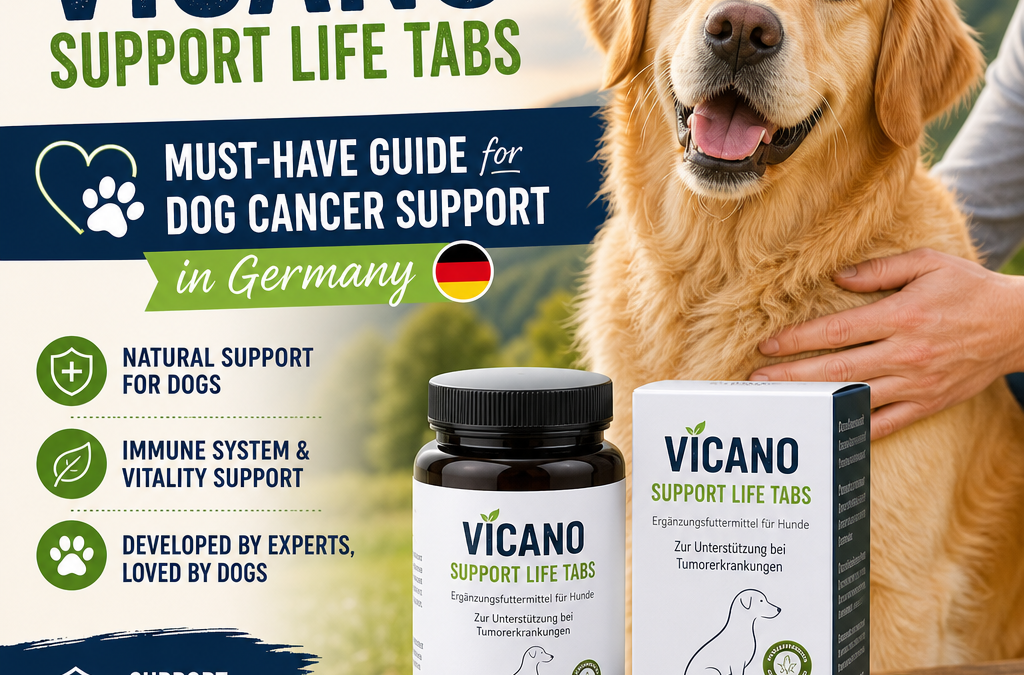
Vicano Support Life Tabs: 5 Smart, Helpful and Cautious Choices for Dog Cancer Support in Germany

Vicano Support Life Tabs: 5 Smart, Helpful and Cautious Choices for Dog Cancer Support in Germany

Vicano Support Life Tabs are increasingly discussed by dog owners in Germany looking for additional nutritional support during a cancer diagnosis. A diagnosis can be emotionally overwhelming, and many families want to understand every responsible option available alongside veterinary care. This guide explains what these tablets are generally intended for, how to assess product information, and the important safety considerations owners should keep in mind.

What are Vicano Support Life Tabs?
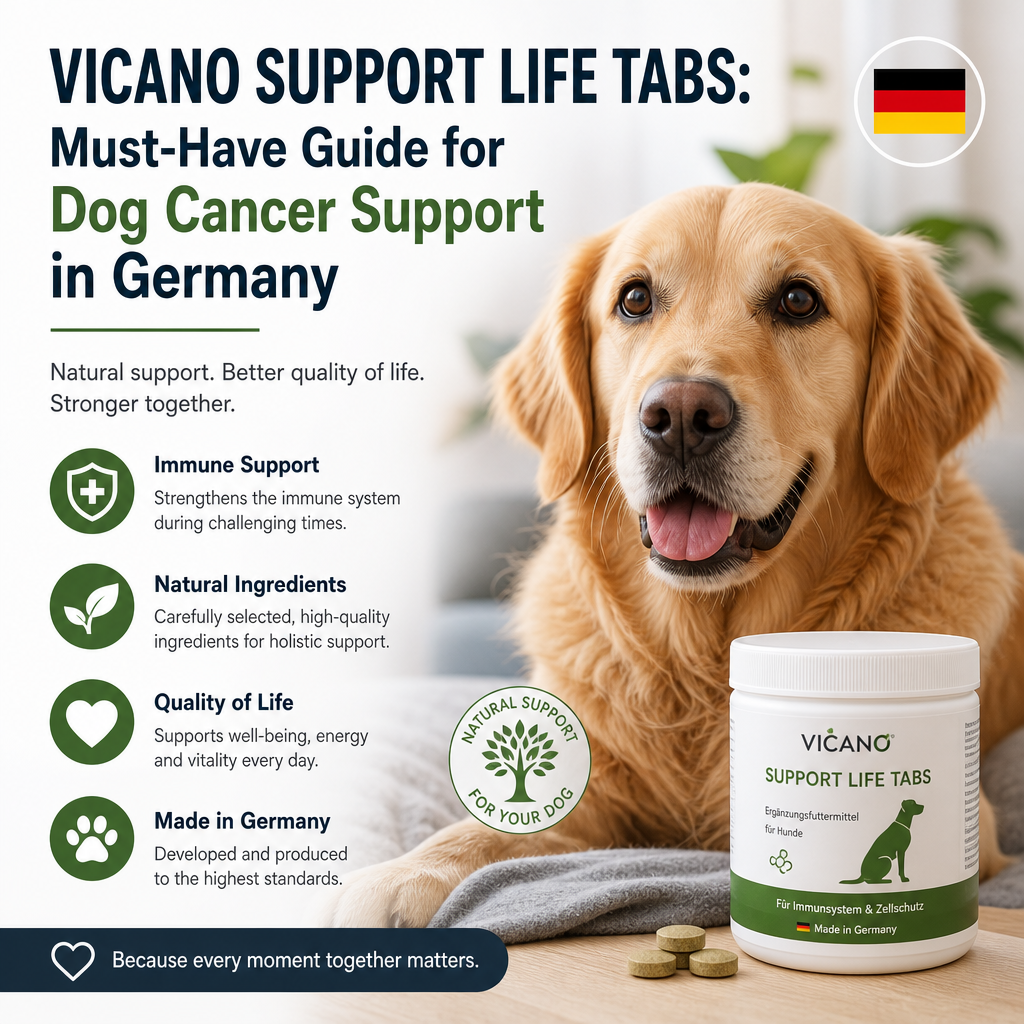
Vicano Support Life Tabs illustration

Vicano Support Life Tabs are marketed as a nutritional supplement for dogs, including dogs facing serious health challenges such as cancer. Depending on the product formulation and manufacturer’s information, such supplements may contain vitamins, minerals, plant extracts, antioxidants, or other nutritional ingredients intended to support general wellbeing.

It is important to distinguish a supplement from a veterinary medicine. A supplement cannot replace diagnostic testing, surgery, chemotherapy, radiation therapy, prescription medication, or other treatments recommended by a veterinarian. Instead, it may be considered as part of a broader supportive-care plan, provided that its ingredients are appropriate for the individual dog.

Because formulations, serving recommendations, and distribution channels can change, owners should check the current packaging and official product information rather than relying only on online descriptions. When in doubt, ask the veterinarian for help interpreting the label.

Vicano Support Life Tabs dog cancer support: What can owners realistically expect?

The phrase “Vicano Support Life Tabs dog cancer support” reflects the hope that a nutritional product can help a dog remain stronger during illness. Supportive nutrition may contribute to maintaining appetite, body condition, energy, and normal bodily functions. However, expectations should remain realistic.

No supplement has been established as a universal cure for canine cancer. Cancer includes many different diseases, and each type can behave differently. A product that is suitable for one dog may be unsuitable for another, particularly when dogs have different tumor types, ages, medication schedules, allergies, or organ conditions.

Potential supportive goals may include:

  • Helping provide selected nutrients during periods of reduced appetite
  • Supporting normal nutritional intake
  • Complementing a balanced diet
  • Helping owners maintain a structured care routine
  • Supporting overall quality of life when used under professional guidance

These goals are different from destroying tumors or replacing anticancer therapy. A responsible approach focuses on comfort, nutrition, veterinary monitoring, and the dog’s individual response.

For owners trying to compare options, it can also help to look at a broader discussion of supplement alternatives. One useful starting point is this internal resource on Vicano Support Life Tabs alternative options for dogs in Germany.

Reviewing the evidence and product claims

Anyone reading a Vicano Support Life Tabs review should examine the information critically. Customer testimonials can describe personal experiences, but they do not prove that a product treats cancer. Improvement may result from veterinary treatment, changes in diet, improved pain control, natural fluctuations in symptoms, or several factors working together.

When evaluating claims, look for:

  1. A complete ingredient list: Every active and inactive ingredient should be clearly identified.
  2. Serving guidance: Instructions should specify the recommended amount according to the dog’s weight or condition.
  3. Manufacturer transparency: Reliable companies provide contact details, batch information, and clear usage instructions.
  4. Independent evidence: Research on individual ingredients is not the same as clinical proof for the finished product.
  5. Quality and storage information: Supplements should be properly packaged and stored according to the label.
  6. Appropriate legal wording: Product claims should not promise guaranteed cancer cures or make unsupported medical claims.

A careful review should also consider whether the product has been evaluated for veterinary use, whether quality controls are explained, and whether the seller is authorized to distribute it. For readers who want to check basic pet health guidance from a reputable source, the American Veterinary Medical Association’s cancer in pets overview offers a helpful starting point.

Safety considerations for dogs with cancer

Dogs with cancer can be medically fragile. Their immune systems, digestive systems, liver, or kidneys may be affected by the disease or by treatment. Some supplements can also influence blood clotting, blood pressure, sedation, blood sugar, or the way medicines are metabolized.

Before giving Vicano Support Life Tabs, discuss the product with the treating veterinarian. This is especially important if the dog is receiving chemotherapy, corticosteroids, pain medication, anticoagulants, antibiotics, or seizure medication. It is also essential for dogs with kidney disease, liver disease, diabetes, pancreatitis, food allergies, or a history of digestive sensitivity.

Do not assume that “natural” means harmless. Certain herbs and concentrated nutrients can cause side effects or interact with medication. Stop using a supplement and contact a veterinarian if the dog develops vomiting, diarrhea, severe lethargy, itching, swelling, breathing difficulty, loss of appetite, unusual bleeding, or any sudden change in behavior.

Vicano Support Life Tabs Germany: Buying responsibly

For owners searching for Vicano Support Life Tabs Germany, purchasing from a dependable source is a major part of product safety. Avoid websites that provide no manufacturer details, use exaggerated promises, or sell products without clear labeling. Check whether the seller ships legally to Germany and whether the packaging includes understandable instructions, ingredient information, lot identification, and expiry details.

German dog owners should also be aware that products sold online may come from different regulatory categories. A supplement may be treated as a feed product rather than a veterinary medicinal product, and the rules governing claims and oversight can differ. The product’s classification does not automatically establish that it is effective against cancer.

Keep the original packaging and record the date the product was opened. Store tablets safely away from children and pets, and never give a dog a human supplement unless a veterinarian specifically confirms that it is suitable.

Supporting a dog beyond supplements

A complete cancer-support plan involves much more than tablets. Regular veterinary appointments help monitor the tumor, treatment response, weight, hydration, blood values, and pain level. At home, owners can support their dog by providing a quiet resting area, easy access to water, appropriately portioned food, gentle activity when tolerated, and consistent medication administration.

Quality of life is often assessed through appetite, mobility, comfort, sleep, interest in family members, and the balance between good and difficult days. Keeping a simple daily record can help identify trends and give the veterinarian useful information.

Vicano Support Life Tabs may be considered as one part of supportive care, but informed decisions depend on transparent product information and professional guidance. The safest path is to treat supplements as complementary tools, not substitutes for veterinary diagnosis and evidence-based cancer care.


Supporting Your Dog Through Cancer: Essential Tips and Care Strategies

Supporting Your Dog Through Cancer: Essential Tips and Care Strategies

A cancer diagnosis in your beloved dog can be a heart-wrenching experience. While the road ahead may be challenging, there are numerous ways to support your furry friend and ensure they receive the best care possible. In this article, we will explore essential tips and care strategies to help you navigate this difficult journey and provide your dog with the love and attention they need.

Understanding Your Dog’s Diagnosis

The first step in supporting your dog through cancer is understanding their diagnosis. This involves:

  1. Consulting with Your Veterinarian: Have a detailed discussion with your vet about the type of cancer, its stage, and the available treatment options. Understanding the prognosis and potential outcomes is crucial for making informed decisions.
  2. Seeking a Second Opinion: Consider consulting a veterinary oncologist for a second opinion. They can offer specialized insights and additional treatment options that may not be available through your regular vet.

Developing a Treatment Plan

Once you understand your dog’s diagnosis, developing a comprehensive treatment plan is essential. This plan should include:

  1. Treatment Options: Discuss all possible treatments, including surgery, chemotherapy, radiation, and alternative therapies. Each option has its benefits and potential side effects.
  2. Palliative Care: If curative treatment is not an option, focus on palliative care to manage symptoms and maintain your dog’s quality of life. This may include pain management, nutritional support, and physical therapy.
  3. Regular Monitoring: Schedule regular check-ups to monitor your dog’s progress and adjust the treatment plan as needed.

Nutritional Support

Proper nutrition plays a vital role in supporting your dog through cancer treatment. Consider the following:

  1. Balanced Diet: Provide a balanced diet that meets your dog’s nutritional needs. Consult with your vet to determine the best diet for your dog’s specific condition.
  2. Supplements: Certain supplements, such as omega-3 fatty acids, antioxidants, and probiotics, can support your dog’s immune system and overall health. Always consult your vet before adding supplements to your dog’s diet.
  3. Hydration: Ensure your dog stays well-hydrated. Dehydration can exacerbate symptoms and impact your dog’s overall well-being.

Emotional Support and Comfort

Emotional support is just as important as physical care. Here are ways to provide comfort to your dog:

  1. Create a Comfortable Environment: Make sure your dog has a quiet, comfortable space to rest. Provide soft bedding, easy access to water, and a calm atmosphere.
  2. Spend Quality Time: Spend as much time as possible with your dog, offering gentle petting, comforting words, and reassurance. Your presence can provide immense comfort and reduce anxiety.
  3. Manage Stress: Minimize stressors in your dog’s environment. Avoid loud noises, maintain a consistent routine, and offer plenty of love and attention.

Pain Management

Effective pain management is crucial for maintaining your dog’s quality of life. Consider the following strategies:

  1. Medications: Work with your vet to develop a pain management plan that may include medications such as NSAIDs, opioids, or other pain relievers.
  2. Alternative Therapies: Explore alternative therapies like acupuncture, massage, and physical therapy to help manage pain and improve your dog’s comfort.
  3. Monitor for Pain: Regularly monitor your dog for signs of pain, such as changes in behavior, decreased appetite, or difficulty moving. Adjust the pain management plan as needed.

Alternative Therapies

In addition to traditional treatments, alternative therapies can provide additional support for your dog:

  1. Acupuncture: Acupuncture can help manage pain, reduce inflammation, and improve overall well-being.
  2. Herbal Remedies: Certain herbal remedies, such as turmeric and milk thistle, may offer supportive benefits. Always consult with your vet before using any herbal treatments.
  3. Physical Therapy: Physical therapy can help maintain mobility, reduce pain, and improve your dog’s quality of life.

Supporting your dog through cancer requires a multi-faceted approach that includes understanding their diagnosis, developing a comprehensive treatment plan, providing nutritional and emotional support, and managing pain effectively. By staying informed and working closely with your veterinarian, you can ensure that your dog receives the best care possible during this challenging time. Remember, your love and dedication are the most important factors in helping your dog navigate their cancer journey with dignity and comfort.

Addressing Appetite Loss in Dogs with Cancer: Is Force-Feeding the Right Approach?

Addressing Appetite Loss in Dogs with Cancer: Is Force-Feeding the Right Approach?

When a beloved dog is diagnosed with cancer, one of the most distressing symptoms for pet owners to manage is appetite loss. Ensuring your pet maintains proper nutrition is crucial for their strength and overall well-being. This article explores whether force-feeding is a viable solution and offers alternative strategies to encourage eating in dogs with cancer.

Understanding Appetite Loss in Dogs with Cancer

Cancer and its treatments, such as chemotherapy and radiation, often lead to a decrease in appetite. This can be due to nausea, pain, changes in taste, or general fatigue. Maintaining adequate nutrition is essential, as it helps support the immune system, maintain body weight, and improve the quality of life.

The Pros and Cons of Force-Feeding

Force-feeding involves manually feeding a dog when they refuse to eat on their own. While it can ensure they receive necessary nutrients, it also comes with potential risks and drawbacks:

Pros:

  • Immediate Nutrient Intake: Ensures the dog gets essential nutrients and calories.
  • Prevents Weight Loss: Helps in maintaining body weight and muscle mass.
  • Supports Recovery: Provides energy needed for healing and fighting cancer.

Cons:

  • Stress and Anxiety: Can cause significant stress and anxiety for the dog, potentially worsening their condition.
  • Aspiration Risk: There is a risk of food entering the lungs, leading to aspiration pneumonia.
  • Negative Associations: May create negative associations with feeding, making future meals more challenging.

Alternative Strategies to Encourage Eating

Before considering force-feeding, try these strategies to stimulate your dog’s appetite:

  1. Small, Frequent Meals: Offer smaller portions more frequently throughout the day to make eating less overwhelming.
  2. Warm Up Food: Warming the food can enhance its aroma, making it more appealing.
  3. High-Quality, Palatable Food: Opt for high-quality, tasty food specifically designed for dogs with low appetite.
  4. Hand-Feeding: Hand-feeding can provide comfort and encourage your dog to eat.
  5. Appetite Stimulants: Consult your veterinarian about medications that can help stimulate appetite.
  6. Nutritional Supplements: Liquid or paste supplements can provide essential nutrients in a more palatable form.

Consult Your Veterinarian

Always consult with your veterinarian before deciding on the best approach for managing your dog’s appetite loss. They can provide personalized advice and may recommend specific dietary changes or medications to support your dog’s nutritional needs.

Managing appetite loss in dogs with cancer is challenging, but force-feeding is not always the best solution. By exploring alternative strategies and working closely with your veterinarian, you can find the most compassionate and effective way to ensure your dog receives the nutrition they need. Providing a stress-free, supportive feeding environment can significantly improve your dog’s quality of life during their cancer journey.

Green yin-yang logo with TCMVET
Privacy Overview

This website uses cookies so that we can provide you with the best user experience possible. Cookie information is stored in your browser and performs functions such as recognising you when you return to our website and helping our team to understand which sections of the website you find most interesting and useful.