
by TCMVET | Oct 13, 2023 | Research and News
Canine tracheal collapse is a concerning condition, especially for loving dog parents who hate to see their furry friends in distress. While traditional veterinary medicine offers numerous solutions, many are turning towards holistic treatments to complement or enhance these methods. Let’s explore the natural approaches to understanding and managing tracheal collapse in dogs, optimized for SEO and overall canine well-being.
1. Understanding Tracheal Collapse:
The trachea, or windpipe, is a tube that transports air to and from the lungs. In some dogs, this tube can weaken and collapse, causing coughing, difficulty breathing, and other distressing symptoms.
2. The Holistic Perspective:
Holistic medicine aims to treat the whole dog – body, mind, and spirit. For tracheal collapse, this means addressing not just the physical symptoms, but also the potential environmental and emotional triggers.
3. Weight Management:
- Dietary Focus: Ensuring your dog maintains a healthy weight is crucial. Excess weight can exacerbate symptoms. A balanced, natural diet can aid in weight loss and overall health.
- Regular, Gentle Exercise: Low-impact exercises, like walking or swimming, can help keep weight in check without putting undue stress on the trachea.
4. Herbal Remedies:
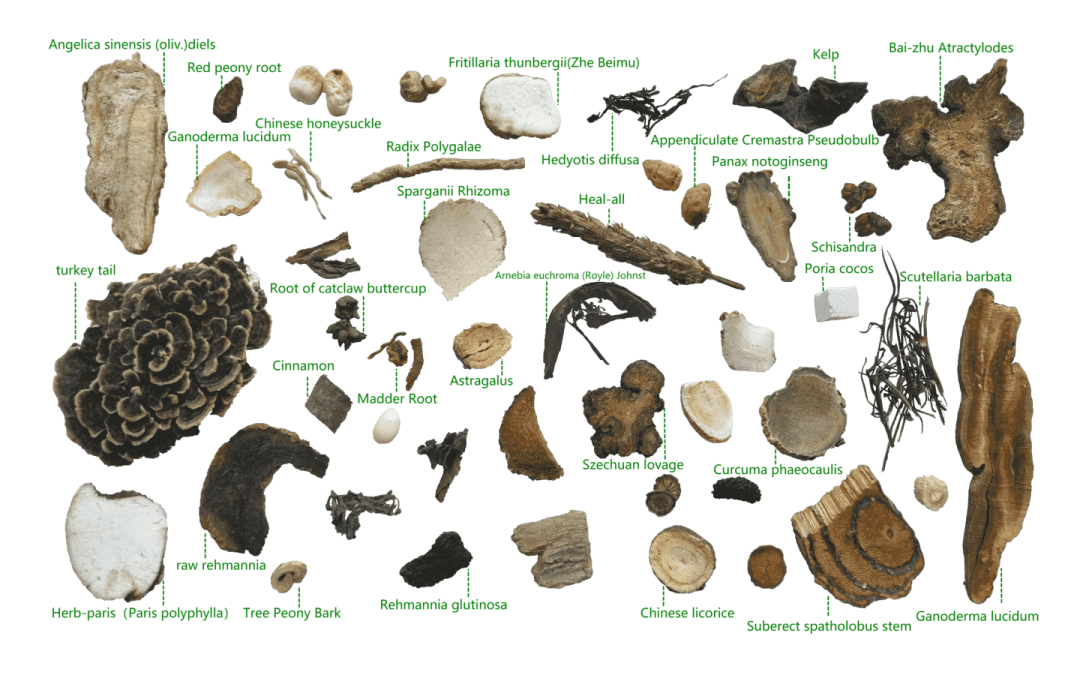
- Licorice Root: Known to have anti-inflammatory properties, it can help soothe and reduce inflammation in the trachea.
- Marshmallow Root: This herb can soothe mucous membranes, potentially benefiting dogs with tracheal collapse.
5. Supplements:
- Omega-3 Fatty Acids: Known for their anti-inflammatory effects, they might help reduce inflammation in the tracheal area.
- Antioxidants: Vitamins like C and E can support overall respiratory health.
6. Environmental Adjustments:
- Humidifiers: Moist air can help soothe the trachea and ease breathing in some dogs.
- Smoke-Free Zone: Ensure your dog’s environment is free from smoke or strong fumes, which can irritate the respiratory system.
7. Acupuncture and Chiropractic Care:
While more research is needed, some believe that these modalities can help by reducing inflammation and enhancing overall well-being.
8. Stress Reduction:
Anxiety can exacerbate symptoms. Techniques like gentle massage, calming music, or even aromatherapy (using dog-safe essential oils) can help keep your pet relaxed.
In Conclusion:
Holistic treatments for tracheal collapse in dogs offer a comprehensive approach, focusing on the entire well-being of the pet. While they should ideally be used in conjunction with traditional veterinary care, they offer additional avenues for relief and recovery. Always work closely with professionals, whether traditional veterinarians or holistic practitioners, to ensure the best outcome for your furry friend.
by TCMVET | Oct 13, 2023 | Research and News
With the rising trend in holistic health and well-being, pet parents worldwide are seeking natural ways to enhance their dog’s health and longevity. Canine lymphoma, a common malignancy, is no exception. While traditional treatments like chemotherapy play a pivotal role in managing this disease, holistic alternatives offer complementary support. Dive into the world of holistic treatments for canine lymphoma, optimized for SEO and your pet’s well-being.
1. Understanding Canine Lymphoma:
Lymphoma is a cancer of the lymphatic system. Though aggressive, with timely diagnosis and treatment, many dogs can live comfortably for extended periods.
2. Why Consider Holistic Treatment?:
Holistic treatments focus on the whole dog – mind, body, and spirit. The idea is not just to treat the disease but to improve overall quality of life.
3. Dietary Adjustments:
- Anti-inflammatory Diet: Foods like blueberries, turmeric, and fish oils, rich in omega-3 fatty acids, have anti-inflammatory properties which can support overall health.
- High Protein, Low Carb: Some believe a diet low in carbohydrates can be beneficial for cancer patients as cancer cells predominantly use glucose for energy.
4. Herbal Supplements:
- Astragalus: Boosts the immune system and can potentially slow tumor growth.
- Milk Thistle: Supports liver function, especially if your dog is undergoing chemotherapy.
- Echinacea: Enhances immune system function but should be used under veterinary supervision.
5. Acupuncture:
This ancient Chinese practice can alleviate some symptoms associated with lymphoma and side effects of chemotherapy, like nausea and fatigue.
6. CBD and Hemp Oils:
While research is in its infancy, some dog owners report that these oils help with pain management and appetite stimulation. Always choose a high-quality source and consult your vet.
7. Essential Oils:
Lavender and chamomile can be calming for pets undergoing treatment. However, ensure any oil used is pet-safe and properly diluted.
8. Massage and Physical Therapy:
This can help with circulation, muscle tone, and overall well-being. Plus, it’s a great bonding activity!
9. Consultation is Key:
Remember, while holistic treatments can offer support, they should not replace traditional treatments without veterinary consultation. Discuss all therapies, supplements, and diet changes with a holistic or integrative veterinarian to ensure they’re safe and effective.
In Conclusion:
A holistic approach to canine lymphoma aims to enhance quality of life, manage symptoms, and complement traditional treatments. In a digital age where pet parents are proactively seeking health information, blending both science and nature offers a harmonious solution for our beloved four-legged companions. Always prioritize professional advice and trust reputable sources when charting the best path forward for your furry friend.
