
Lymphoma Supplements for Dogs: 5 Helpful Supportive Options Owners Commonly Consider

Lymphoma Supplements for Dogs: 5 Helpful Supportive Options Owners Commonly Consider

Lymphoma Supplements for Dogs are often considered by owners who want to support their pet’s comfort, nutrition, and overall resilience during cancer treatment. However, supplements should never replace veterinary care or prescribed chemotherapy, radiation, surgery, or medications. The safest approach is to view them as possible additions to a comprehensive treatment plan, selected with guidance from a veterinarian who understands the dog’s diagnosis, current drugs, laboratory results, and nutritional needs.

Understanding dog lymphoma and supportive care
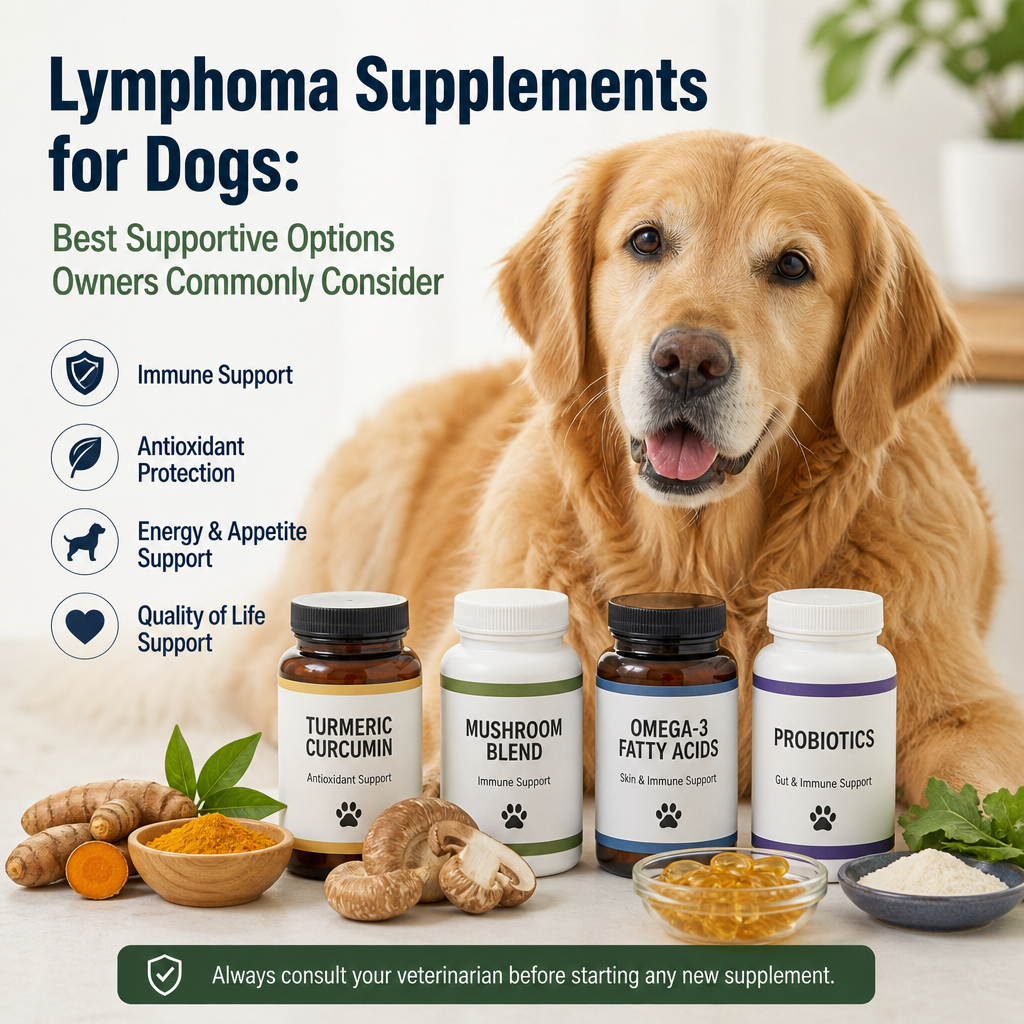
lymphoma supplements for dogs illustration

Lymphoma is a cancer of the lymphatic system that may affect the lymph nodes, gastrointestinal tract, skin, spleen, liver, or other organs. Because the disease can behave differently from one dog to another, treatment and supportive care must be individualized. Some dogs remain active and eat normally, while others experience reduced appetite, digestive upset, weight loss, fatigue, or medication-related side effects.

Dog lymphoma support generally focuses on maintaining quality of life. This may include providing a balanced diet, managing nausea or diarrhea, encouraging appropriate activity, reducing stress, monitoring weight, and following the veterinary treatment schedule. Supplements can sometimes contribute to these goals, but “natural” does not automatically mean safe. Certain products may interfere with chemotherapy, affect blood clotting, burden the liver, or alter how prescription medicines work.

In many cases, owners start researching lymphoma supplements for dogs soon after diagnosis because they want to do everything possible to help. That instinct is understandable, but the best results usually come from pairing good nutrition, symptom management, and veterinary monitoring with carefully chosen supportive products. The goal is not to overwhelm the body with more pills or powders; it is to add only what truly helps.

It is also important to remember that lymphoma can change quickly. A dog that is stable today may need a different supportive approach next week if appetite drops, blood values shift, or treatment side effects appear. That is why lymphoma supplements for dogs should be revisited regularly instead of being treated as a one-time decision.

Owners may feel pressure to act immediately after a diagnosis, but a brief pause to review the whole picture often leads to better decisions. Age, body condition, appetite, current prescriptions, and whether the dog is receiving active oncology care all influence which supportive products may be reasonable. In other words, the “best” supplement depends on the individual patient, not just the disease label.

Lymphoma Supplements for Dogs commonly discussed with veterinarians

When people ask about lymphoma supplements for dogs, veterinarians often review the dog’s current medications, appetite, liver and kidney values, and treatment goals before recommending anything. The products below are among the most commonly discussed supportive options, but each one should be considered on a case-by-case basis.

Before choosing a product, it helps to think in terms of support rather than cure. The aim is to improve comfort, preserve lean body mass, support normal digestion, and reduce avoidable stress on the body. That mindset makes it easier to evaluate claims on labels and avoid products that promise far more than they can deliver.

Omega-3 fatty acids

Fish oil containing EPA and DHA is one of the most commonly discussed supplements for dogs with lymphoma and other cancers. These fatty acids may help support normal inflammatory processes, skin health, cardiovascular function, and cognitive health. They may also be useful for dogs whose diets do not provide adequate omega-3s.

Quality and dosage matter. Products should be made specifically for pets or come from a reputable source with clear amounts of EPA and DHA. Fish oil can cause gastrointestinal upset or contribute to bleeding risk at excessive doses, particularly when combined with anticoagulant drugs or before surgery. A veterinarian should determine whether it is appropriate and how much to give.

For many dogs, omega-3s are attractive because they are familiar and widely available. Still, even common supplements can cause problems if the dose is too high or if the product contains unnecessary additives. When lymphoma supplements for dogs are discussed in the clinic, fish oil is often one of the first products reviewed because it is useful for some patients but not universally appropriate.

Probiotics

Some dogs undergoing cancer treatment develop changes in appetite, stool consistency, or digestive comfort. Veterinary probiotics may help support a healthy intestinal environment, although results vary and they are not a treatment for lymphoma itself. A product should contain clearly identified strains and be stored according to the manufacturer’s instructions.

Probiotics may not be suitable for every dog, especially those who are severely immunocompromised or critically ill. Veterinary guidance is particularly important in these cases. Owners should also avoid assuming that human probiotic products are automatically appropriate for dogs, since formulations and additional ingredients can differ.

Digestive upset is one of the most common reasons owners explore lymphoma supplements for dogs, and probiotics are often part of that conversation. If the pet has diarrhea, bloating, or nausea, the veterinary team may first focus on medications, meal timing, and hydration before deciding whether a probiotic is worth trying.

Antioxidant nutrients

Antioxidants such as vitamins C and E, selenium, and other compounds are often included in cancer-support formulas. They help protect cells from oxidative stress under normal circumstances, but their role during cancer treatment is complex. Some chemotherapy and radiation protocols rely partly on oxidative damage to cancer cells. High-dose antioxidant supplementation could theoretically affect treatment activity, although the impact depends on the specific nutrient, dose, cancer, and therapy.

For this reason, antioxidant products should be reviewed by the veterinary oncologist before use. A complete, balanced diet may already provide sufficient amounts, and adding multiple products can unintentionally create excessive intake.

This is one reason why lymphoma supplements for dogs should not be selected based on marketing alone. A formula that sounds impressive may still be unnecessary or inappropriate if it duplicates nutrients already present in the diet or conflicts with the oncology plan. The safest approach is to ask whether the dog truly needs the ingredient and, if so, how much is appropriate.

Medicinal mushrooms

Mushroom-derived ingredients, including compounds from turkey tail and other medicinal mushrooms, are sometimes used as supplements for dogs with lymphoma. These products may influence immune activity, but research in veterinary cancer care is still developing. Product quality can vary substantially, and extracts may differ in strength and purity.

Potential concerns include gastrointestinal effects, allergic reactions, liver issues, and interactions with immune-modulating or cancer medications. Mushroom supplements should be considered only after a veterinarian reviews the dog’s complete treatment plan.

Because these products are often promoted with broad wellness claims, owners may assume they are automatically safe. That is not always the case. When lymphoma supplements for dogs include mushroom-based formulas, the exact species, extract type, and dose matter just as much as the brand name.

Milk thistle and liver-support formulas

Milk thistle is frequently included in products marketed for liver support. It may be considered when a dog has abnormal liver values or is taking medications metabolized by the liver. Nevertheless, it is not appropriate for every patient, and evidence for its use in canine cancer care is limited.

Many “liver support” formulas contain several herbs rather than one standardized ingredient. This makes it harder to predict benefits, interactions, or side effects. Veterinary monitoring of liver enzymes and other blood values remains more important than relying on a supplement.

For owners comparing lymphoma supplements for dogs, it helps to separate products that may support general health from those marketed with broad cancer claims. A supplement can be useful without being curative, and a realistic plan is usually safer than a long list of unproven products.

Milk thistle is often mentioned because it is familiar and widely available, but familiarity should not be mistaken for proof of benefit. Dogs receiving cancer therapy may have changing liver values, and the right choice depends on the complete picture, not on a generic label suggestion.

What owners should ask before choosing supplements

Before adding supplements for dogs with lymphoma, owners should provide the veterinarian with the exact product name, ingredient list, serving size, and manufacturer information. The care team may recommend stopping a supplement before chemotherapy, surgery, or certain diagnostic procedures. They may also advise against products that affect immune activity, blood clotting, blood pressure, or liver metabolism.

  • Is this product appropriate for my dog’s treatment plan?
  • Could it interact with chemotherapy or other medications?
  • Does it have third-party quality testing or clear ingredient labeling?
  • What dose is safe for my dog’s size and condition?
  • Should it be stopped before procedures, bloodwork, or treatment sessions?

A few minutes of review can prevent a lot of trouble later. This is especially important with lymphoma supplements for dogs because treatment protocols can change over time, and what was safe at diagnosis may no longer be ideal after bloodwork or a medication adjustment.

Owners should also ask whether the supplement addresses a real need. If a dog is eating well, maintaining weight, and tolerating treatment, the priority may simply be to continue a balanced diet and monitor closely. In contrast, a dog with nausea or poor appetite might benefit more from symptom control than from another supplement.

It is helpful to bring a full list of everything the dog receives, including treats, vitamins, herbal blends, and over-the-counter products. Many owners forget that a chew, powder, or “functional” snack can contain the same active ingredients as a capsule. That detail matters when evaluating lymphoma supplements for dogs and checking for accidental duplication.

When a veterinary oncologist is involved, asking about timing can be just as important as asking about ingredients. Some products may be acceptable only if given at a different time from chemotherapy or other medications. The goal is to reduce uncertainty and keep the treatment schedule as clean and predictable as possible.

Safety comes first

Avoid combining multiple cancer-support products without professional oversight. Overlapping ingredients can lead to excessive doses, especially with vitamins, minerals, fish oil, or herbal extracts. Products intended for humans may contain xylitol, concentrated herbs, or other ingredients that are unsafe for dogs.

Monitoring is equally important. Contact the veterinary team if the dog develops vomiting, persistent diarrhea, worsening lethargy, unusual bruising, poor appetite, yellowing of the gums or eyes, changes in thirst or urination, or any sudden decline. These signs may reflect disease progression, treatment side effects, or a reaction to a supplement.

It is also wise to keep a simple log. Write down the supplement name, date started, dose, and any changes in appetite, stool, energy, or comfort. That record can help the veterinary team decide whether the product is helping or whether it should be stopped. When lymphoma supplements for dogs are tracked carefully, it becomes much easier to separate helpful support from guesswork.

For readers who want to learn more about cancer-related warning signs and monitoring in dogs, this article on Canine Lymphoma Essential Helpful Immune Cancer Guide offers additional background on the condition itself.

When in doubt, the safest rule is simple: if a supplement changes blood clotting, immune response, liver metabolism, or stomach tolerance, ask first. That approach protects the dog and helps the oncology team keep treatment on track.

Owners should also be cautious with online testimonials that describe dramatic results. A product that seemed helpful for one dog may not be appropriate for another dog with a different cancer stage, different medications, or a different appetite level. With lymphoma supplements for dogs, individualized advice is more trustworthy than one-size-fits-all recommendations.

Quality control matters too. Reputable manufacturers are more likely to provide clear labeling, batch testing, and consistent dosing. If a product does not identify its active ingredients clearly, or if the label is vague about concentration, it is safer to choose a better-documented option. Veterinary teams often prefer products that can be verified rather than those that rely on vague “blend” language.

Nutrition and daily care matter more than a supplement

A highly specialized supplement cannot compensate for inadequate calories, dehydration, uncontrolled pain, or untreated nausea. Dogs with lymphoma generally benefit from a complete and balanced diet that they tolerate well. Depending on the patient, a veterinarian may recommend adjusting meal size, feeding frequency, texture, or calorie density.

Owners can also support comfort by keeping a consistent routine, providing a quiet resting area, tracking appetite and weight, and recording symptoms. Gentle activity may help preserve mobility and mood when the dog feels well, while rest is appropriate during periods of fatigue. Regular examinations and blood testing help the veterinary team adjust treatment safely.

If your dog is struggling with appetite or digestive changes, it can be helpful to think about lymphoma supplements for dogs as only one small part of a broader care plan. Food consistency, hydration, and symptom control often matter more than any single ingredient.

Practical daily care can make a meaningful difference. Fresh water should always be available, food should be easy to access, and stressful changes at home should be minimized when possible. Some dogs do better with smaller, more frequent meals, while others prefer a quieter feeding routine with fewer distractions. These small adjustments can be more valuable than adding another product to the cabinet.

Owners often want a clear “best” supplement, but that answer rarely exists. The right supportive choice depends on the dog’s symptoms and the reason the supplement is being considered. For example, omega-3s may be more relevant for one dog, while digestive support may be the priority for another. That is why lymphoma supplements for dogs should be chosen for a specific need rather than as a general collection of cancer products.

It can also help to set realistic expectations. A supportive supplement may improve stool quality, appetite, or tolerance of treatment, but it is unlikely to change the cancer by itself. Understanding that distinction reduces disappointment and helps owners focus on what truly benefits their dog day to day.

Ultimately, lymphoma supplements for dogs should be selected as part of an individualized care plan rather than as a standalone solution. Thoughtful use of appropriate products may support nutrition or comfort for some patients, but the strongest foundation remains evidence-based cancer treatment, careful monitoring, and close communication with the veterinary team.

For broader guidance on routine wellness information and veterinary education, the American Veterinary Medical Association pet care resources provide a helpful, reputable reference for owners.

With a careful plan, lymphoma supplements for dogs may play a supportive role without adding unnecessary risk. The best choices are the ones that fit the dog’s diagnosis, treatment stage, and overall health status.

In the end, the most helpful plan is usually the simplest one that still meets the dog’s needs. That may mean one carefully selected supplement, or it may mean none at all if the current diet and treatment plan are already working well. The right decision is the one that supports the dog safely, consistently, and with veterinary oversight.


Building Strength Naturally: Choosing the Right Muscle Builder Supplement for Your Dog

Building Strength Naturally: Choosing the Right Muscle Builder Supplement for Your Dog

For pet owners looking to help their dogs develop lean muscle, enhance strength, or recover from an injury, the idea of muscle-building supplements might seem intriguing. While not a standard for every dog, these supplements can benefit certain breeds, high-energy dogs, working dogs, and even those in recovery. Here, we’ll explore the benefits of muscle-building supplements for dogs, key ingredients to look for, and tips for choosing safe and effective products.

1. Why Muscle Matters for Dogs

A healthy muscular system is vital for every dog, not just the active or athletic ones. Muscles help support joints, improve endurance, and maintain overall mobility. For dogs involved in agility, hunting, or other high-intensity activities, strong muscles can help prevent injuries and improve performance. Additionally, older dogs, those recovering from surgery, and dogs with certain conditions like arthritis can benefit from muscle support to maintain strength and reduce discomfort.

2. Who Should Consider Muscle Builder Supplements?

Muscle-building supplements aren’t necessary for all dogs, but they can be beneficial for:

  • Active Breeds: Breeds like Border Collies, German Shepherds, and Labradors that are naturally high-energy and thrive with a structured exercise routine.
  • Working Dogs: Police, military, and service dogs often require enhanced physical capabilities.
  • Senior Dogs: Aging dogs can lose muscle mass over time. Supplements can help maintain muscle tone, which supports joint health.
  • Dogs in Recovery: Dogs recovering from surgery or injury may need additional support to rebuild strength and mobility.

3. Key Ingredients to Look For

Not all muscle-building supplements are created equal, so understanding ingredient benefits can help in selecting a quality product. Here are the top ingredients that can support muscle health:

  • Amino Acids: Building blocks of protein, amino acids like L-carnitine and L-glutamine aid in muscle development and recovery. These are crucial for dogs building or maintaining lean muscle.
  • Creatine: Although commonly associated with human bodybuilding, creatine is a natural compound that can help dogs improve muscle performance. It’s especially beneficial for short bursts of energy, such as sprinting or agility training.
  • Omega-3 Fatty Acids: These healthy fats are known to reduce inflammation, which can help with recovery after exercise. Omega-3s can also support joint health, making them a good addition to a muscle-focused supplement.
  • Protein Sources: High-quality protein sources like chicken, fish, or beef provide essential nutrients for muscle growth and repair. Some muscle-building supplements incorporate dehydrated protein powder.
  • Joint Support Compounds: Ingredients like glucosamine and chondroitin aren’t directly for muscle building, but they support joint health, which is vital for active dogs who want to build and sustain muscle.

4. Choosing the Right Muscle Builder Supplement

When selecting a supplement, consider these tips to ensure you’re providing the safest and most effective product for your dog:

  • Choose Dog-Specific Products: Some human muscle-building supplements can be harmful to dogs. Look for products specifically formulated for canine physiology.
  • Check for High-Quality Ingredients: The fewer fillers, artificial flavors, or preservatives, the better. A good supplement should be rich in whole ingredients.
  • Talk to Your Vet: Before starting any supplement, consult your vet, especially if your dog has any pre-existing health conditions.
  • Start Slowly: Gradually introduce any new supplement to observe how your dog responds, and avoid giving more than the recommended dose.

5. Supplementation vs. Natural Diet

While supplements can provide a convenient way to boost your dog’s muscle health, a balanced diet is foundational. High-protein diets, including lean meats, eggs, and some fish, can naturally support muscle health. Supplements are most effective when combined with good nutrition and a proper exercise routine.

6. Building Muscle Through Exercise and Training

Supplements alone can’t build muscle; a well-structured exercise routine is essential. Focus on activities that engage the entire body, such as:

  • Weighted Walks or Hiking: Attaching a light backpack can provide gentle resistance for healthy dogs.
  • Agility Training: Encourages flexibility and builds strength while keeping your dog mentally stimulated.
  • Swimming: A low-impact exercise, swimming is excellent for muscle growth and joint health.

Conclusion: Building a Stronger, Healthier Dog

Muscle-building supplements can be a valuable addition for dogs needing a strength boost, but they work best when paired with balanced nutrition and exercise. By carefully choosing high-quality supplements and keeping your vet informed, you can support your dog’s muscle health, ensuring they stay active, strong, and ready for life’s adventures.

Long-Term Care and Prognosis of Fibrosarcoma in Dogs and Cats

Long-Term Care and Prognosis of Fibrosarcoma in Dogs and Cats

Fibrosarcoma is a type of cancer that affects the fibrous connective tissue in pets, particularly in dogs and cats. Although fibrosarcomas are aggressive and invasive, early diagnosis and a well-planned treatment strategy can significantly improve your pet’s outlook. Alongside conventional treatments like surgery, radiation, and chemotherapy, adopting a holistic approach can greatly support your pet’s overall health and quality of life. This article explores the prognosis and long-term care options for pets diagnosed with fibrosarcoma, focusing on natural care and lifestyle changes.

Understanding Fibrosarcoma in Pets

Fibrosarcomas are malignant tumors that can occur in various parts of the body, such as the skin, mouth, and internal organs. These tumors tend to grow quickly and invade surrounding tissues, making complete removal through surgery difficult. However, despite their aggressive nature, fibrosarcomas rarely metastasize (spread to other organs), which can give hope for a positive outcome with proper management.

Prognosis of Fibrosarcoma

The prognosis for pets diagnosed with fibrosarcoma depends on several factors:

  1. Tumor Location and Size
    Tumors in more accessible locations like the skin tend to have a better prognosis, especially if they are detected early and surgically removed. Larger tumors or those in challenging areas such as the mouth or near vital organs may be harder to treat and could have a more guarded prognosis.
  2. Grade of the Tumor
    Low-grade fibrosarcomas, which grow more slowly and are less aggressive, often carry a better prognosis compared to high-grade tumors, which are more likely to grow rapidly and recur.
  3. Surgical Success and Treatment
    Achieving clear margins during surgery (removing the tumor with a surrounding area of healthy tissue) is crucial for reducing the risk of recurrence. In cases where clean margins are difficult to achieve, radiation therapy and chemotherapy may be necessary as follow-up treatments.

Long-Term Management of Fibrosarcoma in Pets

  1. Surgical Removal and Post-Operative Care
    Surgery remains the most effective treatment option for fibrosarcoma, especially when the tumor is caught early. Post-operative care involves closely monitoring your pet for any signs of recurrence, ensuring they heal properly, and managing pain effectively. Pets may also require additional treatments, such as radiation or chemotherapy, to eliminate any remaining cancer cells and prevent regrowth.
  2. Anti-Inflammatory and Nutrient-Dense Diet
    A well-rounded diet that supports the immune system can play a significant role in managing fibrosarcoma. Omega-3 fatty acids, found in fish oil, have anti-inflammatory properties and can help reduce tumor inflammation. Antioxidant-rich foods, such as leafy greens, blueberries, and carrots, can also help fight oxidative stress and improve your pet’s overall health. A diet low in carbohydrates and high in high-quality proteins may also help reduce the risk of tumor growth, as cancer cells thrive on sugar.
  3. Herbal Supplements for Support
    Holistic approaches, such as Traditional Chinese Medicine (TCM), can complement conventional treatments for fibrosarcoma. Herbs like Szechuan lovage (Chuanxiong) promote blood circulation and help reduce inflammation, which can benefit pets with fibrosarcomas. Scrophularia (Figwort) has anti-inflammatory and detoxifying properties that may help slow tumor growth. Always consult a holistic veterinarian before incorporating herbs into your pet’s care plan to ensure they are safe and effective.
  4. Pain Management and Quality of Life
    Managing your pet’s comfort is essential in the long-term care of fibrosarcoma. Pain relief medications, anti-inflammatories, and alternative therapies such as acupuncture and massage can help alleviate discomfort and improve your pet’s quality of life. CBD oil has also been used in some pets to reduce pain and anxiety associated with cancer, although it should be used under the supervision of a veterinarian.
  5. Exercise and Maintaining Mobility
    While your pet’s activity levels may need to be adjusted based on their condition, regular movement is important to maintain their strength and mobility. Gentle walks or play sessions can keep your pet active without overexerting them, helping to prevent muscle loss and maintain their overall health.
  6. Regular Monitoring and Follow-Up Care
    Fibrosarcoma has a high recurrence rate, so regular follow-up visits with your veterinarian are essential. Routine imaging tests such as X-rays, ultrasounds, or CT scans may be recommended to check for tumor regrowth. Early detection of any recurrence allows for timely intervention and improves the chances of managing the cancer effectively.

Holistic Approach to Fibrosarcoma Care

Combining conventional cancer treatments with holistic care can improve the overall well-being of your pet. A holistic approach includes not only addressing the physical aspects of fibrosarcoma but also considering the emotional and mental health of your pet. Providing a stress-free environment, offering natural supplements, and maintaining open communication with your veterinarian ensures that your pet receives comprehensive care.

While fibrosarcoma is an aggressive form of cancer, a combination of early diagnosis, surgery, follow-up treatments, and holistic care can help manage the disease and improve your pet’s quality of life. A nutrient-dense diet, herbal supplements, pain management, and regular monitoring are crucial for long-term care. By working closely with your veterinarian and incorporating a holistic approach, you can provide the best possible support for your pet’s battle with fibrosarcoma.

Effective Strategies for Reducing Fatty Tumors in Dogs: Prevention and Management

Effective Strategies for Reducing Fatty Tumors in Dogs: Prevention and Management

Fatty tumors, also known as lipomas, are common benign growths in dogs, particularly in older and overweight pets. While they are generally non-cancerous and painless, they can grow in size and cause discomfort, depending on their location. Fortunately, with proper management, including diet, lifestyle adjustments, and holistic approaches, it is possible to reduce the size and impact of these fatty tumors. In this article, we will explore effective strategies to prevent and manage lipomas in dogs and improve their overall well-being.

What Are Fatty Tumors (Lipomas)?

Lipomas are soft, fatty lumps that form beneath the skin of dogs, usually in areas such as the chest, abdomen, and limbs. Although they are mostly harmless, in some cases, they can grow large enough to interfere with movement or cause discomfort. Lipomas are often linked to age, obesity, genetics, and a sedentary lifestyle. While there is no single cause of fatty tumors, a combination of factors can contribute to their formation.

Preventing and Managing Fatty Tumors in Dogs

  1. Maintaining a Healthy Weight
    One of the most effective ways to reduce the risk of lipomas is to maintain a healthy weight in your dog. Obesity is a major contributor to the development of fatty tumors. By ensuring your dog is on a balanced diet with appropriate portion sizes, you can help prevent excess fat accumulation, which can reduce the likelihood of lipomas forming. Regular exercise is also crucial in keeping your dog fit and healthy, which can help prevent the development of these benign tumors.
  2. Low-Fat, High-Quality Diet
    Feeding your dog a nutrient-dense, low-fat diet can help minimize fat deposits under the skin. Look for dog food that is rich in lean proteins and contains limited fat content. Incorporating foods like chicken, turkey, or fish, along with healthy vegetables such as carrots and green beans, can support your dog’s overall health. Additionally, some holistic veterinarians recommend avoiding processed foods and artificial ingredients, as they may contribute to lipoma growth.
  3. Omega-3 Fatty Acids
    Omega-3 fatty acids, found in fish oil and flaxseed oil, have anti-inflammatory properties and may help shrink fatty tumors. These essential fatty acids support skin health, reduce inflammation, and promote overall wellness. By incorporating omega-3 supplements into your dog’s diet, you may help manage and reduce the size of existing lipomas while promoting healthier skin and coat.
  4. Herbal Remedies and Natural Supplements
    Certain herbs and natural supplements have been used in Traditional Chinese Medicine (TCM) and holistic veterinary practices to address lipomas in dogs. Herbs like Szechuan lovage (Chuanxiong) are believed to improve blood circulation and help break down fatty deposits, while Scrophularia (Figwort) may support detoxification and reduce tumor size. Consult with a holistic veterinarian to ensure safe and effective use of these herbal remedies for your dog’s individual needs.
  5. Exercise and Activity
    Regular physical activity is essential for preventing obesity, which can reduce the likelihood of lipomas developing. Daily walks, playtime, and interactive toys can help keep your dog active and at a healthy weight. Exercise not only prevents weight gain but also promotes better circulation and overall health, which can help manage fatty tumors.
  6. Monitoring and Veterinary Care
    While lipomas are usually benign, it is important to monitor any new lumps or changes in existing ones. If you notice a rapid increase in size, a change in texture, or any signs of discomfort, consult your veterinarian for a proper evaluation. Your veterinarian may perform a biopsy to ensure the lump is not malignant. In some cases, surgical removal may be recommended, especially if the lipoma is large or causing discomfort.

Holistic Approach to Managing Lipomas

A holistic approach to managing fatty tumors includes not only addressing diet and lifestyle but also considering alternative therapies such as acupuncture, massage, and homeopathy. These therapies can help promote relaxation, improve circulation, and support the body’s natural healing processes. Always work closely with a holistic veterinarian to determine the most appropriate treatments for your dog.

Fatty tumors in dogs are a common condition, but with the right management strategies, you can reduce their impact on your pet’s health and comfort. Maintaining a healthy weight through a balanced, low-fat diet, regular exercise, and incorporating omega-3 fatty acids and herbal supplements can help prevent and manage lipomas. By monitoring your dog’s health and working with a veterinarian, you can ensure your dog stays happy and comfortable, even with the presence of fatty tumors.

Reviving Hope: Nutritional Strategies to Support Dogs Fighting Cancer

Reviving Hope: Nutritional Strategies to Support Dogs Fighting Cancer

When a beloved dog is diagnosed with cancer, every pet owner’s primary concern becomes how to ensure their furry friend not only survives but thrives. Nutrition plays a critical role in the cancer battle, providing essential support that can significantly enhance a dog’s quality of life and potentially improve treatment outcomes. This article explores key nutritional strategies to support dogs during their cancer journey, offering hope and actionable advice for concerned pet owners.

Understanding the Nutritional Needs of Dogs with Cancer

Cancer alters a dog’s metabolism; it increases the body’s energy demands and can lead to muscle loss and significant weight changes. Therefore, a specialized diet that addresses these shifts is crucial:

  • High-Protein Diets: Proteins are vital for maintaining muscle mass. High-quality proteins like chicken, turkey, and fish are easier for dogs to digest and absorb.
  • Moderate Fat Intake: Fats are dense in calories and help meet the increased energy requirements without enlarging meal sizes, which is beneficial for dogs with decreased appetites.
  • Low Simple Carbohydrates: Cancer cells thrive on simple sugars. Diets low in simple carbohydrates like glucose can help starve cancer cells and slow their growth.

Supplements That Can Aid

Alongside a well-balanced diet, certain supplements can provide additional benefits:

  • Omega-3 Fatty Acids: Found in fish oil, these can reduce inflammation, which is often a side effect of cancer and its treatments.
  • Antioxidants: Vitamins E and C, selenium, and carotenoids help protect the body’s cells from damage and support the immune system.
  • Amino Acids like Arginine and Glutamine: These can enhance immune function and help maintain gut health, which is vital for dogs undergoing chemotherapy.

Homemade vs. Commercial Diets

Choosing between homemade and commercial diets can be challenging. Homemade diets allow for precise control over ingredients and their proportions, tailored to a dog’s specific needs. However, formulating a homemade diet requires guidance from a veterinary nutritionist to ensure it’s balanced and meets all of a cancer-stricken dog’s dietary requirements.

Commercial diets formulated specifically for dogs with cancer are also available and can be a convenient and safe choice, as they are designed to meet the enhanced nutritional needs of these patients.

Practical Feeding Tips

  • Frequent, Small Meals: Smaller, more frequent meals can help manage nausea and improve calorie intake.
  • Appetite Stimulation: Warming food slightly can enhance its aroma and palatability, encouraging dogs to eat.
  • Palatable Textures: Some dogs might prefer wet food or softer textures, especially if mouth sores or dental issues are present due to cancer treatments.

The Role of Hydration

Hydration is as crucial as nutrition. Cancer treatments can lead to dehydration, so ensuring that your dog has continuous access to fresh water is essential. Additionally, wet foods can help increase fluid intake.

Navigating the complex world of canine cancer is challenging, but understanding the profound impact of nutrition can empower pet owners to make informed decisions that enhance their dogs’ strength and vitality. By integrating targeted nutritional strategies, we can offer our dogs not just a fighting chance against cancer but a pathway to better health and improved well-being during their treatment.

Green yin-yang logo with TCMVET
Privacy Overview

This website uses cookies so that we can provide you with the best user experience possible. Cookie information is stored in your browser and performs functions such as recognising you when you return to our website and helping our team to understand which sections of the website you find most interesting and useful.