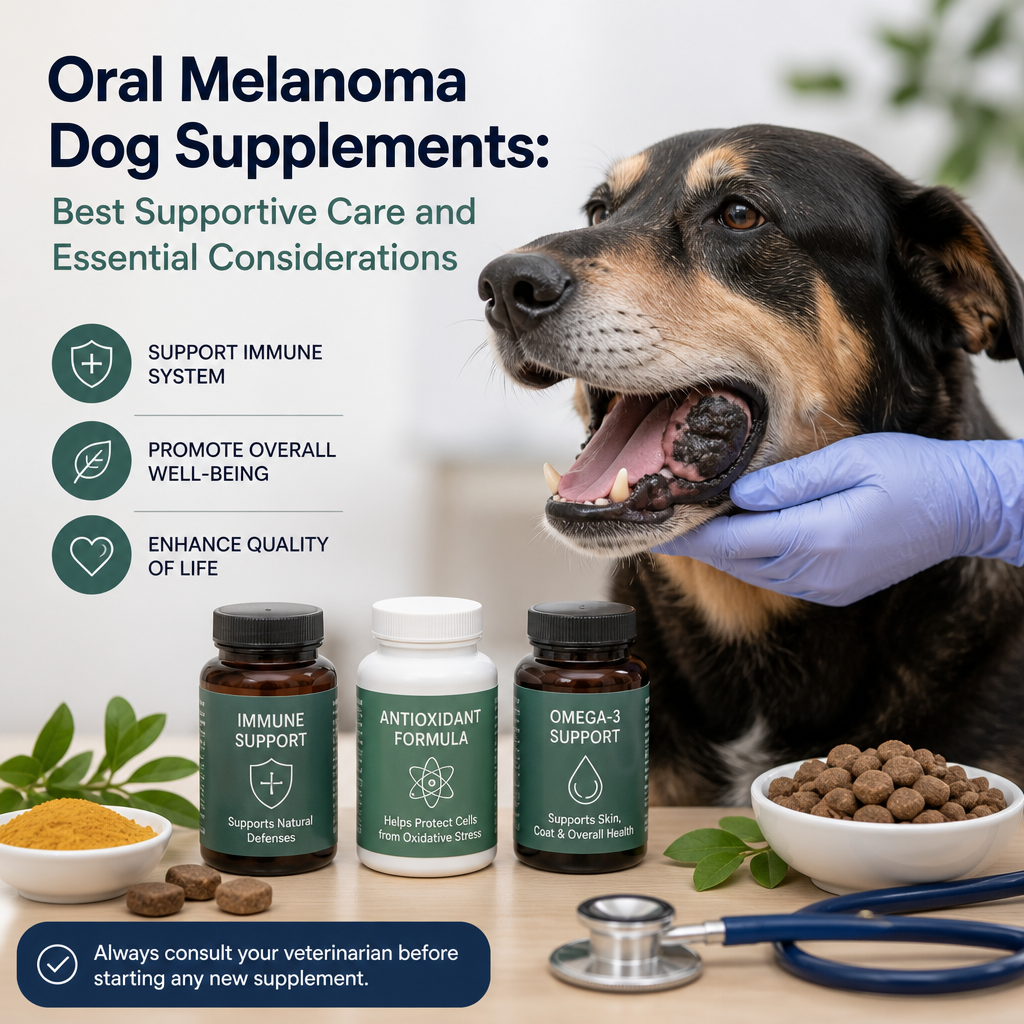
Oral Melanoma Dog Supplements may offer supportive nutritional care for dogs diagnosed with oral melanoma, but they should never replace veterinary treatment. This aggressive cancer can affect the gums, tongue, palate, or other tissues of the mouth and may spread to nearby lymph nodes and the lungs. Because every dog has different needs, supplement decisions should be based on the cancer stage, treatment plan, overall health, medications, appetite, and laboratory results.
Understanding oral melanoma in dogs
Canine oral melanoma is a malignant tumor that develops from pigment-producing cells in the mouth. It is one of the more common oral cancers in dogs, particularly in older animals. Breeds with heavily pigmented mouths may have an increased risk, although any dog can develop the disease.
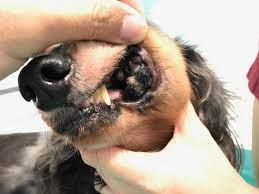
Signs may include bad breath, excessive drooling, difficulty eating, loose teeth, facial swelling, bleeding from the mouth, weight loss, or a visible mass. Some dogs show few symptoms during the early stages. A veterinarian may recommend a biopsy, dental examination, blood testing, chest imaging, lymph node evaluation, or advanced scans to determine how far the disease has progressed.
Treatment can involve surgery, radiation therapy, immunotherapy, chemotherapy, pain control, and nutritional support. The most appropriate approach depends on whether the tumor can be removed, whether it has spread, and the dog’s quality of life.
When a family is first facing this diagnosis, the priority is usually to understand the disease, gather staging information, and discuss realistic goals. Supportive care may help a dog feel better, but the treatment plan should always be built around the tumor stage and the veterinary oncologist’s recommendations.
For a broader overview of tumor behavior in pets, see this helpful guide on dog tumor types. It can make it easier to understand why some cancers are managed aggressively while others are monitored more conservatively.
For general cancer guidance and context, the National Cancer Institute’s overview of what cancer is is a reliable educational resource for pet owners who want to understand how abnormal cells grow and spread.
Where oral melanoma dog supplements may fit
Supplements are best viewed as an addition to a comprehensive care plan rather than a direct cure. Their potential roles may include supporting appetite, maintaining muscle mass, helping manage nutritional deficiencies, and promoting general wellness during treatment. In that context, oral melanoma dog supplements are meant to support care, not replace it.
However, supplements can also create problems. Some ingredients affect blood clotting, liver enzymes, blood pressure, or the way medications are absorbed and processed. Products marketed as “natural” are not automatically safe, and many have not been studied in dogs with cancer.
Before adding any product, provide your veterinarian with the complete label, including active ingredients, dosages, preservatives, and herbal extracts. A veterinary oncologist or veterinary nutritionist can help determine whether a supplement is appropriate and how it should be used.
In many cases, oral melanoma dog supplements are considered after the most urgent treatment decisions have been made. That timing matters because the wrong supplement can interfere with surgery recovery, anesthesia, radiation planning, or a chemotherapy protocol.
When used carefully, dog cancer supplements may help fill nutritional gaps during periods of reduced appetite. The goal is not to overwhelm the body with extra products, but to support steady intake, reduce stress around mealtime, and preserve strength during care.
Common types of canine melanoma support
Omega-3 fatty acids
Fish oil provides EPA and DHA, two omega-3 fatty acids that may help support skin health, inflammation regulation, and overall nutrition. They can be particularly useful when a dog’s diet does not provide sufficient omega-3s.
Quality and dosage matter. Fish oil can cause digestive upset and may affect platelet function, especially at high doses or when combined with medications that influence bleeding. Products should be tested for purity and accurately labeled for their EPA and DHA content.
Because oral tumors can make eating uncomfortable, a fat source that supports calorie intake can be helpful if the veterinarian approves it. Still, the dose must be matched to the dog’s size, diet, and treatment plan. This is one reason oral melanoma dog supplements should be chosen with professional input rather than guessed at from online advice.
Antioxidant nutrients
Vitamins C and E, selenium, and other antioxidant compounds are commonly included in dog cancer supplements. Antioxidants help protect cells from oxidative damage, but their use during radiation or certain chemotherapy protocols requires professional guidance. In some situations, high-dose antioxidant supplementation could interfere with treatment objectives.
A balanced commercial diet often already supplies appropriate levels of essential vitamins and minerals. Adding more is not necessarily better and may lead to excessive intake.
This is especially important when families try multiple products at once. A dog may end up receiving duplicate nutrients from the diet, a multivitamin, and a separate cancer formula. That can create imbalances without improving outcome.
Medicinal mushrooms and herbal products
Mushroom extracts, turmeric, milk thistle, and other botanical ingredients are frequently promoted for canine melanoma support. Some may have laboratory evidence suggesting immune-modulating, anti-inflammatory, or liver-supportive effects. Laboratory findings, however, do not prove that a supplement will shrink tumors or extend survival in dogs.
Herbal products can interact with anesthesia, chemotherapy, steroids, pain medications, and drugs processed by the liver. Quality also varies considerably among manufacturers. Avoid products that make guaranteed cure claims or fail to disclose exact ingredient amounts.
If a product is being considered because of a specific concern, such as liver stress or nausea, the veterinary team should review it first. It is often safer to choose a single well-formulated supplement than several overlapping herbs. For families looking for educational background on cancer risk in dogs, the article on dog cancer statistics can provide useful context about how common these diseases are in the canine population.
Digestive and appetite support
Dogs with oral tumors may struggle to chew or may become reluctant to eat because of pain. Depending on the individual case, veterinarians may recommend soft, calorie-dense food, appetite-support medications, probiotics, or digestive support.
Maintaining calorie and protein intake is often more important than adding multiple supplements. If a dog is losing weight, has persistent nausea, or cannot eat comfortably, these issues deserve prompt veterinary attention.
Appetite loss can become a cycle: pain leads to reduced eating, reduced eating leads to weakness, and weakness makes recovery harder. Supportive care aims to interrupt that cycle with pain control, texture changes, and carefully selected oral melanoma dog supplements when appropriate.
Supportive care goals during treatment
Supportive care should focus on comfort, hydration, nutrition, and function. Those goals may look different depending on whether the dog is preparing for surgery, recovering from a procedure, receiving radiation, or living with a tumor that cannot be fully removed.
For some dogs, the main goal is to keep eating enough to maintain body weight and muscle. For others, the priority is reducing oral discomfort so the dog can rest, interact, and enjoy daily routines. Supportive care is not the same as doing nothing; it is active care that improves quality of life.
Care plans often include soft food, regular mouth checks, medication review, and frequent communication with the veterinary team. If there are changes in chewing, swallowing, drooling, or mouth odor, those changes may signal pain, infection, or tumor growth and should not be ignored.
Nutrition and comfort remain central
Nutrition can make a meaningful difference in comfort and resilience, even when it cannot treat the cancer itself. A complete and balanced diet helps preserve lean body mass, supports immune function, and gives the dog the energy needed for recovery and daily activity. In practical terms, oral melanoma dog supplements may help only when they fit into that broader nutrition plan.
Dogs with oral melanoma may do better with moist food, warmed food, blended meals, or veterinary therapeutic diets. Strong-smelling foods can be more appealing when the dog’s sense of taste or ability to chew is reduced. In some cases, smaller frequent meals are easier than a few large ones.
Supportive nutrition may also include texture modification. Soft, smooth, or minced food can reduce pain during chewing. The right consistency is different for each dog, so families often need to experiment under veterinary guidance to find what works best.
Because dehydration can worsen weakness and appetite loss, water intake should also be monitored closely. Some dogs drink less when their mouths hurt, so offering broth-style moisture only if approved by the veterinarian can sometimes help.
Comfort care also includes a quiet environment, easy access to water, and gentle handling. These simple changes can make oral melanoma dog supplements and medication routines easier to give because the dog feels less stressed at mealtime.
How to evaluate dog cancer supplements
Choosing dog cancer supplements safely starts with the label. Look for the exact amount of each ingredient, dosing instructions, expiration date, and the manufacturer’s quality standards. Avoid vague proprietary blends that do not disclose what is inside.
Human supplements are not ideal substitutes for veterinary products. They may contain flavorings, sweeteners, or concentrations that are unsuitable for dogs. Xylitol is especially dangerous, and garlic, onion, or excessive vitamin D can also be harmful.
A practical approach is to add only one new supplement at a time unless the veterinarian directs otherwise. That makes it easier to identify side effects such as vomiting, diarrhea, itching, lethargy, or appetite changes. Keep a written list of every supplement and medication, including dose and timing.
The oncology team may also want to review supplements before anesthesia or a dental procedure. Some products should be paused ahead of surgery because they can affect bleeding, blood pressure, or liver metabolism. If a dog has kidney disease, liver disease, or a history of digestive sensitivity, extra caution is warranted.
For families comparing brands, it is reasonable to ask whether the supplement has any published canine data, whether it has been third-party tested, and whether the company discloses sourcing. That kind of review can be more helpful than shopping by marketing claims alone. Oral melanoma dog supplements should be selected for safety and fit, not hype.
What supportive nutrition can do
Nutrition can make a meaningful difference in comfort and resilience, even when it cannot treat the cancer itself. A complete and balanced diet helps preserve lean body mass, supports immune function, and gives the dog the energy needed for recovery and daily activity.
Dogs with oral melanoma may do better with moist food, warmed food, blended meals, or veterinary therapeutic diets. Strong-smelling foods can be more appealing when the dog’s sense of taste or ability to chew is reduced. In some cases, smaller frequent meals are easier than a few large ones.
Supportive nutrition may also include texture modification. Soft, smooth, or minced food can reduce pain during chewing. The right consistency is different for each dog, so families often need to experiment under veterinary guidance to find what works best.
Because dehydration can worsen weakness and appetite loss, water intake should also be monitored closely. Some dogs drink less when their mouths hurt, so offering broth-style moisture only if approved by the veterinarian can sometimes help.
When oral melanoma dog supplements are used well, they usually serve one of three goals: helping the dog eat more comfortably, supporting a specific nutritional need, or filling a gap that the current diet cannot cover.
Comfort, pain control, and daily monitoring
Pain management is equally important. Oral tumors can make eating, drinking, grooming, and resting uncomfortable. Veterinary-prescribed pain relief, dental care, anti-inflammatory treatment when appropriate, and treatment of secondary infections can significantly improve daily comfort.
Regular monitoring helps determine whether supportive care is working. Track appetite, body weight, water intake, energy, breathing, mouth odor, drooling, and the ability to eat. A sudden change may indicate tumor progression, treatment side effects, infection, dehydration, or another medical problem.
It can help to keep a simple journal. Record what the dog ate, how easily it chewed, how much it drank, whether medication was given on time, and whether there was bleeding or swelling. Over time, these notes provide a clearer picture than memory alone.
Supportive care is also emotional care. Dogs with chronic disease often feel calmer when routines stay predictable. Quiet feeding areas, familiar bedding, and gentle handling may all help reduce stress during treatment.
That emotional stability can also make it easier to stick with a supplement routine, if the team has approved one. Consistency matters more than adding many products at once, especially when oral melanoma dog supplements are being used alongside medication and diet changes.
When to contact the veterinarian quickly
Some changes require prompt veterinary attention. Contact the clinic quickly if the dog refuses food for more than a day, develops visible bleeding from the mouth, has trouble breathing, becomes unusually weak, or appears to be in significant pain.
Other urgent signs include repeated vomiting, black stool, yellowing of the eyes or gums, collapse, or rapid swelling in the face or jaw. These symptoms may be related to the cancer, a treatment side effect, or a separate medical problem.
Even when the cause is uncertain, it is safer to ask. Oral melanoma dog supplements should be paused and reviewed if a new symptom appears soon after a product is started, especially if the dog is also taking prescription medication.
Questions to ask the oncology team
Before starting or changing a supplement, it helps to ask a few focused questions. Which ingredients are safe with the current treatment plan? Are there any products to avoid before surgery or radiation? Could this supplement affect blood clotting, appetite, or liver function?
It is also reasonable to ask whether a supplement is likely to provide measurable benefit. If the answer is unclear, the team may suggest waiting or choosing a simpler option. Fewer products can mean fewer risks, less confusion, and easier monitoring.
Some families also ask whether a particular food or supplement can improve survival. While nutrition matters, the best evidence still supports a combined approach: appropriate cancer treatment, pain control, follow-up visits, and thoughtful supportive care. That is where oral melanoma dog supplements may have their most realistic role.
It may also help to ask how the plan should change if appetite drops, if swallowing becomes difficult, or if the dog begins to avoid hard kibble. Those questions keep the focus on day-to-day function and quality of life.
Discuss supplements with the oncology team
The safest approach to oral melanoma dog supplements is individualized planning. A veterinary professional can assess the dog’s diet, kidney and liver function, current medications, and treatment goals before recommending anything.
Supportive care should focus on preserving comfort, hydration, nutrition, mobility, and meaningful daily activities. Supplements may have a role in that plan, but they are only one small part of managing canine oral melanoma. Evidence-based cancer treatment, regular veterinary monitoring, and attention to quality of life should remain the priorities.
For many dogs, the best outcome comes from a balanced routine rather than an aggressive supplement stack. When the plan is tailored carefully, oral melanoma dog supplements can complement medical care without complicating it.
If you are comparing care options, keep the conversation centered on safety, consistency, and the dog’s daily comfort. That approach gives families the best chance to support nutrition while avoiding unnecessary risks.
In short, oral melanoma dog supplements may be helpful as part of a larger plan, but they work best when a veterinarian helps choose the right product, dose, and timing for the individual dog.
Shiba Inu cancer risks, early tumor signs in Shibas, common cancers in this breed are topics every Shiba guardian should understand as their dog moves from young adult into the senior years. While many Shibas live long, active lives, they are not immune to tumors and cancer, and early detection can make an important difference in comfort, treatment options, and quality of life.
—
A. Breed Overview: The Shiba Inu at a Glance
The Shiba Inu is a small-to-medium spitz-type dog originating from Japan. Known for their fox-like appearance, curled tail, and bold, independent personality, Shibas are often described as alert, confident, and sometimes a bit stubborn. They tend to be loyal to their family, reserved with strangers, and very clean in their habits.
– Size: Typically 17–23 pounds (8–10.5 kg), with compact, muscular bodies
– Lifespan: Commonly 12–16 years, with many reaching their teens
– Temperament: Intelligent, independent, active, often cat-like in grooming and behavior
– Common health concerns (non-cancer): Allergies, eye conditions (such as glaucoma), hip dysplasia, patellar luxation, and some autoimmune issues
From what is currently known, Shibas are not among the very highest cancer-risk breeds (like Boxers or Golden Retrievers). However, because they are a relatively long-lived, medium-sized breed, they do experience many of the same age-related cancers seen in other dogs. Certain tumor types—especially skin and soft tissue tumors, spleen and liver masses, and oral cancers—are reported with some frequency.
Even if the breed is not at the very top of the cancer-risk list, the combination of long lifespan and a stoic nature means tumors may go unnoticed until they are advanced. This makes owner education and regular monitoring especially important.
—
B. Shiba Inu Cancer Risks, Early Tumor Signs in Shibas, Common Cancers in This Breed
While every individual dog is unique, several tumor and cancer types are seen relatively often in Shiba Inus:
1. Skin and Subcutaneous Masses (Including Mast Cell Tumors)
Shibas commonly develop skin or just-under-the-skin lumps as they age. Many are benign (like lipomas), but some can be malignant, such as:
– Mast cell tumors (MCTs) – A common canine skin cancer
– Soft tissue sarcomas – Tumors arising from connective tissues (muscle, fat, fibrous tissue)
Their dense double coat can hide small lumps, so regular hands-on checks are crucial. There is no clear proof that Shibas are genetically prone to a specific skin cancer, but their typical longevity means more years of potential exposure to sun, environmental toxins, and age-related cell damage.
2. Hemangiosarcoma (Spleen, Liver, Heart)
Hemangiosarcoma is an aggressive cancer of blood vessel cells. It often affects the spleen, liver, or the heart. Medium-sized to larger breeds, including Shibas, can be affected, especially in their senior years.
Risk factors include:
– Age: Most commonly seen in older dogs
– Body size: Medium and larger dogs appear more frequently affected than toy breeds
– Light coat color: Some research suggests lighter-coated dogs may be at higher risk of skin hemangiosarcoma from UV exposure, though this is less clear for internal forms
Shibas may show no early signs until a tumor ruptures, causing sudden weakness, collapse, or pale gums from internal bleeding. This “silent” nature is one reason periodic senior screening is so important.
3. Lymphoma
Lymphoma is a cancer of lymphocytes (a type of white blood cell) and lymphoid organs such as lymph nodes, spleen, and bone marrow. It is common across many breeds, and Shibas are no exception.
Potential influences:
– Immune system factors: Shibas can be prone to certain immune-related disorders, and immune system imbalances may play a role in lymphoma risk
– Environmental exposure: Pesticides, tobacco smoke, and some chemicals have been linked to lymphoma risk in dogs
Owners might first notice enlarged lymph nodes (for example, under the jaw or behind the knees), changes in energy, or appetite loss.
4. Oral and Dental-Region Tumors (Including Melanoma and Squamous Cell Carcinoma)
Some Shiba guardians report oral tumors, especially in older dogs. Common malignant oral tumors in dogs include:
Shibas’ relatively small mouths and tight lips can make it harder to spot growths until they cause drooling, bad breath, difficulty eating, or bleeding from the mouth. Routine home mouth checks and professional dental exams help catch these problems sooner.
5. Mammary Tumors (in Intact Females)
Like other breeds, intact female Shibas (those not spayed, or spayed later in life) have a higher risk of mammary (breast) tumors. Many are benign, but malignant mammary cancers are also common in dogs.
Key influences:
– Hormonal exposure: Repeated heat cycles increase risk
– Age: Incidence rises with age, especially after 6–7 years
Discuss spay timing and mammary gland monitoring with your veterinarian, particularly if your Shiba female remained intact for breeding or other reasons.
—
C. Early Warning Signs Owners Should Watch For
Catching problems early often gives your Shiba the best chance for a good outcome and better comfort, whether the issue turns out to be cancer or a benign condition.
1. Skin and Body Lump Checks
At least once a month, perform a “nose-to-tail” exam:
– Gently run your hands over your dog’s entire body, pressing through the thick coat to feel the skin.
– Look for:
– New lumps or bumps
– Existing lumps that are getting larger, changing shape, or becoming firm or ulcerated
– Areas of redness, hair loss, or sores that don’t heal
Any lump that is:
– Larger than a pea
– Present for more than a month
– Or changing rapidly
should be checked by a veterinarian, who may recommend a small needle sample (fine-needle aspiration) to determine what it is.
2. Changes in Energy, Appetite, and Weight
Subtle shifts can be early clues:
– Decreased appetite or becoming picky with food
– Unintentional weight loss, despite normal or even increased appetite
– Reduced energy or reluctance to engage in activities your Shiba used to love
– Increased drinking and urination, which can be related to several health conditions, including some cancers
Because Shibas can be stoic, even mild changes are worth noting and discussing with a vet if they persist more than a week or two.
3. Signs of Pain or Mobility Changes
Watch for:
– Limping or lameness
– Stiffness after rest
– Hesitation to jump, climb stairs, or leap into the car
– Sensitivity when certain areas are touched
While these signs are often due to arthritis or soft tissue strain, bone tumors and other cancers may also cause discomfort. Persistent or worsening pain should always be evaluated.
4. Bleeding, Coughing, or Other Concerning Symptoms
Contact a veterinarian promptly if you notice:
– Sudden collapse or extreme weakness
– Pale gums
– Persistent coughing, especially with exercise or at night
– Nosebleeds, unexplained bruising, or blood in urine or stool
– Mouth issues: drooling, bad breath, trouble chewing, or blood on toys
– Abdominal swelling or a firm belly
These can be signs of serious conditions, including internal tumors, and should never be “waited out.”
—
D. Senior Care Considerations for Shiba Inus
Shibas often age gracefully, but their independent nature can mask growing health problems. As they enter their senior years (usually around 8–9 years old and older), cancer risk rises, along with arthritis, kidney disease, and other age-related changes.
1. Nutritional Needs and Body Condition
Maintaining an ideal weight is one of the most powerful tools you have for supporting your Shiba’s overall health and reducing certain cancer and joint-related risks.
– Monitor body condition regularly:
– You should feel ribs easily with a thin layer of fat
– Shibas should have a visible waist from above and a slight tummy tuck from the side
– Older Shibas may benefit from:
– A balanced, high-quality diet with appropriate protein for muscle maintenance
– Controlled calories to prevent obesity
– Adjusted fat and fiber levels depending on activity level and other health conditions
Always discuss any diet change—including home-prepared food—with your veterinarian to ensure it’s complete and appropriate for your dog’s age and health profile.
2. Exercise and Activity Adjustments
Even as seniors, Shibas usually enjoy activity, but intensity may need to be modified:
– Daily moderate walks to maintain muscle and cardiovascular health
– Shorter, more frequent play sessions instead of intense, prolonged exercise
– Low-impact activities (e.g., walking on grass, gentle hill work) rather than high jumps
Regular movement helps maintain a healthy weight, supports joint health, and can improve overall resilience.
3. Joint Care and Pain Management
Arthritis and joint discomfort are common in older Shibas, especially those with hip or knee issues. Pain can mask early cancer signs (for instance, owners may attribute lameness solely to arthritis).
Work with your vet on a joint care plan that may include:
– Weight management
– Appropriate pain control medications or therapies
– Supportive options like physical therapy, hydrotherapy, or controlled exercise
Do not start or change any pain medications without veterinary guidance, as some can interact with other conditions or treatments.
4. Veterinary Check-Ups and Screening
For senior Shibas, consider:
– Wellness exams at least every 6–12 months, and often every 6 months for older or medically complex dogs
– Baseline and periodic bloodwork, urinalysis, and blood pressure checks
– Additional tests (e.g., chest X-rays, abdominal ultrasound) based on age, risk factors, and clinical signs
Regular check-ups give your vet a chance to catch subtle changes early—as well as track any lumps, weight shifts, or behavior differences over time.
—
E. General Tumor Prevention & Wellness Support
No method can guarantee a cancer-free life, but you can reduce some risk factors and support your Shiba’s overall well-being.
1. Maintain a Healthy Weight
Obesity is linked to increased risk for several diseases and may influence cancer risk. Strategies include:
– Measuring food portions instead of free-feeding
– Limiting high-calorie treats; using part of their daily kibble as rewards
– Adjusting intake based on activity level and body condition
2. Quality Diet and Hydration
A balanced, complete diet appropriate for life stage and health status helps support the immune system and general vitality.
– Choose a reputable commercial diet or a vet-guided home-cooked plan
– Ensure constant access to fresh water
– Avoid frequent feeding of heavily processed fatty table scraps, charred meats, or foods containing known dog toxins (like onions or grapes)
When considering special diets or supplements marketed for “cancer prevention,” always:
– Discuss them with your veterinarian first
– Be cautious of any product claiming to cure or treat cancer
– Use evidence-informed guidance rather than online marketing alone
3. Regular Physical Activity and Mental Stimulation
Shibas are active and intelligent; both body and mind need engagement:
– Daily walks, games, and exploration
– Puzzle toys, scent games, and training refreshers
– Safe off-leash time in secure areas, if your Shiba has reliable recall (many do not, so secure fencing is key)
Activity supports weight control, circulatory health, and psychological well-being.
4. Environmental Risk Reduction
While you can’t control everything, you can minimize certain exposures:
– Limit repeated contact with lawn chemicals, heavy pesticides, and herbicides
– Avoid secondhand tobacco smoke
– Provide shaded areas to reduce intense sun exposure, especially for light-coated or thinly furred areas
– Store household chemicals, paints, and solvents out of reach
5. Thoughtful Use of Supplements and “Natural” Products
Some owners explore supplements such as omega-3 fatty acids, antioxidants, or herbal blends to support overall wellness. These may have roles in comfort, inflammation support, or general health, but:
– They should never be used as a stand-alone treatment instead of veterinary care
– Quality, dose, and interactions with medications vary widely
– Always consult your veterinarian before starting any new product
—
F. Optional Integrative Care: Complementing, Not Replacing, Veterinary Treatment
Many Shiba guardians are interested in holistic or integrative approaches to support their dog, especially if a tumor or cancer is diagnosed. When thoughtfully combined with conventional veterinary care, some approaches may:
– Support comfort and mobility (e.g., acupuncture, massage, physical therapy)
– Help manage stress and improve overall quality of life
– Offer gentle nutritional or herbal support aimed at general vitality
It’s important to:
– Work with veterinarians—ideally those trained in both conventional and integrative medicine—so all treatments are coordinated
– Avoid any practitioner or product that claims to cure cancer or advises you to skip surgery, chemotherapy, radiation, or other recommended veterinary treatments
– Use integrative care as a complement to, not a substitute for, modern oncology and internal medicine
—
Conclusion
Shiba Inu cancer risks are not as extreme as in some other breeds, but their long lifespan and stoic temperament mean tumors can still be a significant concern—especially in the senior years. By watching for early tumor signs in Shibas, such as new lumps, weight or behavior changes, and subtle mouth or mobility issues, you can help catch problems sooner. Understanding the more common cancers in this breed and committing to regular veterinary check-ups, appropriate senior care, and thoughtful wellness support will give your Shiba the best possible chance for a comfortable, well-managed life as they age.
As loving pet owners, we often focus on nutrition, exercise, and regular vet visits to keep our dogs healthy. However, one key aspect of your dog’s health that often gets overlooked is their dental care. Beyond fresh breath and white teeth, maintaining your dog’s oral hygiene can prevent more serious and life-threatening health conditions, including cancer. While it may seem unrelated, dental health is intricately linked to the overall well-being of your dog.
Why Dental Care Is Critical for Your Dog’s Health
Many people believe that dogs, much like wild animals, don’t require dental care and can naturally handle their oral hygiene. However, the reality is quite different. Dogs, especially domestic ones, are prone to developing plaque, tartar, and periodontal disease without proper dental maintenance. Left untreated, these dental problems don’t just cause bad breath or discomfort; they can lead to serious systemic health issues.
Periodontal disease, a common dental issue in dogs, can introduce harmful bacteria into the bloodstream. This can cause inflammation in vital organs, leading to heart disease, kidney problems, and liver infections. Moreover, studies have shown that long-term periodontal disease may contribute to the development of certain cancers, particularly in the mouth and throat.
The Link Between Poor Dental Health and Cancer
Although the exact mechanism isn’t fully understood, chronic inflammation and bacterial infections caused by poor dental hygiene are believed to increase the risk of cancer in dogs. When the gums and surrounding tissues are constantly inflamed due to bacterial buildup, the body’s immune system is weakened, making it more susceptible to cancerous growths. Oral cancers such as squamous cell carcinoma and malignant melanoma are more likely to occur in dogs with untreated dental disease.
In addition, the bacteria that accumulate in a dog’s mouth can migrate to other parts of the body, including the liver and heart. This systemic spread of bacteria can trigger infections that may increase the risk of tumors in these organs. Early intervention in dental care is crucial to reduce these risks.
How to Keep Your Dog’s Teeth and Gums Healthy
Thankfully, there are many ways you can actively prevent dental disease and reduce your dog’s risk of developing related health issues, including cancer. Here’s how to get started:
Brush Your Dog’s Teeth Regularly: Brushing your dog’s teeth on a daily basis is the most effective way to remove plaque and prevent tartar buildup. Use toothpaste designed specifically for dogs, as human toothpaste contains ingredients that can be harmful to pets.
Provide Dental Chews: Dental chews can help remove plaque and stimulate your dog’s gums. Choose chews that are designed to improve oral health, and ensure they are safe for your dog to chew on.
Schedule Regular Vet Check-Ups: Regular veterinary visits are essential to catch any signs of dental disease early. Your vet may recommend professional cleanings, especially for older dogs or those showing signs of gum disease.
Feed a Balanced Diet: Certain foods can help support your dog’s dental health. Dry kibble, for example, can be less likely to stick to teeth compared to wet food, and some specialized dental diets are designed to reduce plaque formation.
Watch for Warning Signs: Keep an eye on your dog’s behavior and look out for signs such as bad breath, drooling, difficulty eating, or bleeding gums. If you notice any of these symptoms, take your dog to the vet immediately for a dental check-up.
The Benefits of Good Dental Health
The benefits of maintaining your dog’s dental health go far beyond a clean smile. Regular dental care can prevent serious health issues like heart disease, liver infections, and even certain cancers. Dogs with healthy teeth and gums are less likely to suffer from chronic pain and discomfort, allowing them to lead longer, happier lives.
Moreover, regular dental care can help you avoid costly treatments down the line. Once periodontal disease progresses to a severe stage, the treatments required to address the issue become more invasive and expensive. By staying on top of your dog’s dental hygiene, you’re making an investment in their long-term health and well-being.
Caring for your dog’s dental health is more than just a cosmetic concern—it’s a vital part of their overall health. By maintaining good oral hygiene, you can prevent a range of serious health problems, including infections, heart disease, and even cancer. Start with simple steps like regular brushing, providing dental chews, and scheduling regular vet check-ups. The rewards will be a healthier, happier dog with a greater chance of a longer life.
Squamous cell carcinoma (SCC) is one of the most common malignant oral tumors in dogs, accounting for approximately 20% to 30% of all cases, making it the second most prevalent oral malignancy after malignant melanoma. This type of cancer primarily affects middle-aged to senior dogs, with an average age of onset between 8 and 10 years. Interestingly, large breed dogs may be at a slightly higher risk of developing SCC compared to smaller breeds.
Understanding Squamous Cell Carcinoma in Dogs
Squamous cell carcinoma in dogs typically presents as irregular, cauliflower-like masses within the oral cavity. These tumors are most commonly found in areas such as the incisors, the premolars of the lower jaw, and the molars of the upper jaw. Additionally, SCC can develop on the tongue and tonsils, making early detection challenging without regular oral examinations.
One of the alarming characteristics of SCC is its potential for bone invasion. At the time of diagnosis, around 77% of cases exhibit bone involvement, which can significantly complicate treatment and prognosis. However, despite this aggressive behavior, only a small percentage of cases show metastasis to the lungs, with less than 10% displaying symptoms in the regional lymph nodes. It’s important to note that enlarged lymph nodes in affected dogs may not always indicate metastasis but could be a result of inflammatory cytokines produced by the tumor.
Higher Metastatic Potential in Specific Locations
SCC tumors located at the base of the tongue and the tonsils are particularly worrisome due to their higher propensity for local lymph node involvement and distant lung metastasis. This makes early intervention and aggressive treatment strategies crucial in managing these cases effectively.
Interestingly, a variant of SCC known as papillary squamous cell carcinoma, which tends to occur in younger dogs, shows a different clinical behavior. While it may locally invade surrounding tissues, it does not typically metastasize, offering a more favorable prognosis compared to the more common forms of SCC.
The prevalence and characteristics of squamous cell carcinoma in canine oral tumors highlight the importance of early detection and intervention. Regular veterinary check-ups, particularly in older and large-breed dogs, can be instrumental in catching these tumors before they progress to a more advanced and challenging stage. Understanding the distinct behaviors of SCC based on its location and variant type can help guide treatment decisions and improve outcomes for affected dogs.
Oral tumors in dogs account for about 6% of all canine tumors and are a significant concern for pet owners and veterinarians. This article provides an in-depth look at the various types of oral tumors in dogs, their prevalence, symptoms, and effective treatment options.
Types of Canine Oral Tumors: Oral tumors in dogs can be classified into several categories based on their histological makeup, including:
Epithelial Tumors: Such as squamous cell carcinoma (SCC), papillomas, fibropapillomas, intraosseous carcinomas, and infiltrative nasal carcinomas.
Melanocytic Tumors: Including malignant melanomas.
Mesenchymal Tumors: Like fibrosarcomas, hemangiosarcomas, and osteosarcomas.
Mixed Tumors: Such as transmissible venereal tumors and lymphomas.
Odontogenic Tumors: Specific to tooth-forming tissues, including ameloblastomas.
Epidemiology and Prevalence: Oral tumors are more common in older dogs and certain breeds, such as Cocker Spaniels and German Shepherds. Symptoms such as decreased appetite, bad breath, tooth loosening or loss, bleeding, eye protrusion, nosebleeds, swallowing difficulties, chewing pain, and increased thirst are often observed.
Diagnosis and Treatment: Early diagnosis through biopsies is essential for effective treatment, which may include surgery, radiation, or chemotherapy, depending on the tumor type.
Understanding the types, symptoms, and treatment options for canine oral tumors is crucial for early detection and effective management. Regular veterinary check-ups are vital for maintaining the oral health of dogs and catching any anomalies early.