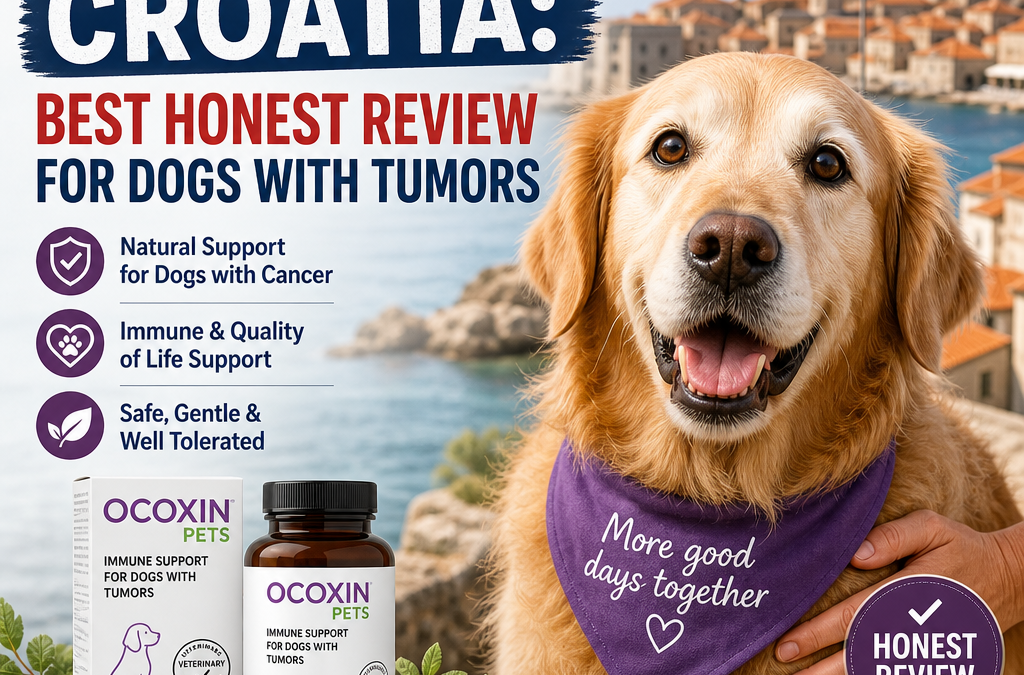
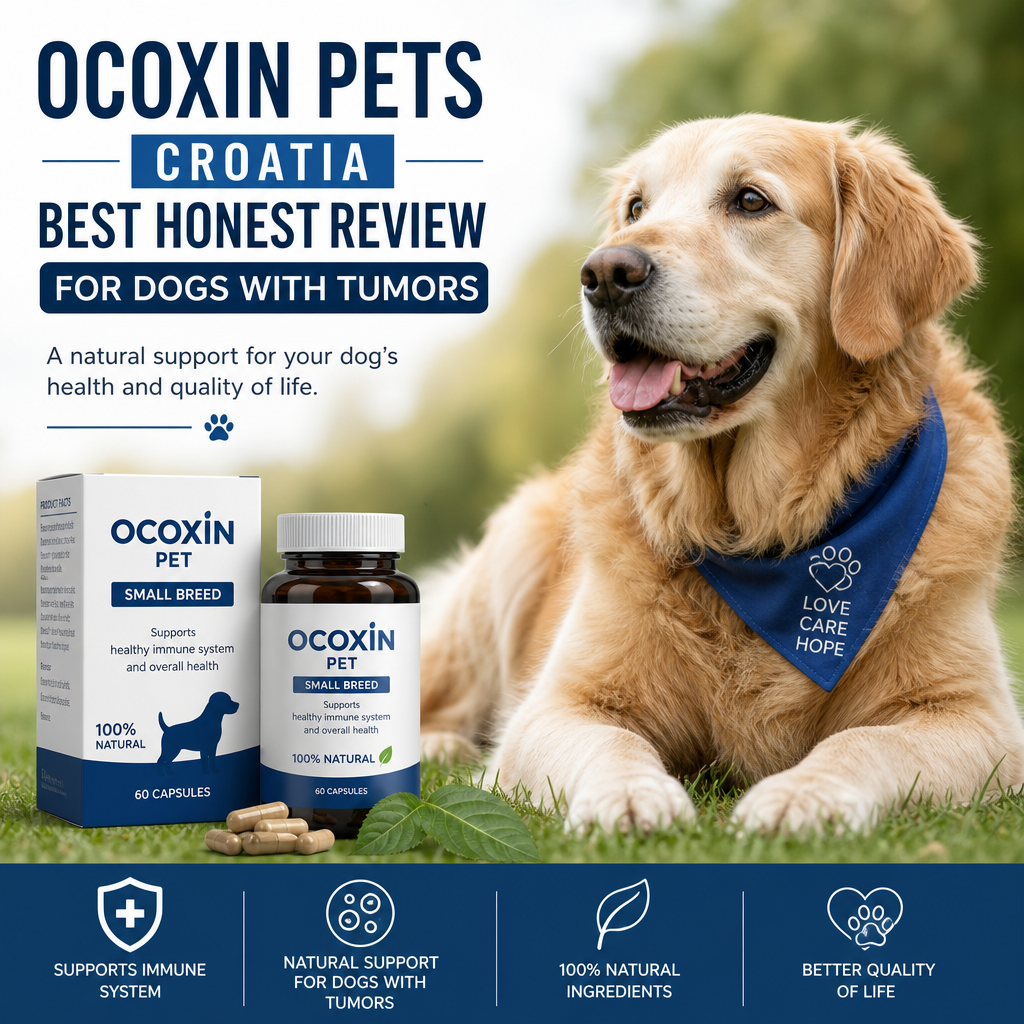
Ocoxin Pets is a nutritional supplement designed to support dogs and cats during serious illness, including cancer treatment. For pet owners searching for Ocoxin Pets Croatia, the most important question is not whether a supplement can “cure” a tumor, but whether it may offer useful nutritional and immune support alongside professional veterinary care. This honest review explains what the product is, what it may do, its limitations, safety considerations, and how Croatian pet owners should approach its use.
Ocoxin Pets is generally presented as a veterinary nutritional supplement containing a combination of plant-based compounds, vitamins, minerals, antioxidants, and other nutrients. Its formulation is intended to help support an animal’s overall condition when the body is under stress.
Dogs with tumors may experience reduced appetite, weight loss, fatigue, digestive problems, inflammation, or weakening during surgery, chemotherapy, radiation, or palliative care. A supplement such as Ocoxin Pets may be used as part of a broader supportive plan, but it should not replace diagnosis or treatment prescribed by a veterinarian.
The exact ingredients and concentrations can vary by market and product version, so pet owners in Croatia should carefully read the current label and official product information. It is also wise to verify that the product is intended specifically for animals and to purchase it from a reliable veterinary pharmacy, clinic, or authorized distributor.
When owners first discover a tumor diagnosis, it is common to look for every possible way to help. That is understandable. Still, the safest decision is to separate emotional hope from medical evidence. Supportive supplements can have a place, but they should be selected carefully and used with realistic expectations.
Ocoxin Pets dog cancer support: What can it realistically offer?
The phrase Ocoxin Pets dog cancer support is often used to describe the product’s potential role in helping dogs maintain strength and nutritional status during cancer care. This support may include several areas:
Helping provide nutrients when appetite is reduced
Supporting normal energy metabolism
Supplying antioxidants and plant-derived compounds
Assisting general immune function
Helping maintain body condition during prolonged illness
Supporting recovery after medical procedures
These benefits should be understood as supportive rather than curative. Cancer is not one single disease. Different tumors behave differently, and the best treatment depends on the tumor’s type, location, stage, and biological characteristics.
A supplement may help a dog cope better with illness, but there is no reliable basis for claiming that Ocoxin Pets eliminates tumors, replaces chemotherapy, prevents metastasis, or guarantees longer survival. Responsible product use requires realistic expectations.
In day-to-day practice, “support” may mean helping a dog eat a little better, remain more comfortable, or keep a steadier routine while undergoing veterinary treatment. Those are meaningful goals, especially for a dog that is losing weight or becoming tired. However, these goals are different from shrinking a tumor or changing the overall course of cancer on their own.
For owners, that distinction matters. A supplement can be useful if it fits into the plan, but it should never create the impression that medical treatment is optional. If a dog has a treatable tumor, timely diagnosis and a proper treatment strategy are usually the most important factors.
Ocoxin Pets review: Potential advantages
A balanced Ocoxin Pets review should consider both possible benefits and limitations. One potential advantage is that the product is formulated for companion animals rather than being a general human supplement. Veterinary-oriented formulations may be easier to administer and more appropriate for an animal’s nutritional needs.
Another possible advantage is convenience. Dogs undergoing cancer treatment may be reluctant to eat, and a palatable liquid, powder, or other easy-to-administer form can be simpler for owners than combining several separate products. Consistent administration is often important when a supplement is being used as part of a long-term care plan.
Some owners may also appreciate the product’s focus on supportive nutrition. Maintaining appetite, hydration, muscle mass, and comfort is a central part of cancer care. Even when a supplement does not directly affect the tumor, helping a dog remain nourished and comfortable can be valuable.
Ocoxin Pets may also appeal to owners because it is often discussed as part of a broader wellness approach rather than a single-purpose product. In real life, dogs with tumors often need more than one kind of support. They may need pain relief, anti-nausea care, appetite stimulation, dietary adjustment, and close follow-up. A supplement that fits into that larger framework can feel more practical than a one-note product.
For readers comparing supportive products, our guide to affordable dog tumor supplements in the UK can help you understand how different options are positioned for dogs with cancer-related needs.
However, positive experiences from individual owners should not be confused with clinical proof. Testimonials can be encouraging, but they cannot establish that a product works for every dog or every type of cancer.
Another potential advantage is that the supplement may be easier to discuss with a veterinarian than unregulated internet remedies. Because the label is more specific than many over-the-counter products, it is often easier for the veterinary team to review ingredients, identify concerns, and decide whether the supplement belongs in the care plan.
Important limitations and possible risks
The main limitation is the lack of strong, independent clinical evidence proving that Ocoxin Pets can treat cancer or significantly extend survival. Marketing language may describe immune support, antioxidant activity, or improved vitality, but these claims do not automatically demonstrate a tumor-fighting effect in real-world veterinary patients.
Supplements can also cause problems. A dog may develop vomiting, diarrhea, reduced appetite, or an allergic reaction. More importantly, some ingredients can interact with prescription medicines, chemotherapy drugs, corticosteroids, anticoagulants, or supplements already being used.
Antioxidants require particular care during cancer treatment. Their role is complex, and the effect may depend on the type of therapy, dosage, and timing. Owners should never assume that “natural” means risk-free. A veterinarian familiar with the dog’s medical history should review the full ingredient list before use.
Dogs with kidney disease, liver disease, diabetes, pancreatitis, pregnancy, or multiple medications may need additional caution. The appropriate dose may also depend on body weight, age, nutritional status, and the product’s formulation.
It is also important to remember that a dog can appear to “do better” for reasons that are unrelated to the supplement itself. Better appetite from medication, improved hydration, calmer handling, or the natural ups and downs of the disease can all influence day-to-day observations. That is why supplement decisions should be based on veterinary advice and ongoing monitoring, not on one good or bad day.
There is also a practical risk in delaying proven therapy while waiting for a supplement to work. If a tumor is growing quickly or causing pain, breathing problems, bleeding, or severe weight loss, the veterinarian may need to act immediately. Supplements are best viewed as additions to care, not substitutes for urgent treatment.
How to use Ocoxin Pets responsibly in Croatia
For anyone researching Ocoxin Pets Croatia, the first step is to speak with the treating veterinarian. Bring the packaging or a clear photograph of the ingredient list to the appointment. The veterinarian can assess whether the supplement is compatible with the dog’s diagnosis and current treatment.
Use only the recommended animal dosage. Do not increase the amount because the dog appears weak, and do not combine it with several other immune or antioxidant products without professional guidance. Keep a simple record of administration, appetite, bowel movements, energy, weight, and any unusual symptoms.
Product authenticity and storage also matter. Buy from a trustworthy source and check the expiration date, seal, batch information, and storage instructions. Avoid products with damaged packaging or unclear labeling. When ordering from another country, confirm shipping conditions, legal requirements, and whether the item has been stored correctly.
Owners in Croatia should also keep local access in mind. If a product is difficult to source consistently, it may not be the best long-term option for a dog that needs regular support. Availability, cost, and reliability all matter when treatment is ongoing. A supplement that can only be obtained sporadically may be less helpful than a more stable plan based on widely available nutrition and veterinary medication.
When possible, ask the clinic whether the product should be given with food, on an empty stomach, or at a specific time relative to other medicines. Small details can affect tolerance. For example, some dogs tolerate supplements better when they are introduced gradually, while others do best when the routine stays exactly the same every day.
What supportive care should look like alongside supplementation
When a dog has a tumor, the supplement itself is only one small part of the bigger picture. The most useful supportive care plans often focus on practical goals that improve daily comfort and help the dog maintain strength.
These can include:
Monitoring body weight every one to two weeks
Adjusting meals for appetite changes
Using prescription diets if recommended by the veterinarian
Managing nausea, pain, or constipation promptly
Making water easily available throughout the day
Reducing stress at home and keeping routines predictable
In some cases, the veterinarian may recommend a different nutritional strategy altogether, especially if the dog has a sensitive stomach, poor tolerance for supplements, or advanced disease. That is why no single product should be viewed as a complete solution.
Supportive care also includes watching for changes that may not seem obvious at first. A dog that stops jumping onto the sofa, sleeps more than usual, eats more slowly, or seems less interested in walks may be telling you something important. Noticing those changes early can help the veterinarian adjust treatment before the dog becomes significantly weaker.
Hydration matters as much as calories in many cancer cases. A dog that is drinking poorly may struggle even if appetite seems acceptable. If your veterinarian recommends wet food, broth-like toppers, or other feeding strategies, those may be just as important as any supplement.
Practical home care tips during treatment
For many families, the hardest part of cancer care is the day-to-day routine at home. A supplement may be part of that routine, but the overall environment often has a bigger effect on comfort and quality of life. Simple changes can make a noticeable difference.
Helpful home care habits may include:
Offering smaller meals more often instead of one large meal
Keeping food bowls easy to reach for older or weak dogs
Using consistent feeding times to reduce stress
Watching for hiding, restlessness, or breathing changes
Recording appetite and stool quality in a notebook or phone app
Keeping the dog warm, clean, and comfortable
If a dog is receiving chemotherapy or other intensive treatment, home monitoring becomes even more important. Owners are often the first to notice side effects such as diarrhea, lethargy, poor appetite, or vomiting. Reporting these signs quickly can help the veterinary team make better decisions about the next step.
It may also help to create a simple daily schedule. Dogs often feel calmer when meals, walks, medication, and rest happen at roughly the same times each day. A stable routine can reduce stress and make it easier to tell whether a supplement is truly helping or whether the dog is simply having a good day.
If more than one caregiver is involved, write down the plan so everyone gives the same dose at the same time. Supplement mistakes are more common when family members, neighbors, or pet sitters share responsibility without a clear record.
Questions to ask the veterinarian
Before starting Ocoxin Pets, owners may wish to ask:
Is this supplement appropriate for my dog’s tumor type and current health?
Could it interfere with chemotherapy, radiation, surgery, or other medicines?
What dose and schedule are suitable for my dog?
Which side effects should prompt discontinuation?
Should blood tests, weight, appetite, or kidney and liver function be monitored?
Are there better-supported nutritional options for this particular case?
These questions help transform supplement use from an internet-driven decision into a coordinated part of veterinary care.
It is also reasonable to ask whether the dog’s current treatment plan is aimed at cure, control, or comfort. The answer can change how a supplement fits into the bigger picture. For a dog receiving palliative care, comfort and appetite may matter most. For a dog undergoing active treatment, avoiding interactions may be the priority.
Other supportive options to discuss
Some owners want to know whether there are alternatives that may fit their dog better. Depending on the diagnosis, the veterinarian may suggest appetite support, prescription nutrition, anti-nausea medication, pain control, omega-3 fatty acids, or other targeted supportive measures.
For a broader comparison of affordable supportive products, our article on dog tumor support options in Spain may also help readers explore how different supplements are discussed in real-world care decisions.
Because every dog’s needs are different, the best choice is not necessarily the most popular product. It is the one that fits the medical plan, is tolerated well, and supports the dog’s comfort and quality of life.
In some cases, the most effective “alternative” is not another supplement at all. It may be a diet change, better pain control, or a medication that reduces nausea and allows the dog to eat normally again. When the dog is more comfortable, the overall care plan often becomes easier for both the pet and the family.
How to judge whether a supplement is helping
Owners often want a simple answer to a difficult question: is it working? The honest answer is that supportive supplements usually need a practical evaluation rather than a dramatic one. Instead of expecting the tumor to disappear, look for signs such as steadier appetite, better energy, fewer digestive problems, or improved willingness to move around.
A useful evaluation period should be discussed with the veterinarian. If there is no meaningful benefit after a reasonable trial, or if side effects appear, it may be better to stop and redirect efforts elsewhere. Continuing an expensive or inconvenient supplement without clear value is rarely the best use of resources.
It can help to compare your dog with their own baseline rather than with another dog. The goal is not perfection. The goal is a better day-to-day quality of life than the dog would have had without the extra support.
Final assessment
Ocoxin Pets may have a role as supportive nutrition for some dogs with tumors, especially when appetite, energy, or general condition is affected. Nevertheless, an honest Ocoxin Pets review must emphasize that it is not a proven cancer cure and should never replace surgery, chemotherapy, radiation, pain management, nutritional planning, or regular veterinary monitoring.
For pet owners in Croatia, the safest approach is to treat Ocoxin Pets as an optional supportive product whose usefulness depends on the individual dog. Evidence-based cancer treatment should remain the foundation, while any supplement should be selected with veterinary guidance, realistic expectations, and close observation of the animal’s response.
In short, the most responsible use of Ocoxin Pets is as one possible piece of a veterinarian-guided care plan, not as a standalone answer to cancer. That perspective helps Croatian owners make calmer, more informed decisions for their dogs.
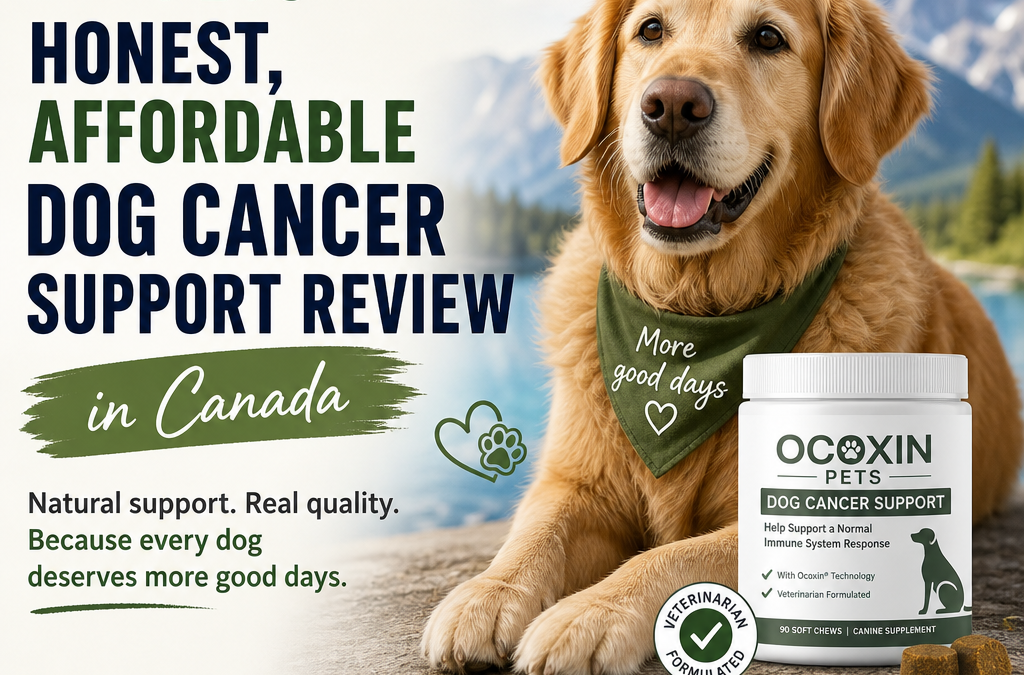
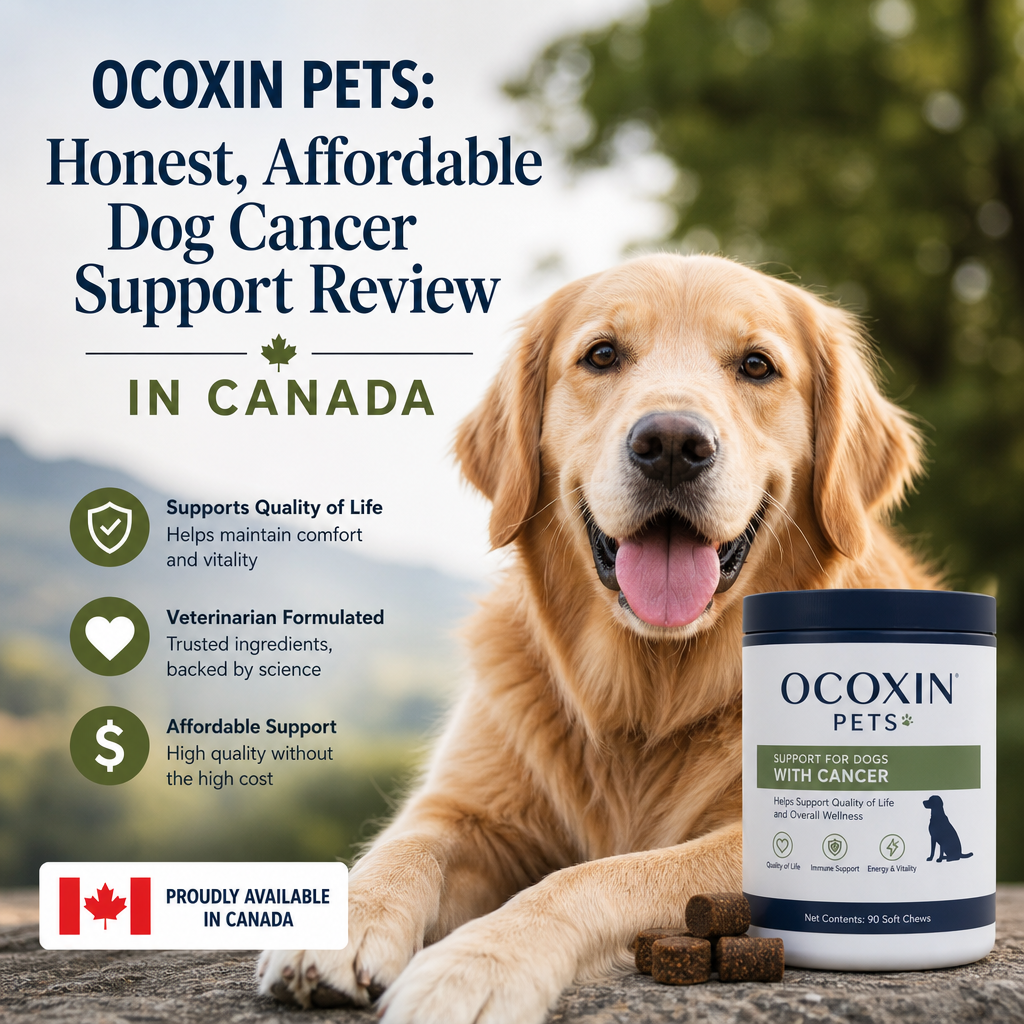
Ocoxin Pets is a nutritional supplement designed to provide supportive care for dogs facing serious health challenges, including cancer. For Canadian pet owners, finding an affordable product that may complement veterinary treatment is important, but it is equally essential to understand what the supplement can—and cannot—do. This Ocoxin Pets review examines its ingredients, possible benefits, limitations, safety considerations, and practical value for families seeking dog cancer support.
Ocoxin Pets is marketed as a complementary nutritional product for dogs and cats. Its formulation is generally associated with ingredients such as green tea extract, medicinal mushroom compounds, vitamins, minerals, and other nutrients intended to support immune function, antioxidant activity, appetite, and overall vitality.
The product is not a conventional cancer treatment. It does not replace surgery, chemotherapy, radiation, prescription medication, or the recommendations of a veterinarian or veterinary oncologist. Instead, it is positioned as supportive care that may help a dog maintain strength and quality of life during an illness or treatment period.
That distinction matters. Cancer affects every dog differently, and the appropriate care plan depends on the type of cancer, its stage, the dog’s age, existing medical conditions, and current medications.
For families also comparing broader support options, the article on wellness routine dog Effective Helpful Cancer Care offers additional context on building a daily care plan around treatment and comfort.
Ocoxin Pets dog cancer support: What can it realistically do?
The main appeal of Ocoxin Pets dog cancer support is that it may provide nutritional assistance while a dog is coping with disease or treatment. Dogs with cancer may experience reduced appetite, weight loss, fatigue, digestive upset, inflammation, or general weakness. A supplement containing concentrated nutrients and antioxidant compounds may help support normal body functions during this stressful period.
Potential goals of supplementation can include:
Supporting appetite and nutritional intake
Helping maintain normal energy levels
Providing antioxidant compounds
Supporting immune-system function
Complementing a veterinarian-approved cancer-care plan
Helping owners provide additional daily care at home
However, evidence for supplements in veterinary oncology is often limited compared with evidence for established cancer treatments. A product may have promising ingredients or anecdotal reports, but that does not prove it can shrink tumors, stop cancer progression, or extend survival. Responsible use requires realistic expectations.
The most meaningful benefit may be supportive rather than curative. If a dog eats better, maintains body condition, tolerates treatment more comfortably, or remains active for longer, that can be valuable. Even so, those outcomes should be monitored with professional veterinary guidance.
Ingredients and potential benefits
A closer look at the formulation is important before adding any supplement to a dog’s routine. Ocoxin Pets products may contain botanical extracts, mushroom-derived ingredients, vitamins, minerals, and other compounds selected for their antioxidant or immune-supportive properties.
Green tea-derived compounds, for example, are commonly studied for antioxidant activity. Medicinal mushrooms are also frequently included in complementary pet products because of their potential effects on immune signaling. Vitamins and minerals can help address nutritional needs, particularly when illness affects eating habits.
The presence of an ingredient does not automatically guarantee a clinical benefit. Dosage, concentration, product quality, the dog’s health status, and interactions with other medications all influence the outcome. Some substances that appear harmless in general wellness products may be unsuitable for dogs with liver disease, kidney problems, clotting disorders, or gastrointestinal sensitivity.
Pet owners should read the complete label, check the recommended serving instructions, and confirm that the product is intended for the dog’s size and species. Avoid assuming that a human supplement with similar ingredients is an acceptable substitute.
Many pet supplements sound impressive on paper, yet the real-world effect depends on how the ingredients work together and whether the dose is meaningful. A dog that is already eating a balanced diet may not need extra micronutrients, while a dog with poor appetite could benefit from targeted support if a veterinarian agrees it is appropriate.
Some products emphasize antioxidant support. That can be useful in theory, but dogs with cancer do not respond to antioxidants in exactly the same way as healthy dogs. In some cases, high-dose supplements can complicate treatment decisions. This is one reason veterinary oversight matters so much.
If your dog is already taking prescription medication, ask whether the supplement might affect absorption, liver metabolism, or bleeding risk. Even a product that is considered gentle may not be the right choice for every patient.
How supportive care fits into a cancer plan
A supplement cannot do the work of a complete treatment plan, but it may fit into one. Supportive care often focuses on maintaining comfort, reducing stress, preserving appetite, and helping the dog stay as stable as possible during medical treatment.
That may include prescription medication, diet adjustments, pain control, hydration support, gentle exercise, and monitoring at home. When used correctly, Ocoxin Pets may serve as one small part of a broader approach rather than a stand-alone answer.
An honest Ocoxin Pets review: Strengths and limitations
One strength often considered by Canadian pet owners is affordability. Cancer care can become expensive, especially when diagnostic testing, specialist consultations, medication, surgery, or repeated laboratory work are involved. A supplement may be easier to budget for than many other forms of supportive care.
Convenience is another potential advantage. A product that can be administered at home may fit into a daily care routine, particularly when a dog is already taking several prescribed medications.
Still, an honest Ocoxin Pets review must acknowledge important limitations. There may not be extensive independent clinical research proving that the product treats cancer or improves survival. Customer experiences can be encouraging, but testimonials are not a substitute for controlled veterinary studies. Dogs can also respond differently, meaning one pet’s improvement cannot predict another’s results.
Possible drawbacks include digestive upset, reluctance to take the product, allergic reactions, or interactions with prescription drugs. Some dogs may see no noticeable change. The cost, while potentially modest compared with cancer treatment, can still become significant when used for months.
The product should therefore be viewed as an optional complement—not as a guaranteed solution.
Who may consider it, and who should be cautious
Dogs that are already under veterinary supervision, have stable bloodwork, and are not taking medications with known interaction risks may be more likely to use a supplement safely. Even then, response should be monitored closely.
Extra caution is wise for senior dogs, very small dogs, dogs with liver or kidney disease, and dogs with sensitive digestion. If the pet has recently started chemotherapy or another new medication, the best approach is usually to wait for veterinary advice rather than guessing.
Owners should also be careful not to interpret short-term enthusiasm as proof of long-term benefit. Some dogs feel better for reasons unrelated to a supplement, such as pain relief, diet changes, or a good day during treatment. Careful observation helps separate coincidence from genuine improvement.
Safety and veterinary supervision
Before giving Ocoxin Pets to a dog with cancer, consult the veterinarian managing the case. This is especially important if the dog is receiving chemotherapy, corticosteroids, nonsteroidal anti-inflammatory drugs, antibiotics, anticoagulants, or medications for liver, kidney, or heart disease.
A veterinarian can help assess:
Whether the ingredients are appropriate
Whether the product could interact with current medication
Whether the dog’s liver and kidneys can process it safely
The correct serving based on weight and health status
Whether symptoms are caused by cancer, treatment, or another problem
Stop using the product and contact a veterinary professional if the dog develops vomiting, diarrhea, facial swelling, breathing difficulty, severe lethargy, loss of appetite, or any sudden change in condition. Never delay urgent treatment because a supplement is being used.
It is also wise to purchase from a reputable Canadian or authorized source. Check the expiry date, packaging integrity, storage instructions, and product information. Counterfeit or improperly stored supplements may not have the expected quality or potency.
Before you purchase, ask whether the label clearly lists the active ingredients, whether the serving instructions are easy to follow, and whether the company provides batch or quality information. It is also useful to ask how the product should be stored and whether it has any age or weight restrictions.
These practical questions do not replace veterinary advice, but they can help you avoid low-quality or confusing products. The more transparent the manufacturer is, the easier it becomes to make a cautious and informed decision.
Ocoxin Pets Canada: Practical considerations for buyers
When researching Ocoxin Pets Canada, buyers should look beyond the advertised price. Shipping fees, currency conversion, taxes, delivery time, and return policies can affect the final cost. Availability may vary depending on the supplier, and some products may be sold through international websites rather than local veterinary channels.
Canadian owners should also confirm that the label provides clear information about ingredients, dosage, manufacturer, and intended animal use. A transparent product page and accessible customer-service information are positive signs, although they do not independently verify medical effectiveness.
Keeping a simple health journal can make supplementation more useful. Record appetite, weight, activity, stool quality, vomiting, medication changes, and notable symptoms. This information can help the veterinarian determine whether the dog is benefiting, experiencing side effects, or changing because of another aspect of treatment.
For many families, value matters as much as the price tag. A supplement is only worthwhile if it arrives on time, is easy to give, and fits the dog’s care routine without creating unnecessary stress. If shipping delays or customs issues make the product hard to maintain, a locally available option may be more practical.
It is also sensible to compare the supplement’s monthly cost with its possible benefits. If the dog dislikes the taste, refuses the dose, or shows no improvement, continuing may not make sense. In that case, the veterinarian may suggest a different supportive strategy.
Owners often do best when they view cost in the context of the entire treatment plan. A cheaper supplement is not automatically better, and a more expensive one is not automatically superior. Consistency, safety, and veterinary fit matter more than marketing claims.
Final assessment
Ocoxin Pets may be a reasonable supportive supplement for some dogs when used under veterinary supervision. Its potential value lies in nutritional and quality-of-life support, not in replacing proven cancer therapies. The formulation may appeal to owners seeking an affordable addition to a broader care plan, but expectations should remain measured.
For Canadian pet families, the best decision involves reviewing the ingredient list, confirming safety with a veterinarian, purchasing from a reliable source, and monitoring the dog carefully. Used responsibly, Ocoxin Pets may have a place in compassionate supportive care. It should always remain one part of a comprehensive veterinary strategy focused on comfort, nutrition, treatment, and the dog’s overall quality of life.
In short, Ocoxin Pets can be considered a supportive tool, not a cure. When paired with expert veterinary guidance, careful observation, and a realistic understanding of its role, it may help some dogs feel a little better during a difficult time.
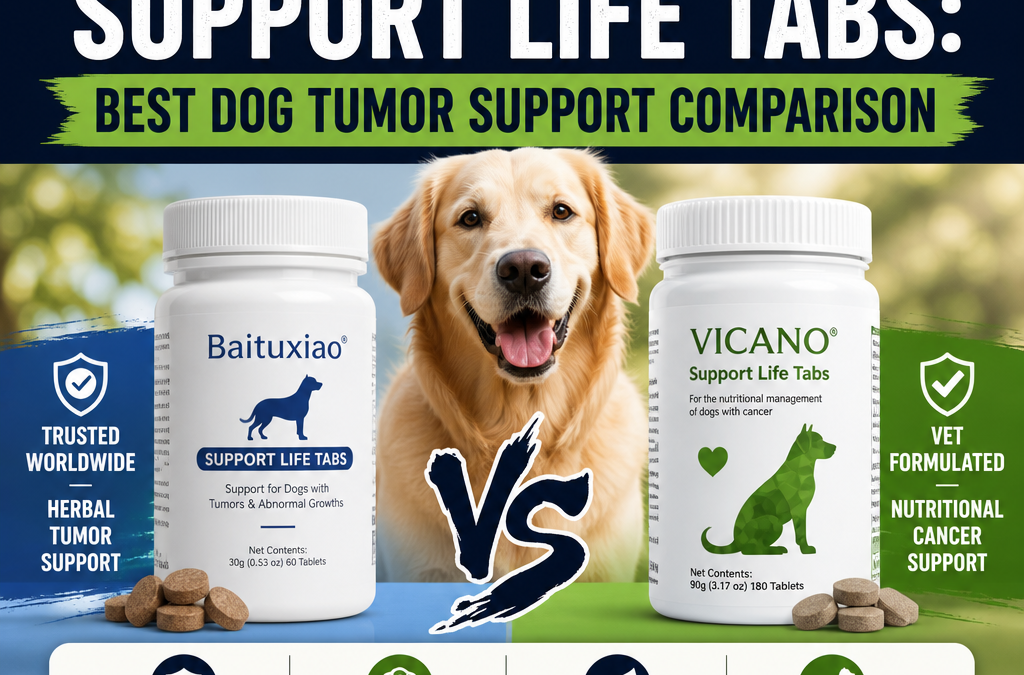
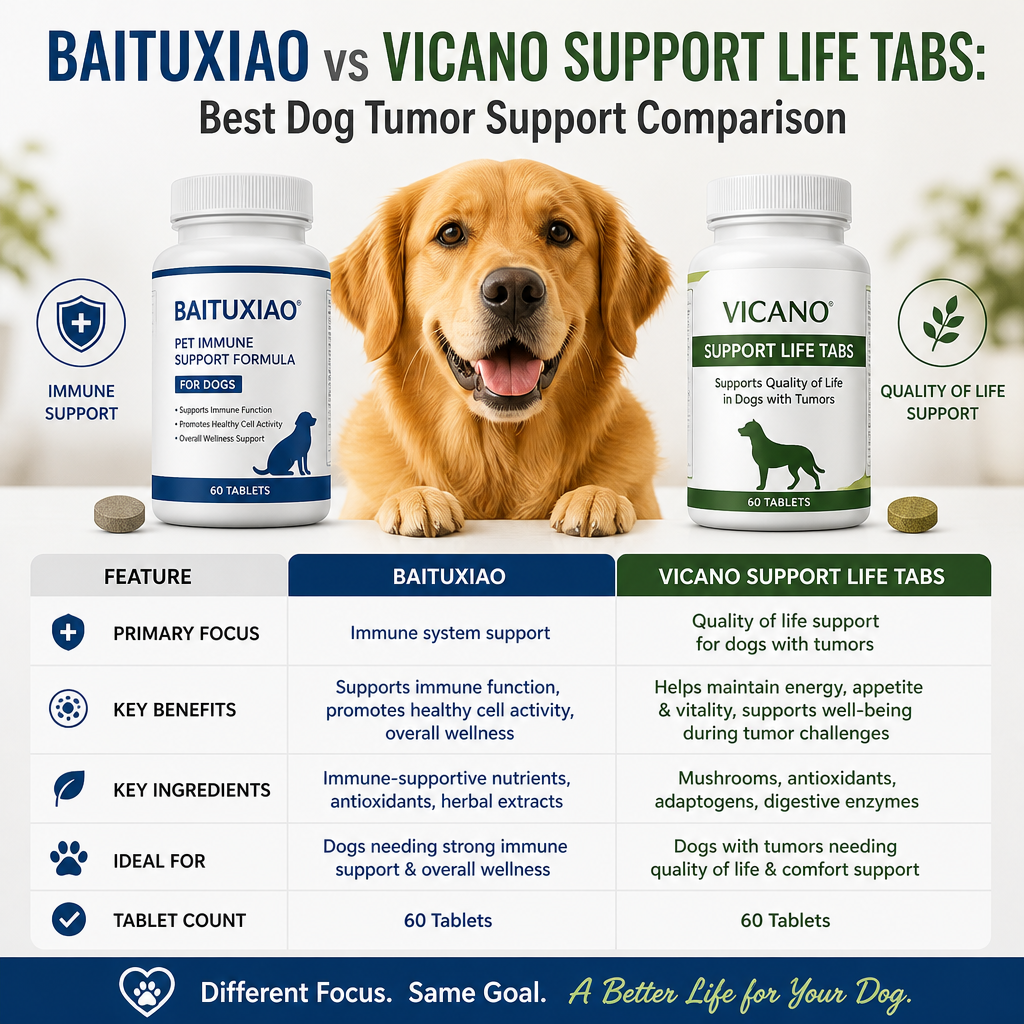
Baituxiao vs Vicano Support Life Tabs is a comparison many dog owners encounter when looking for additional support after a tumor diagnosis. Both products are marketed as canine supplements, but supplements should never be viewed as replacements for veterinary diagnosis, surgery, chemotherapy, radiation, or other evidence-based treatment. The right choice depends on the dog’s tumor type, current medications, overall health, and the veterinarian’s recommendations.
Understanding the Need for Dog Tumor Support
A tumor diagnosis can create difficult decisions. Some tumors are benign and may only require monitoring or removal, while others are malignant and can spread to other parts of the body. Even when a dog is receiving conventional treatment, owners often look for nutritional or supplemental support to help maintain appetite, energy, digestion, and general quality of life.
Support products may contain combinations of botanical extracts, mushrooms, vitamins, minerals, antioxidants, or other ingredients. Their intended roles can include supporting normal immune function, helping maintain healthy inflammatory responses, or providing nutritional support. However, the effectiveness and safety of each formula depend on its exact ingredients, dosage, manufacturing quality, and the individual dog’s condition.
For owners researching Baituxiao vs Vicano Support Life Tabs, it helps to remember that supportive care is only one part of a larger plan. A balanced diet, pain control, hydration, and close monitoring often matter more than the supplement itself. If you are also learning about tumor warning signs in specific breeds, the article on Beagle cancer risks and early tumor symptoms offers a useful example of how early detection can change the next steps.
In many cases, Baituxiao vs Vicano Support Life Tabs becomes a practical question only after owners have already confirmed the diagnosis and started talking through treatment options. That timing matters because the supplement conversation should always follow the medical plan, not lead it. A dog that is stable, eating well, and responding to treatment may need a very different support approach than a dog that is losing weight or coping with side effects.
It is also worth remembering that “support” means different things in different clinics. Some veterinarians prioritize appetite and gastrointestinal comfort, while others focus on inflammation, immune balance, or recovery after surgery. When owners compare Baituxiao vs Vicano Support Life Tabs, they should map the product goals to the dog’s actual needs instead of assuming all support tabs do the same thing.
Another reason to slow down is medication overlap. Dogs with cancer or other tumors may already receive pain relief, steroids, antibiotics, anti-nausea drugs, or chemotherapy. Adding a supplement without reviewing the label can create avoidable risks. A careful comparison is not about finding the most impressive product name; it is about protecting the dog from interactions and unnecessary stress.
Baituxiao vs Vicano Support Life Tabs: What Are They?
Baituxiao and Vicano Support Life Tabs are commonly discussed in the context of dog tumor support. They are not interchangeable automatically, even when both are promoted for similar purposes. Product formulas can vary by country, manufacturer, tablet strength, and updated labeling, so owners should always review the current package information rather than rely on an online description alone.
Baituxiao is generally presented as a multi-ingredient herbal support product. Its formula may include traditional botanical ingredients intended to support circulation, immune balance, or general wellness. Because herbal products can affect blood clotting, liver enzymes, blood pressure, or digestion, careful review is particularly important for dogs taking prescription medications.
Vicano Support Life Tabs are also positioned as a supportive supplement for dogs. The product may emphasize nutritional or botanical ingredients designed to promote general vitality and immune support. As with any supplement, the precise formulation determines its potential benefits and risks. Owners should confirm the active ingredients, tablet size, serving instructions, expiration date, and manufacturer information before purchasing.
To understand the broader topic, it also helps to look at general cancer-support resources such as the National Cancer Institute’s overview of complementary and alternative medicine. While that resource is not specific to dogs, it explains why evidence, safety, and treatment coordination matter so much when a supplement is added to a care plan.
For a family already comparing Baituxiao vs Vicano Support Life Tabs, the real question is whether either product fits the dog’s current health status. The answer depends less on product popularity and more on ingredient safety, veterinary oversight, and whether the supplement can be used without causing new problems.
In practical terms, that means looking for a complete label rather than a sales description. A supplement may be advertised as supportive, but if the ingredient amounts are hidden or vague, it becomes difficult to judge whether the product is appropriate. The same applies to sourcing: a trustworthy product should be traceable, with identifiable manufacturer details and batch information when possible.
Owners sometimes ask whether a herbal blend is automatically safer because it is “natural.” That assumption is not reliable. Natural ingredients can still interact with medications, upset the stomach, or place strain on the liver or kidneys. When evaluating Baituxiao vs Vicano Support Life Tabs, natural origin alone should never be treated as proof of safety.
Vicano Support Life Tabs Comparison: Important Factors
A useful Vicano Support Life Tabs comparison should look beyond marketing claims. Consider the following factors before making a decision.
Ingredient transparency
A reliable product should provide a complete ingredient list, amounts per tablet, feeding directions, and basic quality information. Blends that list numerous ingredients without individual quantities can make it difficult to assess potency or identify possible interactions.
Veterinary compatibility
The most important question is whether the supplement fits the dog’s treatment plan. A dog undergoing chemotherapy, taking anti-inflammatory medication, using anticoagulants, or preparing for surgery may face additional risks from certain herbs or concentrated compounds. The veterinarian should review the label before supplementation begins.
Dosage clarity
Dosing should be based on the dog’s weight, age, health status, and the product’s concentration. Do not assume that a larger dose produces better results. Excessive amounts of some vitamins, minerals, or botanical ingredients may cause vomiting, diarrhea, liver stress, or other complications.
Manufacturing quality
Look for products made by a company that provides clear contact information, lot numbers, expiration dates, and quality-control details. Products manufactured under appropriate standards are generally preferable to those with vague labeling or unsupported claims.
Tolerance and administration
Some dogs refuse tablets, while others develop digestive upset from new supplements. Introduce any product only as directed and monitor for changes in appetite, stool, vomiting, itching, lethargy, or behavior. A supplement that is difficult to administer or poorly tolerated may not be practical for long-term use.
When comparing Baituxiao vs Vicano Support Life Tabs, owners should keep the focus on what can realistically be verified: the ingredient panel, the dose, and the product’s quality controls. If a product’s label is unclear, that uncertainty should weigh heavily in the decision.
That same careful approach applies to any product review, whether you are reading packaging, talking to a pharmacist, or asking a veterinarian to assess a supplement before it is added to a treatment plan.
Another helpful step is to review whether the support product aligns with the dog’s stage of illness. A dog recovering from surgery may need wound healing and appetite support, while a dog with advanced disease may need a greater focus on comfort and maintaining daily routines. The best supplement choice can change as the case changes.
Owners should also consider whether the supplement can be given consistently. A formula that is theoretically promising but impossible to dose correctly is unlikely to help. The more practical product is the one the household can administer reliably, store properly, and discuss honestly with the veterinary team.
Dog Tumor Support Comparison: Which Product Is Better?
There is no universal winner in a dog tumor support comparison because the best option depends on the individual patient. A product may be unsuitable for a dog with liver disease but acceptable for another dog with a different health profile. Likewise, a formula that appears promising on paper may not be appropriate during a particular chemotherapy protocol.
Veterinarians usually evaluate supplements according to several considerations:
The type, grade, and location of the tumor
Whether the tumor has spread
Current medications and planned treatments
Kidney and liver function
Blood-clotting status
Appetite, body weight, and digestive health
The dog’s age and other medical conditions
The quality and reliability of the supplement manufacturer
Owners should also be cautious about claims that a product can shrink tumors, cure cancer, or replace veterinary treatment. Such statements are not a substitute for clinical evidence. A supplement may support general wellness, but it cannot be assumed to treat cancer unless strong, condition-specific research demonstrates that effect.
If you are still weighing Baituxiao vs Vicano Support Life Tabs, ask which one is least likely to interfere with the current treatment plan. A supplement that is theoretically helpful but practically risky is not the better choice.
Sometimes the better comparison is not between two supplements at all, but between using one supplement and using none. If the dog is already eating well, maintaining weight, and tolerating treatment, the veterinarian may decide that extra support is unnecessary. In that situation, the best product may be the one left on the shelf.
In contrast, if the dog is struggling with appetite, discomfort, or recovery, the vet may recommend a carefully selected supportive approach. Even then, the decision should be guided by the medical picture, not by the assumption that all supplements are equally beneficial. The phrase Baituxiao vs Vicano Support Life Tabs should therefore be treated as a starting point for review, not a final verdict.
Potential Benefits and Limitations
Support supplements may be useful in a broader care plan when selected carefully. Some dogs may experience improved appetite, more consistent energy, or better nutritional support, although responses vary and may be difficult to separate from the effects of primary treatment. Supplements can also give owners a structured way to contribute to daily care, particularly when combined with appropriate nutrition, hydration, pain control, and regular veterinary monitoring.
Their limitations are equally important. Evidence for many animal supplements is limited, and studies in laboratory settings do not always translate into proven benefits for dogs with naturally occurring tumors. Product quality may differ between brands, and ingredient interactions can create risks. A supplement should therefore be treated as an optional supportive measure rather than a guaranteed therapy.
In the same spirit, many owners review condition-specific guidance before choosing any product. For example, the article on dog belly lumps and abdominal tumors explains why a mass can mean very different things depending on its location, size, and behavior. That same caution applies to supplements: context matters.
For some dogs, the main value of Baituxiao vs Vicano Support Life Tabs may be the comfort of having a structured routine. That comfort is real, but it still should be paired with evidence-based care, not used as a substitute for it.
Potential benefits are usually modest and indirect. A supplement may help maintain a dog’s daily rhythm, encourage owner involvement, or support nutritional intake during a difficult period. Those outcomes can matter, especially when illness is ongoing. However, a responsible evaluation also asks what the product cannot do. It cannot confirm a diagnosis, replace imaging or biopsy, or guarantee a better outcome.
That balance between hope and realism is important in tumor care. When owners compare Baituxiao vs Vicano Support Life Tabs, they should look for signs that the product is meant to support the dog, not to promise a cure. The more cautious and transparent the claim, the more trustworthy the conversation tends to be.
Some families also want to know whether a supplement can be stopped quickly if needed. That is a practical question worth asking because treatment plans can change. If a dog’s bloodwork shifts, surgery becomes necessary, or side effects appear, the vet may want the supplement paused. A product that is easy to discontinue and reassess has an advantage from a safety standpoint.
How to Discuss Supplement Use With a Veterinarian
Bring the complete product label or a clear photograph of it to the veterinary appointment. Include the amount you plan to give and a list of every medication, supplement, and treat the dog receives. Ask whether any ingredient could interfere with chemotherapy, anesthesia, surgery, blood tests, or pain medication.
It is also helpful to establish monitoring goals. These may include maintaining body weight, preserving appetite, tracking vomiting or diarrhea, assessing energy, and checking bloodwork when appropriate. Stop the supplement and contact the veterinarian if the dog develops severe digestive symptoms, unusual bruising, yellowing of the eyes or gums, marked weakness, breathing problems, or a sudden change in behavior.
For practical use, Baituxiao vs Vicano Support Life Tabs should be discussed the same way as any other supportive product: one label, one medication list, and one clear treatment plan. That approach reduces guesswork and helps the veterinarian spot possible risks before they become problems.
If the clinic recommends monitoring liver enzymes, clotting values, or appetite after starting a supplement, follow that guidance closely. Supplement safety is not only about the first dose; it is also about what happens over time.
Bring up timing as well. Some supplements should never be started immediately before surgery or during medication changes. Others may be acceptable only after chemotherapy cycles are established. A vet can help decide when to begin, when to pause, and when to reassess. That advice is more valuable than trying to guess based on product advertising.
It is also useful to ask the veterinarian how success should be measured. A product may not cause dramatic changes, but it might still be worthwhile if it helps maintain appetite, stool quality, or comfort. On the other hand, if no practical benefit appears, the dog should not stay on an unnecessary supplement just because it seemed promising at first.
Making a Responsible Choice
When comparing Baituxiao and Vicano Support Life Tabs, prioritize transparency, veterinary approval, manufacturing standards, and compatibility with the dog’s treatment plan. Avoid choosing solely on testimonials, dramatic promises, or the number of ingredients listed on the label. A simpler product with clear dosing and dependable quality may be more appropriate than a complex formula with uncertain concentrations.
The central goal should be the dog’s comfort and quality of life. Regular veterinary examinations, timely treatment, balanced nutrition, pain management, hydration, and close observation remain more important than any single supplement. Used responsibly, a veterinarian-approved product may complement that care, but it should never delay diagnosis or replace therapies recommended by a qualified veterinary oncology team.
In the end, Baituxiao vs Vicano Support Life Tabs is less about which name sounds better and more about which option fits the dog safely. If the chosen supplement supports comfort without interfering with treatment, it may have a place in care. If not, the better choice is to skip it and follow the veterinarian’s guidance.
Before you decide, discuss Baituxiao vs Vicano Support Life Tabs with the veterinarian who knows the dog’s diagnosis best. That final check is often the most useful step in choosing a safe, practical support option.
For owners who want a simple final rule, it is this: choose the product only if it is clearly labeled, medically appropriate, and easy to monitor. If Baituxiao vs Vicano Support Life Tabs still feels uncertain after a veterinary review, caution is usually the wiser option. A careful choice protects the dog better than a rushed one.
Cancer is a daunting diagnosis for any pet owner. The idea of our beloved furry companions enduring such a struggle can be overwhelming. While conventional treatments like chemotherapy and surgery are often the first line of defense, many pet parents are exploring the growing world of natural remedies. Among these, herbal support stands out as a promising option for managing cancer in cats and dogs. This article delves into how herbal therapies can complement traditional treatments, improve quality of life, and potentially help in slowing the progression of cancer in pets.
The Power of Herbal Remedies in Pet Cancer Care
Herbs have been used for centuries in traditional medicine systems like Traditional Chinese Medicine (TCM) and Ayurveda. Now, their potential in veterinary oncology is gaining recognition. Certain herbs are believed to have anti-inflammatory, immune-boosting, and even anti-cancer properties, making them valuable allies in supporting pets with cancer.
Key Herbs for Cancer Support in Pets
Turmeric (Curcuma longa) Turmeric is renowned for its active compound, curcumin, which has potent anti-inflammatory and antioxidant properties. Research suggests curcumin may help slow the growth of tumors and reduce inflammation associated with cancer.
Milk Thistle (Silybum marianum) Known for its liver-protective effects, milk thistle is often used to detoxify the body, especially in pets undergoing chemotherapy. It helps shield the liver from damage caused by toxins.
Ashwagandha (Withania somnifera) An adaptogenic herb, ashwagandha helps pets manage stress and supports the immune system. It also exhibits anti-cancer properties by inducing apoptosis (programmed cell death) in cancer cells.
Reishi Mushroom (Ganoderma lucidum) While technically a mushroom, reishi is often classified with herbs due to its medicinal properties. It enhances immune function, reduces inflammation, and contains compounds that may inhibit tumor growth.
Chuanxiong (Szechuan Lovage Root) A staple in TCM, Chuanxiong is used to improve blood circulation and reduce pain. Its anti-inflammatory effects may help pets with cancer feel more comfortable.
Green Tea (Camellia sinensis) The polyphenols in green tea, particularly epigallocatechin gallate (EGCG), have shown promise in inhibiting cancer cell growth and protecting healthy cells from oxidative damage.
Benefits of Herbal Support in Cancer Care
Herbs can provide a wide range of benefits for pets battling cancer:
Enhanced immune response. Many herbs strengthen the immune system, enabling pets to better fight cancer cells.
Reduced side effects. Herbal remedies can alleviate side effects of conventional treatments, such as nausea, fatigue, and loss of appetite.
Anti-cancer properties. Certain herbs have compounds that may directly target cancer cells, slowing their growth or inducing cell death.
Improved quality of life. By reducing inflammation and managing pain, herbs can significantly improve your pet’s overall well-being.
How to Safely Use Herbal Therapies
While herbal remedies offer incredible potential, it’s crucial to use them responsibly:
Consult a veterinarian. Always discuss herbal therapies with a vet, preferably one experienced in integrative medicine.
Quality matters. Choose high-quality, pet-safe herbal supplements from reputable brands.
Monitor progress. Keep track of any changes in your pet’s condition and report them to your vet.
Avoid overlapping medications. Some herbs may interact with conventional treatments, so it’s essential to ensure compatibility.
A Holistic Approach to Cancer Care
Herbs should not replace conventional treatments but rather complement them as part of a holistic approach. Integrating herbs with proper nutrition, moderate exercise, and emotional support can create a robust framework for improving your pet’s health.
Success Stories: Real-Life Applications
Many pet owners have shared stories of how herbal support transformed their pets’ lives during their cancer journey. From reducing tumor size to restoring energy levels, these testimonials underscore the potential of nature’s remedies.
For example, one dog battling lymphoma experienced significant improvements in appetite and mobility after starting a regimen of turmeric and reishi mushroom supplements, alongside conventional chemotherapy.
Conclusion
Herbal support offers hope and healing for pets diagnosed with cancer. By tapping into the power of nature, we can enhance their quality of life and provide a supportive environment for recovery. If your pet is facing cancer, consider exploring herbal remedies as part of a comprehensive care plan—always with the guidance of a trusted veterinarian.
Cancer is one of the most devastating diagnoses any pet parent can face. For cats diagnosed with cancer, the path to recovery and comfort can be challenging, but with the right care and nutritional support, you can make a significant difference in their overall well-being. Nutritional supplements play a crucial role in this journey, providing vital nutrients that support the immune system, reduce inflammation, and promote healing. In this article, we’ll explore five essential facts about the role of nutritional supplements in cat cancer care and how they can complement medical treatment.
1. Nutritional Supplements Support the Immune System
A robust immune system is essential for any cat, but it becomes even more critical when fighting cancer. Cancer treatments, including chemotherapy and radiation, often weaken a cat’s natural defense mechanisms, making them more vulnerable to infections and other health issues. Supplements like antioxidants, Omega-3 fatty acids, and vitamins can help strengthen the immune system, offering your cat a better chance of fighting off secondary infections and supporting the body’s ability to heal.
One product that can aid in boosting the immune system is TCMVET BAITUXIAO, which contains a blend of natural ingredients designed to support the body’s natural defenses. This supplement can be particularly helpful for cats undergoing cancer treatment, as it works synergistically with their existing health regimen.
2. Targeted Nutritional Support Can Improve Quality of Life
Cancer can cause cats to lose their appetite and energy, which can affect their quality of life. Proper nutritional support ensures that your cat is getting the necessary nutrients, even when they may not feel like eating as much. High-quality supplements provide essential vitamins, minerals, and amino acids that promote appetite, enhance energy levels, and support tissue repair.
TCMVET BAITUXIAO is formulated to help manage these challenges by improving overall health and encouraging better digestion, even in cats who are dealing with the side effects of cancer treatments.
3. Supplements Can Help Manage Inflammation
Cancer and its treatments can cause inflammation in the body, leading to pain and discomfort for your cat. Omega-3 fatty acids, often found in fish oils, are known for their anti-inflammatory properties and can help reduce swelling and pain. Additionally, herbal supplements such as curcumin and green tea extract can also provide anti-inflammatory benefits, improving your cat’s comfort.
The ingredients in TCMVET BAITUXIAO are designed to support anti-inflammatory processes, helping to reduce the inflammation that can be a side effect of both cancer and its treatment. This can result in a significant improvement in your cat’s mobility and comfort.
4. Nutritional Supplements Help Protect Healthy Cells
While cancer treatments like chemotherapy target cancer cells, they can also harm healthy cells, leading to undesirable side effects. Nutritional supplements that are rich in antioxidants and other protective compounds can help protect healthy cells from oxidative damage. These nutrients act as a shield, ensuring that your cat’s body can continue to function as optimally as possible, despite the ongoing cancer treatments.
TCMVET BAITUXIAO contains a potent mix of protective ingredients that can assist in this protective role, supporting your cat’s health and potentially minimizing the side effects of conventional cancer therapies.
5. A Holistic Approach to Cat Cancer Care
Combining conventional treatments with nutritional supplements offers a holistic approach to cancer care for your cat. While medications and therapies are essential, they work best when paired with a diet rich in vitamins, minerals, and antioxidants that enhance your cat’s overall health. Nutritional supplements provide a well-rounded strategy that goes beyond symptom management, addressing your cat’s body on a cellular level.
By integrating TCMVET BAITUXIAO into your cat’s care routine, you are offering additional support during a challenging time. This comprehensive approach ensures that all aspects of your cat’s health are addressed, helping them recover more effectively and maintain a better quality of life.
Conclusion
While cancer can be an overwhelming diagnosis for any pet parent, nutritional supplements can play a key role in your cat’s recovery and comfort. From boosting the immune system and reducing inflammation to improving quality of life and protecting healthy cells, supplements provide invaluable support throughout the treatment process. By including products like TCMVET BAITUXIAO, you can offer your cat a fighting chance, ensuring that they receive the best care possible as they navigate this challenging journey.
Always consult with your veterinarian before adding any new supplements to your cat’s routine, especially during cancer treatment. They can guide you in selecting the best options for your cat’s specific needs.