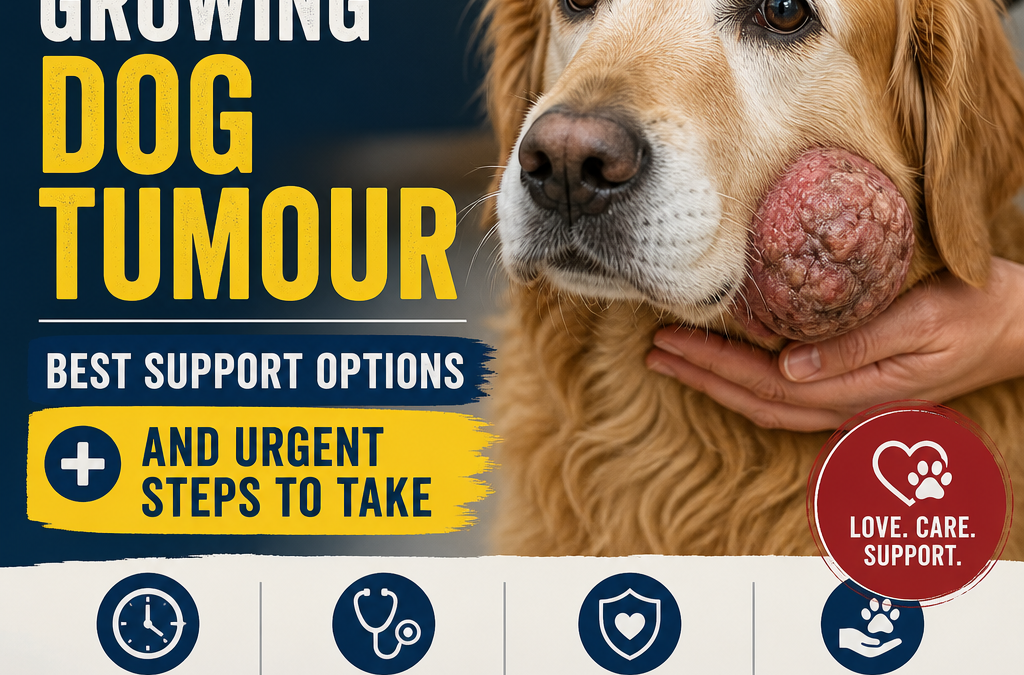
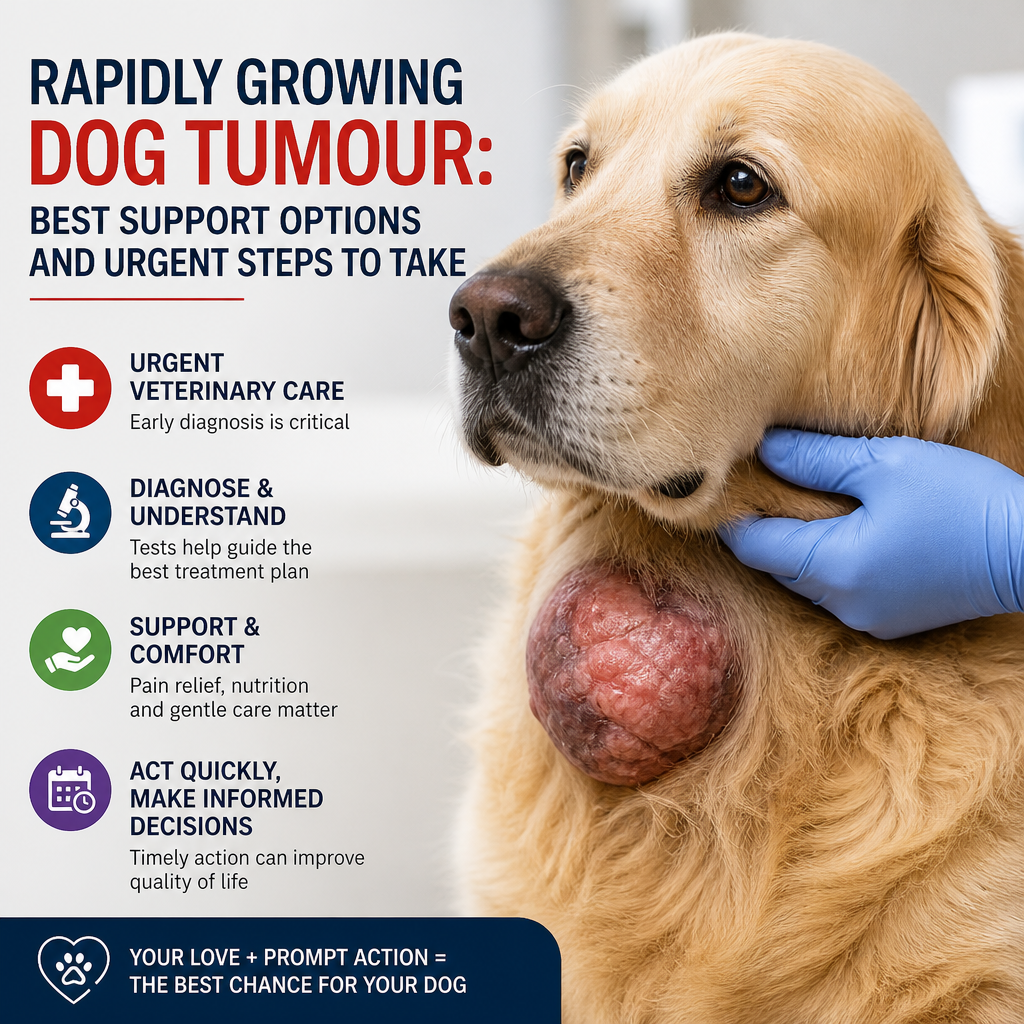
CORPET for dogs with tumors has attracted attention among United Kingdom dog owners looking for practical ways to support a pet during cancer treatment. A cancer diagnosis can be overwhelming, and owners often search for nutritional products, complementary support, and trustworthy information alongside veterinary care. This review examines what CORPET is intended to provide, how owners might assess its suitability, and the important considerations to keep in mind before adding any supplement to a dog’s treatment plan.
CORPET is presented as a dog cancer support product designed to complement veterinary management. Products in this category commonly focus on nutritional support, immune function, antioxidant activity, and maintaining general wellbeing. The purpose is not to replace surgery, chemotherapy, radiotherapy, prescription medicine, or specialist advice. Instead, it may be considered as part of a wider care plan for a dog living with cancer.
The exact benefits depend on the product’s ingredients, formulation, dosage instructions, and the individual dog’s health. Cancer is not one single disease. Different tumour types behave differently, and a dog’s age, weight, organ function, appetite, medication, and treatment schedule all influence what support may be appropriate.
For that reason, owners should read the product label carefully and discuss it with their veterinary surgeon before use. The official UK government guidance on animal medicines is also a helpful reference when comparing supportive products with regulated treatments.
CORPET for dogs with tumors: what owners may look for
When evaluating CORPET for dogs with tumors, owners should focus on more than marketing claims. A useful review should consider formulation, transparency, safety, ease of administration, and whether the product is appropriate for the dog’s circumstances.
Ingredient transparency
A reputable supplement should clearly list its ingredients, quantities, recommended serving size, storage instructions, and any relevant warnings. A vague list that uses broad descriptions without amounts makes it difficult to judge value or safety.
Owners should also check whether the product contains ingredients that could be unsuitable for dogs with liver disease, kidney disease, diabetes, pancreatitis, gastrointestinal problems, or known allergies. Some natural substances can still interact with medicines or cause side effects.
Practical administration
Dogs undergoing cancer treatment may have reduced appetite, nausea, mouth discomfort, or changes in taste and smell. A supplement that is difficult to mix with food or has an unpleasant taste may be challenging to use consistently.
Ease of administration matters because supportive care works best when it fits comfortably into a daily routine. Owners should follow the stated serving guidance rather than assuming that a larger amount will produce better results.
Quality and manufacturing standards
United Kingdom owners may wish to investigate where CORPET is manufactured, whether batches are tested, and how the company manages quality control. Information about manufacturing standards, ingredient sourcing, and independent testing can help owners make a more informed decision.
It is also sensible to check whether the product is intended specifically for dogs and whether the packaging provides clear contact information for the manufacturer or distributor.
What a CORPET review should not claim
A responsible CORPET review should avoid presenting the product as a cure for cancer. No supplement should be promoted as a substitute for diagnosis or treatment from a qualified veterinary professional. Claims that a product can eliminate tumours, guarantee remission, or replace conventional treatment should be treated with caution.
Supplements may support nutrition or general wellbeing, but evidence for cancer-related products can vary considerably. Some ingredients may have research behind them in particular settings, while evidence in dogs with specific cancers may be limited. Laboratory findings or studies in humans do not automatically prove that a product will benefit every dog.
Owners should therefore view CORPET as possible supportive care rather than a standalone cancer treatment.
Discussing CORPET with a veterinary surgeon
Before using CORPET, provide the veterinary team with the complete product label and a list of everything the dog currently receives. This includes prescription medicines, pain relief, anti-inflammatory drugs, vitamins, treats, and other supplements.
A veterinary surgeon may consider factors such as:
The type and stage of cancer
Current chemotherapy, radiotherapy, or surgical plans
Kidney and liver function
The dog’s appetite and digestion
Existing allergies or medical conditions
Possible interactions with medication
Whether the product is appropriate before or after an operation
This conversation is especially important because some supplements may affect bleeding, digestion, blood pressure, or the way medicines are absorbed or processed. A specialist veterinary oncologist can provide further guidance when the case is complex.
Monitoring a dog after starting a supplement
If a vet agrees that CORPET is suitable, introduce it according to the recommended instructions and monitor the dog closely. Keep note of appetite, energy, stool quality, vomiting, skin changes, thirst, urination, and any unusual behaviour.
Potential adverse effects should be reported to the veterinary team. Stop using a product and seek professional advice promptly if a dog develops repeated vomiting, severe diarrhoea, facial swelling, breathing difficulty, collapse, marked lethargy, or refuses food.
It is also useful to record the dog’s weight and general quality of life. These observations can help the veterinary team determine whether the wider care plan is working. A supplement should never delay urgent medical attention or be used to explain away symptoms that may indicate disease progression or treatment complications.
CORPET United Kingdom availability and owner considerations
For owners searching for CORPET United Kingdom information, practical details are just as important as the product’s intended purpose. Check delivery arrangements, packaging, serving instructions, refund policies, and whether the product is supplied through an established business. Imported products may have different labelling or customer-service arrangements, so buyers should verify that the product is suitable for use in the UK.
Price should also be considered in relation to the dog’s overall care. Cancer treatment can involve consultations, imaging, medication, surgery, and follow-up appointments. Owners should avoid feeling pressured into purchasing a supplement at the expense of essential veterinary treatment, high-quality food, pain management, or comfort-focused care.
For a broader overview of pet cancer support, owners may also find it useful to read our canine cancer care guide when discussing options with a veterinary professional.
Overall assessment
CORPET may be of interest to United Kingdom dog owners seeking additional nutritional or supportive care during a difficult cancer journey. Its suitability depends on the ingredients, product quality, the dog’s diagnosis, and professional veterinary guidance. The most balanced approach is to view it as a possible complement to an evidence-based treatment plan, not as a cure or replacement for veterinary medicine.
A careful owner review should prioritise transparent labelling, realistic claims, safe administration, and communication with the veterinary team. Above all, the dog’s comfort, dignity, nutrition, and quality of life should remain central to every decision.
When in doubt, ask your veterinary surgeon to help you compare any supportive product with the dog’s current treatment plan. That extra step can prevent avoidable complications and make sure any supplement is introduced in a way that supports, rather than disrupts, care.
Dog Cancer Supplements Radiotherapy should never be added to a treatment plan without guidance from a veterinary oncologist. Although some supplements may support appetite, digestion, or general wellbeing, others can interfere with radiation effects, worsen side effects, or create risks when combined with prescription medicines. Safer care begins with asking precise questions, reviewing all products honestly, and making decisions based on your dog’s individual diagnosis and treatment protocol.
Why supplements during dog radiotherapy require caution
Radiotherapy is designed to damage the DNA of abnormal cells while limiting injury to surrounding healthy tissue. The success of treatment can depend on the radiation dose, treatment schedule, tumor type, treatment location, and your dog’s ability to recover between sessions.
Some supplements contain antioxidants or compounds that influence inflammation, blood clotting, liver enzymes, immune activity, or cellular repair. These effects may be helpful in certain situations, but they could also theoretically protect cancer cells from radiation damage or alter how medications work. Evidence is still limited for many products marketed for canine cancer, and “natural” does not automatically mean safe.
This does not mean every supplement must be avoided. It means each product should be evaluated in context. A supplement appropriate for a dog receiving chemotherapy may not be suitable during radiotherapy, and a product used safely before treatment may need to be stopped temporarily.
When owners search for practical help, they often want a simple rule, but radiotherapy decisions are rarely that simple. The safest approach is to review each product one by one and make changes only with veterinary approval. That is why dog cancer supplements radiotherapy decisions should always be individualized rather than copied from an online routine.
It also helps to remember that supportive care is not limited to pills, powders, or capsules. A complete plan may involve diet changes, hydration support, symptom control, gentle exercise, and close observation at home. When those basics are handled well, there is often less pressure to add several supplements at once.
Before you start or stop anything, ask whether the product is actually solving a problem that radiotherapy has created. For example, if the main concern is poor appetite, a targeted feeding strategy may be more useful than adding a broad wellness formula. If the concern is nausea, the veterinary team may prefer a prescription anti-nausea medication over a supplement with uncertain effects. This practical approach keeps dog cancer supplements radiotherapy care focused on real needs rather than marketing claims.
The most important safety questions to ask about dog cancer supplements radiotherapy
Has the veterinary oncology team approved this specific product?
Bring the actual container, label, or a clear photograph to your veterinary team. Product names alone may not reveal the full formulation. Ask whether the oncologist has reviewed the ingredients, dosage, manufacturer, and intended use.
Human supplements are particularly concerning because they may contain ingredients or concentrations unsuitable for dogs. Some also include xylitol, excess vitamin D, iron, caffeine-like stimulants, or herbal combinations that can be toxic.
If you are considering a product already discussed in oncology-focused pet resources, it can help to compare options before making a purchase. For example, dog cancer supplement guidance for UK pet owners explains how to evaluate quality, safety, and affordability before adding anything to a cancer care plan.
Could it affect the goal of radiotherapy?
Ask directly whether the supplement may influence radiation sensitivity, cellular repair, oxidative stress, or inflammation. Antioxidant-heavy formulas are often the subject of concern because radiation partly works by creating oxidative damage in tumor cells. Research does not provide a universal answer for every antioxidant or every cancer, so the decision should be individualized rather than based on broad claims.
Your veterinarian may recommend pausing certain products before, during, or shortly after treatment. The timing depends on the supplement’s ingredients, half-life, dose, and the radiation plan.
This is one reason dog cancer supplements radiotherapy conversations should happen before the first session whenever possible. Early review gives the oncology team time to adjust the plan without interrupting treatment.
Could it interact with prescription medicines?
Dogs receiving radiotherapy may also take pain relievers, anti-inflammatory drugs, anti-nausea medication, antibiotics, steroids, seizure medication, or drugs for other health conditions. Supplements can alter absorption or metabolism, increasing or reducing the effects of these medicines.
Ask whether the product affects liver enzymes, kidney function, sedation, blood pressure, or bleeding risk. Products such as fish oil, turmeric, garlic-derived compounds, ginkgo, and some herbal blends may influence clotting or gastrointestinal irritation. These risks matter even more if surgery, biopsy, or another invasive procedure is planned.
When in doubt, request a full interaction review. A brief conversation is often enough to clarify whether a product should be held temporarily or avoided altogether during dog cancer supplements radiotherapy care.
Is the dose based on my dog’s weight and medical condition?
A dose copied from a human label or online forum is not a reliable canine dose. Dogs differ in size, age, breed, kidney function, liver function, nutritional status, and concurrent disease. Cancer itself can also change how a dog processes nutrients and medications.
Ask for a specific dose, schedule, and duration. Clarify whether the supplement should be given with food and what to do if your dog vomits after receiving it. More is not better; excessive doses can produce toxicity or make side effects harder to identify.
Even when a product sounds harmless, its dose may need to change during treatment. That is especially true when dog cancer supplements radiotherapy protocols overlap with pain control, anti-nausea medicine, or other supportive care.
Is the product independently tested?
Supplement quality varies considerably. Some products may contain inaccurate ingredient amounts, contaminants, or undeclared substances. Look for manufacturers that provide batch testing, quality-control information, and clear labeling. Veterinary teams may prefer products formulated specifically for animals, although even veterinary supplements should be reviewed before use.
Avoid products making promises to cure cancer, shrink tumors, replace radiotherapy, or guarantee survival. Such claims are warning signs and can delay evidence-based treatment.
It may also help to ask whether a supplement is intended for short-term comfort or long-term disease support. Some products are promoted as broad immune boosters, but that phrase can mean very different things depending on the ingredient list. A supplement that seems harmless because it is “supportive” may still be inappropriate during active radiation. That is why dog cancer supplements radiotherapy questions should always focus on the specific formula, not the category name.
Monitoring for side effects
Radiotherapy side effects depend on the treatment area. Dogs may develop skin irritation, hair loss, redness, fatigue, appetite changes, nausea, diarrhea, or discomfort. Some effects appear during treatment, while others may develop days or weeks later.
Keep a daily record of appetite, water intake, bowel movements, vomiting, energy, medication administration, and changes in the treated area. Record the exact supplement dose and time given. This information helps the oncology team determine whether a symptom is related to radiotherapy, a supplement, another medication, or the underlying disease.
Contact the veterinary team promptly if your dog refuses food, vomits repeatedly, develops severe diarrhea, appears unusually weak, has trouble breathing, experiences uncontrolled pain, or shows signs of an allergic reaction such as facial swelling or sudden hives. Do not wait for a routine appointment when symptoms are severe or rapidly worsening.
Keeping this log also makes follow-up visits more productive. Small changes in energy, stool quality, or appetite can reveal whether dog cancer supplements radiotherapy support is helping, neutral, or causing avoidable problems.
It is also useful to note when symptoms begin in relation to radiation sessions and supplement doses. If vomiting starts within a few hours of a new product, that timing may matter. If diarrhea appears after a particular food change, the issue may not be the supplement at all. Clear notes reduce guesswork and help the veterinary team decide whether to continue, adjust, or stop a product.
Do not overlook subtle signs either. A dog that becomes quieter, sleeps more, or hesitates to eat may be telling you that the current plan is too much. Even mild changes are worth reporting if they persist for more than a day or two. Early communication often prevents a small problem from becoming a bigger one.
Choosing safer canine cancer supportive care
Canine cancer supportive care is broader than supplements. Nutrition, hydration, pain control, nausea management, rest, skin care, and emotional comfort are often more important than adding multiple products.
A complete and balanced diet recommended by your veterinarian can help maintain body weight and muscle. If appetite is poor, ask about safe appetite support, warming food, smaller meals, or prescription nutrition strategies. Avoid forcing food, using unapproved raw diets, or making dramatic dietary changes during radiotherapy unless the veterinary team recommends them.
Hydration is also essential. Your veterinarian can advise on encouraging water intake and recognizing dehydration. Gentle exercise may help preserve mobility and mood, but activity should be adjusted according to energy levels and treatment location.
For owners who want more background on supportive care choices, best supplements for dogs with cancer offers a broader overview of options that are commonly discussed alongside conventional care.
Supportive care should also consider the emotional side of treatment. Dogs may become more clingy, quieter, or less interested in normal routines while healing. A predictable schedule, soft bedding, and calm handling can make recovery easier without adding unnecessary products.
Good supportive care also means reducing avoidable stress. Keeping appointments organized, using the same food and medication routine each day, and watching for signs of discomfort can all make treatment easier to tolerate. In many cases, a calm, consistent home environment does more for recovery than any unproven supplement. That perspective keeps dog cancer supplements radiotherapy decisions grounded in practical care.
If your dog has a complicated medical history, ask whether a nutrition consult would help. Some dogs benefit from extra calories, others from a different feeding schedule, and others from a change in texture or flavor rather than a new supplement. A tailored plan is usually safer and more effective than trying several products at once.
Create a coordinated supplement plan
Before radiotherapy begins, prepare a complete list of everything your dog receives, including vitamins, oils, herbal products, dental chews, treats, probiotics, and nonprescription medications. Include the brand, ingredients, dose, and frequency.
Ask the oncology team to identify which products should be continued, paused, or permanently avoided. Establish who should approve new products and when the plan will be reassessed. A simple, coordinated approach reduces accidental interactions and makes it easier to identify the cause of any side effect.
Some owners also find it useful to keep one written plan for the household and one for the clinic. That way, dog cancer supplements radiotherapy decisions remain consistent even when multiple caregivers are involved.
Before starting anything new, confirm whether the timing should change on treatment days. A supplement that is acceptable on paper may still need to be separated from other medications or held around appointment times to keep the plan predictable and safe.
It can be helpful to create a one-page medication chart that lists what each item is for, when it should be given, and whether it should be paused before appointments. This is especially useful if more than one person helps care for the dog. A clear chart reduces missed doses, accidental double-dosing, and confusion about which products are still active parts of treatment.
When the veterinary team reviews the full list, ask them to mark any products that are optional rather than essential. That distinction matters because optional items are often the first to be paused if side effects appear. Essential medicines, on the other hand, may need careful timing adjustments rather than full removal. The more specific the plan is, the easier it is to keep dog cancer supplements radiotherapy support safe and organized.
When a supplement plan may need to change
Even a well-designed plan may need to change as treatment progresses. If your dog develops vomiting, diarrhea, poor appetite, or unusual lethargy, the oncology team may temporarily simplify the routine so it is easier to identify the cause of the problem. The same is true if bloodwork changes or if another medication is added.
It is also reasonable to revisit the plan after each radiotherapy stage. Some dogs tolerate supportive products well at first but need a different approach later. Others do better with fewer products and more focus on hydration, nutrition, and symptom control. A flexible plan is usually safer than a fixed one.
If you are unsure whether a product belongs in the routine, bring the label to the next appointment or send a clear photo to the clinic. That small step can prevent mistakes and reduce stress for everyone involved.
Changes may also be needed if your dog’s cancer type, overall condition, or concurrent medications change. A supplement that seemed reasonable at the beginning of treatment may no longer fit once the dog is recovering from side effects or dealing with another health concern. Rechecking the full plan at regular intervals keeps dog cancer supplements radiotherapy support aligned with the current situation rather than the original one.
Owners sometimes hesitate to mention over-the-counter products because they do not seem like “real medicine.” In practice, though, these products can matter just as much as prescriptions. Vitamins, herbal blends, essential oils, and even some calming chews can have active effects. Your veterinary team can only help if they know exactly what your dog is taking.
Practical checklist for owners
List every supplement, treat, vitamin, and oil your dog receives.
Share the exact labels and doses with your veterinary oncologist.
Ask whether each item is safe before, during, and after treatment.
Check for interactions with pain medicine, steroids, antibiotics, and anti-nausea drugs.
Watch for appetite changes, vomiting, diarrhea, weakness, or skin irritation.
Stop relying on online claims that promise cure or tumor shrinkage.
With careful review, the best dog cancer supplements radiotherapy decisions are usually the simplest ones: fewer unknowns, better communication, and faster action when something does not look right.
It can also help to save all product packaging until the treatment course is finished. If a problem arises, the exact label and lot number may help the clinic identify whether an ingredient, dose, or formulation change is relevant. That level of detail is especially useful when more than one caregiver is involved or when a product is reordered during treatment.
Finally, remember that supportive care is a process, not a single decision. What is appropriate this week may need to be revisited next week. Staying in close contact with your oncology team gives your dog the best chance of receiving help that is both safe and useful.
Final thoughts
The safest use of supplements during dog radiotherapy is careful, transparent, and evidence-informed. Supplements may have a role for selected dogs, but they should support—not replace—veterinary cancer treatment. By asking about radiation compatibility, drug interactions, product quality, dosing, and monitoring, owners can help protect their dogs while keeping comfort and treatment goals at the center of care.
When the plan is reviewed openly and updated as needed, dog cancer supplements radiotherapy decisions become more manageable and far less risky. That combination of caution and communication gives your dog the best chance at safe, supportive care throughout treatment.
Dog tumour growing fast can be frightening to discover, especially when a lump seems to change noticeably over days or weeks. Although some fast-growing masses are benign, rapid enlargement can also indicate infection, inflammation, bleeding, or an aggressive cancer. The safest response is to arrange veterinary assessment promptly, monitor changes carefully, and focus on practical dog tumour support while a diagnosis is being established.
A lump that grows quickly should never be assessed by appearance alone. Tumours can develop in the skin, tissue beneath the skin, mammary glands, mouth, limbs, or internal organs, and different masses may look very similar from the outside. Some are harmless fatty growths, while others can invade nearby tissue or spread to other parts of the body.
Rapid growth may occur because tumour cells are multiplying quickly, but it can also result from swelling, fluid accumulation, infection, or bleeding within a mass. A previously stable lump that suddenly becomes larger, red, warm, painful, or ulcerated requires particular attention. A dog tumour growing fast can change the treatment timeline, so it is best to act early rather than wait to see whether it settles on its own.
For owners who are already comparing options, best supplements for dogs with cancer can be part of a wider discussion with the veterinary team, but supplements should never replace prompt diagnosis.
Contact your veterinarian as soon as possible if you notice:
A lump increasing in size over a short period
Bleeding, oozing, scabbing, or an unpleasant smell
Redness, heat, swelling, or obvious pain
Changes in appetite, energy, movement, or behaviour
Difficulty breathing, swallowing, urinating, or passing stool
Vomiting, weakness, collapse, or pale gums
A mass that interferes with walking or normal daily activities
Emergency signs such as collapse, severe bleeding, breathing difficulty, extreme weakness, or uncontrolled pain require immediate veterinary care rather than a routine appointment.
In practical terms, dog owners often notice the change first because a collar feels tighter, a limb seems awkward, or a pet starts licking one spot more than usual. That pattern does not tell you what the mass is, but it does tell you the body is reacting to something that deserves attention.
What the veterinarian may do
The first step is usually a physical examination. Your veterinarian will assess the mass’s location, size, firmness, mobility, surface appearance, and relationship to surrounding tissues. They may also check lymph nodes and look for signs that the problem is affecting the rest of the body.
A fine-needle aspiration is often recommended. During this procedure, cells are collected from the lump with a small needle and examined under a microscope. It can sometimes identify the type of mass, although some tumours require a biopsy for a definitive diagnosis.
Additional tests may include:
Blood and urine tests to assess overall health
X-rays or ultrasound to look for internal involvement
Advanced imaging, such as CT or MRI, for surgical planning
A tissue biopsy to determine tumour type and grade
Lymph node sampling to check for spread
Do not squeeze, puncture, massage, or attempt to remove the lump at home. These actions can cause bleeding, infection, pain, and tissue damage. They may also make later examination or surgery more difficult.
For general clinical guidance on cancer evaluation and follow-up testing, the Merck Veterinary Manual is a useful veterinary reference.
It can help to write down a few practical details before the appointment. When did the lump first appear? Has the size changed daily, weekly, or only after activity? Is the skin intact? Does your dog react when it is touched? Those notes can help the veterinarian decide whether the problem is likely to be inflammatory, infectious, or neoplastic.
Understanding dog tumour support during diagnosis
Dog tumour support begins with protecting comfort and preventing the mass from becoming irritated. If the area is exposed to licking or scratching, your veterinarian may recommend an Elizabethan collar, recovery suit, or protective dressing. Any dressing must be applied correctly and checked regularly, because moisture and pressure can worsen skin damage.
Keep the area clean and dry, but avoid using household disinfectants, essential oils, creams, or human medications unless your veterinarian specifically approves them. Some common products are toxic to dogs or may interfere with healing.
Record the mass’s size and appearance. A simple log can include:
Date and measurements in centimetres
Photographs taken from the same angle
Changes in colour, texture, or discharge
Signs of pain or increased sensitivity
Appetite, drinking, energy, and mobility
Any medications or treatments given
This information helps the veterinarian identify how quickly the mass is changing and whether treatment is having an effect.
If you want to compare practical support approaches, this guide to dog cancer supplements may help you prepare questions for your vet.
Good support also means limiting strain on the affected area. Use non-slip flooring if your dog is unsteady, keep bedding soft, and make food and water easy to reach. If the lump sits where a harness or collar rubs, change how you walk your dog until the area is assessed.
Dog tumour growing fast: key support steps while you wait for results
When a dog tumour growing fast is being investigated, the most useful support is calm, consistent observation. Try to keep your dog’s routine as normal as possible while reducing anything that could irritate the mass. Short, quiet walks, soft bedding, and close supervision can make a difficult waiting period more manageable.
If the lump changes shape, bleeds, or becomes more painful, contact the clinic rather than waiting for a scheduled recheck. A dog tumour growing fast may need a faster follow-up if the mass is interfering with eating, toileting, sleeping, or movement.
It can also help to write down exactly when the lump first changed. In many cases, owners notice that the dog tumour growing fast is not just larger, but also firmer, warmer, or more sensitive to touch. Those details can help your vet decide whether urgent imaging, sampling, or referral is needed.
Practical day-to-day checks at home
When a dog tumour growing fast is being monitored, small changes matter. Check your dog at the same time each day so you can spot differences in size, comfort, appetite, or breathing. If the mass is bleeding, use a clean cloth and call your vet for instructions rather than applying pressure for too long or trying to treat it yourself.
Keeping a short home record can make follow-up appointments more productive. Note whether your dog can settle comfortably at night, get up without difficulty, and complete normal routines such as toileting and short walks.
It also helps to watch for changes that may seem unrelated at first. A dog that is eating less, hiding more, panting at rest, or avoiding stairs may be uncomfortable even if the lump itself has not changed dramatically. In cases where a dog tumour growing fast is affecting the mouth, throat, chest, abdomen, or rear limbs, behaviour changes can appear before the underlying diagnosis is confirmed.
Supportive care during the waiting period
While you are waiting for test results, focus on reducing stress. Avoid rough play, long car trips unless necessary, and exposure to other pets that might bump the area. If your dog is anxious, speak with your veterinarian about safe ways to keep them settled.
Meals should remain familiar unless your veterinary team suggests otherwise. Sudden diet changes can upset the stomach at a time when your dog is already under strain. Fresh water should always be available, and you should track whether your dog is drinking normally.
If your dog is prescribed medicine, follow the dosing instructions carefully. Never substitute human painkillers or old prescriptions from another pet. A dog tumour growing fast can be painful, but the wrong medicine can create a second medical problem.
Dog tumour growing fast: what changes matter most
Not every change means the worst-case scenario, but some patterns deserve faster follow-up. A mass that doubles in size in a short period, becomes ulcerated, or starts draining fluid should be rechecked promptly. When a dog tumour growing fast becomes harder, more fixed in place, or more painful, that may suggest deeper tissue involvement.
Other warning signs include loss of appetite, fever, vomiting, coughing, laboured breathing, difficulty urinating, or changes in stool. These can indicate that the tumour is affecting the body more broadly, or that another illness is present alongside the lump.
It is also worth considering whether the location is limiting normal function. A mass near a joint may change how a dog walks; one in the mouth may make chewing difficult; one near the rear end may interfere with toileting. In each of these situations, practical dog tumour support is not only about comfort, but also about preserving daily function while your vet works out the cause.
Supporting comfort and daily wellbeing
While testing and treatment are underway, maintain a predictable routine. Dogs often cope better when meals, rest, walks, and medication are given at consistent times. Offer a quiet, comfortable bed that is easy to access, particularly if the mass affects mobility or your dog is recovering from a procedure.
Nutrition is also important. Provide a complete, balanced diet and monitor food and water intake. Avoid making sudden dietary changes or giving unproven supplements. Some supplements can interact with chemotherapy, pain relief, anaesthesia, or other prescribed treatments.
Pain management should always be guided by a veterinarian. Never give human painkillers such as ibuprofen, naproxen, or paracetamol unless specifically instructed, as these medicines can cause serious poisoning in dogs. Veterinary pain relief may include prescription anti-inflammatory drugs, other analgesics, or supportive medications depending on the diagnosis and your dog’s health.
Gentle activity may help maintain strength, but exercise should be adjusted to your dog’s condition. Avoid rough play, jumping, or activities that rub against the mass. If your dog becomes tired, painful, or reluctant to move, allow rest and contact the veterinary team for guidance.
Many owners also benefit from setting up a simple comfort plan at home. This might include washable bedding, a quiet resting area, easy access to water, and a note of who is giving medicines and when. Practical support often reduces stress for both the dog and the family while the medical plan is being decided.
What to watch for between appointments
A dog tumour growing fast may also affect general wellbeing before the underlying cause is known. Watch for changes in breathing, posture, appetite, sleep, and interest in family life. Even subtle signs such as hiding, panting at rest, or reluctance to climb stairs can point to discomfort.
Ask yourself whether your dog still has enough energy for the routines they normally enjoy. If the answer is changing quickly, that is useful information to share with your veterinarian. The phrase dog tumour growing fast often describes the visible lump, but the bigger concern is how the condition is affecting the whole dog.
Owners sometimes underestimate the value of photographing the lump from the same angle each day. Small visual records can make growth easier to discuss at the clinic and may help the veterinarian judge whether the mass is expanding uniformly or changing in only one area.
Treatment options for a fast-growing mass
Treatment depends on the tumour’s type, size, location, grade, and whether it has spread. Surgery may be recommended when the mass can be removed safely. Removing a tumour with an appropriate margin of surrounding tissue can sometimes provide the best chance of control.
Other treatments may include chemotherapy, radiation therapy, targeted medication, immunotherapy, or a combination of approaches. In some cases, treatment is intended to eliminate the disease; in others, it aims to slow progression and preserve comfort.
When curative treatment is not possible or would place too much strain on the dog, palliative care may be the most compassionate option. This can involve pain control, wound care, nausea relief, appetite support, mobility assistance, and regular monitoring of quality of life.
Owners looking at different treatment pathways often discuss whether supportive products can fit alongside veterinary care. That conversation is especially important when a dog tumour growing fast may require surgery, chemotherapy, or palliative treatment in a short time frame.
If the diagnosis turns out to be a specific cancer type, your vet may talk through how the tumour usually behaves, what the likely next steps are, and how much time each decision will take. For example, some masses need surgery quickly, while others are best managed through monitoring, symptom relief, or referral to an oncology team. The exact plan depends on the individual dog, not only on the size of the lump.
Questions to ask before choosing a plan
Ask your veterinarian which tests are most urgent, whether the mass is likely to be removable, and what side effects may follow each option. It is also helpful to ask how soon treatment should begin, whether pain relief is appropriate now, and what changes should trigger a return visit.
If your dog has a specific diagnosis, such as anal gland disease, this page on anal sac carcinoma in dogs explains another condition that can present with a growing mass near the rear end.
You may also want to ask whether referral is worth considering if the lump is in a difficult location or close to vital structures. That question matters because a dog tumour growing fast can sometimes be more safely treated by a specialist who performs these procedures regularly.
Supportive options to discuss with your vet
Supportive care is most useful when it is tailored to the diagnosis and used alongside the main treatment plan. Depending on the case, your vet may discuss pain control, anti-nausea medication, appetite stimulants, wound management, activity restriction, or adjustments to your dog’s diet.
Some owners also ask about supplements, herbal support, or nutraceuticals. These conversations should be handled carefully. A product that seems harmless may still affect bleeding risk, liver function, anaesthesia, or medication metabolism. That is why a dog tumour growing fast should be discussed with the vet before anything new is added at home.
If the tumour affects eating, your vet may also suggest ways to make food easier to manage. If it affects walking, they may advise ramps, supportive harnesses, or limited stair use. If the mass is painful or ulcerated, wound care instructions become especially important. These practical measures can make a big difference in day-to-day comfort while a dog tumour growing fast is being treated or monitored.
Understanding when a dog tumour growing fast needs emergency care
Some situations should never wait for a routine appointment. If a dog tumour growing fast is accompanied by collapse, severe bleeding, pale gums, trouble breathing, repeated vomiting, or sudden weakness, treat it as an emergency. In those moments, stabilising your dog matters more than identifying the exact cause right away.
Call the clinic before you arrive if possible, especially if the mass is actively bleeding or your dog seems distressed. That gives the team time to prepare for triage and pain relief. A dog tumour growing fast can sometimes be manageable with planned care, but a sudden change in breathing or circulation needs immediate attention.
If the lump is on the head, neck, mouth, or limbs, emergency care may also be needed if it interferes with eating, moving, or walking. Even a mass that seems external can become serious if it begins to affect normal function or causes significant discomfort.
Never delay urgent care because the lump is already being monitored. Fast change can mean the situation has shifted from routine follow-up to a time-sensitive problem, and early stabilisation can make later treatment safer.
Making decisions based on quality of life
A diagnosis can feel overwhelming, but decisions do not have to be made without support. Ask the veterinary team about likely outcomes, treatment risks, expected costs, recovery time, and how the condition may progress without treatment.
Track quality-of-life indicators such as:
Willingness to eat and drink
Interest in family and normal activities
Ability to rest comfortably
Mobility and ability to toilet normally
Pain, breathing, and anxiety
Number of good days compared with difficult days
A dog tumour growing fast should be treated as a reason for prompt professional evaluation, not as a signal to panic. Early assessment can clarify what the mass is and identify options before it causes complications. With timely veterinary care, careful monitoring, and compassionate dog tumour support, owners can help protect both comfort and wellbeing throughout diagnosis and treatment.
If you are gathering background reading, this article on Ocoxin Pets alternative options may also help you understand supportive care conversations in a broader cancer plan.
For more context on warning signs and veterinary decision-making, the American College of Veterinary Internal Medicine explains specialist veterinary medicine resources that can support informed discussions with your vet.
In the end, the most helpful response to a dog tumour growing fast is not to guess, press, or wait too long. Prompt examination, careful observation, and thoughtful support give your dog the best chance of staying comfortable while the cause is confirmed and a plan is put in place.
When facing a pet’s cancer diagnosis, many owners search for gentler alternatives to conventional treatments. Traditional Chinese Medicine (TCM) offers intriguing possibilities, but does it actually extend survival time? The evidence suggests a nuanced answer – while not miracle cures, certain herbs may complement conventional care to improve both quality and quantity of life.
Promising Herbs and Their Potential Benefits
Research highlights several botanicals with anti-cancer properties:
Turkey Tail Mushroom (Coriolus versicolor)
Shown in NIH-funded studies to extend survival in dogs with hemangiosarcoma when combined with chemotherapy
Contains polysaccharide-K (PSK), which enhances immune function
Yunnan Baiyao
Traditional hemostatic formula that may help manage bleeding tumors
Often used palliatively in terminal cases to improve comfort
Astragalus (Huang Qi)
Demonstrated immune-modulating effects in veterinary studies
May help counteract chemotherapy-induced immunosuppression
The Reality Check: What Herbs Can and Can’t Do
While promising, herbs have limitations:
They work best as adjuncts, not replacements for conventional treatment
Effects are typically gradual – don’t expect dramatic tumor shrinkage
Quality control matters – source herbs from reputable suppliers with third-party testing
Integrative Approaches That Show Promise
The most successful cases often combine:
Conventional therapies (surgery, chemo when appropriate)
Targeted herbal protocols tailored to the cancer type
Dietary modifications to support metabolic health
Regular monitoring through bloodwork and imaging
Key Considerations for Pet Owners
Before starting herbal therapy:
Consult with a veterinarian trained in both oncology and herbal medicine
Understand that response varies by individual – what works for one pet may not for another
Monitor closely for any adverse effects or interactions with medications
The emerging evidence suggests that when used wisely under professional guidance, Chinese herbs may help some pets live longer, more comfortable lives with cancer. While more research is needed, these ancient remedies offer hope where conventional medicine sometimes reaches its limits.
For those considering this path, the key is finding balance – embracing the potential of traditional medicine while maintaining realistic expectations and scientific rigor.
When a beloved pet is diagnosed with a tumor, the emotional weight can feel overwhelming. Surgery often becomes the focal point of hope, but is it always the best option? Let’s explore the transformative journey of pet tumor surgery, the alternatives reshaping the landscape, and how holistic care is redefining healing for our furry companions.
A Historical Perspective: Surgery as a Lifesaver
In the early days of veterinary medicine, surgery was the definitive response to tumors. With advancements in technology, techniques such as laser surgery and robotic assistance have become common, making procedures safer and more precise. For example, oncological surgeries for pets today can achieve margins as small as a millimeter, preserving healthy tissue while removing the tumor.
However, the surgical path isn’t without its risks. Factors like the pet’s age, the size and location of the tumor, and underlying health conditions all influence the success rate. Despite its effectiveness in removing tumors, surgery often addresses only the symptom—not the root cause.
The Alternatives: A Growing Spectrum of Options
While surgery remains a cornerstone, alternative approaches are gaining traction:
Cryosurgery: Using extreme cold to freeze and destroy tumor cells, this method is less invasive and ideal for superficial growths.
Targeted Therapies: Innovations in veterinary medicine, such as immunotherapy and molecularly targeted drugs, are allowing for non-surgical tumor management. These treatments aim to shrink tumors or slow their progression.
Natural Therapies: Herbal remedies like TCMVET Baituxiao and hemp-based supplements are becoming popular for their ability to support the immune system and inhibit tumor growth with minimal side effects.
Palliative Care: For pets with inoperable tumors, comfort becomes the priority. Pain management, dietary adjustments, and physiotherapy play crucial roles in maintaining quality of life.
Weighing the Decision: To Cut or Not to Cut?
Choosing surgery or an alternative depends on multiple factors:
Tumor Type: Benign tumors may not necessitate immediate surgery, while malignant growths often require prompt action.
Quality of Life: Is the procedure likely to improve the pet’s well-being, or could it introduce undue stress and pain?
Owner’s Goals: Some owners prioritize longevity, while others focus on comfort and holistic care.
Consultation with a veterinary oncologist is vital to ensure a tailored treatment plan that considers the pet’s unique needs.
Holistic Healing: Beyond the Scalpel
Post-surgical care is just as important as the procedure itself. Increasingly, holistic methods are being integrated into recovery plans:
Nutritional Therapy: Diets rich in antioxidants, omega-3 fatty acids, and cancer-fighting compounds are pivotal.
Acupuncture and Massage: These therapies can alleviate pain, boost circulation, and accelerate healing.
Emotional Support: Pets, much like humans, benefit from a stress-free environment during recovery. Spending quality time, engaging in gentle play, and maintaining routines can uplift their spirits.
The Future of Pet Tumor Surgery
The field of veterinary oncology is evolving rapidly. Innovations such as AI-guided diagnostics and 3D-printed surgical tools promise even more precise and effective interventions. Additionally, research into the genetic basis of tumors in pets is paving the way for preventative strategies.
As these advancements unfold, the narrative around pet tumor surgery is shifting—from fear to hope, from reactive to proactive care.
A Final Thought
Whether opting for surgery or exploring alternatives, the ultimate goal is always the same: giving our pets the best life possible. With compassion, informed decision-making, and access to cutting-edge care, we can navigate this challenging chapter and emerge stronger—together.
When faced with a tumor diagnosis, remember: You are your pet’s advocate and biggest champion. Every decision you make comes from love, and that makes all the difference.