
by TCMVET | Nov 8, 2024 | Dog Cancer & Tumors
Dogs hold a cherished place in our lives, embodying loyalty, companionship, and boundless joy. However, when a dog is diagnosed with cancer, the experience becomes an emotional and physical challenge, not just for the animal but for the owners as well. One often overlooked but significant symptom seen in dogs with cancer is panting at night. This behavior, subtle yet distressing, offers insights into the dog’s condition that may guide owners and veterinarians toward better care and management.
The Science Behind Panting
Panting is a natural behavior in dogs used primarily for regulating body temperature. However, when it becomes excessive or occurs at unusual times—such as during the night—it may signal underlying health concerns. In dogs with cancer, nighttime panting can stem from a variety of sources, including pain, anxiety, medication side effects, or disruptions in normal metabolic functions.
Unmasking the Causes
- Pain and Discomfort: Pain is one of the primary reasons a dog with cancer might pant more frequently at night. Certain types of cancer, such as osteosarcoma or aggressive tumors, can cause significant discomfort, which may worsen when the dog lies down or becomes less active.
- Medication Side Effects: Chemotherapy, pain management drugs, or corticosteroids often play a role in cancer treatment but can have side effects. Corticosteroids, for instance, may lead to increased thirst and panting as a result of hormonal changes in the body.
- Anxiety and Restlessness: Cancer can alter a dog’s behavior, leading to anxiety, especially at night when they are left to cope with discomfort in silence. The panting could be a manifestation of restlessness or unease as the dog struggles to find comfort.
- Metabolic Disruptions: Tumors and the associated cancer treatments can affect metabolic processes, leading to an increase in the dog’s respiratory rate. This disruption can trigger panting as the body attempts to maintain balance.
How to Identify When Panting is a Concern
While occasional panting is not necessarily alarming, recognizing patterns can help distinguish between normal behavior and a potential red flag. Owners should take note if the panting:
- Occurs almost exclusively at night
- Persists despite cooling measures, such as a fan or a cooler sleeping area
- Is accompanied by other symptoms such as whimpering, restlessness, or excessive thirst
Steps for Alleviating Nighttime Panting
- Pain Management: Consult your veterinarian about the most effective pain relief options. These may include adjusting the dosage or type of medication to ensure comfort without excessive side effects.
- Calming Techniques: Create a serene environment with minimal disturbances. Calming aids like dog-safe essential oil diffusers, soft music, or anxiety wraps can make a significant difference.
- Review Medication Plans: If panting seems to worsen after starting or changing a medication, discuss alternatives with your vet. Sometimes, minor adjustments can improve the dog’s nighttime comfort.
- Regular Check-Ups: Ensure consistent veterinary visits to monitor the progression of the disease and adjust care plans as needed.
Support Beyond the Symptoms
Nighttime panting is not just a symptom to address—it’s a communication from your dog that they may need extra support. Beyond medical interventions, fostering emotional well-being is vital. Gentle petting, talking to them in a soothing voice, and staying close by during difficult nights can be invaluable.
A Heartfelt Approach to Care
The journey with a dog diagnosed with cancer is unpredictable, filled with both hope and challenges. Addressing symptoms like nighttime panting requires patience, attention, and collaboration with your veterinary team. By understanding the underlying causes and responding with tailored strategies, you can create a more comfortable and loving experience for your cherished companion during this challenging time.

by TCMVET | Jul 27, 2024 | Dog Cancer & Tumors
Bladder cancer in dogs is a silent adversary, often going unnoticed until it reaches an advanced stage. Understanding this hidden battle is crucial for early detection and effective treatment. This article sheds light on bladder cancer in dogs, its symptoms, diagnosis, and innovative treatment options, helping pet owners navigate this challenging journey with knowledge and hope.
What is Bladder Cancer in Dogs?
Bladder cancer, specifically transitional cell carcinoma (TCC), is the most common type affecting the urinary bladder in dogs. It typically starts in the cells lining the bladder and can spread to other parts of the body if not caught early. Though it accounts for a small percentage of all canine cancers, its impact is significant due to the critical functions of the bladder.
Symptoms to Watch For
The early signs of bladder cancer can easily be mistaken for less severe urinary issues. Key symptoms include:
- Frequent urination: An increased need to urinate, often with little success.
- Straining during urination: Difficulty and pain while urinating.
- Blood in urine: A noticeable red or pink tinge in the dog’s urine.
- Urinary incontinence: Accidents or inability to control urination.
Pet owners should be vigilant and consult a veterinarian if any of these symptoms persist, as early detection is vital for better outcomes.
Diagnosis and Staging
Diagnosing bladder cancer involves a combination of methods:
- Urinalysis: Testing the urine for abnormal cells and blood.
- Ultrasound: Imaging to visualize the bladder and identify masses or irregularities.
- Cystoscopy: A procedure where a small camera is inserted into the bladder for direct observation and biopsy.
- Biopsy: Taking tissue samples to confirm the presence and type of cancer.
Staging the cancer, or determining how far it has spread, is essential for creating an effective treatment plan. This may involve additional imaging techniques like X-rays or CT scans.
Treatment Options
Treatment for bladder cancer in dogs has evolved significantly, offering several approaches:
- Surgery: Removing the tumor if it’s localized and accessible. This is often combined with other treatments.
- Chemotherapy: Using drugs to target and kill cancer cells. While effective, it can have side effects that need to be managed.
- Radiation Therapy: High-energy beams to destroy cancer cells. This is useful for tumors that can’t be surgically removed.
- Targeted Therapies: Newer treatments that specifically target cancer cells with minimal damage to healthy tissue.
- Natural Supplements: Products like TCMVET’s Baituxiao can be integrated into treatment plans to support the immune system and overall health. Baituxiao, formulated with natural ingredients like Scutellaria baicalensis and Lonicera japonica, has anti-inflammatory and immune-boosting properties that can complement conventional treatments.
Managing Life with Bladder Cancer
Beyond medical treatments, managing a dog’s quality of life is paramount:
- Pain Management: Ensuring the dog is comfortable and pain-free with appropriate medications.
- Diet and Hydration: Providing a balanced diet and ensuring adequate hydration to support overall health.
- Regular Check-Ups: Frequent veterinary visits to monitor the dog’s condition and adjust treatments as necessary.
Bladder cancer in dogs is a formidable opponent, but with awareness, early detection, and a comprehensive treatment plan, there is hope. Advances in veterinary medicine, combined with supportive supplements like Baituxiao, provide a multi-faceted approach to tackling this disease. By staying informed and proactive, pet owners can help their dogs navigate the hidden battle against bladder cancer with courage and resilience.

by TCMVET | Jul 27, 2024 | Medicines & Therapies
In the world of pet care, finding effective treatments without a veterinary visit can sometimes be necessary, especially when immediate help is not available. For dog owners, natural antibiotics present a viable option for treating minor ailments safely at home. Among these natural solutions, TCMVET’s product, Baituxiao, stands out due to its unique properties and effectiveness.
Understanding Natural Antibiotics for Dogs
Natural antibiotics refer to substances derived from natural sources—such as herbs, plants, and minerals—that have antimicrobial properties. These substances can help fight off bacteria, viruses, and fungi, reducing the need for synthetic medications and minimizing the risk of side effects.
Top Natural Antibiotics for Canine Health
Several natural substances are renowned for their antibiotic properties and are safe for canine use:
- Honey: Known for its wound-healing properties, honey is effective against a wide range of bacteria and can be used topically on cuts or sores.
- Garlic: In small, well-regulated doses, garlic can boost the immune system and act as a broad-spectrum antibiotic.
- Coconut Oil: Rich in lauric acid, coconut oil can help fight harmful bacteria and fungi, promoting skin health and coat quality.
- Goldenseal: Often used in herbal remedies, goldenseal is effective against digestive and respiratory infections.
The Role of Baituxiao in Canine Health
Baituxiao, a flagship product from TCMVET, integrates traditional Chinese medicine principles with modern veterinary science. This product is designed to enhance the immune system and provide antibacterial and anti-inflammatory effects, making it an excellent complement to natural antibiotic strategies.
Composition and Benefits: Baituxiao is formulated with a blend of natural ingredients known for their healing properties. These include:
- Scutellaria baicalensis: Known for its antibacterial and antiviral activity.
- Lonicera japonica: Used to reduce inflammation and infection.
- Astragalus membranaceus: Boosts the immune system and has antioxidant properties.
Application and Efficacy: Baituxiao can be administered orally, making it easy to include in your dog’s daily routine. It works by enhancing the body’s natural defenses and helping to manage bacterial infections without the harsh side effects associated with some pharmaceuticals.
Integrating Baituxiao with Other Natural Remedies
To maximize the health benefits for your dog, consider combining Baituxiao with other natural antibiotics. This integrated approach can help address infections more comprehensively, providing a holistic treatment plan that supports overall well-being.
Safety and Recommendations
While natural remedies are generally safe, it’s important to consult with a veterinarian before starting any new treatment, especially if your dog has underlying health conditions or is currently on medication. Proper dosage and administration are crucial to ensure safety and effectiveness.
The shift towards natural treatments in canine health is becoming more prominent, and for good reason. With products like Baituxiao and other natural antibiotics, dog owners have effective tools at their disposal to ensure their pets remain healthy without always needing to visit the vet. Embracing these natural solutions not only aligns with a holistic approach to pet care but also empowers owners to take proactive steps in managing their pets’ health.

by TCMVET | Jul 5, 2024 | Medicines & Therapies
Discovering lumps and bumps on your dog can be alarming. While not all lumps are dangerous, it’s crucial to address them promptly to ensure your furry friend’s health and comfort. In this guide, we’ll explore various treatment options, including the innovative TCM product Baituxiao, which has been garnering praise for its effectiveness.
Understanding Dog Lumps and Bumps
Lumps and bumps can appear on dogs for various reasons, including benign tumors, cysts, warts, and malignant growths. Understanding the nature of these lumps is the first step toward effective treatment.
Common Causes of Lumps in Dogs
- Lipomas: These are benign, fatty tumors that are usually harmless but can grow large and uncomfortable.
- Sebaceous Cysts: These are blocked oil glands that can become inflamed or infected.
- Mast Cell Tumors: These can be benign or malignant and require immediate attention.
- Abscesses: Often caused by infections or bites, these need to be drained and treated with antibiotics.
Conventional Treatment Options
- Surgical Removal: For large or suspicious lumps, surgical removal is often recommended.
- Cryotherapy: Freezing small, benign lumps can be effective and less invasive.
- Medication: Antibiotics for abscesses or anti-inflammatory drugs for benign lumps can help manage symptoms.
Introducing Baituxiao: A Natural Solution
Baituxiao, a Traditional Chinese Medicine (TCM) product, offers a natural alternative for treating dog lumps and bumps. This herbal formula is designed to shrink tumors, reduce inflammation, and promote overall skin health without the side effects commonly associated with conventional treatments.
Benefits of Baituxiao
- Natural Ingredients: Made from a blend of herbs known for their anti-tumor and anti-inflammatory properties.
- Non-Invasive: Avoids the stress and risks of surgical procedures.
- Holistic Approach: Supports overall health and wellness, not just the targeted area.
How to Use Baituxiao
Administering Baituxiao is simple and can be easily integrated into your dog’s daily routine. The recommended dosage depends on your dog’s size and the severity of the condition. Always consult a veterinarian experienced in TCM for the best results.
Success Stories
Many pet owners have reported significant improvements in their dogs’ conditions after using Baituxiao. From shrinking lipomas to resolving stubborn cysts, Baituxiao has proven to be a valuable addition to pet care routines.
Preventing Future Lumps and Bumps
- Regular Check-ups: Routine vet visits can catch issues early.
- Balanced Diet: Ensure your dog is getting a diet rich in nutrients.
- Exercise: Regular physical activity helps maintain overall health.
- Regular Grooming: Helps in early detection of any new lumps or changes in existing ones.
Lumps and bumps on dogs are common but should never be ignored. With the right approach, including natural remedies like Baituxiao, you can ensure your dog’s health and comfort. Remember to consult your veterinarian before starting any new treatment to tailor the approach to your dog’s specific needs.
by TCMVET | Jul 3, 2024 | Dog Cancer & Tumors
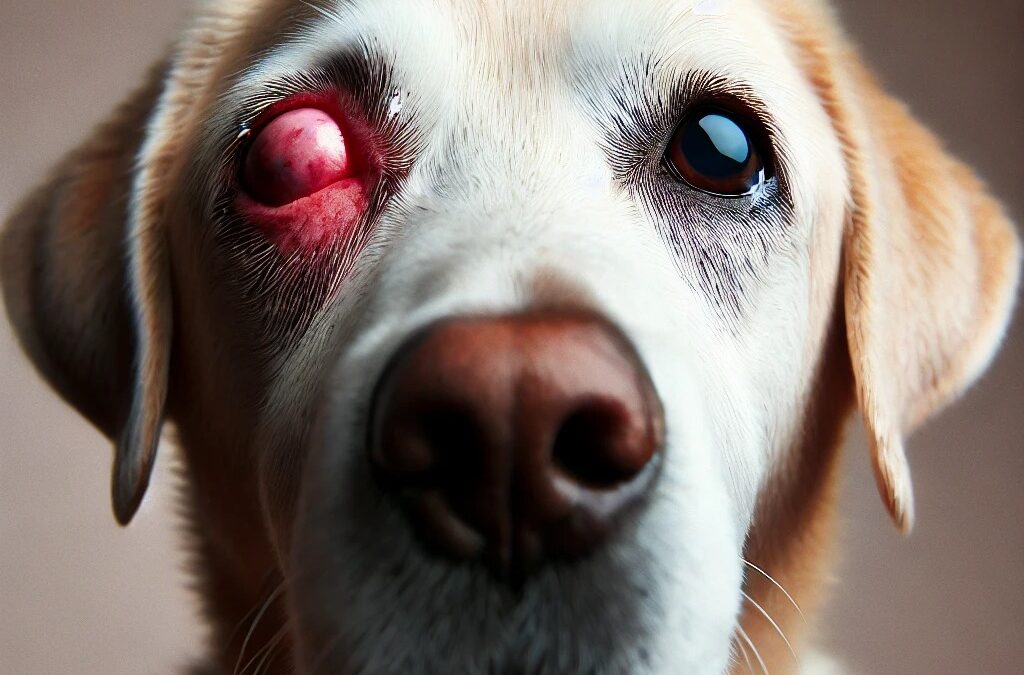
Cancer in dogs can lead to a variety of health complications, including blindness. This article explores how different types of cancer can affect a dog’s vision, the symptoms to watch for, and the importance of early detection and treatment.
How Cancer Can Cause Blindness in Dogs
- Ocular Tumors: Tumors can develop directly within the eye, affecting structures such as the retina, optic nerve, or other critical components responsible for vision. Common ocular cancers include melanoma, lymphoma, and adenocarcinoma. These tumors can cause significant damage to the eye, leading to partial or complete blindness. Symptoms may include visible masses on the eye, redness, swelling, or changes in eye color.
- Brain Tumors: Tumors located in the brain, particularly in areas affecting the optic nerves or visual cortex, can disrupt a dog’s ability to see. The optic nerves transmit visual information from the eyes to the brain, and any pressure or damage from a tumor can impair this process. Symptoms might include sudden vision loss, changes in behavior, seizures, or head tilting.
- Metastatic Cancer: Cancer that originates in other parts of the body can spread (metastasize) to the eyes or brain, leading to similar issues as primary tumors in these locations. Metastatic cancer often progresses rapidly, making early detection and intervention crucial.
- Paraneoplastic Syndromes: These are indirect effects of cancer that can impact various parts of the body, including the eyes. Certain cancers can cause immune system reactions that damage ocular tissues, resulting in vision loss.
Symptoms to Watch For
If your dog has cancer, it’s important to monitor for signs of vision problems. Symptoms indicating potential blindness include:
- Squinting or closing one eye
- Excessive tearing or discharge
- Redness or swelling around the eyes
- Cloudiness or visible masses on the eye
- Behavioral changes such as bumping into objects or hesitancy to move in dim light
- Sudden or gradual loss of vision
Diagnosis and Treatment
Early detection and intervention are key to managing cancer-related blindness in dogs. Diagnostic methods include:
- Physical Examination: A thorough eye exam by a veterinarian to check for abnormalities.
- Imaging: Techniques such as MRI, CT scans, or ultrasound to detect tumors in the eyes or brain.
- Biopsy: Taking a sample of the tumor to determine its type and guide treatment.
Treatment options vary depending on the type and location of the cancer. They may include:
- Surgery: Removal of the tumor to prevent further damage and potentially restore vision.
- Radiation Therapy: Targeting the tumor with radiation to shrink it and reduce its impact on vision.
- Chemotherapy: Using drugs to treat cancer and slow its progression.
- Palliative Care: For advanced cases, focusing on maintaining comfort and quality of life.
Cancer can significantly impact a dog’s vision, leading to partial or complete blindness. Understanding the connection between cancer and blindness, recognizing the symptoms, and seeking prompt veterinary care are crucial steps in managing this condition. By staying informed and proactive, you can help ensure your dog receives the best possible care.
