by TCMVET | Dec 3, 2025 | Dog Cancer & Tumors
Dog cancer statistics reveal more than numbers; they offer insight into how pet owners can better understand, monitor, and support their dogs’ health. The rise in canine oncology research has led to significant improvements in detecting cancer early, offering more informed treatment options, and promoting preventative care through responsible pet health routines. By examining trends, risk factors, and supportive care considerations, dog owners can feel more confident in navigating this important aspect of pet wellness.
Understanding Canine Oncology Trends
Canine oncology is a growing field focusing on the study, diagnosis, and management of cancer in dogs. Through this research, veterinarians and scientists track dog cancer statistics to better understand patterns across breeds, ages, and environments.
Why Dog Cancer Monitoring Matters
– Helps identify at-risk breeds and ages.
– Guides veterinarians in recommending screening.
– Informs pet owners about early detection.
– Improves overall pet health awareness.
Factors Contributing to Cancer in Dogs
– Age: Senior dogs face higher risk due to cellular changes occurring over time.
– Breed: Certain breeds are predisposed to specific cancers, leading to targeted monitoring.
– Environment: Exposure to pollutants, pesticides, or second-hand smoke may play a role.
– Lifestyle: Diet, exercise, and weight management influence overall health.
Dog Cancer Statistics in Perspective
Understanding statistics helps put the landscape of canine cancer into perspective. Veterinarians estimate that roughly one in four dogs may develop cancer during their lifetime, and nearly half of dogs over age ten may face a cancer diagnosis. These numbers highlight the importance of vigilance, routine checkups, and early detection strategies.
Notable Statistics
– Age-related trends: Middle-aged and senior dogs are more frequently diagnosed.
– Common forms: Lymphoma, mast cell tumors, and osteosarcoma are among the most commonly reported.
– Gender influences: Some cancers are more prevalent in male or female dogs due to hormonal factors.
Hearing these numbers can be alarming, but they also encourage pet owners to take proactive steps in supporting their dog’s health through regular veterinary care, screening, and awareness of behavioral changes.
Identifying Early Signs and Behavioral Changes
While only a veterinarian can provide a diagnosis, pet owners can watch for potential warning signs and note changes in behavior or appetite. Early detection is one of the most effective ways to address health concerns.
Signs to Watch For
– Unusual lumps or bumps.
– Changes in eating or drinking patterns.
– Persistent limping or difficulty moving.
– Unexplained weight loss or fatigue.
– Changes in bathroom habits.
– Difficulty breathing or persistent coughing.
If any of these signs occur, it’s a good idea to schedule a veterinary visit. The goal is to gather information and, if necessary, begin diagnostic steps with a professional.
The Role of Veterinary Diagnostics
Veterinarians use a variety of tools to assess potential cancers. While each case is unique, diagnostics may include physical exams, blood work, imaging, and tissue evaluation. The priority is to determine what is happening, assess the stage, and discuss the options available.
Working with Your Veterinary Team
– Maintain up-to-date health records.
– Ask questions about any diagnostic recommendations.
– Provide detailed observations about your dog’s behavior.
– Discuss preventative screening if your dog is in a higher-risk group.
Open communication builds trust and gives pet owners clarity during an emotionally challenging time.
Supporting Pet Health Through Lifestyle
A healthy routine supports the whole body, giving dogs the best chance at living comfortably. While lifestyle choices do not guarantee prevention, they can play a positive role in overall pet wellness.
Helpful Habits
– Balanced nutrition: Choose high-quality food appropriate for your dog’s age and needs.
– Regular exercise: Keeping dogs active supports muscle tone, weight management, and mood.
– Weight management: Preventing obesity reduces strain on the body and can support immune health.
– Routine vet visits: Annual or semi-annual checkups help catch changes early.
– Oral care: Dental health affects the entire body and should not be overlooked.
These habits create a foundation for your dog’s health and can potentially detect changes before they become serious concerns.
Breed-Specific Considerations in Dog Cancer Statistics
Some breeds face a higher likelihood of certain cancers due to genetic predisposition. Knowing these risks helps pet owners and veterinarians plan appropriate screenings and wellness strategies.
Examples of Breed Trends
– Golden Retrievers: Higher rates of lymphoma and hemangiosarcoma.
– Boxers: More prone to mast cell tumors.
– Rottweilers: Greater risk for bone cancers.
– Poodles: Increased rates of certain skin cancers.
– Bernese Mountain Dogs: Higher incidence of histiocytic disorders.
Pet owners shouldn’t assume their dog will develop cancer, but understanding breed trends can guide proactive care.
Practical Steps for Dog Owners
When you look at the large picture of dog cancer statistics, it can feel overwhelming. Focusing on manageable steps makes it easier to support your dog’s wellness.
Actionable Tips
1. Schedule regular vet visits.
2. Perform monthly home health checks by gently feeling for lumps.
3. Keep a health journal tracking appetite, activity, and any changes.
4. Prioritize a balanced diet with appropriate portion sizes.
5. Provide mental enrichment to reduce stress and stimulate the mind.
6. Limit exposure to harmful chemicals or second-hand smoke.
7. Stay informed by discussing canine oncology updates with your veterinarian.
These actions help pet owners play an active role in their dog’s well-being.
Emotional Support for Pet Owners
Learning about dog cancer statistics can bring up feelings of worry or sadness. Remember that you are not alone. Many pet parents are navigating the same concerns, and support is available through veterinarians, support groups, and responsible educational resources.
Coping Strategies
– Talk openly with your veterinary team.
– Seek guidance from reputable pet health organizations.
– Connect with support communities for emotional encouragement.
– Focus on providing comfort and stability for your dog.
Honoring your emotions while staying informed helps balance compassion with practicality.
Natural Wellness and Supportive Care
Natural wellness practices can complement conventional care by supporting your dog’s comfort and quality of life. Always discuss new approaches with a veterinarian to ensure they align with your dog’s needs.
Supportive Ideas
– Gentle massage or touch therapy to reduce stress.
– Soothing grooming routines to keep the coat and skin healthy.
– Calming routines with familiar scents or music.
– Enrichment activities like puzzle toys or slow walks to stimulate the senses.
These supportive measures can promote relaxation and help dogs feel secure.
Conclusion
Dog cancer statistics offer meaningful insights about trends, risks, and supportive care. While the numbers may seem daunting, they also provide opportunities for awareness and informed action. By staying vigilant, collaborating closely with veterinary professionals, and nurturing supportive environments, pet owners can help their dogs enjoy comfort, stability, and natural wellness.
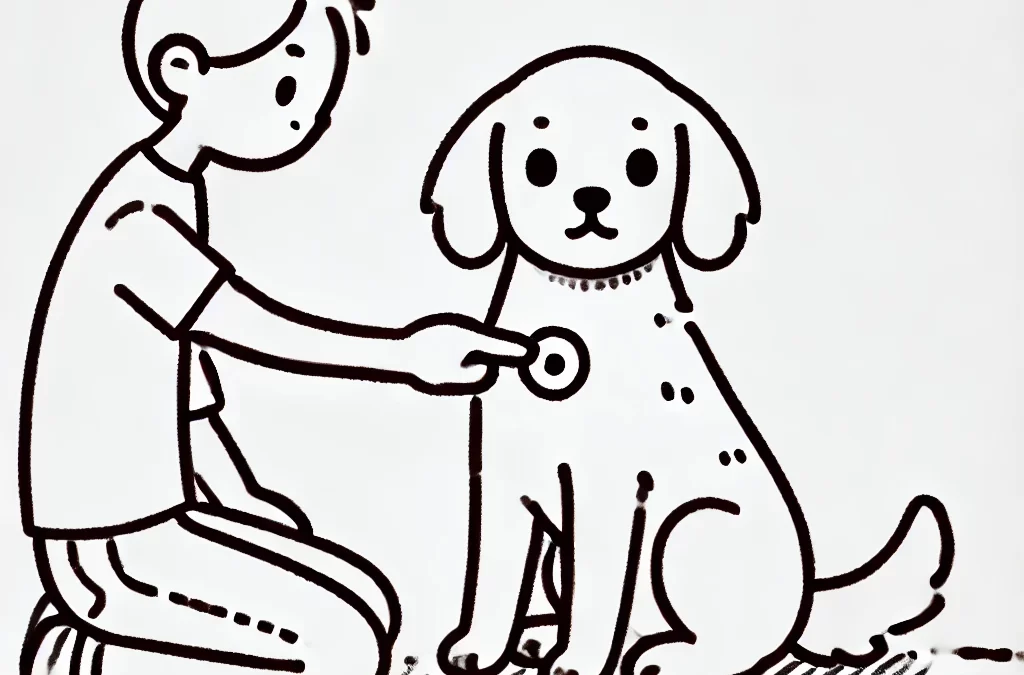
by TCMVET | Feb 7, 2025 | Dog Cancer & Tumors
Discovering a lump on your dog’s body can be alarming. Is it just a harmless fatty tumor, or could it be something more serious? Many pet owners hesitate between monitoring the lump at home and rushing to the vet. The key is knowing how to assess the lump properly and recognizing the warning signs that require medical attention.
This article introduces a practical, hands-on guide for pet owners to evaluate their dog’s lumps and bumps, helping you make informed decisions about when to seek veterinary care.
Step-by-Step Guide to Checking Your Dog’s Lump
🖐 1. Use the “Rule of Five” Approach
When examining a lump on your dog, assess these five factors:
1️⃣ Size – Is the lump smaller than a pea, or is it growing over time?
2️⃣ Shape – Is it round and smooth, or irregular and bumpy?
3️⃣ Texture – Is it soft and movable, or firm and attached to underlying tissue?
4️⃣ Color & Surface – Is the skin over the lump normal, reddened, or ulcerated?
5️⃣ Growth Rate – Has it changed in size within weeks or months?
🐾 2. The “Two-Finger Test”
Gently move the lump between your fingers. If it feels freely movable under the skin, it’s more likely to be benign (such as a lipoma). If it’s firmly attached to deeper tissues, it could be more concerning.
🔍 3. Observe Any Additional Symptoms
Check for changes in your dog’s behavior and overall health. Are they eating well? Losing weight? Scratching or licking the lump excessively? These clues can help determine if the lump is causing discomfort or systemic effects.
Common Types of Lumps and When to Worry
🔹 Lipomas (Fatty Tumors)
✅ Soft, round, and movable
✅ Common in older or overweight dogs
✅ Usually harmless, but should be monitored for sudden growth
🔹 Sebaceous Cysts
✅ Filled with a thick, white, or yellowish substance
✅ Can rupture or become infected
✅ Often not serious but may need draining or removal if problematic
🔹 Mast Cell Tumors (MCTs)
🚨 Often appear red, swollen, or ulcerated
🚨 Can change size rapidly due to histamine release
🚨 Require immediate veterinary evaluation, as they can be aggressive
🔹 Histiocytomas
✅ Common in young dogs, usually on the head or legs
✅ Appear as red, raised, button-like lumps
✅ Often disappear on their own, but should still be checked
🔹 Soft Tissue Sarcomas
🚨 Firm, deep-seated, and slow-growing
🚨 Often do not feel well-defined
🚨 Can be invasive and may require surgical removal
When Should You See a Vet?
📌 Immediate Veterinary Visit Required If:
- The lump grows rapidly or changes shape
- It is firmly attached to underlying structures
- There is bleeding, ulceration, or infection
- The lump causes pain or discomfort
- Your dog shows other symptoms like weight loss, lethargy, or appetite changes
📌 Monitor at Home If:
- The lump is small, soft, and slow-growing
- Your dog is acting normal with no discomfort
- No rapid changes in size, texture, or color are observed
How Vets Diagnose Lumps
If a vet visit is necessary, they may use:
🩸 Fine Needle Aspiration (FNA) – Extracting cells for microscopic examination
🔬 Biopsy – Taking a tissue sample for more detailed analysis
🖥 Ultrasound or X-rays – To check for internal masses or metastasis
Final Thoughts
Not all lumps are cause for panic, but early detection is crucial. The best approach is to regularly check your dog’s body, stay alert for changes, and consult your vet when in doubt. Being proactive can make a huge difference in ensuring your dog’s long-term health.

by TCMVET | Jan 16, 2025 | Dog Cancer & Tumors
When a beloved dog is diagnosed with a tumor, it can be a heart-wrenching experience for any pet owner. Conventional medicine offers effective treatments, such as surgery, chemotherapy, and radiation, while natural therapies provide complementary benefits that support the dog’s overall well-being. Combining the two approaches offers a balanced and innovative way to manage canine tumors. This article explores how to design a comprehensive plan that integrates natural therapies with Western medicine for optimal outcomes.
Understanding the Strengths of Each Approach
Conventional medicine excels in directly addressing tumors through surgery, chemotherapy, radiation, and advanced diagnostics. These methods focus on treating the tumor itself but may lead to side effects like reduced immunity, lethargy, or gastrointestinal issues.
Natural therapies aim to enhance the body’s inherent ability to heal and cope with treatments. Options include herbal medicine, dietary adjustments, supplements, acupuncture, and massage. These therapies focus on the dog’s overall well-being, helping to mitigate the side effects of conventional treatments while promoting recovery.
Building a Comprehensive Treatment Plan
Collaborate with your veterinarian to discuss the type and stage of the tumor, available treatment options, and how to integrate natural therapies without compromising conventional treatments. Every dog responds differently, so prioritize individual needs, including age, overall health, and lifestyle.
Introduce natural therapies gradually to avoid overwhelming your dog. Start with dietary adjustments, such as adding cancer-fighting foods like spinach, carrots, and fish oil. Gradually incorporate supplements like CBD oil or medicinal mushrooms. Include stress-relieving practices like acupuncture or massage during recovery periods.
Benefits of Integrating Natural and Conventional Approaches
Enhancing treatment efficacy by using natural therapies like turmeric and medicinal mushrooms can boost immunity and reduce inflammation. Quality of life improves with pain relief and anxiety reduction through acupuncture and CBD oil. Natural antioxidants can reduce the oxidative stress caused by radiation or chemotherapy, supporting holistic healing by addressing emotional, physical, and nutritional well-being.
Monitoring and Adjusting the Plan
Regular check-ins with the vet, frequent monitoring of tumor progression, and observing your dog’s behavior are crucial. Maintain a journal to track dietary changes, supplements, and alternative therapies to identify what works best for your dog.
Myths About Combining Natural and Conventional Treatments
It is a myth that natural therapies interfere with conventional medicine. Most therapies complement traditional treatments when guided by a veterinarian. Natural therapies are not a replacement for evidence-based treatments but work best as complementary methods. Gradual integration ensures the combination is not overwhelming for your dog.
Final Thoughts
Combining natural therapies with conventional medicine offers a promising path for treating canine tumors. By addressing the tumor directly while supporting the dog’s overall health and quality of life, this approach ensures a comprehensive care plan. Collaboration with your vet, thoughtful planning, and close observation will help your furry friend fight their tumor and live their best life.
When it comes to your dog’s health, an integrative strategy brings the best of both worlds—giving you peace of mind and your pet the care they deserve.

by TCMVET | Jul 24, 2024 | Dog Cancer & Tumors
Discovering a lump on the right side of your dog’s throat can be a concerning experience for any pet owner. While it’s natural to worry, understanding the potential causes and available treatments is crucial for your dog’s health and your peace of mind. This article delves into the common reasons behind throat lumps in dogs, diagnostic methods, and the most effective treatments, all aimed at optimizing your dog’s health and well-being.
Common Causes of Throat Lumps in Dogs
- Benign Tumors: Not all lumps are cancerous. Benign tumors such as lipomas or cysts are common and usually harmless. However, they should still be monitored and evaluated by a veterinarian to rule out any complications.
- Infections and Abscesses: Infections, often resulting from bites or wounds, can cause swelling and lumps in the throat area. Abscesses are pus-filled swellings that may require drainage and antibiotics.
- Cancerous Growths: Malignant tumors like lymphomas or thyroid carcinomas can present as lumps on the throat. Early detection and treatment are critical for the best outcomes.
- Enlarged Lymph Nodes: Lymph nodes can become enlarged due to infections, immune responses, or cancer. Swollen lymph nodes in the throat should be examined to determine the underlying cause.
Diagnostic Methods
- Physical Examination: A thorough physical examination by a veterinarian is the first step in diagnosing the nature of the lump. The vet will palpate the lump to assess its size, texture, and mobility.
- Fine Needle Aspiration (FNA): FNA involves using a thin needle to extract cells from the lump for microscopic examination. This minimally invasive procedure helps in determining whether the lump is benign or malignant.
- Biopsy: If FNA results are inconclusive or suggest malignancy, a biopsy may be performed. This involves removing a larger tissue sample for detailed analysis.
- Imaging Techniques: X-rays, ultrasounds, and CT scans provide detailed images of the lump and surrounding tissues, helping to identify the lump’s nature and plan further treatment.
Effective Treatment Options
- Surgical Removal: For benign tumors and some malignant growths, surgical removal is often the best option. This procedure eliminates the lump and reduces the risk of further complications.
- Radiation Therapy: For inoperable or malignant tumors, radiation therapy can shrink the tumor and alleviate symptoms. It’s often used in conjunction with surgery or chemotherapy.
- Chemotherapy: Chemotherapy is used for treating malignant tumors, especially if they have spread. This treatment can help control cancer growth and improve your dog’s quality of life.
- Antibiotics and Drainage: In cases of infections and abscesses, antibiotics are prescribed to combat the infection. Abscesses may require surgical drainage to remove pus and reduce swelling.
- Holistic and Supportive Care: Supplements like Baituxiao can be integrated into your dog’s treatment plan to boost the immune system, reduce inflammation, and improve overall health. Holistic approaches, including acupuncture and herbal remedies, can complement conventional treatments.
Preventive Measures and Monitoring
- Regular Check-ups: Routine veterinary visits are crucial for early detection and treatment of any lumps or abnormalities. Regular check-ups ensure that any changes in your dog’s health are promptly addressed.
- Home Monitoring: Pet owners should regularly check their dogs for any unusual lumps or changes in existing lumps. Keeping a record of the lump’s size, shape, and growth rate can be helpful for the veterinarian.
- Healthy Lifestyle: A balanced diet, regular exercise, and proper grooming contribute to your dog’s overall health and can help prevent various health issues, including lumps.
Understanding and treating lumps on your dog’s throat is essential for maintaining their health and quality of life. By being informed about the potential causes, diagnostic methods, and treatment options, you can ensure that your dog receives the best possible care. Always consult with a veterinarian to determine the most appropriate course of action for your pet. Early detection and timely intervention are key to effectively managing and treating throat lumps in dogs.

by TCMVET | Jun 5, 2024 | Dog Cancer & Tumors
As pet owners, discovering a lump on your dog can be alarming. However, it’s important to note that not all lumps are cancerous. In fact, many lumps on dogs are benign. Understanding the nature of these lumps and how to manage them can help you care for your pet better and reduce unnecessary anxiety.
Key Characteristics of Non-Cancerous Lumps
Non-cancerous lumps often have the following characteristics:
- Slow Growth: These lumps typically grow slowly, sometimes over months or even years before showing significant changes.
- Good Mobility: Benign lumps are usually soft and can move easily under the skin, rather than being fixed in one spot.
- Painless: Most benign lumps do not cause pain or discomfort to the dog unless they are located in a sensitive area.
- Regular Shape: These lumps generally have smooth and regular edges.
Common Types of Non-Cancerous Lumps
1. Lipomas
Lipomas are the most common type of non-cancerous lump, often found in older dogs. They are made up of fat cells, are soft to the touch, and can move easily. Lipomas typically do not cause pain or discomfort.
2. Sebaceous Cysts
Sebaceous cysts are small sacs filled with fluid or semi-solid material, formed from skin cells. These cysts are usually harmless but may require treatment if they rupture or become infected.
3. Scar Tissue
Scar tissue can form lumps following an injury. These lumps are generally harmless but should be monitored for any changes.
How to Handle Non-Cancerous Lumps
While non-cancerous lumps are typically harmless, regular monitoring and veterinary checks are essential to ensure they do not grow or change. Here are some tips on managing these lumps:
- Regular Check-Ups: Examine your dog’s skin monthly to look for new lumps or changes in existing ones.
- Keep Records: Document the size, shape, and location of any lumps to provide detailed information during vet visits.
- Consult Your Vet: If you find any lump, it’s best to consult your veterinarian. They may perform a fine needle aspiration or biopsy to determine the nature of the lump.
Conclusion
Non-cancerous lumps on dogs are often harmless but require attention and care. By regularly checking your dog and consulting with your veterinarian, you can ensure your pet remains healthy and promptly address any issues. Remember, attention to detail and timely action are key to managing your pet’s health effectively.
