Cancer is a word that sends shivers down the spine of any pet owner, reflecting the fear and uncertainty surrounding the health of our beloved companions. As guardians of our pets, it is crucial to be vigilant in recognizing the early signs of this devastating disease. In this comprehensive guide, we will explore the nature of cancer in pets, the importance of early detection, and the specific signs to look out for. Furthermore, we will discuss how to support your pet through diagnosis and treatment, ensuring they receive the best possible care.
Understanding Cancer in Pets
What is Cancer?
Cancer in pets occurs when cells within the body grow uncontrollably, forming tumors or spreading throughout the body. This growth disrupts normal bodily functions and can lead to serious health complications. While the exact cause of cancer can be difficult to pinpoint, a combination of genetic, environmental, and lifestyle factors often contributes to its development. Understanding the nature of cancer is the first step in recognizing its early signs.
Common Types of Cancer in Pets
Various forms of cancer can affect pets, with some being more prevalent than others. Common types of cancer in dogs include mast cell tumors, lymphoma, and osteosarcoma. In cats, the most frequently diagnosed cancers include lymphoma, squamous cell carcinoma, and mammary tumors. Being aware of these cancers can help you identify risk factors and symptoms associated with specific types, enhancing your ability to monitor your pet’s health effectively.
Statistics on Pet Cancer
According to studies, approximately one in four dogs and one in five cats will be diagnosed with cancer in their lifetime. This staggering statistic highlights the importance of awareness and education regarding this disease. Furthermore, the likelihood of developing cancer increases as pets age, with senior pets being at a higher risk. Understanding these statistics can motivate pet owners to maintain vigilance and prioritize their pets’ health.
Why Early Detection is Crucial
Impact of Early Diagnosis
Early detection of cancer can significantly impact treatment outcomes and overall prognosis. When identified in its initial stages, many forms of cancer can be treated more effectively, often leading to better survival rates and improved quality of life. Early diagnosis allows for less aggressive treatments, which can help maintain your pet’s health and well-being.
Benefits of Prompt Treatment
In addition to improving survival rates, prompt treatment can alleviate pain and discomfort associated with cancer in pets. By addressing the disease early, veterinarians can implement treatment plans that may include surgery, chemotherapy, or radiation therapy, minimizing the progression of the illness. Quick intervention can also enable pet owners to explore a range of treatment options that may not be available for advanced-stage cancers.
Recognizing Early Signs of Cancer
Changes in Appetite
A sudden increase or decrease in your pet’s appetite can be a red flag for cancer. A pet that suddenly refuses to eat or shows an unusual interest in food may be experiencing underlying health issues, including cancer. Monitoring your pet’s eating habits can provide valuable insights into their health status and help identify potential problems early on.
Unexplained Weight Loss
Unexplained weight loss is another warning sign of cancer. If your pet is losing weight without any changes to their diet or activity level, it may indicate a health issue. Weight loss occurs when the body begins to utilize fat stores and muscle mass to compensate for the energy deficit caused by cancerous growths.
Visible Lumps or Bumps
One of the most recognizable signs of cancer in pets is the presence of lumps or bumps on their body. While not all lumps are cancerous, any new or growing mass warrants immediate veterinary attention. Regularly checking your pet’s body for unusual growths can help catch potential problems early and facilitate timely intervention.
Persistent Lethargy
While pets may have days when they seem less energetic than usual, persistent lethargy can be a cause for concern. If your pet is consistently less active or shows a lack of interest in activities they once enjoyed, it may be an indication of an underlying health issue, including cancer. Monitoring changes in behavior is essential for maintaining your pet’s overall health.
Difficulty Breathing
Any signs of difficulty breathing or coughing should prompt immediate concern. Cancer in the lungs or surrounding tissues can lead to respiratory problems, including wheezing or shortness of breath. If you notice any abnormalities in your pet’s breathing patterns, it is crucial to consult your veterinarian as soon as possible.
Changes in Bathroom Habits
Changes in your pet’s bathroom habits, such as increased frequency of urination, straining to urinate, or blood in the urine, can indicate serious health issues, including cancer. Monitoring these changes can provide critical insights into your pet’s health and help determine if further investigation is needed.
Unusual Odors
Unexplained odors emanating from your pet’s mouth, ears, or skin can indicate underlying health issues, including cancer. These odors can be caused by the decomposition of tissues or the presence of tumors, and should never be ignored. If you notice any unusual smells, it is essential to seek veterinary advice.
Abnormal Swellings
Swelling in specific areas of your pet’s body not related to injuries or infections can signify cancerous growths. Observing your pet for any unusual swellings is vital for early detection, as some tumors may not be immediately noticeable. Regular physical examinations can help you monitor for any changes and ensure prompt veterinary evaluation when necessary.
When to Consult a Veterinarian
Understanding Symptoms vs. Normal Behavior
As a pet owner, distinguishing between normal behavior and concerning symptoms can be challenging. It’s essential to familiarize yourself with your pet’s typical behavior patterns to recognize any deviations that may signal health problems. If you observe a combination of symptoms or significant changes in your pet’s behavior, it is time to consult your veterinarian.
Preparing for the Vet Visit
Preparing for a veterinary visit can streamline the process and ensure that you provide your vet with the information they need to make an accurate diagnosis. Keep a detailed record of your pet’s symptoms, behavioral changes, and any relevant history that may assist in the evaluation. This preparation can facilitate timely interventions and improve the likelihood of a positive outcome.
The Role of Regular Check-ups
Importance of Routine Veterinary Exams
Routine veterinary exams are essential for monitoring your pet’s health and identifying potential issues before they become serious. Regular check-ups allow vets to conduct thorough physical examinations, discuss any concerns, and recommend appropriate screenings based on your pet’s age and risk factors. Establishing a routine schedule for veterinary visits can significantly enhance early detection rates for various health issues, including cancer.
Recommended Screening Tests
Based on your pet’s age and breed, your veterinarian may recommend specific screening tests to assess their health status. Common tests include blood work, urinalysis, and imaging studies such as X-rays or ultrasounds. These tests can help identify abnormalities that may indicate cancer or other health issues, providing vital information for timely intervention.
Supporting Your Pet During Diagnosis and Treatment
Emotional Support for Your Pet
Receiving a cancer diagnosis can be distressing not only for pet owners but also for the pets themselves. Providing emotional support during this challenging time is crucial. Spend quality time with your pet, engage in gentle activities, and maintain a calm demeanor to help alleviate their anxiety. Pets are sensitive to their owners’ emotions, so your support can make a significant difference in their comfort and well-being.
Creating a Comfortable Environment
Ensuring your pet’s comfort during diagnosis and treatment is paramount. Create a peaceful environment with a designated space for rest and recovery. Provide soft bedding, limited noise, and easy access to their favorite toys and activities. A stable and loving environment can help your pet cope with the stress of illness and treatment, promoting a sense of security and well-being.
Nutrition and Wellness During Treatment
Maintaining a balanced diet during cancer treatment is vital for your pet’s overall health. Speak with your veterinarian about the best nutritional options, including high-quality pet foods that meet their specific needs. Additionally, consider incorporating supplements that may support their immune system and overall wellness. Proper nutrition can play a significant role in your pet’s recovery and quality of life.
Conclusion
Recognizing the early signs of cancer in pets is essential for ensuring their health and longevity. By being vigilant and informed, pet owners can take proactive steps to monitor their pets and seek timely veterinary care. Remember, early detection can lead to better treatment outcomes and improved quality of life. Stay informed, stay observant, and prioritize your beloved pet’s health.
FAQs
What are the most common symptoms of cancer in pets?
Common symptoms include unexplained weight loss, changes in appetite, visible lumps or bumps, persistent lethargy, difficulty breathing, and unusual odors. Monitoring these signs can facilitate early detection.
How often should I take my pet for check-ups?
It is generally recommended to take your pet for a veterinary check-up at least once a year. However, older pets or those with health concerns may require more frequent visits.
Can pets survive cancer?
Many pets can survive cancer, especially with early detection and appropriate treatment. The prognosis varies depending on the type and stage of cancer, so consulting with your veterinarian is essential for individualized care.
What should I do if I notice unusual symptoms in my pet?
If you notice any unusual symptoms in your pet, it is crucial to consult your veterinarian as soon as possible. Early intervention can significantly impact treatment outcomes.
How can I support my pet during cancer treatment?
Providing emotional support, creating a comfortable environment, and ensuring proper nutrition are all vital steps in supporting your pet during cancer treatment. Always follow your veterinarian’s recommendations for care.
As pet owners seek gentler alternatives to conventional cancer treatments like chemotherapy and radiation, traditional Chinese herbs (TCM) and other botanicals have surged in popularity. Turmeric, astragalus, reishi mushroom, and hemp extracts are now frequently used in holistic pet care. Yet, while online forums overflow with anecdotal success stories, veterinary oncologists remain cautious—often labeling herbal remedies as “unproven” or even “risky.”
So, where does the truth lie? Are these ancient remedies a hidden lifeline for pets with cancer, or is their effectiveness merely a placebo-driven illusion?
The Controversy: Why Veterinarians Are Skeptical
Scarce Clinical Evidence
Most research on herbal anti-cancer effects comes from human or rodent studies—not dogs or cats.
Rigorous, large-scale veterinary trials are rare, leaving pet owners to rely on small, often biased testimonials.
Potential Risks and Drug Interactions
Some herbs (e.g., kava, pennyroyal) are toxic to pets, while others may interfere with chemotherapy.
Without standardized dosing, the line between “therapy” and “poisoning” can blur.
The Placebo Effect—But for Whom?
Pets can’t report side effects or improvements, making it hard to distinguish real benefits from an owner’s hopeful perception.
A 2022 study found that 40% of pet owners reported improvement with placebos alone (Journal of Veterinary Behavior).
The Promise: Emerging Science and Holistic Potential
Despite skepticism, early research hints at intriguing possibilities:
Turkey Tail Mushroom (Coriolus versicolor): An NIH-funded study showed extended survival in dogs with hemangiosarcoma when combined with chemotherapy (Frontiers in Veterinary Science, 2020).
Curcumin (Turmeric): Demonstrated anti-inflammatory and tumor-suppressing effects in canine cell studies (Veterinary Sciences, 2021).
Yunnan Baiyao: Widely used to manage bleeding in terminal cancer pets, though mechanisms remain unclear.
Integrative vets argue that herbs may enhance quality of life—reducing pain, nausea, or appetite loss—even if they don’t cure cancer.
The Middle Ground: A Call for Balanced Integration
Partner with a Vet
Never replace conventional treatment without consultation.
Seek veterinarians certified in herbal medicine or integrative oncology (e.g., AHVMA members).
Demand Better Research
Push for funding into veterinary-specific herbal trials.
Track your pet’s response meticulously—journaling symptoms, doses, and changes.
Stay Critical
Reject grandiose claims (“miracle cure!”).
Prioritize supplements with third-party testing (e.g., NASC seal).
Conclusion: Hope, Not Hype
The debate over herbal medicine in pet cancer care reflects a deeper tension: our desperation to heal versus science’s slow validation. While herbs may offer palliative benefits or even synergistic effects, they’re not magic bullets—yet.
For now, the wisest path blends caution, collaboration, and curiosity. After all, our pets deserve both cutting-edge science and the wisdom of ancient remedies—neither dismissed nor idolized, but carefully weighed.
What’s your experience? Have you tried herbs for a pet’s cancer? Share your story (or skepticism) below.
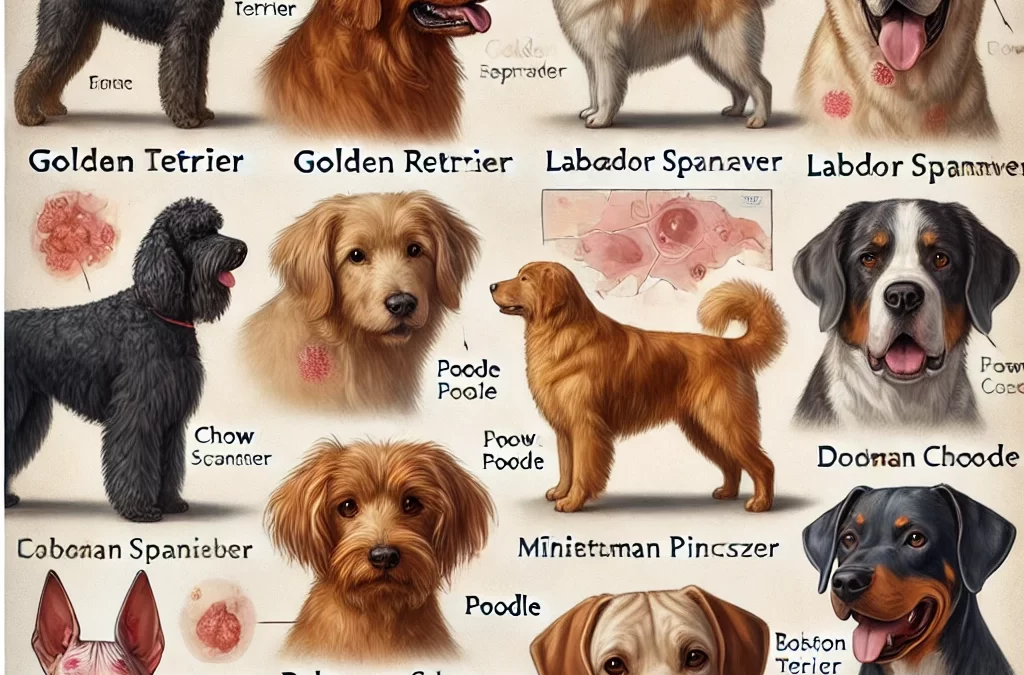
Melanoma is one of the most concerning cancers in dogs, often appearing in the mouth, skin, nail beds, and even the eyes. While all dogs can develop melanoma, certain breeds are genetically predisposed due to their pigmentation, skin characteristics, and other biological factors. This article explores which dog breeds are more susceptible to melanoma, the role of environmental factors, and how pet owners can take preventive measures.
Why Are Some Breeds More Prone to Melanoma?
Melanoma arises from melanocytes, the pigment-producing cells in a dog’s body. The following factors contribute to an increased risk in certain breeds:
Genetic predisposition – Some breeds inherit a higher likelihood of abnormal melanocyte growth.
Pigmentation & coat color – Dogs with dark pigmentation, particularly black-coated breeds, are often more prone to oral melanoma. Conversely, lightly pigmented dogs are more susceptible to skin melanoma in sun-exposed areas.
Environmental triggers – Prolonged sun exposure, immune system function, and even diet can influence the development of melanoma in dogs.
Breeds with Higher Risk of Melanoma
Research and veterinary case studies suggest that the following breeds have a higher risk of developing melanoma:
Scottish Terrier – Often linked to skin melanoma, especially in sun-exposed areas.
Golden Retriever – Prone to various cancers, including melanoma, particularly in their mouths.
Labrador Retriever – Increased cases of oral melanoma have been reported.
Cocker Spaniel – Higher occurrence of melanoma, particularly in the eyes (ocular melanoma).
Chow Chow – Their dark pigmentation increases susceptibility to oral melanoma.
Poodle – Miniature and standard Poodles have been diagnosed with nail bed melanoma.
Dachshund – More likely to develop skin melanoma due to genetic factors.
Doberman Pinscher – Higher incidence of oral and nail bed melanomas.
Miniature Schnauzer – Prone to both skin and oral melanoma.
Boston Terrier – Increased risk of skin melanoma, especially in lighter-colored individuals.
Environmental & Lifestyle Factors That Increase Risk
Even if a dog is not from a high-risk breed, external factors can still influence melanoma development:
Sun exposure – Dogs with lighter skin or thin fur are at risk of UV-induced skin melanoma.
Oral hygiene – Poor dental care can contribute to inflammation, potentially increasing oral melanoma risks.
Age – Older dogs are more prone to cellular mutations that lead to melanoma.
Toxins & diet – Chemical exposure and a lack of antioxidants in a dog’s diet may play a role in cancer susceptibility.
Preventive Measures for Dog Owners
Routine vet check-ups – Early detection is crucial, especially for high-risk breeds.
Oral and skin examinations – Regularly check inside your dog’s mouth, paws, and skin for unusual growths.
Sunscreen protection – Light-skinned dogs should avoid excessive sun exposure, and pet-safe sunscreen can help.
A balanced diet – Antioxidants and omega-3 fatty acids can support immune function and reduce inflammation.
Maintain oral health – Brushing your dog’s teeth and providing dental chews may lower oral melanoma risks.
Final Thoughts
While melanoma is an aggressive cancer, awareness of breed-specific risks and proactive care can help in early detection and prevention. Regular check-ups, a healthy diet, and vigilant monitoring can make a significant difference in a dog’s health. If you notice any unusual lumps, especially in your dog’s mouth, seek veterinary advice as soon as possible.
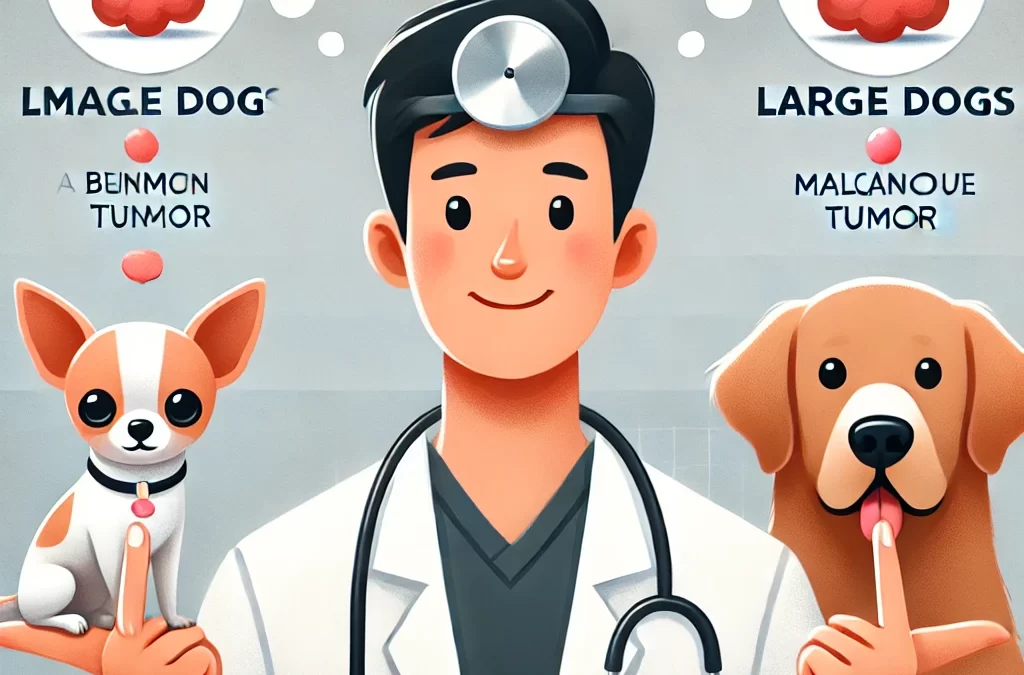
When it comes to cancer and tumor development in dogs, size matters—literally. Small and large breeds have different genetic predispositions, metabolic rates, and immune responses, all of which contribute to variations in how tumors develop, progress, and respond to treatment. If you’re a pet parent concerned about your dog’s health, understanding these differences can help you make informed decisions about prevention, early detection, and treatment.
1. The Genetic Factor: Breed-Specific Tumor Risks
Some cancers are more common in certain breeds, and a dog’s size often plays a role in this predisposition.
Large Breeds: Dogs like Golden Retrievers, Great Danes, and Rottweilers are more likely to develop osteosarcoma (bone cancer), hemangiosarcoma (blood vessel cancer), and lymphoma. These cancers tend to be aggressive and often metastasize quickly.
Small Breeds: Breeds like Poodles, Dachshunds, and Chihuahuas are more prone to benign tumors such as lipomas and papillomas, but they can also develop mammary tumors and bladder cancer.
The difference is not just in the type of tumors but also in how these cancers behave and respond to treatment.
2. Tumor Growth Rate and Behavior
Tumor progression varies significantly between small and large dogs due to differences in growth rates and cell metabolism.
Faster Growth in Large Dogs: Larger breeds grow rapidly as puppies, and this rapid cell division may contribute to a higher risk of developing malignant tumors later in life. Their tumors also tend to be more aggressive.
Slower Growth in Small Dogs: While tumors in small breeds may develop more slowly, they are still a concern. Benign tumors like lipomas are common but may interfere with mobility if they grow too large. Additionally, small dogs can still develop malignant tumors, such as mast cell tumors, which can spread if left untreated.
3. Life Expectancy and Tumor Onset
Large dogs tend to have shorter lifespans than small dogs, and this impacts tumor development timelines.
Early-Onset Cancers in Large Dogs: Since large breeds age faster, they are more likely to develop cancer at a younger age—often between 6 to 8 years old. This means owners should begin cancer screenings and preventive care early.
Later-Onset Tumors in Small Dogs: Small breeds may not show signs of cancer until their senior years (10+ years old), which means long-term monitoring is essential.
Understanding these timelines can help pet owners schedule vet checkups at the right time to catch potential tumors early.
4. Diagnosis and Treatment Challenges
When diagnosing and treating tumors, size plays a role in both detection and the ability to perform procedures.
Surgical Considerations: Large dogs can better tolerate some surgeries due to their larger body mass, but removing tumors in weight-bearing bones (like with osteosarcoma) can be challenging. Small dogs, on the other hand, may struggle with anesthesia risks, especially if they are very tiny.
Chemotherapy and Medication Differences: Dosing for chemotherapy is weight-dependent, and larger dogs often require higher drug doses, increasing treatment costs. Small dogs, despite needing lower doses, may experience stronger side effects due to their delicate systems.
5. Prevention and Early Detection Strategies
Regardless of size, early detection is crucial. Here’s what dog owners can do:
Routine Veterinary Checkups: Regular exams help catch tumors before they grow too large.
Physical Checks at Home: Running your hands over your dog’s body weekly can help detect unusual lumps.
Breed-Specific Cancer Screenings: Large breeds should have early X-rays and ultrasounds, while small breeds may benefit from skin and bladder screenings.
Diet and Lifestyle Adjustments: A balanced diet, regular exercise, and weight management can help support overall health and potentially reduce cancer risks.
Final Thoughts
While tumors affect both small and large dogs, their differences in genetics, tumor behavior, and treatment options mean pet owners need tailored care strategies. Large dogs are more prone to aggressive cancers at younger ages, while small dogs may develop slower-growing tumors later in life. By understanding these distinctions and prioritizing early detection, dog owners can improve their pets’ quality of life and potentially extend their time together.
When a beloved dog is diagnosed with a tumor, it can be overwhelming for pet owners. The fear of losing a furry companion, coupled with the complexities of treatment options, can leave many questioning the best course of action. While conventional Western treatments like surgery, chemotherapy, and radiation are often recommended, an increasing number of pet owners are seeking alternative therapies, such as traditional Chinese herbal medicine, as a gentler and holistic approach to managing their dog’s condition.
Herbal remedies are rooted in millennia of healing wisdom and have been shown to offer various benefits for dogs with cancer. Unlike aggressive Western treatments, which can sometimes cause significant side effects, herbal medicine seeks to work with the body’s natural healing processes, strengthening the immune system, reducing inflammation, and promoting overall well-being. This article explores how Chinese herbal medicine can complement Western veterinary care, offering a gentler path for dogs battling tumors.
1. The Gentle Power of Herbal Medicine
Traditional Chinese Medicine (TCM) has been practiced for thousands of years, using natural herbs to treat a wide variety of conditions, including cancer. TCM does not view cancer as an isolated condition but as an imbalance in the body’s vital energies, known as “Qi.” By using a combination of herbs that address both the root cause and symptoms, Chinese herbal therapy aims to restore harmony within the body, support the immune system, and potentially inhibit tumor growth.
Common herbs like Dong Quai (Angelica sinensis), Turmeric (Curcuma longa), and Reishi Mushroom (Ganoderma lucidum) are often used to treat cancer in dogs. These herbs are known for their anti-inflammatory, antioxidant, and immune-boosting properties. For example, turmeric contains curcumin, a powerful compound that has been shown to possess anti-cancer effects by reducing inflammation and oxidative stress in the body. Reishi mushrooms have long been celebrated for their immune-enhancing abilities, supporting the body in its natural fight against abnormal cell growth.
2. Supporting the Immune System
A key aspect of herbal therapy for dogs with tumors is its emphasis on boosting the immune system. Cancerous growths often thrive in an environment where the immune system is weak or compromised. By strengthening the dog’s immune defenses, herbal remedies can enhance the body’s ability to target and destroy abnormal cells before they can proliferate.
Herbs like Astragalus (Astragalus membranaceus) and Schisandra (Schisandra chinensis) have been shown to bolster immune function and improve the body’s resistance to disease. These herbs work by stimulating white blood cell production, increasing the body’s ability to fight off infections and abnormal cell growth. This can be especially important in managing tumors and preventing the spread of cancerous cells.
3. Minimizing Side Effects
One of the biggest concerns for pet owners when it comes to cancer treatment is the potential side effects. Chemotherapy and radiation, while effective, often come with a range of unpleasant side effects such as nausea, fatigue, hair loss, and a weakened immune system. In contrast, herbal medicine is generally much gentler, with fewer side effects, and often works in conjunction with Western treatments to reduce the intensity of these adverse reactions.
For instance, Ginseng (Panax ginseng) is known for its ability to help reduce the fatigue and weakness that can result from chemotherapy or radiation therapy. It helps boost energy levels and promotes overall vitality, allowing the dog to feel stronger throughout their treatment journey. Additionally, Milk Thistle (Silybum marianum) is often used in herbal therapy to support liver health, which can be crucial for dogs undergoing toxic treatments like chemotherapy.
4. Customized Herbal Formulas
One of the greatest strengths of Chinese herbal medicine is its individualized approach. In TCM, no two cases are the same. Each treatment plan is personalized based on the dog’s unique symptoms, constitution, and overall health. A licensed veterinary herbalist may prescribe a combination of herbs tailored specifically to the dog’s needs, ensuring a more holistic and targeted approach to healing.
These custom formulas might include a variety of herbs that address the dog’s specific type of cancer, its location, and the overall health status of the pet. For example, a dog with a lung tumor may benefit from herbs that promote respiratory health and reduce coughing, while a dog with a gastrointestinal tumor may require herbs to support digestion and ease discomfort.
5. Complementary Therapy: Not a Substitute for Conventional Treatments
It’s important to note that Chinese herbal medicine is not a substitute for conventional veterinary treatments, particularly in the case of serious tumors. Rather, it should be viewed as a complementary therapy. Many veterinarians who specialize in integrative or holistic care may recommend a combination of herbal remedies and conventional treatments to offer the dog the best chance for recovery and a higher quality of life.
Herbal remedies can help alleviate some of the side effects associated with chemotherapy, improve appetite, boost energy levels, and reduce inflammation, all while supporting the body’s natural healing processes. This integrative approach helps to create a comprehensive treatment plan that addresses not just the tumor, but the dog’s overall health and well-being.
6. The Role of Diet in Tumor Management
In addition to herbs, TCM also places significant emphasis on diet and lifestyle. A nutritious, balanced diet plays a key role in maintaining a healthy immune system and promoting healing. Dogs with cancer may benefit from a diet that is rich in antioxidants, healthy fats, and high-quality proteins. Some herbalists may also recommend specific foods that help balance the dog’s internal energies, further enhancing the healing process.
7. Final Thoughts
While Western medicine has made incredible strides in treating canine tumors, the gentle, holistic approach of Chinese herbal medicine offers pet owners an alternative or complementary treatment that can ease the burden of cancer therapy. With its focus on strengthening the immune system, reducing inflammation, and supporting overall vitality, herbal remedies offer a way to help dogs feel better during their battle with cancer.
As always, pet owners should consult with their veterinarian before starting any new treatment regimen. With careful consideration and professional guidance, Chinese herbal therapy can provide an important addition to the comprehensive care of dogs with tumors, promoting both healing and quality of life in a natural, supportive way.