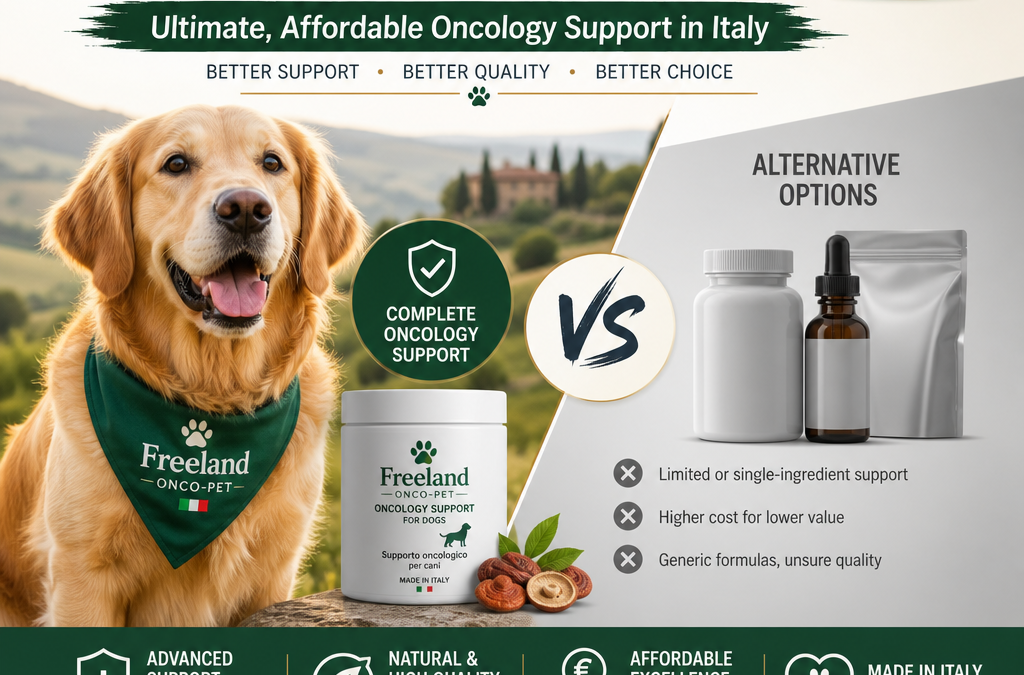
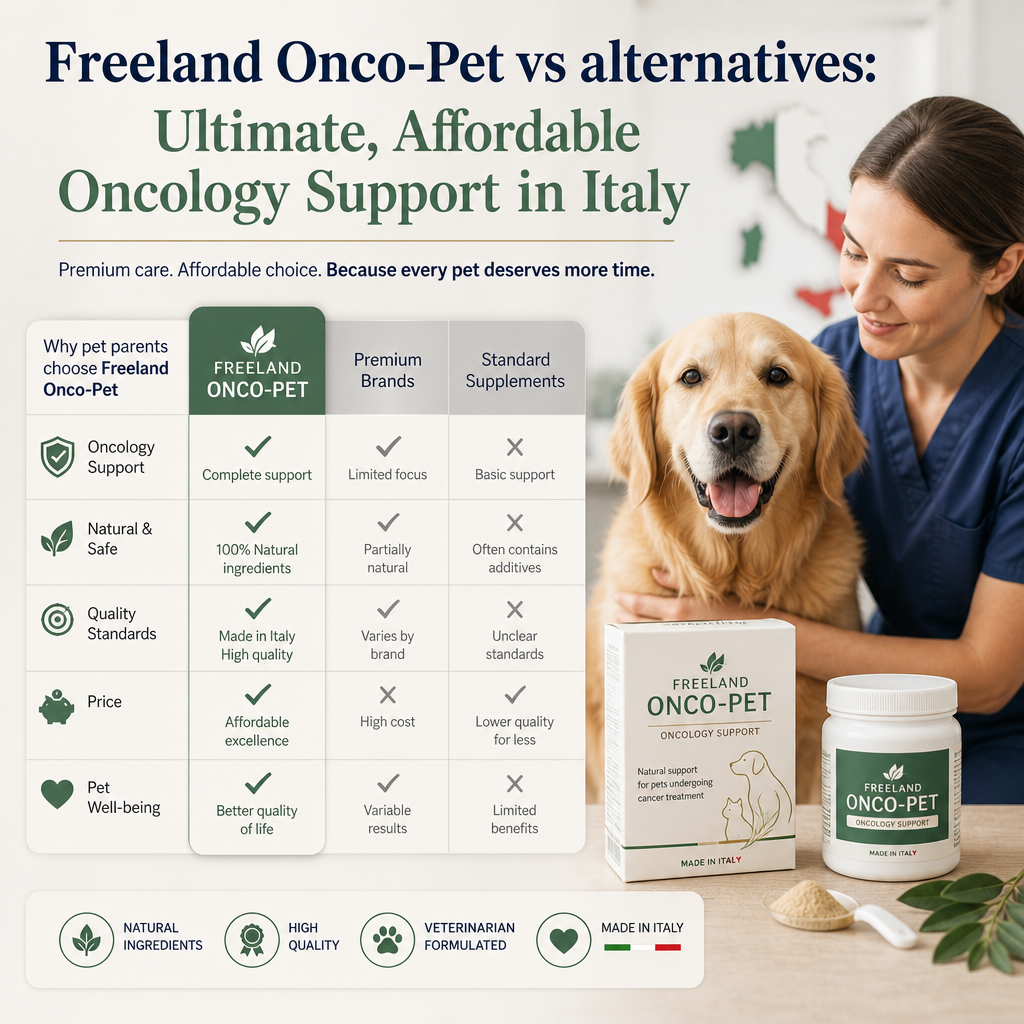
Freeland Onco-Pet vs alternatives is an important comparison for Italian pet owners looking for practical, affordable oncology support. When a dog or cat receives a tumor diagnosis, families often need more than a single product or treatment recommendation. They need clear information about veterinary care, nutritional support, quality-of-life monitoring, and the realistic options available within their budget.
A diagnosis of cancer is never simple, but informed decisions can make the care journey more manageable. Freeland Onco-Pet is generally considered a supportive product rather than a replacement for surgery, chemotherapy, radiotherapy, or other treatments prescribed by a veterinary oncologist. Understanding how it compares with alternative dog tumor support options can help owners discuss choices responsibly with their veterinary team.
Oncology support includes the measures used alongside primary cancer treatment to help maintain a pet’s strength, comfort, appetite, and overall well-being. Depending on the diagnosis, this may involve nutritional products, pain management, anti-nausea medication, appetite support, hydration, rehabilitation, and regular monitoring.
Supportive care is especially valuable because cancer and its treatment can affect several aspects of health. Some pets lose weight, experience digestive discomfort, become less active, or show changes in appetite. Others tolerate treatment well but need help maintaining muscle mass and energy. The appropriate plan depends on the tumor type, stage, treatment protocol, age, and existing medical conditions.
For this reason, no supplement should be viewed as a universal cancer cure. A supportive product may have a role in a broader care plan, but it should be selected with veterinary guidance. In many cases, the right plan is less about a single product and more about combining nutrition, symptom control, and medical oversight.
That broader approach is also why many owners compare Freeland Onco-Pet vs alternatives before making a purchase. A product may fit one pet’s situation well and be a poor fit for another, depending on appetite, treatment stage, and concurrent medications.
In day-to-day practice, oncology support can also include simple routines that reduce stress. Predictable feeding times, clean water access, and a calm resting space can make a noticeable difference for dogs and cats receiving cancer care. These details may seem small, but they often influence whether a pet maintains intake and stays comfortable enough to continue treatment.
When owners think about Freeland Onco-Pet vs alternatives, it helps to remember that supportive care is meant to work with the treatment plan, not replace it. A supplement may be useful if it helps preserve condition or appetite, but the most important gains usually come from coordinated veterinary care, good nutrition, and careful symptom management.
Freeland Onco-Pet vs alternatives: what to compare
When reviewing Freeland Onco-Pet vs alternatives, pet owners should look beyond marketing claims and compare practical factors. These include ingredients, intended purpose, administration, safety, cost, availability in Italy, and compatibility with prescribed treatment.
Freeland Onco-Pet may appeal to owners seeking a product specifically positioned for pets receiving cancer-related care. A product designed with oncology support in mind may offer a convenient combination of nutrients or compounds intended to support general condition. However, the value of any formula depends on the individual animal’s needs and on the quality of evidence behind its ingredients.
Alternative products may include general veterinary nutritional supplements, high-calorie recovery diets, omega-3 products, gastrointestinal support formulas, or individually prescribed medications. These alternatives are not necessarily interchangeable. A calorie-dense diet, for example, serves a different purpose from a supplement intended to provide antioxidant or metabolic support.
The most useful comparison asks whether the product addresses a documented need. If a dog is losing weight, nutritional density and palatability may be the priority. If nausea is preventing eating, veterinary antiemetic treatment may be more important than a supplement. If pain is limiting movement, appropriate analgesia should take precedence.
When families compare Freeland Onco-Pet vs alternatives, they should also ask how easily the product fits into the daily routine. Some pets accept liquids more readily, while others do better with capsules, powders, or food-toppers. Convenience matters because a supportive formula only helps if it can be given consistently.
It can also help to compare dosing flexibility. Some supportive products are easier to adjust for a small dog, a large dog, or a cat with a poor appetite. Others may be more limited in format. If a pet is already finicky or fatigued, a product that integrates smoothly into food or medication schedules may be more realistic than one that requires extra handling.
Owners should also compare labeling clarity and transparency. If a formula lists its purpose, dosage guidance, and intended use clearly, it is easier to determine whether it belongs in a care plan. That matters when evaluating Freeland Onco-Pet vs alternatives because vague claims can make comparison difficult and may lead to unnecessary spending.
Dog tumor support options in Italy
Italian pet owners can typically discuss several dog tumor support options with their veterinarian. The first is a complete and balanced diet selected according to the dog’s condition. Some animals benefit from therapeutic veterinary diets, while others do better with a familiar food that they are willing to eat consistently. Maintaining adequate nutrition is often more important than forcing a theoretically ideal diet that the pet refuses.
Veterinary medication is another essential option. Pain relief, anti-nausea drugs, appetite stimulants, corticosteroids, and treatments for inflammation may be used when clinically appropriate. These medicines should never be started, stopped, or combined without professional advice, particularly because some supplements can interact with drugs or affect anesthesia and chemotherapy protocols.
Additional dog tumor support options may include hydration therapy, dental care, gentle exercise, physiotherapy, and environmental adjustments. Soft bedding, easy access to food and water, non-slip flooring, and a calm routine can improve comfort significantly. Regular weight checks and observations of appetite, mobility, breathing, and behavior also help the veterinary team identify changes early.
In some cases, referral to a veterinary oncology center is worthwhile. Specialist consultation can clarify treatment goals, expected outcomes, and the difference between disease-directed therapy and palliative care.
Because every case is different, the best dog tumor support options are often the ones that solve a specific problem rather than the ones with the broadest claims. In practice, that may mean combining diet, medication, and routine monitoring instead of relying on a single supplement alone.
For many families, Freeland Onco-Pet vs alternatives becomes a question of sequencing as much as product selection. The right order is often: stabilize symptoms first, maintain nutrition second, and then decide whether a supplemental product adds meaningful value.
Practical dog tumor support options in Italy may also depend on where a family lives and how easily specialist care can be reached. In larger cities, referral centers may be more accessible, while rural owners may rely more heavily on local veterinarians for ongoing monitoring. That makes simplicity and consistency especially important when deciding whether Freeland Onco-Pet vs alternatives is the better fit.
Another useful consideration is the pet’s stage of treatment. A dog starting chemotherapy may need a different type of support than a dog in long-term follow-up or palliative care. Some dogs need appetite support for only a short period, while others may need ongoing nutritional help. Matching the product to the stage of care can improve usefulness and reduce waste.
Common supportive priorities during oncology care
Maintaining appetite and body weight
Reducing nausea or digestive upset
Supporting hydration and energy
Managing pain and inflammation
Improving comfort during daily routines
Monitoring changes in behavior or mobility
These priorities help families decide which dog tumor support options are most urgent. In many situations, the best first step is not buying more products, but identifying the single biggest issue the pet is facing and solving that first.
Affordability and access
Cost is a real concern for many families. The most affordable oncology support is not always the least expensive product at the point of purchase. A supplement that the pet refuses, provides little measurable benefit, or duplicates another product may ultimately cost more than a targeted plan.
Owners should calculate the full monthly cost, including dosage, shipping, veterinary consultations, laboratory monitoring, and other medications. Availability through Italian veterinary clinics, pharmacies, or reputable distributors may also influence convenience and price. Products purchased from uncertain online sources can create risks involving storage, authenticity, labeling, and unsuitable ingredients.
A transparent conversation with the veterinarian can help establish priorities. In many cases, the budget should first cover pain control, essential diagnostics, prescribed cancer treatment, and adequate food. Supportive supplements may then be considered according to remaining needs and expected benefit.
For families balancing expenses, it can help to compare the monthly total rather than the sticker price alone. A lower-cost product may not be the most economical choice if it must be replaced often or if it does not match the pet’s actual needs.
That same logic applies when assessing Freeland Onco-Pet vs alternatives in Italy. If one option is easier to administer, better tolerated, and more compatible with the current care plan, it may deliver more practical value even if the upfront price is higher.
It is also wise to factor in indirect costs such as missed work, transport to specialist appointments, and the time required to administer a product daily. A supplement that looks inexpensive may become inconvenient if it complicates an already demanding treatment schedule. For some households, the most affordable option is the one that fits the routine with the least friction.
Owners comparing Freeland Onco-Pet vs alternatives should ask whether the expected benefit justifies the ongoing expense. If a product does not improve eating, comfort, or stability in a noticeable way, it may not be a good long-term investment. Care plans are most effective when each item has a clear purpose.
Safety considerations before using supplements
“Natural” does not automatically mean safe for a dog or cat with cancer. Some ingredients can affect blood clotting, liver metabolism, kidney function, or the action of chemotherapy drugs. Others may be unsuitable for pets with diabetes, pancreatitis, heart disease, or gastrointestinal problems.
Before using Freeland Onco-Pet or an alternative, provide the veterinarian with a complete list of all medications, supplements, and foods the pet receives. Follow the stated dosage and monitor for vomiting, diarrhea, reduced appetite, unusual tiredness, skin reactions, or other changes. A new product should not delay veterinary attention when symptoms worsen.
It is also important to use realistic language. Supportive products may help maintain general condition or address specific nutritional needs, but they should not be promoted as guaranteed tumor treatments. Evidence can vary considerably between ingredients, formulations, and species. That is why Freeland Onco-Pet vs alternatives should always be judged in context, not by claims alone.
If a pet is already receiving chemotherapy or other prescription treatment, the vet should review every added supplement. This is especially important when multiple products are introduced at once, because it can become difficult to identify which one is helping or causing side effects.
Owners who are unsure should pause and ask a clinician to review the whole care plan rather than adding another product immediately. Safety, compatibility, and tolerance matter more than speed when dealing with a vulnerable patient.
It also helps to watch for changes in thirst, urination, stool quality, and energy after any new product is introduced. These signs may reveal whether a supportive product is being tolerated well. If anything worsens, the veterinarian may need to adjust the plan quickly. That cautious approach is especially important in cancer care, where pets can deteriorate faster than expected.
One practical way to reduce risk is to introduce support one change at a time. If diet, medication, and supplement are all altered at once, it becomes hard to determine what caused improvement or discomfort. In contrast, a gradual approach makes Freeland Onco-Pet vs alternatives easier to evaluate and helps the veterinary team make better decisions.
Questions to ask before starting a product
What problem is this product meant to address?
Does it fit with the current treatment plan?
Could it interact with medicine or anesthesia?
How should I monitor for side effects?
When should we stop or reassess it?
Choosing the most suitable support plan
The best approach to Freeland Onco-Pet vs alternatives is individualized rather than purely brand-based. Start by identifying the pet’s main challenge: weight loss, poor appetite, digestive upset, fatigue, pain, dehydration, or treatment-related side effects. Then ask which intervention has the strongest rationale for that problem.
A written monitoring plan can be useful. Record body weight, food intake, water consumption, activity, bowel movements, vomiting, and signs of discomfort. This information helps determine whether a supportive product is making a meaningful difference.
It is also wise to reassess regularly. A product that seems helpful during one stage of treatment may become unnecessary later, while a new symptom may require a different strategy. Ongoing communication with the veterinary team keeps the care plan practical and responsive.
For many owners, the goal is not to find a single miracle solution but to build a realistic routine that supports comfort, nutrition, and dignity. That may involve Freeland Onco-Pet, a therapeutic diet, pain relief, or another option entirely, depending on the diagnosis.
Ultimately, oncology support should be coordinated with a veterinarian who understands the pet’s diagnosis and treatment. Freeland Onco-Pet may be one possible component of care, but it should be assessed alongside therapeutic diets, prescribed medicines, specialist advice, and comfort-focused measures. For families in Italy, comparing these options carefully can support better decisions, control unnecessary expenses, and keep the pet’s quality of life at the center of every stage of care.
Before choosing between Freeland Onco-Pet vs alternatives, remember that the best choice is the one that fits the pet’s medical needs and can be used consistently without causing avoidable stress. In that sense, the safest and most useful support plan is usually the most practical one.
When the diagnosis is serious, small improvements matter. Better eating, steadier energy, less nausea, and a calmer daily routine can all make treatment easier for the pet and the family. That is why Freeland Onco-Pet vs alternatives should be viewed as part of a broader care conversation rather than a simple product search.
In the end, the most useful decision is often the one that aligns medical advice, budget, and daily feasibility. If a product supports those three goals, it may earn a place in the plan. If not, another option may be more appropriate for the pet’s current needs.
Practical summary for Italian pet owners
For readers comparing Freeland Onco-Pet vs alternatives, the key takeaway is to focus on the pet’s actual needs first. A dog with low appetite may need nutritional support, while another with pain may need medication and rest. A cat with digestive upset may require a different approach entirely. The right answer is not always the product with the most visible branding.
Think about safety, ease of use, and whether the support fits the prescribed treatment plan. Speak with the veterinarian before adding anything new, and reassess the plan when symptoms or treatment stages change. With that approach, Freeland Onco-Pet vs alternatives becomes a structured decision instead of an emotional guess.
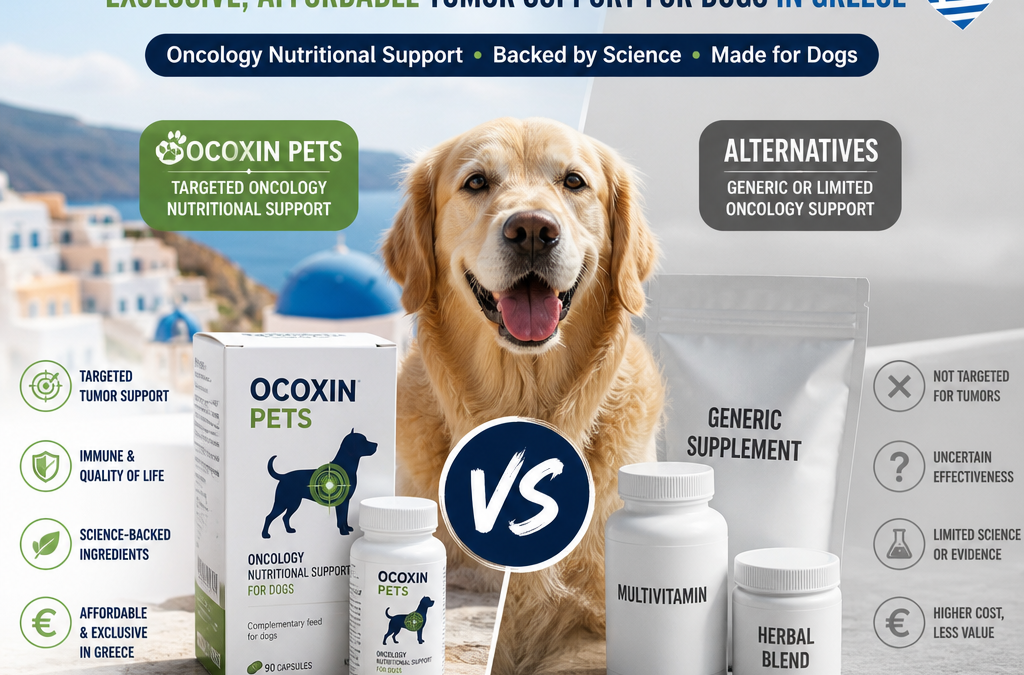
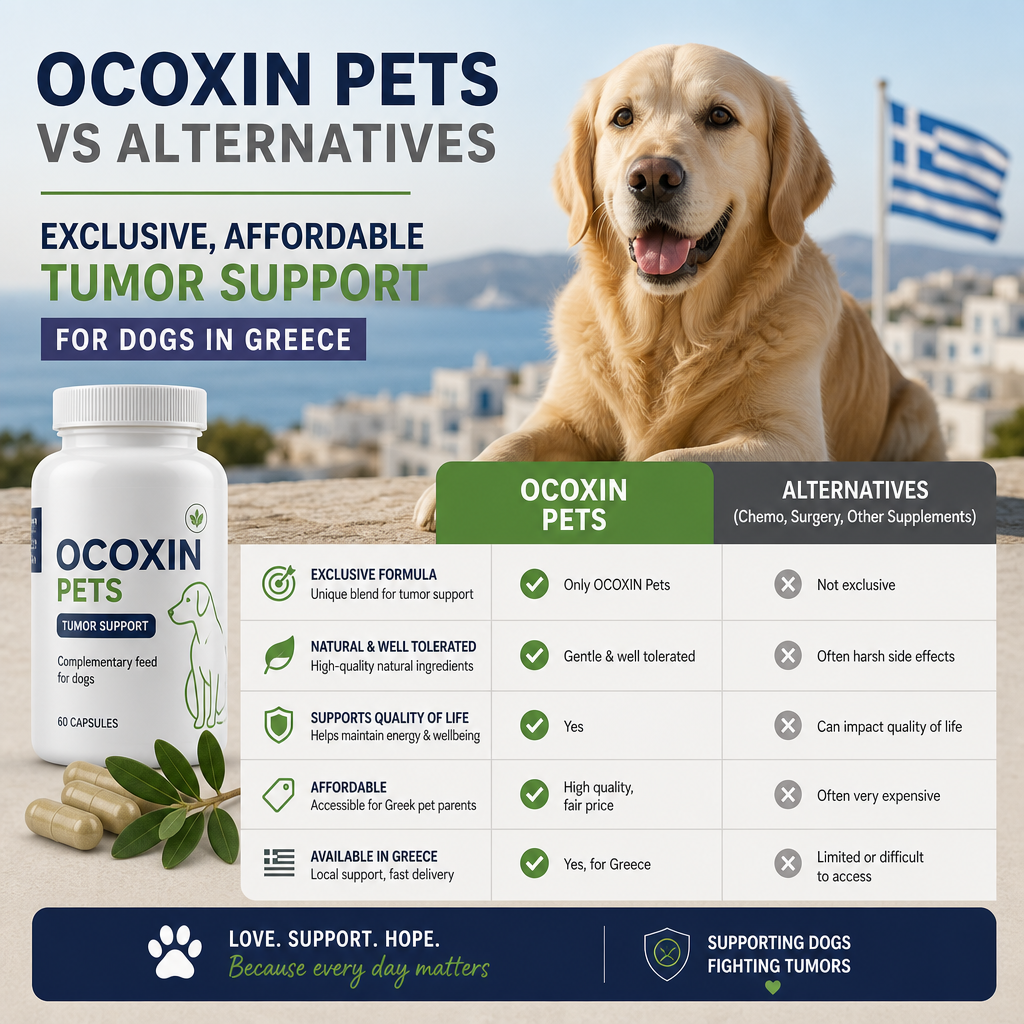
Ocoxin Pets vs alternatives is an important comparison for Greek dog owners looking for practical, affordable support during cancer care. When a dog receives a tumor diagnosis, nutrition and daily wellbeing become central concerns alongside veterinary treatment. Products designed for oncology nutritional support may help maintain appetite, energy, body condition, and quality of life, but they should complement—not replace—professional veterinary care.
Every dog responds differently to cancer, surgery, chemotherapy, radiation therapy, or palliative treatment. The right supportive product depends on the tumor type, treatment plan, age, weight, appetite, digestive health, and other medical conditions. Understanding the available dog tumor support options can help owners make better-informed decisions and discuss suitable choices with their veterinarian. For a broader overview of pet oncology basics, see Dog Cancer Essentials: Helpful Pet Oncology Guide.
Ocoxin Pets is a nutritional support formula intended for dogs and cats facing demanding health conditions, including cancer-related challenges. Its purpose is generally supportive rather than curative. Such products may be used to help pets cope with reduced appetite, treatment-related stress, weight loss, or nutritional imbalance.
The formula is commonly associated with ingredients selected for antioxidant and nutritional support. However, the exact suitability of any supplement depends on the individual animal. A dog with kidney disease, diabetes, gastrointestinal sensitivity, or medication interactions may require a different approach. Veterinary guidance is particularly important when a pet is receiving chemotherapy or multiple prescription medicines.
Ocoxin Pets may appeal to owners seeking a dedicated veterinary nutritional product rather than a general multivitamin. Its positioning around oncology nutritional support can make it easier to discuss with a veterinarian as part of a broader care plan.
In practical terms, the decision is rarely about one product alone. It is about how Ocoxin Pets vs alternatives fit the dog’s appetite, diagnosis, and treatment timing. A supportive product should make life easier, not add another burden to an already complex routine.
Owners often ask whether a formula should be chosen for the whole course of care or only during periods of poor appetite. The answer depends on the dog’s condition and the veterinarian’s goals. Sometimes a product is most useful during treatment weeks, while in other cases it may be part of a longer maintenance plan. This is another reason Ocoxin Pets vs alternatives should be reviewed with the full treatment timeline in mind.
When a dog is newly diagnosed, families may feel pressure to act quickly. That urgency is understandable, but it is still best to compare options carefully. A calm, structured review can prevent unnecessary spending and help the owner choose a support product that genuinely fits the dog’s needs.
Ocoxin Pets vs alternatives: What should owners compare?
When comparing Ocoxin Pets vs alternatives, price is only one factor. A useful comparison should consider the following points:
– Purpose: Is the product designed specifically for veterinary oncology support, or is it a general nutritional supplement?
– Ingredients: Are the active ingredients clearly listed, and are their quantities appropriate for the dog?
– Evidence and quality control: Does the manufacturer provide reliable product information and manufacturing standards?
– Administration: Is the product easy to give daily, especially to a dog with nausea or a poor appetite?
– Compatibility: Could any ingredient interfere with medication or a prescribed diet?
– Cost per day: The purchase price may not reflect the actual monthly cost.
– Availability in Greece: Consistent access matters, particularly during a long treatment schedule.
– Veterinary acceptance: The product should fit the dog’s medical plan rather than compete with it.
A low-cost supplement is not automatically the most affordable choice if it provides little nutritional value or is difficult to administer. Conversely, a premium formula may not be necessary for every dog. The most economical option is usually the one that is appropriate, tolerated, and used consistently under professional supervision.
Owners should also think about how easy it is to monitor progress. If a product is helping, a dog may show steadier appetite, fewer digestive upsets, and better daily energy. If the product is not helping, it should not be continued out of habit.
A practical way to compare options is to ask three simple questions: Can my dog take it easily, can I afford it for the full period it may be needed, and does my veterinarian think it fits the treatment plan? That mindset keeps Ocoxin Pets vs alternatives focused on the dog’s real-world needs rather than on marketing claims alone.
It can also help to compare how each option is packaged. A product that is measured in clear daily servings reduces confusion, especially when several medications are already part of the routine. Small details like administration method, storage requirements, and taste can matter just as much as the ingredient list.
Oncology nutritional support for dogs
Cancer can affect a dog’s nutritional needs in several ways. Some dogs eat less because of pain, nausea, stress, mouth problems, or changes in smell and taste. Others lose weight despite eating because disease-related changes can increase metabolic demands. Muscle loss may also occur, reducing strength and mobility.
Oncology nutritional support aims to help address these challenges. Depending on the dog’s condition, supportive nutrition may focus on:
– Maintaining adequate calories and protein
– Preserving muscle mass and body condition
– Supporting hydration
– Improving appetite and meal acceptance
– Reducing digestive discomfort
– Providing nutrients during recovery from surgery or treatment
A supplement cannot compensate for a severely inadequate diet, untreated pain, dehydration, or uncontrolled nausea. Before adding any product, the veterinarian may recommend a complete therapeutic diet, appetite management, anti-nausea medication, pain relief, or blood tests. Nutritional support works best when these underlying issues are also addressed.
In many cancer cases, the goal is to keep the dog eating consistently and comfortably. That is why oncology nutritional support is usually most helpful when it is tailored to the pet’s current condition, not chosen as a one-size-fits-all solution.
Some dogs may also need support for hydration and digestibility rather than simply more calories. In those cases, the best product is the one that helps the dog absorb and tolerate nutrition without worsening stomach upset. That is why the phrase oncology nutritional support covers more than a single ingredient list; it describes a broader strategy for keeping the dog stable, comfortable, and fed.
Veterinary teams often adjust recommendations as the disease changes. A dog that needs appetite stimulation during chemotherapy may later need a different approach after surgery or during palliative care. Regular reassessment keeps the nutrition plan aligned with the dog’s changing needs.
Comparing dog tumor support options
Dog tumor support options range from specialized veterinary formulas to therapeutic diets and carefully selected individual supplements. Each category has advantages and limitations.
Specialized veterinary supplements
Products such as Ocoxin Pets are formulated with veterinary use in mind and may offer a convenient blend of supportive nutrients. Their main advantage is simplicity: owners can follow a measured daily dosage rather than combining several separate products. The limitation is that not every formula suits every dog, and “natural” ingredients can still have pharmacological effects or interact with medication.
For some dogs, a single product may be enough to support daily comfort. For others, the role of the supplement is limited, and the real need may be appetite support, anti-nausea treatment, or a higher-calorie diet. That is why dog tumor support options should always be reviewed in the context of the full care plan.
When evaluating specialized supplements, it is useful to ask whether the product is intended for short-term support, ongoing use, or a specific stage of illness. A product that looks suitable on paper may not be ideal if the dog refuses the flavor or if the dosing schedule is too complicated for the family to maintain. The best support is the one that can be used reliably.
Therapeutic veterinary diets
A complete veterinary diet may be more important than an additional supplement, particularly when the dog is losing weight or struggling with digestion. Therapeutic diets can provide controlled calories, digestible ingredients, and appropriate nutrient levels. They also offer a more complete nutritional foundation than most supplements.
However, some dogs refuse a new diet, and certain tumor cases require individualized dietary decisions. Abrupt food changes may worsen gastrointestinal symptoms, so transitions should be planned with veterinary advice. If you need more practical nutrition guidance, the article on Best Supplements for Dogs with Cancer: 7 Essential UK Support Tips may also help frame the conversation with your vet.
Therapeutic diets may also be easier to track than a combination of small add-ons. When calories, protein, and digestibility are all built into the food, owners can see more clearly whether the dog is eating enough. In many cases, that simplicity makes a bigger difference than adding another bottle or powder to the routine.
General supplements and human products
General pet supplements may contain vitamins, omega-3 fatty acids, antioxidants, or herbal ingredients. They can be suitable in selected cases, but quality and dosage vary widely. Human supplements are especially risky because they may contain xylitol, excessive vitamin levels, stimulants, or ingredients unsuitable for dogs.
Owners should avoid combining multiple antioxidant or herbal products without veterinary approval. More supplements do not necessarily provide more benefit and may increase the risk of side effects or interactions. In other words, the most powerful-looking option is not always the safest or smartest choice.
It is also wise to review how a product is labeled. Clear directions, batch information, and serving size guidance make it easier to avoid dosing mistakes. When labels are vague, the dog’s safety may be harder to protect.
Some families are tempted to choose several low-cost products instead of one structured option. That can make the routine harder to manage and make side effects more difficult to identify. When comparing dog tumor support options, clarity and consistency often matter more than the number of ingredients listed on the package.
Homemade diets
A homemade diet may seem attractive when a dog becomes selective or loses appetite. Yet an improvised diet can quickly become deficient in essential nutrients, particularly if used for more than a short period. Any long-term homemade plan should be formulated by a veterinary nutrition professional.
Homemade feeding can be useful in specific cases, but it should be designed with precision. For dogs with tumors, nutrition mistakes can happen quickly, so a careful plan is far better than trial and error.
When owners compare dog tumor support options, they often discover that convenience matters as much as ingredients. A plan that the family can follow every day is more likely to succeed than a plan that looks ideal on paper but is difficult to maintain.
If a homemade approach is being considered, owners should ask whether it truly solves the main problem. In some dogs, the issue is not the recipe itself but pain, nausea, mouth discomfort, or anxiety. Addressing those problems first may make the dog eat better without changing the diet too dramatically.
Affordability and access in Greece
For families in Greece, affordability and reliable availability are practical parts of the decision. Treatment costs can include consultations, blood tests, imaging, surgery, medication, transportation, and repeated follow-up visits. Nutritional products should therefore be evaluated according to their daily cost and realistic duration of use.
Owners can ask their veterinarian or a reputable Greek veterinary pharmacy about package sizes, dosage by body weight, storage requirements, and whether the product is consistently available. It is also useful to confirm that online sellers are authorized and provide clear batch, expiry, and manufacturer information.
A product should never be selected solely because it is heavily discounted. Damaged packaging, unclear labeling, missing dosage instructions, or uncertain storage conditions are reasons to choose another source. Safe purchasing is especially important for dogs whose immune systems may already be compromised.
When comparing Ocoxin Pets vs alternatives in Greece, think beyond the shelf price. A product that is easy to obtain, easy to measure, and easy to give can reduce stress for both the dog and the owner.
For owners balancing budget and care quality, a practical question is whether the product can be used consistently for the full treatment period. A support plan that runs out early can create gaps in care and unnecessary frustration.
Availability also matters during travel or changing seasons, when shipping delays can interrupt treatment. If a supplement is helping, interruptions can be disappointing and may make it harder to keep the dog stable. Building a realistic supply plan can be as important as choosing the formula itself.
How to use nutritional support safely
Before starting Ocoxin Pets or another supplement, record the dog’s current weight, appetite, stool quality, activity, and medication schedule. This gives the veterinarian a baseline for assessing whether the product is helping or causing problems.
Introduce new products according to the recommended dosage, unless the veterinarian provides different instructions. Watch for vomiting, diarrhea, worsening appetite, itching, lethargy, or other unusual changes. Keep a simple daily log, especially during chemotherapy or recovery from surgery.
Nutritional support should remain part of a complete care plan that includes medical treatment, pain control, hydration, emotional comfort, and regular monitoring. In some cases, the best support may be a therapeutic diet or medication rather than an additional supplement.
If your dog is already receiving targeted treatment, ask the veterinary team whether the chosen product fits the schedule. That simple question can prevent avoidable interactions and help keep care consistent.
Owners should also avoid making too many changes at once. If a dog starts a new medication, a new food, and a new supplement on the same day, it can be difficult to know what is helping or causing a side effect. A step-by-step approach is safer and easier to evaluate.
Consistency matters more than intensity. A small, well-tolerated dose given correctly may be more useful than a complicated regimen that is skipped or given irregularly. For that reason, the safest way to use oncology nutritional support is to keep the routine simple enough that every family member can follow it correctly.
Making a responsible decision
The best choice among Ocoxin Pets vs alternatives is not universal. A dog with a good appetite and stable weight may need a different plan from a dog experiencing rapid muscle loss or treatment-related nausea. The veterinarian can help identify the main nutritional priority and determine whether a specialized product is appropriate.
For Greek dog owners, a sensible approach is to compare ingredients, evidence, safety, daily cost, availability, and veterinary suitability. With careful selection and ongoing monitoring, oncology nutritional support can contribute to comfort and quality of life while allowing the primary cancer treatment to remain the focus.
In the end, the most helpful option is the one that is safe, practical, and genuinely suited to the dog’s needs. A thoughtful comparison of Ocoxin Pets vs alternatives can make that decision clearer and less stressful for the whole family.
If the dog’s condition changes, the support plan should change too. Tumor care is not static, and the best nutritional choice early in treatment may not be the best choice later. Regular re-evaluation helps keep the plan aligned with the dog’s needs.
Responsible use also means keeping expectations realistic. Supportive nutrition can improve comfort and help maintain strength, but it cannot cure cancer. Used well, it is one more tool that may help the dog feel better while the veterinary team manages the disease.
When comparing Ocoxin Pets vs alternatives over time, owners should remember that a good result is not only measured by body weight. Better appetite, calmer digestion, fewer feeding struggles, and a more stable daily routine can all be signs that the chosen approach is working.
For many families, the final decision comes down to a balance of practicality and medical fit. If the product is safe, affordable, and easy to use, and if the veterinarian agrees it suits the case, then it can become a helpful part of the dog’s cancer support plan. That is the most responsible way to evaluate Ocoxin Pets vs alternatives in real-world care.
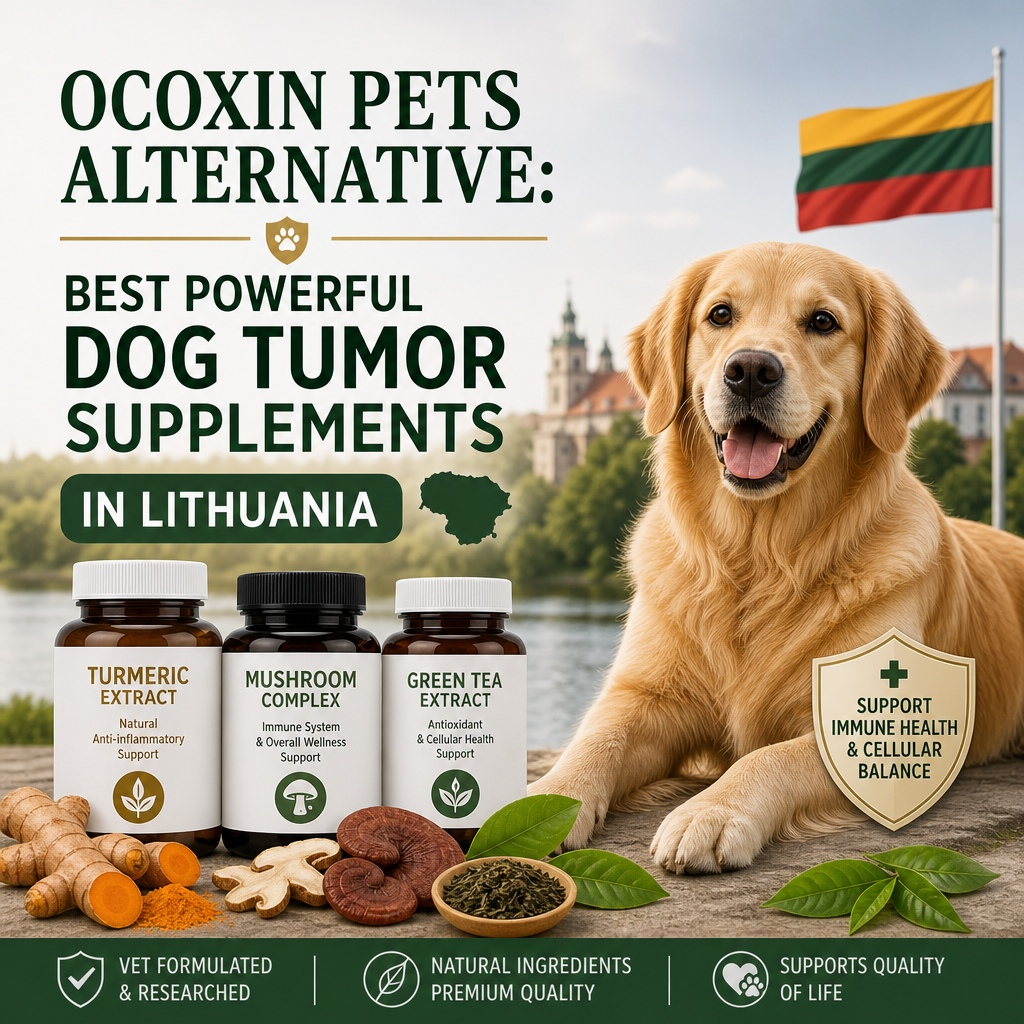
Ocoxin Pets alternative options are increasingly sought by dog owners in Lithuania who want nutritional support for a pet diagnosed with a tumor. While Ocoxin Pets is known as a veterinary supplement used alongside cancer care, it is not the only choice available. The best dog tumor supplements should provide carefully selected nutrients, be suitable for the animal’s condition, and complement—not replace—professional veterinary treatment.
Ocoxin Pets is generally used as a supportive supplement for dogs and cats with serious illnesses, including tumors. Its purpose is not to destroy cancer cells directly, but to help support the body during a difficult period. Depending on the formulation, such products may contain antioxidants, vitamins, minerals, plant-based compounds, and ingredients intended to support appetite, energy, immunity, or recovery. When pet owners ask for an Ocoxin Pets alternative, they are usually looking for similar supportive benefits rather than a replacement for veterinary oncology care.
Every dog responds differently to supplements. Age, breed, tumor type, treatment plan, kidney and liver function, appetite, and current medication all influence whether a particular product is appropriate. This is why choosing an Ocoxin Pets alternative should involve a veterinarian, especially when the dog is receiving chemotherapy, corticosteroids, pain medication, or other prescription treatment. A thoughtful discussion with the clinic can help narrow the options to products that are more likely to fit the dog’s condition.
Why Look for Alternatives to Ocoxin Pets?
There are several reasons dog owners search for alternatives to Ocoxin Pets. Availability may vary between Lithuanian veterinary clinics, pharmacies, and online retailers. Some owners may also be looking for a different ingredient profile, a lower price, a liquid formulation, or a supplement that is easier for their dog to accept. In practical terms, a good Ocoxin Pets alternative is often the one that is easiest to obtain consistently and use correctly.
Another important factor is the dog’s individual needs. One animal may need nutritional support during reduced appetite, while another may require a product focused on maintaining body condition or supporting normal digestion. A supplement that works well for one dog may not be suitable for another, so the goal should be personalized support rather than simply finding the closest substitute by name. Many pet owners researching an Ocoxin Pets alternative are really looking for the best fit for their dog’s current treatment stage. In some cases, the most helpful option is the one that can be paired with food changes, hydration support, and close monitoring at home.
Owners may also compare products because they want to understand whether a different formula offers fewer additives or a simpler nutrient profile. That can be especially important when a dog is already taking several medicines. In those situations, an Ocoxin Pets alternative with transparent labeling can be easier for the veterinarian to review. If your dog’s condition changes, the supplement that seemed right at first may no longer be the best choice, so follow-up is important.
What Makes the Best Dog Tumor Supplements in Lithuania?
When comparing dog tumor supplements Lithuania pet owners can access, several qualities deserve attention.
Veterinary suitability
The product should be intended for veterinary use or clearly labeled for dogs. Human supplements are not automatically safe for pets because they may contain inappropriate doses, sweeteners, herbs, or additives. Products designed for animals are more likely to provide suitable serving guidance. For many owners, the safest Ocoxin Pets alternative is one that fits cleanly into an existing veterinary plan.
Transparent ingredients
A high-quality supplement should list its active ingredients and quantities clearly. Avoid products that rely only on vague claims such as “immune booster” or “natural cancer support” without explaining what is inside. Transparency makes it easier for a veterinarian to assess possible interactions. It also helps owners compare one Ocoxin Pets alternative with another without relying on marketing language alone.
Practical administration
Dogs undergoing treatment may become selective or nauseated. Powders that mix with food, liquids, capsules, or flavored pastes may be easier to administer than tablets. The best product is often one the dog can receive consistently without causing stress. A supplement that is technically suitable but impossible to give every day is less useful in real life.
Quality control
Look for manufacturers that provide information about production standards, batch testing, storage, and expiration dates. Purchasing through a veterinary clinic, established pharmacy, or reputable Lithuanian supplier can reduce the risk of counterfeit or poorly stored products. If you are comparing brands, ask your veterinarian which Ocoxin Pets alternative has the most reliable quality documentation. Consistency matters because dogs with tumors often need steady support rather than frequent product changes.
Appropriate nutritional support
Dogs with tumors may experience weight loss, reduced appetite, digestive upset, or muscle loss. A useful supplement should fit the dog’s broader nutritional plan. In some cases, calorie density and palatability are more important than adding a long list of botanical ingredients. A well-chosen Ocoxin Pets alternative should support the dog’s overall intake instead of creating confusion with overlapping supplements.
Beyond supplement labels, it helps to understand how nutrition is handled in real oncology care. Practical feeding plans, calorie goals, and careful monitoring usually matter more than any single ingredient. For more background on the veterinary approach, see this TCM Vet resource for pet health and supportive care alongside guidance from your veterinarian.
Common Ingredients in Supportive Supplements
Dog tumor supplements may contain a variety of nutrients and natural compounds. Antioxidants such as vitamins C and E, selenium, or specific plant extracts are often included to support normal cellular protection. Omega-3 fatty acids, particularly EPA and DHA from fish oil, may support skin, coat, and normal inflammatory balance. Some owners prefer an Ocoxin Pets alternative that includes these familiar ingredients in a simpler formula.
Medicinal mushrooms, turmeric-derived compounds, beta-glucans, and other botanical ingredients are also found in some veterinary formulas. However, “natural” does not mean risk-free. Certain herbs may affect blood clotting, liver enzymes, blood pressure, or the metabolism of prescription medicines. Concentrated products may be especially unsuitable for dogs with liver or kidney disease. That is why even a seemingly gentle Ocoxin Pets alternative should be reviewed carefully before use.
Digestive support can also be valuable. Probiotics, prebiotics, and highly digestible nutrients may help maintain normal gastrointestinal function, particularly when treatment affects appetite or bowel habits. Nevertheless, supplements should be selected according to the dog’s symptoms and veterinary advice. For background on evidence-based cancer care, owners can also review the American Veterinary Medical Association’s cancer in pets guidance.
Some products focus more on general wellness, while others are built around specific oncology-support ingredients. Neither approach is automatically better. The most appropriate Ocoxin Pets alternative is the one that matches the dog’s current needs, medication plan, and tolerance. In practice, less can sometimes be more if the formula is easy to digest and does not overload the dog with unnecessary extras.
Owners often ask whether a supplement should contain many ingredients or just a few targeted ones. In many cases, simpler formulas are easier to manage because they reduce the chance of unwanted overlap with the dog’s prescription plan. If a dog already receives a therapeutic diet, pain relief, anti-nausea medicine, or liver support, adding too many extras can make it hard to know what is helping. A thoughtful Ocoxin Pets alternative should therefore be judged on usefulness, not ingredient count alone.
Another useful approach is to think about the dog’s current stage of illness. A dog that is maintaining weight and eating well may need a different supportive product than a dog with a poor appetite or digestive upset. Some formulas are designed to support normal energy, while others emphasize immune balance or recovery. Matching the formula to the clinical picture is usually more helpful than selecting a supplement based only on general cancer-related claims.
Veterinarians may also recommend periodic re-evaluation because the dog’s needs can change during treatment. A supplement that was appropriate during one phase may not remain suitable after surgery, chemotherapy, or a medication adjustment. For that reason, it is wise to keep the name, dose, and start date of any Ocoxin Pets alternative written down so follow-up discussions are accurate.
Choosing an Ocoxin Pets Alternative Safely
Before introducing any alternatives to Ocoxin Pets, prepare a complete list of the dog’s current medications, supplements, and medical conditions. Share this information with the treating veterinarian. This is particularly important if the dog is scheduled for surgery or chemotherapy, has abnormal blood results, or is taking anticoagulants or anti-inflammatory medicines. A veterinary review can help determine whether the chosen Ocoxin Pets alternative is likely to be safe.
Introduce only one new supplement at a time. This makes it easier to identify side effects and determine whether the product is tolerated. Follow the manufacturer’s dosage instructions, but remember that a veterinarian may recommend a different approach based on body weight and health status. Some dogs do better with a slower start, especially if they have a sensitive stomach or are already under stress from treatment.
Monitor appetite, stool quality, vomiting, energy, drinking, urination, and any signs of discomfort. Stop the supplement and contact a veterinary professional if the dog develops persistent vomiting, diarrhea, unusual bleeding, severe lethargy, facial swelling, or breathing difficulty. A carefully chosen Ocoxin Pets alternative should support the dog without creating new problems. If the supplement seems to reduce appetite or worsen nausea, it may need to be changed.
It can also help to keep brief notes for the first two to four weeks. Record what the dog eats, how much water is consumed, and whether the supplement is easy to give. This simple log can make follow-up appointments more productive and can help determine whether the Ocoxin Pets alternative is useful enough to continue.
Another practical safeguard is to buy only from sellers that can provide full product details. Missing ingredient lists, unclear import information, or unusually low prices can be warning signs. In Lithuania, as in any market, the best buying decision is usually the one that combines veterinary advice with reputable sourcing. That approach reduces the chance of selecting an unsuitable product simply because it is widely advertised.
If you are uncertain about administration, ask whether the supplement can be given with food, separated from other medicines, or started at a reduced dose. These small details can make a large difference in tolerance. A sensible Ocoxin Pets alternative should be simple enough for the caregiver to use every day, because consistency is what makes supportive care meaningful over time.
Supplements Must Complement Cancer Treatment
No supplement should be marketed as a guaranteed cure for cancer. Claims that a product can replace surgery, chemotherapy, radiation therapy, or prescribed medication should be treated with caution. Nutritional products may support general wellbeing, but they cannot be assumed to eliminate tumors or prevent progression. This is true whether the product is Ocoxin Pets or a different Ocoxin Pets alternative.
The most effective care plan often combines evidence-based oncology treatment with appropriate nutrition, pain management, hydration, and regular monitoring. A veterinarian may recommend blood tests, imaging, dietary changes, or adjustments to medication as the dog’s condition changes. Even when a dog seems stable, the chosen Ocoxin Pets alternative should be reviewed regularly to make sure it still matches the treatment plan. Because tumor care can change quickly, flexibility is often more useful than sticking with the same supplement indefinitely.
Owners should also remember that cancer support is not only about one product. Weight maintenance, comfort, hydration, and consistent food intake may matter just as much as any supplement. In that context, an Ocoxin Pets alternative is best viewed as one tool within a wider care strategy. Veterinary guidance is the best way to balance all of those priorities safely.
Supportive supplements can play a role, but they work best when the rest of the care plan is also stable. That may include a feeding routine the dog can tolerate, close observation for changes in energy or bowel habits, and prompt communication with the clinic if something changes. When owners treat supplementation as part of ongoing care rather than a standalone solution, they are more likely to choose a product that truly helps.
Finding Dog Tumor Supplements in Lithuania
In Lithuania, pet owners may find supportive supplements through veterinary hospitals, specialist clinics, pharmacies, and established online pet-health retailers. Buying locally can make it easier to confirm storage conditions, receive professional guidance, and obtain advice about administration. When ordering online, check the seller’s contact details, product labeling, expiration date, and return policy. If you are uncertain about a listing, ask your veterinarian whether the Ocoxin Pets alternative is a reliable choice.
Price should not be the only deciding factor. A less expensive product may contain lower concentrations, unclear ingredients, or require a larger daily amount. Compare the complete formulation, dosage, number of servings, and professional recommendations before making a decision. Many of the best dog tumor supplements are chosen not for aggressive marketing, but for consistent quality and practical use. A sensible Ocoxin Pets alternative should also fit the owner’s budget, because long-term adherence matters.
It can also help to keep a written record of how the dog responds after starting a supplement. Note appetite, stool changes, energy level, and any medication adjustments. That record makes it easier for your vet to decide whether the same product should be continued, changed, or discontinued. Over time, even a good Ocoxin Pets alternative may need to be reassessed as the dog’s condition evolves.
If a product is not available in your local area, avoid substituting randomly based on similar packaging or marketing claims. Two formulas can look alike yet differ greatly in dosage and ingredient concentration. A veterinarian can help compare the options and identify the most appropriate Ocoxin Pets alternative for the dog’s needs in Lithuania.
When shopping for supplements, ask practical questions before you buy. Is the product intended for dogs? Are the ingredients clearly listed? Does the dose match your dog’s weight? Can the seller explain storage and shipping conditions? These simple checks can prevent wasted money and, more importantly, reduce the risk of giving a product that is not a good match for a dog with a tumor. If the answer to any of these questions is unclear, it is usually better to pause and ask the clinic.
It is also worth considering whether the supplement fits your daily routine. Supportive products only help if they are given reliably. A formula that must be mixed into a meal may not suit a dog that is eating unpredictably, while a capsule may not be ideal for a dog that resists swallowing pills. In those situations, convenience is not a luxury; it is part of safe care. The right Ocoxin Pets alternative should be practical for both the dog and the caregiver.
If your veterinarian recommends a change, transition gradually when appropriate and observe how the dog reacts. Small adjustments can make it easier to tell whether a new formula is improving appetite, digestion, or comfort. When in doubt, keep the current plan simple and avoid adding multiple new supplements at once. Simplicity often produces clearer results and fewer side effects.
Final Considerations
The best Ocoxin Pets alternative is not necessarily the most expensive or the one with the longest ingredient list. It is the product that matches the dog’s diagnosis, treatment plan, nutritional needs, and ability to tolerate supplementation. Careful ingredient review, reliable sourcing, and veterinary supervision are essential.
For dog owners searching for dog tumor supplements Lithuania offers, the safest approach is to view supplements as one part of comprehensive care. With the right professional guidance, a suitable product may help support appetite, digestion, energy, or general quality of life while the primary veterinary treatment addresses the disease itself. If you are uncertain which Ocoxin Pets alternative to choose, ask your veterinarian to compare options based on your dog’s test results, symptoms, and current medicines. With a thoughtful plan, the right Ocoxin Pets alternative can become a practical part of daily care.
Dog cancer can feel like an overwhelming phrase, yet understanding the basics of canine tumors and the broader field of pet oncology can empower you to make informed decisions for your companion. This article breaks down complex ideas into simple, supportive guidance for dog owners seeking clarity, direction, and compassionate care options.
Overview of Canine Tumors and Pet Oncology
Canine tumors refer to abnormal cell growths that may be benign or malignant. Pet oncology, meanwhile, is the veterinary specialty focused on diagnosing and managing these conditions. Because dogs can experience a range of tumors, from skin masses to internal growths, recognizing early signs and consulting a veterinarian promptly is essential. While only a veterinarian can provide an official diagnosis, familiarizing yourself with the basics helps you stay observant and proactive.
Common Types of Growths in Dogs
– Lipomas: Typically benign fatty masses found under the skin.
– Mast cell tumors: May appear as raised bumps or lumps; require veterinary assessment to determine behavior.
– Osteosarcoma: A malignant bone tumor often seen in large breeds.
– Lymphoma: A cancer affecting lymphocytes, a type of white blood cell.
Each type differs in appearance, location, and potential impact. Some tumors grow slowly while others can be aggressive. Regular checkups improve the odds of catching changes early.
What Pet Oncologists Do
Veterinary oncologists specialize in evaluating tumors, interpreting diagnostic tests, and discussing management plans suited to each dog’s unique needs. They often collaborate with primary veterinarians to ensure continuity of care. Their expertise includes:
– Reviewing imaging studies like X-rays, ultrasounds, or MRIs
– Interpreting laboratory results
– Guiding families through treatment choices and supportive therapies
– Coordinating with surgeons, nutritionists, or rehabilitation specialists as needed
A pet oncologist’s role centers on providing accurate information, realistic expectations, and supportive strategies tailored to the dog’s overall health and lifestyle.
Recognizing Early Warning Signs of Dog Cancer
Because early detection can influence decision-making, it’s helpful to pay attention to subtle shifts in your dog’s behavior, energy, or body. While none of these signs confirm a diagnosis, they serve as cues to seek veterinary advice:
– Persistent lumps or swellings that grow over time
– Unexplained weight changes
– Loss of interest in food or noticeable changes in appetite
– Ongoing lethargy or unusual fatigue
– Difficulty breathing, swallowing, or moving
– Non-healing sores or skin changes
– Bleeding or discharge from the nose, mouth, or other openings
Tracking these symptoms, especially when they persist beyond a few days, makes it easier for a veterinarian to evaluate patterns and determine next steps.
Diagnostic Pathways in Pet Oncology
Diagnosing canine tumors often involves multiple steps to understand a growth’s origin and behavior. Typical components of a diagnostic workup include:
Physical Examination
A thorough physical exam allows the veterinarian to assess the dog’s overall condition, palpate lumps, and note any additional abnormalities. Observations from pet owners—such as appetite shifts or behavioral changes—are vital during this phase.
Imaging Tools
– X-rays: Helpful for checking the lungs, bones, or certain internal organs.
– Ultrasound: Allows visualization of soft tissues, abdominal organs, and masses not evident on the surface.
– Advanced imaging: CT scans or MRIs may be recommended for complex cases, especially when evaluating surgical possibilities or detailed anatomical structures.
Laboratory Testing
Bloodwork, urinalysis, and other lab tests provide insight into organ function, immune responses, and overall health. These tests can also help determine whether anesthesia or specific treatments are safe.
Cytology and Biopsy
– Fine needle aspirates: Collect cells from a lump for microscopic examination.
– Biopsies: Obtain a tissue sample, offering more detailed information about the type and grade of the tumor.
Cytology can sometimes provide quick guidance, but biopsies usually offer more definitive answers about tumor behavior.
Exploring Management Options for Dog Cancer
When a tumor is diagnosed, veterinarians outline various paths based on the type of cancer, its location, and the dog’s general health. Pet oncology efforts often combine multiple approaches:
Observation and Monitoring
For slow-growing benign tumors, veterinarians may recommend regular monitoring rather than immediate intervention. Tracking size, texture, and associated symptoms helps determine whether further steps are necessary.
Surgical Procedures
Surgery can remove or reduce a tumor when location and overall health allow. In some cases, surgery also provides tissue for a more accurate diagnosis. Surgical decisions often consider postoperative recovery, potential complications, and the dog’s comfort.
Additional Therapeutic Options
While this article avoids medical claims, pet oncology teams may discuss various strategies designed to manage symptoms, improve quality of life, or slow disease progression. These discussions typically cover potential benefits, side effects, and lifestyle considerations. Collaboration between pet owners and veterinary professionals ensures that any plan aligns with the dog’s needs and family preferences.
Supportive Care and Quality of Life Considerations
Keeping a dog comfortable involves more than direct tumor management. Holistic supportive care aims to maintain well-being through everyday adjustments:
Nutritional Support
– Offer balanced, high-quality meals suited to your dog’s energy needs.
– Ensure access to fresh water at all times.
– Work with a veterinarian or veterinary nutritionist to select appropriate diets.
Environmental Comfort
– Provide soft bedding and easy access to favorite resting spots.
– Keep activity areas free from obstacles to reduce strain.
– Maintain a calm environment, especially if your dog becomes anxious.
Gentle Activity
– Encourage low-impact exercises like short walks or supervised play.
– Adjust activity levels in response to your dog’s energy and comfort.
– Monitor for signs of fatigue or discomfort and rest as needed.
Emotional Well-Being
– Maintain familiar routines to reduce stress.
– Offer gentle grooming sessions, brushing, or massage to strengthen your bond.
– Use positive reinforcement, calm voices, and affection to reassure your dog.
These practices support a sense of stability and help dogs feel secure, even when facing health challenges.
Dog Cancer Essentials: Helpful Pet Oncology Insights for Owners
Understanding dog cancer requires balancing information with compassion. Here are key insights that empower owners while respecting professional guidance:
Stay Observant but Balanced
Regularly check your dog for lumps, skin changes, or unusual behavior. At the same time, remain mindful that not all changes signal cancer. Open communication with a veterinarian helps distinguish between routine variations and issues that need attention.
Prioritize Accurate Information
Seek knowledge from reliable veterinary sources, including board-certified oncologists, reputable clinics, and educational foundations. Avoid unverified claims or sensationalized stories. Evidence-based information helps you make decisions grounded in reality rather than fear.
Prepare for Veterinary Visits
– Keep a log of symptoms, appetite levels, and energy changes.
– Bring photos of lumps or abnormalities taken over time.
– Write down questions before appointments so you don’t forget important concerns.
Preparation ensures productive conversations with veterinary teams and helps you feel more confident in the process.
Collaborate with the Care Team
Pet oncology often involves multiple specialists. Maintain open, respectful communication with each professional. Share updates, ask for clarification, and express your dog’s needs and your own comfort level with various options.
Lifestyle Tips for Dogs Facing Tumors
Simple, everyday adjustments can make a meaningful difference:
– Regular checkups: Follow the veterinary schedule for exams and rechecks.
– Weight management: A healthy weight supports joints, mobility, and overall wellness.
– Safe environment: Use non-slip rugs, ramps, or barriers to prevent falls or excessive strain.
– Temperature control: Provide shade in hot weather and warmth in cooler months.
– Dental care: Gentle oral hygiene helps maintain comfort and nutrition.
These steps reinforce the foundation of good health, even when navigating complex diagnoses.
Communicating with Family and Support Networks
Facing dog cancer can be emotionally taxing. Sharing information with family members ensures everyone understands the care plan and can contribute to your dog’s comfort. Consider:
– Holding family meetings to discuss updates and responsibilities.
– Keeping a shared journal to note medication schedules, appetite, or behavior changes.
– Reaching out to support groups or counselors familiar with pet loss or chronic illness.
Emotional support for owners is just as important as practical care for dogs.
The Role of Natural Wellness Practices
While veterinary guidance remains the cornerstone of dog cancer management, some families explore natural wellness approaches to complement traditional care. These might include herbal supplements, dietary additions, or stress-reduction techniques. Always consult a veterinarian before introducing new products or practices to ensure safety and compatibility with existing plans.
Focus on gentle, non-invasive methods like:
– Slow, mindful walks in calming environments
– Soft grooming routines
– Relaxation strategies such as soothing music or aromatherapy diffused in well-ventilated spaces (only with canine-safe essential oils approved by your veterinarian)
These practices promote relaxation and can strengthen the human–animal bond.
Tracking Progress and Adjusting Plans
Canine tumors can change over time, making ongoing evaluation critical. Work with your veterinarian to establish a schedule for check-ins, follow-up imaging, or lab work. Keep notes on:
– Changes in appetite or thirst
– Sleep patterns
– Mobility and comfort levels
– Responses to new care strategies
This documentation helps your veterinary team tailor recommendations and anticipate needs.
Maintaining Hope and Compassion
Caring for a dog with cancer involves balancing optimism with realistic expectations. Celebrate small victories—enjoyable walks, wagging tails, moments of play. Offer reassurance through your presence, gentle touch, and familiar routines. Remember that love and compassion remain powerful forces, even when facing uncertainty.
Dog cancer challenges every pet owner’s heart, yet ongoing education, veterinary partnerships, and attentive home care create a strong foundation. By staying informed, observing your dog closely, and embracing supportive practices, you contribute to your companion’s comfort and well-being. Natural wellness habits—like calm routines, gentle exercise, and a peaceful environment—can nurture your dog’s spirit, offering warmth and reassurance throughout every stage of care.