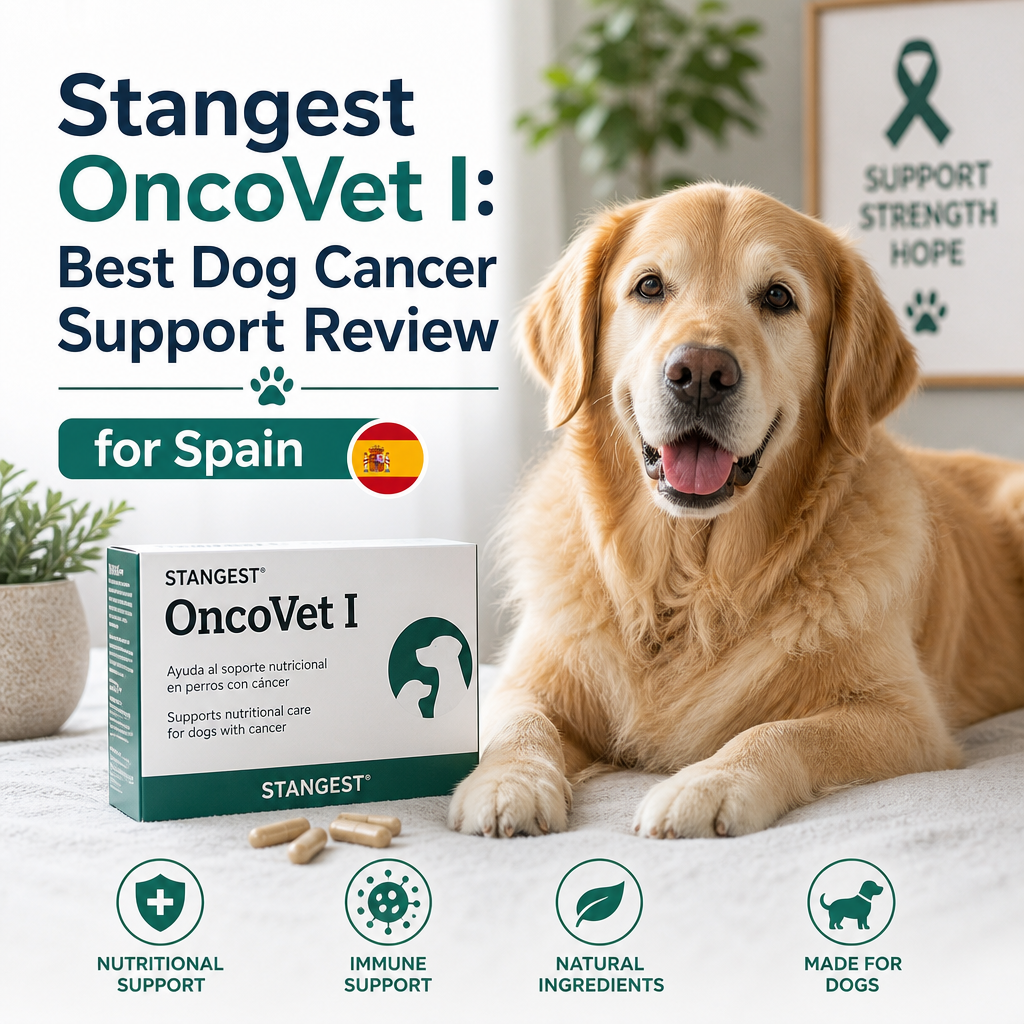
Stangest OncoVet II is a nutritional supplement designed to support dogs during cancer care, and it has attracted attention among pet owners in Spain seeking practical, affordable ways to complement veterinary treatment. Although no supplement can replace diagnosis, surgery, chemotherapy, radiotherapy, or other professional care, a carefully selected product may help support general wellbeing when used under veterinary guidance.
For many owners, the search for support begins with a simple question: what can be done to help a dog feel a little stronger, eat a little better, and cope more comfortably with treatment? That is where Stangest OncoVet II may enter the conversation. It is not a cure, and it should never be treated like one, but it may be one part of a broader plan focused on comfort, nutrition, and quality of life.
Stangest OncoVet II is formulated as a complementary nutritional product for dogs with specific health needs, including those undergoing cancer-related treatment. Products in this category are generally intended to provide supportive nutrition rather than act as standalone cancer medicines. Their purpose may include helping maintain appetite, body condition, energy, and resilience during periods of illness or treatment-related stress.
A dog diagnosed with cancer can experience changes in eating habits, weight, digestion, activity, and immune function. Veterinary treatment may also bring side effects such as nausea, fatigue, or reduced appetite. Nutritional support can therefore form one part of a broader care plan, alongside regular examinations, prescribed medication, appropriate food, pain management, and emotional support.
In practical terms, Stangest OncoVet II may be discussed when a dog needs added nutritional support while coping with a tumor diagnosis. The product is most useful when the owner understands its role clearly: it may support comfort and nutritional intake, but it does not remove the need for treatment decisions, follow-up visits, and ongoing monitoring.
For owners who are learning about canine cancer for the first time, the most important point is simple: supplements can support care, but they cannot replace it. A veterinarian should always confirm whether a supplement is suitable for the dog’s diagnosis, current medications, and overall condition. That advice is especially important when the dog is already taking several medications or has another medical condition such as liver disease, kidney disease, or digestive sensitivity.
Another reason to ask for veterinary guidance is that cancer care is not one-size-fits-all. The right supportive product for a dog with a stable appetite may not be the right choice for a dog who is losing weight quickly or struggling with nausea. Stangest OncoVet II should therefore be viewed as part of a tailored plan rather than a generic pet supplement.
Stangest OncoVet II dog cancer support: What can owners expect?
The phrase Stangest OncoVet II dog cancer support refers to the product’s role as an aid during a dog’s cancer journey. It should not be interpreted as a claim that the supplement cures tumors or eliminates the need for veterinary treatment. Cancer is a complex group of diseases, and outcomes depend on the tumor type, location, stage, the dog’s age, and the treatment selected by the veterinary team.
Supportive supplementation may nevertheless be useful for some dogs. Maintaining a stable body weight is particularly important because unintentional weight loss can weaken a dog and make recovery more difficult. A product that helps provide targeted nutritional support may be considered when a dog is eating poorly, losing condition, or coping with the demands of treatment.
The benefits will not be identical for every animal. Some dogs may tolerate a supplement easily, while others may develop digestive upset or refuse food when a new product is introduced. For this reason, owners should follow the recommended administration instructions and monitor their dog closely. If a product is being introduced at the same time as a new cancer medication, careful observation becomes even more important.
In practical terms, owners often hope for three things from a supportive product: improved appetite, better maintenance of weight and muscle, and easier day-to-day care. Those goals are reasonable, but they should be measured carefully and discussed with the veterinary team. A supplement that is useful for one dog may be unnecessary for another, especially if the dog is already eating well and maintaining condition.
It can also help to think about timing. Some dogs may benefit more during active treatment periods, while others may need support after treatment, when recovery and appetite rebuilding become the priority. Because cancer care changes over time, the role of any supplement may also change over time. Owners who reassess the dog’s needs regularly are more likely to make good decisions than those who stick to the same routine without checking whether it is still helpful.
When people discuss Stangest OncoVet II dog cancer support, they are usually referring to these practical goals: helping the dog keep eating, helping the dog hold body weight, and helping the dog remain as comfortable as possible during a difficult period. Those are worthwhile goals, but they should be balanced with realistic expectations and clear veterinary oversight.
Understanding a Stangest OncoVet II review
A Stangest OncoVet II review should be read as an individual experience rather than proof of a universal result. Online reviews can offer useful information about palatability, packaging, ease of administration, and perceived value, but they cannot replace clinical evidence or personalized veterinary advice.
When assessing reviews, look for practical details. Did the dog accept the product? Was it mixed with food or given separately? How long was it used? Were other treatments being administered at the same time? Did the owner report changes in appetite, weight, energy, or digestion? These details provide more context than a simple star rating.
It is also important to distinguish between improvement in quality of life and treatment of the underlying disease. A dog may appear brighter or eat better while still requiring urgent medical care. Conversely, a dog may continue to have difficult days despite receiving appropriate treatment, because cancer and its therapies can be unpredictable.
If you are comparing opinions online, consider whether the review is from someone whose dog had a similar diagnosis and treatment plan. A response that sounds positive in one context may not apply in another. For example, a dog with a slow-growing tumor and stable appetite may respond very differently from a dog with advanced disease or severe treatment-related nausea.
When reading any Stangest OncoVet II review, it also helps to ask whether the owner describes a complete picture or only a first impression. Short-term excitement about a new supplement can fade if the dog later refuses it, or if the clinical situation changes. Longer, more balanced reports tend to be more informative because they show how the product fit into day-to-day care over time.
A sensible review-reading habit is to compare several experiences and look for patterns rather than isolated claims. If many owners mention good acceptance, that may suggest the supplement is easy to give. If several people note digestive sensitivity, that is also useful information. The goal is not to copy another owner’s plan exactly, but to gather clues that can be discussed with the vet.
How to use it responsibly
Before giving Stangest OncoVet II, discuss it with your veterinarian or veterinary oncologist. This is especially important if the dog is receiving chemotherapy, corticosteroids, anti-inflammatory medication, anticoagulants, or other prescription treatments. Some supplements can affect digestion, nutrient absorption, liver metabolism, or the way medications work.
Introduce any new product according to professional advice. Avoid changing several aspects of the dog’s routine at the same time, as this makes it difficult to identify the cause of any improvement or side effect. Keep a simple record of appetite, water intake, stool quality, vomiting, weight, activity, and signs of pain. Share this information during veterinary appointments.
Contact a veterinarian promptly if the dog stops eating, vomits repeatedly, has severe diarrhea, becomes unusually weak, experiences breathing difficulties, or shows signs of pain. These symptoms should never be dismissed as ordinary effects of cancer or supplementation.
A thoughtful routine can make care more manageable for both dog and owner. Feed at consistent times, keep fresh water available, and avoid sudden diet changes unless the veterinarian recommends them. If the dog is reluctant to eat, ask the veterinary team whether warming food slightly, offering smaller meals, or adjusting meal timing may help. Small changes can sometimes make a big difference.
It is also wise to track progress in a simple notebook or phone note. Write down the date, what was given, how much was eaten, and whether the dog seemed comfortable afterward. This information is useful if the veterinarian needs to adjust the plan later. Careful observation is one of the most valuable tools an owner has.
Owners should also remember that a supportive product can only work well when the whole routine is consistent. If a dog is offered the supplement with one meal one day and then given a very different meal pattern the next, it becomes harder to judge whether the supplement is helping. Consistency makes evaluation easier and lowers the chance of mistaking routine changes for medical changes.
If the dog is very small, very old, or already fragile, extra caution is sensible. In those cases, even modest changes in appetite or digestion can matter. The veterinarian may recommend a slower introduction, a different dose timing, or a pause if any side effects appear. That kind of adjustment is normal and should be seen as part of good care, not as a failure of the plan.
It may also be helpful to separate supportive care from emotional expectations. Many owners understandably want to do something active and positive for their dog after a cancer diagnosis. Using a supplement can feel reassuring, but the real value lies in whether the product fits the dog’s medical needs and is well tolerated. Responsible use means choosing based on evidence, observation, and veterinary advice rather than hope alone.
Stangest OncoVet II Spain: Availability and buying considerations
For owners searching for Stangest OncoVet II Spain, availability may vary between veterinary clinics, specialist pet pharmacies, online retailers, and animal health distributors. Buying from a reputable source is important because storage conditions, product authenticity, expiry dates, and batch information all matter.
Spanish pet owners should check whether the seller provides clear product details, administration guidance, and customer support. A reliable retailer should not present the supplement as a miracle cure or advise replacing professional cancer treatment. Be cautious of dramatic promises, unsupported testimonials, or claims that a product can cure all types of cancer.
Price is another consideration. A product may appear affordable per container but cost more over time depending on the dog’s size and recommended daily amount. Owners should calculate the approximate monthly cost and compare it with the complete care plan, including consultations, medication, diagnostic tests, and prescribed food.
If you want to compare similar supportive products, it can help to read a broader guide before making a choice. For example, this related article on Ocoxin Pets alternative 5 Powerful Ways to Support Dogs in Spain may offer a useful point of comparison for pet owners exploring supportive nutrition options.
Buying decisions should also consider practical matters like shipping time, return policies, and whether the product is stored correctly during transit. Supplements are only helpful when they arrive in good condition and are used as intended. If the packaging is damaged, the expiry date is unclear, or the seller cannot confirm authenticity, it is better to look elsewhere.
Owners in Spain may also want to check whether the seller can provide clear invoices, product identifiers, and contact details in case something needs to be verified later. These details may seem minor, but they help reduce the risk of buying an unsuitable or poorly handled product. Good purchasing habits matter more than many people realize when a dog is already under medical stress.
In addition, it is sensible to compare the cost of the supplement with the broader care budget. A product that seems modestly priced at first can become expensive if it is used for many weeks or if the dog’s dose is relatively high. Thinking ahead about likely duration, refill needs, and follow-up appointments can help owners avoid unexpected financial pressure during an already difficult period.
How it fits into a broader care plan
Stangest OncoVet II may be worth discussing as part of a carefully managed support plan, particularly when maintaining nutrition and body condition is a concern. Its value depends on the individual dog, the diagnosis, the treatment plan, and the veterinarian’s assessment. A supplement should be viewed as one tool among many, not as a substitute for evidence-based cancer care.
The best approach combines medical treatment with close observation, suitable nutrition, comfort management, and regular communication with the veterinary team. Owners who remain attentive to changes in appetite, weight, behavior, and pain can help professionals adjust care more quickly.
In many cases, the wider care plan matters more than any single product. Dogs with tumors may need pain relief, nausea control, appetite support, fluid therapy, mobility help, or repeated monitoring depending on the disease. If the supplement helps the dog stay calmer, eat more consistently, or tolerate daily care a little better, that can be meaningful even if it does not change the underlying diagnosis.
Owners should also think about quality of life in a practical, compassionate way. Can the dog rest comfortably? Is it still interested in food, walks, affection, and familiar routines? Is the treatment burden reasonable compared with the expected benefit? These are difficult questions, but they are central to good cancer care.
Veterinarians often base recommendations on the whole picture: the dog’s weight trend, hydration status, bloodwork, medication list, and day-to-day behavior. That is why a supplement should never be chosen only because a product page sounds persuasive. The safest and most effective decisions are made when marketing claims are filtered through medical advice.
Supportive care also includes the environment at home. A quiet place to rest, easy access to water, gentle handling, and predictable routines can reduce stress and improve comfort. If the dog is coping with a tumor in a painful location, simple changes like softer bedding or shorter, calmer walks may matter just as much as any supplement.
It is also worth remembering that appetite and energy can fluctuate from week to week. A dog might eat well for several days and then have a poor day during treatment or recovery. That does not necessarily mean the whole plan is failing. Instead, it shows why long-term monitoring and patience are so important in cancer care.
When a veterinarian recommends a supplement, the recommendation usually fits into a broader strategy. The goal may be to keep the dog stable enough to continue treatment, preserve muscle mass, support recovery between appointments, or simply improve comfort at home. Stangest OncoVet II can be viewed through that lens: not as a cure, but as a possible supportive aid within a larger, carefully monitored plan.
When to contact the veterinarian
Even if a supplement is generally well tolerated, owners should know which changes require immediate veterinary attention. Cancer patients can deteriorate quickly, and some symptoms may signal an emergency rather than a mild side effect.
Persistent vomiting or repeated retching
Severe diarrhea or black, tarry stool
Refusal to eat for more than a day, especially in a small or already weak dog
Noticeable breathing difficulty or rapid breathing at rest
Sudden collapse, extreme weakness, or inability to stand
Visible pain, crying, restlessness, or guarding of a body area
Rapid swelling, bleeding, or new lumps that appear to change quickly
These signs do not mean the supplement has necessarily caused the problem, but they do mean the dog needs professional assessment without delay. In cancer care, it is always better to ask early than to wait and hope symptoms improve on their own.
Owners should also contact the clinic if the dog develops mild but persistent side effects after starting any new supplement. Even when the issue is not severe, the veterinarian may want to adjust the dose, timing, or accompanying diet. Small adjustments can often improve comfort and reduce stress for everyone involved.
If the dog’s appetite suddenly drops, do not try to solve the problem only by changing foods on your own. The loss of appetite may be related to pain, nausea, constipation, fever, or tumor progression. A vet can help identify the reason and decide whether supportive nutrition, medication, or another intervention is needed.
Likewise, if the dog seems more tired than usual, owners should watch for accompanying signs such as pale gums, rapid breathing, stumbling, or reluctance to rise. These can point to a more serious issue than simple fatigue. Acting early gives the veterinary team the best chance to help.
Final thoughts
Ultimately, responsible use matters more than enthusiastic marketing. With realistic expectations and veterinary supervision, nutritional support may contribute to a dog’s comfort and quality of life while its primary cancer treatment continues.
For owners in Spain, the most sensible approach is to treat Stangest OncoVet II as part of a broader, evidence-based care plan. Ask questions, review the product with your veterinarian, and pay close attention to how your dog responds over time. When used thoughtfully, supportive nutrition can be one more way to help a dog face cancer care with greater steadiness and comfort.
Before deciding, it is worth revisiting the main point: Stangest OncoVet II may help support nutrition, but it should never be used as a substitute for diagnosis, monitoring, or treatment. That balanced perspective protects the dog and gives owners a clearer way to judge whether the product is truly helpful.
For additional evidence-based background on canine cancer and treatment considerations, the Merck Veterinary Manual overview of cancer in dogs is a helpful educational reference. It provides a broader medical context for understanding why supportive care, monitoring, and veterinary guidance are so important.
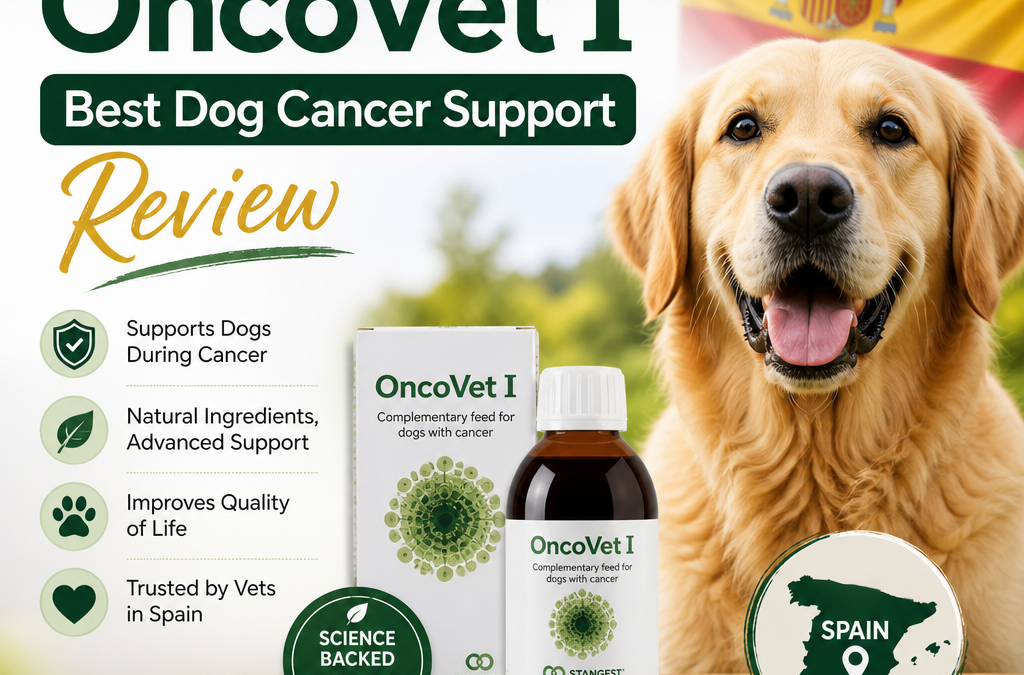
Stangest OncoVet I is a nutritional supplement designed to support dogs during cancer care, particularly when they need extra help maintaining normal immune function, appetite, energy, and overall condition. For families in Spain, choosing a canine supplement can be difficult because products vary in ingredients, dosage guidance, availability, and suitability for each animal. This review explains what Stangest OncoVet I is, how it may fit into a veterinary treatment plan, and the most important considerations before giving it to a dog.
Stangest OncoVet I is a complementary veterinary product formulated for dogs and cats that require nutritional support during periods of illness. It is commonly associated with oncology support, meaning it may be used alongside conventional veterinary care for animals diagnosed with cancer. The product is not intended to replace surgery, chemotherapy, radiotherapy, immunotherapy, pain management, or other treatments prescribed by a veterinarian.
Cancer can affect a dog in several ways. Some animals experience reduced appetite, weight loss, digestive changes, fatigue, inflammation, or a decline in muscle condition. In other cases, the disease itself or its treatment can increase nutritional demands. A supplement such as OncoVet I may be considered as part of a broader plan focused on maintaining quality of life and supporting the body during treatment.
Before choosing any supplement, it helps to compare it with the dog’s current diagnosis and care plan. A product like Stangest OncoVet I may be appropriate for one patient and unnecessary for another, which is why veterinary guidance matters from the start.
Many owners also prefer to discuss supportive care options with their vet before making a purchase, especially when a dog is already on multiple medicines or a special diet. If you want a broader overview of pet support products, see our veterinary pet health resources for related guidance.
Stangest OncoVet I dog cancer support: What can it do?
The phrase Stangest OncoVet I dog cancer support generally refers to the product’s role as an adjunct to veterinary oncology care. Its purpose is supportive rather than curative. Depending on the individual dog’s condition, nutritional supplements may help provide selected nutrients, antioxidants, or other compounds that contribute to normal physiological functions.
Potential reasons a veterinarian might consider this type of product include:
Supporting a dog with reduced appetite or changing nutritional needs
Helping maintain body condition during a prolonged illness
Providing complementary nutritional support during cancer treatment
Supporting normal immune system function
Helping owners follow a structured care routine at home
However, the expected benefit depends on the dog’s diagnosis, age, weight, medication, organ function, and response to treatment. A supplement that is appropriate for one dog may not be suitable for another. For this reason, it should be viewed as one part of an individualized care plan rather than a universal cancer remedy.
For more background on supportive nutrition in sick pets, the World Small Animal Veterinary Association offers widely respected clinical resources for veterinarians and pet owners.
In practical terms, Stangest OncoVet I can be most helpful when the goal is steady support rather than rapid change. Owners often look for something that may help a dog keep eating, stay comfortable, and preserve condition while treatment is underway, and that is where a carefully chosen support product may fit.
Stangest OncoVet I review: Ingredients and formulation
A useful Stangest OncoVet I review should look beyond marketing claims and consider the product’s practical role. Owners should carefully read the current packaging or official product information for the exact ingredient list, because formulations, presentation sizes, and instructions can change between markets.
Many veterinary oncology supplements contain combinations of nutritional ingredients selected for antioxidant, immune, digestive, or metabolic support. The relevance of each ingredient depends on the dog’s health status. For example, a nutrient that is well tolerated in a healthy animal may require caution in a dog with kidney disease, liver disease, diabetes, pancreatitis, or a history of urinary problems.
It is also important to distinguish nutritional support from evidence-based cancer treatment. Supplements may contribute to general wellbeing, but they do not destroy tumors or guarantee remission. Claims suggesting that a product can cure cancer should be treated with caution. A reliable product review should recognize both possible benefits and limitations.
When reading the label, pay attention to the form of the supplement, the recommended daily amount, how long one container is likely to last, and whether the product is meant for short-term or ongoing use. These details matter because a dog with cancer may need a plan that changes from week to week as appetite, medication, and body condition change. If the label is unclear, the safest option is to ask a veterinarian or a qualified veterinary pharmacist before starting.
It can also help to compare the supplement with the dog’s diet. Some dogs are already receiving therapeutic food designed for weight maintenance or digestive support. In that situation, a supplement may be unnecessary, or it may need to be adjusted to avoid adding too many calories or ingredients the dog does not tolerate well. A careful review of the whole feeding plan is often more useful than focusing on a single product in isolation.
Because ingredient lists can vary, Stangest OncoVet I should always be checked in its current version before use. That small step helps reduce confusion and makes it easier to compare the product with the dog’s actual needs.
How it may be used during veterinary treatment
Veterinarians may recommend supplements at different stages of care. Some dogs receive nutritional support after diagnosis, while others begin supplementation during chemotherapy, after surgery, or when appetite and body weight become difficult to maintain.
The correct amount should always be based on the product instructions and veterinary guidance. Owners should not assume that a higher dose will produce better results. Giving too much may increase the risk of digestive upset or interfere with the animal’s overall treatment plan.
Before using Stangest OncoVet I, provide the veterinarian with a complete list of:
Prescription medicines
Painkillers and anti-inflammatory drugs
Other supplements
Special diets or home-prepared foods
Known allergies
Previous reactions to nutritional products
This information helps the veterinary team assess possible interactions and determine whether the supplement is appropriate.
In many cancer cases, timing matters as much as the product itself. A supplement may be more useful when a dog is stable and able to eat reliably than during a period of severe nausea or vomiting. If the dog is struggling to keep food down, the veterinarian may prioritize anti-nausea medication, pain relief, hydration, or a feeding strategy before introducing a new supplement. That approach often leads to better tolerance and a clearer understanding of whether the supplement is actually helping.
Owners should also keep in mind that cancer care rarely follows a straight line. The same dog may need more support after surgery, less during a stable period, and different nutritional support if bloodwork or imaging shows disease progression. Using a supplement as a fixed routine without review can miss these changes. Regular communication with the veterinary oncology team is the best way to make sure the plan stays appropriate.
Because the label and the treatment plan matter equally, Stangest OncoVet I should be introduced only after the owner understands how it fits into the dog’s broader veterinary care. That makes it easier to spot helpful changes and to stop the product if it no longer suits the patient.
For owners deciding whether to start Stangest OncoVet I, the most useful approach is to treat it like part of a medical plan: check compatibility first, then monitor whether the dog is actually tolerating it well once it is introduced.
Possible benefits and limitations
The main advantage of a specialized supplement is convenience. It may provide a concentrated source of selected nutrients in a format intended for companion animals. Some owners also find that a consistent nutritional routine helps them monitor appetite, stool quality, energy, and weight more closely.
Nevertheless, no supplement can compensate for insufficient calories, uncontrolled pain, dehydration, nausea, or inadequate cancer treatment. If a dog is losing weight rapidly, vomiting, refusing food, struggling to breathe, or showing severe weakness, urgent veterinary assessment is more important than adding a supplement.
Possible unwanted effects may include loose stools, vomiting, reluctance to eat, or intolerance to one of the ingredients. Stop administering the product and contact a veterinarian if the dog develops a concerning reaction. Dogs with complex medical conditions may need blood tests or dietary adjustments before supplementation begins.
The most realistic way to think about this product is as a support tool. It may help some dogs maintain their condition better during treatment, but its value depends on the individual patient and the rest of the care plan. If the dog is receiving multiple therapies, the supplement should be reviewed alongside each one so that any change in appetite, stool quality, or energy can be interpreted correctly.
For owners, the biggest limitation is often expectation. A good supplement can support comfort and nutrition, but it cannot replace a diagnosis, staging, treatment planning, or follow-up care. Dogs with cancer usually benefit most when the supplement is used to support a broader veterinary strategy that already includes appropriate medicine, diet, and monitoring.
Used in that way, Stangest OncoVet I may be one practical part of long-term support rather than a stand-alone solution, and that distinction helps keep expectations realistic.
When people search for Stangest OncoVet I, they are usually trying to answer a very specific question: will this help my dog right now, and is it safe with everything else my dog is already getting? The best answer always comes from the full clinical picture, not from a label alone.
Stangest OncoVet I Spain: Buying and veterinary considerations
For owners searching for Stangest OncoVet I Spain, the safest approach is to purchase through a reputable veterinary clinic, established animal-health pharmacy, or authorized retailer. Check that the packaging is sealed, the expiration date is valid, and the storage instructions have been followed. Products bought from unknown online sellers may have uncertain authenticity or storage conditions.
Availability can vary between Spanish regions and retailers. A veterinarian may be able to advise whether the product is currently suitable, identify an equivalent option, or recommend a different nutritional strategy. Spanish pet owners should also confirm that the label includes clear instructions, batch information, and appropriate species guidance.
When comparing prices, consider the recommended daily amount rather than the cost of the container alone. A larger package is not always more economical if the dog needs only a short course or cannot tolerate the product.
It is also sensible to check whether the seller provides proper customer support and product documentation. In Spain, where imported pet supplements can sometimes appear on multiple marketplaces, a low price alone is not enough to judge value. A trustworthy source should be able to confirm storage conditions, expiry, and the exact version of the product being sold. If those details are missing, it is better to look elsewhere.
Before buying, compare the supplement with the dog’s specific clinical needs. A product that is marketed for general support may not suit a dog that requires a renal diet, a low-fat diet, or medication that must be taken with food. The buying decision should come after a veterinary discussion, not before it. That approach is especially important in cancer care, where even small changes in digestion or intake can affect how well a dog feels from day to day.
In practical terms, Stangest OncoVet I should be treated like any other health product for a sick pet: check the source, confirm the instructions, and make sure the purchase fits the medical plan rather than the other way around.
Monitoring your dog’s response
If Stangest OncoVet I is introduced, monitor the dog regularly. Useful observations include appetite, water consumption, body weight, stool consistency, vomiting, activity level, coat condition, and signs of pain. Keeping a simple daily record can help the veterinarian evaluate whether the overall plan is working.
A supplement should not delay a follow-up appointment or replace diagnostic testing. Cancer care often requires changes over time, and the dog’s nutritional needs may change after surgery, during chemotherapy, or as the disease progresses.
Watch for subtle patterns as well as obvious side effects. A dog may not vomit, for example, but may begin eating more slowly, leaving food behind, or showing hesitation at mealtime. These changes can signal that the supplement, the diet, or the treatment plan needs adjustment. Recording the date, time, and type of change makes it easier for the veterinarian to decide what to do next.
If the dog is improving, continue to observe rather than assume the product alone is responsible. Improvement may be due to better pain control, a dietary change, recovery from surgery, or a combination of factors. That is why follow-up matters: it helps separate true benefit from coincidence and protects the dog from staying on an unnecessary product for too long.
Many owners find that the simplest monitoring method is also the most effective: note meals, bathroom changes, energy, and comfort each day. Over time, that record can show whether Stangest OncoVet I is helping or whether another approach is needed.
Consistent monitoring is especially valuable because cancer support products are not one-size-fits-all. A dog that looks better in the first few days may still need a later review if appetite drops again or stool changes appear.
Questions owners often ask before choosing a supplement
Is it safe to use with cancer medication?
Sometimes, but not always. The answer depends on the dog’s prescriptions, the supplement’s ingredients, and the dog’s current condition. A veterinarian should review both before the product is started.
Can it replace a therapeutic diet?
No. A supplement cannot replace a complete and balanced therapeutic diet unless a veterinarian has specifically designed that plan. Nutrition for dogs with cancer usually requires a broader strategy than a single product can provide.
How quickly should results appear?
There is no fixed timeline. Some dogs may show changes in appetite or stool quality within days, while others may not respond noticeably. If no benefit is observed after a reasonable trial period, the veterinarian may suggest stopping it or trying a different approach.
What if my dog refuses it?
Do not force the product without professional advice. Refusal may mean the taste, texture, or timing is not suitable, or it may signal that the dog feels unwell. Your veterinarian can suggest alternatives.
These questions come up often because dog cancer support products are only useful when they fit the pet’s medical reality. Stangest OncoVet I may be well suited to one stage of care and less helpful at another, so ongoing review is part of responsible use.
Owners who are unsure about starting Stangest OncoVet I should remember that a careful discussion with the veterinary team can prevent unnecessary expense, reduce the chance of side effects, and make it easier to choose the right supportive option for the dog’s stage of illness.
Final assessment
Stangest OncoVet I may be a useful complementary option for selected dogs receiving cancer care, especially when nutritional and general health support are part of a carefully managed veterinary plan. Its value lies in supporting the animal—not in replacing proven cancer treatment. Owners in Spain should check the current formulation, purchase from a reliable source, follow the recommended dosage, and consult their veterinarian before use. The best results are most likely when supplementation is combined with appropriate oncology treatment, a suitable diet, pain control, regular monitoring, and close attention to the dog’s quality of life.
For practical decision-making, the most important question is not whether a supplement sounds promising in general, but whether it fits the individual dog. When used thoughtfully and reviewed with a veterinarian, Stangest OncoVet I can be part of a well-rounded support plan for a dog living with cancer.
In the end, Stangest OncoVet I is most valuable when owners use it as a measured support option, not a shortcut. That mindset helps keep care safer, clearer, and more focused on the dog’s real needs.
Used well, Stangest OncoVet I can support day-to-day comfort without distracting from the main treatment goals. That is the kind of balanced use most owners want, and it is usually the safest path for dogs facing cancer.
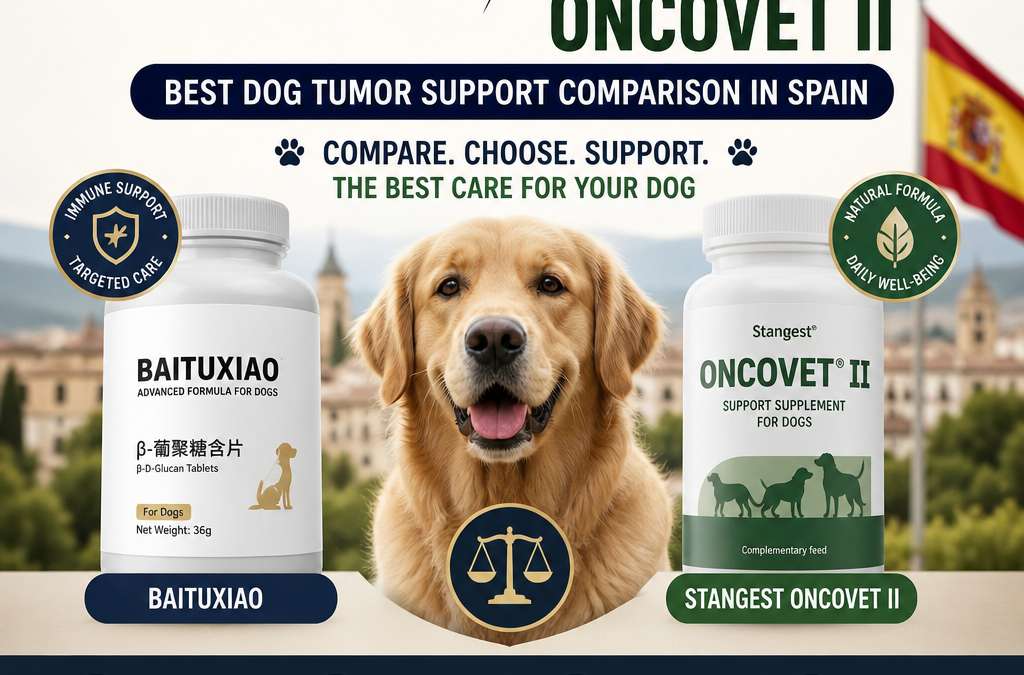
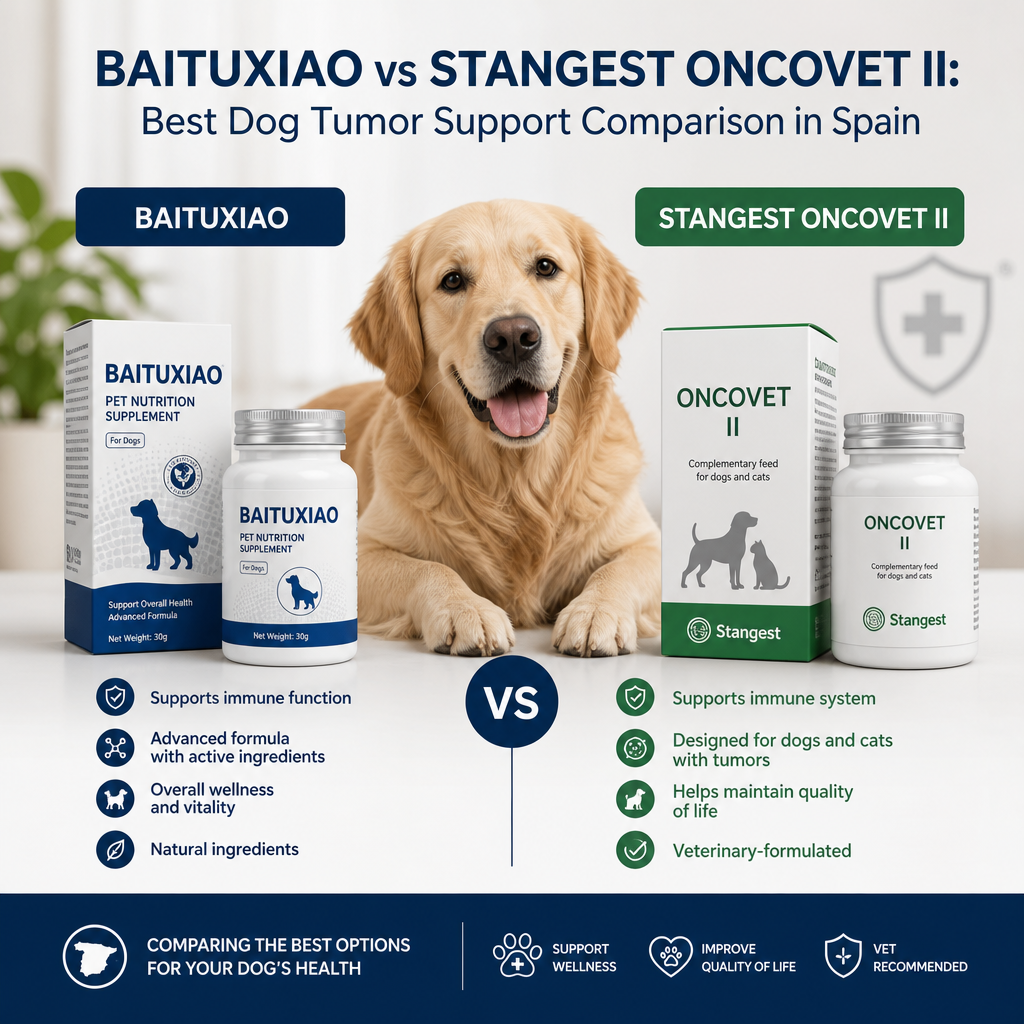
Baituxiao vs Stangest OncoVet II is a comparison many dog owners in Spain consider after a pet receives a tumor diagnosis. Both products are marketed as nutritional support, but they differ in ingredients, presentation, intended use, and availability. Understanding those differences can help owners discuss realistic options with their veterinarian without confusing supplements with cancer treatment.
A tumor diagnosis is emotionally difficult, and the internet is full of products promising immune support or help with abnormal cell growth. The most important principle is that no supplement should replace veterinary diagnosis, surgery, chemotherapy, radiation therapy, pain control, or regular monitoring. Nutritional products may have a supporting role, but their suitability depends on the dog’s tumor type, treatment plan, age, weight, medications, kidney and liver function, and general condition.
Baituxiao is generally presented as a traditional herbal and mushroom-based supplement associated with support for dogs with masses or tumors. Its formulations may include ingredients such as medicinal mushrooms and botanicals, although the exact composition can vary by market and product version. Because formulations and labeling may differ between sellers, owners should verify the current Spanish or European packaging before making comparisons.
Stangest OncoVet II is a veterinary nutritional supplement developed for dogs and cats requiring nutritional support during oncological processes. It is commonly positioned as an adjunct to veterinary care, with a formulation intended to provide selected nutrients and bioactive compounds that may support general wellbeing, appetite, immune function, and recovery. The exact ingredients, dosage, and administration instructions should always be confirmed on the official product label or through a veterinary professional.
The key difference is not simply which product is “stronger.” The more useful question is which formula better fits the individual dog and the medical plan being followed. In a practical Baituxiao vs Stangest OncoVet II review, the label, the dog’s condition, and the treatment plan matter more than marketing language.
Because many owners begin researching support options right after diagnosis, it also helps to compare similar veterinary products in context. For example, the overview of Ocoxin Pets alternative 5 Powerful Ways to Support Dogs in Spain shows how these supplements are often framed as adjuncts rather than stand-alone solutions.
In Spain, the decision often starts with a simple question: which product can be used safely alongside the dog’s current care? That is why Baituxiao vs Stangest OncoVet II should always be discussed with a veterinarian who knows the full medical history.
Stangest OncoVet II comparison: Ingredients and formulation
A Stangest OncoVet II comparison should begin with the label rather than promotional claims. Owners should check the complete ingredient list, active quantities, excipients, recommended serving, storage instructions, and warnings. A product with clearly stated amounts can be easier for a veterinarian to evaluate, particularly when the dog is receiving several medications.
Baituxiao-type products often attract attention because of their combination of mushrooms and herbal ingredients. Compounds found in mushrooms, including beta-glucans, are studied for their potential effects on immune signaling. However, research on a particular isolated ingredient does not automatically prove that a complete commercial supplement improves outcomes in dogs with cancer. Herbal ingredients may also interact with drugs or affect digestion, clotting, or liver metabolism.
OncoVet II is generally marketed as a veterinary-specific nutritional product rather than as a replacement for oncology treatment. Its formulation may appeal to owners who prefer a product designed specifically for companion animals and distributed through veterinary channels. Nevertheless, “veterinary” does not mean risk-free, and the product still needs to be reviewed in the context of the dog’s condition. When comparing Baituxiao vs Stangest OncoVet II, transparency on the label is one of the most useful factors.
Another practical point in any Baituxiao vs Stangest OncoVet II review is dosing format. Some owners prefer powders, others prefer capsules or liquid formats, and dogs with reduced appetite may accept one form more easily than another. Ease of administration can affect whether a supplement is actually used consistently.
Consistency matters because a supplement only has a chance to support the dog if it is given regularly and in the right amount. If the packaging is confusing, the measuring method is unclear, or the label changes between batches, the risk of error increases. This is one more reason to keep Baituxiao vs Stangest OncoVet II focused on practical use, not just on the ingredient headline.
Dog tumor support comparison: What does the evidence show?
A dog tumor support comparison must distinguish between laboratory research, studies in other species, clinical trials in dogs, and anecdotal reports. Many supplement ingredients have promising laboratory findings, but laboratory activity is not equivalent to proven clinical benefit. A dog’s response may depend on tumor biology, dose, absorption, concurrent treatment, and overall health.
At present, supplements should be regarded as supportive products rather than established cures for canine cancer. They may help some dogs maintain appetite, body condition, or general nutritional status, but the evidence for directly shrinking tumors or extending survival is often limited. Owners should be cautious about claims involving guaranteed tumor reduction, detoxification, or universal compatibility with chemotherapy.
Good supportive care usually includes a complete diet, adequate hydration, nausea and pain management, weight monitoring, dental care when appropriate, and prompt attention to changes in behavior or appetite. A supplement can only be useful if it complements these fundamentals. That is why Baituxiao vs Stangest OncoVet II should be viewed as a support decision, not a treatment decision.
In real-world use, the choice often comes down to whether the product fits the dog’s current routine. A supplement that is easier to administer consistently may be more practical than one that looks more advanced on paper. That practical lens is central to Baituxiao vs Stangest OncoVet II.
Owners often ask whether the word “support” means a supplement is gentle enough to use without checking first. It does not. Even when a product is sold as nutritional support, it may still alter digestion, appetite, or metabolism. For that reason, Baituxiao vs Stangest OncoVet II should be approached like any other part of the treatment plan: carefully, with monitoring, and with realistic expectations.
Practical questions to ask your veterinarian
Does the dog’s cancer treatment plan allow a supplement at this stage?
Could any ingredient interfere with chemotherapy, steroids, or pain medicine?
Is the dog stable enough for an oral supplement, or is appetite too poor?
Would one product be easier to dose consistently than the other?
Should liver, kidney, or bloodwork results influence the choice?
These questions can make a Baituxiao vs Stangest OncoVet II discussion more useful during a veterinary appointment.
If your veterinarian recommends monitoring appetite, weight, and stool quality after starting either product, that follow-up is important. A supplement that seems harmless on day one can still become a problem if the dog begins vomiting, refusing food, or showing signs of abdominal discomfort. A careful Baituxiao vs Stangest OncoVet II plan includes observation, not just purchase decisions.
Safety and possible interactions
Natural ingredients can produce pharmacological effects. This is especially important for dogs taking chemotherapy, corticosteroids, anti-inflammatory drugs, anticoagulants, anticonvulsants, or medications processed by the liver. Some plant compounds and concentrated mushroom extracts may influence bleeding risk, gastrointestinal function, blood pressure, or drug metabolism.
Before starting either product, provide the veterinarian with the full label and a list of every medication, supplement, and treat the dog receives. The veterinarian may recommend avoiding a supplement around chemotherapy sessions or may decide that the potential benefits do not justify the uncertainty. Never increase the dose because a product appears to be working slowly, and do not combine multiple immune-support formulas without professional guidance.
Possible warning signs include vomiting, diarrhea, loss of appetite, unusual tiredness, itching, facial swelling, pale gums, bruising, or worsening of existing symptoms. These signs require veterinary advice, especially in a dog undergoing cancer treatment.
In any Baituxiao vs Stangest OncoVet II decision, safety should come before convenience or price. A product that looks attractive online may still be a poor fit for a dog with sensitive digestion or a complicated medication schedule.
Owners who want to understand safety in broader terms should also review the product label alongside the dog’s current prescriptions. Even when a supplement appears mild, interactions can still occur, so the veterinarian’s guidance remains the most reliable filter in a Baituxiao vs Stangest OncoVet II decision.
It is also wise to keep all care providers informed, especially if the dog sees more than one veterinarian. If one clinician recommends pausing a supplement and another is not aware it is being used, the risk of confusion rises. Clear communication makes Baituxiao vs Stangest OncoVet II safer in practice.
Availability and purchasing considerations in Spain
For owners in Spain, purchasing through a veterinary clinic, established animal-health distributor, or reputable pharmacy can reduce the risk of receiving an expired, incorrectly stored, or counterfeit product. Check the packaging language, batch number, expiration date, manufacturer information, and instructions for use. Products imported from outside the European Union may have different formulations or labeling standards.
Price should not be the only deciding factor. A lower-cost product may contain smaller quantities of active ingredients, require a higher daily amount, or have less transparent quality information. Conversely, a more expensive supplement is not automatically more effective. The practical value depends on ingredient transparency, veterinary suitability, tolerability, and whether the dog can take it consistently.
When Spanish dog owners compare Baituxiao vs Stangest OncoVet II, it is worth checking whether the product can be sourced reliably over time. A supplement is easier to evaluate when the same formulation is available consistently and the label remains unchanged.
This matters because oncological care can continue for weeks or months. If one formula is difficult to reorder or changes packaging frequently, consistency becomes harder to maintain. That can make Baituxiao vs Stangest OncoVet II less about product marketing and more about practical long-term use.
For additional context on European alternatives and how support products are presented in nearby markets, owners sometimes review similar articles before speaking with their veterinarian. In that sense, Baituxiao vs Stangest OncoVet II is part of a wider search for reliable, veterinary-oriented support rather than a one-product decision.
When comparing prices, it helps to calculate the cost per day rather than the shelf price alone. A bottle that looks cheaper can end up costing more if the dosing is higher or if the dog refuses it after a few uses. This makes Baituxiao vs Stangest OncoVet II a practical budgeting exercise as much as a product comparison.
Which option may be more suitable?
Baituxiao may be considered by owners interested in a mushroom- and botanical-based formula, particularly when the ingredient list is available for veterinary review. Stangest OncoVet II may be preferable for owners seeking a product distributed specifically for veterinary use and positioned as nutritional support during oncological care.
However, there is no universally best choice in the Baituxiao vs Stangest OncoVet II discussion. A dog with liver disease may need a different approach from a healthy dog recovering from surgery. A patient receiving chemotherapy may have different restrictions from one receiving palliative care. Tumor type, blood-test results, appetite, body condition, and medication interactions should guide the decision.
The most responsible approach is to treat these products as optional adjuncts. Maintain the prescribed treatment plan, monitor the dog’s weight and symptoms, and review the supplement regularly with the veterinary team. In Spain, a veterinarian familiar with the dog’s clinical history can also help confirm whether the product is legally marketed, appropriately labeled, and suitable for the animal’s specific needs.
If your veterinarian recommends a supportive supplement, keep the discussion focused on safety, consistency, and monitoring. That approach makes Baituxiao vs Stangest OncoVet II a practical comparison rather than a marketing debate.
For owners who want the simplest decision rule, start with the dog’s medical needs, then compare the labels, and only then compare price. That order keeps Baituxiao vs Stangest OncoVet II grounded in clinical reality instead of promotional language.
In short, the best choice is the one your veterinarian can justify for the individual dog, with clear monitoring and a clear reason for use. A careful Baituxiao vs Stangest OncoVet II review should always support treatment goals, not distract from them.
Many owners also find it helpful to think in terms of goals rather than product names. Is the goal appetite support, easier supplementation during treatment, or a better match for a sensitive stomach? When you define the goal first, Baituxiao vs Stangest OncoVet II becomes easier to evaluate.
There is also value in setting expectations early. A support supplement may help a dog feel more comfortable or maintain condition, but it cannot guarantee a specific cancer outcome. That honest framing keeps Baituxiao vs Stangest OncoVet II aligned with veterinary reality.
For dogs that are eating poorly, even the best-formulated supplement may not be helpful if administration is stressful. In those cases, the veterinary team may suggest a different nutritional strategy, temporary medication adjustment, or closer monitoring. The right answer in Baituxiao vs Stangest OncoVet II is the one that fits the dog’s current stage of care.
Ultimately, owners in Spain benefit most from combining product research with professional advice. The comparison can inform the conversation, but it should not replace it. That is the safest and most sensible way to handle Baituxiao vs Stangest OncoVet II.
Used wisely, either product may have a place in supportive care, but only if it matches the dog’s diagnosis, treatment plan, and tolerance. When those factors are considered carefully, Baituxiao vs Stangest OncoVet II becomes a clearer, calmer decision for the owner and the veterinary team.