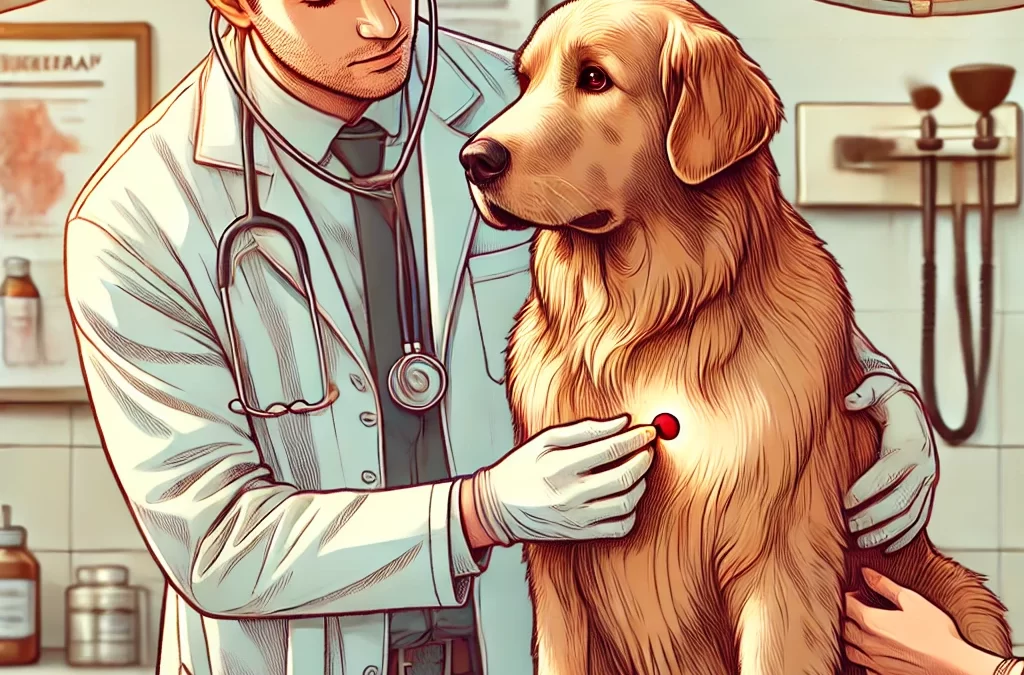
Picture this: You’ve just given your dog a much-deserved belly rub after a fun-filled walk. Suddenly, your fingertips brush against a small bump you’ve never noticed before. Cue the suspenseful music—Has an alien invader (read: malignant tumor) set up camp, or is it just a harmless squatter (benign growth) chilling under your dog’s skin? Before you sound the alarm or shrug it off, let’s shed some light on how to decode these mysterious new tenants in your furry friend’s body.
1. “Growth CSI”: Forensic Clues That Matter
Think of yourself as the detective in a high-stakes crime drama. Your job is to gather all the evidence:
Texture and Mobility: Malignant tumors often feel irregular and may adhere to surrounding tissues, while benign lumps tend to be smoother and more mobile.
Rate of Growth: Is that bump rapidly inflating like a balloon, or has it remained the same size over weeks or months? Faster growth can point to malignancy.
Associated Symptoms: Changes in appetite, lethargy, weight loss, or localized pain might be extra red flags that require immediate attention.
The key takeaway? Don’t jump to conclusions just from how the lump feels. But do keep your “detective notebook” updated with observations.
2. Scientific Intel: Diagnostic Tests Reveal the Truth
Just like any good thriller, you’ll need a qualified partner to crack the case. In this episode, it’s your trusted veterinarian, armed with high-tech tools and a keen eye for detail:
Fine Needle Aspiration (FNA): A quick, minimally invasive test that can provide immediate cellular clues. Think of it as collecting “fingerprints” of the lump’s identity.
Biopsy: Sometimes, a closer look is needed—like analyzing a suspect’s DNA. A biopsy offers a deeper dive into the tissue’s structure and cell behavior.
Imaging Tools: X-rays, ultrasounds, or MRIs act as the detective’s magnifying glass, spotting hidden clues about the growth’s boundaries and potential spread.
3. Tumor or Benign Growth? Understanding the Verdict
After collecting evidence and running tests, the verdict will be in. Malignant tumors—our “alien invaders”—carry the risk of infiltration and metastasis. This often calls for prompt, sometimes aggressive, treatment, which may include surgery, chemotherapy, or radiation. Benign growths—our “harmless squatters”—generally grow slowly and stay confined, but that doesn’t mean you can always ignore them. Some benign masses can still press on vital organs or become ulcerated over time, necessitating removal or periodic monitoring.
4. Crafting a Treatment Masterplan
Whether the diagnosis is a harmless squatter or a confirmed alien invader, having a solid game plan is non-negotiable:
Surgical Removal: Often the first line of defense—like evicting a bad tenant.
Medications & Therapies: Chemotherapy, targeted therapy, or immunotherapy can tip the scales in your dog’s favor if the tumor is malignant.
Lifestyle Adjustments: From specialized diets to gentle exercise routines, holistic support helps your dog feel their best throughout treatment.
Ongoing Monitoring: Think of this as your perimeter patrol to ensure no suspicious lumps return or appear elsewhere.
5. Celebrating the Wins and Sharing the Journey
Finding a new lump can be a scary twist in your beloved pet’s story. Yet remember: not every bump is a doom-and-gloom scenario. Armed with vigilance and a proactive approach, you can turn this “alien vs. squatter” mystery into a manageable subplot in your dog’s life adventure. Share updates with your vet, celebrate small victories (a stable lump, successful surgery, good energy levels), and cherish each tail wag along the way.
Because at the end of the day, every detective story worth telling concludes with hope—and maybe a few extra treats for the world’s best sidekick, your dog.
In an era where sustainability and natural remedies are gaining prominence, the veterinary field is witnessing a transformative shift towards greener and more holistic approaches to pet healthcare. Among these, the integration of Chinese herbal medicine into pet tumor treatment stands out as a promising frontier. This article delves into the prospects of applying Chinese herbal medicine in the treatment of pet tumors, exploring its benefits, current applications, and the challenges that lie ahead in paving a green path for our beloved companions.
Embracing a Green Approach in Veterinary Oncology
Traditional cancer treatments for pets, such as surgery, chemotherapy, and radiation, have undoubtedly advanced the prognosis for many animals. However, these methods often come with significant side effects, high costs, and a reliance on synthetic drugs that may not align with the growing demand for natural and environmentally friendly solutions. Chinese herbal medicine offers an alternative that emphasizes harmony with nature, potentially reducing the ecological footprint of veterinary care while enhancing the quality of life for pets battling cancer.
The Essence of Chinese Herbal Medicine in Cancer Care
Chinese herbal medicine, a cornerstone of Traditional Chinese Veterinary Medicine (TCVM), utilizes a holistic approach to health, focusing on restoring balance within the body. Unlike conventional treatments that target specific tumors, Chinese herbs aim to strengthen the overall immune system, improve organ function, and create an internal environment less conducive to cancer growth. This comprehensive strategy not only addresses the disease but also supports the pet’s overall well-being.
Key Herbal Candidates and Their Roles
Huang Qi (Astragalus membranaceus): Known for its immune-boosting properties, Huang Qi enhances the body’s natural defenses, potentially inhibiting tumor growth and improving the effectiveness of other treatments.
Bai Hua She She Cao (Oldenlandia diffusa): This herb exhibits anti-inflammatory and anti-tumor activities, making it a valuable component in managing cancer progression and reducing associated inflammation.
Gan Cao (Glycyrrhiza uralensis): With its anti-viral and anti-inflammatory effects, Gan Cao supports liver function and mitigates the toxic side effects of chemotherapy, fostering better overall health in cancer patients.
Ling Zhi (Ganoderma lucidum): Also known as Reishi mushroom, Ling Zhi has been shown to enhance immune response, induce apoptosis in cancer cells, and improve the quality of life in pets undergoing cancer treatment.
Current Applications and Success Stories
The application of Chinese herbal medicine in pet oncology is gaining traction, supported by both anecdotal evidence and emerging scientific research. Veterinarians specializing in TCVM are increasingly incorporating herbal formulations into their treatment protocols, often in conjunction with conventional therapies to maximize efficacy and minimize side effects.
Case Study: Integrative Treatment in Canine Lymphoma
A notable case involves a dog diagnosed with lymphoma, a common form of cancer in pets. Traditional chemotherapy was initiated, but the dog experienced severe gastrointestinal side effects. By integrating a Chinese herbal formula containing Huang Qi and Gan Cao, the veterinarian was able to enhance the dog’s immune response and alleviate the adverse effects of chemotherapy. Over time, the dog showed improved tolerance to treatment, reduced tumor size, and an overall better quality of life.
Prospects for the Future: Innovations and Research
The future of Chinese herbal medicine in pet tumor treatment is bright, with several promising avenues for growth and innovation:
Scientific Validation: Ongoing research aims to scientifically validate the efficacy of various Chinese herbs in treating different types of pet cancers. Clinical trials and laboratory studies are essential to establish standardized dosages, identify active compounds, and understand the mechanisms of action.
Integration with Modern Veterinary Practices: Developing integrative treatment protocols that seamlessly combine Chinese herbal medicine with conventional therapies can enhance treatment outcomes. This synergy offers a balanced approach, leveraging the strengths of both paradigms.
Personalized Medicine: Advances in veterinary diagnostics and genomics can pave the way for personalized herbal treatments tailored to the specific genetic and metabolic profiles of individual pets, optimizing efficacy and minimizing risks.
Sustainable Sourcing and Production: Emphasizing sustainable harvesting and cultivation of medicinal herbs ensures that the green path remains environmentally friendly. Innovations in cultivation techniques and supply chain management can support the responsible use of herbal resources.
Challenges on the Green Path
Despite its potential, the integration of Chinese herbal medicine into pet tumor treatment faces several challenges:
Regulatory Hurdles: The lack of standardized regulations for herbal supplements in veterinary medicine can lead to inconsistencies in product quality and efficacy. Establishing robust regulatory frameworks is crucial for ensuring safety and reliability.
Limited Veterinary Education: There is a need for more veterinarians trained in TCVM to effectively incorporate herbal medicine into their practice. Expanding educational programs and resources can bridge this gap.
Research and Funding: Securing funding for comprehensive research studies is essential to advance the understanding of herbal medicine’s role in cancer treatment. Collaborative efforts between researchers, veterinarians, and funding bodies can drive progress.
Owner Awareness and Acceptance: Educating pet owners about the benefits and limitations of Chinese herbal medicine is vital for its wider acceptance. Transparent communication and evidence-based information can foster trust and informed decision-making.
Conclusion: A Harmonious Future for Pet Oncology
The green path of integrating Chinese herbal medicine into pet tumor treatment holds immense promise for creating a more sustainable and holistic approach to veterinary oncology. By embracing the wisdom of traditional practices and advancing scientific research, the veterinary community can offer pet owners effective and eco-friendly treatment options that enhance the quality of life for their beloved animals.
As the field progresses, collaboration between traditional practitioners and modern veterinarians, supported by robust research and sustainable practices, will be key to unlocking the full potential of Chinese herbal medicine in pet cancer care. This harmonious blend of ancient wisdom and contemporary science paves the way for a future where pets receive comprehensive, compassionate, and environmentally conscious treatment in their fight against cancer.
As the global awareness of pet health continues to grow, pet owners are increasingly seeking natural and holistic ways to manage their pets’ conditions, especially when it comes to complex diseases like cancer. While conventional veterinary treatments, such as surgery, chemotherapy, and radiation, remain essential, an increasing number of pet owners are turning to dietary adjustments and natural supplements to complement these therapies. This combined approach not only targets tumor management but also helps improve overall well-being by boosting immunity, reducing inflammation, and enhancing vitality.
In this article, we explore how dietary modifications and natural supplements are playing a vital role in the management of pet tumors, with a particular focus on the emerging product TCMVet Baituxiao.
The Role of Diet in Tumor Management
Diet is fundamental in maintaining a pet’s health, and it can play a crucial role in tumor prevention and management. Tumors thrive in acidic environments, and the standard commercial pet food, often high in processed grains and sugars, can contribute to inflammation and an unhealthy immune response. A well-balanced diet can help create an alkaline environment that is less conducive to tumor growth.
Key Dietary Adjustments for Tumor Care:
Low-Carbohydrate, High-Protein Diets: Cancer cells prefer glucose (sugar) as their primary source of energy. Reducing carbs and focusing on high-quality protein sources can help deprive cancer cells of this energy source.
Incorporating Omega-3 Fatty Acids: Omega-3 fatty acids found in fish oils or flaxseed are known for their anti-inflammatory properties and have shown promise in reducing tumor growth and supporting overall health.
Antioxidants-Rich Foods: Incorporating antioxidant-rich foods such as berries, spinach, and turmeric into a pet’s diet can help combat oxidative stress and promote healthy cellular function.
Anti-Inflammatory Foods: Chronic inflammation is linked to cancer progression. Ingredients like ginger, turmeric, and green tea extract are known for their anti-inflammatory benefits.
The Role of Natural Supplements in Tumor Care
While dietary adjustments play a pivotal role, natural supplements can provide additional support in managing pet tumors. Supplements can offer a targeted approach to addressing various aspects of cancer management, including immune support, inflammation control, and cellular repair.
One such supplement that has been gaining attention in the veterinary community is TCMVet Baituxiao. This supplement, a blend of traditional Chinese medicine (TCM) and modern scientific advancements, has shown promise in promoting tumor shrinkage and supporting the pet’s immune system during cancer treatment.
Introducing TCMVet Baituxiao: A Game-Changer for Pet Tumor Management
TCMVet Baituxiao is an all-natural supplement designed specifically for pets dealing with tumors. Utilizing the principles of Traditional Chinese Medicine (TCM), this product combines the best of ancient healing wisdom with modern veterinary science. It works by enhancing the body’s natural defense mechanisms, reducing inflammation, and supporting cellular repair, thereby creating an environment in which tumor cells find it harder to thrive.
Key Ingredients in TCMVet Baituxiao:
Astragalus Root: Known for its immune-boosting properties, Astragalus helps regulate the immune system and supports overall vitality.
Reishi Mushroom: Used for centuries in TCM, Reishi has potent anti-cancer properties and helps promote the health of the liver and kidneys.
Turmeric (Curcumin): The active compound in turmeric, curcumin, is a powerful anti-inflammatory and antioxidant that helps reduce tumor growth.
Ginseng: Ginseng is renowned for its ability to increase energy levels, reduce fatigue, and stimulate the immune system.
Chinese Licorice Root: This ingredient helps in enhancing the effects of other herbs and is often used to balance the body’s energy.
How TCMVet Baituxiao Works
The unique combination of these ingredients in TCMVet Baituxiao works synergistically to provide multi-faceted support for pets battling tumors. By improving immune function and reducing the growth of malignant cells, this supplement offers an alternative or complementary option to traditional treatments. It can be used alongside chemotherapy and radiation to reduce side effects and improve recovery times.
TCMVet Baituxiao also supports the liver, kidneys, and digestive system, which are often compromised in pets undergoing conventional cancer treatments. With consistent use, pet owners have reported improvements in their pet’s overall energy, appetite, and quality of life.
Combining Dietary Adjustments with TCMVet Baituxiao
The key to a holistic approach in managing pet tumors is to combine dietary adjustments with natural supplements like TCMVet Baituxiao. Together, they create a supportive environment that not only helps manage the tumor but also strengthens the pet’s immune system, reduces inflammation, and improves overall health.
Here are some tips on how to incorporate TCMVet Baituxiao into your pet’s routine:
Consult Your Veterinarian: Before starting any new supplement, it’s essential to discuss it with your vet, especially if your pet is undergoing conventional cancer treatments.
Consistent Dosage: Ensure that the supplement is administered consistently according to the recommended dosage for optimal results.
Pair with a Balanced Diet: Pairing the supplement with a diet rich in omega-3s, antioxidants, and protein will enhance its effects.
Monitor Your Pet’s Progress: Keep track of your pet’s energy levels, appetite, and overall health to assess the supplement’s impact.
Conclusion
Natural therapies, including dietary modifications and supplements like TCMVet Baituxiao, are revolutionizing the way we approach pet tumor management. By addressing the root causes of tumor growth and supporting overall health, these holistic methods offer an effective complementary approach to traditional treatments. Always remember that a balanced, comprehensive strategy is the best way to ensure your pet’s well-being throughout their battle with cancer.
Through the synergy of diet, lifestyle, and supplements like TCMVet Baituxiao, we can create a pathway for pets not just to fight cancer, but to live healthier, more vibrant lives.
In recent years, the quest for holistic and integrative approaches to veterinary medicine has gained significant traction. Among these, natural therapies have emerged as promising adjuncts or alternatives in the treatment of pet tumors. As pet owners seek more holistic options to complement conventional treatments like surgery, chemotherapy, and radiation, understanding the application and efficacy of natural therapies becomes crucial. This article delves into the innovative use of natural therapies in managing pet tumors, exploring their mechanisms, benefits, and the science backing their use.
Understanding Pet Tumors
Tumors in pets, encompassing both benign and malignant forms, are increasingly common, especially in aging animals. Common types include lymphoma, mast cell tumors, osteosarcoma, and mammary tumors. Traditional treatments, while effective, often come with significant side effects and high costs. This has propelled interest in natural therapies that can potentially enhance treatment outcomes, reduce side effects, and improve the overall quality of life for pets.
Natural Therapies Explored
Herbal MedicineHerbal remedies have been used for centuries across various cultures to treat a myriad of ailments. In the context of pet tumors, herbs like turmeric (curcumin), milk thistle (silymarin), and graviola (soursop) have shown potential anti-cancer properties. Curcumin, for instance, exhibits anti-inflammatory and antioxidant effects, potentially inhibiting tumor growth and metastasis. Milk thistle supports liver function, which is vital when pets undergo treatments like chemotherapy that can strain hepatic systems.
Dietary InterventionsNutrition plays a pivotal role in cancer management. Diets rich in antioxidants, omega-3 fatty acids, and phytonutrients can bolster the immune system and combat oxidative stress associated with tumor progression. Incorporating foods like blueberries, kale, and fish oil into a pet’s diet may support conventional treatments and enhance overall health.
Acupuncture and AcupressureOriginating from Traditional Chinese Medicine, acupuncture involves the insertion of fine needles into specific body points to stimulate healing. In pets with tumors, acupuncture can help manage pain, reduce inflammation, and alleviate side effects from conventional treatments. Acupressure, a needle-free alternative, offers similar benefits through the application of pressure on specific points.
Essential Oils and AromatherapyAromatherapy employs essential oils like lavender, peppermint, and eucalyptus to promote relaxation, reduce anxiety, and improve appetite in pets undergoing cancer treatment. While not directly targeting tumors, the stress-relieving properties of aromatherapy can enhance the pet’s overall well-being and recovery process.
Hyperthermia and CryotherapyThese therapies involve controlled application of heat or cold to tumor sites. Hyperthermia can make cancer cells more susceptible to radiation and chemotherapy, while cryotherapy can directly destroy malignant cells. When integrated with natural approaches, these therapies offer a multifaceted attack on tumor cells.
Mechanisms of Action
Natural therapies often work by targeting multiple pathways involved in tumor growth and metastasis. For example:
Antioxidant Activity: Neutralizing free radicals to prevent DNA damage and inhibit cancer cell proliferation.
Immune Modulation: Enhancing the pet’s immune response to recognize and destroy cancer cells more effectively.
Anti-Inflammatory Effects: Reducing chronic inflammation that can contribute to tumor development and progression.
Apoptosis Induction: Promoting programmed cell death in malignant cells without harming healthy tissues.
Scientific Evidence and Research
While anecdotal evidence and traditional use provide a foundation for natural therapies, scientific research is essential to validate their efficacy. Studies have shown promising results:
Curcumin has been observed to inhibit the growth of various cancer cell lines in vitro and reduce tumor size in animal models.
Omega-3 fatty acids have demonstrated anti-inflammatory and anti-proliferative effects in canine lymphoma.
Acupuncture has been effective in managing chemotherapy-induced nausea and pain in pets, improving their quality of life during treatment.
However, it is crucial to approach natural therapies with scientific rigor, ensuring that treatments are evidence-based and administered safely alongside conventional therapies.
Case Studies and Success Stories
Luna the Labrador: Diagnosed with lymphoma, Luna’s treatment included chemotherapy complemented by a turmeric-supplemented diet and acupuncture sessions. Over six months, Luna showed significant improvement in energy levels and a reduction in tumor size, highlighting the synergistic effects of combined therapies.
Max the Maine Coon: Max was treated for a mast cell tumor with surgical removal followed by milk thistle supplements and essential oil aromatherapy. The integrated approach resulted in faster healing and minimal side effects, demonstrating the potential of natural therapies in post-surgical recovery.
Considerations and Cautions
While natural therapies offer numerous benefits, they should not replace conventional treatments but rather complement them. It is imperative to consult with a veterinarian before initiating any natural therapy to ensure compatibility with ongoing treatments and to avoid potential interactions. Dosage, quality of supplements, and individual pet health must be carefully considered to maximize benefits and minimize risks.
Conclusion
Natural therapies present a promising frontier in the management of pet tumors, offering holistic benefits that enhance conventional treatments and improve the quality of life for affected animals. As research continues to uncover the mechanisms and efficacy of these therapies, they hold the potential to revolutionize veterinary oncology. By embracing an integrative approach, pet owners and veterinarians can work together to harness the best of both natural and conventional medicine, fostering better outcomes for our beloved companions.
Future Directions
The future of natural therapies in veterinary oncology lies in comprehensive research, standardized treatment protocols, and education. Collaborative efforts between veterinarians, researchers, and holistic practitioners will be essential to establish evidence-based guidelines and optimize treatment strategies. Additionally, advancements in personalized medicine may allow for tailored natural therapy regimens that cater to the unique needs of each pet, paving the way for more effective and individualized cancer care.
Final Thoughts
The journey toward integrating natural therapies into pet tumor treatment is both exciting and challenging. By staying informed, seeking professional guidance, and prioritizing the well-being of our pets, we can navigate this evolving landscape and unlock the full potential of nature’s healing powers in veterinary medicine.
When it comes to pets and cancer, one of the most common questions pet owners ask is, “Can my pet inherit cancer from me or its parents?” While genetics do play a significant role in the development of certain diseases, including tumors, it’s important to understand that cancer is a complex condition. There is no single cause, and it’s rarely the result of just one factor.
The Role of Genetics in Pet Tumors
Much like humans, pets can inherit a predisposition to certain types of cancer from their genetic makeup. However, not all tumors are genetic in nature. Some pets may develop cancer as a result of environmental factors, lifestyle, or even random mutations in their cells. Here’s a breakdown of how genetics can influence cancer risk in pets:
Breed-Specific Predispositions Some dog and cat breeds are genetically predisposed to certain types of tumors. For example, Golden Retrievers and Boxers have a higher risk of developing certain cancers like hemangiosarcoma and lymphoma. Similarly, some cat breeds, like the Siamese, may be more prone to developing specific cancers, such as lymphoma. Understanding your pet’s breed-specific risks is key to early detection and prevention.
Inherited Mutations In some cases, specific gene mutations can increase the likelihood of tumor development. These mutations can be inherited from a pet’s parents, raising the risk of certain types of cancer. However, not every pet with a genetic mutation will develop cancer, as the condition depends on several other factors, including lifestyle and environmental exposure.
Genetic Testing for Early Detection While genetic testing for cancer in pets is still a relatively new field, advancements are being made in identifying genetic markers for specific types of tumors. If you have a pet from a breed known to have a genetic predisposition to certain cancers, genetic testing could provide valuable information for early detection and preventive care.
Environmental and Lifestyle Factors
While genetics play a role in cancer development, it’s essential not to overlook the impact of the environment and lifestyle. Factors like diet, exposure to toxins, sun exposure, and lack of exercise can all contribute to the risk of cancer in pets. In fact, some cancers are largely preventable if pets are given a healthy, balanced lifestyle. For example, keeping your pet at an ideal weight, ensuring they get regular exercise, and avoiding excessive sun exposure can all reduce the risk of developing certain types of tumors.
Early Detection and Preventive Care
The key to managing cancer in pets, especially when genetic factors are involved, is early detection. Regular veterinary check-ups are crucial, as they allow your vet to monitor any changes in your pet’s health. Tumors may sometimes go unnoticed until they become more advanced, but regular screenings and being proactive about your pet’s health can increase the chances of identifying problems early.
Preventive Measures:
Healthy Diet: Provide a balanced diet rich in antioxidants, vitamins, and minerals to support your pet’s immune system.
Regular Exercise: Ensure your pet remains active to help maintain a healthy weight and reduce the risk of obesity-related cancers.
Regular Vet Check-ups: Annual or bi-annual check-ups can help identify potential issues before they become serious.
Genetic Counseling: If your pet belongs to a breed with a known predisposition to cancer, consult with your veterinarian about genetic testing and preventive strategies.
Conclusion
While the genetics of pets can influence the risk of developing tumors, it’s not the only factor. A combination of genetics, lifestyle, and environmental influences contribute to a pet’s overall health. By understanding these factors and providing a healthy, proactive approach to care, pet owners can help reduce the risk of cancer and other related conditions in their beloved companions.