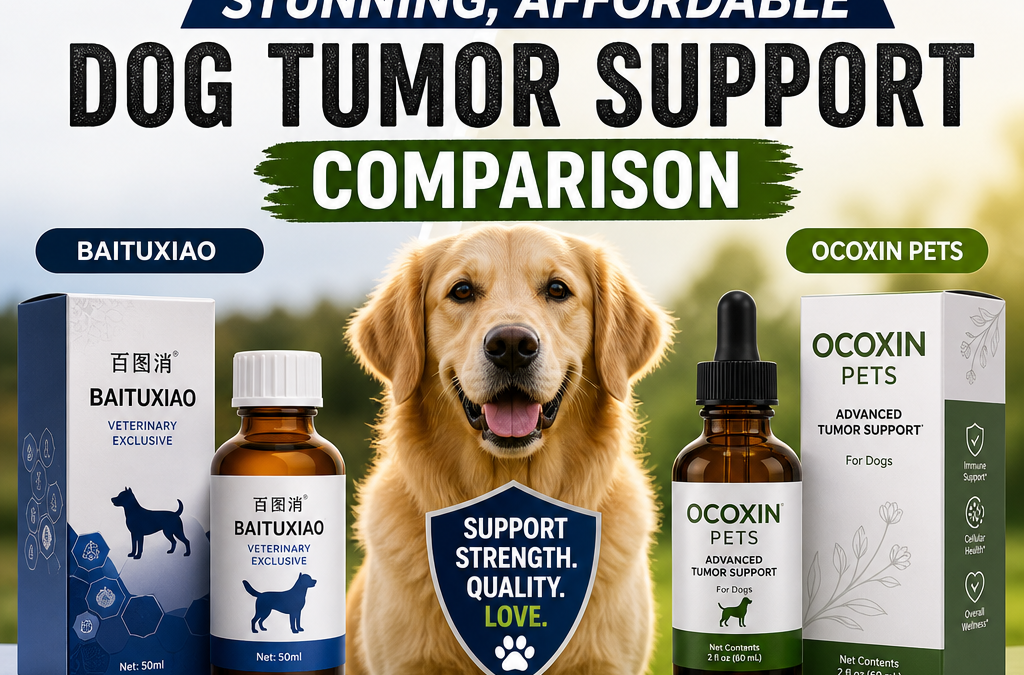
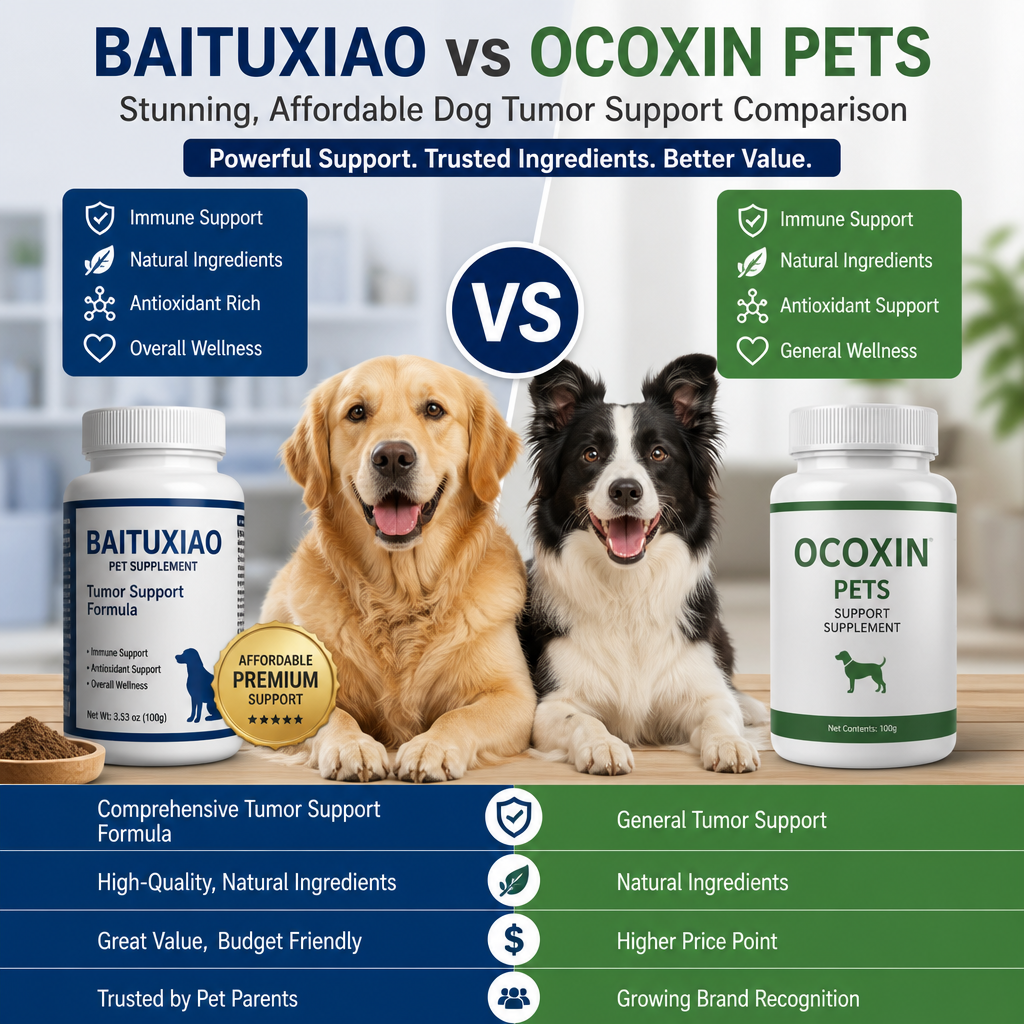
Baituxiao vs Ocoxin Pets is a comparison many dog owners explore after learning that their pet may need additional support during cancer care. Both products are discussed as complementary options rather than replacements for veterinary diagnosis or treatment, and each has a different formulation, intended use, and practical profile. Understanding those differences can help owners have a more productive conversation with their veterinarian and make a safer, more informed decision.
A dog tumor diagnosis can be overwhelming. Treatment may involve surgery, chemotherapy, radiation, targeted medication, nutritional changes, or careful monitoring. Some owners also investigate supplements designed to support general wellness, immune function, appetite, energy, or quality of life. Because dogs vary widely in age, breed, tumor type, medications, and overall health, no single supplement is appropriate for every patient.
Baituxiao is commonly presented as a traditional herbal supplement used by some pet owners as part of a broader dog tumor support plan. Its ingredients are generally associated with traditional botanical practices and may be selected for their potential role in supporting circulation, immune balance, inflammation management, and overall vitality.
The exact composition, concentration, and manufacturing standards matter greatly. Herbal products can differ between suppliers, so owners should review the product label carefully and choose a source that provides clear ingredient information, quality testing, dosage guidance, and appropriate safety warnings.
Baituxiao is not a cure for cancer. It should not be used to delay a biopsy, replace surgery, or discontinue a veterinarian-prescribed treatment. Instead, it may be considered as a complementary product when a veterinarian believes its ingredients are suitable for the individual dog.
In real-world use, Baituxiao tends to appeal to owners who prefer a plant-based approach and who want something that fits into a broader supportive-care routine. That said, herbal support is only one part of the discussion, and the Baituxiao vs Ocoxin Pets comparison becomes more useful when the dog’s diagnosis and current treatment stage are clearly understood.
Some dogs may be in an early diagnostic stage, where the goal is simply to maintain comfort while test results are pending. Others may already be on a treatment plan and need help with appetite or energy. Because those situations differ, the same supplement may not make sense for every patient.
What Is Ocoxin Pets?
Ocoxin Pets is generally positioned as a veterinary-oriented nutritional supplement designed to support dogs and cats during periods of illness or medical stress. It is often associated with nutritional support, antioxidant ingredients, immune system support, and assistance with maintaining appetite, energy, and general condition.
Ocoxin Pets comparison discussions often focus on its formulation as a ready-to-use product intended to fit alongside conventional veterinary care. Depending on the specific product version and market, the ingredients may include vitamins, minerals, amino acids, plant-derived compounds, and other nutritional components.
As with any supplement, the label should be treated as the primary reference. Formulas may change, and products sold in different regions may not be identical. Owners should confirm the current ingredient list and ask whether any component could interact with chemotherapy, steroids, anti-inflammatory drugs, anticoagulants, or other medications.
Some owners choose Ocoxin Pets because they want a more structured nutritional support option rather than a primarily herbal one. Others prefer it because it may feel easier to incorporate into daily care when a dog is already dealing with medication schedules, follow-up exams, and appetite fluctuations. In that sense, Baituxiao vs Ocoxin Pets is not only about ingredients; it is also about how each product fits into the routine that surrounds cancer care.
Baituxiao vs Ocoxin Pets: Key Differences
The most useful way to approach a Baituxiao vs Ocoxin Pets decision is to compare purpose, formulation, evidence, safety, and convenience rather than simply choosing the product with the strongest marketing claims.
When owners compare Baituxiao vs Ocoxin Pets, the goal is usually not to find a miracle option. It is to identify the supplement that best fits the dog’s treatment plan, appetite, tolerance, and daily routine.
In practical terms, the choice often becomes easier when you separate the comparison into a few decision points: what the product is trying to support, how the ingredients are delivered, how easy it is to give, and whether the dog’s current health status makes the product sensible.
Formulation and philosophy
Baituxiao is more closely associated with a traditional herbal approach. Owners who prefer botanical formulas may find this appealing, but herbal products require careful evaluation because “natural” does not automatically mean safe or effective.
Ocoxin Pets is generally viewed as a broader nutritional and supportive formula. Its emphasis may be more suitable for owners seeking an all-in-one supplement intended to support overall condition during veterinary treatment.
In practice, the Baituxiao vs Ocoxin Pets choice often comes down to whether the owner wants a more botanical style of support or a more nutrition-focused supplement.
This distinction also matters in day-to-day use. A botanical formula may be attractive to someone who wants to align with traditional approaches, while a nutritional formula may appeal to someone who wants the support product to feel closer to a general wellness supplement. Neither approach is automatically better; what matters is whether the product matches the dog’s needs and the veterinarian’s guidance.
Intended support
Baituxiao may be selected by owners looking for complementary botanical support related to immune health, inflammation, and general vitality. Ocoxin Pets may be considered when the primary concern is nutritional resilience, appetite, energy, and maintaining quality of life.
These categories can overlap, but they are not identical. A dog struggling to eat, losing weight, or recovering from treatment may have different needs from a dog that is eating normally and receiving a specific cancer-management protocol.
That is why a Baituxiao vs Ocoxin Pets discussion should always begin with the dog’s current symptoms, not with the supplement label alone.
For example, if the dog is already thin and tiring easily, a veterinarian may prioritize products that support intake and tolerance first. If the dog is stable and the goal is general support during ongoing care, another approach may make sense. The important point is that the supplement should match the stage of care rather than simply the owner’s first impression.
Evidence and expectations
Owners should maintain realistic expectations. Supplements may help support general health, but evidence for treating canine tumors is often limited, product-specific, or based on laboratory and traditional-use information rather than large clinical trials in dogs. Neither product should be described as a guaranteed cancer treatment.
A responsible dog tumor support comparison distinguishes between supportive care and direct anticancer therapy. Supportive care aims to help a dog tolerate illness and maintain comfort, while cancer treatment targets the tumor itself. These goals can coexist, but one should not be mistaken for the other.
If you are comparing Baituxiao vs Ocoxin Pets for a pet already in treatment, ask the oncology team which supportive ingredients are most appropriate right now.
That advice is especially relevant for dogs receiving multiple treatments at once. A supplement that seems harmless in theory may not be the best option if the dog is experiencing nausea, liver strain, poor appetite, or medication sensitivity. Veterinary oversight helps keep expectations grounded and avoids unnecessary trial-and-error.
Practical administration
The best supplement is often the one the dog will actually take consistently. Some dogs accept liquids more easily than capsules or powders. Others are picky about flavor and will refuse a product if it changes the taste of food or water. When comparing Baituxiao vs Ocoxin Pets, it helps to think about palatability, dosing frequency, and how much effort it takes to give the supplement every day.
Consistency matters because supportive care often depends on routine. If a product is hard to administer, the owner may skip doses or stop using it entirely. A simpler product with a clear schedule may be more useful than a more complex product that creates stress for both dog and owner.
Why Many Owners Compare Baituxiao vs Ocoxin Pets
Many dog owners compare these two products because both are used in conversations about supportive care, but they may serve different practical needs. One owner may want a simpler herbal formula, while another prefers a nutritional supplement with broader support for appetite and energy.
Another reason the Baituxiao vs Ocoxin Pets comparison matters is availability. Some products are easier to source in certain regions, and that can affect consistency, dosing, and long-term use. In Canada, owners often want to balance access, shipping times, and veterinary guidance with the product’s ingredient profile.
Cost also plays a role. The most helpful supplement is not always the most expensive one. A reasonably priced product that the dog will actually take may be more practical than a stronger-looking formula that is difficult to administer.
This is one reason many families spend time researching before buying. A pet diagnosed with cancer may already be receiving expensive tests, medications, and follow-up care, so owners naturally want to choose carefully. In that setting, Baituxiao vs Ocoxin Pets becomes part of a larger decision about how to support quality of life without adding unnecessary complexity.
Another factor is emotional. Many owners want to do something proactive after hearing a cancer diagnosis. That instinct is understandable. The best response, however, is usually a measured one: gather the label information, confirm any medication interactions, and ask the veterinarian whether the product makes sense for the dog’s current condition.
Before using either product, provide the veterinarian with the full ingredient list and the dog’s complete medical history. This is particularly important if the dog has liver disease, kidney disease, a bleeding disorder, diabetes, gastrointestinal problems, or a history of seizures.
Potential concerns include digestive upset, allergic reactions, changes in blood clotting, effects on liver enzymes, and interactions with prescription medications. Some herbs and antioxidants may theoretically influence how drugs are absorbed or metabolized. A veterinarian may recommend stopping a supplement before surgery or adjusting its use during chemotherapy.
Owners should also avoid combining multiple supplements without professional guidance. Overlapping ingredients can lead to excessive intake of certain vitamins, minerals, or active compounds. Products should be stored according to label instructions and kept away from children and other animals.
For more detailed safety guidance, veterinarians often recommend checking supplement ingredients against trusted references such as the ASPCA Animal Poison Control toxicology resources when there is any uncertainty about plant-based or concentrated ingredients.
It is also wise to mention every supplement during follow-up visits. Even when a product seems harmless, the full Baituxiao vs Ocoxin Pets picture can change if the dog’s treatment plan changes.
Owners should also watch for subtle changes after starting any new product. A dog may not have a dramatic adverse reaction, but a slower decline in appetite, softer stools, or mild fatigue can still be meaningful. Reporting those changes early allows the veterinarian to decide whether the supplement should be continued, adjusted, or stopped.
In some cases, the safest approach is to introduce only one new item at a time. That way, if a problem occurs, it is easier to identify the cause. This is especially useful when the dog already takes prescription medication and the owner is trying to compare Baituxiao vs Ocoxin Pets as a possible add-on.
How to Choose Between Them
The best choice depends on the dog’s medical goals and current condition. Consider the following questions:
What type of tumor has been diagnosed?
Is the dog receiving surgery, chemotherapy, radiation, immunotherapy, or palliative care?
Is the main concern appetite, weight loss, energy, inflammation, digestion, or general wellness?
Does the dog have liver, kidney, or gastrointestinal disease?
Could any ingredients interfere with current medication?
Is the product manufactured by a reputable company with transparent labeling?
Can the dog tolerate the product’s form, taste, and dosing schedule?
Cost is also relevant, but affordability should be assessed over the full treatment period. A less expensive product may not be useful if the dog refuses it, develops side effects, or requires additional supplements to address nutritional gaps. On the other hand, a premium product is not automatically more effective.
For many families, the Baituxiao vs Ocoxin Pets decision becomes easier after the veterinarian reviews the dog’s current medications, appetite, and test results.
It can also help to think in terms of goals. If the immediate goal is maintaining appetite and general condition, the nutritional support profile may matter most. If the owner is interested in a more traditional botanical approach and the veterinarian sees no conflict with the treatment plan, a herbal option may be discussed. The right answer is usually the one that fits the dog rather than the one that sounds most impressive on paper.
Questions to ask your veterinarian
These questions can make the conversation more useful:
Could this supplement interfere with the current treatment plan?
Is there a reason to prefer one ingredient profile over another?
Should the supplement be paused before surgery or bloodwork?
What signs would mean the product is not helping?
How long should we trial it before deciding whether to continue?
When you bring a structured Baituxiao vs Ocoxin Pets comparison to the appointment, the discussion is usually clearer and more productive.
In many cases, the veterinarian may suggest a short trial period with close monitoring rather than a long commitment right away. That approach helps the family see whether the supplement truly improves comfort, appetite, or energy without creating unnecessary risk.
Monitoring Your Dog’s Response
Once a veterinarian approves a supplement, introduce it carefully and monitor the dog. Watch for vomiting, diarrhea, reduced appetite, itching, lethargy, unusual bruising, changes in thirst, or worsening symptoms. Keep a simple record of the dog’s weight, appetite, bowel movements, energy, and medication schedule.
A supplement should be discontinued and reviewed with a veterinarian if concerning symptoms appear. Routine blood tests may also be useful, particularly for dogs receiving long-term medication or products that could affect liver or kidney function.
Owners often find that the most practical Baituxiao vs Ocoxin Pets evaluation is the one that tracks real-world results. If the dog is eating better, tolerating treatment, and maintaining comfort, that matters more than any marketing claim.
It can help to note changes weekly instead of relying on memory. Small improvements in enthusiasm, mobility, or food interest may be easy to miss during a stressful period. A written log makes it easier to see patterns and discuss them with the veterinarian.
If the product seems to help but only at the cost of digestive upset or reduced willingness to eat, the overall benefit may be limited. Quality of life should remain the guiding principle. A supplement that looks promising in theory but adds stress in practice may not be worth continuing.
How Baituxiao vs Ocoxin Pets Fits Into Broader Cancer Support
Supplements can be part of a thoughtful supportive-care plan, but they work best when used alongside other basics. These often include a balanced diet, pain management when needed, regular follow-up exams, hydration support, and clear communication with the veterinary team.
In some dogs, supportive care may also involve adapting exercise, improving meal timing, or changing food texture to encourage eating. A supplement alone cannot solve every issue, but it may contribute to a more stable routine when the rest of care is well organized.
That broader context is why the Baituxiao vs Ocoxin Pets decision should not be made in isolation. The dog’s diagnosis, treatment stage, medications, and appetite all influence whether the product is suitable. In the best-case scenario, the supplement supports the overall care plan rather than distracting from it.
It is also worth remembering that every dog responds differently. Two dogs with similar diagnoses may have very different tolerances, energy levels, and nutritional needs. A product that seems helpful for one patient may be unnecessary or poorly tolerated for another.
Final Thoughts
The most reliable dog tumor support comparison is one based on veterinary guidance, transparent ingredients, realistic expectations, and the dog’s day-to-day quality of life. Baituxiao may appeal to owners seeking a botanical approach, while Ocoxin Pets may be more attractive for those looking for broader nutritional support. Neither option replaces professional cancer care, but either may have a place in a carefully supervised, individualized wellness plan.
If you are still deciding, keep the conversation focused on the dog’s needs rather than the product name. That is the simplest way to make Baituxiao vs Ocoxin Pets a helpful comparison instead of a confusing one. With the right guidance, either product can be evaluated as part of a practical plan that puts safety, comfort, and informed decision-making first.
For most owners, the smartest outcome is not choosing the supplement with the loudest claims. It is selecting the one that fits the dog’s condition, the veterinarian’s advice, and the household’s ability to use it consistently. In that context, Baituxiao vs Ocoxin Pets becomes a useful comparison rather than a marketing debate.
Tumor growth in dogs can be a confusing and emotionally challenging topic for pet owners, but gaining clarity on how it happens and what it means for canine well-being can make a world of difference. Understanding the basics of cancer progression, knowing what to look for, and working alongside your veterinary team are key to making informed, compassionate decisions for your dog. This article explores what drives tumor growth, how dog lumps relate to overall health, and practical ways to support your pet through observation, lifestyle adjustments, and natural wellness principles.
Understanding Tumor Growth in Dogs
Tumor growth in dogs describes the uncontrolled multiplication of cells that form a mass or lump. These abnormal cells may originate in various tissues—skin, organs, or bone—and their behavior can range from slow-growing and benign to aggressive and invasive. Tumors can develop due to genetic predispositions, environmental influences, immune system changes, or simple cellular errors that go unchecked. While the word “tumor” often triggers fear, not all tumors are malignant. Many dog lumps are benign, meaning they do not spread. However, careful evaluation of any new growth is essential for an accurate understanding of your dog’s health.
Cancer Progression Overview
Cancer progression refers to the stages through which abnormal cells accumulate genetic changes, multiply, and potentially spread. In dogs, this progression depends on factors such as the cell type involved, the location of the tumor, and the dog’s immune response. Tumors may stay localized or infiltrate nearby tissues, and some malignant tumors can spread to distant organs by entering the bloodstream or lymphatic system. Veterinarians assess progression through physical examinations, imaging tests, and sometimes molecular analysis to understand how advanced a tumor may be. Understanding cancer progression helps dog owners grasp what to expect and how best to support their pet.
Recognizing Dog Lumps and Their Significance
Not every lump indicates cancer, but every lump deserves attention. Common benign lumps include lipomas (fatty tumors) and sebaceous gland growths. Malignant lumps such as mast cell tumors or soft tissue sarcomas can sometimes look similar to benign ones, which is why veterinary evaluation is critical. Here are practical steps for monitoring dog lumps:
– Conduct monthly checks. Gently run your fingers over your dog’s entire body, including paws, underarms, and behind the ears.
– Record what you find. Note the size, texture, and location. Taking a photo with a measuring tape can help track changes.
– Consult the veterinarian. Any new lump or existing lump that changes in size, color, or texture should be examined.
– Follow recommendations. Diagnostics might include fine-needle aspiration or biopsy to determine cell type.
Knowing what to look for empowers you to act promptly, which can lead to better outcomes regardless of the lump’s nature.
Factors Influencing Tumor Growth in Dogs
Multiple variables affect how quickly and aggressively a tumor grows:
1. Genetics
Certain breeds have higher incidences of specific tumors. For example, Boxers and Golden Retrievers commonly develop mast cell tumors, while large breeds may experience bone tumors more frequently. Awareness of breed predispositions allows for early vigilance.
2. Age
Older dogs have had more time for cellular errors to accumulate, making tumors more common with age. However, younger dogs can also develop tumors, which underscores the importance of regular veterinary care across all life stages.
3. Immune System Health
A robust immune system can sometimes slow abnormal cell proliferation. Factors influencing immune health include nutrition, stress levels, and underlying health conditions. While supporting immunity won’t reverse tumor formation, it may contribute to overall resilience.
4. Environmental Influences
Exposure to certain chemicals, pollutants, or UV radiation can contribute to DNA damage. Minimizing such exposures—using pet-safe cleaning products and providing shade during peak sunlight—can be part of responsible care.
Tumor Growth in Dogs: Scientific Overview
Understanding what happens at the cellular level helps clarify why tumors behave the way they do. Cells typically follow regulated cycles: they grow, divide, and die when no longer needed. Tumors arise when these controls break down. Genetic mutations, sometimes inherited and sometimes spontaneous, affect the instructions cells use to regulate growth. A single mutation may not trigger a tumor, but multiple mutations can disrupt cell communication and runaway growth follows.
Malignant tumors acquire additional traits such as the ability to invade neighboring tissues or recruit blood vessels to nourish themselves (angiogenesis). While these descriptions sound intimidating, they also show why slow, methodical monitoring and veterinary guidance matter. Early detection helps identify cellular changes before they escalate.
Navigating Veterinary Diagnosis
When a veterinarian investigates tumor growth, they typically follow a structured approach:
1. Physical examination: Palpating the lump and assessing your dog’s overall condition.
2. Diagnostic imaging: X-rays, ultrasound, or advanced imaging to evaluate internal structures.
3. Cytology or biopsy: Sampling cells or tissue to identify the tumor type.
4. Staging tests: Bloodwork or imaging to evaluate possible spread.
Each step paints a clearer picture of cancer progression, helping you and your veterinary team choose the most appropriate management plan. Although it can feel overwhelming, accurate information is the best ally for thoughtful decisions.
Managing Emotions When Facing Dog Lumps
Discovering a lump on your dog can be frightening, and anxiety often spikes during the waiting period for test results. Caring for your emotional well-being allows you to stay focused and present for your pet. Consider the following supportive strategies:
– Lean on your support network. Friends, family, or pet-owner communities can provide reassurance.
– Ask questions during veterinary visits. Understanding the process reduces uncertainty.
– Keep a journal. Document symptoms, appointments, and feelings. This record helps track facts and emotions.
– Practice mindful routines. Gentle walks, cuddling sessions, or quiet reflection with your dog can ease stress.
Maintaining your own resilience helps your dog feel secure during medical evaluations and treatment discussions.
Practical Lifestyle Tips to Support Dogs with Tumors
While veterinary guidance leads the way, lifestyle adjustments can complement professional care:
Balanced Nutrition
A well-rounded diet supports overall strength. Consult your veterinarian or a veterinary nutritionist for guidance tailored to your dog’s needs and any concurrent conditions. Focus on high-quality protein, appropriate fats, and digestible carbohydrates.
Gentle Exercise
Physical activity suited to your dog’s abilities helps maintain muscle tone, joint flexibility, and mental stimulation. Short, low-impact walks or light play sessions can be beneficial, especially if your dog enjoys routine.
Comfortable Living Environment
Provide supportive bedding, easy access to water, and a quiet resting area. Dogs may appreciate ramps or non-slip mats if mobility changes occur.
Mental Enrichment
Interactive toys, scent games, or training cues keep your dog’s mind engaged. Mental stimulation fosters a sense of normalcy, which can be reassuring during health challenges.
Regular Veterinary Check-ins
Consistent follow-ups allow your veterinary team to monitor tumor growth and adjust recommendations as needed. Early detection of any changes aids in timely interventions.
Natural Wellness Considerations
Natural wellness practices emphasize nurturing your dog’s overall balance without making medical claims. These supportive steps can complement veterinary care:
– Stress reduction: Calm environments, gentle grooming, and soothing routines help dogs feel secure.
– Hydration and nutrition: Fresh water and wholesome meals encourage vitality.
– Holistic modalities: Some owners explore therapies like massage or acupuncture. Always coordinate with your veterinarian to ensure compatibility with ongoing care.
– Mindful bonding: Quality time, affectionate touch, and positive reinforcement strengthen your dog’s emotional well-being.
Natural wellness is about creating conditions that allow your dog to feel loved, supported, and comfortable, regardless of diagnosis.
Communicating with Your Veterinary Team
Open communication is fundamental. To make the most of appointments:
1. Prepare questions in advance. Ask about expected changes, monitoring techniques, or lifestyle adjustments.
2. Bring photos or notes. Documentation of lump progression, appetite, or behavior changes provides valuable context.
3. Clarify next steps. Understand follow-up schedules, potential tests, and possible scenarios.
4. Discuss quality of life goals. Share your dog’s favorite activities and routines so plans align with what matters most to both of you.
Veterinary professionals appreciate well-informed clients and often welcome collaboration to ensure each dog receives personalized care.
Supporting Senior Dogs Facing Tumor Growth
Senior dogs may require specialized attention due to age-related changes:
– Gentle grooming: Soft brushing helps identify new lumps and keeps the coat healthy.
– Joint-friendly exercise: Short walks on even surfaces maintain mobility without strain.
– Comfortable routines: Predictable schedules reduce anxiety.
– Extra patience: Aging dogs might move more slowly or need rest breaks. Respecting their pace fosters trust.
Older dogs often thrive when caregivers respect their limits while continuing to celebrate daily joys.
Preparing for Long-Term Management
Some tumors require ongoing monitoring rather than immediate intervention. If your dog enters a “watch and wait” period, these steps help:
– Set calendar reminders. Schedule rechecks or imaging appointments.
– Track observations. Note any changes in energy levels, appetite, or behavior.
– Stay adaptable. Be ready to adjust routines based on veterinary feedback.
– Celebrate progress. Acknowledge stable checkups or small improvements.
Long-term management can feel like a marathon, but consistent, compassionate attention keeps your dog’s well-being at the forefront.
Creating a Home Observation Plan
An organized observation plan keeps you proactive without becoming overwhelming. Consider:
| Observation Area | What to Note | Frequency |
|——————|————–|———–|
| Lump size/shape | Measure or photograph | Weekly or as advised |
| Activity level | Changes in stamina or play | Daily |
| Appetite | Interest in food, water intake | Daily |
| Mood/behavior | Signs of discomfort, restlessness | Daily |
| Veterinary follow-ups | Upcoming appointments, test results | As scheduled |
This chart not only helps you stay attentive but also streamlines communication with your veterinarian.
Addressing Misconceptions About Tumor Growth
Misinformation can create unnecessary fear. Here are a few common misconceptions:
– “A small lump isn’t serious.” Even tiny lumps can contain aggressive cells. Veterinary evaluation is the only way to know for sure.
– “If a lump doesn’t hurt, it’s harmless.” Many tumors, benign or malignant, cause no pain initially.
– “Natural remedies alone can control tumors.” Natural wellness supports comfort and resilience but does not replace professional diagnostics or treatments.
– “All tumors look the same.” Tumor appearance varies widely, reinforcing the importance of expert assessment.
Understanding facts versus myths helps you make confident decisions based on sound information.
Building a Supportive Care Team
Beyond your primary veterinarian, you might collaborate with specialists or supportive professionals:
– Veterinary oncologists for complex cases.
– Nutritionists to tailor diets.
– Behaviorists if anxiety or behavioral changes arise.
– Pet sitters or dog walkers to help maintain routines if schedules become hectic.
A team approach ensures your dog benefits from diverse expertise and consistent care.
Monitoring Quality of Life
Quality of life is central to any plan involving tumor growth. Consider using a simple scale to check key areas:
– Interest in activities: Does your dog still enjoy favorite games or walks?
– Comfort levels: Are there signs of persistent discomfort?
– Social engagement: Does your dog seek affection and interact normally?
– Eating and drinking habits: Are they steady, or have they shifted noticeably?
– Restfulness: Is your dog sleeping comfortably?
Regularly evaluating these areas helps you and your veterinarian make adjustments that prioritize your dog’s daily happiness.
Encouraging Positive Daily Moments
Amid medical appointments and monitoring, remember to cultivate daily joy:
– Share gentle play sessions.
– Offer puzzle feeders or treat-dispensing toys.
– Explore new scents during slow walks.
– Capture photos or journal entries to cherish special memories.
These small gestures reinforce your bond and provide emotional nourishment for both you and your dog.
Conclusion: Supporting Natural Wellness with Compassion
Facing tumor growth in dogs is never easy, yet informed care, gentle observation, and open communication with veterinary professionals offer clarity and comfort. By embracing balanced nutrition, thoughtful routines, and natural wellness practices that focus on emotional connection and stress reduction, you create a nurturing environment where your dog feels safe and loved. May your journey be guided by patience, compassion, and the shared joy that comes from honoring every moment together.
Tumor growth in dogs is a topic that many pet parents encounter at some point, and understanding it can bring clarity during an uncertain time. Whether you’ve noticed a new lump on your dog or are monitoring changes over time, educating yourself about how these growths develop and what they might mean for cancer progression can make a meaningful difference. This article explores the nature of dog lumps, how tumor growth occurs, what to watch for, and how to support your dog’s overall well-being with responsible, veterinary-guided care.
Understanding Tumor Growth in Dogs
Tumors arise when cells in the body reproduce in an unregulated way. In dogs, as in other animals, the body is composed of countless cells that divide and eventually die in a well-organized cycle. Tumor growth happens when this cycle is disrupted—cells keep dividing when they shouldn’t, creating a mass or lump. Some lumps stay localized and are considered benign, while others can show more aggressive characteristics associated with cancer progression.
Not all lumps are cancerous. Many are harmless fatty growths or cysts. Even so, any new or changing lump deserves attention because it’s not possible to determine what it is based on appearance or touch alone. Veterinary professionals use a combination of physical exams, imaging, and sample testing to learn more about what kind of cells are present in a lump, which helps distinguish between benign and malignant tumors.
Recognizing Dog Lumps and Variations
Dog lumps can vary widely in size, shape, texture, and location. Some grow slowly over months or years, while others change more rapidly. Pet owners commonly notice lumps in the following areas:
– Under the skin, especially on the torso or limbs
– Around the chest or abdomen
– In the mouth or along the jaw
– Near lymph nodes, such as under the jaw, in the armpits, or behind the knees
Characteristics such as firmness, warmth, or whether the lump is fixed or movable can differ, but these details alone do not reveal whether a lump is benign or malignant. Some malignant tumors can feel soft and movable, while certain harmless growths can be firm. Regular checkups and prompt veterinary evaluation for any new lump are the best ways to determine what’s going on.
Cancer Progression in Simple Terms
Cancer progression refers to the way abnormal cells grow and spread within the body. It can involve:
1. Initiation: Cells undergo changes in their DNA, often due to factors like age, genetics, or environmental exposures.
2. Promotion: These altered cells begin multiplying more than normal.
3. Progression: Abnormal cells form growths that can invade nearby tissues.
Some tumors remain localized, while others can infiltrate surrounding tissues or travel to distant organs through the bloodstream or lymphatic system. Early detection doesn’t always prevent aggressive behavior, but it often provides more options for managing the condition. Pet owners can help by staying alert to changes and attending regular veterinary visits.
Focus Keyword Section: Tumor Growth in Dogs and Veterinary Evaluation
When discussing tumor growth in dogs, veterinary evaluation is essential. Routine wellness exams allow veterinarians to establish a baseline for your dog’s overall condition. If a lump appears, the veterinary team might recommend diagnostic tools such as:
– Fine-needle aspiration (FNA): A small needle collects cells for examination under a microscope.
– Biopsy: A tissue sample is analyzed in a lab to identify cell type and behavior.
– Imaging: X-rays, ultrasound, or other scans assess whether the lump affects underlying tissues or organs.
These procedures provide more information than observation alone, helping determine whether a lump is benign, malignant, or something else entirely. Once results are available, your veterinarian can suggest an appropriate care plan based on your dog’s individual needs, overall health, and family preferences.
Science of Tumor Cells Explained Simply
In healthy tissue, cells have a built-in plan. They grow, perform a function, and then die to make space for new cells. Tumor cells often ignore the usual signals that tell them to stop dividing. They may also bypass programmed cell death, allowing them to live longer than normal. Because of these changes, they can accumulate and form a mass.
Genes within each cell act like blueprints. When certain genes mutate, the instructions for growth regulation can become faulty. Some dogs may inherit a predisposition to such mutations, while others develop them over time due to environmental influences or simply aging. Understanding the cellular basis of tumor development helps explain why monitoring and testing are necessary for accurate assessment.
Practical Tips for Monitoring Dog Lumps
Keeping track of dog lumps at home is a proactive way to support veterinary care. Consider the following practical steps:
– Create a lump log: Record the date you first noticed a lump, its location, and approximate size.
– Take photos: Visual records help monitor changes over time, especially if the lump is subtle.
– Use a measuring tool: A measuring tape or ruler can provide precise information about any growth.
– Check gently during grooming: Incorporate light palpation when brushing or bathing your dog so you notice new lumps sooner.
If you observe rapid growth, changes in texture, inflammation, discomfort, or any change in your dog’s behavior, contact your veterinarian promptly. Even if a lump appears unchanged, regular veterinary rechecks ensure professional oversight.
Dog Lumps: Common Types and Considerations
Dogs can develop a variety of lumps, and each type has distinct characteristics. Some common examples include:
– Lipomas: Fatty tumors located just under the skin. They can grow slowly and often feel soft.
– Sebaceous cysts: Blocked oil glands that may fill with a thick material.
– Mast cell tumors: May vary in appearance and can release substances that cause irritation.
– Warts or papillomas: Often found around the mouth, paws, or other areas, especially in older dogs.
– Bone-related lumps: Firm swelling associated with the bone or joints.
Only a veterinarian can confirm which type of lump is present. Even familiar-looking lumps deserve evaluation because similar appearances can mask very different cell types.
How Lifestyle and Environment Might Influence Tumor Growth
While tumor growth in dogs is complex and influenced by many factors, lifestyle considerations can support a dog’s general health. These include:
– Balanced nutrition: High-quality, veterinarian-recommended diets help maintain overall well-being.
– Regular exercise: Tailored activity keeps the body mobile and supports the immune system.
– Weight management: Maintaining a healthy weight can support joint health and reduce strain on organs.
– Limiting harmful exposures: Avoiding secondhand smoke and minimizing contact with unnecessary chemicals may be beneficial.
– Routine veterinary care: Preventive care visits help detect changes early and keep vaccinations, parasite control, and dental care up to date.
While these steps don’t guarantee prevention, they encourage a strong foundation for long-term health.
Emotional Wellness for Dogs and Owners
Discovering a lump on your dog can be emotionally challenging. Taking a calm, measured approach helps both you and your companion. Consider the following:
– Stay observant but not alarmed: Many lumps turn out to be benign, so panic doesn’t help.
– Lean on veterinary support: Ask questions, seek clarity, and understand the recommended plan.
– Maintain routines: Familiar schedules, walks, and playtime provide comfort to dogs, reinforcing a sense of normalcy.
– Seek emotional support: Talking with friends, family, or support groups for pet owners can ease stress.
Dogs are sensitive to their owners’ emotions, so staying positive and engaged can make them feel secure.
Collaborating with Veterinary Professionals
Working closely with your veterinarian ensures you make informed decisions. Communication tips include:
– Prepare questions: Write down concerns before appointments so nothing is forgotten.
– Share observations: Bring your lump log, photos, or measurements to the visit.
– Understand diagnostic results: Ask for explanations in plain language if medical terms are confusing.
– Discuss options: Depending on the diagnosis, your veterinarian can outline possible management strategies, from monitoring to advanced treatments.
– Follow recommended recheck schedules: Consistent follow-ups help track any changes and adjust plans as needed.
This collaborative approach fosters trust and keeps everyone focused on your dog’s comfort and quality of life.
Natural Wellness and Supportive Care
Many pet owners explore natural wellness strategies to complement veterinary care. When used responsibly, supportive measures can contribute to overall vitality. Examples include:
– Balanced diet: Nutrient-rich foods, sometimes with veterinarian-approved supplements, can promote general wellness.
– Gentle exercise: Activities that match your dog’s energy level help maintain mobility and mental stimulation.
– Calming techniques: Massage, grooming, or peaceful relaxation time can ease stress.
– Comfortable environment: Soft bedding, temperature control, and easy access to water and rest areas support daily comfort.
Always consult your veterinarian before introducing new supplements or wellness practices, ensuring they align with your dog’s specific situation.
What to Watch for Over Time
Keeping a close eye on your dog’s overall condition helps identify meaningful changes. Signs that warrant veterinary attention include:
– A lump suddenly growing or changing shape
– Lumps becoming ulcerated or irritated
– Swelling in lymph node areas
– Changes in appetite or energy level
– Difficulty moving or reluctance to exercise
– Persistent licking or chewing at a lump
– Any new symptoms that seem unusual for your dog
Early reporting of these observations allows your veterinary team to respond promptly.
Practical Steps for Daily Care
Day-to-day care can make a significant impact. Try integrating these habits:
– Regular grooming sessions: Besides keeping your dog clean, grooming provides an opportunity to notice changes in the skin.
– Mindful nutrition: Offer meals at consistent times and observe how your dog responds.
– Hydration: Ensure fresh water is always available, especially after walks or play.
– Comfortable rest areas: Soft bedding reduces pressure on sensitive areas and encourages restful sleep.
– Moderate exercise: Short walks or gentle play keep joints limber without excessive strain.
– Mental enrichment: Puzzle toys, training games, or scent-based activities support cognitive health.
Routine fosters stability, which can be especially helpful if your dog is undergoing monitoring or treatment.
Encouraging a Supportive Environment
A peaceful home environment contributes to overall well-being. Consider:
– Reducing stress: Minimize loud noises or disruptions that might unsettle your dog.
– Consistent interaction: Spend quality time petting, talking, or playing with your companion.
– Safe spaces: Provide a quiet area where your dog can retreat if they want solitude.
– Positive reinforcement: Use praise and treats for cooperative behavior during exams or grooming.
Your dog’s emotional health influences physical comfort, so nurturing a calm atmosphere is worthwhile.
Conclusion: Committed Care and Natural Wellness
Monitoring tumor growth in dogs requires patience, attention, and collaboration with veterinary professionals. By understanding how lumps develop, learning what to watch for, and following expert guidance, pet owners can respond promptly to changes and support their companions with confidence. Remember that a combination of veterinary care, balanced nutrition, gentle activity, and a soothing home environment can contribute to your dog’s overall vitality. Offering steady love, mindful observation, and natural wellness practices creates a compassionate foundation for whatever lies ahead.
Dog tumor types can feel overwhelming for any pet parent to navigate, especially when you first hear the word “tumor” paired with your dog’s name. Understanding how these growths are categorized, what sets them apart, and what questions to ask your veterinarian can bring clarity to an emotionally charged situation. This guide explores different dog tumor types, explains what makes benign tumors distinct from malignant tumors, and offers practical tips for supporting your dog’s natural wellness journey.
Why Understanding Dog Tumor Types Matters
Being informed about dog tumor types helps you communicate effectively with your veterinarian. The word “tumor” simply means an abnormal growth of cells. Some growths remain localized and cause minimal disruption, while others may exhibit aggressive behavior. By learning the nuances between benign tumors and malignant tumors, you can prepare thoughtful questions and make informed decisions tailored to your dog’s needs.
How Tumors Develop in Dogs
A tumor begins with a single cell that starts to grow more quickly or differently than it should. These cells multiply, forming a lump or mass. Factors that may contribute include:
– Genetic predispositions in certain breeds
– Environmental influences
– Age-related cellular changes
– Chronic inflammation or injury-prone areas
Not every growth is dangerous, but each one deserves veterinary attention. Only a veterinary professional can determine what kind of tumor your dog may have and what monitoring or treatment plan is appropriate.
Benign Tumors: A Closer Look
Benign tumors do not invade surrounding tissues or spread to other organs. They usually grow slowly and remain encapsulated, which means they are often easier to remove if needed.
Common benign tumors include:
– Lipomas: Soft, movable fatty masses under the skin
– Papillomas: Wart-like growths often seen in younger dogs
– Sebaceous adenomas: Small bumps from oil-producing glands
– Histiocytomas: Red, button-like growths mostly in young dogs
While benign tumors are usually less worrisome, they can still cause discomfort depending on their size or location. For example, a lipoma that grows in a dog’s armpit might rub against the leg and hinder movement. Monitoring these tumors and discussing them with your veterinarian ensures they stay manageable.
Malignant Tumors: Understanding the Risks
Malignant tumors grow more aggressively and can invade nearby tissues. Some have the potential to spread to other parts of the body through the bloodstream or lymphatic system.
Each malignant tumor type behaves differently. Some expand slowly but may recur, while others develop rapidly and can affect the overall health of organs or bones. Early detection, regular veterinary visits, and attentive observation of your dog’s behavior make a valuable difference in planning appropriate care.
Key Differences Between Benign Tumors and Malignant Tumors
| Feature | Benign Tumors | Malignant Tumors |
|———|—————|——————|
| Growth rate | Often slow | Often faster |
| Spread | Stay localized | May invade or spread |
| Appearance | Usually smooth and movable | May be irregular or firm |
| Recurrence | Less common | More common |
| Impact | Often minimal unless large | Can affect overall health |
This comparison offers a general framework. Some benign tumors can cause problems if they are large or located near vital organs, while some malignant tumors may remain locally contained for extended periods. Veterinary evaluation is essential for accurate diagnosis.
Dog Tumor Types and Veterinary Diagnostics
Diagnosis involves several steps:
1. Physical examination: Feeling the lump, assessing its location, size, and texture
2. Imaging: X-rays or ultrasounds help determine internal involvement
3. Fine-needle aspiration: A few cells are removed with a small needle for examination
4. Biopsy: A larger section is removed for detailed laboratory analysis
These methods allow veterinarians to categorize the tumor, identify its behavior, and plan next steps.
H2: Dog Tumor Types by Tissue Origin
Tumors are often classified based on the type of tissue or cell involved:
Skin and Subcutaneous Tissue
– Lipomas, sebaceous adenomas, mast cell tumors, and melanomas often arise in or under the skin.
– Dogs with short coats or light-colored skin may need more frequent checks for lumps or pigment changes.
Bone and Joint
– Osteosarcoma is a common malignant bone tumor, especially in large breeds.
– Early signs may include limping, swelling, or reluctance to use a limb.
Blood and Immune System
– Lymphoma and hemangiosarcoma originate in lymphatic tissues or blood vessel linings.
– Symptoms can be subtle and may include lethargy, swelling of lymph nodes, or changes in gum color.
Soft Tissue Organs
– Tumors can develop in organs such as the liver, spleen, or lungs.
– Imaging and blood tests are often needed to evaluate these internal masses.
Understanding these categories helps pet owners recognize potential warning signs sooner, but only a veterinary evaluation can confirm the tumor type.
Recognizing Early Signs
Observing your dog’s daily habits provides important clues. Watch for:
– Sudden lumps or bumps
– Lumps that change rapidly in size or texture
– Persistent itching, licking, or biting an area
– Unexplained weight loss, lethargy, or reduced appetite
– Limping or reluctance to exercise
Take note of changes and share them with your veterinarian. Photos, measurements, or even a simple journal entry can help track patterns.
Questions to Discuss with Your Veterinarian
Prepare a list of questions before appointments:
– What type of tumor does the preliminary test suggest?
– What additional diagnostics are recommended?
– How often should we monitor this tumor?
– Are there lifestyle changes that may support my dog’s overall comfort?
– What signs indicate the tumor may be changing?
Active communication ensures you have all the information needed to care for your dog confidently.
Supporting Your Dog Through Diagnostic Procedures
Dogs sense our emotions. Maintaining calm, consistent routines can help reduce anxiety. Consider:
– Bringing a familiar blanket or toy to appointments
– Rewarding calm behavior with treats or praise
– Scheduling restful time after procedures
If your veterinarian recommends sedation or anesthesia for tests like biopsies, ask about aftercare so you can provide a gentle recovery environment at home.
Practical Steps for Monitoring Tumors at Home
1. Regular Checks: Run your hands over your dog’s body weekly. Pay attention to areas like armpits, groin, neck, and belly.
2. Measurement: Use a flexible measuring tape to track the length and width of lumps.
3. Photographs: Take clear photos to document changes over time.
4. Weight Management: Maintaining a healthy weight helps you feel lumps more easily and supports joint health.
5. Balanced Activity: Gentle exercise keeps muscles strong without placing undue stress on areas with tumors.
Keeping a notebook or simple chart allows quick comparisons during veterinary visits.
Understanding Emotional Impact on Pet Owners
Hearing that your dog has a tumor can trigger fear, confusion, or guilt. These feelings are natural. Consider:
– Seeking support from family, friends, or pet-owner groups
– Asking your veterinarian for trusted educational resources
– Giving yourself time to process information before making decisions
Remember, being a compassionate, attentive caregiver is one of the most valuable roles you can play.
Lifestyle Considerations for Dogs with Tumors
Dogs thrive on predictable routines, even when facing health challenges. Focus on:
– Nutritious meals guided by veterinary advice
– Access to fresh water at all times
– Comfortable rest areas, especially if mobility is affected
– Regular mental stimulation through gentle play or scent games
A stable environment fosters calm and helps you notice changes early.
Natural Wellness Support (Non-Medical)
Natural wellness emphasizes supportive care that complements veterinary guidance. Consider:
– Maintaining a clean living space to reduce environmental stressors
– Offering opportunities for gentle massage or grooming, which also helps detect new lumps
– Using calm, reassuring communication to keep your dog relaxed
Always discuss new supplements, diets, or therapies with your veterinarian to ensure they align with your dog’s overall care plan.
Building a Collaborative Care Team
Veterinary care often involves a team:
– Primary veterinarian: Oversees general health and coordinates diagnostics
– Veterinary oncologist: Provides specialized insight into tumor behavior
– Veterinary technician or nurse: Offers practical guidance on aftercare
Open dialogue with the care team ensures everyone understands your priorities and your dog’s unique needs.
Documenting Your Dog’s Health Journey
Keeping detailed records helps you notice subtle shifts:
– Date of discovery for each lump
– Size, texture, and location notes
– Photos taken from consistent angles
– Observations about appetite, energy, mobility
Having this information organized reduces stress and supports informed decisions during appointments.
Coping with Uncertainty
Waiting for diagnostic results can be challenging. Strategies to manage uncertainty include:
– Establishing a daily routine to stay grounded
– Engaging in relaxing activities such as walks or reading
– Reaching out to trusted friends or pet support communities
– Practicing mindfulness or simple breathing exercises
Emotional resilience benefits you and your dog, creating a calm environment during uncertain times.
When Monitoring Becomes the Priority
Not all tumors require immediate removal or intervention. Sometimes, monitoring provides the best course for maintaining comfort and quality of life. If your veterinarian advises observation:
– Follow appointment schedules closely
– Track any behavioral changes
– Maintain consistent communication with the veterinary team
– Update your records regularly
Monitoring emphasizes attentive care and responsiveness without unnecessary stress.
Nutritional Considerations (Non-Prescriptive)
While no specific diet can prevent or cure tumors, balanced nutrition supports immune health and overall vitality. General guidelines include:
– High-quality, veterinarian-approved food
– Fresh water available throughout the day
– Treats given in moderation
– Slow transitions when changing food to avoid digestive upset
Consult your veterinarian for personalized recommendations, especially if your dog has other health conditions.
Encouraging Gentle Activities
Physical activity should be tailored to your dog’s energy levels:
– Short, frequent walks for low-energy dogs
– Swimming or underwater treadmill therapy (with professional guidance) for joint support
– Puzzle feeders or scent games for mental stimulation
Adapt activities as needed to keep your dog comfortable and engaged.
The Role of Regular Veterinary Visits
Routine checkups provide peace of mind and allow early detection of any new changes. During each visit:
– Share your monitoring notes
– Discuss any concerns about behavior, appetite, or energy
– Ask for guidance on upcoming milestones or potential changes
Consistency ensures your veterinarian has the most accurate picture of your dog’s health.
Preparing for Different Outcomes
While many tumors remain manageable, it helps to prepare for various scenarios:
– Understand the potential next steps if a tumor grows or changes
– Discuss quality-of-life considerations with your veterinarian
– Explore supportive therapies that focus on comfort
Having a plan allows you to respond calmly and compassionately.
Supporting Your Dog Emotionally
Dogs respond to our tone and actions. To keep your dog feeling secure:
– Maintain a calm voice during examinations
– Offer gentle petting or brushing sessions
– Provide familiar bedding and scents
– Celebrate small joys, like favorite toys or treats
Emotional support enhances your bond and helps your dog feel safe.
Staying Informed Without Feeling Overwhelmed
Reliable information empowers pet owners. Choose reputable sources:
Avoid unverified claims or miracle cures, and always discuss new information with your veterinarian before making changes.
Partnering with Your Veterinarian for Long-Term Care
Tumor management may involve ongoing monitoring, occasional tests, or discussions about surgical options. Regular communication ensures your dog’s care evolves based on current needs. You are an essential advocate in this partnership.
Conclusion: Finding Balance in Natural Wellness
Navigating dog tumor types can be an emotional journey, but you are not alone. By staying informed, collaborating with your veterinary team, and providing steady love and care, you support your dog’s natural wellness every step of the way.