
by TCMVET | Apr 18, 2024 | Dog Cancer & Tumors
TCMVET Baituxiao is especially beneficial for pets dealing with various types of tumors and cancers, such as mammary tumors and lymphomas. Additionally, its ingredients help alleviate common postoperative issues like pain and inflammation, and assist in managing chronic conditions associated with aging pets. For pets prone to tumors or those in need of an immunity boost, this supplement can be a proactive step towards maintaining a healthy, happy life.

by TCMVET | Apr 18, 2024 | Food & Health
Recovery from surgery or illness can be a challenging time for pets. TCMVET Baituxiao supports recovery by promoting better circulation, reducing inflammation, and enhancing energy levels through its carefully selected herbs. These properties not only help in the physical recovery process but also improve your pet’s overall well-being, making them feel more comfortable and energetic as they heal.
by TCMVET | Mar 7, 2024 | Dog Cancer & Tumors
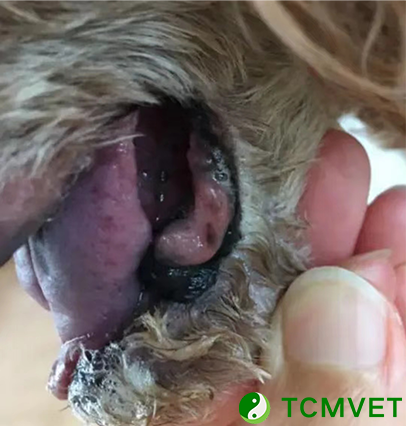
Squamous cell carcinoma (SCC) is a common form of cancer in small animals, especially cats and dogs. This malignant tumor arises from the squamous epithelium, a layer of cells found in various parts of the pet’s body, including the skin, mouth, and other areas exposed to sunlight. Understanding the symptoms and diagnostic procedures for SCC is crucial for pet owners, as early detection can significantly impact treatment outcomes.
Symptoms of Squamous Cell Carcinoma in Pets
SCC can present in multiple forms, depending on its location. Here are some of the common symptoms associated with SCC:
- Skin SCC: Often seen in areas with minimal fur and frequent sun exposure like the ears, nose, and eyelids. Symptoms include raised, crusty, or ulcerated lesions that may bleed.
- Oral SCC: This form is more aggressive and can be challenging to detect early. Symptoms include difficulty eating, drooling, a foul odor from the mouth, visible mass in the mouth, and sometimes bleeding.
- Subungual SCC: This affects the nail beds and toes. Symptoms include swelling, nail loss, and lameness.
Diagnostic Procedures for Squamous Cell Carcinoma
- Physical Examination: A thorough physical examination by a veterinarian is the first step. They will look for masses, ulcers, or lesions on the skin, in the mouth, and around the nail beds.
- Biopsy: A definitive diagnosis of SCC requires a biopsy of the tumor. This procedure involves taking a small tissue sample from the lesion and examining it under a microscope.
- Imaging Tests: X-rays, CT scans, or MRIs might be necessary to determine the extent of the tumor, especially for oral SCC, which can invade bone and surrounding tissues.
- Blood Tests and Other Diagnostics: While blood tests do not diagnose cancer, they can help assess the overall health of the pet and determine if they are fit for surgery or other treatments.
Squamous cell carcinoma in pets can be a serious condition, but with early detection and proper veterinary care, the prognosis can be positive. Pet owners should regularly check their pets for any signs of unusual growths or lesions, especially in sun-exposed areas, and consult their veterinarian if they notice any concerning symptoms. Remember, early detection and prompt treatment are key in managing this type of cancer effectively.
