Personalized Treatment Approaches for Different Types of Tumors in Cats: A New Era of Veterinary Care
Cats, our beloved companions, can suffer from a range of health issues, with tumors being one of the most concerning. The diagnosis of a tumor in a cat is an emotional experience for pet owners, and it often leads to a series of questions: What type of tumor does my cat have? How will it affect their health? What are the best treatment options available?
In recent years, veterinary medicine has advanced in ways that offer hope to cats diagnosed with tumors. One of the most promising developments is the shift toward personalized treatment plans, tailored to the specific type of tumor, the cat’s individual health needs, and the latest medical innovations. This approach is revolutionizing the way we think about cancer care for cats and ensuring that each feline receives the most effective and least invasive treatment possible.
Understanding the Different Types of Tumors in Cats
Tumors in cats can be broadly categorized into two types: benign (non-cancerous) and malignant (cancerous). Benign tumors, though still a cause for concern, typically do not spread to other parts of the body and may only require local treatment. Malignant tumors, on the other hand, have the potential to metastasize, meaning they can spread to distant organs and pose a more serious threat.
Some common types of tumors in cats include:
- Mammary Gland Tumors – These are one of the most frequently diagnosed types of tumors in female cats, particularly those who have not been spayed. While some may be benign, others are malignant and can spread rapidly.
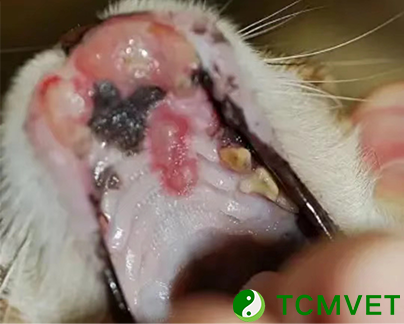
- Squamous Cell Carcinomas – These aggressive tumors often develop on the skin or within the mouth and can cause significant pain and discomfort.
- Lymphomas – Common in older cats, lymphomas affect the lymphatic system and can be either localized or involve multiple organs.
- Fibrosarcomas – These tumors are usually found in the soft tissues and can develop after vaccinations or injury, though the exact cause remains unclear.
Personalized Treatment: Tailoring Therapy to Each Tumor Type
While traditional treatment options for tumors in cats have typically focused on surgery, chemotherapy, and radiation, the personalized approach takes a deeper look at the unique aspects of each case. The goal is to optimize the outcome while minimizing side effects and stress on the cat’s overall health.
1. Mammary Gland Tumors: Hormonal Therapy and Surgery
For female cats, especially those unspayed or later in life, mammary tumors are a significant concern. Treatment often involves surgical removal of the affected mammary glands, but the decision to also spay the cat can have a profound impact on reducing the risk of recurrence. In some cases, hormonal therapy may be considered to inhibit tumor growth.
A personalized approach involves evaluating the tumor’s hormone receptor status. If the tumor is estrogen receptor-positive, hormone therapy can help to slow its progression, offering the cat a longer, healthier life after surgery.
2. Squamous Cell Carcinomas: Targeted Treatments
Squamous cell carcinomas can be extremely aggressive, particularly when located in the mouth or ears. These tumors require quick and effective action. While surgery is often necessary, it may not always be enough, especially if the tumor has invaded deeper tissues.
In recent years, targeted therapies have been gaining popularity. For example, photodynamic therapy (PDT) is used for tumors on the skin, utilizing light to activate drugs that destroy cancer cells without harming surrounding healthy tissue. This is an innovative treatment option that minimizes scarring and recovery time, making it a great personalized solution for cats with superficial squamous cell carcinomas.
Additionally, immunotherapy, which harnesses the cat’s immune system to fight the tumor, is an exciting frontier in cancer treatment and is being explored for more advanced cases.
3. Lymphomas: Chemotherapy and Immunotherapy
Lymphoma in cats can affect different organs, and its treatment often involves a combination of chemotherapy and immunotherapy. Rather than using a one-size-fits-all approach, the choice of chemotherapy drugs is now being fine-tuned based on the specific subtype of lymphoma. Personalized treatments might include CHOP protocol (cyclophosphamide, doxorubicin, vincristine, and prednisone) or L-asparaginase in certain cases.
Immunotherapy is another rapidly developing option for feline lymphoma. By stimulating the cat’s immune system to attack the cancer cells more effectively, immunotherapy has the potential to extend survival times and improve quality of life, especially in cats who cannot tolerate the side effects of traditional chemotherapy.
4. Fibrosarcomas: Surgery and Adjuvant Therapies
Fibrosarcomas can often be managed with surgical removal, but due to their aggressive nature, recurrence is common. The personalized approach here involves precision medicine—genetic testing of the tumor to identify mutations and specific markers that may be driving its growth.
Once the tumor’s genetic makeup is known, therapies such as radiation or adjuvant chemotherapy can be used to reduce the likelihood of recurrence. In some cases, the use of biologic agents like interferon can help to slow the progression of fibrosarcomas and extend the time before the tumor returns.
The Role of the Veterinary Oncologist
Personalized treatment plans for cats with tumors require the expertise of a veterinary oncologist, a specialist who is trained in the latest cancer treatments. These specialists are key in tailoring the treatment to the cat’s specific condition, considering factors such as the tumor’s location, type, and the cat’s overall health and age.
In addition to traditional treatments, many oncologists will incorporate alternative therapies, such as acupuncture or herbal treatments, to help alleviate pain, boost the cat’s immune system, and improve overall well-being during treatment.
The Future of Personalized Cancer Treatment for Cats
As veterinary science continues to advance, the future looks bright for personalized cancer treatment for cats. With an increased understanding of the genetic and molecular basis of cancer, treatment options are becoming more specific, less invasive, and more effective. Furthermore, as new therapies like gene therapy, nanomedicine, and CRISPR technology emerge, the potential to eradicate feline cancer entirely may be within reach.
Until then, the personalized approach offers hope for both cats and their owners, providing the best chance for a healthy, happy life despite the presence of a tumor.
In conclusion, the shift toward personalized treatment for tumors in cats is a game-changer, offering customized care that takes into account the specific needs of each cat and tumor. With targeted therapies, innovative treatments, and expert care, cats diagnosed with tumors can look forward to a future with more treatment options and better outcomes. The future of feline cancer care is not just about fighting the disease; it’s about enhancing the quality of life every step of the way.