Pet Wellbeing Life Gold alternative products are attracting attention from dog owners looking for supportive care during a pet’s cancer journey. While no supplement can replace veterinary diagnosis, surgery, chemotherapy, radiation, or other prescribed treatment, carefully selected nutritional products may help support general wellness, appetite, digestion, and immune function. Choosing among alternatives to Pet Wellbeing Life Gold requires a clear understanding of ingredients, evidence, safety, and your dog’s individual medical needs. In many cases, the best Pet Wellbeing Life Gold alternative is the one that fits your dog’s diagnosis, current medications, and overall condition without adding unnecessary risk.
Pet Wellbeing Life Gold is a liquid herbal supplement marketed for dogs and cats that need additional support during serious illness. Its formula commonly includes botanical ingredients traditionally used to support immune health, circulation, energy, and overall vitality. Many pet owners consider products like this as part of a broader integrative-care plan. A Pet Wellbeing Life Gold alternative may aim to offer some of the same supportive benefits with different ingredients, testing standards, or dosing formats.
However, supplements vary significantly in quality and purpose. Some are designed primarily for immune support, while others focus on antioxidants, digestive health, appetite, or nutritional support. The best choice depends on your dog’s diagnosis, current medications, age, weight, and overall condition. If your dog already has cancer-related discomfort or a visible mass, learning more about Dog Lumps Helpful Guide to Benign Lumps & Tumor Awareness can also help you track changes more carefully while you discuss supportive options with your veterinarian.
It is also important to remember that “natural” does not automatically mean safe. Herbal ingredients can cause side effects or interact with medications, including drugs used in cancer treatment. Even a Pet Wellbeing Life Gold alternative that seems simple at first glance may contain multiple active compounds, so ingredient review matters.
How to Choose a Pet Wellbeing Life Gold Alternative
When comparing a Pet Wellbeing Life Gold alternative, start by looking beyond marketing claims. A reliable supplement should provide a complete ingredient list, serving instructions, product testing information, and clear contact details for the manufacturer. The goal is to find something practical, transparent, and appropriate for your dog rather than something that merely sounds promising online.
Consider the following factors:
Veterinary oversight: Ask your veterinarian or a veterinary oncologist before adding any supplement.
Third-party testing: Independent testing can help verify purity and reduce the risk of contamination.
Appropriate formulation: Choose a product made specifically for dogs rather than using human supplements.
Medication compatibility: Some herbs and antioxidants may affect drug metabolism, blood clotting, or immune activity.
Palatability: A product is only useful if your dog will consistently accept it.
Evidence and quality control: Look for reasonable claims supported by published research or veterinary experience.
The goal should not be to find the strongest product. Instead, look for a well-formulated supplement that complements your veterinarian’s treatment plan without creating unnecessary risks. For practical guidance on monitoring lumps and growths during care, see Dog Lumps Helpful Guide to Benign Lumps & Tumor Awareness.
It can also help to compare products in the same category side by side. A Pet Wellbeing Life Gold alternative may differ from another formula in extraction method, flavoring, concentration, or the presence of extra herbs that do not add meaningful value. When a label includes more than one purpose, ask whether each ingredient truly supports your dog’s situation or simply makes the product look more complete. Thoughtful comparison usually leads to safer decisions.
Common Types of Dog Tumor Supplements in the United States
The market for dog tumor supplements in the United States includes several broad categories. Each has a different role, and none should be considered a cure for cancer. If you are comparing a Pet Wellbeing Life Gold alternative, these categories are often the starting point for discussion with your veterinary team.
Many owners first search for a Pet Wellbeing Life Gold alternative because they want a product that feels practical, easy to give, and aligned with supportive care. That is understandable, but the most useful supplement is usually the one that matches your dog’s specific needs rather than the one with the boldest promise. In many cases, the conversation is less about replacing one product and more about identifying the right support within a complete care plan.
When a cancer diagnosis is new, pet owners often feel pressure to act quickly. A measured approach is usually better. Start with the most pressing concerns first: appetite, hydration, nausea, pain, stool changes, and medication tolerance. Then decide whether a Pet Wellbeing Life Gold alternative belongs in the plan. That order keeps the focus on comfort and function instead of marketing language.
Medicinal mushroom supplements
Mushrooms such as turkey tail, reishi, maitake, and shiitake are frequently included in canine wellness products. Turkey tail is especially well known because compounds called polysaccharopeptides have been studied for immune-related support. Some research has explored turkey tail in dogs with cancer, but results do not mean every mushroom product will have the same effect.
Quality is crucial. Products should identify the mushroom species, use the appropriate portion of the mushroom, and provide information about extraction and testing. Avoid assuming that a culinary mushroom powder offers the same benefits as a standardized veterinary supplement. A careful Pet Wellbeing Life Gold alternative built around mushrooms should also explain how the ingredients were sourced and why the formula was chosen. For many owners, this is the category that feels most comparable to a Pet Wellbeing Life Gold alternative because it is often framed around immune support.
Mushroom-based products are not all interchangeable. Some emphasize beta-glucans, while others combine several fungi with extra herbs, vitamins, or amino acids. If you are considering a Pet Wellbeing Life Gold alternative in this category, ask whether the formula is designed for long-term use, short-term support, or a specific stage of illness. The clearer the purpose, the easier it is to judge whether the product belongs in your dog’s routine.
Omega-3 fatty acids
Fish oil containing EPA and DHA may support skin, joints, and normal inflammatory balance. These fatty acids are sometimes included in nutritional plans for dogs with cancer, particularly when maintaining body condition and appetite is a concern.
Fish oil can cause gastrointestinal upset and may affect blood clotting at higher doses. It should be used carefully in dogs undergoing surgery or taking medications that influence clotting. Choose a purified product designed for pets and follow dosing guidance from your veterinarian. When used appropriately, omega-3s can be one of the more straightforward components in a Pet Wellbeing Life Gold alternative plan. They are also commonly paired with a complete diet rather than used as a stand-alone solution.
Because omega-3 products vary in concentration, reading the label matters. Two bottles may look similar but deliver very different amounts of EPA and DHA per serving. If your veterinarian recommends fish oil as part of a Pet Wellbeing Life Gold alternative strategy, confirm the exact dose so the supplement does not drift from the intended plan.
Antioxidant and nutritional formulas
Some supplements contain vitamins, minerals, amino acids, or antioxidant compounds. These may be useful when a dog has a restricted diet, poor appetite, or increased nutritional needs. However, excessive supplementation can be harmful. High doses of certain vitamins or minerals may interfere with treatment or place stress on the liver and kidneys.
A complete, balanced diet is usually more important than adding numerous individual products. Veterinary nutrition advice can help determine whether your dog needs a calorie-dense diet, appetite support, or a specific nutrient adjustment. In that context, a Pet Wellbeing Life Gold alternative should be viewed as support, not a substitute for good nutrition. If a product adds vitamins without a clear reason, it may do more to complicate the routine than improve it.
Some owners also search for combinations that include antioxidants and immune support in one bottle. That convenience can be appealing, but more ingredients are not automatically better. The more complex the formula, the more important it becomes to verify doses, possible interactions, and the rationale behind each ingredient. A simpler Pet Wellbeing Life Gold alternative is often easier to monitor and adjust if your dog’s condition changes.
Digestive and appetite support
Dogs with cancer may experience nausea, constipation, diarrhea, or reduced appetite. Probiotics, fiber, digestive enzymes, or appetite-support products may help some dogs, but the cause of the problem should be identified first. Appetite loss can result from pain, medication side effects, infection, dehydration, or disease progression.
Treating the underlying issue is more effective than relying only on a supplement. In some cases, supportive care plans may also be informed by common risk patterns such as those discussed in dog cancer causes Important viral tumors infection risks.
Owners researching a Pet Wellbeing Life Gold alternative often discover that digestive support matters as much as immune support. If a dog cannot keep food down or refuses meals, even the most carefully selected supplement will have limited value. That is why appetite, stool quality, and hydration deserve attention alongside the supplement label itself.
Digestive support can also be useful during periods of treatment stress. A dog receiving medication may develop softer stools, gas, or temporary nausea that makes supplement use difficult. In those situations, a product that is gentle on the stomach may be more practical than a heavily concentrated formula. The best Pet Wellbeing Life Gold alternative is the one your dog can actually take consistently.
Safety Concerns and Possible Interactions
Before using alternatives to Pet Wellbeing Life Gold, provide your veterinarian with a list of every product your dog receives. Include prescription medications, over-the-counter products, herbal remedies, vitamins, and treats with added supplements.
Potential concerns include:
Increased bleeding risk before or after surgery
Changes in liver enzyme activity
Reduced or increased medication absorption
Gastrointestinal irritation
Allergic reactions
Excessive sedation or stimulation
Kidney or liver complications
Interference with chemotherapy or radiation protocols
Stop the supplement and contact your veterinarian if your dog develops vomiting, diarrhea, unusual bruising, weakness, breathing changes, swelling, or a sudden decline in appetite. Never delay urgent veterinary care while waiting for a supplement to work.
A cautious Pet Wellbeing Life Gold alternative strategy should always account for the rest of the treatment plan. Even when a product seems mild, stacked ingredients can create hidden risks if your dog is already receiving pain medication, steroids, anti-nausea drugs, or chemotherapy support. If you are unsure, ask for a medication review before introducing anything new.
It is also wise to watch for changes over time rather than assuming a supplement is safe because the first few doses went well. Some reactions develop gradually. A product that seemed fine during week one may become a problem if your dog’s appetite drops, a new drug is added, or blood work changes. Regular check-ins make a Pet Wellbeing Life Gold alternative much safer to use.
Introduce only one new product at a time, using the recommended amount for your dog’s weight unless your veterinarian advises otherwise. Keep a simple record of the product name, ingredients, dose, start date, appetite, stool quality, energy level, and any changes in symptoms.
This record can help you and your veterinary team determine whether the supplement is tolerated or useful. Avoid combining several immune-support formulas, as overlapping ingredients may increase the risk of side effects without providing additional benefit. If you are testing a Pet Wellbeing Life Gold alternative, the diary approach makes it easier to connect cause and effect instead of guessing.
It can be helpful to set a short evaluation window. For example, monitor your dog closely during the first one to two weeks and review appetite, stool consistency, willingness to eat, and overall comfort. If the product does not seem to help, or if it causes new issues, stop it and ask whether a different supportive option would be more appropriate. That habit keeps the supplement plan focused and practical.
Most importantly, use supplements as supportive tools rather than primary cancer treatment. Regular examinations, laboratory monitoring, nutritional assessment, pain control, and communication with a veterinary oncology team remain central to good care.
When comparing a Pet Wellbeing Life Gold alternative, it can also help to review breed-specific risks and early warning signs. For example, owners of small breeds may benefit from reading Maltese Cancer Risks: Essential Early Signs and Common Tumors.
If you are still narrowing options, a practical checklist can help: confirm the ingredient list, verify the product is intended for dogs, ask about third-party testing, and review likely interactions with your veterinarian. That process usually leads to a safer and more effective decision than choosing a supplement based on testimonials alone.
In day-to-day use, consistency matters more than intensity. A Pet Wellbeing Life Gold alternative taken at the right time, in the right amount, and alongside the right medical care is more likely to be helpful than a stronger formula given irregularly. Dogs do best when the routine is simple enough for the whole household to follow.
Making an Informed Choice
The best Pet Wellbeing Life Gold alternative is not necessarily the most expensive or the one with the longest ingredient list. A sensible choice is a transparent, quality-tested product that fits your dog’s diagnosis and treatment plan. Products containing medicinal mushrooms, omega-3 fatty acids, or targeted nutritional support may be considered, but their suitability must be evaluated individually.
For dog owners researching dog tumor supplements in the United States, product quality and professional guidance should take priority over dramatic promises. Reputable educational resources such as the American Veterinary Medical Association’s cancer in pets guidance can also help you discuss options with your veterinarian.
With careful selection and veterinary supervision, supportive supplements may help promote comfort and general wellbeing while your dog receives evidence-based medical care. A thoughtful Pet Wellbeing Life Gold alternative can be part of that plan when it is chosen with safety, transparency, and your dog’s specific needs in mind. If your goal is steady support rather than a dramatic promise, the right Pet Wellbeing Life Gold alternative can fit into a realistic care plan and help you stay focused on what matters most: your dog’s comfort, nutrition, and quality of life.
Before you decide, keep in mind that a Pet Wellbeing Life Gold alternative should complement, not complicate, treatment. Discuss any new product with your veterinarian, especially if your dog has liver disease, kidney disease, bleeding concerns, or is already taking multiple medications. That extra step can make the difference between a helpful addition and an avoidable setback. If you are comparing several products, the safest Pet Wellbeing Life Gold alternative is the one that your veterinarian can review, your dog can tolerate, and your household can use consistently.
In the end, the right choice should support daily comfort, not create confusion. By focusing on ingredient transparency, evidence, safety, and practical use, you can choose a Pet Wellbeing Life Gold alternative that belongs in a responsible care plan rather than a risky experiment.
Energyvet Cytovet alternative products are increasingly discussed by dog owners in the Czech Republic who want supportive nutritional care for a dog with a tumor. While supplements may help maintain appetite, strength, digestion, and general wellbeing, they should never replace veterinary diagnosis or cancer treatment. The most appropriate choice depends on the tumor type, treatment plan, age, weight, medications, and overall health of the dog.
Cancer and its treatment can place significant stress on a dog’s body. Some dogs experience reduced appetite, weight loss, digestive problems, fatigue, or a decline in muscle condition. Surgery, chemotherapy, radiation therapy, and certain medications may increase the need for carefully planned nutrition.
Essential supplements are generally used to support normal body functions rather than to “cure” a tumor. A well-formulated product may help provide omega-3 fatty acids, antioxidants, vitamins, minerals, digestive support, or extra calories. However, more is not always better. Some compounds can interfere with chemotherapy, affect blood clotting, or place additional strain on the liver and kidneys.
Before introducing any supplement, discuss it with a veterinarian—ideally one experienced in veterinary oncology. For background reading on evidence-based cancer care, the American Veterinary Medical Association’s cancer in pets guide is a useful starting point. When owners ask for an Energyvet Cytovet alternative, the safest conversation starts with the dog’s diagnosis, current medication list, and nutritional status.
Energyvet Cytovet alternative: what to look for
When comparing an Energyvet Cytovet alternative, dog owners should focus on ingredients, safety, quality control, and suitability for the individual animal rather than relying only on brand claims. A practical supplement should have clear labeling, dosage instructions, batch information, and transparent ingredient quantities.
Important considerations include:
Whether the product is intended for dogs
The dog’s current medication and treatment schedule
Possible effects on blood clotting or immune activity
The presence of unnecessary sweeteners, flavorings, or stimulants
Manufacturing standards and product testing
Advice from a veterinarian familiar with the dog’s case
Products marketed as immune boosters or natural cancer remedies can vary greatly in quality. “Natural” does not automatically mean safe, and supplements containing multiple herbs may be difficult to evaluate when a dog is taking prescription medication.
In practice, the best Energyvet Cytovet alternative is usually the one that fits the dog’s treatment plan with the fewest unnecessary ingredients. A simple formula is often easier to monitor than a broad blend with many overlapping claims.
Omega-3 fatty acids for nutritional support
Fish oil is one of the most commonly considered supplements for dogs with cancer. It provides EPA and DHA, two omega-3 fatty acids that support normal inflammatory regulation and may help maintain skin, coat, and general nutritional condition. Omega-3s can also be useful when a dog’s diet needs additional fat and calories.
A veterinary professional should help determine the correct dose because fish oil supplements differ considerably in concentration. Excessive amounts may cause diarrhea, weight gain, or an increased risk of bleeding, particularly in dogs receiving anticoagulant medication or preparing for surgery. Choose a product designed for pets, stored properly, and tested for contaminants such as heavy metals.
For dogs in oncology care, omega-3s are often discussed as part of a broader Energyvet Cytovet alternative plan rather than as a standalone solution. The phrase Energyvet Cytovet alternative may sound like a single product category, but in real life it usually means matching the supplement to the dog’s current needs.
High-quality protein and calorie support
Maintaining body weight and muscle is often more important than adding a long list of supplements. Dogs with cancer may benefit from a highly digestible diet containing sufficient animal-based protein and appropriate calories. If appetite is poor, smaller meals served more frequently can be easier to tolerate.
Some dogs need a therapeutic veterinary diet, while others may require an individualized feeding plan. A veterinary nutritionist can help balance protein, fat, fiber, and calories according to the tumor type and the condition of the liver, kidneys, and digestive system.
Calorie-dense nutritional pastes or recovery foods may be useful for short-term support, but they should not replace a complete diet unless specifically formulated for that purpose. In many cases, this kind of nutrition support is more valuable than adding another Energyvet Cytovet alternative capsule or powder. If the dog is losing weight, a focused feeding strategy may matter more than trying several supplements at once.
Antioxidants, vitamins, and minerals
Antioxidants are often included in supplements promoted as alternatives to Energyvet Cytovet. These may include vitamins C and E, selenium, zinc, or plant-derived compounds. Their use requires particular caution during chemotherapy and radiation therapy because some cancer treatments rely partly on oxidative mechanisms.
This does not mean antioxidants are always inappropriate. It means timing, dose, and treatment type matter. A veterinarian should review the complete ingredient list before a supplement is given. Avoid combining several multivitamins or herbal blends, since overlapping ingredients can lead to excessive intake.
Vitamin deficiencies should ideally be confirmed or suspected based on clinical assessment rather than treated with high doses without guidance. Careful review is especially important when choosing an Energyvet Cytovet alternative for a dog already receiving prescriptions. The same caution applies to any Energyvet Cytovet alternative that combines vitamins with herbs or mushroom extracts in one formula.
Medicinal mushrooms and herbal ingredients
Mushroom extracts such as beta-glucan products are sometimes used in canine supportive care. Certain extracts may support normal immune function, but evidence in dogs with specific cancers remains limited and product quality varies. Herbal ingredients, including turmeric, milk thistle, or medicinal plant blends, may also be promoted for liver or inflammatory support.
These ingredients can interact with medication or affect digestion, liver enzymes, blood pressure, and clotting. A supplement containing several herbs may be particularly difficult to assess. Always provide the veterinarian with the exact product label, including the concentration and recommended dosage.
Because of these uncertainties, some owners prefer to avoid a complex herbal Energyvet Cytovet alternative and instead use a simpler nutrition-focused approach. That approach may be easier to adjust if the dog’s appetite, stool quality, or treatment plan changes.
Alternatives to Energyvet Cytovet: choosing responsibly
The best alternatives to Energyvet Cytovet are not necessarily the products with the strongest marketing language. A responsible choice is one that addresses a clearly identified need, such as inadequate calorie intake, low omega-3 consumption, digestive sensitivity, or a documented nutritional deficiency.
For many dogs, the most useful supportive plan may include:
A complete, highly digestible diet
Adequate water intake and appetite monitoring
A veterinary-approved omega-3 supplement when appropriate
Targeted digestive or calorie support
Regular weight and muscle-condition checks
Careful coordination with cancer treatment
Owners should introduce only one new product at a time. This makes it easier to identify side effects such as vomiting, diarrhea, itching, lethargy, or appetite changes.
If you are comparing several options, choose the Energyvet Cytovet alternative that best matches the dog’s clinical needs rather than the most aggressive claims. In practical terms, the right Energyvet Cytovet alternative is usually the one that supports the dog without creating extra risk or confusion.
Dog tumor supplements Czech Republic: practical buying advice
When searching for dog tumor supplements Czech Republic pet owners should check whether a product is legally marketed for animals, clearly labeled in Czech or another understandable language, and supplied by a reputable veterinary pharmacy or established manufacturer. Online availability alone does not guarantee quality.
Look for a complete ingredient list, serving size, storage instructions, expiry date, and contact information for the manufacturer. Be cautious with products promising to dissolve tumors, replace chemotherapy, or guarantee a cure. Such claims are not consistent with responsible veterinary care.
Czech dog owners may also ask their veterinarian about veterinary diets, fish oil preparations, recovery nutrition, probiotics, or individually selected supplements available through local clinics and pharmacies. The safest plan is usually one coordinated with the treating veterinary team and tailored to the dog’s specific situation.
For local readers who want to verify sourcing and labeling standards, the State Institute for Drug Control in the Czech Republic is a relevant official reference for regulated products and safety information. When checking a possible Energyvet Cytovet alternative, it helps to confirm that the product source is transparent and the claims are realistic.
Monitoring the dog at home
Supportive care works best when changes are tracked. Record appetite, water intake, stool quality, vomiting, activity, breathing, pain signs, and body weight. A weekly weight check can reveal gradual loss before it becomes severe.
Contact a veterinarian promptly if the dog stops eating, vomits repeatedly, develops persistent diarrhea, has difficulty breathing, shows marked weakness, experiences uncontrolled pain, or loses weight quickly. Supplements cannot correct complications such as dehydration, infection, intestinal obstruction, or treatment-related toxicity.
A thoughtful supplement plan should complement proven veterinary care, not compete with it. With professional guidance, carefully selected nutrition and supportive products may help a dog maintain comfort, strength, and quality of life throughout diagnosis and treatment. For many families, the right Energyvet Cytovet alternative is simply the one that is safest, simplest, and easiest to monitor. If the plan stays focused on the dog’s needs, an Energyvet Cytovet alternative can be part of a practical and humane supportive-care routine.
Dog Tumour Supplements can provide supportive nutrition for some dogs, but they should never replace veterinary diagnosis or cancer treatment. A tumour may be benign or malignant, and different cancers respond differently to diet, medication, surgery, chemotherapy, and other therapies. Before adding any supplement, speak with your veterinarian—ideally a veterinary oncologist—to check whether it is appropriate for your dog’s condition, current medication, appetite, liver function, and kidney health.
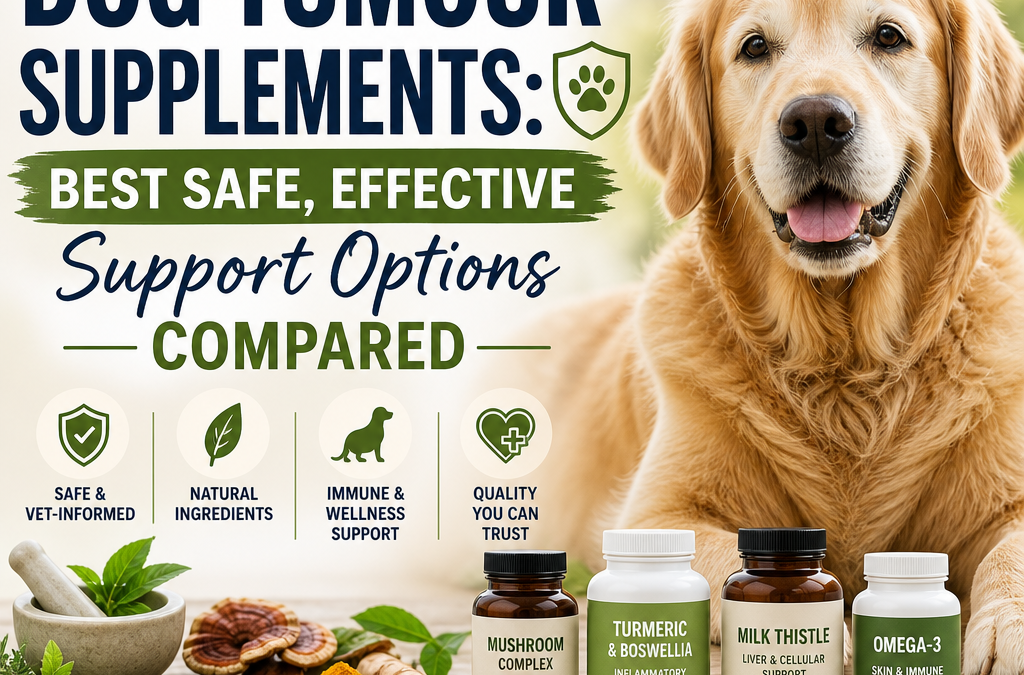
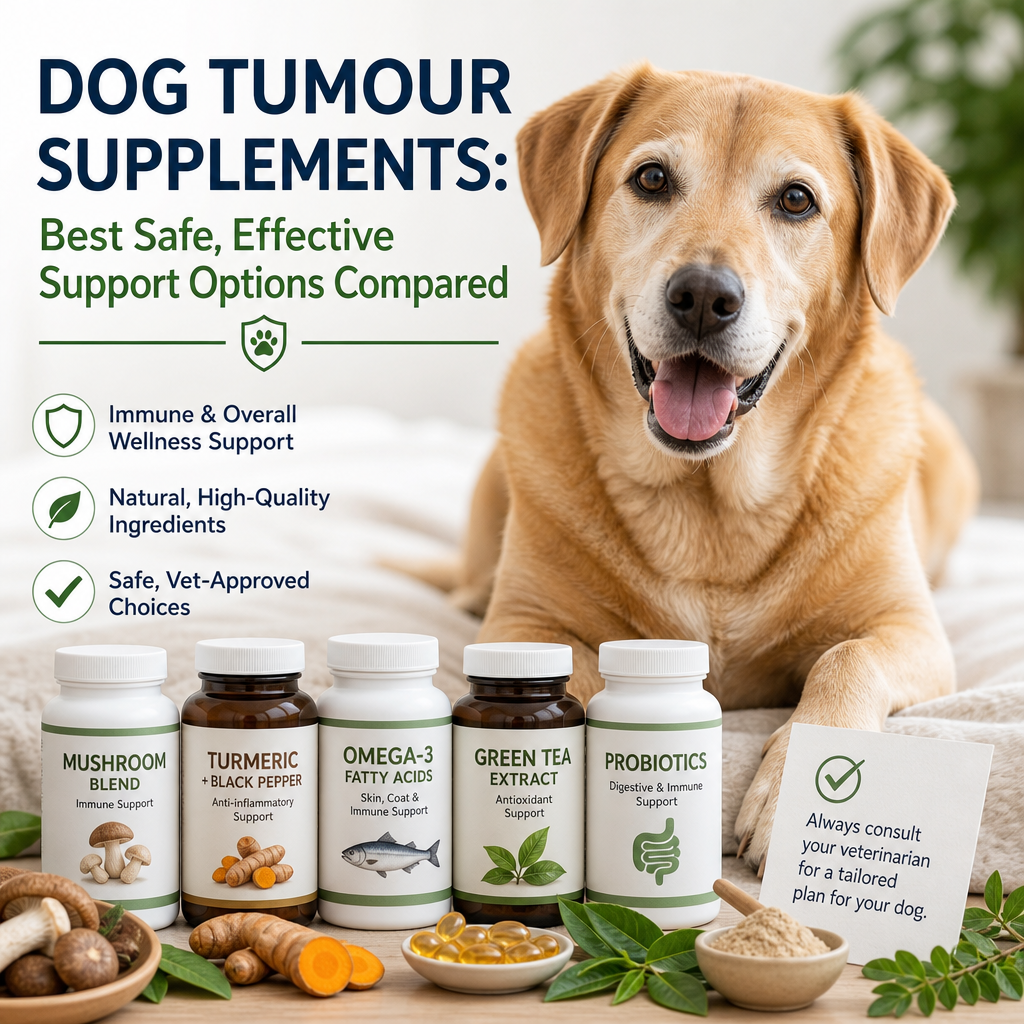
Dog Tumour Supplements are products intended to support general health during or after a cancer diagnosis. They may contain omega-3 fatty acids, medicinal mushrooms, antioxidants, vitamins, minerals, digestive support ingredients, or herbal compounds. Their purpose is usually to help maintain body condition, support normal immune function, promote appetite or digestion, and improve overall wellbeing.
However, supplements do not “cure” cancer. Claims that a product can dissolve tumours, replace chemotherapy, or guarantee remission should be treated with caution. A reputable supplement should be presented as supportive care, with clear ingredient quantities, appropriate dosing guidance, quality testing, and realistic claims.
When pet owners compare dog tumour supplements, the most important question is not which product sounds strongest on the label, but which one is safest and most appropriate for the dog’s diagnosis and treatment plan. In many cases, the best choice is a simple formula with transparent ingredients rather than a complex blend with vague marketing language.
For dogs already receiving treatment, dog tumour supplements should be considered part of a broader care plan that includes nutrition, pain control, monitoring, and follow-up visits. That makes the decision less about trends and more about what fits the individual patient.
The most useful dog tumour support supplement categories
Not every product marketed as a cancer aid is actually helpful. A careful comparison should focus on ingredients that may support comfort, appetite, inflammation control, or nutritional status without adding unnecessary risks. The following categories are the most commonly discussed in dog tumour supplements.
Many owners begin with a broad search for dog tumour supplements, then narrow the choices after learning which ingredients have the most practical value. That approach helps avoid unnecessary spending on products that sound impressive but offer little usable information.
Omega-3 fatty acids
Marine omega-3 fatty acids, particularly EPA and DHA, are among the better-studied nutritional options for dogs with cancer. They may help support a healthy inflammatory response and can contribute to skin, coat, cardiovascular, and joint health. Some veterinary diets designed for cancer support include increased levels of omega-3 fatty acids.
Fish oil is the most common source, although products vary considerably in purity and concentration. Choose a supplement that lists the actual amount of EPA and DHA rather than simply stating the total amount of fish oil. Veterinary guidance is especially important for dogs with pancreatitis, bleeding disorders, planned surgery, or those taking anticoagulant medication.
Possible side effects include loose stools, vomiting, fishy odour, and excess calories. Poor-quality oils may also be oxidised or contaminated, so third-party testing is valuable. If you are comparing dog tumour supplements for a dog with a sensitive stomach, omega-3 products often deserve a closer look because the form, dose, and freshness can make a real difference.
For broader background on how these fats are assessed in pet nutrition, the Tufts Clinical Nutrition Service offers helpful educational resources for pet owners.
Medicinal mushrooms
Mushrooms such as turkey tail, shiitake, maitake, and reishi are used in some supplements for dogs with tumours. Turkey tail has attracted particular interest because of research into compounds called polysaccharopeptides, including PSP and PSK. Early research suggests potential immune-related benefits, but evidence in dogs remains limited and does not establish mushrooms as a standalone cancer treatment.
Product quality is critical. A mushroom powder made from the whole fruiting body may differ substantially from an extract, and labels should identify the mushroom species and extraction method. Dogs with autoimmune disease, liver problems, or those receiving immune-modulating drugs may require extra caution. Some mushrooms can also interact with medications.
When considering dog tumour supplements in this category, it is wise to ask whether the formula provides meaningful quantities or only a small “fairy dust” blend. A single well-characterised mushroom ingredient is often easier to evaluate than a long proprietary mixture.
Some pet owners are drawn to mushroom products because they appear natural and gentle, but dog tumour supplements still need the same careful label review as any other health product. Natural origin does not remove the need for evidence, dose clarity, or veterinary oversight.
Antioxidant vitamins and minerals
Vitamins E and C, selenium, and other antioxidants are frequently included in canine cancer supplements. These nutrients are essential in appropriate amounts, but more is not necessarily better. High doses can cause harm, and the effects of concentrated antioxidants during chemotherapy or radiation therapy are not fully settled.
Some oncologists recommend avoiding high-dose antioxidant products during particular treatments because certain therapies may partly rely on oxidative damage to abnormal cells. Other clinicians may approve carefully selected nutritional support. The timing, dose, and treatment protocol matter, so always coordinate antioxidant use with the veterinary cancer team.
This is one reason dog tumour supplements should be reviewed alongside the full treatment plan rather than purchased in isolation. A product that seems harmless on its own may not be suitable during a specific phase of therapy.
In practice, the safest dog tumour supplements are often those that provide moderate, clearly listed amounts rather than extreme megadoses. That gives the veterinary team room to individualise care without guessing what is hidden in a proprietary blend.
Digestive and appetite support
Cancer, stress, medication, and treatment can all affect appetite and digestion. Probiotics, prebiotics, fibre, and digestive enzymes may be useful in selected cases, especially when a dog has changes in stool quality or is taking antibiotics. Their value depends on the underlying problem, and they should not delay investigation of persistent vomiting, diarrhoea, weight loss, or refusal to eat.
A highly palatable, complete veterinary diet may be more beneficial than adding several separate products. Maintaining calorie and protein intake is often a central part of supportive care, particularly when a dog is losing muscle or struggling to eat. In practice, the most effective dog tumour supplements are often the ones that help the dog keep eating consistently.
Owners comparing dog tumour supplements should also think about practicality. A product that smells strong, requires many capsules, or causes stomach upset may be less useful than a simpler option that the dog will actually take every day.
Supplements for dogs with tumours: safety comes first
Natural does not automatically mean safe. Herbal ingredients can alter liver enzymes, affect blood clotting, change blood pressure, or interfere with prescription medicines. This is particularly important if a dog is receiving chemotherapy, steroids, non-steroidal anti-inflammatory drugs, seizure medication, or medication for heart disease.
Avoid products containing unknown proprietary blends, excessive doses of fat-soluble vitamins, xylitol, garlic, onion, or other ingredients toxic to dogs. Human supplements are not automatically suitable because they may contain unsafe additives or inappropriate concentrations.
Introduce only one new product at a time, using the veterinarian’s recommended dose. Monitor for vomiting, diarrhoea, lethargy, itching, changes in thirst, bleeding, or worsening appetite. Stop the supplement and contact the veterinary practice if concerning signs develop.
Safety checks matter just as much as ingredient quality when evaluating dog tumour supplements. A product that is well formulated but poorly matched to your dog’s health status can still cause problems.
It also helps to bring the bottle or label to the clinic. That allows your veterinarian to review the ingredient list in the context of diagnosis, current laboratory work, and any prescription medicines already in use.
How to compare a dog tumour support supplement
A sensible comparison should focus on evidence, safety, and transparency rather than marketing language. Look for:
A complete ingredient list with exact quantities
Clear dosing instructions based on body weight
Batch or third-party quality testing
Contact details for the manufacturer
Veterinary or nutritional expertise behind the formulation
No claims that the product cures or eliminates cancer
Appropriate storage instructions and expiry information
It is also worth checking whether the product is designed for dogs rather than adapted from a human formula. Supplements should complement a balanced diet, not replace it.
If you are comparing dog tumour supplements side by side, ask a simple question: would you be comfortable using this product if your dog were already taking several medications? If the label does not make that easy to answer, it may not be the right choice.
Another useful step is to compare the supplement against your dog’s real needs. A dog that is losing weight may need calorie support more than a large antioxidant formula, while a dog with poor stool quality may benefit more from digestive support than from a mushroom blend.
When owners take time to compare dog tumour supplements carefully, they are more likely to select a product that fits the treatment plan and less likely to buy something that sounds promising but adds confusion.
Diet and lifestyle remain fundamental
The most effective supportive plan is usually broader than a single supplement. Regular veterinary reviews can monitor tumour progression, pain, weight, hydration, blood results, and treatment response. A complete and palatable diet, adequate water intake, gentle exercise where tolerated, comfortable bedding, dental care, and stress reduction can all contribute to quality of life.
Do not make extreme dietary changes without professional advice. Raw diets may increase infection risks, particularly in dogs whose immune systems are affected by cancer or treatment. Very low-carbohydrate or high-fat diets may also be unsuitable for dogs with pancreatitis, digestive disease, or other medical conditions.
In many cases, dog tumour supplements work best when they are part of a simple, sustainable routine that supports hydration, eating, and comfort. That approach is usually more useful than chasing aggressive claims or stacking multiple products at once.
Nutrition decisions should stay flexible. A dog that tolerates one supplement well today may need a different plan later if appetite changes, medications are adjusted, or lab work shows a new concern. That is another reason to keep dog tumour supplements under active veterinary review instead of assuming the original choice will always remain the best one.
A practical approach for pet owners
Start by identifying the main goal: maintaining weight, supporting digestion, managing inflammation, or improving general nutritional intake. Ask the veterinarian whether a supplement is suitable for the specific tumour and treatment plan. Review the complete ingredient label and provide a full list of every medication, treat, vitamin, and herbal product your dog receives.
Keep a simple record of appetite, body weight, stool quality, energy, and any side effects. This helps the veterinary team determine whether the supplement is genuinely useful. In many cases, one carefully selected product is safer and easier to assess than a combination of several overlapping formulas.
Used responsibly, dog tumour supplements may offer supportive benefits as part of an individualised care plan. Their role is to complement evidence-based veterinary treatment, good nutrition, and close monitoring—not to replace them.
For dogs already undergoing cancer care, the safest results usually come from coordinated decision-making. If you are unsure whether dog tumour supplements belong in your dog’s plan, ask your veterinary team to help you compare the options based on diagnosis, treatment stage, and current medications.
Dog Tumour Supplements are best viewed as support tools, not miracle solutions. With the right guidance, they can fit into a thoughtful plan that prioritises safety, comfort, and quality of life.
When in doubt, choose the simplest option with the clearest label, then reassess after a short trial period with your veterinary team. That method keeps the focus on your dog’s wellbeing and makes it easier to tell whether a product is truly helping.
For general disease risk and early warning signs in different breeds, you may also find this guide to Poodle cancer risks and early tumour signs useful when discussing broader prevention and monitoring with your vet.
Reputable owners often combine a careful supplement review with regular check-ins, weight monitoring, and symptom tracking. That practical routine is usually more valuable than any single product promise, especially when the goal is long-term comfort and stability.
Before making changes, it can help to write down the exact product name, dose, and reason for use. This makes it easier to assess whether the supplement is helping and reduces the chance of accidental duplication if another clinician adds medication later.
If your dog’s appetite is still poor despite supportive care, ask whether the issue is nausea, pain, constipation, anxiety, or treatment side effects. Correcting the underlying cause often does more than adding another supplement to the regimen.
In the end, thoughtful use of dog tumour supplements is about precision, not quantity. The best choice is the one that is easy to explain, easy to monitor, and genuinely compatible with your dog’s medical plan.