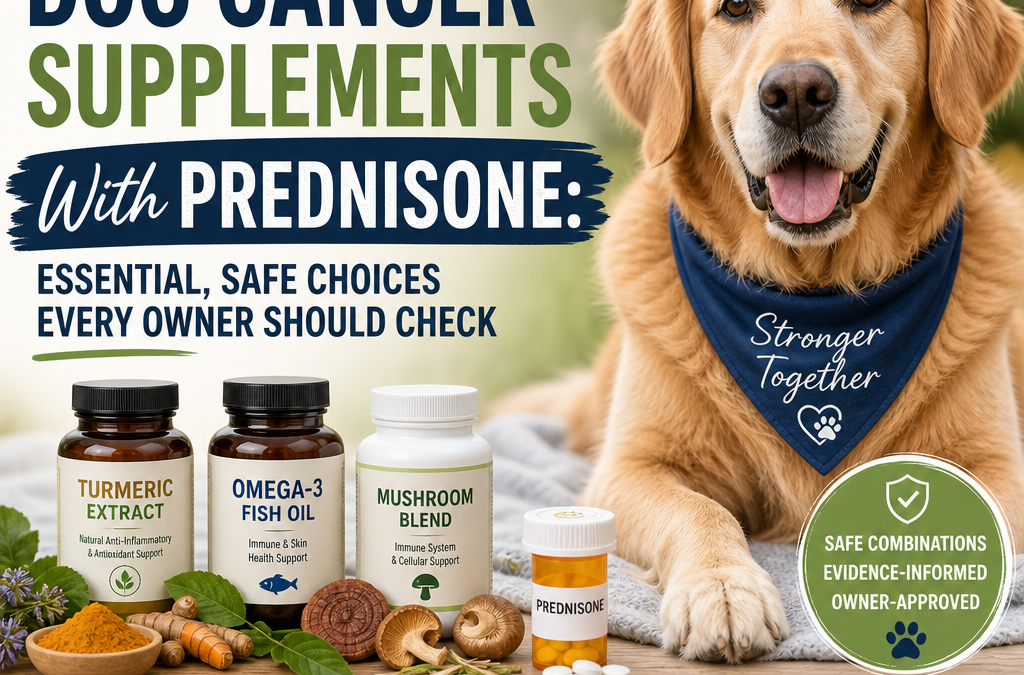
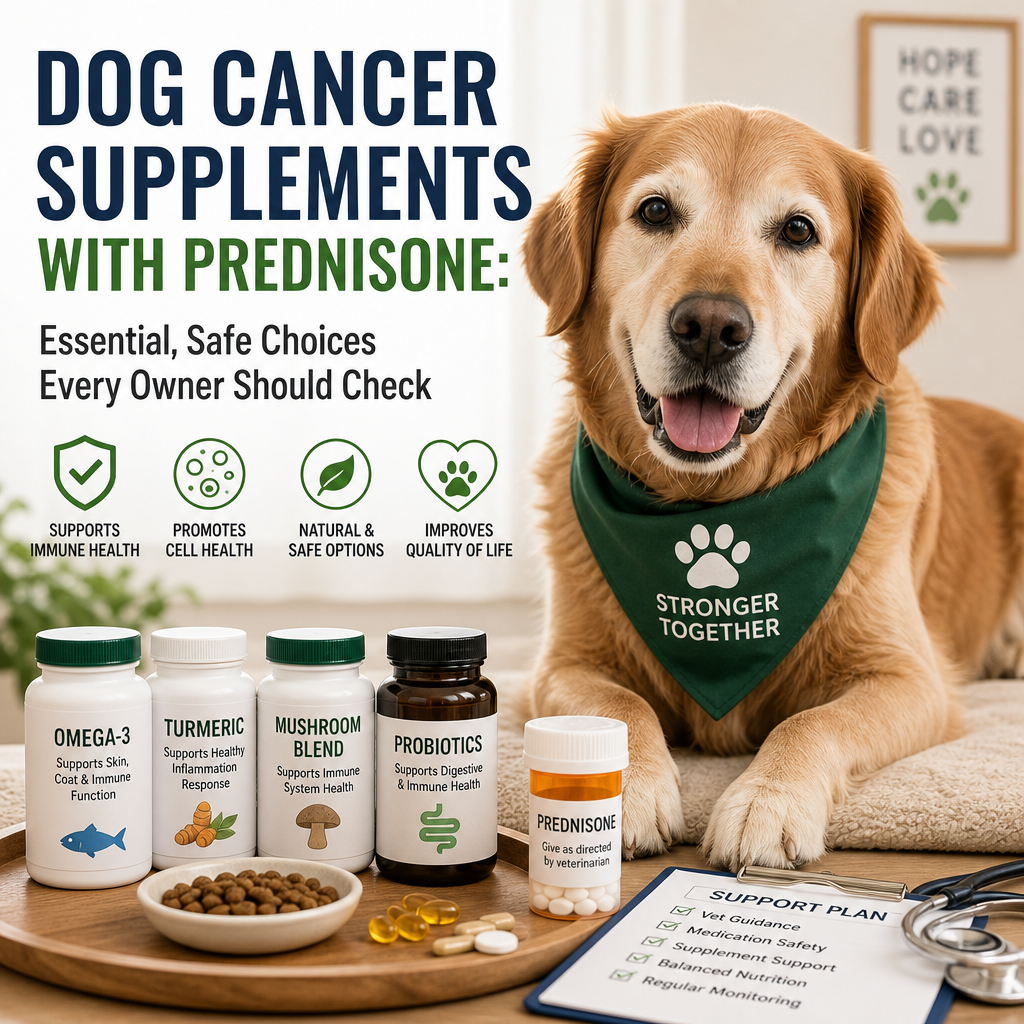
Dog Cancer Supplements With Prednisone can be part of a carefully managed supportive-care plan, but they should never be added casually. Prednisone is a powerful corticosteroid used in veterinary oncology to reduce inflammation, improve appetite, control certain immune reactions, and help manage symptoms associated with some cancers. Because it can affect the immune system, stomach, liver, blood sugar, and fluid balance, every supplement should be reviewed by a veterinarian before use.
The right approach is not to search for a universal “cancer supplement.” Instead, owners should consider the dog’s diagnosis, current medications, bloodwork, appetite, digestion, and treatment goals. A supplement that is reasonable for one dog may be inappropriate for another, especially when prednisone or chemotherapy is involved.
Prednisone may be prescribed alone for palliative care or alongside chemotherapy and other medications. It can reduce swelling and inflammation, relieve discomfort caused by pressure or tissue irritation, and stimulate appetite. In some cancers, including lymphoma and mast cell tumours, corticosteroids may also temporarily reduce cancer-related symptoms.
However, prednisone commonly causes increased thirst, urination, hunger, panting, restlessness, and muscle weakness. Longer courses may increase the risk of infections, gastrointestinal irritation, diabetes, liver changes, and delayed wound healing. These effects are important when considering dog cancer supplements with prednisone and when deciding whether a product is truly helpful or simply adding risk.
Prednisone should also never be stopped suddenly unless the prescribing veterinarian provides a specific tapering plan. The body may need time to resume normal cortisol production after steroid treatment.
Another reason to proceed carefully is that steroid therapy can change how a dog behaves and eats. A dog may seem more energetic because discomfort has improved, or it may appear hungrier because prednisone increases appetite. Neither of those changes guarantees that the underlying cancer is controlled, so supplements should be judged by safety and usefulness rather than by short-term appetite alone.
Veterinarians often look at the whole treatment picture before making recommendations. That includes the type of cancer, whether surgery has already been performed, whether radiation or chemotherapy is planned, and whether the dog has other health concerns such as diabetes, kidney disease, pancreatitis, or liver disease. The same cautious approach applies to dog cancer supplements with prednisone, because the most appropriate product for one patient may be the wrong choice for another.
Dog Cancer Supplements With Prednisone: what may be considered
Some supplements may support general nutrition or help manage specific concerns, but evidence varies widely. The following categories are commonly discussed with veterinary professionals when planning dog cancer supplements with prednisone.
It is helpful to think of supplements as tools for a specific need: preserving body condition, easing digestion, supporting mobility, or filling a documented nutritional gap. If a product does not have a clear purpose, it is usually not worth adding during cancer treatment.
Omega-3 fatty acids
Fish oil containing EPA and DHA may support skin health, inflammatory balance, and overall nutritional care. Some veterinary cancer specialists use omega-3 fatty acids as part of a broader diet plan, particularly when maintaining body condition and muscle mass is a priority.
Quality matters. Choose a product made for pets or one that has been independently tested for purity and heavy metals. Fish oil can cause stomach upset, loose stools, or pancreatitis in susceptible dogs, and it may affect blood clotting at high doses. The veterinarian should calculate the dose based on the dog’s weight and health status.
For dogs already taking prednisone, it is especially important to watch for digestive changes after starting fish oil. If vomiting or diarrhea appears, the dose may be too high or the product may not be a good match. Some dogs tolerate omega-3s well with food, while others need a much smaller amount or a different formulation.
Veterinary multivitamins
A balanced commercial dog food usually provides essential vitamins and minerals, so a multivitamin is not automatically necessary. In fact, adding high levels of certain nutrients can create problems, especially in dogs with liver or kidney disease.
A veterinary-formulated product may be considered when a dog is eating a restricted diet, has a documented deficiency, or needs nutritional support during treatment. Owners should avoid human multivitamins, which may contain excessive doses of vitamin D, iron, or other ingredients that are dangerous to dogs. For practical product comparison, see natural supplement benefits Essential, Helpful Support.
If a clinician recommends a vitamin product, it should usually be tied to a measurable reason rather than used as a general “immune booster.” That makes it easier to monitor results and avoid duplicate nutrient exposure from food, treats, and other supplements.
Probiotics and digestive support
Prednisone, chemotherapy, stress, dietary changes, and antibiotics can all affect digestion. A veterinary probiotic may help some dogs maintain more consistent stools, although results differ between individuals. Select products that identify specific strains and provide clear storage and dosing instructions.
Probiotics should be used cautiously in dogs with severely compromised immune systems. A dog with persistent vomiting, bloody diarrhea, fever, or significant weakness needs veterinary attention rather than supplement-based treatment.
Digestive support can also include practical feeding changes. Smaller meals, more frequent feeding, and improved hydration may do more than a complicated supplement regimen. When prednisone is increasing appetite but stools are still loose, the veterinarian may suggest a simpler diet instead of adding multiple digestive products.
Antioxidant products
Antioxidants are often marketed for dogs with cancer, but their use during chemotherapy or radiation requires particular care. Some cancer treatments work partly through oxidative damage to tumour cells. Large amounts of antioxidant supplements could theoretically interfere with treatment, although the degree of risk depends on the substance, dose, and therapy.
This does not mean every antioxidant is unsafe. It means products containing concentrated vitamins C or E, selenium, coenzyme Q10, or multiple herbal extracts should be reviewed by the veterinary oncology team before they are started. You can also review the National Cancer Institute’s overview of antioxidants and cancer treatment at the National Cancer Institute.
Because the evidence is mixed, owners should be cautious about assuming an antioxidant is automatically “supportive.” Some dogs may benefit from carefully selected nutrition-based support, while others may do better without additional supplementation until treatment is complete.
Joint and mobility support
Some dogs with cancer are older, weaker, or less active because of pain, inflammation, or muscle loss. In those cases, a veterinarian may discuss joint-support ingredients such as glucosamine or green-lipped mussel. These products are not cancer treatments, but they may help comfort and mobility when used appropriately.
That said, mobility supplements should still be checked carefully when prednisone is part of the plan. They should not duplicate other medications, and they should not delay proper pain control or palliative care.
Loss of muscle is one of the biggest quality-of-life concerns in canine cancer care. If a dog is becoming stiff, slowing down, or having trouble getting up, the answer may involve physical support, weight management, adjusted exercise, or pain medication review rather than a long list of products. The best dog cancer supplements with prednisone are the ones that fit a real need.
Digestive soothing ingredients
Dogs on steroids may experience appetite changes, stomach irritation, or loose stools. In some cases, a veterinarian may suggest fiber support, a bland diet adjustment, or a carefully selected digestive product to help keep stools consistent. The goal is to reduce GI upset without masking signs of a more serious problem.
If a dog is vomiting repeatedly, passing black stool, or refusing food, do not keep testing supplements at home. Those symptoms can indicate ulceration, pancreatitis, or another urgent issue.
Some owners look for “stomach friendly” powders, chewables, or herbal blends, but these products can still irritate a sensitive dog. The most practical option is often the simplest one: a product with a short ingredient list, a clear label, and a known purpose.
Choosing safe support based on the dog’s main need
When reviewing dog cancer supplements with prednisone, it helps to match the product to the dog’s primary issue rather than to the diagnosis alone. This keeps the plan focused and prevents unnecessary overlap.
If the dog is losing weight, the priority may be calories, protein, and palatability. If stools are inconsistent, digestive support may matter more. If the dog is uncomfortable getting up or going for short walks, joint support and pain control may be more relevant than vitamins. Supportive care works best when it solves a real problem.
Owners can ask a simple question before purchasing any product: “What is this supposed to improve, and how will we know if it is helping?” If there is no clear answer, it may be better to leave it out.
This approach also makes it easier for the veterinary team to interpret bloodwork and side effects. Too many products can blur the picture and make it difficult to know whether prednisone, the cancer, or a supplement is causing a new symptom.
Supplements for dogs with mast cell tumours
Mast cell tumours release histamine and other substances that can cause swelling, itching, stomach irritation, vomiting, diarrhea, or even severe allergic-type reactions. Prednisone is sometimes used to reduce inflammation and tumour-associated symptoms, while antihistamines and stomach-protective medications may also be prescribed.
When considering mast cell tumour prednisone supplements, the priority should be symptom control and treatment compatibility. Supplements cannot replace surgery, oncology care, antihistamines, or prescribed stomach protection. Ingredients that affect histamine release, blood clotting, or immune activity may be unpredictable in an individual dog.
Some owners ask about turmeric, medicinal mushrooms, milk thistle, or cannabidiol products. These substances may have potential uses, but evidence and product quality vary considerably. They can also interact with medications or cause liver and gastrointestinal problems. A veterinarian should evaluate the complete ingredient list rather than relying on a product’s cancer-related marketing claims. If you are comparing mycotherapy-related support, the article Best Treatment for Lymphoma in Dogs: Integrating Conventional and Herbal Approaches with TCMVET Baituxiao may help you understand the broader category.
Mast cell disease is one situation where caution matters even more than usual. Because these tumours can be associated with unpredictable mediator release, a supplement that seems harmless in general use may still be a poor choice in a specific patient. In these cases, dog cancer supplements with prednisone should be chosen only after the oncology team has reviewed the dog’s current prescription plan.
Supplements with steroids dog cancer patients should avoid without guidance
Certain products deserve extra caution when a dog is taking prednisone:
Herbal blends with many undisclosed or concentrated ingredients
High-dose vitamin and mineral products
Human pain supplements or combination products
Garlic-based products, which may harm dogs in sufficient amounts
Supplements that increase bleeding risk, especially before surgery
Products containing xylitol, which is highly toxic to dogs
Unregulated cannabidiol or mushroom products with uncertain concentrations
Calcium or vitamin D products given without laboratory testing
Appetite stimulants or immune boosters that duplicate prescribed effects
“Natural” does not mean risk-free. Herbs can affect liver enzymes, blood pressure, clotting, sedation, or the absorption of prescription medicines. A supplement should be treated like a medication, with a clear reason for use and a defined monitoring plan.
Owners should also be careful with products that promise to “support immunity” in a broad way. In many cancer patients, immune stimulation is not the goal, and some ingredients may complicate treatment or make side effects harder to interpret. When in doubt, the safest answer is to pause and ask the veterinarian before starting dog cancer supplements with prednisone.
When to ask for a medication review
Owners should ask the veterinary team for a supplement review before starting any new product, especially if the dog has a history of pancreatitis, liver disease, diabetes, kidney disease, bleeding problems, or recent surgery. This is also important if the dog is receiving chemotherapy, pain medication, stomach protectants, or immune-modulating drugs.
In many cases, the safest choice is to simplify rather than add more products. Fewer ingredients usually make it easier to detect side effects and avoid conflicts with prednisone.
A good medication review should include every chew, capsule, powder, liquid, and treat used for health purposes. Even a small daily product can matter if it contains overlapping ingredients or a substance that changes how a drug is absorbed. That is one more reason dog cancer supplements with prednisone should be selected carefully and tracked clearly.
How to use supplements more safely
Before introducing any product, provide the veterinarian with the dog’s complete medication and supplement list. Include the brand, ingredients, concentration, serving size, and intended daily amount. It is usually best to introduce only one new product at a time, beginning at the recommended dose and observing for changes.
Watch for vomiting, diarrhea, appetite loss, unusual thirst, worsening panting, weakness, bruising, black stools, yellowing of the gums, or signs of infection. These symptoms may be caused by prednisone, the cancer itself, another medication, or the supplement, so prompt veterinary advice is important.
Regular blood and urine testing may be recommended during prolonged prednisone use or cancer treatment. Monitoring can help detect liver changes, blood sugar problems, infection, anemia, and kidney concerns before they become severe.
It can also help to keep a simple home log. Note appetite, water intake, bowel movements, energy level, and any new symptoms. That record gives the veterinarian a clearer picture of how the dog is responding to dog cancer supplements with prednisone and whether a change is needed.
If a supplement is started and the dog becomes more tired, more nauseous, or less interested in food, do not assume the cancer has suddenly worsened. A new product may be the cause, or it may be interacting with prednisone or another prescribed medicine. Stopping and reporting the change promptly can prevent a minor problem from becoming a major one.
Practical checklist before starting a supplement
Confirm the diagnosis and current treatment plan
Ask whether the dog is on chemotherapy, pain medication, or stomach protection
Review bloodwork for liver, kidney, glucose, and platelet concerns
Check whether the product duplicates another ingredient already being used
Start only one new product at a time
Track changes for appetite, stools, energy, and thirst
Report side effects quickly
This checklist keeps the process manageable and reduces the chance of accidental overlap. It also helps owners stay focused on dog cancer supplements with prednisone that have a clear role in the care plan.
Nutrition remains the foundation
The most valuable supportive measure is often a complete, palatable diet that helps the dog maintain weight and muscle. Cancer can increase nutritional demands, while prednisone may increase hunger without protecting against muscle loss. Small, frequent meals, adequate hydration, and veterinary-approved calorie adjustments may be more useful than a long list of supplements.
Appetite changes can be confusing because prednisone may make a dog seem hungry even when the body is losing lean tissue. That is why nutrition should be reviewed alongside body condition, muscle condition, and lab results rather than appetite alone.
When a dog is eating poorly, the answer is not always another capsule or powder. Sometimes the best support is changing meal timing, warming food slightly, adding moisture, or choosing a more digestible veterinary diet that fits the treatment plan.
Owners may also find it helpful to revisit the basic feeding plan every few weeks, especially if the dog’s treatment changes. A diet that worked well before surgery may not be ideal during chemotherapy, and a supplement that seemed helpful at first may become unnecessary once the dog is stable. The goal is to keep support simple, effective, and easy to monitor.
Ultimately, dog cancer supplements with prednisone should be selected for a specific purpose, supported by reasonable evidence, and coordinated with the dog’s cancer treatment. Careful veterinary oversight helps owners avoid harmful interactions while focusing on comfort, nutrition, and quality of life. When in doubt, ask the oncology team first and use the smallest number of products needed to meet a real goal.
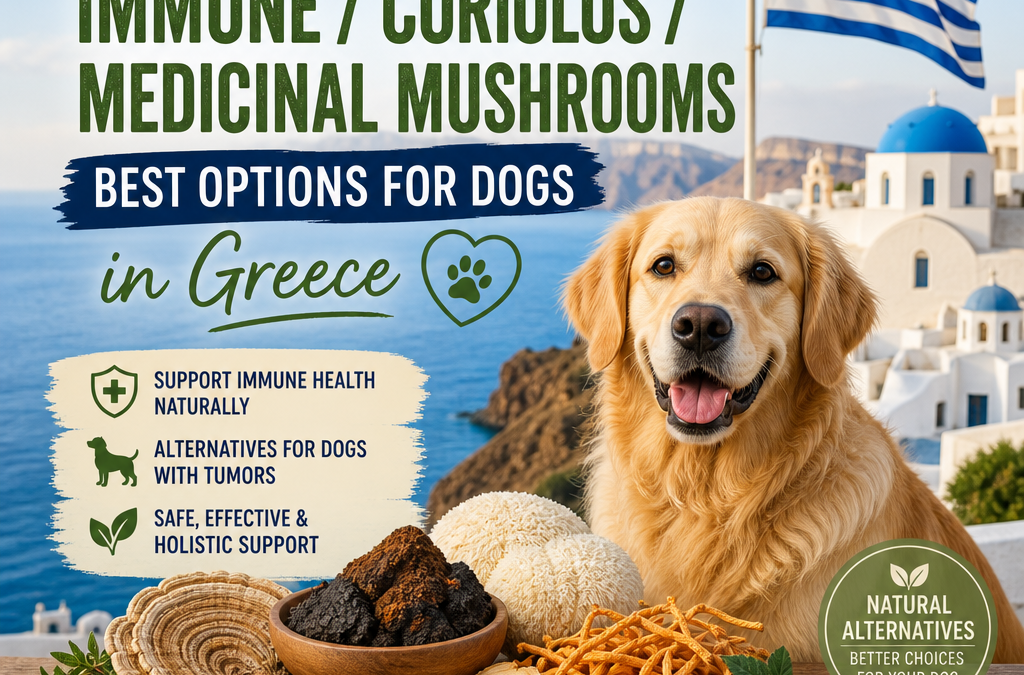
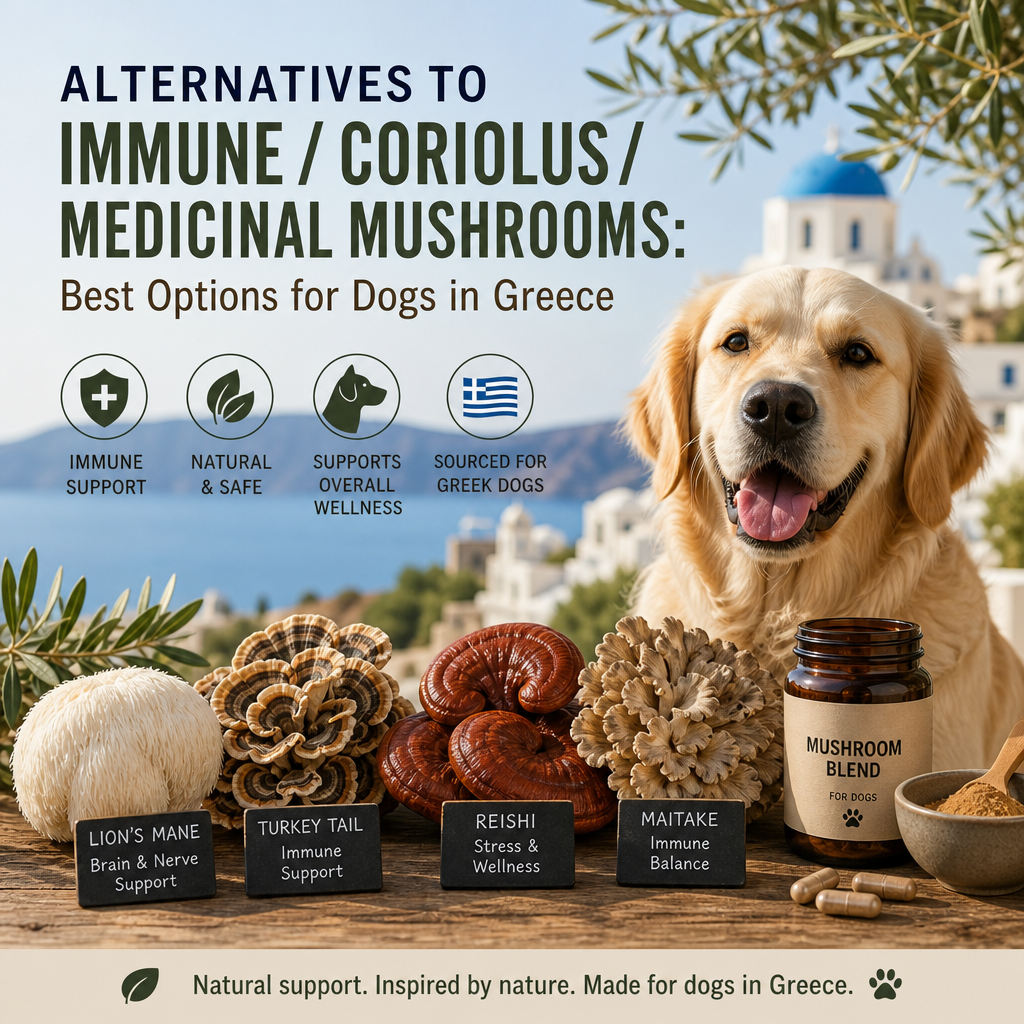
Alternatives to Immune / Coriolus / medicinal mushrooms can be useful to consider when a dog cannot tolerate a particular product, when it is unavailable in Greece, or when a veterinarian recommends a broader supportive-care plan. However, no supplement can replace diagnosis and treatment for cancer or another serious illness. The safest approach is to identify the dog’s condition, current medication, nutritional needs, and treatment goals before adding any new product.
For many owners, the search begins because they want something practical, safe, and easy to source locally. In that context, alternatives to Immune / Coriolus / medicinal mushrooms are not about replacing veterinary care. They are about choosing the right supportive tool for the right dog at the right time.
Why owners look for dog tumor supplement alternatives
Coriolus versicolor, also known as turkey tail mushroom, is commonly discussed as a supportive supplement for dogs with tumors because it contains compounds such as polysaccharide-K and polysaccharopeptide. Research into these compounds is promising but still limited, and results from laboratory studies or small clinical investigations should not be treated as proof that a supplement can cure cancer.
Owners may seek alternatives to Immune / Coriolus / medicinal mushrooms for several practical reasons:
The original supplement is not available from a reliable seller in Greece.
The dog experiences digestive upset, itching, or another suspected reaction.
The product contains several ingredients that may interact with medication.
The dog refuses capsules or powders.
A veterinarian wants to avoid immune-stimulating products during chemotherapy, steroid treatment, or autoimmune disease.
The product label does not clearly identify the amount of active ingredients.
A supplement should be judged by its safety, quality, relevance to the dog’s condition, and compatibility with veterinary treatment—not simply by its popularity online. In real life, the best result often comes from a simple, well-tested option rather than a complicated formula with a long ingredient list.
How alternatives to Immune / Coriolus / medicinal mushrooms are usually evaluated
When veterinarians compare supportive products, they look at the evidence behind each ingredient, how the dog is likely to tolerate it, and whether the formula fits the patient’s exact needs. That makes alternatives to Immune / Coriolus / medicinal mushrooms more about clinical judgment than about brand names.
In many cases, the most helpful option is not a direct substitute with a similar marketing claim. It may be a nutrition-focused product, a carefully dosed oil, or a single-ingredient supplement that is easier to monitor and adjust. This is especially important for dogs already taking prescription medication or undergoing cancer therapy.
It is also wise to ask whether the goal is immune support, appetite support, digestive support, or general conditioning. Once that goal is clear, alternatives to Immune / Coriolus / medicinal mushrooms become easier to compare in a meaningful way.
Omega-3 fatty acids as a supportive option
Fish oil containing EPA and DHA is one of the better-known nutritional options for dogs needing general support. These fatty acids may help maintain skin, coat, joint, and inflammatory health. In dogs with cancer, omega-3 fatty acids are sometimes included in nutritional plans because they may support body condition and help provide additional calories in a balanced way.
Quality matters. Choose a veterinary-appropriate product that clearly lists the amount of EPA and DHA rather than only stating the total amount of “fish oil.” Products should be stored correctly to reduce oxidation, and the dose should be calculated according to the dog’s weight and health status.
Fish oil is not suitable for every dog. It may be used cautiously in dogs with pancreatitis, bleeding disorders, gastrointestinal disease, or certain medication combinations. Always discuss it with a veterinarian, especially before surgery or while using anticoagulant drugs.
For readers comparing practical support products, a veterinarian may also suggest reviewing the options on the product page alongside the dog’s medical history and current treatment plan.
Why omega-3 products are often considered first
Among alternatives to Immune / Coriolus / medicinal mushrooms, omega-3 products are often discussed early because they are familiar, widely available, and easier to fit into a daily routine. They can also be adjusted more precisely than many blended formulas. That makes them a practical choice for owners who want support without adding unnecessary complexity.
Still, the product should be matched to the dog, not just the diagnosis. A small dog with a sensitive stomach may need a very different approach from a large dog recovering from a cancer procedure. The same is true when the dog is already taking anti-nausea medication, pain relief, or antibiotics.
Antioxidant and nutritional support
Some dogs with serious illness have increased nutritional demands or lose weight because of poor appetite, nausea, pain, or treatment side effects. In these cases, a complete veterinary nutrition plan may be more valuable than a complex immune supplement.
Depending on the dog’s condition, a veterinarian may recommend:
A highly digestible, energy-dense diet
Carefully selected protein and fat levels
Appetite support
Probiotics for appropriate gastrointestinal cases
B vitamins when a documented need exists
Vitamin or mineral correction when blood tests show a deficiency
High-dose vitamins and antioxidants should not be given casually. Certain supplements may interfere with chemotherapy, radiation therapy, liver function, or blood clotting. “Natural” does not automatically mean harmless, and concentrated human supplements may contain ingredients that are unsafe for dogs.
When appetite and body condition are poor, the most useful alternatives to Immune / Coriolus / medicinal mushrooms may be nutritional rather than botanical. A dog that eats poorly cannot benefit from a supplement that sits in the bowl unfinished.
When nutrition matters more than a mushroom extract
If a dog is losing muscle, refusing food, or struggling to maintain energy, the best alternative may be a feeding plan rather than another supplement. In that setting, alternatives to Immune / Coriolus / medicinal mushrooms should be chosen to improve intake, support digestion, and reduce the burden of side effects.
A veterinarian may also adjust meal frequency, choose more palatable textures, or recommend a therapeutic diet that better matches the dog’s diagnosis. Those steps often have a larger real-world impact than adding several overlapping products at once.
Supportive feeding plans are especially helpful when treatment goals are changing. A dog may need short-term calorie support after surgery, or longer-term nutritional maintenance during chemotherapy. The best plan is the one that the dog can actually tolerate every day.
Medicinal mushroom alternatives and important precautions
Other medicinal mushrooms, including reishi, maitake, shiitake, and related extracts, are often marketed as immune-support products. They may contain beta-glucans and other biologically active compounds, but evidence in dogs remains limited. Products can also vary considerably in extraction method, purity, concentration, and contamination risk.
If a mushroom-based product is considered, look for:
The exact mushroom species and part used
A clearly stated extract ratio or active compound content
Independent testing for heavy metals, pesticides, and microbes
A batch number and expiration date
A manufacturer with transparent quality-control practices
Veterinary guidance about interactions
Avoid wild-foraged mushrooms and products with vague “proprietary blends.” Dogs may also react differently to mushroom extracts than humans, particularly if they have liver disease, immune-mediated disease, or a history of gastrointestinal sensitivity.
When owners ask about alternatives to Immune / Coriolus / medicinal mushrooms, the best answer is usually not a single replacement but a safer, better-matched supportive plan. That may mean a different mushroom product, or it may mean moving away from mushroom extracts entirely.
What to ask before switching mushroom products
Before changing from one mushroom supplement to another, ask whether the new product is actually more transparent, easier to dose, and more compatible with your dog’s treatment. The phrase alternatives to Immune / Coriolus / medicinal mushrooms should point to a careful comparison, not a quick substitution.
It also helps to review whether the dog truly needs an immune-focused formula at all. In some cases, a product that supports appetite, hydration, or digestive comfort may be a better fit than another mushroom blend.
Owners often want a straightforward choice, but this category is not always straightforward. The more serious the disease, the more important it becomes to keep the supplement plan simple and clearly justified.
Herbal products: promising but not risk-free
Herbs such as turmeric, milk thistle, or astragalus are sometimes suggested as dog tumor supplement alternatives. Their uses vary: turmeric is commonly promoted for inflammatory support, while milk thistle is often considered for liver support. Yet evidence, dosing, and product quality are inconsistent.
Turmeric products may cause digestive upset and may not be suitable for dogs with gallbladder disease, bleeding concerns, or certain medications. Milk thistle may affect how the body processes some drugs. Astragalus and other immune-active herbs may be inappropriate for dogs receiving immunosuppressive treatment or those with autoimmune conditions.
A veterinarian should review the complete ingredient list, not just the main herb. Human products can contain xylitol, alcohol, excessive minerals, or other additives that are dangerous for dogs.
Herbal choices should be conservative when a dog is already medically fragile. Even when owners are specifically searching for alternatives to Immune / Coriolus / medicinal mushrooms, the safest answer may be a simpler product with a clearer safety profile.
In practice, the best herbal option is often the one with the fewest unknowns. A single ingredient with a clear label is usually easier to assess than a broad formula that mixes many botanicals, vitamins, and mushroom extracts together.
How to think about herbal support realistically
Alternative products can look appealing because they are marketed as gentle, natural, or holistic. But dog care is safest when the conversation stays practical. What symptom is being addressed? What evidence exists? What are the side effects? Could it interfere with treatment?
Those questions matter even more when comparing alternatives to Immune / Coriolus / medicinal mushrooms, because the same broad promise of “support” may hide very different mechanisms and risk levels. A product that seems similar on a label may behave very differently in a real dog.
Choosing products safely in Greece
When searching in Greece, purchase supplements through a reputable veterinary clinic, established pharmacy, or trustworthy specialist retailer. Online availability alone does not prove quality. Check that the label is easy to read, the manufacturer is identifiable, and storage and expiry information are provided.
Be cautious with imported products that lack Greek or European labeling, have exaggerated cancer claims, or promise to replace chemotherapy, surgery, or veterinary care. A supplement advertised as a cure for tumors should be treated as a warning sign.
Before buying, compare the active ingredient per serving, not just the package price. A concentrated product may be more practical, while an inexpensive product may contain very little of the ingredient being studied. Keep invoices, packaging, and batch details in case an adverse reaction occurs.
When evaluating alternatives to Immune / Coriolus / medicinal mushrooms, use a simple checklist: Does the label identify the ingredient clearly? Is the dose appropriate for your dog’s size and condition? Is the source trustworthy? Has a veterinarian reviewed the plan?
If the answer to any of those questions is no, it is usually better to pause than to order quickly. Careful product selection can prevent unnecessary side effects and wasted expense.
It also helps to think ahead about follow-up. A good supportive plan should be easy to monitor, with a clear plan for what to do if appetite changes, stools soften, or the dog becomes more tired.
The importance of veterinary supervision
The best alternatives to Immune / Coriolus / medicinal mushrooms depend on the individual dog. A dog with lymphoma, mast cell disease, osteosarcoma, or a benign growth may require completely different care. Age, weight, kidney and liver function, appetite, medications, and planned treatment all influence supplement decisions.
Ask the veterinarian to review every product, including treats, oils, herbal mixtures, and human vitamins. Report vomiting, diarrhea, itching, weakness, unusual thirst, jaundice, bruising, or reduced appetite after starting a supplement. Stop-and-contact guidance is especially important during chemotherapy, radiation, surgery, or recovery from a serious illness.
Supportive nutrition, pain management, hydration, regular examinations, and evidence-based cancer treatment remain the foundation of care. Supplements may have a role, but they should be selected carefully and used as part of a monitored plan rather than as a substitute for veterinary medicine.
In practice, alternatives to Immune / Coriolus / medicinal mushrooms should be chosen for safety, clarity, and fit with the dog’s diagnosis rather than for marketing claims. That approach gives Greek dog owners the best chance of making informed, veterinarian-guided decisions.
For owners comparing options, the phrase alternatives to Immune / Coriolus / medicinal mushrooms may include fish oil, better nutrition, or carefully selected herbal support. The right choice is the one that fits the dog’s medical situation and can be used safely over time.
Used well, alternatives to Immune / Coriolus / medicinal mushrooms can support comfort and nutrition without adding unnecessary risk. Used poorly, they may create confusion, waste money, or interfere with care. That is why a careful, evidence-aware approach is always best.
Dog Cancer Supplements can provide useful nutritional support during a dog’s cancer treatment, but they should never replace veterinary care. For UK pet owners, the challenge is choosing safe, affordable products from a crowded market while avoiding exaggerated claims. The right supplement may help maintain appetite, body condition, digestion, mobility, or general wellbeing, yet suitability depends on the dog’s diagnosis, medication, age, and overall health.
Dog Cancer Supplements are products designed to support a dog’s nutritional needs during cancer or cancer treatment. They may contain omega-3 fatty acids, antioxidants, vitamins, minerals, medicinal mushrooms, probiotics, or other ingredients. Some are formulated specifically for dogs, while others are marketed as general wellness products. For readers comparing options, a helpful overview is also available in Best Diet and Supplements for Dogs with Cancer: A Comprehensive Guide.
Cancer can affect the body in several ways. Dogs may lose weight, experience reduced appetite, develop digestive problems, or become less active. Surgery, chemotherapy, radiotherapy, and medication can add further physical stress. A carefully selected supplement may help support normal body functions, but it cannot eliminate a tumour or guarantee a particular outcome.
The most important foundation remains appropriate veterinary treatment, a complete diet, regular monitoring, and good pain and symptom control.
Potential Benefits of Cancer Supplements for Dogs
The possible benefits vary according to the ingredients and the dog’s individual needs. Common reasons a vet may consider supplementation include:
Supporting calorie intake and maintaining body weight
Providing omega-3 fatty acids for general nutritional support
Helping maintain healthy skin and coat
Supporting normal digestion and stool quality
Replacing a confirmed nutrient deficiency
Supporting mobility in dogs affected by weakness or reduced activity
Helping maintain appetite or energy as part of a wider care plan
It is important to distinguish between supportive care and cancer treatment. Claims that dog cancer supplements can cure cancer, shrink tumours, or replace chemotherapy should be treated with caution. In the UK, products cannot be assumed to have proven medical effects simply because they feature testimonials, natural ingredients, or impressive marketing language.
When chosen carefully, dog cancer supplements can also make it easier to keep a consistent routine at home. That matters because stable routines often help dogs eat better, rest more comfortably, and cope with treatment changes in a calmer way.
Key Ingredients to Consider
Omega-3 fatty acids
Fish oil containing EPA and DHA is commonly included in dog cancer supplements. These fatty acids support normal inflammatory processes and may be useful for general health. They can also contribute to skin, coat, and joint support.
Quality matters. Look for a product that clearly states the amount of EPA and DHA rather than listing only the total amount of fish oil. Fish oil can cause digestive upset in some dogs and may not be suitable alongside certain medications or before surgery without veterinary guidance.
Probiotics and digestive support
Some dogs experience changes in appetite, stool consistency, or digestion during treatment. A veterinary probiotic may help support a balanced gut environment. Choose a product made for dogs, with clear storage instructions and identifiable strains.
Probiotics are not appropriate for every patient, especially dogs with severe immune compromise or serious gastrointestinal disease. Ask your vet before introducing one.
Antioxidants
Antioxidants such as vitamins C and E, selenium, and plant compounds are often included in cancer support products. However, high-dose antioxidants may not always be suitable during chemotherapy or radiotherapy because some treatments rely partly on oxidative mechanisms. The timing and dose are therefore important.
Never add multiple antioxidant products together without professional advice. More is not necessarily better, and excessive supplementation can create risks.
Medicinal mushrooms and herbal ingredients
Mushroom extracts, turmeric, milk thistle, and other botanicals are frequently promoted in dog cancer supplements. Evidence differs considerably between ingredients, products, and conditions. “Natural” does not automatically mean safe: herbal products can interact with prescription medicines, affect blood clotting, or influence liver metabolism.
Price should be assessed by cost per daily serving, not just the package price. A large tub may appear economical but could provide fewer doses than a smaller, more concentrated product. Compare the amount of active ingredient, serving instructions, postage, and subscription terms.
Look for:
A complete ingredient list with precise quantities
Clear dosing guidance based on body weight
A batch number, expiry date, and manufacturer details
Products specifically manufactured for pets
Transparent contact information and UK availability
Independent quality testing where available
Packaging that explains storage and safe use
Avoid products that promise guaranteed cures, use vague proprietary blends, or rely entirely on dramatic before-and-after stories. A supplement sold through a reputable veterinary practice or established UK retailer may cost slightly more but can offer better traceability and guidance.
When you are comparing dog cancer supplements, it can also help to look for brands that publish clear manufacturing standards and contact details. For general product safety information, the U.S. FDA guidance on pet foods and treats is a useful reference point for understanding label claims and quality concerns.
Safety Comes Before Savings
Before giving dog cancer supplements, discuss the product with your veterinary team. Provide the exact name, ingredient list, and proposed dose. This is especially important if your dog has kidney disease, liver disease, diabetes, bleeding problems, digestive illness, or a reduced immune system.
Introduce only one new supplement at a time. Monitor for vomiting, diarrhoea, constipation, reduced appetite, itching, lethargy, or unusual changes in behaviour. Stop the product and contact your vet if concerning symptoms appear.
Keep supplements away from children and pets, and follow storage instructions carefully. Human supplements should not be used unless a vet specifically confirms that the formulation and dose are appropriate. Some products contain ingredients that are harmful to dogs, including xylitol in certain human formulations.
If your dog is already taking prescribed medication, ask whether the supplement could interfere with absorption or increase side effects. That extra check can prevent problems and is one of the simplest ways to keep dog cancer supplements useful rather than risky.
Building a Practical Support Plan
A dog cancer support supplement should fit into a broader care plan. Begin with the basics: a nutritionally complete diet, access to fresh water, suitable exercise, comfortable bedding, and regular veterinary reviews. Record your dog’s appetite, weight, stool quality, activity, and symptoms so changes can be identified early.
Ask the vet what the main priority is. One dog may need calorie support, while another may benefit more from digestive care or help maintaining mobility. Targeting a specific need is usually safer and more affordable than buying several overlapping products.
Supplements should also be reviewed over time. A product that is suitable before surgery may not be appropriate during recovery, and a supplement used during one treatment phase may need to be stopped before another. Regular review helps prevent unnecessary expense and reduces the risk of interactions.
Used carefully, dog cancer supplements can form one part of compassionate, evidence-informed care. The best choice is not necessarily the most expensive or heavily advertised option, but one with a clear purpose, reliable ingredients, sensible dosing, and approval from your dog’s veterinary team.
For more background on supportive care options, you may also find Saving Your Pet’s Life: How Nutritional Supplements Can Help Cats and Dogs Fight Cancer helpful. In some cases, the right supplement can make day-to-day care feel more manageable, especially when appetite, digestion, or energy levels are changing. That is why dog cancer supplements should be chosen with a practical goal, not just a marketing promise.
It is also sensible to review the ingredient list against your dog’s current treatment plan. If your vet has prescribed medication, ask whether the supplement could affect absorption, clotting, or liver processing. This matters because dog cancer supplements are often sold as “all-in-one” solutions, yet a single ingredient may be useful in one situation and unhelpful in another.
Some owners prefer a simple approach: one targeted product, one clear reason for use, and one follow-up review. That approach can reduce waste and limit confusion. If a product does not clearly help, it may be better to stop it and reallocate the budget to a better-quality diet, pain management, or an evidence-based supportive option.
Finally, remember that dog cancer supplements are only one part of care. Good nutrition, a calm home environment, and regular check-ins with your vet remain the most important practical steps. When used thoughtfully, they can complement treatment without adding unnecessary risk.
In short, the most effective dog cancer supplements are the ones that match your dog’s needs, fit your budget, and are backed by sensible veterinary advice. That balanced approach gives you the best chance of supporting comfort and quality of life without wasting money on unnecessary products.