In the clip, Hannah paces near the doormat, pauses, turns, and approaches her person. Her tail wags gently throughout, and she remains responsive and engaged with her surroundings.
Key facts
Location: Rocky Hill, CT
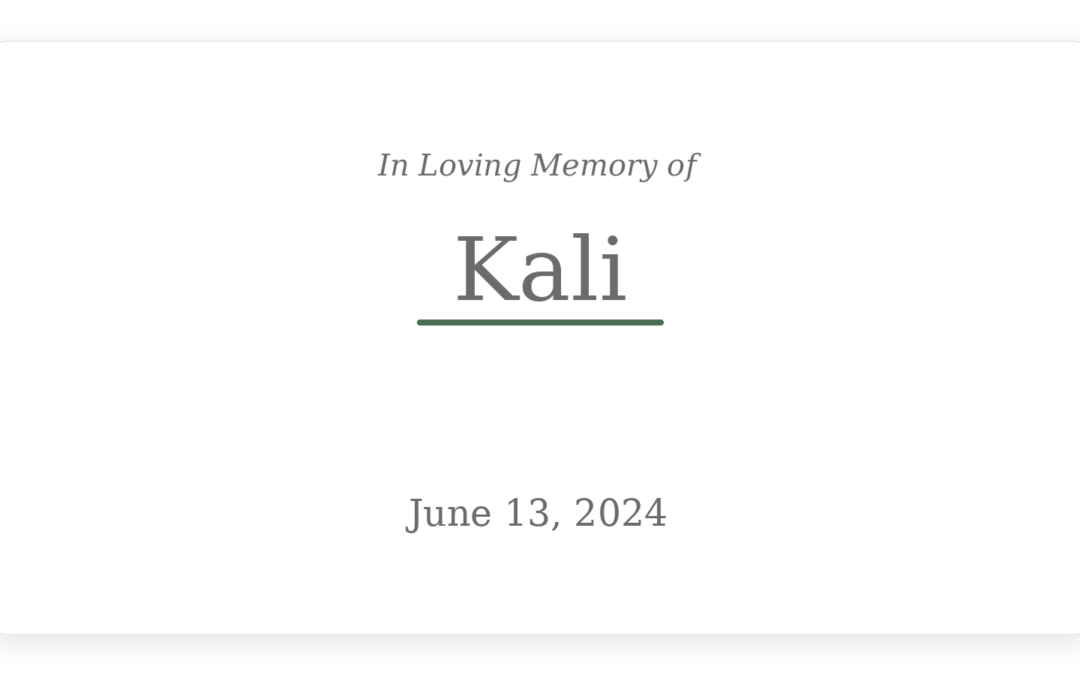
Dogs: Hailey · Hannah · Kali (in memory)
Theme: long-term senior & complex-care routines
Note: compiled from publicly shared info + follow-up communications; not medical advice
At the edge of the doormat, Hannah paces back and forth. Ears up. Tail gently wagging.
She pauses, turns, and steps closer—as if to say: “I’m still here.”
Her person is Sonia Ogren, in Rocky Hill, Connecticut.
Over time, we learned her home is also a rescue home—six adopted rescue dogs, many seniors, some with serious health challenges.
But this story holds three names: Hailey. Hannah. Kali.
This isn’t an ad. And it isn’t a “miracle story.” It’s closer to a care journal—how someone keeps turning the page, day after day.
The days that shaped the year
2019 — Hannah is diagnosed with diabetes
Feb 2024 — Hailey is found to have a large liver mass (likely cancerous)
Mar 2024 — Hannah once faces the hardest conversation: euthanasia
Jun 2024 — Hannah’s breathing becomes a growing concern; exams and difficult episodes follow
June 13, 2024 — Kali passes after a sudden decline
Jul 2025 — Sonia later shares her experience publicly
Hailey — “Don’t ask how long. Hold today steady.”
Hailey was nearly 14.
In February 2024, the diagnosis landed heavy: a large liver mass, likely cancerous.
When the future feels unclear, guardians don’t always have answers—they build routines.
They watch appetite, sleep, comfort, and movement. They adjust. They document. They try to keep the day stable.
As part of her ongoing support plan, Sonia also included TCMVET Baituxiao (“Their New Hope”) as one element of daily support.
But the center of this story is not a product—it’s the long, quiet work of care.
Hannah — When the tail still wags, you keep going
Hannah’s path has been complicated: diabetes, Cushing’s layered on over time, with seizures, falls, and breathing struggles.
In March 2024, Hannah was even scheduled for euthanasia. That’s the moment every guardian fears.
And yet—guardians often try one more day, and then another.
Not out of denial, but out of love—hoping for a steadier appetite, a calmer breath, a little less suffering.
In the video, Hannah’s steps are small. She circles, pauses, turns—and still comes closer. Still responds. Still wags.
To a guardian, those small signals mean everything: she’s still choosing today.
Kali — The grief of learning the truth too late
Then there is Kali.
Sonia described a sudden decline—black diarrhea, bloody urine—signals later tied to serious intestinal disease (colon cancer-related). But the answers came too late.
June 13, 2024 — Kali passed.
Some grief is not only loss—it’s the haunting thought: If we had known sooner…
Hannah’s Tail Still Wags 4
After loss, she chose to protect the remaining pack
After Kali, Sonia didn’t “do more” in a dramatic way. She made care more sustainable:
working alongside professionals when prescription management is involved
After learning more about the realities of caring for six rescue dogs long-term, we also provided phased, practical support through the Guardian Program—never in exchange for any review, only so a guardian feels less alone in the long road of care.
Why we’re writing this down
Because “guardian” isn’t a title for a few people. It’s anyone who wakes up for a breath, notices a limp, keeps a notebook, and chooses to keep caring.
That’s what the Guardian Program exists to honor: companionship, tracking, consistency, and timely professional support—without exaggeration or promises.
Source note: Compiled from publicly shared information and follow-up communications. Individual outcomes vary; this is not medical advice. If your pet is ill or on medication, please consult your veterinarian or a qualified professional.
What is this story based on?
It’s compiled from publicly shared information and follow-up communications, written to preserve the reality of long-term care—without exaggeration or promises.
What is the Guardian Project?
A program that documents real caregiver stories and offers practical, phased support so guardians feel less alone.
Is this medical advice?
No. This is a real-life story and care journal. Individual outcomes vary. Please consult your veterinarian for medical decisions.
Bone cancer, particularly osteosarcoma, is one of the most aggressive cancers in dogs. It causes intense pain, often stemming from tumor growth, inflammation, and bone damage, and can lead to complications like fractures or metastasis to the lungs. For pet owners, the challenge lies in managing this pain while ensuring their dog’s life remains as fulfilling and comfortable as possible.
Here, we explore innovative approaches to pain relief and lifestyle enhancement for dogs with bone cancer, combining traditional treatments, natural remedies, and practical lifestyle adjustments.
Understanding Pain in Dogs with Bone Cancer
The pain associated with bone cancer comes from multiple sources:
Tumor growth: The cancer cells invade healthy bone tissue, causing structural instability.
Inflammation: The body’s response to cancer often triggers swelling and discomfort.
Microfractures: As the bone weakens, even normal activity can result in painful fractures.
Recognizing the signs of pain is crucial. Dogs often exhibit:
Limping or avoiding putting weight on an affected limb
Restlessness, particularly at night
Excessive licking or chewing of the affected area
Loss of appetite and general lethargy
Sensitivity or irritability when touched
Effective Pain Management Options
Managing pain is the cornerstone of care for dogs with bone cancer. Options include:
Medications for Pain Relief
Non-Steroidal Anti-Inflammatory Drugs (NSAIDs): These reduce inflammation and provide moderate pain relief.
Opioids: Medications like tramadol or morphine are often prescribed for severe pain.
Bisphosphonates: These drugs help reduce bone breakdown and may alleviate pain.
Palliative Radiation Therapy Radiation can shrink tumors and reduce inflammation, providing significant pain relief. It’s particularly effective when surgery is not an option.
Amputation or Limb-Sparing Surgery In some cases, removing the affected limb or performing surgery to stabilize the bone can drastically reduce pain and improve mobility.
Integrative and Natural Therapies
Acupuncture: Proven to help manage chronic pain and improve overall comfort.
CBD Oil: Cannabidiol can reduce pain and inflammation while promoting relaxation. Always consult your vet for appropriate dosing.
Turmeric or Curcumin Supplements: These natural anti-inflammatories can complement conventional treatments.
Enhancing Quality of Life
Pain management is just one part of the equation. To improve your dog’s daily life, consider:
Adjusting Their Living Space Provide soft bedding and ensure they have easy access to food, water, and outdoor areas. Consider ramps or non-slip rugs to make movement safer.
Low-Impact Exercise Gentle walks or swimming (if possible) can help maintain muscle strength and prevent stiffness. Monitor your dog closely to avoid overexertion.
Nutritional Support
High-protein diets can help maintain muscle mass.
Anti-inflammatory foods like fish oil or omega-3 fatty acids can support joint and bone health.
Avoid highly processed treats or kibble, as these may exacerbate inflammation.
Mental Stimulation Keep your dog engaged with puzzles, gentle play, or interactive toys to support their emotional well-being.
When to Seek Help
It’s essential to regularly assess your dog’s condition with a veterinarian. Look out for signs that their pain may be worsening, such as persistent refusal to eat, increased lethargy, or vocalizations of discomfort. In advanced stages, discussing humane options like palliative care or euthanasia may become necessary.
A Holistic Approach to Care
By combining modern medicine with holistic and lifestyle interventions, you can significantly alleviate your dog’s pain while enhancing their overall quality of life. Every dog’s journey is unique, and with the right care, even dogs facing bone cancer can experience meaningful and joyful moments with their families.
Remember, your love and attentiveness make all the difference.
For pet owners looking to help their dogs develop lean muscle, enhance strength, or recover from an injury, the idea of muscle-building supplements might seem intriguing. While not a standard for every dog, these supplements can benefit certain breeds, high-energy dogs, working dogs, and even those in recovery. Here, we’ll explore the benefits of muscle-building supplements for dogs, key ingredients to look for, and tips for choosing safe and effective products.
1. Why Muscle Matters for Dogs
A healthy muscular system is vital for every dog, not just the active or athletic ones. Muscles help support joints, improve endurance, and maintain overall mobility. For dogs involved in agility, hunting, or other high-intensity activities, strong muscles can help prevent injuries and improve performance. Additionally, older dogs, those recovering from surgery, and dogs with certain conditions like arthritis can benefit from muscle support to maintain strength and reduce discomfort.
2. Who Should Consider Muscle Builder Supplements?
Muscle-building supplements aren’t necessary for all dogs, but they can be beneficial for:
Active Breeds: Breeds like Border Collies, German Shepherds, and Labradors that are naturally high-energy and thrive with a structured exercise routine.
Working Dogs: Police, military, and service dogs often require enhanced physical capabilities.
Senior Dogs: Aging dogs can lose muscle mass over time. Supplements can help maintain muscle tone, which supports joint health.
Dogs in Recovery: Dogs recovering from surgery or injury may need additional support to rebuild strength and mobility.
3. Key Ingredients to Look For
Not all muscle-building supplements are created equal, so understanding ingredient benefits can help in selecting a quality product. Here are the top ingredients that can support muscle health:
Amino Acids: Building blocks of protein, amino acids like L-carnitine and L-glutamine aid in muscle development and recovery. These are crucial for dogs building or maintaining lean muscle.
Creatine: Although commonly associated with human bodybuilding, creatine is a natural compound that can help dogs improve muscle performance. It’s especially beneficial for short bursts of energy, such as sprinting or agility training.
Omega-3 Fatty Acids: These healthy fats are known to reduce inflammation, which can help with recovery after exercise. Omega-3s can also support joint health, making them a good addition to a muscle-focused supplement.
Protein Sources: High-quality protein sources like chicken, fish, or beef provide essential nutrients for muscle growth and repair. Some muscle-building supplements incorporate dehydrated protein powder.
Joint Support Compounds: Ingredients like glucosamine and chondroitin aren’t directly for muscle building, but they support joint health, which is vital for active dogs who want to build and sustain muscle.
4. Choosing the Right Muscle Builder Supplement
When selecting a supplement, consider these tips to ensure you’re providing the safest and most effective product for your dog:
Choose Dog-Specific Products: Some human muscle-building supplements can be harmful to dogs. Look for products specifically formulated for canine physiology.
Check for High-Quality Ingredients: The fewer fillers, artificial flavors, or preservatives, the better. A good supplement should be rich in whole ingredients.
Talk to Your Vet: Before starting any supplement, consult your vet, especially if your dog has any pre-existing health conditions.
Start Slowly: Gradually introduce any new supplement to observe how your dog responds, and avoid giving more than the recommended dose.
5. Supplementation vs. Natural Diet
While supplements can provide a convenient way to boost your dog’s muscle health, a balanced diet is foundational. High-protein diets, including lean meats, eggs, and some fish, can naturally support muscle health. Supplements are most effective when combined with good nutrition and a proper exercise routine.
6. Building Muscle Through Exercise and Training
Supplements alone can’t build muscle; a well-structured exercise routine is essential. Focus on activities that engage the entire body, such as:
Weighted Walks or Hiking: Attaching a light backpack can provide gentle resistance for healthy dogs.
Agility Training: Encourages flexibility and builds strength while keeping your dog mentally stimulated.
Swimming: A low-impact exercise, swimming is excellent for muscle growth and joint health.
Conclusion: Building a Stronger, Healthier Dog
Muscle-building supplements can be a valuable addition for dogs needing a strength boost, but they work best when paired with balanced nutrition and exercise. By carefully choosing high-quality supplements and keeping your vet informed, you can support your dog’s muscle health, ensuring they stay active, strong, and ready for life’s adventures.
As our beloved dogs grow older, their mental health can begin to decline, just like in humans. In some cases, dogs may even develop cognitive dysfunction syndrome (CDS), a condition similar to Alzheimer’s disease. Fortunately, there are many strategies you can adopt to help maintain your dog’s cognitive health and reduce the chances of mental decline. With dogs living longer than ever, it’s important to ensure they enjoy the best possible quality of life during their golden years. Here are some effective ways to support your aging dog’s mental sharpness.
1. Mental Stimulation
Research shows that cognitive decline can be slowed or even reversed in humans through brain-training exercises. The same principle applies to dogs. Regular mental stimulation can help keep your dog’s brain active and healthy. Activities like playing with teaser balls encourage problem-solving, which can reduce the likelihood of brain function decline. Additionally, teaching your dog new tricks and varying your daily walking routes are excellent ways to engage their mind.
2. Dietary Support: The Power of Luteolin
Luteolin, a flavonoid found in many fruits and vegetables, has shown promise in improving brain function in both mice and humans. Although there is limited research specifically on dogs, it is reasonable to believe that luteolin could offer similar cognitive benefits for our canine companions. You can easily add luteolin-rich foods to your dog’s diet. These include celery, thyme, green peppers, carrots, and rosemary. Incorporating these ingredients into your dog’s meals may help boost brain function and slow down cognitive decline.
3. Consistent Physical Activity
Exercise is not only essential for physical health but also for maintaining mental sharpness. Regular walks, playtime, and interactive games help your dog stay active both mentally and physically. Consider engaging your dog in activities that challenge their mind, such as agility courses or hide-and-seek games, to enhance their cognitive function.
4. Socialization
Just like humans, dogs benefit from social interaction. Keeping your dog engaged with other dogs and people can prevent isolation and mental decline. Regular social outings or playdates with other dogs can stimulate their minds and provide new experiences that help them stay sharp.
5. Healthy Sleep Routine
Sleep is essential for brain health. Ensure your dog has a comfortable and quiet space to sleep, as a good night’s rest allows their brain to recover and function optimally. Older dogs may need more sleep, so make sure to provide ample rest time for your furry friend.
By taking these steps early in your dog’s life, you can help slow down cognitive decline and ensure they enjoy a happy, healthy, and mentally active life well into their senior years. Keeping their minds engaged through mental exercises, a healthy diet, regular physical activity, socialization, and a solid sleep routine can go a long way in protecting your dog’s cognitive health.