
Shar Pei Cancer Risks: Essential Early Tumor Signs to Know

Shar Pei cancer risks, early tumor symptoms in Shar Peis, common cancers in this breed are concerns many owners don’t hear about until their dog is already a senior—or already sick. Understanding how this unique, wrinkled breed ages, what types of tumors they tend to get, and which subtle signs to watch for can help you act sooner and give your Shar Pei the best possible chance at a longer, more comfortable life.

—

A. Breed Overview: The Shar Pei at a Glance

Shar Peis are medium-sized, muscular dogs best known for their loose, wrinkled skin and serious, thoughtful expression. They typically:

– Weigh: 40–60 pounds (18–27 kg)
– Height: 18–20 inches (46–51 cm) at the shoulder
– Lifespan: Around 8–12 years, with some individuals living longer with good care

Temperament and Lifestyle

Shar Peis tend to be:

– Loyal and deeply bonded to their family
– Reserved or aloof with strangers
– Independent, sometimes stubborn, but intelligent
– Moderately active—often content with regular walks and play rather than high-intensity exercise

Many Shar Peis live as indoor companions with moderate activity levels. This can be a plus (less wear and tear on joints), but it also means weight gain and poor muscle tone can creep up, which may influence health and tumor risk over time.

Are Shar Peis Prone to Certain Cancers?

While they’re not always at the very top of every cancer-risk list, Shar Peis are considered at higher risk for some tumor types, especially skin masses, compared with many mixed-breed dogs. Their:

– Distinctive skin structure
– Genetic background
– Tendency toward inflammatory conditions (like Shar Pei fever)

may all play roles in how often veterinarians see particular cancers in this breed.

—

B. Tumor and Cancer Risks for Shar Peis

Understanding the common cancers in this breed can make changes easier to spot and discuss with your veterinarian early.

1. Mast Cell Tumors (MCT)

Shar Peis are commonly reported to develop mast cell tumors, a type of skin cancer that can range from relatively manageable to very aggressive.

Typical features:

– Often appear as skin lumps or bumps
– Can be firm, soft, raised, or flat—there is no single “typical” look
– May change quickly in size, sometimes getting larger or smaller over days or weeks

The Shar Pei’s thick, folded skin can hide small tumors, making regular hands-on checks especially important.

2. Other Skin Tumors (Benign and Malignant)

Because of their dense, folded skin, Shar Peis may be more likely to develop a variety of skin growths, including:

– Benign tumors like lipomas (fatty masses)
– Sebaceous adenomas or other glandular growths
– Malignant tumors such as soft tissue sarcomas or melanomas

Many skin growths are not cancerous—but only a veterinarian can tell for sure by examining and, if needed, sampling the mass.

3. Lymphoma

Lymphoma is a cancer of the lymphatic system seen in many breeds, including Shar Peis. It may involve:

– Enlarged lymph nodes (for example, under the jaw, in front of the shoulders, behind the knees)
– Changes in energy, appetite, or weight

Breed-specific immune and inflammatory tendencies may play a role in risk, although research is ongoing.

4. Hemangiosarcoma (Blood Vessel Cancer)

Hemangiosarcoma is a serious cancer arising from blood vessels, often affecting the spleen, liver, or heart.

Features can include:

– Subtle fatigue or slowing down
– Pale gums, collapse, or sudden weakness if internal bleeding occurs

While this cancer occurs in many breeds, medium-sized, deep-chested dogs like the Shar Pei are not exempt.

5. Internal Organ Tumors

Shar Peis can also develop tumors of internal organs such as:

– Liver
– Spleen
– Gastrointestinal tract

Because these aren’t visible from the outside, owners may only notice vague signs such as poor appetite, weight loss, or changes in stool or vomiting.

Why This Breed’s Traits Matter

Several factors may influence Shar Pei cancer risks:

– Skin structure: Folds and thick skin can hide or delay detection of skin tumors.
– Inflammatory tendencies: Conditions like recurring skin or ear infections, and Shar Pei fever, reflect a strong inflammatory response. Chronic inflammation may play a role in tumor development in general.
– Size and build: Being medium-sized and muscular can mask early weight loss or muscle wasting until disease is advanced.
– Lifestyle: A more sedentary lifestyle can increase obesity risk, which is linked to higher rates of certain cancers in dogs overall.

—

C. Early Warning Signs: Early Tumor Symptoms in Shar Peis

Shar Peis are often stoic and may not show obvious pain or illness until problems are advanced. Watching for subtle changes is crucial.

1. Skin Lumps and Changes

Because of their wrinkles, carefully checking the skin is a must.

Watch for:

– New lumps or bumps, even small ones
– Existing bumps that:
– Grow rapidly
– Change color or become red, ulcerated, or scabby
– Feel suddenly firmer or softer
– Areas the dog licks, chews, or scratches repeatedly

At-home tip:
Once a month, run your hands over your Shar Pei’s entire body, including:

– Under the neck folds
– Armpits and groin
– Between and under the facial wrinkles
– Along the tail and between toes

Note any new masses and take photos with a coin next to them for size comparison. If you notice change over days to weeks, contact your veterinarian.

2. Weight, Appetite, and Drinking Changes

Subtle changes may be the earliest signs of internal disease:

– Gradual weight loss despite normal food intake
– Sudden or persistent decrease in appetite
– Increased drinking or urination
– Vomiting or diarrhea that persists or comes and goes over weeks

Any change lasting more than a few days, or that recurs, is worth a veterinary visit.

3. Energy, Mobility, and Behavior

Shar Peis may simply act “older” when something is wrong:

– Less interest in walks or play
– Difficulty jumping onto furniture or into the car
– Stiffness, limping, or reluctance to climb stairs
– Restlessness, panting, or trouble getting comfortable

These signs can indicate arthritis, but they can also be associated with tumors (especially bone or internal cancers). A veterinarian can help sort out the cause.

4. Bleeding, Coughing, or Other Red-Flag Signs

Seek prompt veterinary care if you notice:

– Nosebleeds or blood in stool or urine
– Coughing, especially if it’s new or worsening
– Labored or noisy breathing
– Collapsing or sudden, extreme weakness
– Pale gums or a distended abdomen

These can be signs of serious conditions, including internal tumors or bleeding, and should never be watched at home “to see if it goes away.”

—

D. Senior Care Considerations for Shar Peis

As Shar Peis reach 7–8 years and beyond, they are considered seniors. Aging itself is a major risk factor for tumors and cancer, so proactive care becomes especially important.

How Aging Affects This Breed

Common age-related issues include:

– Arthritis and joint stiffness
– Decreased muscle mass
– Slower metabolism and weight gain
– Increased risk of internal disease (kidneys, liver, heart, and cancer)

Because Shar Peis can hide discomfort, regular checkups and careful observation are key.

Nutrition and Body Condition

For senior Shar Peis:

– Aim for a lean, well-muscled body—ribs should be easily felt but not visible.
– Avoid excess weight, which increases strain on joints and is associated with higher overall cancer risk.
– Talk with your veterinarian about:
– Senior or joint-supportive diets
– Adjusting calorie intake as activity level changes
– Prescription diets if there are kidney, liver, or other health concerns

Exercise and Activity Adjustments

Senior Shar Peis still benefit from daily activity:

– Continue regular walks, but adjust distance and pace based on comfort.
– Use multiple shorter walks instead of one long outing if fatigue appears.
– Avoid extreme heat; Shar Peis can be sensitive to overheating.

Gentle movement maintains joint mobility, muscle mass, and a healthy weight—all important in reducing overall health risks.

Joint Care and Pain Management

Stiffness or reluctance to move may look like “just old age,” but pain can affect quality of life and disguise signs of other disease.

Discuss with your veterinarian:

– Safe pain-control options
– Joint-supportive strategies (e.g., controlled exercise, ramps, non-slip flooring)
– Whether additional tests (like X-rays) are needed if lameness persists

Recommended Check-Up Intervals

For most senior Shar Peis, a good guideline is:

– Twice-yearly wellness exams (every 6 months)
– Periodic blood and urine tests to check organ function
– Imaging (X-rays or ultrasound) as recommended if abnormalities arise

Cancer in dogs can develop and progress quickly. More frequent visits improve the chances of catching problems early.

—

E. General Tumor Prevention & Wellness Support

No approach can guarantee that a Shar Pei will never develop cancer. However, supporting overall health can reduce certain risk factors and may help your dog cope better with any illness.

Maintain a Healthy Weight

Excess body fat is linked to higher risks of multiple diseases. To help:

– Monitor body condition regularly, not just the number on the scale.
– Use measured meals instead of free-feeding.
– Limit high-calorie treats; substitute small pieces of lean meat, vegetables (if tolerated), or part of the regular food ration.

Balanced Diet and Hydration

A complete, balanced diet supports the immune system and overall resilience:

– Choose a high-quality commercial food appropriate for age and health status, or work with your veterinarian if considering home-prepared diets.
– Ensure clean, fresh water is always available.
– Sudden changes in diet should be discussed with your vet, especially in older dogs.

Regular Physical Activity

Consistent, moderate exercise helps:

– Maintain muscle mass
– Support joint health
– Improve metabolic health
– Provide mental stimulation and stress relief

Simple daily routines—walks, sniffing games, gentle play—are often enough for this breed.

Minimizing Environmental Risks

While you can’t control everything, you can reduce some exposures:

– Avoid secondhand smoke around your dog.
– Limit unnecessary exposure to lawn chemicals and pesticides.
– Provide shade and avoid sunburn on lightly pigmented areas, especially if your Shar Pei has sparse hair in some regions.

Natural and Integrative Supports

Some owners explore:

– Omega-3 fatty acids
– Antioxidant-rich foods or supplements
– Joint-support products
– Other herbal or integrative options

These can sometimes support comfort and overall wellness, but:

– They must not be viewed as cures or replacements for veterinary cancer care.
– Always discuss any supplement or natural product with your veterinarian first to avoid interactions or side effects.

—

F. Integrative and Holistic Approaches (As a Complement, Not a Replacement)

Integrative care combines conventional veterinary medicine with selected holistic approaches to support the whole dog—body and mind.

For Shar Peis with tumors or cancer, some veterinarians may incorporate:

– Acupuncture for pain relief and comfort
– Gentle massage or physical therapy to maintain mobility
– Diet adjustments aimed at supporting energy, digestion, and weight stability
– Stress-reduction techniques such as predictable routines and calm environments

These approaches are meant to:

– Support resilience
– Improve comfort and quality of life
– Work alongside, not instead of, diagnostics and treatments recommended by a veterinarian or veterinary oncologist

Any integrative plan should be guided by a professional familiar with your individual dog’s diagnosis and overall health.

—

Conclusion

Shar Pei cancer risks center largely around skin tumors, including mast cell tumors, as well as internal cancers that can be difficult to spot early without careful monitoring. Regular hands-on skin checks, watching for subtle changes in weight, appetite, and energy, and scheduling consistent senior wellness visits are your best tools for catching early tumor symptoms in Shar Peis. Partnering closely with your veterinarian—and, when needed, a veterinary oncologist—gives your Shar Pei the strongest chance for early detection, timely care, and a comfortable, well-supported life in their senior years.
Australian Cattle Dog Cancer Risks: Essential Early Tumor Signs

Australian Cattle Dog cancer risks, tumor signs in Cattle Dogs, common cancers in the breed are important concerns for owners of this tough, hardworking herding dog. While many Australian Cattle Dogs stay healthy well into their senior years, they are not immune to tumors or cancer. Understanding what they may be prone to, how to spot changes early, and how to support them as they age can make a real difference in both quality and length of life.

—

A. Breed Overview

Australian Cattle Dogs (also called Heelers) are medium-sized, muscular, and intensely active dogs originally bred for driving cattle over long distances. They typically weigh 30–50 pounds and often live 12–15 years, sometimes longer with good care. Many are:

– Highly intelligent and problem-solving
– Loyal and protective of their families
– Energetic, with strong herding instincts
– Generally hardy and resilient

Genetically, the breed has a reputation for durability, but like all purebred dogs, they carry certain inherited tendencies. For Cattle Dogs, concerns often focus on:

– Orthopedic issues (hip/elbow dysplasia)
– Eye diseases (PRA, cataracts)
– Deafness
– Some patterns of skin disease and tumors

Current evidence suggests Australian Cattle Dogs are not at the very top of the list for overall cancer risk compared with some giant or brachycephalic breeds. However, veterinarians do see recurring patterns of certain cancers in this breed, especially involving:

– Skin and sun-related cancers
– Blood vessel and spleen tumors
– Lymphatic cancers
– Bone tumors in active, athletic individuals

Because they often live long, active lives, cancer risk naturally rises as they age, just as it does in people.

—

B. Tumor and Cancer Risks for This Breed

1. Skin and sun-related cancers

Many Cattle Dogs have white or lightly pigmented areas on the head, chest, or belly, sometimes with minimal coat coverage. This can increase the risk of:

– Squamous cell carcinoma (SCC): Often linked to chronic sun exposure, especially on lightly pigmented skin or where the fur is thin (ears, nose, belly).
– Other skin tumors: Such as mast cell tumors or benign growths that can occasionally become problematic if left unchecked.

Because they are outdoor, working-oriented dogs, Cattle Dogs may spend long hours in the sun, further increasing UV exposure. Regularly checking exposed skin is especially important for this breed.

2. Hemangiosarcoma (blood vessel cancer)

Hemangiosarcoma is an aggressive cancer of blood vessel cells that can affect:

– Spleen
– Liver
– Heart
– Skin or subcutaneous tissue

Medium to large, athletic dogs, including Australian Cattle Dogs, may be overrepresented. This cancer can be “silent” until it bleeds internally, so early subtle signs—reduced stamina, pale gums, or sudden weakness—should never be ignored.

3. Lymphoma (cancer of the lymphatic system)

Lymphoma is a common canine cancer across many breeds, including Cattle Dogs. It involves immune cells and lymph nodes and may show up as:

– Enlarged lymph nodes under the jaw, in front of the shoulders, or behind the knees
– Tiredness, weight loss, or decreased appetite

Genetics, immune function, and possibly environmental factors may play roles, although no single “cause” is identified.

4. Mast cell tumors and other skin growths

Mast cell tumors are one of the most common skin cancers in dogs of many breeds. In Cattle Dogs, they might:

– Appear as small, raised, or “bug-bite-like” lumps
– Change size, color, or texture over days to weeks
– Sometimes cause itching or redness

Because Australian Cattle Dogs often have dense coats, skin lumps may be hidden until they are larger, so hands-on checks are vital.

5. Osteosarcoma (bone cancer)

While giant breeds have the highest risk, active medium-sized breeds like the Australian Cattle Dog can also be affected by osteosarcoma, especially in:

– Long bones of the legs
– Areas that bear high impact or stress

Their athletic, high-impact lifestyle (jumping, herding, agility) may place extra strain on bones and joints, potentially increasing susceptibility in some individuals.

—

C. Early Warning Signs Owners Should Watch For

Early detection often starts at home. Knowing what’s normal for your Cattle Dog—and what’s not—matters enormously.

Skin and external changes

Check your dog’s body every few weeks:

– Part the fur with your fingers and feel for:
– New lumps or bumps
– Changes in existing moles or growths
– Areas of hair loss, redness, or thickened skin
– Pay special attention to:
– Ears, muzzle, and nose leather
– Light-colored patches on the face or belly
– Areas where the harness or collar rubs

Seek veterinary attention promptly if you notice:

– Any new lump that persists more than 1–2 weeks
– Lumps that grow quickly, ulcerate, or bleed
– Sores on ears, nose, or belly that do not heal

Whole-body and behavior changes

Australian Cattle Dogs are typically bold, energetic, and food-motivated. Subtle changes can be early “red flags”:

– Appetite and weight:
– Eating less or becoming picky
– Unexplained weight loss despite eating normally

– Energy and performance:
– Slowing down on walks or during work
– Reluctance to jump into vehicles or onto furniture
– Less enthusiasm for play or herding activities

– Breathing and circulation:
– Coughing that persists
– Labored breathing or panting at rest
– Pale gums or episodes of sudden collapse (possible internal bleeding)

– Gastrointestinal signs:
– Repeated vomiting or diarrhea
– Dark, tarry stools or visible blood

– Mobility and pain:
– Limping that lasts more than a few days
– Bone pain or swelling on a limb
– Guarding the abdomen or avoiding touch

Practical at-home monitoring tips

– Keep a simple health notebook or phone log:
– Record new lumps (date, location, size)
– Track weight every 1–2 months
– Note changes in appetite, energy, or behavior

– Use your phone to photograph lumps next to a coin or ruler for size comparison.

– Call your veterinarian as soon as you notice:
– Rapid change in any mass
– Persistent cough, weight loss, or unexplained fatigue
– Sudden weakness or collapse

Waiting “to see if it goes away” can allow some cancers to progress. It’s always safer to ask your veterinarian to take a look.

—

D. Senior Care Considerations for This Breed

How aging affects Australian Cattle Dogs

Cattle Dogs often stay active well into their teens, but aging still brings:

– Slower recovery after exercise
– Stiffness or arthritis
– Sensory decline (hearing or vision loss)
– Higher risk of tumors and systemic disease

Because cancer risk rises with age, senior Cattle Dogs (around 8+ years, sometimes earlier) benefit from more frequent, proactive health checks.

Nutrition and body condition

Senior Cattle Dogs should maintain a lean, muscular build:

– You should feel ribs easily with light pressure but not see prominent bones.
– Excess fat increases inflammation, joint strain, and may be associated with higher cancer risk.

Consider with your veterinarian:

– Adjusting calorie intake as activity naturally declines
– Diets formulated for seniors or for joint/weight management
– Monitoring for unplanned weight loss, which may signal disease

Exercise and activity adjustments

These dogs thrive on mental and physical work, even in old age. Rather than stopping exercise:

– Shift from intense, high-impact work to:
– Shorter, more frequent walks
– Gentle hikes on soft surfaces
– Nose work, puzzle games, and low-impact training
– Avoid repetitive high jumps or abrupt stops/turns to protect joints and bones.

Joint care and pain management

Arthritis and joint wear are common in active breeds:

– Watch for:
– Stiffness on rising
– Hesitation with stairs or jumping
– Lagging behind on walks

Discuss with your veterinarian:

– Safe pain-control strategies
– Joint-supportive diets or supplements (e.g., omega-3 fatty acids, glucosamine-type products)
– Physical therapy, acupuncture, or controlled exercise programs

Never start pain medications or supplements without veterinary guidance, as some can interact with other conditions or drugs.

Check-up intervals and screening

For senior Australian Cattle Dogs, many veterinarians recommend:

– Wellness exams every 6 months, including:
– Full physical exam with thorough lymph node and skin check
– Weight and body condition scoring
– Periodic screening tests, such as:
– Bloodwork and urinalysis
– Imaging (X-rays or ultrasound) if indicated by exam findings or breed risk

Regular visits give your vet a chance to spot subtle changes early, often before you see obvious tumor signs.

—

E. General Tumor Prevention & Wellness Support

While no strategy can guarantee prevention, you can support your Cattle Dog’s overall health and may help reduce some risk factors.

Maintain a healthy weight

Keeping your dog lean is one of the most powerful tools you have:

– Measure food rather than free-feeding.
– Use healthy low-calorie treats (small bits of vegetables, if tolerated).
– Adjust portions when activity changes (for example, in hot weather or with age).

Balanced diet and hydration

A nutritionally complete, high-quality diet helps support immune function and overall resilience:

– Choose reputable commercial diets or work with your veterinarian on home-prepared options.
– Ensure constant access to fresh water, especially for active, outdoor dogs.

Some owners explore supplements (such as omega-3s, antioxidants, or joint support). These may be helpful in some cases, but:

– They should never be used as a replacement for veterinary care.
– Always discuss any supplement with your veterinarian before starting.

Regular physical activity

Consistent, moderate exercise can:

– Support immune health and circulation
– Maintain lean muscle mass
– Reduce stress and boredom (which can lead to destructive behaviors)

Aim for daily activity tailored to your dog’s age and health, with adjustments as recommended by your vet.

Sun exposure and environmental risks

Because of their sun-loving, outdoor nature, Cattle Dogs need particular protection:

– Provide shade and rest time during peak sun hours.
– For light-skinned areas (nose, ears, belly), ask your vet about:
– Pet-safe sunblock
– Protective clothing if your dog is outside for long periods

Reduce exposure to potential carcinogens where reasonably possible:

– Avoid secondhand smoke around your dog.
– Store lawn chemicals, pesticides, and household toxins safely.
– Follow label directions carefully when using any chemicals in areas your dog frequents.

—

F. Integrative and Holistic Support (Complementary, Not Alternative)

Some owners of Australian Cattle Dogs explore integrative approaches to support dogs with tumors or those undergoing cancer treatment. These may include:

– Acupuncture
– Gentle massage or bodywork
– TCM-inspired dietary guidance
– Stress-reducing practices, such as calm routines and environmental enrichment

These methods aim to:

– Support comfort and mobility
– Help maintain appetite and overall vitality
– Improve emotional well-being for both dog and owner

It’s essential to remember:

– Integrative approaches are complements to, not replacements for, modern veterinary oncology.
– Any holistic or alternative therapy should be coordinated with your primary veterinarian or a veterinary oncologist to avoid conflicts with medications or treatments.

—

Understanding Australian Cattle Dog Cancer Risks and Tumor Signs in Cattle Dogs

Australian Cattle Dogs are rugged, devoted companions, but they can be prone to certain skin, blood vessel, lymphatic, and bone cancers—especially as they age and with high lifetime sun and activity exposure. By learning the typical tumor signs in Cattle Dogs, performing regular at-home checks, and scheduling consistent veterinary exams, you greatly increase the chances of catching problems early. Ongoing, breed-aware monitoring and a close partnership with your veterinarian offer your Cattle Dog the best opportunity for a long, comfortable, and well-supported life.

Understanding and Managing Melanoma in Pets: A Guide for Pet Owners

Understanding and Managing Melanoma in Pets: A Guide for Pet Owners

Melanoma, a serious form of cancer, is not just a human affliction but also affects our beloved pets, particularly dogs and to a lesser extent, cats. This article aims to educate pet owners about melanoma in pets, focusing on early detection, treatment options, and preventative measures.

Early Detection and Symptoms

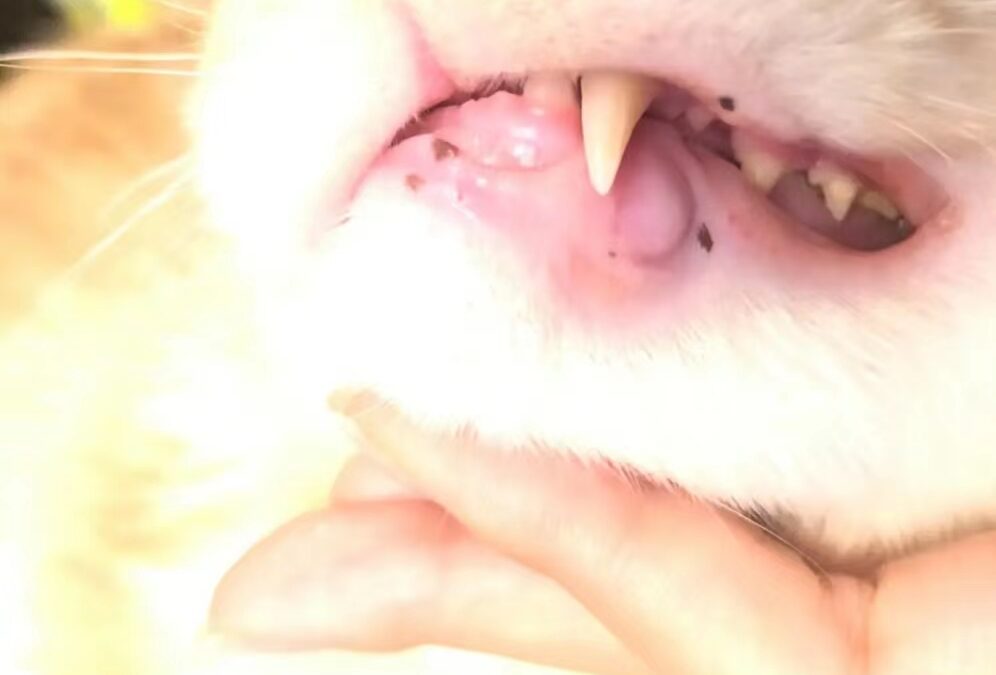
Understanding Symptoms: Pet owners should look for unusual growths or changes in their pet’s skin, oral cavity, nail beds, and eyes. In dogs, melanomas often appear as small, dark-colored lumps, while in cats, they are less common but usually more aggressive.

Regular Veterinary Check-ups: Routine check-ups can help in early detection, which is crucial for successful treatment. Veterinarians can perform thorough examinations, especially in breeds predisposed to melanoma.

Treatment Options

Surgical Removal: The primary treatment for localized tumors, aiming to remove the cancer completely.

Radiation and Chemotherapy: These are options when surgical removal isn’t feasible or in cases of metastasis.

Immunotherapy: A newer approach, like the canine melanoma vaccine, which stimulates the pet’s immune system to fight cancer.

Preventative Measures

Sun Protection: While less common, UV light can contribute to melanoma. Protecting pets from excessive sun exposure, particularly those with less hair or lighter skin, is advisable.

Awareness and Education: Being aware of the breeds at higher risk and educating oneself about the signs and treatment options can significantly impact outcomes.

Green yin-yang logo with TCMVET
Privacy Overview

This website uses cookies so that we can provide you with the best user experience possible. Cookie information is stored in your browser and performs functions such as recognising you when you return to our website and helping our team to understand which sections of the website you find most interesting and useful.