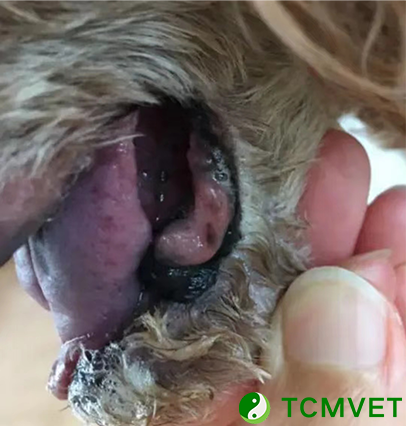
Cutaneous Hemangiosarcoma in Dogs: An In-Depth Overview
Cutaneous hemangiosarcoma is a malignant tumor originating from the endothelial cells of blood vessels, primarily affecting the skin of dogs. This aggressive cancer is known for its potential to spread rapidly and often presents at an advanced stage. Understanding the symptoms, diagnosis, and treatment options is crucial for pet owners and veterinarians to effectively manage this condition.
What is Cutaneous Hemangiosarcoma?
Cutaneous hemangiosarcoma is a type of cancer that arises from the endothelial cells lining the blood vessels. It usually appears as red or purple nodules or plaques on the skin, which may ulcerate or bleed. This tumor predominantly affects middle-aged to older dogs, with breeds like Golden Retrievers and German Shepherds being more susceptible.
Symptoms
The symptoms of cutaneous hemangiosarcoma can vary depending on the tumor’s location and stage. Common signs include:
- Skin Lesions:
- Red, purple, or black nodules or plaques
- Lesions that may ulcerate and bleed
- Rapidly growing masses on the skin
- General Symptoms:
- Lethargy
- Loss of appetite
- Weight loss
- Secondary Symptoms:
- Bruising or bleeding easily
- Swelling in the affected area
Diagnosis
Diagnosing cutaneous hemangiosarcoma involves a combination of clinical examination and diagnostic tests:
- Physical Examination:
- A thorough examination of the skin and overall health status.
- Biopsy:
- A sample of the tumor tissue is taken for histopathological examination to confirm the diagnosis.
- Imaging:
- X-rays or ultrasound may be used to check for metastasis (spread) to internal organs.
- Blood Tests:
- To assess the dog’s overall health and detect any signs of systemic involvement.
Treatment
Treatment options for cutaneous hemangiosarcoma typically involve a combination of surgery, chemotherapy, and radiation therapy:
- Surgery:
- Surgical removal of the tumor is the primary treatment. Complete excision with clear margins is crucial to reduce the risk of recurrence.
- Chemotherapy:
- Used to target any remaining cancer cells and reduce the risk of metastasis. Common drugs include doxorubicin and cyclophosphamide.
- Radiation Therapy:
- May be used post-surgery to eliminate residual cancer cells, particularly in cases where complete surgical excision is challenging.
- Supportive Care:
- Pain management, wound care, and nutritional support are essential for maintaining the dog’s quality of life during treatment.
Prognosis
The prognosis for dogs with cutaneous hemangiosarcoma depends on several factors, including the tumor’s size, location, and stage at diagnosis, as well as the effectiveness of the treatment. Early detection and aggressive treatment can improve outcomes, but the aggressive nature of this cancer often results in a guarded prognosis.
Prevention and Monitoring
While there is no surefire way to prevent cutaneous hemangiosarcoma, regular veterinary check-ups and monitoring for skin changes can aid in early detection. Pet owners should be vigilant about any unusual lumps, bumps, or changes in their dog’s skin and seek veterinary advice promptly.
Conclusion
Cutaneous hemangiosarcoma is a serious and aggressive form of skin cancer in dogs. Understanding the symptoms, diagnostic procedures, and treatment options is essential for effective management. Collaboration between pet owners and veterinarians is key to providing the best care and improving the quality of life for dogs affected by this challenging condition. Regular monitoring and prompt intervention can make a significant difference in the outcomes for dogs with cutaneous hemangiosarcoma.