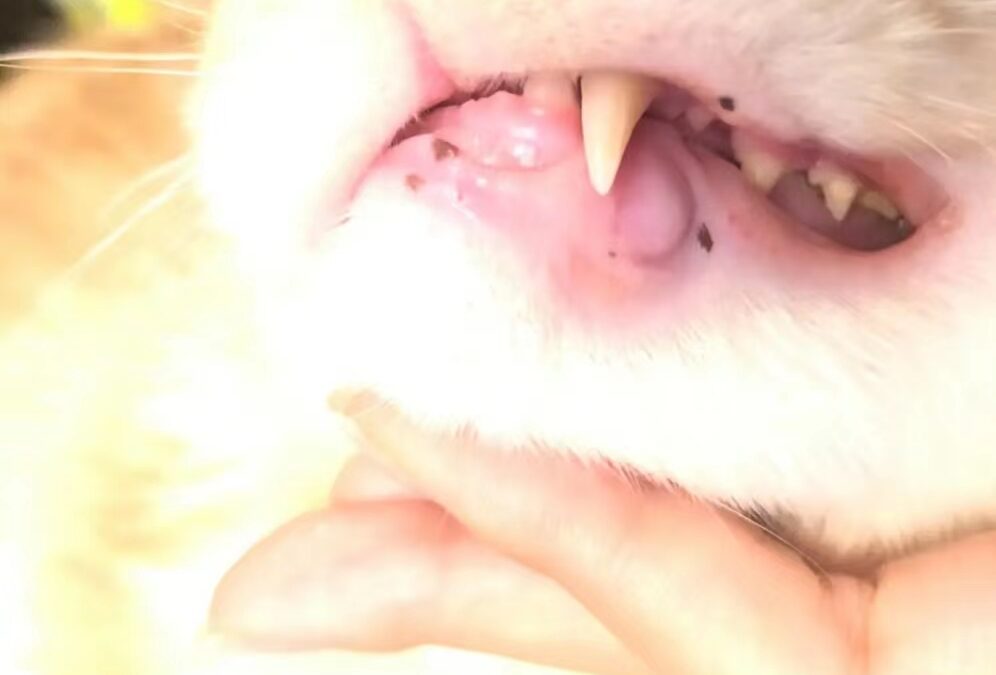
The Role of Nutrition and Lifestyle in Managing Squamous Cell Carcinoma in Pets
Squamous Cell Carcinoma (SCC) is a significant type of cancer found in pets, particularly in cats and dogs. While medical treatments like surgery, chemotherapy, and radiation are primary strategies for managing this condition, the role of nutrition and lifestyle in supporting these treatments is gaining increased recognition. Proper nutritional and lifestyle management can play a crucial role in improving the quality of life and potentially enhancing the overall outcome for pets with SCC.
1. Importance of a Balanced Diet:
Nutrition is fundamental in supporting a pet’s immune system and overall health, especially during cancer treatment. A diet rich in essential nutrients helps in maintaining strength, improving healing processes, and supporting the body’s natural defenses.
- High-Quality Protein: Proteins are crucial for healing and rebuilding tissues. Pets with cancer need high-quality, easily digestible protein sources to help maintain muscle mass and repair tissues damaged by cancer and its treatments.
- Omega-3 Fatty Acids: Found in fish oil, omega-3 fatty acids can help reduce inflammation and have been linked to potential anti-cancer properties.
- Antioxidants: Vitamins A, C, and E, as well as certain compounds found in fruits and vegetables, can help protect the body’s cells from damage and support immune function.
2. Managing Dietary Needs During Treatment:
Cancer treatments can often lead to side effects such as loss of appetite, nausea, or gastrointestinal issues. It’s essential to manage these side effects to ensure that the pet continues to receive adequate nutrition.
- Appetite Stimulation: Pets with reduced appetite may benefit from frequent, small meals. Palatable, high-energy foods can encourage eating.
- Specialized Diets: In some cases, veterinarians might recommend therapeutic diets formulated for pets with cancer.
3. Maintaining a Healthy Weight:
Maintaining a healthy weight is crucial. Pets that are overweight or underweight may have a harder time coping with the demands of cancer and its treatment.
- Regular Weight Checks: Regular monitoring of the pet’s weight can help in making necessary dietary adjustments.
- Balanced Caloric Intake: Ensuring the pet gets the right amount of calories is essential, as both overfeeding and underfeeding can be detrimental.
4. Physical Activity and Mental Well-being:
While it’s important to avoid overexertion, keeping pets gently active can support their overall health and well-being.
- Light Exercise: Gentle walks or play sessions can help maintain muscle mass and improve mood.
- Stress Reduction: A comfortable, stress-free environment is vital for pets with cancer. Regular interaction and a peaceful living space can greatly enhance their quality of life.
5. Avoiding Carcinogens:
Minimizing exposure to known carcinogens is a key preventive measure. This includes protecting pets from excessive sun exposure, which is a risk factor for SCC, especially in lightly pigmented skin areas.
While medical treatments are at the forefront of battling squamous cell carcinoma in pets, nutrition and lifestyle modifications play an indispensable supportive role. A balanced diet, appropriate physical activity, and a healthy living environment can contribute significantly to the pet’s overall health and well-being during cancer treatment. Pet owners should always consult with their veterinarians to devise a comprehensive, personalized care plan that encompasses all aspects of their pet’s health, including nutrition and lifestyle.