by TCMVET | Aug 24, 2026 | Research and News
Dolfos Carcifin is a specialist nutritional supplement discussed by dog owners in Poland who are looking for additional support during cancer treatment. It is important to understand what this product can and cannot do before adding it to a dog’s routine. A supplement may help provide nutritional support, but it is not a cure for cancer and should never replace veterinary diagnosis, surgery, chemotherapy, radiotherapy, pain management, or other recommended care.
If you are comparing options for supportive care, it can also help to review broader guidance on cancer care for pets so you can place any supplement in the right context. For background on how supplements are assessed in veterinary nutrition, the FDA’s veterinary dietary supplements guidance is a useful reference.
What is Dolfos Carcifin?
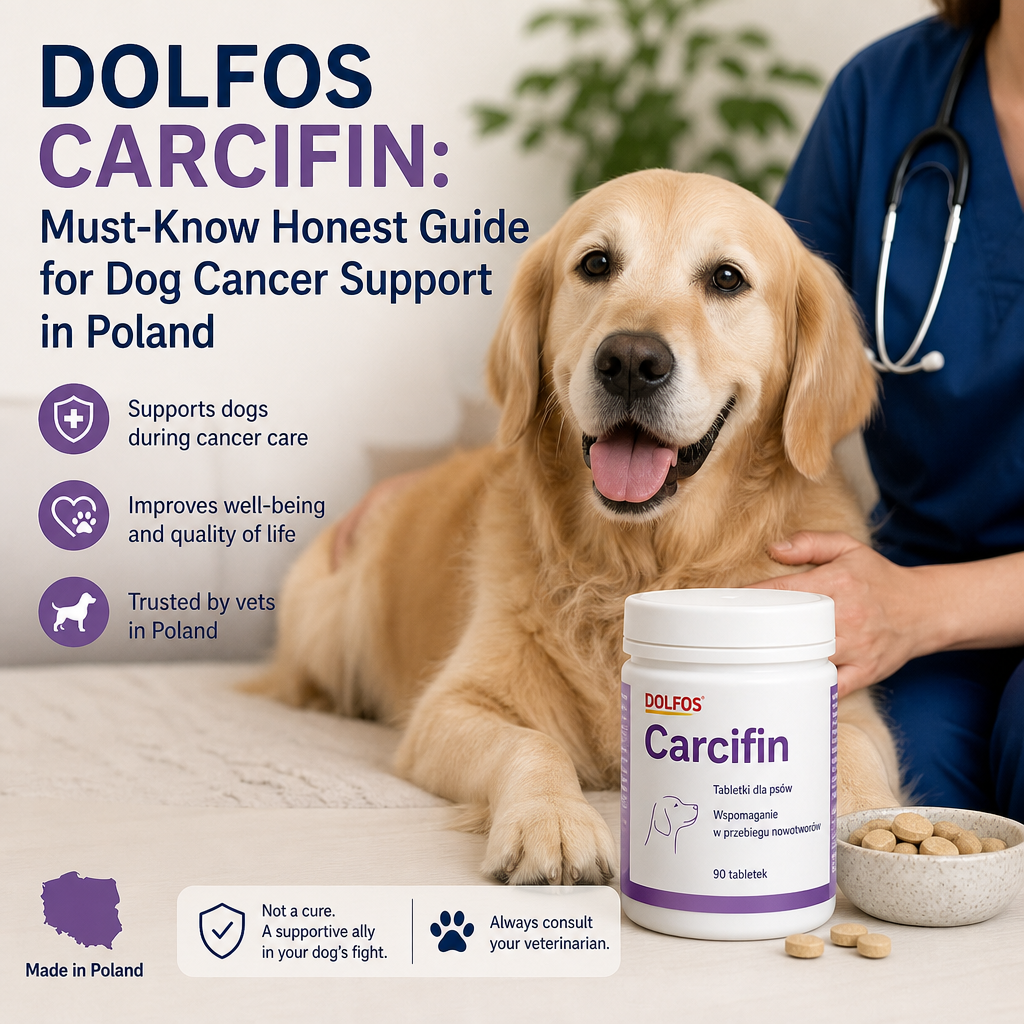
Dolfos Carcifin is a complementary product intended to support dogs during periods of illness, including situations in which cancer affects appetite, body condition, immunity, or general vitality. Products in this category are usually designed to provide selected nutrients or biologically active ingredients that may help the body cope with increased nutritional demands.
Cancer can affect dogs in different ways. Some animals lose weight, eat less, become tired, or experience digestive problems. Others may maintain a normal appetite but gradually lose muscle. These changes can result from the disease itself, inflammation, treatment side effects, or a combination of factors. Nutritional support may therefore be useful, but its suitability depends on the individual dog’s diagnosis, age, weight, medication, and overall health.
The exact formulation, serving instructions, and intended use should always be confirmed on the current product label or through the manufacturer’s information. Formulas and packaging may change, and online descriptions are not always accurate or complete.
For many owners, the first concern is simply whether the dog can continue to eat enough to keep strength up during therapy. That concern is understandable. When a serious diagnosis appears, even small changes in appetite or stool can feel urgent. A supplement may seem like a practical step, but it should be part of a larger strategy that takes the tumor type, stage of disease, current medications, and quality of life into account.
It is also worth noting that different cancers place different demands on the body. A dog with a slowly growing mass and stable appetite may need a very different plan from a dog with vomiting, anemia, or rapid weight loss. That is why products sold as supportive nutrition should never be chosen on marketing claims alone. The value of any product depends on the patient in front of you.
Dolfos Carcifin dog cancer support: what owners should know
The phrase “Dolfos Carcifin dog cancer support” should be understood as supportive care rather than direct cancer treatment. No supplement should be presented as capable of eliminating tumors, preventing metastasis, or guaranteeing a better outcome. Cancer is a complex group of diseases, and treatment decisions must be based on veterinary examination, laboratory testing, imaging, and, when necessary, cytology or biopsy.
A supplement may have a practical role in a broader care plan by helping address nutritional gaps or supporting a dog whose condition has reduced its appetite and resilience. However, benefits can vary considerably. A product that is tolerated well by one dog may cause digestive upset or be unsuitable for another, particularly when kidney, liver, gastrointestinal, or pancreatic disease is also present.
Owners should ask the veterinarian whether the product is appropriate alongside the dog’s current treatment. This is especially important when the dog is receiving chemotherapy, corticosteroids, nonsteroidal anti-inflammatory drugs, antibiotics, anticoagulants, or medication for seizures. Even natural ingredients can interact with medicines or complicate the interpretation of blood tests.
Veterinary teams also look at the bigger picture. A dog that seems weaker may be dealing with pain, nausea, dehydration, infection, or anemia rather than a simple lack of vitamins. If those problems are not addressed first, any supplement will have a limited effect. The most honest way to think about supportive nutrition is as one small tool in a much larger care plan.
In Poland, as in other countries, owners can sometimes be overwhelmed by online claims, local recommendations, and urgent emotions after a diagnosis. That is understandable. Still, the safest choice is to slow down, compare information, and use a product only after checking whether it fits the dog’s medical situation. A calm, measured approach often prevents mistakes.
A realistic Dolfos Carcifin review
A fair Dolfos Carcifin review should consider both potential usefulness and limitations. The main positive point is that a dedicated veterinary supplement can be easier to administer than trying to combine several human products or homemade ingredients. A commercial product may also offer clear dosing guidance based on body weight and may be manufactured under quality-control procedures.
Another possible advantage is convenience. Dogs undergoing cancer treatment often need a simple routine because frequent changes can increase stress. If the supplement is accepted by the dog and does not interfere with meals or medication, it may fit comfortably into daily care.
The limitations are equally important. Evidence for supplements in canine cancer care is often more limited than evidence for conventional treatments. Testimonials and online reviews can describe personal experiences, but they cannot prove that a product caused improvement. A dog may appear better because of pain relief, improved hydration, successful treatment, dietary changes, or natural fluctuations in the disease.
Owners should also avoid judging effectiveness solely by appetite or energy. A dog may eat well while the cancer progresses, or seem tired because of chemotherapy rather than because a supplement is ineffective. Regular veterinary monitoring provides a more reliable assessment.
In practice, the most helpful question is not whether a supplement is “good” in general, but whether it matches the dog’s immediate needs. A patient with weight loss may need calorie-dense feeding strategies, while a dog with nausea may need symptom control before any supplement is introduced. That is why a Dolfos Carcifin review should always be paired with the dog’s diagnosis and treatment plan.
Some owners also ask whether they should expect visible changes in days or whether a longer trial is needed. That depends on the reason for use. If the product is supporting intake and the dog tolerates it well, improvements may show up as steadier appetite, better stool quality, or easier weight maintenance over time. If the dog has advanced disease or severe treatment side effects, however, no supplement should be expected to create dramatic changes on its own.
What a vet may look at before recommending it
A veterinarian may review body weight trends, muscle condition, hydration status, blood chemistry, kidney and liver function, and current medications before advising on supportive nutrition. If the dog has vomiting, diarrhea, poor absorption, or a history of pancreatitis, the choice may need to be adjusted or postponed.
For some dogs, the best outcome comes from simplifying the plan rather than adding more products. The goal is to support comfort and intake without creating extra digestive burden or dosing confusion.
Clinics may also ask whether the dog is already eating a therapeutic diet, whether treats are affecting appetite, and whether the home routine allows consistent administration. Even a well-designed product can be undermined by inconsistent use or by a feeding schedule that does not suit the patient.
How to use the product responsibly
Before giving Dolfos Carcifin, record the dog’s current weight, appetite, stool quality, activity, and medications. Follow the label or veterinary instructions instead of increasing the amount in the hope of achieving faster results. More is not necessarily better, and excessive supplementation can create nutritional imbalances or digestive problems.
Introduce any new product carefully, particularly if the dog has a sensitive stomach. Watch for vomiting, diarrhea, constipation, itching, refusal to eat, unusual tiredness, or other changes. Contact a veterinarian if symptoms appear or worsen. A dog receiving cancer treatment may already be vulnerable to dehydration and weight loss, so persistent digestive problems should not be ignored.
The supplement should also be stored according to the packaging instructions. Check the expiry date, seal, batch information, and method of administration. Do not use a damaged or poorly labeled product.
If the dog misses a dose, avoid doubling the next serving unless a veterinarian explicitly advises it. It is usually safer to resume the normal schedule and observe the dog’s response over the following days.
Many owners find it helpful to create a simple home log. Note the time the product was given, how much food was eaten, whether water intake changed, and whether there were signs of nausea or discomfort. A short record can make follow-up conversations with the clinic much more useful and can help identify patterns that would otherwise be missed.
Signs the plan may need adjustment
- Declining appetite or refusal to eat for more than a day
- Repeated vomiting or loose stool
- Visible weight loss or worsening muscle loss
- New lethargy, restlessness, or discomfort
- Difficulty taking medication or supplements together
These signs do not automatically mean the supplement is harmful, but they do mean the full care plan should be reviewed quickly.
If you are unsure whether a change is minor or urgent, it is safer to call the clinic sooner rather than later. Dogs with cancer can become dehydrated or weak more quickly than healthy dogs, so even a short period of poor intake may matter.
Dolfos Carcifin Poland: buying and veterinary guidance
For people searching for Dolfos Carcifin Poland, the safest approach is to use reputable veterinary clinics, established pet pharmacies, or authorized online retailers. Compare the product name, package size, ingredient list, dosage instructions, and manufacturer details. Avoid listings that make dramatic promises such as curing cancer or replacing professional treatment.
Polish dog owners should also consider asking a local veterinarian or veterinary oncologist for guidance. A professional can assess whether the dog actually needs additional nutritional support and can recommend alternatives if the product is unavailable. In some cases, the priority may be a high-energy veterinary diet, appetite support, anti-nausea medication, pain control, hydration, or treatment of an underlying infection rather than a supplement.
Owners may also want to keep copies of the label, batch number, and purchase receipt. This makes it easier to confirm what was used if questions arise during follow-up appointments.
When buying online, it is sensible to check whether the seller provides the product’s full label, storage instructions, and a clear return policy. If the listing is vague or the photos do not match the official packaging, that is a warning sign. Products used in a vulnerable patient should come from sources that can be traced and verified.
When to seek faster veterinary advice
Contact the clinic promptly if the dog develops dehydration, prolonged vomiting, black or bloody stool, extreme weakness, or sudden breathing changes. These are not routine side effects and may indicate a more serious problem that needs urgent care.
Fast action is especially important if the dog is already receiving chemotherapy or has a known blood-clotting issue. In those cases, waiting to see whether symptoms pass on their own can lead to a preventable emergency.
Questions to ask before starting
Useful questions include:
- Is this product suitable for my dog’s type and stage of cancer?
- Could it interact with current medications?
- Does my dog need blood tests before or during use?
- Should it be given with food or separately?
- What signs would indicate that it should be stopped?
- How will we measure whether it is helping?
These questions encourage a practical, evidence-based approach instead of relying on marketing claims.
It can also help to ask whether the supplement should be introduced before or after meals, and whether the dog’s current feeding schedule should be changed to improve acceptance. Small details often matter more than the product itself.
Another useful question is whether the dog’s current diet already covers the needs the supplement is meant to address. If the dog is eating well and maintaining body condition, the veterinarian may decide that no extra support is necessary. On the other hand, if there is ongoing weight loss or poor intake, the clinic may suggest a broader nutrition plan that includes the supplement only if it adds real value.
Feeding and nutrition support during treatment
Nutrition is one of the most important practical issues during cancer care. Dogs that feel unwell may eat less, and even a brief reduction in intake can worsen weakness. Owners often focus on a single supplement, but the daily feeding plan can matter just as much, or even more.
Some dogs do better with smaller, more frequent meals. Others prefer a consistent routine and will eat best when food is offered at predictable times. Palatability, texture, and temperature can also affect whether a dog accepts food. A slightly warmed meal may smell stronger and be more appealing, while a cold meal may be rejected. These adjustments do not replace treatment, but they can help maintain intake.
If the dog has nausea, the first priority is usually to control that symptom rather than to add extra nutrition immediately. If pain is limiting eating, pain control may improve food acceptance more than any supplement. This is one reason why the most effective supportive plan is often individualized and adjusted over time.
For dogs with significant weight loss, the veterinary team may discuss a more calorie-dense diet or other feeding strategies. In some cases, the goal is not simply to keep the dog eating but to slow muscle loss and preserve strength. That may require a combination of diet changes, medication, and close monitoring rather than a single product.
Owners should also remember that “natural” does not automatically mean safe for every patient. A dog with liver disease, kidney disease, or a history of digestive sensitivity may need a more cautious approach. Whenever a dog is already medically complex, a short discussion with the veterinarian can prevent long-term problems.
Monitoring at home between vet visits
Home monitoring can make a meaningful difference during cancer treatment. Owners see the dog every day and are usually the first to notice small shifts in behavior, appetite, or comfort. Tracking these changes helps the veterinarian make better decisions and can show whether the current plan is working.
Useful things to monitor include appetite, water intake, energy level, stool consistency, vomiting, coughing, mobility, breathing, and any new lumps or swelling. A daily note does not need to be complicated. Even a few words on a calendar or phone app can reveal trends over time.
It is also wise to check whether the dog is able to keep medication down. If tablets, liquids, and supplements are causing stress, the whole routine may need to be simplified. A dog that refuses all oral products may need a different plan rather than repeated forced dosing.
Weight checks are especially useful. Ideally, the dog should be weighed consistently, using the same scale and similar timing if possible. Sudden drops may show that the disease or treatment is affecting nutrition more than expected, even if the dog seems outwardly stable.
If the dog has good and bad days, that pattern should also be discussed with the clinic. Fluctuations can help identify whether the current treatment is easing symptoms or whether new support is needed. This is a practical way to evaluate whether any supplement is truly adding value.
When a supplement may not be the best choice
There are times when even a well-known supportive product is not the right option. Dogs with severe vomiting, uncontrolled diarrhea, marked dehydration, or swallowing difficulty may need immediate medical care first. In such cases, oral supplements can worsen stress or simply fail to stay down long enough to help.
Dogs with pancreatitis, advanced liver disease, or complex gastrointestinal problems may also need a customized nutrition plan. If a product is rich in ingredients that do not suit the patient, the risk may outweigh the potential benefit. Likewise, if the dog is already taking several medications and the routine is becoming difficult to manage, simplification may be the better choice.
Sometimes the bigger issue is quality of life. If the dog is no longer eating with interest, is uncomfortable most of the day, or is losing function despite treatment, the conversation should shift toward comfort-focused care. That does not mean giving up. It means choosing the interventions most likely to help the dog feel better now.
This is where honest expectations matter most. Supportive products can be helpful, but they are not magic. A supplement may be appropriate for one dog and unnecessary for another. The best decision is the one that matches the patient’s condition, the family’s goals, and the veterinarian’s guidance.
Final perspective
Dolfos Carcifin may be considered as one element of supportive care for some dogs, but expectations should remain realistic. The most important goals are maintaining comfort, adequate nutrition, hydration, mobility, and quality of life while following the veterinary treatment plan. A thoughtful Dolfos Carcifin review should therefore recognize that supplements can sometimes complement cancer care, yet they cannot substitute for diagnosis or therapy. Used carefully, with professional guidance and regular monitoring, the product may have a place in an individualized plan for a dog living with cancer in Poland.
In the best-case scenario, supportive care gives the dog more stable days, easier feeding, and better tolerance of treatment. That is a meaningful goal, even when the disease itself still requires ongoing veterinary management.
For owners facing a new diagnosis, the most useful mindset is often one of steady observation rather than urgency. Ask what the dog needs now, what the veterinarian expects next, and whether the supplement genuinely supports those goals. When the plan is practical and closely monitored, even modest improvements can make daily life more comfortable for both the dog and the family.

by TCMVET | Aug 22, 2026 | Research and News
Dog Cancer Surgery Not an Option does not mean there is nothing you can do. When a tumour cannot be safely removed, supportive care can still help control symptoms, preserve comfort, and protect your dog’s quality of life. The right plan depends on the cancer type, its location, how quickly it is progressing, and your dog’s overall health. Working closely with your veterinarian can make this stage more manageable and ensure that care remains focused on your dog’s individual needs.
Understanding why surgery may not be possible

A tumour may be considered inoperable for several reasons. It might be located near vital organs, major blood vessels, the spinal cord, or other structures that cannot be safely disturbed. Some cancers spread throughout the body rather than forming one removable mass. Surgery may also be too risky if a dog has severe heart, kidney, or liver disease, or if the expected recovery would be difficult and unlikely to improve comfort.
“Inoperable” does not always mean “untreatable.” Your veterinarian may recommend radiation therapy, chemotherapy, immunotherapy, targeted medication, pain relief, or palliative procedures. In other cases, the most appropriate approach is comfort-focused care without aggressive treatment. A veterinary oncologist can help explain the available choices, expected benefits, possible side effects, and likely costs.
For owners comparing supportive options, a trusted resource such as the American Veterinary Medical Association’s cancer guidance for pets can be a helpful starting point for understanding the basics before discussing a plan with your veterinary team.
Inoperable dog tumour support and quality of life
Inoperable dog tumour support should begin with a clear quality-of-life plan. The goal is not necessarily to eliminate the cancer, but to reduce suffering and help your dog continue enjoying daily activities for as long as possible.
Pain control is often central to supportive care. Depending on the type and location of the tumour, your veterinarian may prescribe anti-inflammatory medication, opioid pain relievers, nerve-pain medication, or other drugs. Never give human painkillers unless a veterinarian specifically instructs you to do so. Medications such as ibuprofen, naproxen, and acetaminophen can be dangerous or fatal to dogs.
Nausea, poor appetite, constipation, diarrhoea, coughing, and breathing difficulty may also need targeted treatment. Anti-nausea medication, appetite support, stool management, or oxygen therapy may improve comfort significantly. If a tumour interferes with eating or swallowing, your veterinarian may recommend softer foods, a feeding tube, or other options depending on the situation.
Some families also explore extra support options alongside conventional care. If you want to compare practical supplement ideas, the guide on Dog Cancer Supplements: 7 Essential, Affordable and Positive Buying Tips for UK Pet Owners can help you evaluate products more carefully and discuss them with your vet.
When supportive care is working well, your dog may still have good days that include eating, resting comfortably, and moving around the home with less effort. Watching for these moments can help you judge whether the current plan is still giving meaningful benefit. In many cases, the best care for dog cancer surgery not an option is a flexible plan that is reviewed often and adjusted as symptoms change.
Nutrition and hydration
Cancer can alter metabolism and cause weight loss, muscle wasting, or reduced appetite. Providing nutritious, appealing food in small, frequent meals may be more successful than offering one large portion. Some dogs prefer warmed food because the heat increases its aroma. Moist food may also be easier to eat, particularly for dogs with mouth pain or dental problems.
Your veterinarian may recommend a therapeutic diet based on your dog’s diagnosis and bloodwork. Avoid making major dietary changes without professional guidance, especially if your dog has kidney, liver, or pancreatic disease. Unbalanced homemade diets can create nutritional deficiencies at a time when the body needs reliable nourishment.
Hydration is equally important. Keep fresh water available in several easy-to-reach locations. Signs of dehydration can include dry or sticky gums, weakness, sunken eyes, and reduced urination. A dog that cannot keep water down, refuses fluids, or becomes suddenly weak needs prompt veterinary attention.
If appetite is poor, ask your veterinary team whether nausea control, pain control, or a different food texture would help more than changing the diet itself. Many families find that a practical feeding routine is easier to maintain than a complicated menu. In the context of dog cancer surgery not an option, steady nutrition often matters more than perfection, so small improvements can still be meaningful.
Simple feeding changes that may help
- Offer smaller meals two to four times per day.
- Warm food slightly to improve smell and acceptance.
- Use shallow bowls for dogs with facial or neck discomfort.
- Keep water and food close to the resting area.
- Track which foods are tolerated best and which cause nausea or refusal.
Supplements for dogs with cancer
Supplements for dogs with cancer are sometimes considered as part of a broader care plan, but they should not replace proven veterinary treatment. Products commonly discussed include omega-3 fatty acids, medicinal mushrooms, antioxidants, probiotics, and nutritional support formulas. Evidence varies widely, and some supplements can interact with chemotherapy, radiation therapy, blood thinners, steroids, or anti-inflammatory medications.
Omega-3 fatty acids may support skin, joint, and general inflammatory health, but the appropriate dose depends on your dog’s weight, diet, medical history, and product quality. Some herbal products may affect liver enzymes or blood clotting. Antioxidant supplements can also be inappropriate during certain cancer treatments, because some therapies rely partly on oxidative damage to cancer cells.
Always provide your veterinarian with the product name, ingredient list, and intended dose before starting a supplement. Choose products made by reputable manufacturers with quality-control testing, and avoid supplements containing toxic ingredients such as xylitol. “Natural” does not automatically mean safe for dogs.
When to ask about supplements for dogs with cancer
It is worth asking about supplements for dogs with cancer when your dog is already on medication, has liver or kidney disease, or is receiving chemotherapy or radiation. Your veterinary team can help you weigh possible benefits against interaction risks so that any added product fits safely into the larger care plan.
If you are researching product categories, it can also help to compare them against broader veterinary advice rather than marketing claims alone. A second practical resource is the Best Supplements for Dogs with Cancer: 7 Essential UK Support Tips, which can give you a clearer framework for discussing choices with your vet.
Gentle exercise and environmental changes
Exercise should be adapted to your dog’s energy, mobility, and pain level. Short, gentle walks may provide mental stimulation and help maintain muscle without causing exhaustion. Dogs with bone tumours, severe weakness, or balance problems may need restricted activity and non-slip flooring.
Make the home easier and safer by placing food and water near your dog’s resting area, using ramps instead of stairs, adding soft bedding, and keeping rooms comfortably cool or warm. Help your dog change position if they are unable to move easily, but do so gently and ask your veterinarian to demonstrate safe handling.
Mental enrichment remains valuable. Quiet time outdoors, gentle grooming, scent games, and companionship can provide enjoyment without physical strain. Let your dog set the pace and stop activities when signs of fatigue or discomfort appear.
Comfort-focused adjustments are often most effective when they are small, consistent, and tailored to the home. A dog with cancer may not need major lifestyle changes to feel better; sometimes the most helpful steps are also the simplest. For many households facing dog cancer surgery not an option, safer movement and predictable routines reduce stress for both the pet and the family.
Home comfort checklist
- Use rugs or mats on slippery floors.
- Keep blankets and beds clean, soft, and easy to reach.
- Move obstacles away from walking paths.
- Provide a quiet place away from heavy foot traffic.
- Check whether your dog needs help getting up, turning, or settling down.
Monitoring comfort and knowing when to seek help
Keep a simple daily record of appetite, drinking, pain, breathing, mobility, toileting, sleep, and interest in family activities. This can reveal gradual changes that are difficult to notice from day to day. A quality-of-life scale may also help you discuss patterns with your veterinarian.
Contact your veterinary team urgently if your dog has uncontrolled pain, severe breathing difficulty, repeated vomiting, collapse, heavy bleeding, seizures, a swollen abdomen, or an inability to urinate. These signs may indicate a crisis requiring immediate treatment.
Eventually, supportive care may no longer control discomfort adequately. Euthanasia can be a compassionate medical decision when suffering outweighs enjoyment, and discussing this possibility early does not mean giving up. Planning ahead allows you to focus on your dog’s needs rather than making decisions during an emergency.
It can also help to ask your veterinary team what changes would signal that the current plan is no longer enough. Appetite loss, repeated distress, or increasing difficulty breathing may mean that the situation has moved beyond routine management. Having that conversation early gives you time to prepare emotionally and practically. When dog cancer surgery not an option, the most humane care often comes from watching closely and responding before suffering becomes severe.
When dog cancer surgery not an option, attentive palliative care can still make a meaningful difference. With veterinary guidance, careful symptom control, suitable nutrition, safe activity, and loving daily support, many families can provide their dogs with comfort and dignity throughout the time they have together. If you are building a broader care plan, remember that dog cancer surgery not an option is not the end of the conversation; it is the point where comfort, monitoring, and informed choices matter most.
by TCMVET | Aug 21, 2026 | Research and News
Freeland Onco-Pet alternative options can be useful for Italian dog owners searching for supportive nutrition during cancer care. However, supplements should never replace veterinary diagnosis, surgery, chemotherapy, radiation, or prescribed medication. A dog with a tumor needs an individualized plan based on the type of cancer, its location, stage, current treatment, appetite, weight, and overall health. The right supplement may help support normal nutrition and quality of life, but “natural” does not automatically mean safe or effective.
Why consider alternatives to Freeland Onco-Pet?
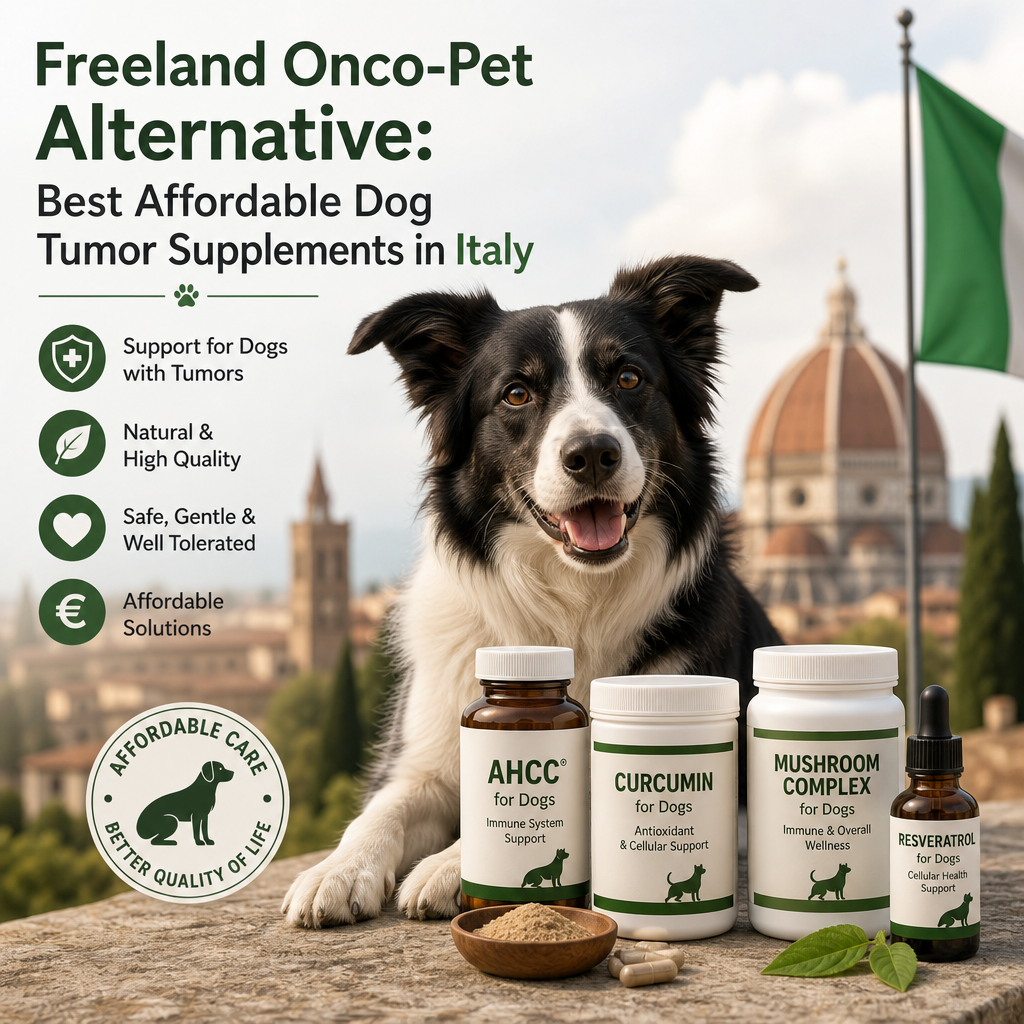
Owners may look for alternatives to Freeland Onco-Pet for several practical reasons. The product may be unavailable locally, difficult to import, expensive, or unsuitable for a dog with specific dietary needs. Some pets may also refuse a particular powder, tablet, or liquid, while others may experience digestive upset after starting a new supplement.
Availability is especially important when searching for dog tumor supplements in Italy. Products purchased from Italian veterinary pharmacies, reputable pet nutrition companies, or established European retailers are often easier to obtain consistently. Reliable supply matters because stopping and starting nutritional support can make it harder to determine whether a product is helping.
Before choosing a Freeland Onco-Pet alternative, compare the ingredient list, concentration, intended use, administration instructions, expiration date, and manufacturer’s quality controls. Avoid products that make dramatic claims, such as curing cancer, dissolving tumors, or replacing conventional therapy. These claims are not a substitute for scientific evidence or veterinary guidance.
For broader cancer-care context, pet owners can also review this guide to early tumor signs in Cane Corso dogs when discussing changes in appetite, lumps, or weight loss with a veterinarian.
What should a supportive supplement contain?
There is no single best supplement for every dog with cancer. A veterinarian may recommend different nutrients depending on the dog’s condition. Common ingredients considered in supportive formulas include omega-3 fatty acids, antioxidants, medicinal mushrooms, amino acids, vitamins, minerals, and digestive-support ingredients.
Omega-3 fatty acids, particularly EPA and DHA from purified fish oil, are often discussed in veterinary nutrition. They may support skin, joints, and general inflammatory balance, while also helping some dogs maintain interest in food. The dosage must be calculated carefully, especially in dogs with pancreatitis, clotting problems, gastrointestinal disease, or those taking anticoagulant medication.
Antioxidants such as vitamins E and C, selenium, and plant compounds may be included in some formulas. Their use during chemotherapy or radiation should be discussed with the veterinary oncologist, because high-dose antioxidant supplementation may not be appropriate in every treatment plan. More is not necessarily better.
Medicinal mushroom extracts, including compounds derived from turkey tail, shiitake, maitake, or reishi, are also found in some dog tumor supplements in Italy and elsewhere. Evidence varies by mushroom, extract, dosage, and cancer type. Product quality can differ considerably, so a veterinary professional should review the exact formulation rather than relying only on the ingredient name.
If you are comparing ingredient labels and practical use, a Freeland Onco-Pet alternative should be judged by transparency, not by marketing language. A simple formula with well-documented amounts is often easier to assess than a complex blend with hidden proportions.
When owners ask for a Freeland Onco-Pet alternative, they usually want something affordable, accessible, and easy to use. Those goals matter, but the supplement still needs to match the dog’s current treatment plan. A good label should explain the active ingredients, serving size, and any important cautions in plain language.
Dog tumor supplements Italy: choosing products responsibly
When shopping for dog tumor supplements in Italy, start with the manufacturer rather than the marketing slogan. Look for clear labeling in Italian or another understandable language, complete ingredient quantities, batch information, storage instructions, and contact details for the company. A product should identify whether it is intended for dogs, provide a recommended dose based on body weight, and state relevant precautions.
Prefer companies that use quality-control testing for contaminants, heavy metals, microbes, and inaccurate ingredient concentrations. This is particularly important for herbal products and marine oils. Supplements can become rancid, contaminated, or poorly standardized if manufacturing and storage practices are inadequate.
Italian pet owners can ask a veterinarian about products available through veterinary clinics, pharmacies, and established European distributors. A product sold through a professional channel is not automatically effective, but traceability and access to technical information are valuable. Avoid powders or capsules sold through anonymous marketplaces, especially when the label is incomplete or the product promises guaranteed tumor shrinkage.
According to the VCA overview of omega-3 fatty acids in canine nutrition, dosing and safety depend on the individual dog, which is why professional guidance matters when selecting a Freeland Onco-Pet alternative.
For families comparing a Freeland Onco-Pet alternative with other dog tumor supplements in Italy, it helps to ask three simple questions: Is the product traceable? Is the ingredient list complete? Is there a clear reason this formula fits the dog’s diagnosis and current medications? If any answer is unclear, another option may be better.
When a product looks affordable but raises questions
An affordable label is not enough on its own. A low-cost product may still be poor quality if it lacks batch numbers, dosage guidance, or third-party testing. In contrast, a slightly more expensive supplement may be more practical if it is consistently available and easier to verify.
Italian owners considering a Freeland Onco-Pet alternative should also think about feeding routine. A supplement that is difficult to measure or unpleasant to taste may end up unused, which reduces value regardless of price. Simpler products are often easier to keep in a daily plan.
Important safety considerations
Cancer can affect the liver, kidneys, immune system, digestion, and blood clotting. These changes may alter how a dog tolerates supplements. A product that is reasonable for one patient may be inappropriate for another.
Tell the veterinarian about every product the dog receives, including oils, herbal drops, vitamins, joint products, and human supplements. Potential problems include interactions with chemotherapy, altered drug metabolism, increased bleeding risk, excessive vitamin intake, and worsening gastrointestinal symptoms. Human products may also contain xylitol, caffeine, concentrated essential oils, or other ingredients that are dangerous to dogs.
Introduce only one new supplement at a time, using the recommended amount unless the veterinarian provides different instructions. Monitor appetite, stool quality, vomiting, energy, thirst, urination, itching, and any signs of pain. Stop the product and contact the veterinary team if the dog develops repeated vomiting, severe diarrhea, facial swelling, breathing difficulty, unusual bruising, extreme weakness, or a sudden decline.
Because safety issues can appear quickly, the best Freeland Onco-Pet alternative is not just affordable; it is also traceable, clearly labeled, and appropriate for the dog’s current treatment plan.
If a dog is already receiving cancer medication, the safest Freeland Onco-Pet alternative is usually the one that creates the least risk of interaction. That means the label, dosage, and ingredient list matter as much as the price. A vet can help decide whether the supplement supports the plan or adds unnecessary complexity.
Nutrition matters more than a single product
A supplement cannot compensate for inadequate calories, dehydration, uncontrolled pain, or untreated nausea. Many dogs with cancer benefit most from a complete, balanced diet that they will actually eat. Some need a calorie-dense food, softer meals, smaller frequent portions, or veterinary medication to control nausea and improve appetite.
Dietary changes should be gradual unless the veterinarian recommends otherwise. Abrupt changes can cause diarrhea and reduce food intake. Fresh water should always be available, and weight should be checked regularly. Unplanned weight loss, muscle loss, or persistent appetite changes should be reported promptly.
A veterinary nutritionist may be helpful when a dog has complex needs, food allergies, kidney disease, pancreatitis, or difficulty maintaining weight. The goal is not simply to provide the largest possible number of supplements, but to support comfort, strength, treatment tolerance, and daily quality of life.
For many families, the most effective Freeland Onco-Pet alternative is the one that fits into a complete feeding plan, not a stand-alone capsule or powder. That means the dog should eat well, tolerate the product, and continue to receive the medications and monitoring recommended by the oncology team.
Good nutrition also helps owners judge whether a supplement is truly useful. If energy, appetite, stool quality, and body weight stay stable, it becomes easier to see whether the Freeland Onco-Pet alternative is supporting the dog or simply adding cost.
Finding the most suitable alternative
The best Freeland Onco-Pet alternative is the one that fits the dog’s medical plan, can be sourced reliably, has transparent labeling, and is tolerated without reducing appetite or causing side effects. Alternatives to Freeland Onco-Pet may include veterinary omega-3 products, carefully selected mushroom extracts, balanced nutritional formulas, or targeted supplements prescribed for a documented deficiency. None should be chosen solely because of online reviews or a claim that a product is “anti-cancer.”
Discuss the dog’s diagnosis and current medications with the treating veterinarian before purchasing. Bring the full product label, including the active ingredients and amounts per serving. With professional guidance, Italian dog owners can make safer choices and focus on evidence-based treatment, good nutrition, symptom control, and the pet’s comfort throughout care.
In short, a thoughtful Freeland Onco-Pet alternative can support overall care, but the safest results come from combining nutrition, monitoring, and veterinary oncology advice.
Choosing a Freeland Onco-Pet alternative should never feel like a guessing game. The right option is the one that fits the dog, the treatment schedule, and the family’s ability to keep using it consistently under veterinary supervision.
by TCMVET | Aug 21, 2026 | Research and News
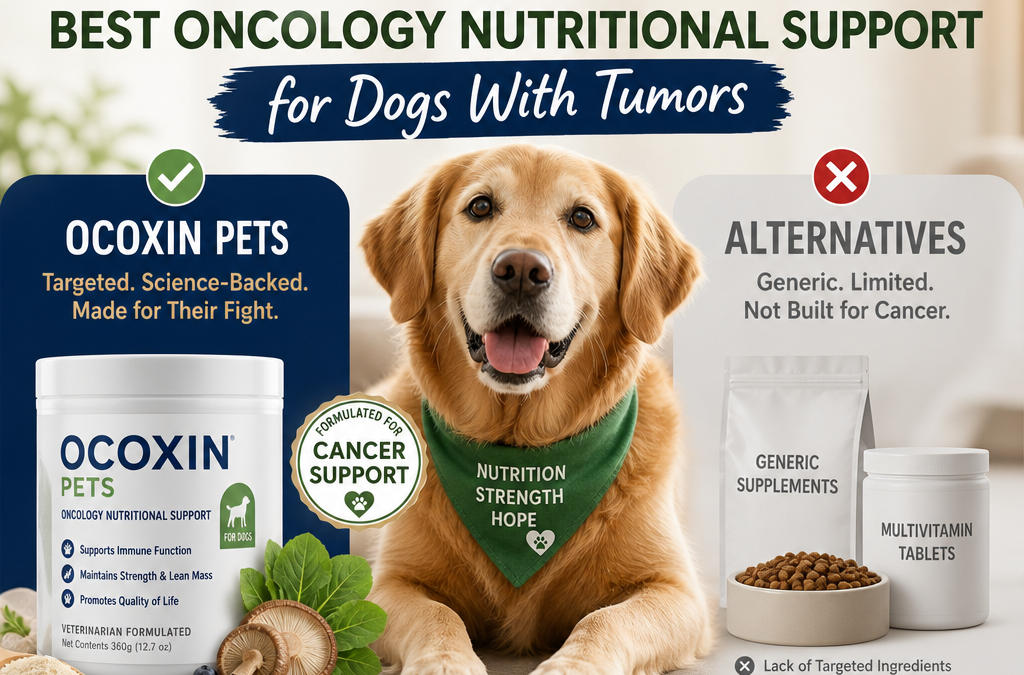
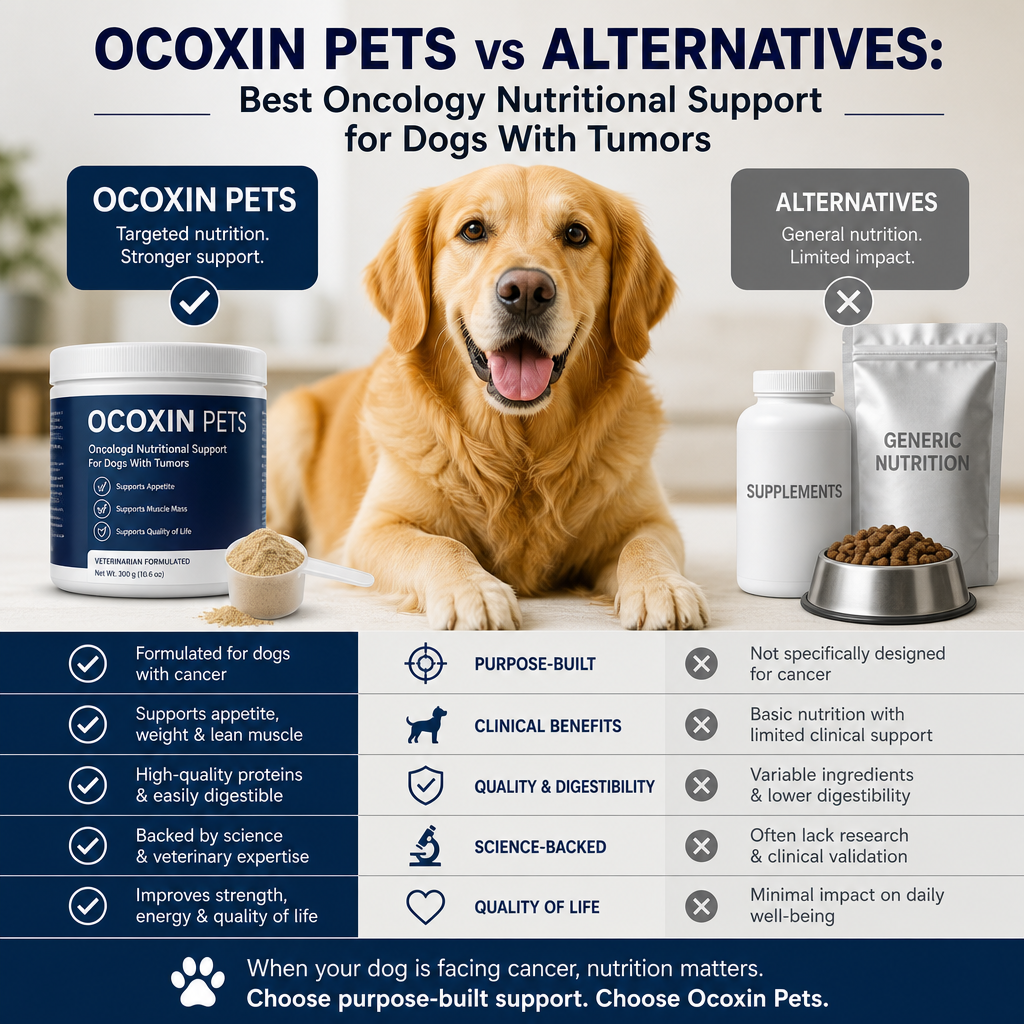
Ocoxin Pets vs Alternatives is an important comparison for owners seeking supportive care for a dog diagnosed with cancer. Nutritional products may help maintain appetite, body condition, hydration, and quality of life during treatment, but they should complement—not replace—veterinary oncology care. The best choice depends on the dog’s tumor type, treatment plan, bloodwork, digestive tolerance, and overall goals of care.
Why oncology nutritional support matters for dogs
Cancer can affect a dog’s nutritional status in several ways. Tumors may increase energy demands, cause inflammation, reduce appetite, or interfere with digestion and nutrient absorption. Surgery, chemotherapy, radiation therapy, and medications can also produce nausea, fatigue, mouth discomfort, or changes in taste and smell.
Maintaining adequate nutrition is valuable because a well-nourished dog may be better able to preserve muscle mass, recover from procedures, tolerate treatment, and remain active. Nutrition cannot cure cancer, but it can support strength and comfort while the veterinary team addresses the disease itself.
A useful nutritional plan generally focuses on:
- Providing enough calories and highly digestible protein
- Preserving lean muscle rather than simply increasing body weight
- Supporting hydration and normal bowel function
- Managing nausea, diarrhea, constipation, or appetite loss
- Avoiding unnecessary dietary restrictions
- Monitoring weight and body condition regularly
No single supplement is appropriate for every dog. Nutritional support should be individualized, especially when a dog has kidney disease, liver disease, pancreatitis, diabetes, or a history of urinary crystals.
Many owners begin by comparing Ocoxin Pets vs alternatives because they want a practical, dog-friendly way to support eating, energy, and recovery without adding unnecessary complexity. That is a sensible starting point, but the final choice should always depend on the patient rather than the label.
For a broader overview of supportive care, see this guide to best supplements for dogs with cancer.
What is Ocoxin Pets?
Ocoxin Pets is a veterinary nutritional supplement formulated to provide supportive nutrients for dogs and cats. Its ingredients may include compounds such as antioxidants, vitamins, minerals, amino acids, and plant-derived substances, depending on the specific formulation and market. It is generally positioned as an adjunct to conventional veterinary care for animals facing serious illness.
Owners may consider it because it is designed specifically for companion animals and is often easier to administer than combining several human supplements. However, product formulations can vary by country, and evidence for individual ingredients may not directly prove that the complete product improves survival or treats a particular tumor.
Before using Ocoxin Pets, owners should review the ingredient list with a veterinarian. This is particularly important if the dog is receiving chemotherapy, corticosteroids, nonsteroidal anti-inflammatory drugs, anticoagulants, or other medications. Some antioxidants and herbal ingredients can theoretically affect drug metabolism or treatment response, even when they appear harmless.
In many real-world cases, the value of Ocoxin Pets vs alternatives comes down to convenience, palatability, and whether the product fits the rest of the care plan. A supplement that looks excellent on paper may still be a poor choice if the dog refuses it or if the ingredient profile is too broad for a patient already on multiple medications.
Ocoxin Pets vs Alternatives: key comparison points
When evaluating Ocoxin Pets vs alternatives, the most useful approach is to compare practical goals rather than product popularity. Consider whether the supplement provides meaningful nutritional value, whether the dog will tolerate it, and whether the veterinary team is comfortable including it in the treatment plan.
Complete therapeutic diets
Veterinary therapeutic diets may be the strongest alternative when a dog has poor appetite, weight loss, digestive problems, or a concurrent medical condition. These diets are formulated to deliver controlled levels of calories, protein, fat, fiber, vitamins, and minerals.
Some cancer-support diets are energy-dense and designed to help maintain body condition. Others are tailored for kidney disease, gastrointestinal sensitivity, or food allergies. Unlike many supplements, complete diets can serve as the main source of nutrition when fed according to veterinary instructions.
Their main limitation is acceptance. A dog undergoing treatment may reject a new food, particularly if nausea has created a negative association. Gradual transitions and veterinary-approved appetite strategies can improve success.
When owners compare Ocoxin Pets vs alternatives, therapeutic diets often make sense first if the dog is already losing weight or refusing meals. They are also useful when the clinical goal is to stabilize the entire nutritional picture instead of adding several separate products.
High-calorie nutritional gels and recovery foods
High-calorie gels, liquid diets, and recovery foods can be useful for short-term support after surgery or during periods of reduced appetite. They are often easy to administer and can provide concentrated energy in small amounts.
These products are not always nutritionally complete, so they may not be suitable as a sole diet for extended periods. They can also be high in fat, which may be problematic for dogs with pancreatitis or certain gastrointestinal disorders. Their role is usually to supplement meals under professional guidance.
For dogs that need short bursts of calorie support, Ocoxin Pets vs alternatives should be judged by how well each option fits the recovery phase. A dog that just had surgery may need a different product from one that is stable but mildly underweight during chemotherapy.
Owners should also think about ease of use. Some recovery foods work well as a syringe-fed slurry, while others are better offered in small spoonfuls or mixed with warm water. A product that is technically appropriate but impossible to feed is unlikely to help for long.
Omega-3 fatty acids
Fish oil containing EPA and DHA is frequently considered among dog tumor support options. These fatty acids may help support normal inflammatory regulation and skin, coat, and joint health. Some veterinary nutritionists include them in cancer-care plans, although benefits vary according to the cancer type, dose, and overall diet.
Quality matters. Products should be tested for purity and oxidation, and dosing should be based on the dog’s body weight and medical condition. Excessive amounts may cause gastrointestinal upset or affect platelet function. Cod liver oil should not automatically be substituted for fish oil because it can provide excessive vitamin A or vitamin D.
In many cases, Ocoxin Pets vs alternatives is not an either-or decision; omega-3s may fit alongside other supportive products when the veterinarian approves the combination. In fact, some owners use a targeted fat supplement together with a more general nutritional product, but that combination still needs professional review to avoid over-supplementation.
Individual vitamins, antioxidants, and herbal products
Single-ingredient supplements can appear attractive because they allow owners to target a specific concern. However, isolated products may create risks if combined without oversight. High doses of vitamins A, D, E, or K can be harmful, while herbal ingredients may interact with medications.
Antioxidants deserve particular caution during chemotherapy or radiation therapy. Although oxidative stress can contribute to cellular damage, some cancer treatments intentionally rely partly on oxidative mechanisms. The effect of supplementation depends on the treatment, timing, dose, and individual patient. Veterinary oncologists should be involved before antioxidants are added.
That is why Ocoxin Pets vs alternatives should be reviewed with the treatment protocol in mind, not just the ingredient label. A supplement that seems gentle may still conflict with timing, dosage, or the therapeutic target of the cancer plan.
It is also worth remembering that “more” is not the same as “better.” A long ingredient list can look impressive, but a focused product that solves one problem well may be more useful than a broad formula with unclear benefits.
Homemade diets
A carefully formulated homemade diet may be appropriate for selected dogs, especially those with food preferences or multiple dietary restrictions. However, simply feeding meat, rice, vegetables, or eggs is unlikely to provide complete and balanced nutrition over time.
Homemade cancer diets should be designed by a board-certified veterinary nutritionist. Recipes may need precise adjustments for calcium, essential fatty acids, trace minerals, calories, and protein. Unbalanced feeding can worsen weakness and weight loss even when the ingredients appear wholesome.
When people compare Ocoxin Pets vs alternatives, homemade food is often attractive, but it should be guided by a professional rather than improvised. A structured recipe can be excellent, while an unplanned mix of kitchen foods can create nutritional gaps that undermine recovery.
Owners sometimes choose homemade diets because they want to encourage eating during a difficult period. That can work, but only if the recipe still supports the dog’s actual nutritional needs and avoids risky ingredient combinations.
How to choose among dog tumor support options
The first step is identifying the primary nutritional problem. A dog that is losing muscle needs a different strategy from a dog with stable weight but treatment-related nausea. Likewise, a dog with lymphoma may have different needs from one recovering from oral cancer surgery or managing a bone tumor.
Track the dog’s weight at least weekly when possible. Note appetite, water intake, vomiting, stool quality, activity, and signs of pain. A declining body condition, repeated vomiting, persistent diarrhea, difficulty swallowing, or refusal to eat warrants prompt veterinary attention rather than simply adding another supplement.
Owners should also ask whether the product is complete and balanced, how many calories it provides, whether it contains herbs or concentrated vitamins, and whether it has been tested for contamination. “Natural” does not necessarily mean safe, and more ingredients do not necessarily mean greater benefit.
If your veterinarian is monitoring the spread of disease, this resource on metastasis in dogs may help put nutritional support into context.
In practical terms, Ocoxin Pets vs alternatives should be sorted by problem, not by marketing category. For example, a dog with poor appetite may need palatable calorie support first, while a dog with soft stool may need a more digestible diet and fewer added extras. The best plan is often a simple one that can actually be followed every day.
Consider the dog’s age, breed, tumor location, and treatment phase. A young dog in an aggressive treatment protocol may tolerate a different support strategy than an older dog with multiple chronic conditions. Even within the same cancer type, two patients can have very different nutritional priorities.
Some owners also find it helpful to compare Ocoxin Pets vs alternatives in stages. Start with the most immediate problem, then reassess after a few days or weeks. That approach reduces the risk of stacking too many products at once and makes it easier to identify what is truly helping.
When appetite is the main issue, palatability may matter more than a long ingredient panel. When the dog is losing muscle, calorie density and protein quality become more important. When the gut is sensitive, digestibility and simple formulas may be preferable. Matching the support plan to the primary problem often produces better results than choosing the most popular option.
Practical questions to ask before starting a supplement
Before choosing between Ocoxin Pets vs alternatives, ask these questions:
- What is the dog’s current diagnosis and treatment goal?
- Is the main problem appetite loss, weight loss, nausea, or poor recovery?
- Does the product fit the dog’s medication list and lab results?
- Will the dog actually eat or accept the product consistently?
- Does the supplement add useful calories or nutrients, or only marketing claims?
- Are there safer or better-studied options for this specific case?
These questions often reveal whether the product will be helpful or simply another item to manage during an already stressful treatment plan.
It can also help to ask how quickly a product should be expected to work. Some support items are meant for short-term recovery after a procedure, while others are intended for longer nutritional maintenance. If the goal is unclear, the product may be judged unfairly or kept in use for too long.
Another useful question is whether the dog can take the product in a way that is realistic for the household. If a formula needs multiple daily doses but the family cannot reliably give them, a simpler option may be better.
Owners should also keep a short log of feeding amounts, stool quality, and daily energy. That record makes it easier to tell whether Ocoxin Pets vs alternatives is actually improving comfort or whether the plan needs to be adjusted. Small changes are easier to spot when they are written down.
How treatment type changes the decision
The best support strategy can vary with the type of cancer care being used. Dogs receiving chemotherapy may need help with nausea, appetite, and gut tolerance. Dogs undergoing surgery may need recovery calories, pain control, and easy-to-eat meals. Dogs receiving radiation may benefit from softer foods if the mouth or throat is irritated.
In a patient with bone tumors, maintaining muscle and mobility may be a priority. In a dog with oral tumors, texture and palatability matter more. For gastrointestinal cancer, digestibility and stool quality become especially important. These differences explain why Ocoxin Pets vs alternatives should never be decided based on a general recommendation alone.
If a dog is receiving a multi-step treatment protocol, the support plan should match the phase of care. Appetite support may matter most during chemotherapy, while calorie-dense recovery feeding may matter most after surgery. A product that fits one phase may not fit another.
If your veterinarian is monitoring the spread of disease, this resource on cancer in dogs from Cornell University is a helpful educational reference on canine cancer care.
There are also practical differences in how long support may be needed. Some dogs only need nutritional help during a short treatment window, while others benefit from a longer maintenance plan. That means Ocoxin Pets vs alternatives may shift over time as the medical situation changes.
For example, a dog that is stable after surgery may eventually need less intensive support, while a dog whose cancer is progressing may need a more calorie-dense and easier-to-feed approach. Reassessing the plan regularly helps make sure the support remains relevant.
The role of veterinary supervision
Oncology nutritional support works best as part of a coordinated care plan. The veterinarian may recommend anti-nausea medication, pain control, appetite stimulants, dental care, feeding-tube support, or a therapeutic diet in addition to any supplement.
A veterinary oncologist can also evaluate potential interactions with chemotherapy, radiation, surgery, and targeted medications. Supplements should usually be introduced one at a time so that adverse reactions can be identified. If the dog develops vomiting, diarrhea, lethargy, itching, or a sudden change in appetite, discontinue the new product and contact the veterinary team.
Owners should also keep in mind that supportive care is not static. A product chosen early in treatment may need to be changed if weight drops, nausea worsens, or lab values shift. That is another reason Ocoxin Pets vs alternatives should be revisited regularly rather than selected once and forgotten.
Ultimately, Ocoxin Pets vs alternatives may favor Ocoxin Pets for some dogs, while a complete therapeutic diet, omega-3 product, recovery formula, or professionally formulated homemade plan may be more appropriate for others. The best option is the one that addresses the dog’s actual nutritional needs, fits safely with treatment, and helps preserve comfort and quality of life.
In the end, the most effective choice is usually the one the dog will tolerate consistently and the veterinary team can support confidently. For some households, Ocoxin Pets vs alternatives will point toward a commercially prepared supplement; for others, it will point toward a full diet change, targeted calories, or a simpler nutritional plan with fewer ingredients.
For additional context on supportive cancer nutrition, you can also review the American Veterinary Medical Association’s cancer treatment guidance for pets.
by TCMVET | Aug 21, 2026 | Research and News
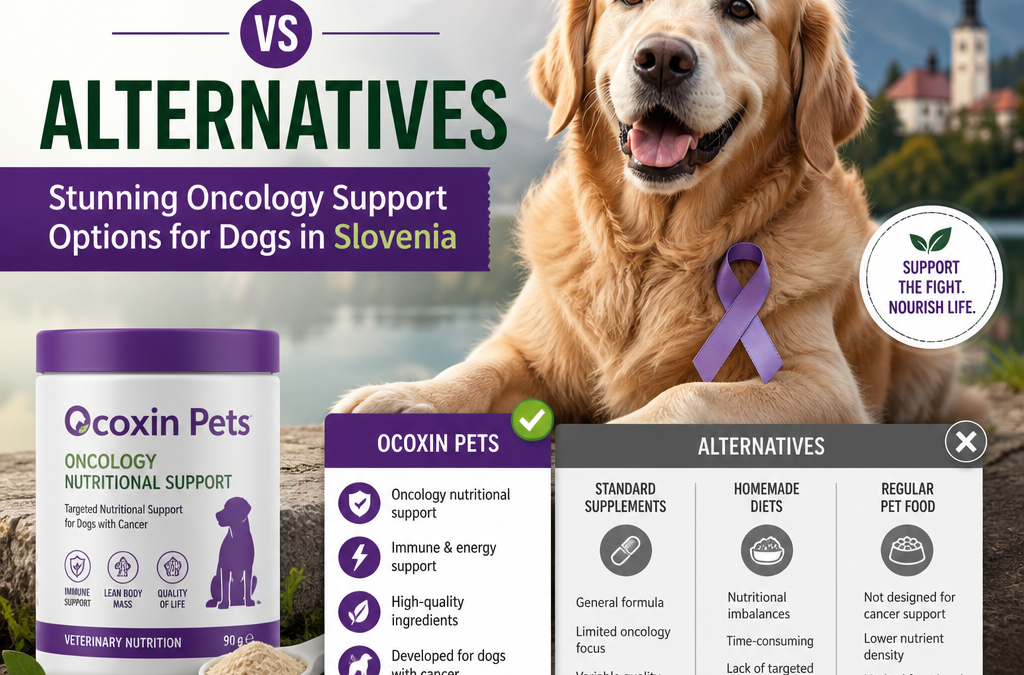
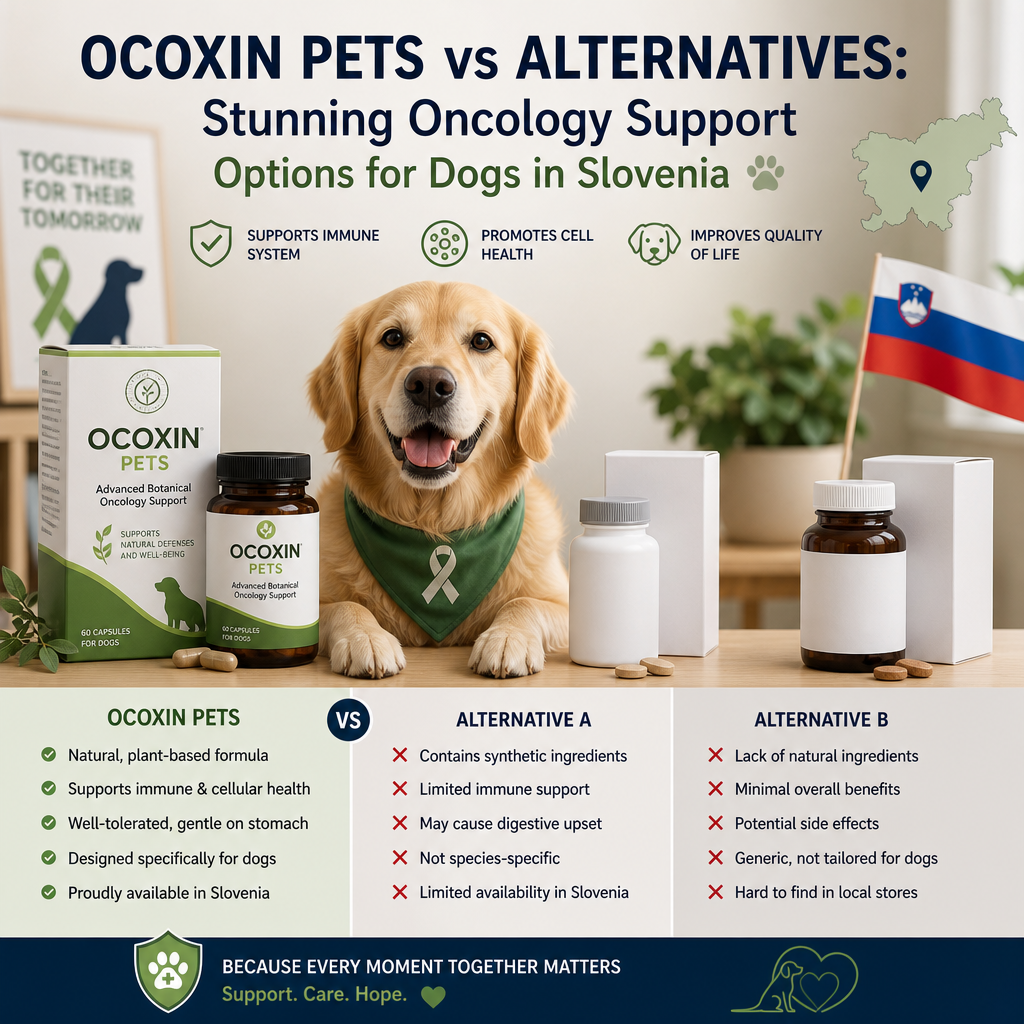
Ocoxin Pets vs alternatives is an important comparison for Slovenian dog owners looking for supportive care during cancer treatment. When a dog receives a tumor diagnosis, nutrition, comfort, and quality of life become central concerns alongside veterinary treatment. Supplements may help support appetite, energy, digestion, or general wellbeing, but they should complement—not replace—an individualized oncology plan from a veterinarian. For background on broader care choices, see Dog Cancer Essential Helpful Guide to Pet Oncology.
Understanding oncology nutritional support for dogs
Oncology nutritional support refers to dietary strategies and supplementary products designed to help dogs maintain strength during illness and treatment. Cancer can affect metabolism, appetite, digestion, and muscle condition. Chemotherapy, radiation therapy, surgery, and medication may add further challenges, including nausea, reduced appetite, fatigue, or changes in stool consistency.
A suitable nutritional plan usually focuses on several goals:
- Maintaining an appropriate body weight
- Preserving muscle mass
- Supporting normal digestion
- Providing adequate hydration
- Making meals appealing and easy to tolerate
- Adjusting nutrition around treatment-related side effects
There is no single “cancer diet” that works for every dog. The best approach depends on the tumor type, treatment plan, age, body condition, kidney and liver function, activity level, and existing medical conditions. In that context, Ocoxin Pets vs alternatives should always be judged against the dog’s real needs, not just a label or a sales claim.
It also helps to remember that nutritional support is only one part of the full care picture. A dog with cancer may need pain relief, digestive support, monitored exercise, medication adjustments, and frequent follow-up appointments. The more complete the plan, the easier it becomes to identify whether a product is genuinely useful or simply adds another item to the routine.
Owners often feel pressure to do everything possible once a diagnosis is confirmed. That instinct is understandable, but the best support is usually targeted support. A product that helps one dog eat better may not suit another dog with a different tumor type or treatment schedule. This is why careful observation and veterinary guidance matter so much.
Ocoxin Pets vs alternatives: what should owners compare?
Ocoxin Pets is used in some veterinary settings as a supportive nutritional product for dogs and cats facing serious illness. Its formulation is intended to provide nutritional and antioxidant support, although the exact role it plays should be discussed with a veterinary professional familiar with the animal’s complete case. For many owners, Ocoxin Pets vs alternatives becomes a practical question of fit, safety, and everyday use.
When comparing Ocoxin Pets vs alternatives, owners should look beyond marketing claims and assess practical factors such as:
1. Ingredient profile
Review the full ingredient list, not only the headline benefits. Products may contain vitamins, minerals, plant extracts, amino acids, antioxidants, or other nutritional compounds. Some ingredients can be inappropriate for dogs with kidney disease, liver problems, gastrointestinal sensitivity, or specific medication plans. That is why Ocoxin Pets vs alternatives should be discussed with a vet before anything is started.
A helpful habit is to note every active ingredient and ask what each one is supposed to do. If a product contains multiple compounds with overlapping functions, more is not automatically better. In some situations, a simpler formula is easier to tolerate and easier for the veterinarian to monitor. If a dog has a history of pancreatitis, chronic bowel disease, or food intolerance, the ingredient list becomes even more important.
2. Evidence and veterinary oversight
A supplement can be useful as part of supportive care, but evidence may vary widely between products. Ask whether the product has veterinary research, published information, clear dosing instructions, and quality-control standards. A veterinarian can also determine whether a proposed supplement is appropriate for a particular tumor and treatment protocol. In short, Ocoxin Pets vs alternatives should be judged on evidence as well as convenience.
Because each cancer case is different, the most relevant evidence is often the evidence that applies to a dog with similar needs. A product may look promising in general wellness discussions, but oncology patients require more caution. The ideal choice is one that fits the stage of disease, the treatment goals, and the dog’s ability to eat, absorb, and tolerate the product consistently.
3. Tolerance and administration
A theoretically beneficial product is of limited value if a dog refuses it or develops digestive upset. Taste, capsule size, liquid format, dosing frequency, and compatibility with meals all matter. During cancer treatment, simple administration can make daily care less stressful. For some households, this practical side of Ocoxin Pets vs alternatives matters more than small differences in ingredient lists.
Tolerance should be watched closely during the first days of use. If a product changes stool quality, causes drooling, seems to trigger nausea, or makes the dog reluctant to eat, the veterinarian should be told promptly. Even mild digestive discomfort can undermine nutritional goals in a dog already struggling to maintain weight.
4. Safety and interactions
Some supplements may affect blood clotting, blood pressure, liver enzymes, or the absorption of medicines. Antioxidant products deserve particular discussion when a dog is receiving chemotherapy or radiation, because the timing and dose of antioxidant support may matter. Never assume that a natural ingredient is automatically harmless. This is one of the most important points in the Ocoxin Pets vs alternatives discussion.
It is also wise to remember that a dog may be taking more than one prescription medication. Pain relievers, anti-nausea drugs, steroids, antibiotics, and appetite stimulants can all interact differently with supportive products. A veterinarian can help determine whether the timing of dosing matters or whether a product should be avoided altogether.
5. Cost and availability in Slovenia
Long-term supportive care can become expensive. Slovenian owners should consider whether a product is consistently available through a veterinary clinic, pharmacy, or reputable supplier, and whether storage and delivery requirements are practical. A lower-cost alternative may be suitable, but only if its formulation and safety are acceptable. Ocoxin Pets vs alternatives should therefore be compared on both clinical and practical grounds.
Availability matters because interruption in supportive care can make it hard to judge whether the product helps. If the chosen option cannot be obtained reliably, owners may need to change products mid-treatment. That can complicate observation and make the overall plan harder to manage. For that reason, a stable supply is often a quiet but important part of good supportive care.
If you are comparing brands and broader care plans, it can also help to review Best Supplements for Dogs with Cancer: 7 Essential UK Support Tips for a practical framework that applies well beyond one product.
6. Expected outcome and monitoring
Owners should ask what success looks like before starting any supplement. Is the goal better appetite, improved stool consistency, easier recovery, or support for energy and body condition? Without a measurable goal, it becomes difficult to know whether Ocoxin Pets vs alternatives is working. A simple log of meals, weight, water intake, bowel movements, and energy level can make follow-up more useful.
Monitoring also helps prevent overuse. If a dog is stable and eating well, the veterinarian may decide that a product should be continued, adjusted, or discontinued depending on the overall plan. Supportive care is most effective when it is reviewed instead of simply continued by habit.
7. The dog’s overall medical picture
One supplement may be appropriate for a lean dog with reduced appetite but not for a dog with kidney compromise, digestive disease, or multiple medications. The same product may also be more or less useful depending on whether the treatment goal is cure, control, remission, or comfort-focused care. This broader context should guide every comparison of Ocoxin Pets vs alternatives.
For a closer look at disease-specific support, see Canine Lymphoma Essential Helpful Immune Cancer Guide for another example of how nutrition and supportive care fit into a wider oncology plan.
Dog tumor support options beyond supplements
Supplements are only one part of comprehensive care. Effective dog tumor support options often include several coordinated measures. When owners look at Ocoxin Pets vs alternatives, they should also consider the broader treatment plan, not just one product.
Veterinary oncology treatment
Depending on the diagnosis, treatment may involve surgery, chemotherapy, radiation therapy, immunotherapy, pain relief, or palliative care. A veterinary oncologist can explain expected benefits, possible side effects, and realistic treatment goals. In some cases, controlling discomfort and preserving daily enjoyment may be more important than pursuing an intensive treatment schedule. That broader context helps make Ocoxin Pets vs alternatives a more meaningful comparison.
Many owners find that the treatment plan changes over time. A dog may begin with surgery, then move into monitoring, then require additional support if the disease returns. This means the best supplement choice at one stage may no longer be the best choice later. Reassessment is part of good oncology care.
Therapeutic nutrition
A complete commercial veterinary diet may be recommended when a dog has poor appetite, weight loss, digestive problems, or another condition affecting nutrition. Some dogs do well with energy-dense meals served in small portions. Others need a carefully formulated home-prepared diet designed by a veterinary nutritionist.
Owners should avoid making major dietary changes without guidance. Homemade diets based on a few ingredients can become deficient in protein, vitamins, minerals, or essential fatty acids, particularly when used for several weeks or months. In many cases, this is where Ocoxin Pets vs alternatives becomes less important than getting the base diet right.
Feeding routines also matter. Dogs with cancer often do better when meals are offered at consistent times in a calm environment. Small, frequent meals may be easier to tolerate than large portions. Warming the food slightly, using palatable toppers approved by the veterinarian, or offering food after nausea control medication may also improve intake.
Appetite and nausea management
A dog that does not eat may need more than encouragement. Nausea, pain, constipation, mouth discomfort, medication side effects, or anxiety can all reduce food intake. Veterinary treatment may include anti-nausea medication, appetite support, pain control, or strategies to improve meal acceptance. For some dogs, supportive nutrition works best only when appetite and nausea are managed at the same time, which is another reason Ocoxin Pets vs alternatives should not be considered in isolation.
Owners should also watch for subtle signs of nausea, such as lip licking, drooling, turning away from food, hiding, or eating grass. These signs may appear before vomiting begins. Early intervention can make it easier to maintain nutrition and avoid a downward spiral in condition.
Weight and muscle monitoring
Regularly recording body weight, appetite, stool quality, water intake, and activity can help identify changes early. Body condition alone may not reveal muscle loss, so owners should ask the veterinary team to assess muscle condition during follow-up visits. This monitoring also helps determine whether Ocoxin Pets vs alternatives is producing any noticeable benefit.
Muscle condition is especially important in cancer patients because loss of lean tissue can happen even when body weight seems stable. A dog may appear to be maintaining weight while still losing strength. For that reason, the number on the scale is useful, but it should never be the only measure used.
Comfort-focused home care
A calm resting place, non-slip flooring, easy access to water, gentle exercise, and predictable routines can improve quality of life. Dogs may benefit from several short walks rather than one long outing, especially during treatment. Monitoring breathing, mobility, sleep, pain behaviors, and interest in family activities provides valuable information for the veterinarian. Good daily care often matters as much as Ocoxin Pets vs alternatives when the goal is comfort and stability.
Comfort care can include simple adjustments such as extra bedding, ramps for stairs or cars, raised bowls if recommended by the veterinarian, and keeping the home environment quiet during recovery. Small changes can reduce stress and conserve energy, which is valuable for dogs already spending much of their reserves on healing or coping with illness.
Emotional support for the family
Although cancer care focuses on the dog, the family’s ability to follow the plan is also important. Clear written instructions, realistic expectations, and regular check-ins can help prevent confusion. When owners understand what each part of the plan is meant to achieve, they are more likely to notice meaningful changes and less likely to feel overwhelmed by product choices.
That emotional clarity matters when comparing supportive products too. Ocoxin Pets vs alternatives can feel like a high-stakes decision, but the best decisions are usually made calmly, with the vet’s help, and with the dog’s day-to-day comfort in mind.
How to choose a suitable supportive product
Before starting Ocoxin Pets or any alternative, prepare a complete list of the dog’s medications, supplements, food, and medical conditions. Discuss the product with the veterinarian and ask:
- What specific goal is this product intended to support?
- Is the dose appropriate for my dog’s weight and health status?
- Could it interact with chemotherapy, pain medication, steroids, or other drugs?
- Should it be given with food or separated from medication?
- What side effects should prompt discontinuation?
- How long should it be used before its value is reassessed?
A clear goal makes supplementation more useful. For example, the purpose may be to improve meal acceptance, help maintain body condition, or provide additional nutritional support during recovery. If no measurable objective exists, it may be difficult to determine whether the product is helping. That is especially true when comparing Ocoxin Pets vs alternatives for long-term use.
It can also help to check general guidance from the Cornell University Hospital for Animals cancer center resources, which provide reputable educational context on veterinary oncology care.
Another useful step is to think about the dog’s current eating pattern. Some dogs prefer liquids, while others do better with a soft food texture or a product mixed into a meal. If a dog is already receiving multiple medications, the simplest option may be best. Ease of use is not a trivial detail; it can determine whether the supportive plan is followed consistently enough to matter.
Owners should also avoid switching products too quickly unless there is a safety concern. If a veterinarian recommends a trial period, it may be worth giving the product enough time to show whether appetite, energy, or digestion improves. At the same time, any worsening of symptoms should be reported promptly rather than waiting for a scheduled recheck.
Red flags requiring prompt veterinary attention
Contact a veterinarian promptly if a dog experiences repeated vomiting, severe diarrhea, refusal of food, marked weakness, breathing difficulty, uncontrolled pain, pale gums, collapse, sudden abdominal enlargement, or inability to drink. Weight loss that continues despite feeding efforts also requires investigation.
Supportive products cannot correct an urgent complication or replace treatment for infection, obstruction, dehydration, anemia, or uncontrolled tumor-related pain. Even the best Ocoxin Pets vs alternatives choice cannot address these emergencies on its own.
It is also important to seek help if the dog seems suddenly withdrawn, refuses to rise, cries when touched, or shows a noticeable change in breathing effort. These can be signs that the treatment plan needs to be adjusted quickly. In oncology patients, small changes can become serious more quickly than many owners expect.
A balanced approach for Slovenian dog owners
The best decision in the Ocoxin Pets vs alternatives discussion is not necessarily the product with the longest ingredient list or the most impressive claims. It is the option that fits the dog’s diagnosis, treatment plan, nutritional needs, tolerance, budget, and quality-of-life goals.
For families in Slovenia, cooperation between the primary veterinarian, veterinary oncologist, and—when needed—veterinary nutritionist can make supportive care safer and more effective. Nutritional support should be reviewed regularly because a dog’s needs may change after surgery, during chemotherapy, or as the illness progresses. The same is true when owners reconsider Ocoxin Pets vs alternatives after treatment changes or new side effects.
With careful monitoring and professional guidance, dog tumor support options can help owners focus on practical goals: maintaining comfort, preserving strength, supporting appetite, and maximizing meaningful time together. When used thoughtfully, Ocoxin Pets vs alternatives becomes less about advertising and more about finding the safest, most useful support for the individual dog.
For owners trying to build a broader understanding of tumor care, it may also help to review general canine cancer information and compare the support product with the overall treatment priorities rather than with another label alone. That approach keeps decisions grounded in the dog’s actual needs instead of assumptions about what should work.
In the end, the most effective supportive plan is usually the one a dog can truly tolerate day after day. If one option helps with appetite but another is easier to administer, the veterinarian may weigh those trade-offs carefully. Ocoxin Pets vs alternatives is therefore best seen as part of an ongoing care conversation, not a one-time purchase decision.
