
by TCMVET | Apr 25, 2024 | Cat Cancer & Tumors
Introduction Cancer in cats is a broad term for a range of diseases that, while distinct in type and impact, share a common destructive nature. Cancer cells often escape detection by the body’s DNA enzymes that typically identify and eliminate abnormalities. They can also “trick” the immune system’s natural detoxifying cells, allowing them to proliferate unchecked.
Types of Cancer in Cats Cancers are categorized based on their location within the body. Carcinomas arise from epithelial tissues lining internal and external surfaces, while sarcomas develop from connective tissues like muscle, blood vessels, and bones. Lymphomas form in lymphatic tissues. Benign tumors, though typically harmless, can pose risks depending on their location and potential to produce hormones.
Carcinogenic Factors Some cats carry specific cancer-causing genes, while others have more complex genetic predispositions. Factors such as exposure to ultraviolet light, radiation, chemicals, and viral infections can activate these oncogenes. For some cats, even minor injection sites can lead to sarcoma development.
Diagnosing Cancer Accurate cancer diagnosis requires a sample from the suspected tissue. Small tumors should be completely removed for analysis, whereas larger tumors may require a biopsy or a fine needle aspirate for cytological examination. Cancer becomes a significant health concern for cats over the age of seven, although it can occur at any age. Early diagnosis is crucial for successful treatment, highlighting the importance of annual veterinary check-ups.
Cancer Treatments
- Surgery: Often the most effective treatment, used to remove tumors entirely.
- Radiation Therapy: Employed for cancers that are localized or sensitive to radiation and cannot be fully removed surgically.
- Chemotherapy: Targets rapidly growing cancer cells, particularly useful when cancer has metastasized.
- New Therapies: Include angiogenesis inhibitors that cut off the blood supply to tumors, immunotherapy to stimulate the immune system against cancer cells, and gene therapy that introduces therapeutic genes into cancer cells via viruses.
Other Considerations Pain management and euthanasia are common but difficult topics. Most veterinarians agree that a cat should not suffer unduly from treatment side effects. Sometimes, the kindest treatment might involve palliative care, even if it shortens a cat’s life.
Preventing Cancer Reducing the risk of cancer in cats involves several strategies:
- Wise selection of breeding partners to avoid hereditary risks.
- Taking precautions against feline leukemia when there’s a known risk.
- Avoiding excessive vaccinations for feline leukemia and rabies.
- Early removal of ovaries in female cats to prevent certain types of cancers.
- Minimizing exposure to known carcinogens.
- Maintaining a balanced diet to boost the immune system.
- Keeping cats at a healthy weight.
- Protecting white cats from direct sunlight.
- Regularly checking for any lumps or bumps.
- Keeping up with annual veterinary check-ups.
Conclusion Understanding the various types of feline cancers and their treatments can help cat owners manage their pets’ health more effectively. With the right preventive measures and early detection, the prognosis for cats with cancer can be significantly improved, ensuring they lead longer, healthier lives.

by TCMVET | Apr 24, 2024 | Cat Cancer & Tumors
As cats live longer due to advancements in science and technology, the likelihood of feline tumors has increased, surpassing the incidence rates in larger livestock. These tumors can be benign or malignant, with malignant ones posing significant risks to the health and life of cats, necessitating prompt attention.
Diagnostic Challenges in Veterinary Practice
In clinical practice, various diagnostic techniques such as palpation, visual examination, and detailed patient history are employed. However, symptoms of tumors can often be overlooked, leading to missed opportunities for timely treatment. Here are several examples of symptoms that are commonly misinterpreted:
- Lameness: If external injuries or skin diseases are ruled out, the cause of a cat’s limp might be a tumor. Initially presenting as mere lameness, further diagnostics can reveal bone tumors or even metastases compressing the spine or nerves, causing impaired mobility.
- Digestive Issues: Chronic diarrhea that persists despite treatment for common gastrointestinal issues might actually be caused by intestinal tumors.
- Urinary and Defecation Problems: Difficulties in urination or defecation without obvious causes like stones or infections could indicate tumors in the bladder, prostate, or rectal areas.
- Respiratory Distress: Difficulty breathing, initially suspected to be pneumonia or another common ailment, could in fact be an early sign of lung tumors.
- Skin and Oral Conditions: Persistent skin lesions or changes not responding to typical treatments could be signs of skin tumors such as mast cell tumors or squamous cell carcinomas. Similarly, bad breath and oral lesions might be indicative of oral cancers.
Advances in Treatment
Treatment for feline tumors can vary widely based on the type and stage of the tumor. Surgical removal remains the primary approach for many types, often followed by histopathological examination to determine the exact nature of the tumor. In cases of malignant tumors, chemotherapy and radiation therapy are also considered.
The Role of Vaccination and Injection-Site Tumors
Recent studies have highlighted a small but significant risk of injection-site tumors in cats, which can develop weeks, months, or even years after vaccination. While vaccines are crucial for preventing deadly diseases, they carry risks which, though minor, include the development of tumors at the injection sites.
Preventive Measures and Treatment Options
It’s crucial to adhere to vaccination guidelines and use vaccines as directed by manufacturers. For cats diagnosed with injection-site tumors, aggressive treatment options such as surgery, radiation, and chemotherapy are recommended. Research continues to evolve, offering new methods of treatment that are under investigation.
Vaccination and Future Care
Modern vaccines are generally safer, but no vaccine is entirely without risk. For cats that develop injection-site tumors, future vaccinations should be carefully considered and tailored to the individual’s health needs and lifestyle, based on thorough discussions with a veterinarian.
In conclusion, as the number of elderly cats increases, so does the prevalence of feline tumors. Understanding the various symptoms that could indicate the presence of a tumor and staying informed about the latest diagnostic and treatment methods can help ensure better health outcomes for our feline companions.

by TCMVET | Mar 8, 2024 | Dog Cancer & Tumors
Dogs, much like humans, can suffer from a variety of health issues, one of which includes eye tumors. These tumors can be a cause for concern for any pet owner. This article aims to provide comprehensive information about eye tumors in dogs, covering aspects such as causes, types, symptoms, diagnosis, treatment, and prevention.
Causes and Types of Eye Tumors in Dogs
Eye tumors in dogs can be caused by a variety of factors, including genetics, environmental elements, and age. There are several types of eye tumors in dogs, each with unique characteristics:
- Melanoma: The most common type, usually appearing as pigmented or non-pigmented masses.
- Lymphoma: Less common, can affect the eye and surrounding structures.
- Adenomas and Adenocarcinomas: Tumors that originate from glandular tissue.
- Squamous Cell Carcinoma: Arises from the conjunctiva or cornea.
Symptoms to Watch For
The symptoms of eye tumors in dogs can vary, but there are key signs to look out for:
- Visible growth in or around the eye.
- Redness or inflammation.
- Discharge from the eye.
- Changes in eye color or size.
- Cloudiness or change in vision.
- Eye pain or discomfort, evident through pawing or rubbing.
Diagnosing Eye Tumors in Dogs
Early diagnosis is critical for effective treatment. Veterinarians may use the following methods:
- Physical Examination: Initial assessment of the eye.
- Ophthalmic Examination: Detailed examination using specialized equipment.
- Biopsy: Taking a tissue sample for analysis.
- Imaging Tests: Such as X-rays, ultrasound, or MRI to determine the extent of the tumor.
Treatment Options
Treatment varies based on the type and stage of the tumor:
- Surgery: To remove the tumor or, in severe cases, the entire eye.
- Radiation Therapy: Used for tumors that cannot be fully removed surgically.
- Chemotherapy: Employed for certain types of cancer that affect the eye.
- Medication: To manage symptoms and control pain.
Prognosis and Prevention
The prognosis depends on the type of tumor and the stage at which it is diagnosed. Some tumors, if caught early and treated effectively, can have a good prognosis.
Prevention of eye tumors in dogs involves:
- Regular veterinary check-ups.
- Protecting dogs from excessive sunlight exposure.
- Maintaining a healthy diet and environment.
Conclusion
Eye tumors in dogs can be a significant health concern, but with early detection and appropriate treatment, many dogs continue to live fulfilling lives. Pet owners should stay vigilant for any signs of eye issues and seek veterinary care promptly for the best outcomes.
Remember, your veterinarian is your best resource for information and advice on your dog’s specific health needs.
by TCMVET | Mar 7, 2024 | Cat Cancer & Tumors
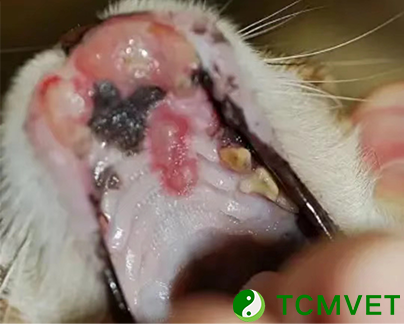
Squamous Cell Carcinoma (SCC) is a prevalent type of cancer in small animals, particularly affecting dogs and cats. It’s a malignant tumor that originates in the squamous epithelium, which is the outermost layer of the skin, as well as in the linings of the organs and cavities of the body. As a pet owner or a veterinary enthusiast, understanding the treatment options available for SCC in small animals is crucial for managing this disease effectively.
1. Surgical Removal:
Surgery is often the primary treatment for squamous cell carcinoma, particularly when the tumor is localized and has not metastasized. The goal of the surgery is to completely remove the cancerous tissue. In cases where SCC is located in the skin, the surgical removal is relatively straightforward. However, if the tumor is in more complex areas, such as the mouth or near the nail beds, the procedure can be more challenging. Post-surgical histopathology is essential to ensure that the margins are clear of cancer cells.
2. Radiation Therapy:
Radiation therapy is another effective treatment, particularly for tumors that are difficult to remove surgically, such as those in the oral cavity. It involves the use of high-energy rays to destroy cancer cells and shrink tumors. This therapy is often used post-surgery if the margins are not clear or if the cancer is inoperable. For some pets, radiation therapy can be used as a palliative treatment to relieve symptoms and improve the quality of life.
3. Chemotherapy:
Chemotherapy is less commonly used in treating SCC in small animals compared to other types of cancer, but it may be recommended in cases where the cancer has metastasized. It involves the use of drugs to kill cancer cells or slow their growth. Chemotherapy can be administered orally or through injections and often comes with side effects such as nausea, fatigue, and increased susceptibility to infections.
4. Cryosurgery:
For smaller or superficial SCC lesions, cryosurgery might be an option. This treatment involves using extreme cold (liquid nitrogen) to freeze and destroy abnormal cells. It is less invasive than traditional surgery and is usually performed on an outpatient basis.
5. Photodynamic Therapy (PDT):
PDT is a relatively new treatment option that involves using drugs, known as photosensitizing agents, alongside light to kill cancer cells. The drug is absorbed by the cancer cells and, when exposed to a specific wavelength of light, it produces a form of oxygen that kills the cells.
6. Electrochemotherapy:
Electrochemotherapy combines chemotherapy and electric pulses to enhance the absorption of chemotherapeutic drugs by the cancer cells. This treatment is gaining interest for treating tumors that are difficult to treat with conventional methods.
7. Palliative Care:
In cases where the cancer is too advanced, or the animal is not a good candidate for aggressive treatments, palliative care becomes the focus. This involves managing symptoms and maintaining the quality of life with medications, nutritional support, and pain management.
Treatment for squamous cell carcinoma in small animals varies based on the tumor’s location, size, and the general health of the animal. Advances in veterinary medicine have significantly increased the effectiveness of SCC treatments, offering hope and improved outcomes for pets diagnosed with this condition. Regular check-ups and early detection remain key in successfully managing and treating SCC. As always, consultation with a qualified veterinary oncologist is crucial to determine the best course of action for each individual case.

by TCMVET | Feb 18, 2024 | Dog Cancer & Tumors
The Prevalence of Cancer in Senior Dogs
Cancer is an unfortunate reality for many senior dogs. As the leading cause of death in dogs over the age of 10, understanding this disease is crucial for pet owners. Regular health checks and keen observation are key in early detection and treatment.
Recognizing Cancer Symptoms in Dogs
Cancer in dogs involves the abnormal and uncontrollable growth of cells, leading to various symptoms depending on the cancer type and location. Common signs to look out for include:
- Unusual lumps and bumps on the body.
- Non-healing sores or wounds.
- Sudden weight loss or loss of appetite.
- Unexplained discharge or bleeding from body openings.
- Offensive odors, particularly from the mouth, nose, or anal area.
- Decreased interest in exercise or play.
- Mobility issues, which could indicate bone or nerve cancer.
- Difficulty breathing, urinating, or defecating.
The Diagnostic Process
If you suspect your dog has cancer, your vet will conduct a thorough wellness check. This includes:
- Blood work and urinalysis to assess overall health.
- Imaging scans like ultrasound or CT scans to locate and size the tumor.
- Biopsy, where a tissue sample is collected for microscopic examination, often done through a fine-needle aspirate.
For specialized care, your vet might refer you to a veterinary oncologist.
Treatment Options for Canine Cancer
治疗狗癌症的方法与人类治疗相似,包括:
- Surgery: Aimed at removing the tumor, though it may not always be the best option if the cancer has spread.
- Radiation Therapy: Uses high-dose radiation to kill or shrink cancer cells.
- Chemotherapy: Involves administering drugs to kill or slow the growth of cancer cells.
Emerging treatments like immunotherapy and cancer vaccines are also being explored.
Managing Side Effects and Quality of Life
Post-treatment care is vital to ensure your dog’s comfort and well-being. Side effects vary, but they are generally milder in dogs compared to humans. Adjunct therapies like acupuncture can be beneficial for pain management and appetite stimulation. Open communication with your veterinarian about all treatments and supplements is essential.
Being Your Dog’s Advocate
Facing a cancer diagnosis in your dog can be daunting, but with advancements in veterinary medicine, there’s hope for maintaining a high quality of life. As your pet’s advocate, your role is to provide the best possible care, comfort, and love during this challenging time.
Conclusion
Cancer in dogs, particularly in seniors, is a significant health concern. Early detection, accurate diagnosis, and effective treatment are critical in managing the disease. As a pet owner, staying informed and proactive in your dog’s health care can make a substantial difference in their well-being and longevity.
