Chinese herbs for dog cancer: 7 Essential, Positive TCM tumour support tips owners should know

Chinese herbs for dog cancer: 7 Essential, Positive TCM tumour support tips owners should know

Chinese herbs for dog cancer are increasingly discussed by owners seeking supportive care alongside veterinary treatment. Traditional Chinese medicine (TCM) may help address symptoms such as poor appetite, fatigue, digestive upset, inflammation, or weakness, but it should never replace diagnosis, surgery, chemotherapy, radiation, or other evidence-based cancer care. The safest approach combines a clear veterinary diagnosis with carefully selected herbal support, professional supervision, and regular monitoring.

This guide explains how Chinese herbal dog tumour support is usually used, what to ask before starting a formula, and how to choose products more responsibly. It also covers the risks, the role of your veterinary team, and where Can Dogs with Cancer Take Chinese Herbs? A Clear Guide to Safety and Cautions fits into a broader care plan.

Understanding Chinese herbal dog tumour support

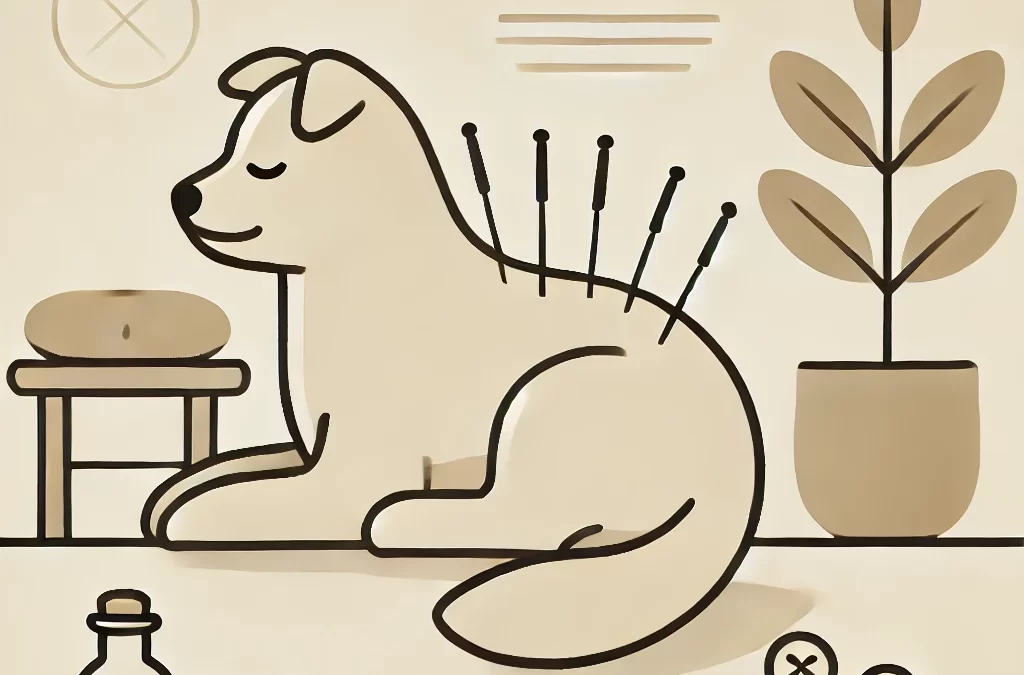
Chinese herbs for dog cancer illustration

In TCM, illness is viewed through patterns of imbalance rather than through a tumour alone. A practitioner may assess the dog’s energy, appetite, digestion, sleep, thirst, stool, tongue, pulse, and overall constitution before recommending a formula. Two dogs with the same cancer diagnosis may therefore receive different herbs because their symptoms and underlying patterns differ.

Chinese herbal dog tumour support is generally intended to complement conventional treatment. Depending on the individual case, a veterinary herbalist may focus on maintaining appetite, supporting normal digestion, promoting comfortable movement, helping the dog cope with treatment-related fatigue, or supporting quality of life. These goals are practical and important, particularly when cancer care extends over several weeks or months.

However, herbal products are not automatically gentle or risk-free. Plants contain biologically active compounds that can affect the liver, kidneys, blood clotting, blood pressure, immune activity, and the way prescription medicines are processed. “Natural” describes an origin, not a guarantee of safety.

For many owners, the appeal of Chinese herbs for dog cancer is that they can be tailored to the dog’s current condition rather than used as a one-size-fits-all option. That flexibility can be useful, but it also increases the need for expert guidance and honest communication with the oncology team.

It is also worth remembering that supportive care should be practical. If a dog is struggling with nausea, poor appetite, or low energy, the real question is whether the herbal plan helps the animal feel better without creating new problems. That means watching for small changes, keeping records, and revisiting the plan when the cancer care picture changes.

Some owners hope a supplement will do everything at once, but that is rarely realistic. A more thoughtful approach is to ask whether the formula can support the dog’s specific needs today, while leaving room for adjustment later. This is one reason Chinese herbs for dog cancer are best used as part of an ongoing conversation, not as a one-time purchase.

Common TCM approaches used in canine cancer care

TCM cancer support may involve herbal formulas rather than single ingredients. Practitioners often select combinations designed to address a specific pattern, such as deficiency, stagnation, heat, dampness, or blood stasis. Some formulas are traditionally used to support vitality, while others are chosen for digestive function, respiratory comfort, inflammation, or recovery after surgery.

Medicinal mushrooms and botanical ingredients are also frequently included in TCM dog cancer supplements. Reishi, turkey tail, astragalus, and certain other traditional remedies have attracted interest because of their potential immune-modulating or antioxidant properties. Research in veterinary oncology is developing, but evidence varies considerably between ingredients, products, and cancer types. Laboratory findings should not be interpreted as proof that a supplement can shrink a tumour or cure cancer.

A responsible practitioner will explain the intended purpose of every ingredient. Support might mean helping a dog eat more consistently, maintaining body condition, or improving comfort. It should not be presented as a guaranteed tumour treatment.

Chinese herbs for dog cancer are often used in a phased way, with the formula adjusted as symptoms change. A dog that is weak and not eating well may need a different approach from one that is stable after surgery but still recovering from inflammation or digestive upset. This pattern-based thinking is one reason TCM is usually best handled by a veterinarian trained in herbal medicine.

Owners sometimes notice that the best outcomes come from simple, measurable goals. For example, the aim may be to improve appetite for the next two weeks, reduce nausea during chemotherapy, or support a more comfortable recovery after surgery. These smaller goals help keep the plan realistic and make it easier to tell whether the support is actually helping.

What owners should ask before starting a formula

Before adding any herbal product, ask what the formula is meant to do, how long it should be used, and what changes you should watch for. You should also ask whether the product has been used alongside the dog’s current medicines, whether bloodwork should be repeated, and when to stop if a reaction appears. These questions can help make Chinese herbs for dog cancer a more informed part of care rather than a guess.

It is also helpful to ask whether the formula is intended for short-term symptom support or longer-term maintenance. Some products are better suited to brief use during periods of low appetite or fatigue, while others may be designed to support a dog through an extended treatment plan. Clear expectations reduce confusion and make follow-up easier.

A second useful question is how the herbal plan will be measured. Will the owner track appetite, stool quality, activity, or weight? Will the veterinarian repeat liver and kidney testing? If the dog is already on multiple medications, understanding the monitoring plan becomes even more important. Good herbal care is not only about the formula itself; it is also about the process used to check whether it remains appropriate.

When owners and veterinarians communicate clearly, Chinese herbs for dog cancer can be discussed more safely and with less uncertainty. The goal is not to add complexity for its own sake, but to make sure every part of the plan has a clear role.

How Chinese herbs may fit with conventional treatment

The role of Chinese herbs for dog cancer depends on the diagnosis, stage of disease, treatment plan, and general health of the animal. Herbs may be considered during recovery from surgery, between chemotherapy sessions, or when the main aim is palliative comfort. In other cases, a veterinary team may advise avoiding supplements temporarily, especially around anaesthesia, surgery, blood tests, or certain drug protocols.

Timing matters. Some herbs may influence platelet function or blood clotting, which could increase surgical bleeding risk. Others may affect liver enzymes involved in drug metabolism. Antioxidant supplements can also require careful consideration during radiation or chemotherapy because treatment mechanisms differ. This does not mean all supplements are inappropriate, but it does mean that coordination is essential.

Owners should provide the oncologist and primary veterinarian with the complete product label, ingredient list, dosage, and administration schedule. Vague descriptions such as “immune support” are not enough for safe decision-making.

For broader reading on the evidence and cautions involved, see the veterinary-focused overview on herbal medicine in dogs from VCA Animal Hospitals. It offers a useful reminder that dosage, product quality, and medical supervision matter as much as the herb itself.

In practice, Chinese herbs for dog cancer should be discussed alongside surgery, chemotherapy, pain management, and nutrition rather than in place of them. The most useful plans are usually the ones that fit the dog’s wider treatment schedule and are reviewed whenever that schedule changes.

That wider schedule may include more than one specialist. For example, an oncologist may be managing chemotherapy while another veterinarian handles symptom relief and integrative care. When everyone has the same information, the chances of a safe, coherent plan improve. This is especially important when a dog is weak, elderly, or already receiving several medicines.

Choosing TCM dog cancer supplements responsibly

Quality control is one of the most important considerations when selecting TCM dog cancer supplements. Choose products made by reputable companies that provide clear ingredient quantities, batch information, expiration dates, and independent testing for contaminants. Herbal products can be affected by misidentification, contamination with heavy metals, pesticides, microbes, or undeclared pharmaceutical ingredients.

Avoid products that promise to dissolve tumours, replace chemotherapy, or work for every type of cancer. Be cautious with products that conceal their formula under a proprietary blend, provide no dosing guidance, or rely entirely on testimonials. A supplement marketed for dogs should also be appropriate for canine use, since human products may contain unsafe additives, concentrated ingredients, or incorrect dosing information.

The best starting point is a veterinarian with training in veterinary herbal medicine, acupuncture, or integrative oncology. A qualified professional can review the dog’s medical records, current medicines, laboratory results, and nutritional status before recommending a formula.

When comparing options, it helps to think in terms of purpose rather than popularity. One product may be suitable for short-term digestive support, while another may be chosen for ongoing general support during treatment. That distinction matters because Chinese herbs for dog cancer are most useful when the chosen formula matches the dog’s actual clinical picture.

Another helpful habit is to save every label and lot number. If a product causes a reaction or if the practitioner later wants to review it, that information will be much easier to find. Owners should also avoid switching brands repeatedly without a reason, because it becomes hard to know what is helping and what is not.

Responsible buying also means being cautious with online claims. Some marketing language sounds reassuring but gives little real information. A product may be described as holistic, immune-boosting, or advanced, yet still lack meaningful quality control. Good TCM dog cancer supplements are transparent, appropriately dosed, and chosen for the individual dog rather than for general popularity.

Practical signs of a better-quality product

Look for a clear ingredient list, dosage instructions based on the dog’s size or condition, and contact details for the manufacturer. Third-party testing, contamination screening, and species-appropriate formulation are all positive signs. If those details are missing, caution is reasonable.

Chinese herbs for dog cancer should not be selected like a casual pet treat. They are active products with potential benefits and real risks, which is why product quality matters so much.

Possible side effects and warning signs

Even carefully selected herbs can cause adverse reactions. Potential problems include vomiting, diarrhoea, reduced appetite, skin irritation, lethargy, restlessness, changes in urination, or abnormal bleeding. Some dogs may be sensitive to particular ingredients, while others may develop problems because a formula is too strong or poorly matched to their condition.

Stop the supplement and contact a veterinarian promptly if a dog develops repeated vomiting, severe diarrhoea, facial swelling, breathing difficulty, collapse, yellowing of the gums or eyes, dark urine, unusual bruising, or sudden worsening of pain. Do not assume that a new symptom is simply part of the cancer.

Regular monitoring may include weight checks, physical examinations, complete blood counts, liver and kidney tests, and imaging when indicated. Keeping a daily record of appetite, water intake, bowel movements, energy, pain, and medication times can help the veterinary team identify changes early.

Because dogs with cancer can become more fragile over time, it is especially important not to ignore subtle changes. A mild appetite dip, a slightly looser stool, or a small drop in energy can become more significant if the dog is also receiving chemotherapy or pain medication. Careful observation helps the veterinary team decide whether the herbal plan should be adjusted.

Some reactions are obvious, but others are gradual. A dog may simply seem “not quite right” for a few days before a larger problem becomes visible. That is why owners should trust their observations and report changes early, even if they seem minor at first. The sooner the veterinarian knows, the easier it is to decide whether the issue is related to the herbs, the cancer, or another medication.

Why monitoring is especially important

Chinese herbs for dog cancer may be used for comfort, but the dog’s response can change over time as the disease and treatment plan evolve. A formula that helped during one phase may become unsuitable after surgery, during chemotherapy, or when appetite drops. That is why regular review is safer than a “set it and forget it” approach.

Monitoring also helps owners separate expected variation from a true adverse reaction. If the dog’s energy improves for a few days and then suddenly declines, the team can compare that change with medication timing, diet changes, or new supplements. This makes it easier to decide whether the formula is helping, neutral, or no longer appropriate.

Owners can make monitoring easier by keeping a short daily log. Note appetite, water intake, bowel movements, vomiting, mobility, and general mood. If the dog is receiving Chinese herbs for dog cancer, record the time the supplement is given and any changes that follow. That small routine can make follow-up visits much more useful.

Supporting the dog beyond herbal medicine

Herbal care works best as part of a broader support plan. A complete, balanced diet appropriate for the dog’s condition is important, although major dietary changes should be discussed with a veterinarian or veterinary nutritionist. Maintaining hydration, gentle activity, comfortable bedding, dental care, and a low-stress routine can also contribute meaningfully to quality of life.

Pain control deserves particular attention. Acupuncture, massage, physiotherapy, prescription medicines, and environmental adjustments may be useful depending on the dog’s needs. These approaches should complement—not delay—appropriate pain management.

Owners who want to compare integrative options may also find it helpful to read about immunotherapy for dogs with cancer and how it can be combined with Chinese herbs, since treatment decisions are often most useful when considered together rather than in isolation.

Chinese herbs for dog cancer should never be the only thing owners focus on. Sleep, hydration, pain relief, appetite support, and emotional comfort all matter, and small improvements in those areas can make a meaningful difference to daily wellbeing.

Simple home support can also make a difference. Keep the dog’s resting area warm, quiet, and easy to reach. Offer food and water in a way that reduces effort. Maintain a calm routine where possible, since stress can make eating and resting harder for some dogs. These changes do not replace treatment, but they can improve comfort while the veterinary team manages the cancer itself.

It is also sensible to avoid introducing too many new supplements at once. If several changes happen together, it becomes difficult to know which one is helpful and which one may be causing a problem. A measured approach is usually the safest approach when Chinese herbs for dog cancer are part of the plan.

Finally, owners should remember that quality of life matters as much as laboratory numbers. If a dog is eating better, moving more comfortably, and enjoying daily life, that is meaningful progress. Herbal support should contribute to that outcome, not distract from it.

Ultimately, Chinese herbs for dog cancer should be viewed as one possible tool within personalised veterinary care. The goal is not to pursue every available supplement, but to choose support that has a clear purpose, a reasonable safety profile, and a monitoring plan. With honest communication between owners, oncologists, and qualified TCM practitioners, herbal support can be considered thoughtfully while keeping the dog’s comfort, safety, and quality of life at the centre of every decision.

When used carefully, Chinese herbs for dog cancer may help support appetite, vitality, and day-to-day comfort without distracting from proven medical care. The most positive outcomes usually come from a measured, evidence-aware approach that respects both the promise and the limits of Chinese herbal dog tumour support.

Traditional Chinese Medicine for Canine Tumors: Exploring Herbal Remedies, Acupuncture, and Dietary Therapy

Traditional Chinese Medicine for Canine Tumors: Exploring Herbal Remedies, Acupuncture, and Dietary Therapy

As pet owners seek alternatives to conventional cancer treatments like surgery, chemotherapy, and radiation, Traditional Chinese Medicine (TCM) has emerged as a promising complementary approach for dogs with tumors. TCM views cancer as an imbalance in the body’s vital energy (Qi) and aims to restore harmony through herbal medicine, acupuncture, and dietary therapy. But how effective is it? And how can we integrate these treatments into a holistic cancer care plan for dogs?

This article challenges conventional views on canine cancer treatment by diving deep into the ancient wisdom of TCM, merging it with modern veterinary insights to offer a fresh perspective on natural healing.

1. Understanding Cancer in Dogs from a TCM Perspective

In Western medicine, cancer is seen as uncontrolled cell growth often triggered by genetic, environmental, or dietary factors. TCM, however, interprets tumors differently:

  • Stagnation of Qi and Blood: Tumors form when energy and blood become blocked, preventing proper circulation.
  • Accumulation of Dampness and Phlegm: Excessive moisture in the body can condense into masses.
  • Kidney and Spleen Deficiency: Weak organ function can lead to toxin buildup, reducing the body’s ability to clear abnormal cells.

TCM treatment focuses on removing blockages, strengthening organ function, and boosting immunity rather than simply destroying cancer cells.

2. Herbal Medicine: A Natural Approach to Tumor Reduction

Chinese herbal formulas for cancer aim to shrink tumors, enhance immune function, and support organ health. Some commonly used herbs include:

  • Baituxiao (白兔肖): Known for its ability to inhibit tumor growth, clear heat, and detoxify the body.
  • Huang Qi (黄芪, Astragalus): Strengthens immunity and improves energy flow, often used alongside conventional treatments.
  • Ban Zhi Lian (半枝莲, Scutellaria Barbata): Has anti-cancer properties and supports liver health.
  • Ling Zhi (灵芝, Reishi Mushroom): A powerful adaptogen that enhances immune response and reduces inflammation.
  • Dang Gui (当归, Angelica Sinensis): Promotes blood circulation and prevents Qi stagnation, commonly used for tumors involving the skin or muscles.

These herbs are often prescribed in formulas tailored to a dog’s specific constitution and tumor type, making personalized treatment essential.

3. Acupuncture: Pain Management and Healing Activation

Acupuncture is widely used in human cancer patients to relieve pain and improve well-being, and the same principles apply to dogs. This practice works by stimulating specific meridian points, which:

  • Reduce inflammation and pain
  • Boost circulation to help shrink tumors
  • Support the immune system to slow cancer progression
  • Improve digestion and energy levels in weakened dogs

Acupuncture sessions are non-invasive and well-tolerated by most dogs. Many pet owners notice improvements in their dog’s mobility, comfort, and appetite after treatment.

4. Dietary Therapy: Healing Through Food

Food is medicine in TCM, and dietary adjustments play a critical role in supporting dogs with cancer. The goal is to reduce inflammation, nourish Qi, and prevent tumor growth through balanced nutrition.

Recommended Foods:

  • Lean proteins: Duck, rabbit, and fish are preferred over red meat, which can be inflammatory.
  • Anti-inflammatory vegetables: Carrots, broccoli, and mushrooms like shiitake and maitake.
  • Healthy grains: Millet, quinoa, and barley, which strengthen the digestive system.
  • Bone broth: Supports digestion and provides essential minerals.

Foods to Avoid:

  • Processed foods with artificial additives
  • Excessive fatty or greasy foods, which contribute to Dampness
  • Sugary treats, as sugar is believed to feed tumor growth

A carefully tailored diet, combined with herbs and acupuncture, can help maintain energy levels and improve a dog’s overall resilience against cancer.

5. Integrating TCM with Conventional Treatments

While TCM offers powerful tools for managing canine tumors, it works best when combined with Western veterinary care. Many veterinarians now adopt an integrative approach, using TCM alongside surgery, radiation, or chemotherapy to:

  • Reduce side effects of conventional treatments
  • Strengthen the dog’s body against cancer recurrence
  • Improve overall comfort and longevity

6. When to Consider TCM for a Dog with Cancer

TCM is particularly beneficial when:

  • Surgery is not an option due to the tumor’s location or the dog’s age.
  • The dog experiences severe side effects from chemotherapy or radiation.
  • The goal is palliative care to extend quality of life rather than cure the cancer.

Since every dog responds differently, working with a TCM-trained veterinarian ensures a safe and effective treatment plan.

A Holistic Future for Canine Cancer Care

Traditional Chinese Medicine provides a gentle yet powerful approach to treating canine tumors by addressing the root cause rather than just the symptoms. By incorporating herbal medicine, acupuncture, and dietary therapy, pet owners can enhance their dog’s well-being and offer a compassionate, natural path to healing.

Cancer treatment should not just focus on prolonging life but on improving the quality of each day. With the right balance of TCM and Western medicine, dogs can enjoy a more comfortable, fulfilling journey, even when facing a cancer diagnosis.

Natural Treatment for Osteosarcoma in Dogs: A Holistic Approach to Canine Cancer Care

Natural Treatment for Osteosarcoma in Dogs: A Holistic Approach to Canine Cancer Care

Osteosarcoma, a highly aggressive bone cancer, often strikes fear into the hearts of dog owners. Conventional treatments like amputation and chemotherapy, though common, can be financially and emotionally taxing. However, natural therapies are gaining traction for their potential to improve quality of life, alleviate symptoms, and support the body’s healing processes. Below, we delve into a variety of innovative natural treatments tailored to canine osteosarcoma.


Understanding Osteosarcoma in Dogs

Osteosarcoma typically affects large and giant breeds, targeting the limbs. It is characterized by rapid tumor growth and a high risk of metastasis to the lungs. Early detection and a multifaceted treatment approach can significantly enhance a dog’s quality of life.


Natural Treatments to Support Your Dog’s Journey

1. Herbal Remedies for Pain Management

Natural pain management can reduce reliance on pharmaceuticals, which often have side effects. Consider these herbs:

  • Boswellia Serrata: Known for its anti-inflammatory properties, this resin reduces swelling and improves mobility.
  • Turmeric (Curcumin): A potent anti-inflammatory and antioxidant, turmeric can ease joint discomfort and has been studied for its anti-cancer effects.
  • Yunnan Baiyao: A Chinese herbal formula renowned for promoting blood circulation and relieving pain, especially in cases of bone-related injuries or cancer.

2. Dietary Strategies to Strengthen Immunity

Nutrition plays a pivotal role in supporting a dog’s immune system during cancer treatment. Focus on:

  • High-Protein Diets: To maintain muscle mass and energy levels.
  • Omega-3 Fatty Acids: Found in fish oil, these help reduce inflammation and may slow tumor growth.
  • Low-Carbohydrate, High-Fat Meals: Cancer cells thrive on sugar, so ketogenic-style diets may limit tumor progression.

3. Cannabidiol (CBD) for Cancer Support

CBD oil derived from hemp is celebrated for its anti-inflammatory and anti-tumor properties. It helps:

  • Reduce pain and anxiety.
  • Improve appetite and energy levels.
  • Potentially inhibit the growth of cancer cells, as shown in emerging studies.

When choosing CBD oil, ensure it is full-spectrum, organic, and free from THC.

4. Acupuncture and Traditional Chinese Medicine (TCM)

TCM treatments like acupuncture can complement other therapies by:

  • Alleviating pain and improving blood circulation.
  • Enhancing immune function.
  • Restoring balance in the body’s energy (Qi).

Herbal formulas such as Baituxiao may specifically target tumor growth and enhance overall well-being. Always consult a veterinarian experienced in TCM to customize treatments for your dog.

5. Physical Therapy and Gentle Exercise

Post-surgery or as part of palliative care, physical therapy helps:

  • Maintain mobility and prevent muscle atrophy.
  • Boost mood and mental engagement. Activities like swimming or controlled walking can be particularly effective for dogs with limb amputation.

6. Homeopathic Approaches

Some pet owners explore homeopathic remedies, such as:

  • Symphytum: Known as “bone knit,” this remedy may support bone healing.
  • Hecla Lava: Used for bone conditions, including tumors and osteosarcoma.

Consult a homeopathic vet for proper guidance and dosage.


Case Study: A Natural Journey

Take the story of Bella, a 9-year-old Great Dane diagnosed with osteosarcoma. After her amputation, her owner supplemented conventional treatment with a high-protein, low-carb diet, CBD oil, and Boswellia extract. Regular acupuncture sessions improved Bella’s mobility and mood. The holistic approach not only prolonged her life but also ensured she lived with comfort and dignity.


Tips for Dog Owners Exploring Natural Treatments

  1. Work with a Holistic Veterinarian: Collaboration ensures therapies are safe and effective.
  2. Monitor Progress Closely: Regular check-ups and imaging help assess how treatments are working.
  3. Stay Open-Minded: Combining natural and conventional treatments often yields the best outcomes.

The Importance of Emotional Support

Caring for a dog with cancer can be emotionally draining. Building a support network of friends, family, and holistic veterinarians ensures you’re not alone on this journey.


Conclusion

Natural treatments for osteosarcoma in dogs focus on enhancing quality of life, alleviating pain, and supporting the immune system. By combining evidence-based natural therapies with traditional treatments, you can create a care plan that prioritizes your dog’s comfort and well-being. Remember, every dog is unique, and a tailored approach is key to success.

Your canine companion deserves a fighting chance—naturally.

Natural Remedies and Care for Dogs with Burst Tumors

Natural Remedies and Care for Dogs with Burst Tumors

Tumors in dogs, particularly mast cell tumors, can grow large, become ulcerated, and burst. This rupture is not only distressing for both dogs and their owners but also presents a serious risk of infection due to the open wound. Immediate medical attention is essential to prevent complications. In addition to conventional veterinary treatment, Traditional Chinese Medicine (TCM) offers natural remedies that may support the healing process, reduce inflammation, and improve your dog’s overall well-being. In this article, we will discuss the causes of tumor ruptures, steps for immediate care, and how TCM herbs can aid in recovery.

Why Do Tumors Burst in Dogs?

Tumors such as mast cell tumors, squamous cell carcinomas, and other cancerous growths in dogs often have fragile blood vessels. Over time, as the tumor enlarges and its surface ulcerates, the risk of rupture increases. Key factors contributing to tumor rupture include:

  1. Trauma or Pressure
    Dogs may accidentally scratch, bump, or rub the tumor, causing it to rupture.
  2. Internal Pressure
    As tumors grow, they can exert pressure on the surrounding tissue and blood vessels, causing them to burst.
  3. Natural Tissue Breakdown
    Tumors can outgrow their blood supply, leading to tissue death (necrosis) and ulceration. This weakens the structure of the tumor and can cause it to burst.

Immediate Care for Burst Tumors

A burst tumor needs to be treated quickly to prevent infection and further complications. Here’s what you can do:

  1. Clean the Area
    Gently clean the affected area with sterile saline or clean water to remove debris and blood. Avoid using alcohol or hydrogen peroxide, as they can damage the tissue.
  2. Control Bleeding
    Apply gentle pressure using sterile gauze or a clean cloth to stop the bleeding. If the bleeding does not stop after a few minutes, contact your veterinarian immediately.
  3. Bandage the Wound
    After cleaning the wound, cover it with a clean, non-stick bandage to protect the area from dirt and bacteria.
  4. Visit the Veterinarian
    A burst tumor requires professional veterinary care. Your vet will likely prescribe antibiotics to prevent infection, pain relief, and possibly suggest surgery to remove the tumor.

How Traditional Chinese Medicine (TCM) Can Help

Traditional Chinese Medicine offers holistic treatments that can complement conventional veterinary care for dogs with cancer. TCM herbs are known to promote healing, reduce inflammation, and support the immune system, which can be especially beneficial for dogs recovering from a burst tumor. Here are some commonly used herbs:

  1. Honeysuckle (Jin Yin Hua)
    Honeysuckle has strong anti-inflammatory and antibacterial properties. It is used in TCM to clear heat and toxins from the body, which can help reduce the risk of infection in dogs with open wounds.
  2. Szechuan Lovage (Chuan Xiong)
    Szechuan lovage is known for its ability to promote blood circulation and relieve pain. This can help reduce discomfort and prevent blood stagnation around the tumor site.
  3. Scrophularia (Xuanshen)
    Scrophularia is effective in reducing lumps and tumors. Its cooling properties help decrease inflammation and can aid in healing open wounds, making it particularly useful for dogs with ulcerated or burst tumors.
  4. Astragalus (Huang Qi)
    Astragalus is used to boost the immune system and improve overall vitality. It can support the body’s natural defenses, helping your dog fight off infection and recover more quickly.

Preventing Future Tumor Ruptures

While it may not always be possible to prevent tumor ruptures, there are steps you can take to minimize the risk:

  1. Monitor the Tumor
    Regularly check your dog’s tumor for signs of growth, ulceration, or other changes. Early intervention can prevent a tumor from reaching the point of rupture.
  2. Reduce Physical Activity
    If your dog’s tumor is in a vulnerable location, limit their physical activity to prevent accidental trauma.
  3. Protect the Tumor Site
    If the tumor is in an area where it is likely to be bumped or scratched, your vet may recommend covering the site with a protective bandage.
  4. Consider Herbal Support
    In addition to conventional care, TCM herbs like those mentioned above can help reduce the risk of further complications by promoting healing and reducing inflammation.

Dealing with a burst tumor in your dog is a stressful experience, but with prompt veterinary care and the support of Traditional Chinese Medicine, you can help your dog recover and maintain their quality of life. TCM herbs such as honeysuckle, Szechuan lovage, and astragalus offer natural ways to reduce inflammation, support healing, and boost your dog’s immune system, complementing conventional cancer treatments. Always consult your veterinarian before incorporating any herbal treatments into your dog’s care plan to ensure safety and effectiveness.

Caring for Dogs with Ruptured Tumors: What to Do and How to Prevent Future Complications

Caring for Dogs with Ruptured Tumors: What to Do and How to Prevent Future Complications

Ruptured tumors in dogs, especially aggressive types like mast cell tumors, can be alarming for any pet owner. When a tumor bursts, it can lead to open wounds, bleeding, and an increased risk of infection. Understanding how to care for a dog with a ruptured tumor and knowing preventive measures can help avoid complications. In this article, we will discuss the common causes of tumor rupture, what immediate actions to take, and how to manage your dog’s long-term health.

Causes of Tumor Rupture in Dogs

Several factors can lead to a tumor bursting in dogs. Understanding these causes can help you minimize the risk:

  1. Physical Trauma
    Dogs with tumors, particularly large ones, are more vulnerable to physical trauma. Simple activities like jumping, running, or rubbing against surfaces can cause the delicate tumor tissue to rupture.
  2. Tumor Ulceration
    Certain types of cancer, like mast cell tumors and squamous cell carcinomas, often develop ulcerated surfaces as they grow. Ulceration weakens the outer layer of the tumor, making it more susceptible to bursting.
  3. Internal Pressure
    As tumors grow, they sometimes cause internal pressure on nearby tissues and blood vessels. This pressure can weaken the tumor’s structure, eventually leading to a rupture.

Signs of a Ruptured Tumor

Recognizing the signs of a ruptured tumor can help you respond quickly and appropriately. Some common signs include:

  • Bleeding or discharge from the tumor site
  • Visible ulceration or an open wound
  • Swelling and redness around the tumor
  • Signs of pain or discomfort, such as whining or limping

If you observe any of these symptoms, it is important to provide immediate care and seek veterinary assistance as soon as possible.

Immediate Steps to Take When a Tumor Bursts

If your dog’s tumor ruptures, taking the right steps quickly can prevent infection and further complications. Here’s what to do:

  1. Clean the Wound
    Use a sterile saline solution or clean water to gently clean the wound. Avoid using strong antiseptics like hydrogen peroxide or alcohol, as they can cause further irritation.
  2. Apply Gentle Pressure to Stop Bleeding
    If the tumor is bleeding, apply gentle pressure using a sterile gauze pad or cloth to control the bleeding. Most minor bleeds should stop within a few minutes.
  3. Bandage the Wound
    After cleaning the wound and controlling any bleeding, cover the area with a clean bandage to protect it from dirt and bacteria. Be sure to change the bandage regularly.
  4. Consult Your Veterinarian
    Even if the bleeding stops, a burst tumor needs professional attention. Your vet will evaluate the wound, prescribe antibiotics if necessary, and recommend further treatments such as surgery or chemotherapy.

Long-Term Treatment and Prevention

After immediate care, long-term management is essential to ensure your dog’s health and prevent future ruptures. Depending on the type and stage of the tumor, your vet may recommend various treatments:

  1. Surgical Removal
    If the tumor is localized, surgical removal is often the best option to prevent further growth or rupture. Surgery can also help eliminate the risk of infection from recurring open wounds.
  2. Chemotherapy or Radiation Therapy
    For more aggressive cancers, chemotherapy or radiation therapy may be necessary to shrink the tumor and slow its spread. These treatments can help reduce the chance of future ruptures by decreasing the tumor’s size.
  3. Nutritional Support
    A healthy diet rich in anti-inflammatory nutrients can play a supportive role in your dog’s recovery. Supplements like omega-3 fatty acids, turmeric, and medicinal mushrooms can help boost your dog’s immune system and promote healing.
  4. Traditional Chinese Medicine (TCM) for Supportive Care
    Herbal therapies in Traditional Chinese Medicine (TCM) can complement conventional treatments and help support your dog’s recovery. Herbs like Szechuan lovage (Chuanxiong) can promote blood circulation and reduce swelling, while honeysuckle (Jin Yin Hua) can help alleviate inflammation and prevent infection. These natural remedies may help maintain your dog’s well-being during cancer treatments.

Preventing Future Tumor Ruptures

While not all tumor ruptures can be prevented, there are steps you can take to reduce the risk:

  • Monitor Your Dog’s Tumor Regularly: Keep an eye on the size, texture, and appearance of the tumor. Report any changes to your veterinarian immediately.
  • Limit Physical Activity: If your dog has a large or vulnerable tumor, consider restricting activities that may cause trauma, such as rough play or long walks.
  • Protect the Tumor Site: Your veterinarian may suggest using a protective covering or bandage to shield the tumor from friction or impact.

A ruptured tumor in a dog is a serious medical issue that requires immediate attention. By understanding the causes, taking swift action when a rupture occurs, and following a comprehensive long-term care plan, you can help your dog recover and prevent future complications. With the combination of conventional treatments and supportive therapies like Traditional Chinese Medicine, your dog can maintain a higher quality of life while dealing with cancer.

Green yin-yang logo with TCMVET
Privacy Overview

This website uses cookies so that we can provide you with the best user experience possible. Cookie information is stored in your browser and performs functions such as recognising you when you return to our website and helping our team to understand which sections of the website you find most interesting and useful.