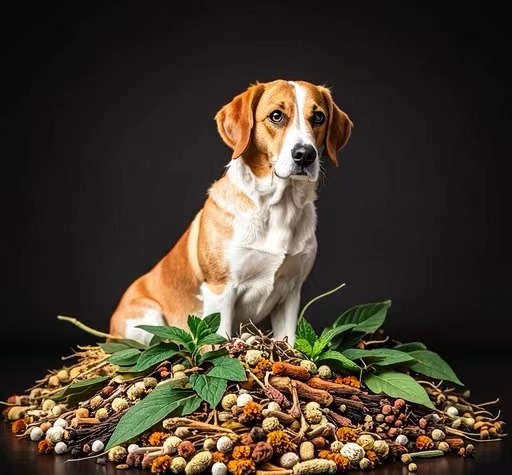
In an era where sustainability and natural remedies are gaining prominence, the veterinary field is witnessing a transformative shift towards greener and more holistic approaches to pet healthcare. Among these, the integration of Chinese herbal medicine into pet tumor treatment stands out as a promising frontier. This article delves into the prospects of applying Chinese herbal medicine in the treatment of pet tumors, exploring its benefits, current applications, and the challenges that lie ahead in paving a green path for our beloved companions.
Embracing a Green Approach in Veterinary Oncology
Traditional cancer treatments for pets, such as surgery, chemotherapy, and radiation, have undoubtedly advanced the prognosis for many animals. However, these methods often come with significant side effects, high costs, and a reliance on synthetic drugs that may not align with the growing demand for natural and environmentally friendly solutions. Chinese herbal medicine offers an alternative that emphasizes harmony with nature, potentially reducing the ecological footprint of veterinary care while enhancing the quality of life for pets battling cancer.
The Essence of Chinese Herbal Medicine in Cancer Care
Chinese herbal medicine, a cornerstone of Traditional Chinese Veterinary Medicine (TCVM), utilizes a holistic approach to health, focusing on restoring balance within the body. Unlike conventional treatments that target specific tumors, Chinese herbs aim to strengthen the overall immune system, improve organ function, and create an internal environment less conducive to cancer growth. This comprehensive strategy not only addresses the disease but also supports the pet’s overall well-being.
Key Herbal Candidates and Their Roles
Huang Qi (Astragalus membranaceus): Known for its immune-boosting properties, Huang Qi enhances the body’s natural defenses, potentially inhibiting tumor growth and improving the effectiveness of other treatments.
Bai Hua She She Cao (Oldenlandia diffusa): This herb exhibits anti-inflammatory and anti-tumor activities, making it a valuable component in managing cancer progression and reducing associated inflammation.
Gan Cao (Glycyrrhiza uralensis): With its anti-viral and anti-inflammatory effects, Gan Cao supports liver function and mitigates the toxic side effects of chemotherapy, fostering better overall health in cancer patients.
Ling Zhi (Ganoderma lucidum): Also known as Reishi mushroom, Ling Zhi has been shown to enhance immune response, induce apoptosis in cancer cells, and improve the quality of life in pets undergoing cancer treatment.
Current Applications and Success Stories
The application of Chinese herbal medicine in pet oncology is gaining traction, supported by both anecdotal evidence and emerging scientific research. Veterinarians specializing in TCVM are increasingly incorporating herbal formulations into their treatment protocols, often in conjunction with conventional therapies to maximize efficacy and minimize side effects.
Case Study: Integrative Treatment in Canine Lymphoma
A notable case involves a dog diagnosed with lymphoma, a common form of cancer in pets. Traditional chemotherapy was initiated, but the dog experienced severe gastrointestinal side effects. By integrating a Chinese herbal formula containing Huang Qi and Gan Cao, the veterinarian was able to enhance the dog’s immune response and alleviate the adverse effects of chemotherapy. Over time, the dog showed improved tolerance to treatment, reduced tumor size, and an overall better quality of life.
Prospects for the Future: Innovations and Research
The future of Chinese herbal medicine in pet tumor treatment is bright, with several promising avenues for growth and innovation:
Scientific Validation: Ongoing research aims to scientifically validate the efficacy of various Chinese herbs in treating different types of pet cancers. Clinical trials and laboratory studies are essential to establish standardized dosages, identify active compounds, and understand the mechanisms of action.
Integration with Modern Veterinary Practices: Developing integrative treatment protocols that seamlessly combine Chinese herbal medicine with conventional therapies can enhance treatment outcomes. This synergy offers a balanced approach, leveraging the strengths of both paradigms.
Personalized Medicine: Advances in veterinary diagnostics and genomics can pave the way for personalized herbal treatments tailored to the specific genetic and metabolic profiles of individual pets, optimizing efficacy and minimizing risks.
Sustainable Sourcing and Production: Emphasizing sustainable harvesting and cultivation of medicinal herbs ensures that the green path remains environmentally friendly. Innovations in cultivation techniques and supply chain management can support the responsible use of herbal resources.
Challenges on the Green Path
Despite its potential, the integration of Chinese herbal medicine into pet tumor treatment faces several challenges:
Regulatory Hurdles: The lack of standardized regulations for herbal supplements in veterinary medicine can lead to inconsistencies in product quality and efficacy. Establishing robust regulatory frameworks is crucial for ensuring safety and reliability.
Limited Veterinary Education: There is a need for more veterinarians trained in TCVM to effectively incorporate herbal medicine into their practice. Expanding educational programs and resources can bridge this gap.
Research and Funding: Securing funding for comprehensive research studies is essential to advance the understanding of herbal medicine’s role in cancer treatment. Collaborative efforts between researchers, veterinarians, and funding bodies can drive progress.
Owner Awareness and Acceptance: Educating pet owners about the benefits and limitations of Chinese herbal medicine is vital for its wider acceptance. Transparent communication and evidence-based information can foster trust and informed decision-making.
Conclusion: A Harmonious Future for Pet Oncology
The green path of integrating Chinese herbal medicine into pet tumor treatment holds immense promise for creating a more sustainable and holistic approach to veterinary oncology. By embracing the wisdom of traditional practices and advancing scientific research, the veterinary community can offer pet owners effective and eco-friendly treatment options that enhance the quality of life for their beloved animals.
As the field progresses, collaboration between traditional practitioners and modern veterinarians, supported by robust research and sustainable practices, will be key to unlocking the full potential of Chinese herbal medicine in pet cancer care. This harmonious blend of ancient wisdom and contemporary science paves the way for a future where pets receive comprehensive, compassionate, and environmentally conscious treatment in their fight against cancer.
When your beloved cat or dog is diagnosed with cancer, the journey ahead can feel overwhelming. Aside from the emotional toll, there are also physical and psychological hurdles that come with cancer treatment. Fortunately, many treatments today are designed to improve quality of life and prolong it, but like humans, pets can experience side effects. Understanding these challenges and knowing how to help your pet navigate them can make all the difference in their recovery and comfort.
Understanding Cancer Treatments for Pets
The main treatment options for cancer in pets are surgery, chemotherapy, radiation, and immunotherapy. These treatments aim to eliminate or shrink the tumor, prevent the spread of cancer, or relieve symptoms. However, each comes with its own set of potential side effects.
Surgery: If the tumor is localized, surgery might be the first line of treatment. While surgery can be life-saving, it can also lead to pain, infection, and recovery challenges, especially if the tumor is in a delicate area. Pets may need extra support and care post-operation.
Chemotherapy: Although chemotherapy is known for causing fatigue and nausea in humans, it affects pets differently. While they may not experience the same dramatic side effects, they can still become lethargic, lose their appetite, or develop gastrointestinal issues. Fortunately, most pets tolerate chemotherapy well and have fewer side effects compared to humans.
Radiation Therapy: Radiation can cause skin irritation, hair loss, and fatigue. If the tumor is located near the surface of the skin, your pet might experience noticeable redness or burns. However, radiation is an effective treatment for targeting tumors without affecting surrounding healthy tissue.
Immunotherapy: This relatively new treatment aims to boost the pet’s immune system to fight cancer cells. It’s less invasive, with fewer side effects, but it can still cause mild reactions like skin irritation or fever.
Managing Side Effects: Tips for Pet Owners
As a pet owner, the key to helping your pet cope with cancer treatment is staying proactive, informed, and compassionate. Here are a few strategies that can ease the side effects of treatment and support your pet’s well-being:
1. Monitor Appetite and Hydration
A lack of appetite is one of the most common side effects of chemotherapy and radiation. It’s important to keep an eye on your pet’s eating and drinking habits. Offer smaller, more frequent meals or try to entice them with their favorite foods. Wet food or homemade meals can sometimes be more palatable. Also, ensure your pet stays hydrated to avoid complications related to dehydration.
2. Pain Management
Cancer treatment can lead to pain, especially after surgery. Speak with your vet about appropriate pain relief options. Non-steroidal anti-inflammatory drugs (NSAIDs), opioids, and alternative therapies such as acupuncture or physical therapy can help ease discomfort and improve mobility during recovery.
3. Rest and Comfort
During treatment, your pet may feel more tired than usual. Allow them to rest in a quiet, comfortable space, away from stressors or distractions. A soft bed, familiar toys, and your presence can help them feel more secure and comfortable.
4. Monitor Their Behavior
Changes in behavior can signal side effects or complications. Keep track of your pet’s daily habits, such as their energy level, interactions, and bowel movements. If you notice unusual symptoms, such as vomiting, diarrhea, or lethargy, contact your vet promptly.
5. Protecting the Skin
For pets undergoing radiation therapy, it’s important to protect the affected skin area. Avoid direct sunlight, and use gentle, hypoallergenic lotions or ointments recommended by your vet. Keep the area clean to prevent infection and help the healing process.
6. Alternative Therapies
Many pet owners have found that complementary therapies, like acupuncture, massage, and herbal remedies, can provide additional support during cancer treatment. Always consult your vet before introducing any alternative therapies, as some treatments may interact with conventional cancer therapies.
Emotional Support: Helping Your Pet Through the Journey
Cancer treatment isn’t just physically demanding for your pet—it can be emotionally taxing as well. Pets can sense changes in their environment and may become anxious, confused, or even depressed. The emotional bond you share is incredibly important during this time.
Spend quality time with your pet, providing love, comfort, and reassurance. Regular walks, playtime, and simple companionship can improve their mood and help them feel safe. Additionally, consider working with a pet behaviorist if your pet shows signs of severe anxiety or depression.
Conclusion
While cancer treatment can be challenging for both pets and their owners, there are numerous ways to help your cat or dog cope with the side effects. By maintaining a strong line of communication with your veterinarian, monitoring your pet’s physical and emotional well-being, and providing them with the care and comfort they need, you can ensure they remain as healthy and happy as possible throughout their treatment. The road ahead may not be easy, but your support is invaluable in helping them face each day with resilience and love.
When a beloved dog or cat is diagnosed with cancer, it can feel like the world stops turning. The diagnosis often comes as a shock, and the journey that follows is filled with questions, emotions, and difficult decisions. As a pet parent, the overwhelming question becomes: Can my pet survive cancer?
While no pet owner ever wants to face such a diagnosis, understanding what lies ahead in terms of treatment options and survival rates can help you navigate the path with more clarity and hope. Here’s what you need to know about the journey of tumor treatment in pets:
1. The First Step: Diagnosis
The journey begins with a veterinary examination, where your vet may notice signs of tumors or abnormal growths. If cancer is suspected, your vet will recommend diagnostic tests such as blood work, ultrasound, X-rays, or even a biopsy. Early detection is crucial, as it can greatly influence treatment outcomes.
Key Insight: Early diagnosis can lead to more effective treatment and may extend your pet’s life significantly.
2. The Tumor Type: Understanding Your Pet’s Cancer
Not all tumors are created equal. In dogs and cats, cancers can manifest in various forms, including:
Benign Tumors: Non-cancerous growths that may not spread but still require monitoring.
Malignant Tumors: Cancerous growths that have the potential to invade other tissues or organs.
Metastatic Cancer: When cancer cells spread to other parts of the body from the original site.
Your veterinarian will provide a diagnosis, outlining the type of tumor and its stage, which helps determine the best course of action for treatment.
3. Treatment Options: A Tailored Approach
Once diagnosed, your vet will discuss treatment options, which may include surgery, chemotherapy, radiation therapy, or a combination of these. Each treatment plan will be tailored to the type of cancer, its stage, and your pet’s overall health.
Surgery: Removing the tumor is often the first and most effective treatment for localized cancer.
Chemotherapy: Though it can be tough on your pet, chemotherapy may be necessary to target cancer cells that cannot be surgically removed.
Radiation Therapy: Often used in conjunction with surgery or chemotherapy, radiation can help shrink tumors or prevent them from growing further.
Key Insight: Not all pets need every form of treatment—your vet will work with you to find the most appropriate plan for your pet’s condition.
4. The Road to Recovery: Managing Side Effects
Cancer treatments can be hard on your pet’s body. Chemotherapy and radiation, for example, can cause nausea, loss of appetite, and fatigue. However, the majority of pets handle treatments better than expected, and many bounce back quickly. Regular vet visits will ensure that side effects are managed effectively.
Key Insight: Monitoring your pet’s recovery process closely and providing emotional support are vital parts of the healing journey.
5. Quality of Life: The Most Important Factor
As a pet parent, one of the hardest decisions will be balancing treatment with quality of life. Some tumors, particularly in their later stages, may be difficult to treat effectively. In these cases, the goal may shift from curing the cancer to managing pain and improving your pet’s comfort.
Key Insight: Prioritize your pet’s well-being, and don’t hesitate to discuss palliative care options with your veterinarian if necessary.
6. Support Systems: You’re Not Alone
Facing cancer with your pet can feel isolating, but there are many support systems in place. Veterinary oncologists, support groups, and pet owners who have been through similar experiences can provide guidance, reassurance, and resources throughout the treatment process.
Key Insight: Having a strong support system can help you stay strong for your pet, ensuring they receive the best care possible.
7. The Journey’s End: Saying Goodbye
Unfortunately, despite all efforts, some pets may not survive cancer. When that time comes, it’s crucial to provide them with comfort and dignity. Hospice care and euthanasia are options that can help prevent suffering and allow your pet to pass peacefully.
Key Insight: End-of-life decisions are never easy, but they can help ensure that your pet’s last moments are filled with love and compassion.
Conclusion: A Journey of Hope and Love
Can your pet survive cancer? It depends on many factors—early detection, tumor type, treatment options, and your pet’s overall health. While cancer is a frightening diagnosis, many dogs and cats do survive and even thrive after treatment. The journey may be long and challenging, but with the right support, treatment, and care, your pet can face cancer with strength and resilience.
As a pet parent, you are your pet’s greatest advocate. By staying informed, working closely with your vet, and keeping a positive outlook, you give your furry friend the best chance at living a fulfilling, happy life, no matter the diagnosis.
In recent years, advancements in veterinary medicine have brought immunotherapy to the forefront of cancer treatment for dogs. Immunotherapy works by activating or enhancing the dog’s immune system to fight against cancer cells, providing a relatively gentle and effective treatment option. Additionally, the use of Chinese herbs can further improve the efficacy of immunotherapy, reduce side effects, and enhance the overall health of dogs.
Principles of Immunotherapy
Immunotherapy primarily operates through the following mechanisms:
Immune Checkpoint Inhibitors: These drugs block cancer cells from using immune checkpoints to evade the immune system, allowing immune cells to recognize and destroy cancer cells.
Cytokine Therapy: This involves the use of natural or recombinant cytokines (such as interferons and interleukins) to boost the immune system’s response to cancer cells.
Cancer Vaccines: These stimulate the dog’s body to produce an immune response against specific cancer antigens, helping the immune system recognize and attack cancer cells.
Role of Chinese Herbs in Immunotherapy
Chinese herbs contribute to cancer immunotherapy in dogs in several ways:
Enhancing Immune Function: Herbs like astragalus, reishi, and ginseng are known for their immune-boosting properties, which can enhance the dog’s immune response to cancer.
Antitumor Effects: Certain herbs, such as Hedyotis diffusa and Scutellaria barbata, are believed to have direct antitumor effects, inhibiting the growth and spread of cancer cells.
Improving Treatment Tolerance: Chinese herbs can help alleviate the side effects of immunotherapy, improving the dog’s tolerance to treatment and overall quality of life.
Advantages of Combining Immunotherapy with Chinese Herbs
Synergistic Effects: Immunotherapy and Chinese herbs can complement each other, enhancing the overall treatment efficacy. For instance, immune checkpoint inhibitors can be combined with immune-boosting herbs to strengthen the immune response.
Reduced Side Effects: The use of Chinese herbs can help mitigate the side effects of immunotherapy, such as fatigue and loss of appetite, thereby improving the dog’s quality of life.
Holistic Health Management: Chinese herbs not only target cancer treatment but also help in managing the overall health of the dog, improving its physical condition and disease resistance.
Case Studies
Studies have shown that combining Chinese herbs with immunotherapy can lead to better treatment outcomes and improved tolerance in canine cancer patients. For example, in a study on malignant melanoma in dogs, the combination of immunotherapy with herbs like astragalus and reishi significantly extended survival times and reduced side effects.
Conclusion
As an emerging treatment option for canine cancer, immunotherapy activates the dog’s own immune system, providing a safe and effective way to combat cancer. The integration of Chinese herbs can further enhance the therapeutic effects, reduce side effects, and improve the overall well-being of dogs, offering a holistic approach to cancer treatment.