K9 Immunity Alternative: 7 Best Affordable Dog Tumor Supplements in Norway
Choosing a K9 Immunity alternative is a common step for dog owners in Norway who want supportive, affordable nutrition for a dog diagnosed with cancer or another serious illness. While supplements cannot replace veterinary treatment, selected ingredients may help support appetite, digestion, normal immune function, and overall quality of life. The most important step is choosing products carefully and discussing them with a veterinarian, especially when a dog is receiving chemotherapy, radiation, surgery, steroids, or other medication.
Many families begin searching for a K9 Immunity alternative when they want a product that is easier to source locally, less expensive over time, or better matched to their dog’s individual needs. That search can feel overwhelming because the market includes mushroom blends, fish oils, probiotics, and veterinary nutrition products. A practical approach is to focus on the dog’s diagnosis, current treatment plan, appetite, and daily comfort before comparing brand names.
Table of Contents
- Understanding K9 Immunity alternatives
- What to look for in dog tumor supplements Norway
- Medicinal mushrooms as alternatives to K9 Immunity
- Omega-3 fatty acids and nutritional support
- Comparing alternatives to K9 Immunity by purpose
- Safety considerations for dogs with cancer
- Finding affordable options in Norway
Understanding K9 Immunity alternatives
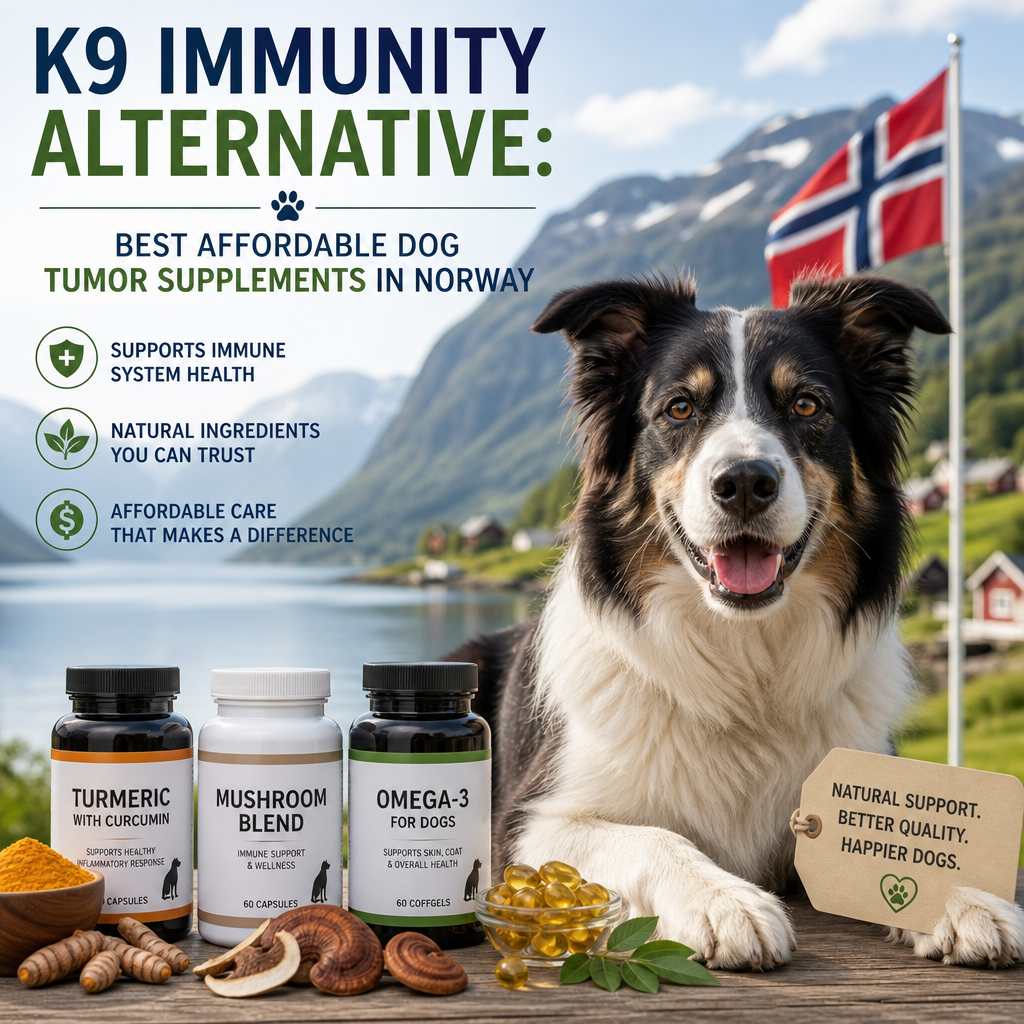
K9 Immunity Alternative products are often sought by owners who want to support their dog without paying for a formula that is expensive, difficult to obtain in Norway, unavailable from local retailers, or unsuitable for a dog with specific dietary or medical needs.
The phrase “K9 Immunity alternative” can refer to several different types of products rather than one exact formula. Potential options include medicinal mushroom blends, omega-3 supplements, antioxidant-rich nutritional products, veterinary diets, and individual ingredients such as turkey tail mushroom or beta-glucans. Each option has a different purpose, concentration, quality standard, and safety profile.
A good alternative should be evaluated based on its ingredients, manufacturing quality, dosage guidance, laboratory testing, and compatibility with the dog’s treatment plan. A product with a long ingredient list is not automatically better than a simple, well-tested supplement. In many cases, the best K9 Immunity alternative is the one that fits the dog’s diagnosis and daily routine most consistently.
For many families, the main goal is not to find a perfect clone of the original product. It is to find a practical K9 Immunity alternative that is safe, affordable, and appropriate for the dog’s current stage of care. That may mean choosing a simpler formula with clearer labeling, or it may mean using separate products that each address one specific need. A thoughtful comparison usually saves money and reduces confusion later.
It also helps to think about whether the goal is immune support, nutrition support, or comfort support. Some products are designed to help the body maintain normal defenses, while others are aimed at calorie intake, digestion, or energy. When the purpose is clear, selecting a K9 Immunity alternative becomes much easier and more realistic.
Because dogs with tumors often have changing needs, the best product in one month may not be the best product the next month. Appetite can shift, medications can change, and treatment goals can change too. Reassessing the K9 Immunity alternative regularly with a veterinarian helps keep the plan useful instead of simply familiar.
What to look for in dog tumor supplements Norway
When comparing dog tumor supplements Norway, owners should focus on evidence, safety, and transparency. Products should clearly identify the active ingredients and provide an appropriate serving size based on the dog’s weight. Avoid supplements that hide amounts in proprietary blends or make promises to cure cancer.
Useful quality indicators include:
- Clear ingredient quantities and feeding instructions
- Batch or third-party testing where available
- Manufacturing according to recognized quality standards
- Storage instructions and expiration dates
- A company that provides contact information and veterinary or scientific documentation
- Suitability for dogs, rather than a product designed only for humans
Norwegian buyers should also check whether the product can legally be imported, whether it requires special storage, and whether customs or shipping conditions could affect its quality. Products purchased from established veterinary clinics, reputable pet pharmacies, or reliable European suppliers may offer more dependable traceability than unverified marketplace listings. For general label-reading guidance, the U.S. FDA pet food labeling guide is a useful reference for understanding how ingredient and nutrition information should be presented.
Price comparisons are most useful when they are based on the daily amount the dog actually needs. A larger jar is not always a better value if the active ingredients are present only in small amounts. When reviewing dog tumor supplements Norway shoppers may also want to confirm whether the product can be shipped in warm weather, since heat can affect sensitive oils and extracts.
Owners should also read the fine print on serving instructions. Some supplements are intended to be given with food, while others are easier on the stomach when divided across the day. If the product is difficult to administer, even the best K9 Immunity alternative may fail in practice because the dog will not accept it consistently.
Ingredient sourcing matters as well. Extracts from mushrooms, fish oils, and herbal products can vary in purity depending on the supplier. When possible, select products that explain where the ingredients come from and how they are processed. In the world of dog tumor supplements Norway shoppers often discover that transparency is one of the strongest signs of quality.
Medicinal mushrooms as alternatives to K9 Immunity
Medicinal mushroom products are among the most common alternatives to K9 Immunity alternative formulas. Turkey tail, reishi, maitake, shiitake, and cordyceps are frequently included in canine immune-support formulas. Turkey tail is particularly well known because certain mushroom polysaccharides have been studied for immune-related activity.
However, research in dogs is still developing, and results from laboratory studies or human research cannot automatically be applied to every dog. Mushroom supplements may also vary significantly. A product made from a concentrated extract can differ greatly from one made from powdered mushroom material. The label should explain whether it contains an extract, the mushroom’s fruiting body or mycelium, and any standardization of active compounds such as beta-glucans.
Dogs with autoimmune disease, liver problems, bleeding disorders, or those taking immune-modulating drugs may require special caution. Some mushroom products can also cause digestive upset. Veterinary supervision is therefore important before adding them to a cancer-support plan.
If you are comparing a K9 Immunity alternative with a mushroom-based formula, ask whether the product is meant for daily maintenance, short-term support, or use alongside a broader nutrition plan. That distinction can make it easier to select the right supplement and avoid unnecessary overlap.
It can also help to compare the form of the product. Powders may be easier to mix into food, while capsules may be simpler to dose accurately. A well-chosen K9 Immunity alternative should fit the dog’s eating habits, because the most effective supplement is the one the dog will actually take consistently.
Owners often ask whether one mushroom is enough or whether a blend is better. The answer depends on the goal. A single-ingredient extract may be easier to evaluate, while a blend may provide a broader nutritional profile. Either way, a K9 Immunity alternative should have clear labeling so you can understand exactly what the dog is receiving.
It is also worth checking how the mushroom material is standardized. One bottle may list the same mushroom species as another but provide a very different amount of the compounds that matter most. That difference can change both the price and the practical usefulness of the product. For many owners, a concentrated, clearly described K9 Immunity alternative is preferable to a vague formula with impressive marketing but little detail.
Omega-3 fatty acids and nutritional support
Omega-3 fatty acids, especially EPA and DHA from fish oil, are another commonly considered option. They may support normal inflammatory balance, skin and coat health, and general nutrition. In some veterinary cancer-care plans, omega-3 fatty acids are considered as part of broader nutritional support, particularly when a dog has poor body condition or reduced appetite.
Fish oil must be fresh and properly stored because rancid oil can be harmful and may cause digestive problems. The product should provide the actual amount of EPA and DHA rather than only listing the total amount of fish oil. Cod liver oil requires additional caution because excessive vitamin A and vitamin D can create health risks.
Other nutritional supplements may include high-quality protein, medium-chain triglycerides, vitamins, or digestive support ingredients. These should be selected according to the dog’s condition. A dog with kidney disease, pancreatitis, diabetes, or gastrointestinal problems may need a very different nutritional approach from a healthy dog.
For many families, a K9 Immunity alternative does not need to be a single capsule. Sometimes the better answer is a complete feeding strategy that includes omega-3s, a vet-approved diet, and careful symptom control rather than several overlapping products.
When a dog is losing weight, nutrition often becomes more important than any single supplement. In that situation, a practical K9 Immunity alternative may be a product that helps the dog eat better, maintain energy, and tolerate meals more comfortably. That can be more valuable than a highly marketed blend with little usable nutrition.
Omega-3s can also be useful because they are easy to combine with many diets when used correctly. Some dogs accept liquid oils well, while others do better with capsules or chews. The right K9 Immunity alternative is not only about the ingredient list; it is also about how reliably the product can be given every day.
If a dog already receives a complete therapeutic diet, adding more calories is not always the next step. Instead, a veterinarian may decide that a simple omega-3 product or a different supportive supplement is enough. That kind of measured approach often creates a better long-term result than layering multiple products with similar purposes.
Comparing alternatives to K9 Immunity by purpose
The best choice among alternatives to K9 Immunity depends on the intended goal. For immune support, a veterinarian may discuss a carefully selected mushroom extract or beta-glucan product. For maintaining body condition, a complete veterinary diet or calorie-dense food may be more useful. For digestive problems, a veterinary probiotic or easily digestible diet could be appropriate.
It is helpful to separate supplements into three categories:
- Nutritional support: Products intended to provide calories, fatty acids, vitamins, minerals, or protein.
- Functional ingredients: Ingredients such as medicinal mushrooms or beta-glucans that may influence immune activity.
- Symptom support: Products designed to help with appetite, digestion, mobility, or anxiety.
This approach prevents owners from buying several products with overlapping ingredients. It also makes it easier to monitor whether a supplement is helping or causing side effects. If you are comparing a K9 Immunity alternative with a general wellness product, focus on the specific goal first and the brand second.
A short list can be helpful when deciding between options. Ask whether the product addresses a real need, whether the dose is reasonable for the dog’s size, whether the ingredients are clearly disclosed, and whether the price remains manageable over time. Those questions often lead to a better choice than comparing marketing language alone.
Another useful comparison is whether the supplement can be adjusted as the dog changes. Some formulas are easy to split, increase, or stop if appetite or medications change. Flexibility matters because a dog with cancer may need frequent adjustments. A rigid product can be inconvenient, while a more adaptable K9 Immunity alternative can fit better into daily care.
Owners also benefit from looking beyond the label to the overall care plan. If nausea, pain, or stress are limiting food intake, no supplement will work well until those problems are addressed. That is why the best K9 Immunity alternative is usually one part of a larger, veterinarian-guided strategy rather than a stand-alone solution.
Safety considerations for dogs with cancer
Supplements can interact with cancer treatment. For example, products that affect blood clotting may be inappropriate before surgery or alongside certain medications. Antioxidant supplements may also need to be reviewed during radiation or chemotherapy because treatment protocols differ. Herbal ingredients can affect the liver, kidneys, blood pressure, or drug metabolism.
Introduce only one new product at a time and begin with the recommended veterinary dose. Watch for vomiting, diarrhea, itching, lethargy, changes in thirst, appetite loss, or unusual bleeding. Stop the product and contact a veterinarian if concerning symptoms appear.
Most importantly, no supplement should delay diagnosis, surgery, chemotherapy, radiation, pain management, or other recommended care. Cancer treatment is highly individual, and the appropriate plan depends on the tumor type, stage, location, and the dog’s overall health. When owners choose a K9 Immunity alternative, safety and timing matter as much as the ingredient list.
For evidence-based information about canine cancer care, the American Veterinary Medical Association overview of cancer in dogs is a helpful starting point for understanding why treatment plans should stay guided by a veterinarian.
If a dog is already taking several medications, a review of all supplements is especially important. Even products that seem gentle can be unsuitable in certain cases, particularly when surgery is planned or when liver and kidney function need monitoring. A conservative K9 Immunity alternative is often the safest choice when treatment is complex.
It is also wise to keep a simple log of what the dog receives each day. Write down the product name, dose, and any changes in appetite, stool quality, energy, or discomfort. That record can help your veterinarian decide whether the K9 Immunity alternative is helping or whether a different option would be better.
If your dog has a history of allergies or food sensitivities, review every ingredient closely. Flavors, fillers, and capsule materials can matter just as much as the active ingredients. A product that seems harmless on paper may not be the best K9 Immunity alternative if it triggers digestive upset or skin reactions.
Finding affordable options in Norway
Affordability does not always mean choosing the cheapest product. A low-cost supplement may contain very little of the active ingredient, require a large daily serving, or lack quality testing. Compare the cost per effective daily dose rather than the price of the container alone.
Norwegian dog owners can compare veterinary clinics, specialized pet pharmacies, and established European suppliers. It is wise to calculate shipping, taxes, subscription charges, and delivery time before ordering. Products that require long international shipping may be less practical if they are sensitive to heat, moisture, or oxidation.
A veterinarian may also recommend a simpler product with one or two well-understood ingredients instead of a premium blend. In many cases, improving the dog’s complete diet, maintaining hydration, controlling pain, and managing nausea can have a greater impact on quality of life than adding multiple supplements.
Choosing a K9 Immunity alternative should be a careful, evidence-aware decision rather than a search for a miracle cure. Look for transparent ingredients, reliable manufacturing, realistic claims, and guidance from a veterinary professional. For dog tumor supplements Norway owners can trust, the best solution is usually one that fits the dog’s diagnosis, treatment plan, nutritional needs, and household budget while supporting comfort and quality of life. A thoughtful K9 Immunity alternative can be part of that plan when it is chosen with care.
Before ordering, compare the product label with the dog’s current diet and medication list. That extra step can prevent unnecessary overlap and help you choose a K9 Immunity alternative that truly supports day-to-day care. If you want to explore more pet health resources and product options, you can also visit our store for related items that may support a veterinarian-guided care plan.
For many owners, the most useful way to save money is to buy only what has a clear purpose. If one supplement supports appetite and another supports inflammation, you may not need a third product with similar claims. Keeping the plan simple often makes the K9 Immunity alternative easier to afford month after month.
It can also help to ask the supplier about bulk pricing, subscription discounts, or larger package sizes. Just make sure the dog can finish the product before the expiration date and that storage conditions remain appropriate. In Norway’s variable climate, a well-stored supplement is usually a better investment than a larger amount that may lose quality before it is used.
If you are comparing several options, make a small checklist: ingredient transparency, actual daily cost, ease of dosing, shipping reliability, and veterinary fit. Using that checklist makes it easier to distinguish a genuinely useful K9 Immunity alternative from a product that simply looks impressive on the shelf.
With careful selection, the right supplement can support comfort, nutrition, and daily wellbeing without creating unnecessary expense. That balanced approach is often the best outcome for both the dog and the family.