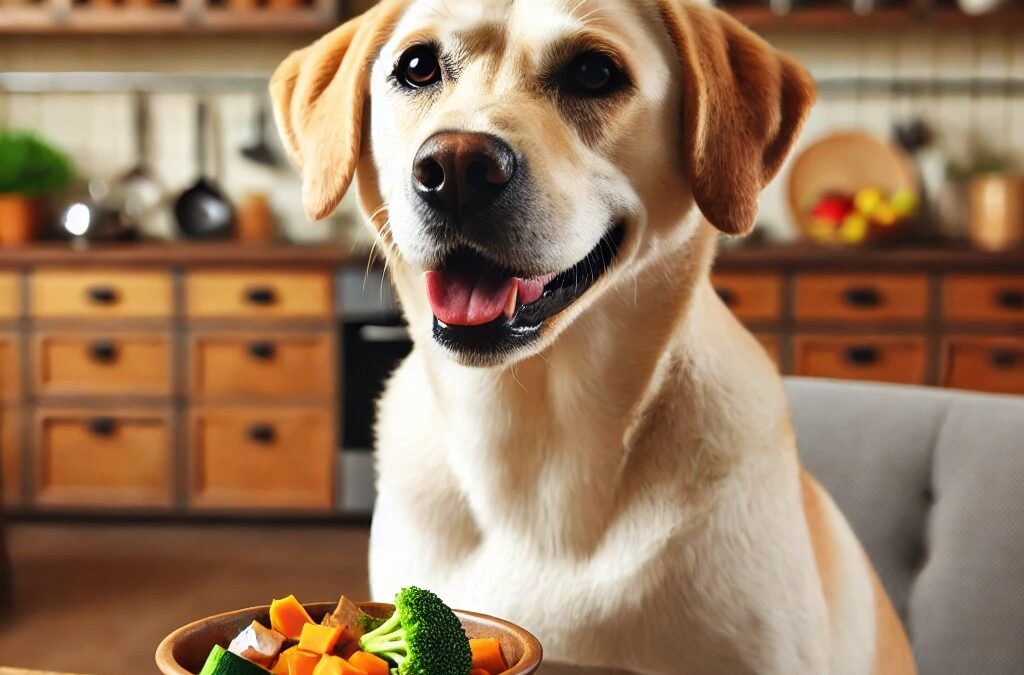
by TCMVET | Jul 18, 2024 | Food & Health
As pet owners, the diagnosis of cancer in our beloved dogs can be heart-wrenching. While veterinary treatments are crucial, nutrition plays a significant role in supporting their health and well-being during this challenging time. Creating homemade meals tailored to the needs of dogs battling cancer can provide essential nutrients, improve their quality of life, and complement medical treatments. Here’s a guide to crafting the best homemade meals for dogs fighting cancer.
Understanding the Nutritional Needs of Dogs with Cancer
Cancer can significantly alter a dog’s metabolism, leading to weight loss, muscle wasting, and decreased energy levels. It’s essential to understand the specific nutritional requirements for dogs with cancer:
- High-Quality Protein: Protein helps maintain muscle mass and supports the immune system. Choose easily digestible, high-quality protein sources such as chicken, turkey, fish, and lean beef.
- Healthy Fats: Fats are a vital energy source for dogs with cancer. Omega-3 fatty acids, found in fish oil, flaxseed oil, and chia seeds, have anti-inflammatory properties and can help slow cancer progression.
- Low Carbohydrates: Cancer cells thrive on glucose, so it’s beneficial to limit carbohydrate intake. Opt for low-glycemic vegetables like broccoli, spinach, and cauliflower.
- Antioxidants: Antioxidants help combat oxidative stress and support the immune system. Incorporate foods rich in vitamins A, C, and E, such as carrots, blueberries, and sweet potatoes.
- Hydration: Ensure your dog stays well-hydrated, as cancer and its treatments can lead to dehydration. Add bone broth or water-rich vegetables like cucumbers to their diet.
Recipe Ideas for Homemade Dog Meals
Here are some nutritious and delicious recipes to consider when preparing homemade meals for your dog with cancer:
1. Chicken and Veggie Delight
- Ingredients:
- 1 cup cooked chicken breast (shredded)
- 1/2 cup steamed broccoli (chopped)
- 1/2 cup steamed carrots (chopped)
- 1/4 cup quinoa (cooked)
- 1 tablespoon fish oil
- Instructions:
- Combine all ingredients in a bowl.
- Mix well and serve at room temperature.
- Store leftovers in the refrigerator for up to three days.
2. Beef and Sweet Potato Stew
- Ingredients:
- 1 pound lean ground beef
- 1 cup sweet potatoes (diced)
- 1/2 cup green beans (chopped)
- 1/4 cup blueberries
- 1 tablespoon flaxseed oil
- Instructions:
- Cook the ground beef in a skillet until fully browned.
- In a pot, combine the cooked beef, sweet potatoes, green beans, and blueberries.
- Add enough water to cover the ingredients and simmer until the vegetables are tender.
- Stir in the flaxseed oil and let the stew cool before serving.
- Store leftovers in the refrigerator for up to three days.
3. Fish and Spinach Medley
- Ingredients:
- 1 cup cooked salmon (flaked)
- 1/2 cup spinach (steamed and chopped)
- 1/2 cup cauliflower (steamed and chopped)
- 1/4 cup brown rice (cooked)
- 1 tablespoon chia seeds
- Instructions:
- Combine all ingredients in a bowl.
- Mix well and serve at room temperature.
- Store leftovers in the refrigerator for up to three days.
Supplementing with TCMVET’s Baituxiao
In addition to these nutritious meals, consider supplementing your dog’s diet with TCMVET’s Baituxiao. This supplement is formulated to support the immune system and overall health, providing an extra layer of defense against cancer.
Consulting with Your Veterinarian
Before making any significant changes to your dog’s diet, consult with your veterinarian. They can provide personalized recommendations based on your dog’s specific needs and medical condition.
Crafting homemade meals for dogs battling cancer is a labor of love that can have a profound impact on their health and quality of life. By understanding their nutritional needs and incorporating high-quality ingredients, you can provide your furry friend with the best possible support during their fight against cancer. Remember, a well-balanced diet, combined with veterinary care and supplements like TCMVET’s Baituxiao, can make a significant difference in their journey to recovery.

by TCMVET | Jul 13, 2024 | Food & Health
As pet owners become increasingly aware of the importance of nutrition in maintaining their dogs’ health, the role of dietary patterns in preventing and managing canine cancer is gaining attention. This article delves into how specific dietary choices can influence cancer risk in dogs, providing insights into optimal nutrition strategies for your furry friend.
Understanding the Connection
Cancer is a multifactorial disease influenced by genetics, environment, and lifestyle factors, including diet. Research suggests that what dogs eat can significantly impact their risk of developing cancer. By understanding this connection, pet owners can make informed decisions to help reduce their dogs’ cancer risk.
The Role of Diet in Cancer Prevention
- High-Quality Protein: Providing dogs with high-quality, easily digestible protein sources can support overall health and immune function. Lean meats, fish, and eggs are excellent choices.
- Antioxidant-Rich Foods: Antioxidants help neutralize harmful free radicals that can damage cells and lead to cancer. Incorporating fruits and vegetables like blueberries, carrots, and spinach into your dog’s diet can boost their antioxidant intake.
- Healthy Fats: Omega-3 fatty acids, found in fish oil and flaxseed, have anti-inflammatory properties that may help reduce cancer risk. These healthy fats support cell function and immune response.
- Low Carbohydrate Diets: Some studies suggest that reducing carbohydrate intake may help starve cancer cells, which rely on glucose for energy. A diet low in simple sugars and refined carbohydrates can be beneficial.
Avoiding Harmful Ingredients
- Artificial Additives: Preservatives, colors, and flavors can contribute to inflammation and increase cancer risk. Opt for natural, additive-free dog foods.
- Processed Foods: Highly processed foods often contain harmful chemicals and lower nutritional value. Choosing whole, minimally processed foods is a healthier option.
- Obesity: Maintaining a healthy weight is crucial, as obesity is a known risk factor for various cancers. Regular exercise and portion control are key.
Implementing a Cancer-Preventive Diet
- Consult with a Veterinarian: Before making significant changes to your dog’s diet, consult with a veterinarian or a veterinary nutritionist to ensure the diet meets your dog’s specific needs.
- Balanced Nutrition: Ensure the diet is well-balanced, providing all essential nutrients. Consider commercial diets formulated for cancer prevention or homemade diets tailored to your dog’s health.
- Regular Monitoring: Regular check-ups and monitoring of your dog’s health can help detect any issues early and adjust the diet as needed.
Recent Research and Developments
Recent studies have highlighted the potential of certain dietary components in reducing cancer risk. For example, a study published in the Journal of Veterinary Internal Medicine found that dogs fed a diet rich in fish oil and antioxidants showed a lower incidence of cancer.
Another study explored the benefits of ketogenic diets, which are high in fat and low in carbohydrates, in managing cancer in dogs. The findings indicated that such diets might help slow tumor growth and improve overall outcomes.
Diet plays a crucial role in influencing cancer risk in dogs. By focusing on high-quality proteins, antioxidant-rich foods, healthy fats, and reducing harmful ingredients, pet owners can help support their dogs’ health and potentially reduce their risk of cancer. Ongoing research continues to shed light on the intricate relationship between diet and canine cancer, offering hope for more effective prevention strategies.

by TCMVET | May 24, 2024 | Food & Health
Inflammatory Bowel Disease (IBD) is a chronic condition in dogs characterized by persistent inflammation of the gastrointestinal tract. This condition can cause a range of symptoms, including vomiting, diarrhea, weight loss, and abdominal pain, significantly impacting a dog’s quality of life. Diet plays a crucial role in managing IBD, and many pet owners turn to homemade dog food to provide their dogs with the best possible nutrition. This guide will delve into the benefits of homemade dog food for IBD, key ingredients, and how to create a balanced diet for your furry friend.
Understanding Inflammatory Bowel Disease in Dogs
IBD in dogs is a condition where the immune system mistakenly attacks the lining of the digestive tract, leading to inflammation. The exact cause of IBD is unknown, but it is believed to be a combination of genetic, environmental, and dietary factors. Symptoms of IBD can vary in severity and may include:
- Chronic diarrhea
- Vomiting
- Weight loss
- Loss of appetite
- Abdominal pain and discomfort
- Lethargy
Managing IBD often involves a combination of medication, lifestyle changes, and dietary modifications. Since diet plays a critical role in controlling inflammation and managing symptoms, many pet owners find success with homemade dog food tailored to their dog’s specific needs.
Benefits of Homemade Dog Food for IBD
Homemade dog food offers several advantages over commercial diets, particularly for dogs with IBD:
- Ingredient Control: When you prepare your dog’s food at home, you have complete control over the ingredients. This allows you to avoid common allergens and irritants that may exacerbate IBD symptoms.
- Freshness and Quality: Homemade food is typically fresher than commercial options and can be made with high-quality, whole-food ingredients.
- Customization: You can tailor the diet to meet your dog’s specific nutritional needs and preferences, ensuring they receive the right balance of nutrients.
- Reduced Additives and Preservatives: Commercial dog foods often contain additives and preservatives that can trigger inflammation. Homemade food allows you to eliminate these potentially harmful substances.
Key Ingredients for Homemade Dog Food for IBD
When formulating a homemade diet for a dog with IBD, it is essential to choose ingredients that are easy to digest, anti-inflammatory, and nutritionally balanced. Here are some key components to consider:
1. Lean Proteins
- Chicken: Skinless, boneless chicken breast is a good source of lean protein. Avoid fatty cuts and skin, which can exacerbate inflammation.
- Turkey: Similar to chicken, turkey breast is another excellent lean protein source.
- Fish: Fish like salmon and whitefish provide essential omega-3 fatty acids, which have anti-inflammatory properties.
2. Complex Carbohydrates
- Sweet Potatoes: Rich in fiber and nutrients, sweet potatoes are gentle on the digestive system.
- Pumpkin: Pumpkin is another excellent source of fiber that can help regulate digestion.
- Rice: White or brown rice can be a good carbohydrate source, but some dogs with IBD may tolerate white rice better due to its lower fiber content.
3. Vegetables
- Carrots: Carrots are a great source of vitamins and fiber.
- Green Beans: Low in calories and high in fiber, green beans can be easily incorporated into a homemade diet.
- Zucchini: Another mild vegetable that is easy to digest and provides essential nutrients.
4. Healthy Fats
- Fish Oil: Rich in omega-3 fatty acids, fish oil can help reduce inflammation and support overall health.
- Coconut Oil: A good source of medium-chain triglycerides (MCTs), which are easily digestible and provide quick energy.
Sample Homemade Dog Food Recipe for IBD
Here is a simple and nutritious recipe that can help manage IBD symptoms in dogs:
Ingredients:
- 1 cup of cooked, skinless, boneless chicken breast (shredded)
- 1 cup of cooked sweet potatoes (mashed)
- 1/2 cup of cooked carrots (diced)
- 1/2 cup of cooked green beans (chopped)
- 1 tablespoon of fish oil
Instructions:
- Cook the chicken breast thoroughly and shred it into small pieces.
- Cook the sweet potatoes, carrots, and green beans until they are soft and easy to digest.
- Mix all the ingredients in a large bowl, ensuring they are well combined.
- Add the fish oil and mix thoroughly.
- Allow the food to cool to room temperature before serving.
Tips for Feeding Dogs with IBD
- Introduce New Foods Gradually: When introducing homemade food or new ingredients, do so gradually to monitor for any adverse reactions.
- Maintain Consistency: Keep meal times and portion sizes consistent to help regulate digestion.
- Monitor Symptoms: Keep a close eye on your dog’s symptoms and adjust the diet as necessary in consultation with your veterinarian.
- Hydration: Ensure your dog has access to fresh water at all times to stay hydrated.
Conclusion
Homemade dog food can be a valuable tool in managing IBD, providing your dog with tailored nutrition that supports their digestive health. By carefully selecting ingredients and working closely with your veterinarian, you can help alleviate your dog’s IBD symptoms and improve their quality of life. Remember, every dog is unique, so it may take some trial and error to find the perfect diet for your furry friend.
For more information on homemade dog food recipes and tips for managing IBD, consult with your veterinarian and consider seeking advice from a veterinary nutritionist. Your dog’s health and happiness are worth the effort.

by TCMVET | May 7, 2024 | Dog Cancer & Tumors
In the realm of veterinary care, the increasing prevalence of cancer in dogs has prompted a surge in exploring alternative and natural treatment options. Natural cancer treatments offer a holistic approach, potentially improving quality of life and supporting traditional therapies. In this article, we will delve into some promising natural strategies for managing canine cancer, emphasizing the importance of integrating these with conventional treatments under veterinary guidance.
1. Diet and Nutrition
Nutrition plays a pivotal role in canine cancer care. A diet rich in antioxidants, such as vitamins C and E, can help combat free radicals and reduce oxidative stress, a contributor to cancer progression. Consider incorporating foods like blueberries, spinach, and carrots, which are safe and beneficial for dogs. High-quality protein sources, like lean meats and fish, support immune function and muscle maintenance. Omega-3 fatty acids, found in fish oils, have anti-inflammatory properties that can help mitigate inflammation associated with cancer.
2. Herbal Remedies
Several herbs have been noted for their potential anti-cancer properties. Milk thistle supports liver health, crucial for dogs undergoing chemotherapy. Turmeric, containing the active compound curcumin, is renowned for its anti-inflammatory and antioxidant effects. However, it’s essential to consult with a veterinary herbalist, as some herbs can interfere with conventional cancer treatments.
3. Acupuncture
Acupuncture is increasingly used in veterinary oncology. This traditional Chinese medicine technique may help alleviate pain and improve overall well-being in dogs with cancer. By stimulating specific points on the body, acupuncture can enhance blood circulation, relieve muscle tension, and stimulate nerve release of endorphins and other pain-relieving chemicals.
4. Supplements
Supplements can also play a supportive role in natural cancer care. For instance, medicinal mushrooms such as Reishi and Shiitake have been studied for their immune-boosting and anti-cancer properties. CBD oil is gaining attention for its ability to help manage pain and anxiety in cancer-stricken dogs. As with all supplements, it’s crucial to discuss their use with your veterinarian, as they need to be carefully integrated with other treatments.
5. Physical Therapy and Exercise
Maintaining physical activity is important for dogs with cancer. Exercise tailored to the dog’s condition can help maintain muscle mass, improve mood, and boost overall health. Physical therapy can also include massage and hydrotherapy, which are excellent for keeping your dog’s body as healthy as possible during their cancer treatment.
Natural treatments for cancer in dogs focus on supporting the body’s inherent healing abilities and improving the quality of life. While these treatments are not cures, they can significantly contribute to a comprehensive cancer care plan. Always consult your veterinarian or a specialist in veterinary oncology to tailor the best treatment combination for your furry friend’s specific needs. Integrating natural and conventional treatments holds the promise of providing the best possible care for dogs facing cancer.

by TCMVET | Jan 27, 2024 | Dog Cancer & Tumors
Canine lymphoma, a common form of cancer in dogs, poses significant challenges to pet owners and veterinarians. While conventional treatments like chemotherapy are prevalent, a growing interest in holistic approaches has emerged. This comprehensive guide explores holistic treatments for canine lymphoma, offering insights for those seeking alternative or complementary options. Optimized for SEO, this article targets key phrases and topics related to holistic pet care and canine lymphoma.
1. Understanding Canine Lymphoma: Lymphoma in dogs is a type of cancer that affects the lymphatic system. It’s characterized by the proliferation of malignant lymphocytes, leading to symptoms like swollen lymph nodes, lethargy, and weight loss. Early diagnosis and treatment are crucial for managing this condition.
2. The Role of Diet in Managing Canine Lymphoma: A holistic approach to canine lymphoma often begins with diet. High-quality, nutrient-rich foods can bolster a dog’s immune system. Diets rich in omega-3 fatty acids, antioxidants, and low in processed sugars and carbs are often recommended. Consultation with a veterinary nutritionist can provide personalized dietary plans.
3. Herbal and Supplemental Therapies: Many holistic practitioners advocate for the use of herbs and supplements. Ingredients like turmeric, milk thistle, and Essiac tea have been noted for their potential anti-inflammatory and immune-boosting properties. However, it’s vital to discuss any supplements with a veterinarian, as they can interact with conventional treatments.
4. Acupuncture and Traditional Chinese Medicine: Acupuncture and Traditional Chinese Medicine (TCM) offer alternative ways to support dogs with lymphoma. These practices focus on restoring balance within the body and can help alleviate symptoms and improve overall well-being.
5. The Benefits of Physical Therapies: Physical therapies such as massage and hydrotherapy can improve a dog’s quality of life. These therapies can reduce stress, improve circulation, and enhance muscle tone, contributing positively to overall health.
6. The Importance of a Stress-Free Environment: Creating a stress-free environment is a key aspect of holistic care. Comfortable living spaces, regular exercise, and avoiding stressful situations can play a significant role in a dog’s health and well-being.
Conclusion: Holistic treatments for canine lymphoma encompass a range of practices, from dietary changes to acupuncture. While they may offer supportive care and improve quality of life, it’s crucial to use these treatments in conjunction with traditional veterinary medicine. Always consult with a veterinarian to tailor the best treatment plan for your dog’s unique needs.
