

The True Cost of Tigilanol Tiglate: Beyond the Price Tag

The True Cost of Tigilanol Tiglate: Beyond the Price Tag

Tigilanol tiglate, a groundbreaking treatment for certain types of canine tumors, has been a game-changer in veterinary oncology. As pet owners explore this innovative therapy, many are concerned about its cost. But does the conversation about cost go beyond just the monetary figure? Let’s dive into a unique perspective on the value of tigilanol tiglate—looking not just at what it costs, but what it offers in return.


Understanding Tigilanol Tiglate

Developed from the seeds of the blushwood tree, tigilanol tiglate (marketed as Stelfonta®) offers a non-surgical solution to mast cell tumors in dogs. Administered via injection, it works by destroying tumor cells and encouraging wound healing, often with visible results within days. This innovative therapy is particularly appealing for dogs that are not candidates for surgery due to age, health, or tumor location.


The Financial Costs

The price of tigilanol tiglate can vary widely, depending on several factors:

  1. Tumor Size
    The drug is priced based on dosage, which is determined by the tumor’s volume. Larger tumors require higher doses, increasing the cost.
  2. Veterinary Fees
    The cost of administration includes pre-treatment assessments, sedation, the procedure itself, and follow-up care. These professional fees can vary by location and clinic.
  3. Post-Treatment Care
    While many dogs recover quickly, some may require additional wound management, which can add to the overall expense.

On average, the cost for tigilanol tiglate treatment ranges from $500 to $2,500 or more, depending on the above factors.


The Emotional Costs

While financial expenses are significant, the emotional toll of treating a beloved pet must also be considered. Tigilanol tiglate offers a compelling alternative to invasive surgery, reducing the stress and recovery time for both pets and their owners.

  1. Less Anxiety for Your Dog
    Surgery often involves longer recovery periods and higher risks, particularly for older dogs. Tigilanol tiglate minimizes these challenges, offering a less invasive solution.
  2. Peace of Mind for Owners
    Watching a tumor shrink in real-time can be an emotionally rewarding experience. For many, the cost is justified by the visible, immediate results.

Cost vs. Value

When evaluating the price of tigilanol tiglate, it’s essential to consider its value:

  • Quality of Life: The treatment focuses on preserving and enhancing the dog’s well-being without the risks associated with surgery.
  • Time Saved: With a single injection, the treatment often eliminates the need for lengthy recovery periods.
  • Emotional Relief: The ability to see rapid improvement can be priceless for pet owners struggling with the burden of their dog’s diagnosis.

Hidden Savings

While the upfront costs may seem high, tigilanol tiglate can offer indirect savings:

  • Avoidance of surgery-related complications and their associated costs.
  • Reduced need for ongoing treatments or medications for tumor management.
  • Prevention of future tumor-related issues through early intervention.

Affording Tigilanol Tiglate: Tips for Pet Owners

For those concerned about affordability, here are some tips to explore:

  1. Pet Insurance: Check whether your policy covers advanced treatments like tigilanol tiglate.
  2. Payment Plans: Many veterinary clinics offer installment plans to help manage costs.
  3. Non-Profit Assistance: Organizations dedicated to pet care sometimes provide financial aid for critical treatments.
  4. Budgeting Ahead: Early financial planning for your pet’s healthcare can ease the burden of unexpected expenses.

Final Thoughts

The cost of tigilanol tiglate isn’t just a number—it’s a measure of hope, innovation, and care. While the treatment may not fit every budget, it offers unparalleled value for dogs and their families by providing a minimally invasive, effective option for managing mast cell tumors. For many, the question isn’t just “How much does it cost?” but rather, “What is the cost of not trying?”

As you navigate your dog’s treatment journey, remember that the price of care includes not only the dollars spent but also the moments you gain together. Tigilanol tiglate represents a future where more dogs can live healthier, happier lives—an investment in love, longevity, and companionship.
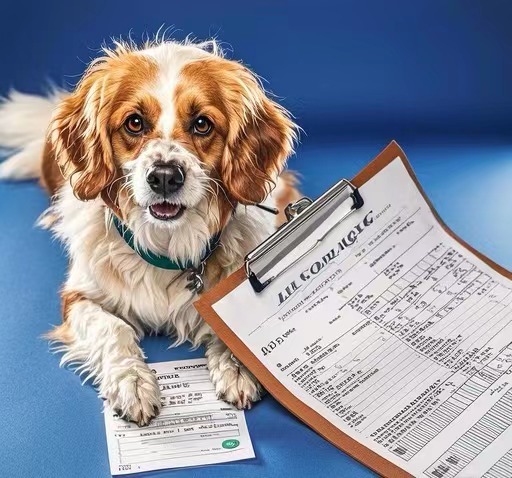
Understanding the Cost of Chemotherapy for Dogs: What Pet Owners Need to Know

Understanding the Cost of Chemotherapy for Dogs: What Pet Owners Need to Know

When a beloved pet is diagnosed with cancer, the first concern for many pet owners is their dog’s health and well-being. However, the cost of treatment, especially chemotherapy, can be a significant concern as well. In this article, we will explore the factors affecting the cost of chemotherapy for dogs, what to expect during treatment, and how to manage these expenses.

What is Chemotherapy for Dogs?

Chemotherapy is a type of cancer treatment that uses drugs to destroy cancer cells. In dogs, chemotherapy can be used to treat various types of cancer, including lymphoma, mast cell tumors, and osteosarcoma. The goal is to control or eliminate the cancer while maintaining the best possible quality of life for the pet.

Factors Affecting the Cost of Chemotherapy for Dogs

Several factors can influence the cost of chemotherapy for dogs, including:

  1. Type of Cancer: Different types of cancer require different chemotherapy protocols. Some cancers may need more intensive treatment than others.
  2. Size of the Dog: Larger dogs require higher doses of chemotherapy drugs, which can increase the overall cost.
  3. Frequency of Treatments: The number of chemotherapy sessions needed can vary. Some dogs may require weekly treatments, while others might need them less frequently.
  4. Location: The cost of veterinary care can vary significantly depending on where you live. Urban areas tend to have higher costs compared to rural areas.
  5. Veterinary Oncologist vs. General Veterinarian: Specialized care from a veterinary oncologist may cost more than treatment from a general veterinarian.

Average Cost of Chemotherapy for Dogs

On average, the cost of chemotherapy for dogs can range from $150 to $500 per session. For a full course of treatment, pet owners can expect to pay between $3,000 and $5,000. However, this cost can be higher or lower depending on the factors mentioned above.

What to Expect During Chemotherapy

Chemotherapy for dogs is typically administered in a veterinary clinic. The process involves:

  • Initial Consultation: A thorough examination and diagnostic tests to determine the appropriate chemotherapy protocol.
  • Treatment Sessions: Chemotherapy drugs are administered via injection or oral medication. Sessions can last from 30 minutes to a few hours.
  • Monitoring: Regular check-ups to monitor the dog’s response to treatment and adjust the protocol as needed.

Managing the Cost of Chemotherapy

While the cost of chemotherapy can be daunting, there are several ways to manage these expenses:

  1. Pet Insurance: If you have pet insurance, check if it covers cancer treatments. Some policies include chemotherapy and related costs.
  2. Payment Plans: Many veterinary clinics offer payment plans to help spread out the cost of treatment over time.
  3. Financial Assistance: Organizations such as The Pet Fund and The Magic Bullet Fund offer financial assistance for pet cancer treatments.
  4. Crowdfunding: Platforms like GoFundMe can help you raise money to cover your dog’s medical expenses.

Alternative and Complementary Treatments

In addition to chemotherapy, some pet owners explore alternative treatments to support their dog’s health. Natural supplements, like TCMVET Baituxiao, have been reported to help manage tumors and improve vitality. Always consult with your veterinarian before adding any supplements to your dog’s treatment plan.

Conclusion

Chemotherapy can be a lifesaving treatment for dogs with cancer, but it does come with significant costs. Understanding the factors that influence these costs and exploring various options to manage expenses can help ensure that your dog receives the best possible care. Always discuss with your veterinarian to create a treatment plan that fits both your pet’s needs and your budget.

Green yin-yang logo with TCMVET
Privacy Overview

This website uses cookies so that we can provide you with the best user experience possible. Cookie information is stored in your browser and performs functions such as recognising you when you return to our website and helping our team to understand which sections of the website you find most interesting and useful.