Alternatives to Mushroom / immune / antioxidant products can be useful to consider when owners in Romania are looking for supportive care for a dog with a tumor. However, supplements should never replace veterinary diagnosis, surgery, chemotherapy, radiation, pain management, or other treatment recommended by an oncology team. The right product depends on the tumor type, the dog’s age and condition, current medication, appetite, and laboratory results.
Many canine cancer supplements focus on medicinal mushrooms, immune support, or antioxidant blends. These ingredients may be appropriate for some dogs, but they are not universally suitable. Certain supplements can interact with chemotherapy, affect blood clotting, influence liver enzymes, or place additional strain on the kidneys. Dogs with diabetes, liver disease, kidney disease, bleeding disorders, or sensitive digestion may also need a more cautious plan.
For this reason, dog tumor supplement alternatives should be selected according to a specific clinical goal rather than a general promise of “boosting immunity.” Common goals include maintaining body weight, supporting appetite, preserving muscle mass, improving digestive comfort, and helping the dog tolerate treatment.
When comparing options, alternatives to Mushroom / immune / antioxidant products should always be reviewed alongside the dog’s full medical history. That approach helps owners avoid unnecessary risks and choose support that fits the treatment plan.
One of the most practical alternatives to Mushroom / immune / antioxidant formulas is targeted nutritional support. Cancer can increase the body’s energy demands, while pain, nausea, stress, or treatment side effects can reduce food intake. A complete, highly digestible diet may therefore be more valuable than a complex supplement blend.
Veterinarians may recommend diets with carefully controlled calories, high-quality protein, and appropriate fat levels. The exact balance depends on the dog’s diagnosis and overall health. Some dogs benefit from calorie-dense meals, while others require a lower-fat diet because of pancreatitis or digestive disease.
A veterinary nutritionist can help create a feeding plan that includes:
Adequate calories to prevent unwanted weight loss
Sufficient protein to help preserve muscle
Highly digestible ingredients
Moist food or added water when hydration is a concern
Small, frequent meals for dogs with reduced appetite
Safe alternatives when the dog has food allergies or gastrointestinal problems
In many cases, alternatives to Mushroom / immune / antioxidant products begin with food quality rather than supplements. The most important nutritional supplement may sometimes be a complete recovery diet or a veterinarian-approved calorie paste rather than a product marketed specifically for tumors.
When nutrition matters more than supplements
In many cases, the best results come from stabilizing food intake before adding anything else. If a dog is losing weight, refusing meals, or struggling with nausea, a practical plan usually starts with calories, hydration, and tolerance. That approach can be more useful than simply adding another product to the bowl.
Fish oil containing EPA and DHA is frequently considered among dog tumor supplement alternatives. These omega-3 fatty acids may support normal inflammatory balance and help maintain skin, coat, and general nutritional health. They can also add calories for dogs that struggle to maintain weight.
Fish oil is not risk-free. High doses may cause diarrhea, interfere with clotting, or create problems for dogs taking certain medications. Product quality also varies, especially regarding freshness, purity, and the actual amount of EPA and DHA per serving. In Romania, owners should check the label carefully and purchase from reputable veterinary pharmacies or established manufacturers.
A veterinarian should determine the dose based on the dog’s weight, diet, health status, and treatment plan. Cod liver oil should not automatically be used as a substitute because excessive vitamin A or vitamin D can be harmful.
Choosing the right oil safely
Not every oil product is appropriate for a dog with cancer. A good option should provide clear labeling, a traceable manufacturer, and a dose that fits the dog’s size and medical history. It should also be discussed with the veterinary team before surgery or during chemotherapy.
In practical terms, alternatives to Mushroom / immune / antioxidant products are often strongest when they are simple, measurable, and easy to monitor. Omega-3 supplementation fits that idea when it is selected carefully and used with professional guidance.
Digestive and appetite support
Gastrointestinal comfort is an important part of cancer care. A dog that is nauseated, constipated, or suffering from diarrhea may quickly lose strength. Depending on the cause, a veterinarian may recommend probiotics, soluble fiber, digestive support, anti-nausea medication, or a prescription appetite stimulant.
Probiotics can be helpful for some dogs with treatment-related digestive changes, but they are not appropriate for every patient. Dogs with severe immune suppression or serious illness require individualized medical advice before receiving live microbial products.
Simple measures can also improve food intake. Warming wet food, offering smaller portions, reducing strong odors, and feeding in a quiet area may encourage eating. Persistent refusal of food, repeated vomiting, bloody diarrhea, or marked weakness requires prompt veterinary attention.
These digestive strategies are often part of the broader care plan for dog tumor supplement alternatives because they help the dog use food more effectively and maintain day-to-day comfort. They are also a practical part of alternatives to Mushroom / immune / antioxidant products when appetite is the main concern.
Joint, muscle, and mobility support
Dogs with tumors affecting bones, joints, or nearby tissues may experience reduced mobility. Supportive products containing ingredients such as glucosamine, chondroitin, or green-lipped mussel are sometimes used for joint comfort, although their effect varies and they do not treat cancer.
Maintaining gentle movement can help preserve muscle and reduce stiffness, provided the dog is comfortable and the veterinarian approves exercise. Short, controlled walks are often preferable to strenuous activity. Dogs with bone tumors or fragile bones may need strict restrictions to reduce the risk of fracture.
Pain control remains more important than any joint supplement. Prescription pain medication, rehabilitation, weight management, and environmental changes such as non-slip flooring may provide greater benefit than an over-the-counter product.
What to check when buying alternatives to Mushroom / immune / antioxidant products in Romania
When comparing alternatives to Mushroom / immune / antioxidant products, Romanian dog owners should look beyond attractive packaging and broad health claims. A reliable product should clearly state the active ingredients, amount per serving, recommended use, storage instructions, batch information, and manufacturer details.
It is also important to distinguish between a complementary feed and a complete diet. A complementary product is designed to be added to food and should not replace balanced nutrition. Avoid products that promise to shrink tumors, cure cancer, or make chemotherapy unnecessary. Such claims are medically unreliable and may delay essential treatment.
Before purchasing, discuss the product with the veterinarian and provide a complete list of medications and supplements. This includes products bought online, herbal remedies, vitamins, oils, and human supplements. “Natural” does not automatically mean safe, and some herbs can alter drug metabolism or increase bleeding risk.
For general safety information about pet supplements and labeling, the U.S. FDA guide to pet food and treats is a useful reference for understanding how products should be identified and evaluated.
A careful, individualized approach
The best dog tumor supplement alternatives are not necessarily the most expensive or the most heavily advertised. In many cases, the most useful support includes a complete diet, appropriate calorie intake, omega-3 fatty acids when suitable, digestive care, pain management, and regular monitoring.
A dog undergoing cancer treatment should be assessed regularly for weight, appetite, hydration, stool quality, energy, pain, and laboratory changes. Supplements may need to be stopped before surgery or adjusted during chemotherapy. Keeping a written record of everything the dog receives can help the veterinary team identify side effects and make safer decisions.
For families in Romania, veterinary clinics, veterinary pharmacies, and qualified animal nutrition professionals are valuable sources of guidance. A supportive plan built around the dog’s diagnosis and treatment can improve comfort and quality of life far more effectively than relying on a generic immune or antioxidant formula.
In short, alternatives to Mushroom / immune / antioxidant products should be chosen with the dog’s whole medical picture in mind. With the right nutrition, targeted support, and veterinary oversight, dog tumor supplement alternatives can play a sensible role in a broader care plan without replacing proven treatment.
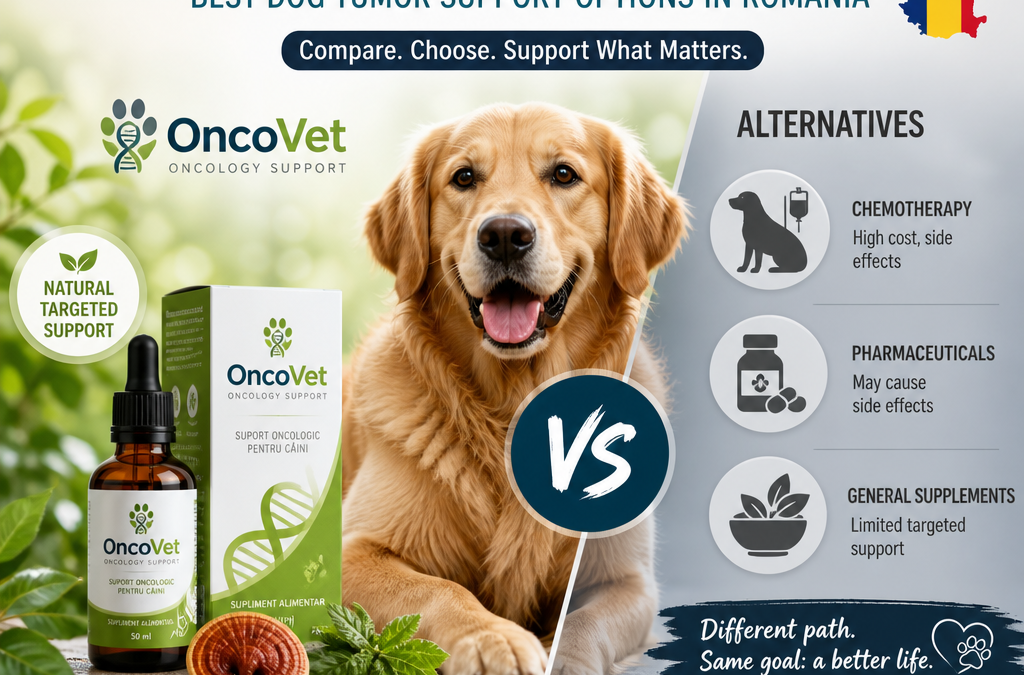
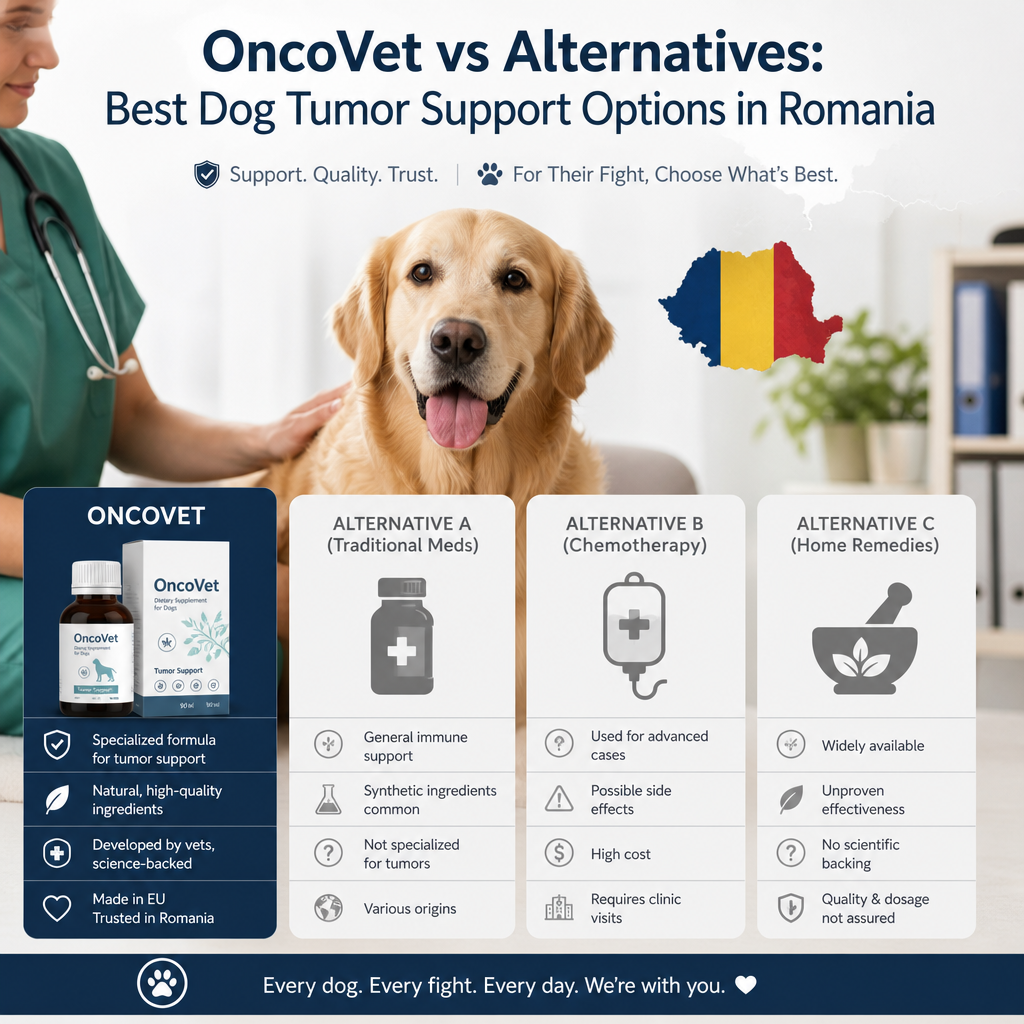
OncoVet vs Alternatives is an important comparison for Romanian dog owners whose pets have been diagnosed with a tumor or are undergoing cancer treatment. Choosing appropriate oncology support involves more than comparing product names. The right option should complement veterinary care, fit the dog’s diagnosis and treatment plan, and support comfort, nutrition, digestion, and overall quality of life without creating unnecessary risks.
Canine cancer treatment may include surgery, chemotherapy, radiation therapy, targeted medication, pain management, or a combination of approaches. Oncology support does not replace these treatments. Instead, it may help address practical challenges that commonly arise during illness, such as reduced appetite, weight loss, digestive upset, fatigue, stress, or recovery after surgery.
The most suitable support depends on several factors:
The type, location, and stage of the tumor
The dog’s age, size, and general health
Kidney and liver function
Current medications and chemotherapy protocols
Appetite, body condition, and hydration
The veterinarian’s treatment goals
Because every cancer case is different, a supplement that is appropriate for one dog may be unsuitable for another. Veterinary supervision is especially important when a dog is receiving chemotherapy, corticosteroids, anti-inflammatory medication, or other prescription treatments.
In many cases, dog tumor support options are most useful when they solve a specific problem rather than trying to do everything at once. A focused product may help digestion, while another may support calorie intake or recovery. The most effective choice is often the one that matches the dog’s current needs.
OncoVet vs Alternatives becomes easier to judge when owners first define the exact problem they are trying to solve. A dog that is losing weight needs different support from a dog that is nauseated, painful, or recovering after surgery.
What owners should compare
When reviewing OncoVet vs alternatives, owners should look beyond marketing claims and compare the practical characteristics of each option. Important considerations include the intended purpose, ingredient transparency, dosage guidance, evidence, safety profile, and compatibility with conventional treatment.
Some products are designed as broad nutritional supplements, while others focus on digestive support, antioxidants, immune function, or recovery after illness. A product marketed for “immune support” may not provide enough calories or protein for a dog losing weight. Similarly, a calorie-dense recovery formula may help nutrition but should not be presented as a treatment for cancer itself.
A careful comparison should include:
Ingredient quality and transparency
The label should clearly identify active ingredients, quantities, serving recommendations, and administration instructions. Avoid products that rely on vague “proprietary blends” without explaining how much of each ingredient is included.
Evidence and realistic claims
Support products should be evaluated according to the strength of available evidence. Some ingredients have research in dogs, while others are supported mainly by laboratory or human studies. Claims that a supplement can cure tumors, replace chemotherapy, or guarantee remission should be treated with caution.
Safety and interactions
Certain herbs, antioxidants, and concentrated extracts can affect blood clotting, liver enzymes, blood pressure, or medication metabolism. This is particularly relevant before surgery and during chemotherapy. A veterinarian should review the complete list of supplements the dog receives.
Ease of administration
A product that is difficult to give may not be useful in practice. Dogs with nausea or mouth pain may reject tablets, powders, or strong flavors. Palatable liquids, soft chews, or easily mixed powders may be more practical, depending on the dog’s needs.
When owners compare OncoVet vs alternatives, they should also ask how the product fits the daily routine. If a supplement cannot be given consistently, even a good formula may not deliver meaningful support.
If owners want to read more about mushroom-based support options, they can also review supporting your dog with tumors naturally with Jinyinhua as part of a broader discussion about oncology support choices.
Dog tumor support options in Romania
Dog tumor support options in Romania generally fall into several categories. Availability may vary between veterinary clinics, pharmacies, pet shops, and online retailers, so owners should check product authenticity, storage conditions, and expiration dates.
Veterinary nutritional support
Nutritional support is often one of the most important parts of cancer care. Dogs with tumors may lose appetite, muscle mass, or body weight. Veterinary diets and recovery foods can provide concentrated calories, digestible protein, and balanced nutrients in a relatively small volume.
A veterinarian may recommend a therapeutic diet, a recovery formula, or adjustments to the dog’s normal food. Sudden dietary changes should be avoided unless medically necessary, as they may worsen digestive symptoms.
In the OncoVet vs alternatives discussion, therapeutic nutrition often stands out because it addresses a real medical need without relying on vague wellness claims. For many dogs, eating enough is the first step toward better comfort and resilience.
Digestive and appetite support
Nausea, diarrhea, constipation, and reduced appetite can interfere with treatment and recovery. Veterinary anti-nausea medication, appetite stimulants, probiotics, or easily digestible foods may be recommended. These approaches should be selected according to the cause of the problem rather than used indiscriminately.
If a dog has nausea, even the best supplement will not help unless the nausea is controlled. In this situation, OncoVet vs alternatives should be weighed against prescription options and dietary changes that may work faster and more reliably.
Omega-3 fatty acids
Fish oil and other sources of omega-3 fatty acids are sometimes included in supportive care plans. They may help maintain skin, coat, and general nutritional health, but product quality and dosage matter. Excessive amounts can cause gastrointestinal upset or influence clotting, so veterinary guidance is advisable, particularly around surgery.
Antioxidant and herbal products
Some owners consider mushroom extracts, turmeric, milk thistle, or other botanical ingredients. These products may have interesting biological properties, but evidence varies significantly, and “natural” does not automatically mean safe. Herbal products can interact with medication or place additional strain on the liver and kidneys.
Because of that, OncoVet vs alternatives should not be judged only by whether a product sounds natural. The more useful question is whether it helps the dog’s current condition without creating new problems.
Comfort and mobility support
Pain control and mobility assistance are central to quality of life. Prescription analgesics, joint support, orthopedic bedding, ramps, and appropriate exercise may be more valuable than a general supplement. A dog that is comfortable, hydrated, and able to rest may cope better with treatment and daily life.
Comfort support also matters for dogs that seem stable on paper but struggle in daily life. In practical terms, OncoVet vs alternatives is not just a product comparison; it is a decision about which approach helps the dog feel and function better.
OncoVet may be considered by owners looking for a dedicated canine oncology support product. Its suitability should be judged according to the dog’s specific diagnosis, current treatment, and nutritional status rather than its name or category alone.
A veterinary alternative may be preferable when the dog has a clearly defined problem that requires targeted management. For example, a therapeutic recovery diet may be more appropriate for severe weight loss, while prescription anti-nausea medication may be more effective for chemotherapy-related vomiting. In other situations, a carefully selected nutritional supplement may be used alongside treatment to help maintain intake and body condition.
The key difference is often between general support and individualized medical care. General support products can have a role, but they should not delay diagnostic testing, surgery, oncology consultation, or medication for pain and nausea.
For a broader example of a targeted tumor-support ingredient, readers may also find the PubMed Central research library useful when looking for peer-reviewed veterinary and biomedical studies on supportive care ingredients.
In practical terms, the best dog tumor support options are usually those that fit into a treatment plan rather than competing with it. If a product helps a dog eat, recover, or tolerate therapy more comfortably, it may have real value. If it adds complexity without a clear benefit, it is probably not the best choice.
When evaluating OncoVet vs alternatives, think about the dog’s current priorities. Is the biggest issue appetite, nausea, weight loss, inflammation, stress, or recovery after surgery? A good product should address the main problem first.
Another helpful way to approach OncoVet vs alternatives is to separate short-term needs from long-term support. A dog in the middle of chemotherapy may need different help than a dog in post-operative recovery or palliative care.
When a supplement may be enough
Some dogs only need mild support, such as improved nutrition, better hydration, or a palatable product that encourages eating. In those cases, a supplement can be useful as part of an otherwise stable care plan.
When prescription care is more appropriate
If a dog is vomiting, in pain, losing weight rapidly, or refusing food, the first step is usually medical treatment. OncoVet vs alternatives should never replace symptom control when the dog’s condition is clearly worsening.
When combination care makes sense
Many dogs do best with a combination of prescription medication, supportive nutrition, and careful home monitoring. This layered approach often provides more benefit than relying on a single product.
Owners sometimes search OncoVet vs alternatives expecting one “best” answer, but the most responsible choice often changes over time as the dog’s condition changes. Support should evolve with the treatment plan.
7 best dog tumor support options to discuss in Romania
The list below is not a ranking of cures. It is a practical way to compare the most common support categories that Romanian dog owners may discuss with their veterinarian. The best option depends on the dog’s diagnosis, symptoms, and treatment stage.
1. Therapeutic recovery diets
Recovery diets are often among the most practical dog tumor support options because they are calorie-dense, easy to feed, and designed for convalescence. They may help dogs that are eating less than usual or losing weight during treatment.
2. Prescription anti-nausea support
When nausea is the main problem, medication prescribed by a veterinarian can make a significant difference. This is often more effective than trying to stimulate appetite with supplements alone.
3. Appetite support strategies
Appetite stimulants, warming food, hand feeding, and palatable diets can help some dogs eat enough to maintain body condition. These strategies should be used with veterinary advice, especially if the dog is already weak or dehydrated.
4. Omega-3 supplementation
Appropriate omega-3 support may fit into a broader nutrition plan, especially when the goal is to support general health and maintain condition. Careful dosing matters.
5. Digestive support products
Probiotics, fiber adjustments, and easy-to-digest foods may be useful when the dog has loose stools, constipation, or digestive upset. These are often more helpful when chosen to match a specific symptom.
6. Carefully selected herbal or mushroom-based support
Some owners explore herbal or mushroom-based products as part of complementary care. These options should be reviewed with the veterinarian for potential interactions and safety concerns.
7. Comfort and mobility aids
Orthopedic bedding, ramps, temperature control, leash-assisted walking, and pain management can dramatically improve daily comfort. For many dogs, these practical supports matter as much as any supplement.
Compared with many broad marketing claims, these 7 best dog tumor support options give owners a clearer framework for discussion. They also make OncoVet vs alternatives easier to evaluate because each option serves a specific purpose.
Questions to discuss with a veterinarian
Before starting any oncology support product, ask the veterinarian:
Is this product appropriate for my dog’s tumor type and treatment?
Could any ingredient interact with chemotherapy or prescription medication?
Should it be stopped before surgery or anesthesia?
What dose is suitable for my dog’s weight and health status?
How will we know whether it is helping?
Which side effects should prompt immediate contact?
Would a therapeutic diet or prescription treatment address the problem more effectively?
Veterinary oncology services and general veterinary clinics in Romania may also provide referrals for specialist consultation, imaging, pathology review, surgery, and palliative care. Keeping copies of laboratory results, biopsy reports, medication lists, and supplement labels can make these consultations more efficient.
Owners who are exploring canine tumor support products may also want to review the role of mushroom supplements in breast tumor care, including the article on Turkey Tail Mushroom as a natural supplement for supporting breast tumor treatment in dogs.
It can also help to ask whether the product should be used only for a short period or as part of a longer plan. OncoVet vs alternatives often comes down to whether the product has a clear place in the overall timeline of care.
How to monitor whether support is working
A good support plan should be measurable. Owners can track appetite, stool quality, water intake, vomiting, activity level, comfort, body weight, and willingness to move or interact. Small improvements may be meaningful, especially in a dog with cancer.
If a product does not improve any measurable sign after a reasonable trial, it may not be worth continuing. If side effects appear, it should be discussed with the veterinarian right away.
Daily notes can be especially helpful during chemotherapy or recovery. They make it easier to determine whether OncoVet vs alternatives is actually helping or simply adding another item to the routine.
Making the safest choice
The best dog tumor support options are those that serve a clear purpose, have understandable ingredients, and fit into a veterinarian-approved care plan. Owners should monitor appetite, water intake, body weight, stool quality, activity, breathing, pain, and general behavior. Changes should be reported promptly, especially during chemotherapy or after surgery.
Ultimately, the goal of oncology support is not to promise a cure through supplementation. It is to help the dog remain as comfortable, nourished, and active as possible while receiving appropriate medical care. Comparing OncoVet vs alternatives can be useful, but the final decision should be based on clinical need, evidence, safety, and the individual dog’s quality of life.
If your veterinarian recommends a specific supplement strategy, ask how it fits alongside standard care, and whether there is a better evidence-based option for your dog’s current stage of treatment. That approach keeps the focus on safety while still allowing thoughtful supportive care.
For some dogs, the right answer will be a nutritional formula. For others, it may be a targeted digestive aid, a prescription medication, or a carefully selected herbal product. The strongest choice is the one that supports the whole patient, not just the diagnosis.
When in doubt, return to the same practical question: does this support help the dog eat, rest, recover, or tolerate treatment more comfortably? If the answer is yes, it may belong in the plan. If not, OncoVet vs alternatives probably points toward a better option.
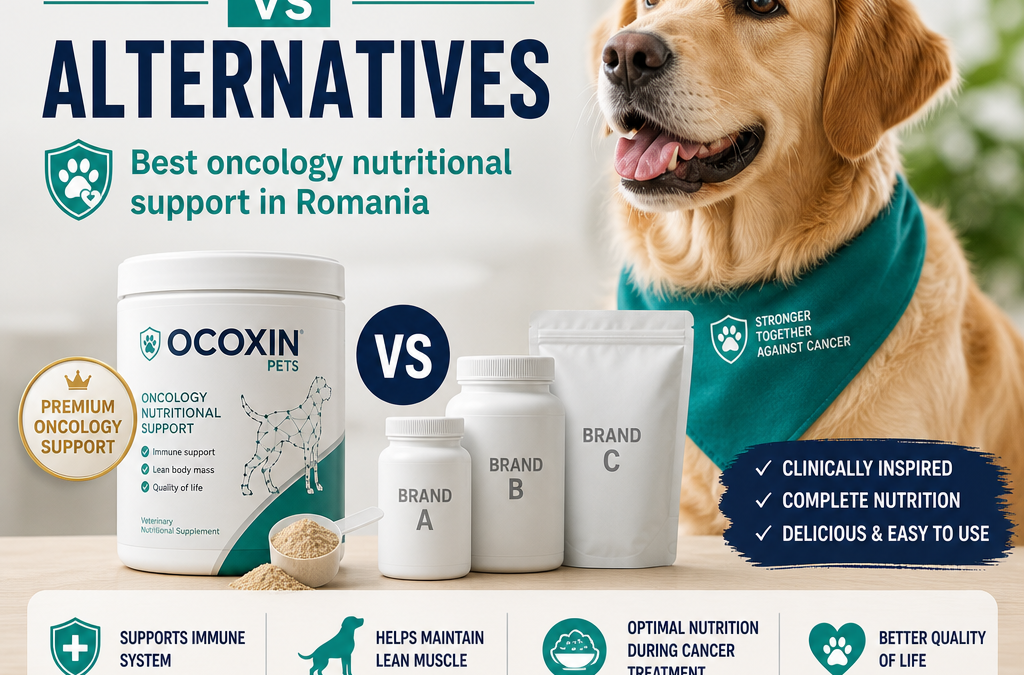
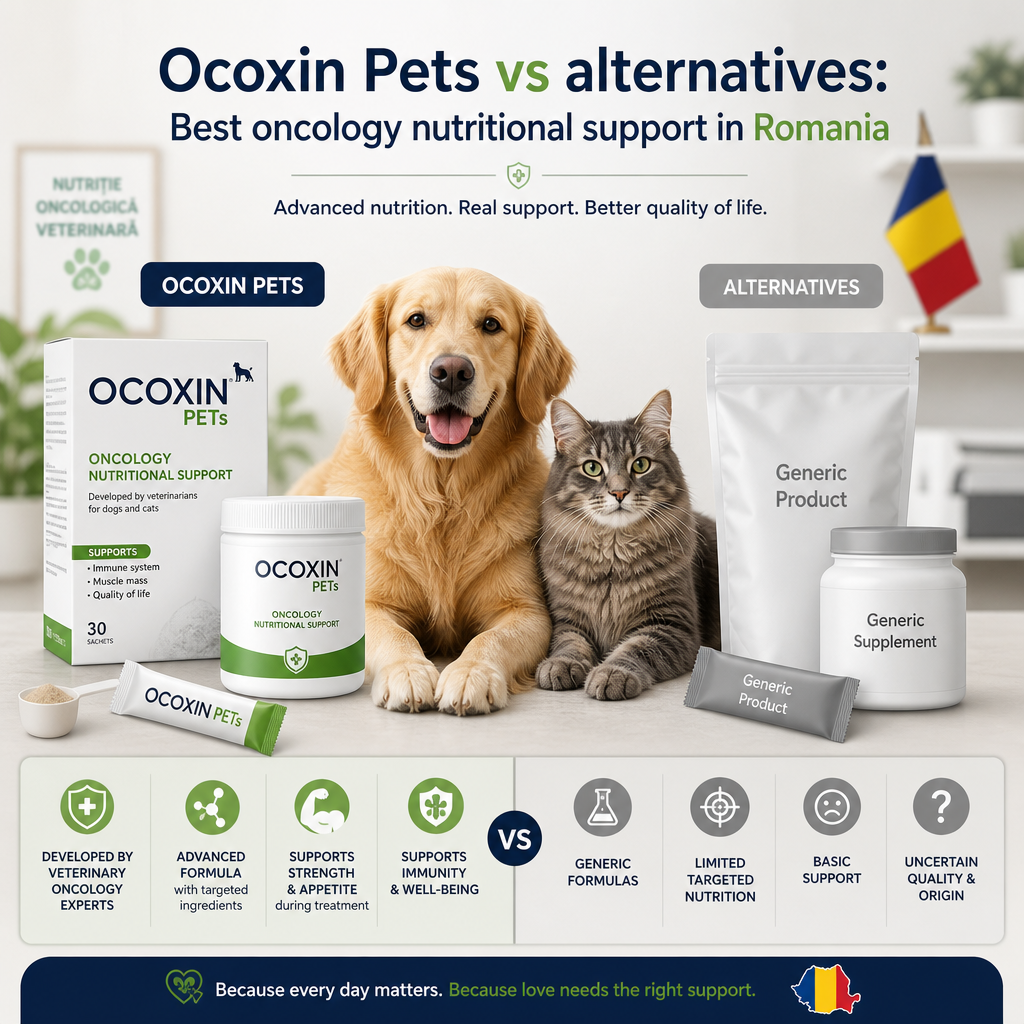
Ocoxin Pets vs alternatives is an important comparison for Romanian pet owners whose dogs or cats are undergoing cancer treatment. Nutrition cannot cure a tumor, replace surgery, chemotherapy, radiation therapy, or veterinary monitoring, but appropriate nutritional support may help maintain appetite, body condition, hydration, and quality of life. The right product depends on the animal’s diagnosis, treatment plan, age, weight, appetite, and other health conditions.
Cancer can affect an animal’s nutritional status in several ways. Tumors may alter metabolism, while pain, nausea, stress, inflammation, or medication side effects can reduce food intake. Some animals lose weight and muscle rapidly; others experience digestive problems or become unusually selective with food. Maintaining lean body mass is especially important because muscle loss can weaken mobility, immune function, and tolerance to treatment.
Oncology nutritional support generally aims to help with:
Maintaining adequate calorie and protein intake
Supporting appetite during periods of reduced food interest
Providing nutrients involved in antioxidant and metabolic processes
Supporting recovery after surgery or other procedures
Improving hydration and digestive tolerance
Preserving comfort and daily activity
A supplement should therefore be viewed as one part of a broader care plan. Before starting any product, the veterinarian should evaluate weight trends, blood tests, kidney and liver function, current medication, and the type and stage of cancer.
Many owners search for Ocoxin Pets vs alternatives because they want a supportive option that fits their pet’s daily needs. In practice, the best choice is usually the one that matches appetite, disease stage, and treatment tolerance rather than the brand name alone. That is why Ocoxin Pets vs alternatives should be reviewed alongside diet, medication, and the pet’s real daily response.
Ocoxin Pets: what it is intended to provide
Ocoxin Pets is a veterinary nutritional supplement commonly considered for animals that need additional support during oncology care or recovery. Its formulation is designed to provide a combination of nutritional and bioactive ingredients rather than serving as a complete diet. Depending on the product version and market, the formulation may include compounds such as amino acids, vitamins, minerals, plant-derived ingredients, and other nutrients associated with immune or metabolic support.
The main potential advantages of Ocoxin Pets are convenience and a multi-ingredient approach. A single product may be easier for owners to administer than several separate supplements. It is also marketed specifically for pets, which is preferable to adapting a human product without veterinary guidance.
However, it is essential to keep expectations realistic. Evidence for cancer-related supplements in companion animals is often more limited than evidence for standard cancer treatments. A supplement may support general nutritional status, but it should not be described as a tumor treatment unless robust clinical evidence and veterinary recommendations support that claim.
When comparing Ocoxin Pets vs alternatives, it helps to remember that support products are intended to assist care, not replace the veterinary oncology plan. That distinction is especially important for pets with poor appetite, weight loss, or concurrent medical issues. In many cases, Ocoxin Pets vs alternatives is really a decision between broad support and more targeted nutritional help.
Ocoxin Pets vs alternatives: key comparison points
When evaluating Ocoxin Pets vs alternatives, owners should compare more than brand names or advertising claims. The most useful criteria include nutritional purpose, ingredient transparency, safety, palatability, cost, and compatibility with the animal’s treatment.
It also helps to ask a practical question: what problem needs to be solved right now? If the answer is poor appetite, a calorie-focused product may be better. If the answer is muscle loss, the priority may be digestible protein and complete nutrition. If the answer is digestive upset, a gut-focused product may be more suitable. Ocoxin Pets vs alternatives should be judged against the pet’s most urgent need.
1. Complete therapeutic diets
Veterinary therapeutic diets may be the most important alternative when the animal is losing weight or has poor appetite. These diets are formulated to provide balanced calories, digestible protein, essential fatty acids, and appropriate vitamins and minerals. Some are designed for recovery, gastrointestinal sensitivity, or high energy needs.
A complete diet has a major advantage over a supplement: it can supply a substantial portion of the animal’s daily nutritional requirements. Ocoxin Pets or another supplement may be added when the veterinarian considers it appropriate, but it cannot compensate for a severely inadequate diet.
For dogs and cats with cancer, diet quality matters because appetite can fluctuate from day to day. In that setting, a complete therapeutic food may provide more dependable nutritional support than Ocoxin Pets vs alternatives that only add a small number of nutrients.
Owners in Romania sometimes focus on a branded supplement first, but a food-first approach is often more effective. If the pet is unwilling to eat enough, even the best supplement has limited value. That is why Ocoxin Pets vs alternatives should be considered only after checking whether the base diet already meets the pet’s needs.
2. Omega-3 fatty acid products
Fish oil and veterinary omega-3 supplements are frequently discussed in dog tumor support options. EPA and DHA may help support normal inflammatory responses and are often included in nutrition plans for animals with chronic disease. Product quality varies considerably, so the label should clearly state the amount of EPA and DHA rather than only listing total fish oil.
Omega-3 supplements can cause digestive upset in some animals and may not be suitable for every patient, particularly those with specific pancreatic, bleeding, or gastrointestinal concerns. Dosage should be determined by a veterinarian.
If a pet already receives a balanced diet and needs a focused fatty-acid product, omega-3s may be more practical than Ocoxin Pets vs alternatives that are designed as broader multi-ingredient blends. In other words, Ocoxin Pets vs alternatives may not be the best comparison when a single nutrient target is the real goal.
3. High-calorie nutritional gels and recovery formulas
For animals eating too little, calorie-dense gels, liquid diets, and recovery formulas may be more immediately useful than a general supplement. They can help provide energy in a small volume and may be easier to administer during short periods of poor appetite.
These products are not interchangeable with a normal balanced diet. Some are intended only for temporary use, and feeding by syringe should be performed carefully to reduce the risk of aspiration. Animals that refuse food persistently may need medical treatment for nausea, pain, dehydration, or other underlying problems.
In practical terms, Ocoxin Pets vs alternatives often comes down to whether the pet needs broader nutritional support or a more urgent calorie boost. A recovery formula may be the better fit when intake drops sharply. If the animal is stable but needs maintenance support, Ocoxin Pets vs alternatives may lean toward a gentler daily product rather than a high-energy formula.
4. Probiotics and digestive support
Probiotics may be considered when cancer treatment or medication causes diarrhea or intestinal imbalance. Their effectiveness depends on the specific strain, dose, and health status of the animal. Digestive support products should be selected carefully, especially in immunocompromised patients.
If the main problem is stool quality rather than appetite, probiotics may be a stronger match than Ocoxin Pets vs alternatives focused on general oncology nutrition. The right product should address the most pressing symptom first.
For some pets, digestive comfort is the step that makes eating possible again. Once the stomach and intestines are calmer, the owner can reassess Ocoxin Pets vs alternatives and decide whether a broader support product is still needed. This step-by-step approach is often safer than introducing multiple items at once.
5. Human supplements and homemade mixtures
Human supplements are among the riskiest dog tumor support options because they may contain inappropriate doses, sweeteners such as xylitol, herbs that interact with medication, or ingredients that are unsafe for pets. Homemade diets can also become deficient in essential nutrients unless formulated by a veterinary nutrition specialist.
Natural does not automatically mean safe. Certain concentrated plant extracts may affect liver enzymes, blood clotting, blood pressure, or the metabolism of chemotherapy drugs. If you need an evidence-based primer on cancer-related nutrition, the Tufts veterinary nutrition guide to dogs with cancer is a useful educational reference.
That caution applies equally when owners compare Ocoxin Pets vs alternatives and are tempted by internet advice. Veterinary approval matters more than marketing language or anecdotal claims. A well-meaning but poorly chosen supplement can make care harder instead of easier.
6. Appetite support and feeding strategies
Sometimes the most helpful alternative is not another supplement at all, but a better feeding strategy. Small meals given more often may be better tolerated than large meals. Warming food slightly can improve aroma. Offering familiar foods in a quiet area can reduce stress. These simple changes may improve intake even before any new product is added.
If appetite remains low, the veterinarian may look for nausea, constipation, oral pain, or medication side effects. In that case, the discussion about Ocoxin Pets vs alternatives should pause until the underlying barrier to eating is addressed. Support products work best when the pet is able to eat them consistently.
7. Monitoring response over time
The best oncology support plan is one that is monitored and adjusted. A useful product should show a practical benefit such as better eating, stable weight, improved stool quality, or better day-to-day energy. If there is no improvement after an appropriate trial period, the plan may need to change.
That monitoring step is often overlooked in the Ocoxin Pets vs alternatives conversation. Owners may compare labels, but what matters most is whether the animal looks, eats, and feels better over time. If not, the selected product may not be the right fit.
When reviewing Ocoxin Pets vs alternatives, a simple record of appetite, weight, and stool quality can be more useful than assumptions. Even a short note each day can help the veterinarian identify what is helping and what is not.
How to choose oncology nutritional support in Romania
In Romania, pet owners can find supplements through veterinary clinics, pharmacies, specialized pet stores, and online retailers. Purchase from a reliable source and check the product label, batch information, expiry date, storage instructions, and recommended animal species. Avoid products that make absolute claims such as “eliminates cancer” or “replaces chemotherapy.”
Ask the veterinarian the following practical questions:
Is the animal losing weight or muscle?
Is the current food complete and appropriate?
Does the product interact with chemotherapy, steroids, painkillers, or other medication?
Are the kidneys and liver functioning normally?
Is the animal’s appetite problem caused by nausea, pain, or another treatable issue?
What dosage and duration are appropriate?
Which signs require immediate veterinary attention?
The answer may be Ocoxin Pets, a different supplement, a therapeutic diet, or no additional product at all. A targeted plan is generally safer and more effective than combining several products without supervision.
When owners compare Ocoxin Pets vs alternatives, they should also think about long-term practicality. If a product is too expensive, poorly tolerated, or difficult to give every day, it is less likely to help. The best choice is the one that the pet will actually accept and that fits the veterinary plan.
Owners should also consider how quickly support is needed. A pet with steady weight and a decent appetite may do well with conservative nutritional support, while a pet with muscle loss or declining food intake may need a more intensive plan. In either case, Ocoxin Pets vs alternatives should be judged by real-world response over time.
Another useful point is consistency. A supplement that is taken irregularly is unlikely to provide meaningful help. If the pet dislikes the taste, a different format may be better. In that sense, Ocoxin Pets vs alternatives includes practical issues like flavor, dosing simplicity, and how easily the product fits into the daily routine.
Supporting a pet beyond supplements
Nutritional support works best alongside a comfortable feeding routine. Offer small, frequent meals and keep food bowls in a quiet, familiar location. Warmed food may have a stronger aroma and appeal to an animal with a reduced sense of smell. Always provide fresh water, and monitor eating, drinking, vomiting, diarrhea, energy, and body weight.
A rapid decline in appetite, repeated vomiting, breathing difficulty, severe weakness, dehydration, or uncontrolled pain requires prompt veterinary attention. These signs should not be managed with supplements alone.
Owners often search for Ocoxin Pets vs alternatives because they want a practical way to help a pet through cancer care. The most useful takeaway is that support should match the patient, not the marketing message. In some cases Ocoxin Pets may be appropriate; in others, a therapeutic diet, omega-3 product, or recovery formula may be more useful. The best oncology nutritional support in Romania is the option that protects comfort, strength, and quality of life while staying aligned with veterinary guidance.
For readers comparing the broader category of pet cancer support products, a helpful next step is reviewing local veterinary recommendations and monitoring whether the chosen supplement improves appetite, weight maintenance, and daily comfort over time. That practical follow-up matters more than any label claim, and it is the most reliable way to compare Ocoxin Pets vs alternatives in real life.
In short, Ocoxin Pets vs alternatives should be evaluated through a veterinary lens: what the pet needs now, what it can tolerate, and what best supports daily nutrition during treatment. That approach helps Romanian owners make a calmer, more informed choice. If you are still weighing Ocoxin Pets vs alternatives, focus on the option that improves intake, maintains muscle, and supports the pet’s comfort throughout care.
When used well, oncology nutritional support can make a meaningful difference in a pet’s day-to-day stability. It may not change the diagnosis, but it can improve energy, resilience, and the ability to keep eating. For many families, that is the most important part of choosing between Ocoxin Pets vs alternatives.