Natural Supplements for Dogs with Cancer: 7 Safe and Powerful Support Tips
Natural Supplements for Dogs with Cancer may provide supportive nutrition during treatment, but they should never replace veterinary diagnosis, surgery, chemotherapy, radiation, or prescribed medication. The safest approach is an individualized plan that considers your dog’s cancer type, treatment schedule, current diet, organ function, medications, and overall quality of life. Some supplements may help support appetite, digestion, mobility, or general wellness, while others can interfere with treatment or cause harm.
Table of Contents
Understanding natural dog cancer support
Cancer affects dogs in different ways. A growing tumor may alter metabolism, reduce appetite, increase inflammation, or cause pain and fatigue. Cancer treatments can also create side effects such as nausea, diarrhea, mouth irritation, and low energy. Natural dog cancer support is intended to complement professional care by helping maintain nutrition, hydration, comfort, and strength.
“Natural” does not automatically mean safe. Herbs and concentrated supplements contain active compounds that can affect blood clotting, liver enzymes, blood pressure, immune activity, and medication absorption. A product may also vary in quality, purity, and dosage. Always discuss a supplement with your veterinarian or a board-certified veterinary oncologist before introducing it.
For families looking for a broader holistic overview, this guide on how natural remedies can support dogs with cancer can help put supportive care into context.
When owners first research natural supplements for dogs with cancer, the goal is often simple: help the dog feel better without complicating treatment. That goal is reasonable, but it works best when the supplement choice is based on evidence, product quality, and ongoing monitoring rather than marketing claims.
Canine cancer supplements veterinarians may consider
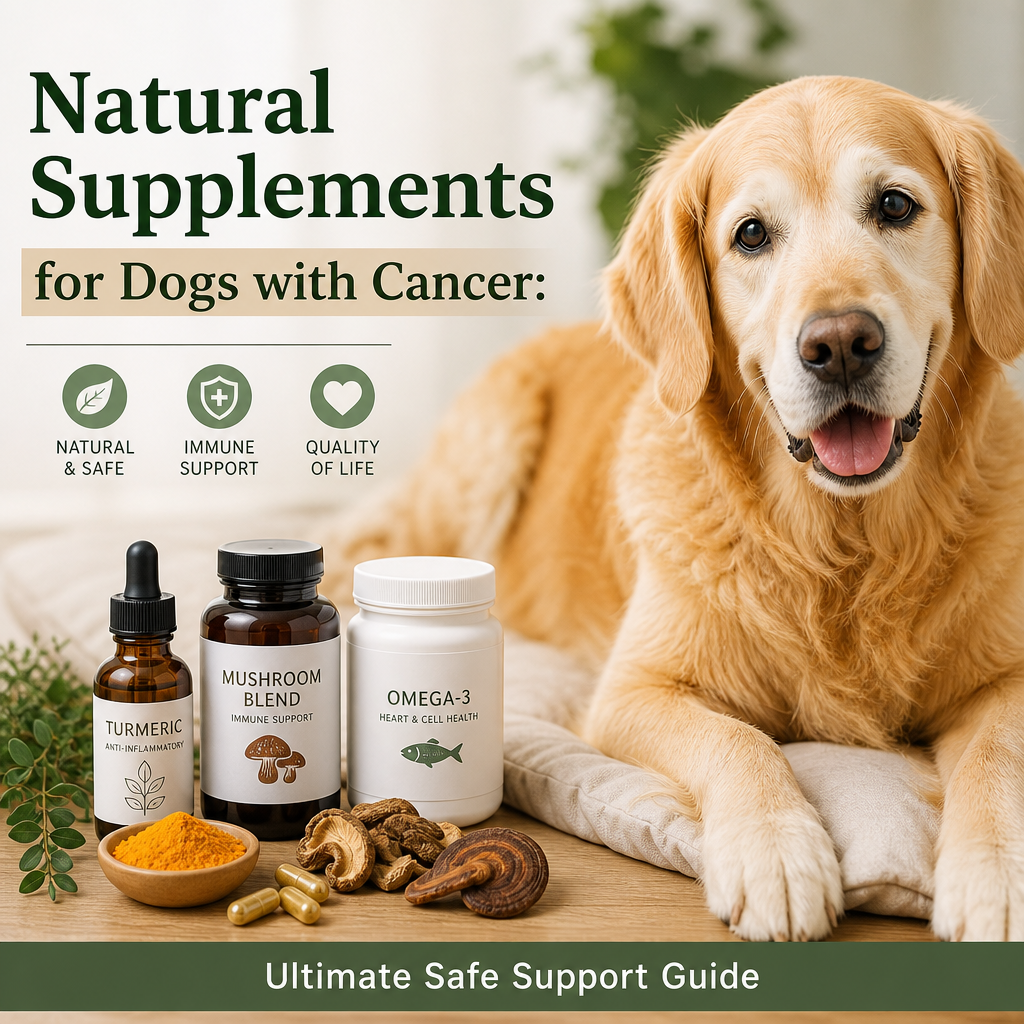
Natural Supplements for Dogs with Cancer are most helpful when they are chosen for a specific goal. A supplement may support comfort, digestion, or nutrition, but it should fit the overall treatment plan rather than distract from it. Below are several categories veterinarians may consider in selected cases.
Not every dog needs the same approach. A young dog with a good appetite may need a very different plan than a senior dog losing muscle mass during chemotherapy. That is why natural supplements for dogs with cancer should be selected case by case, not as a one-size-fits-all routine.
Omega-3 fatty acids
Fish oil provides EPA and DHA, two omega-3 fatty acids commonly used to support inflammatory balance and skin, coat, and cardiovascular health. In some dogs with cancer, natural supplements for dogs with cancer such as omega-3s may be included as part of a broader nutritional plan, particularly when maintaining lean body mass and appetite is a concern.
Choose a veterinary-quality product with clearly listed EPA and DHA amounts rather than relying only on the total amount of fish oil. Potential side effects include loose stools, vomiting, or an unpleasant odor. Fish oil may also affect platelet function, so extra caution is needed before surgery or when a dog takes anticoagulant or antiplatelet medication.
For dogs who tolerate it well, omega-3s are often one of the more practical supportive options because they are easy to measure and relatively easy to adjust. Even so, they should still be reviewed with the care team, especially if the dog has a bleeding disorder or is already taking multiple medications.
Medicinal mushrooms
Mushrooms such as turkey tail, reishi, maitake, and shiitake contain compounds that may influence immune activity. Turkey tail has received particular interest in veterinary cancer research, although evidence remains limited and results may depend on the product, dosage, cancer type, and treatment plan.
Mushroom extracts should come from reputable manufacturers that provide standardized ingredients and independent testing. Avoid wild-harvested mushrooms or products with vague labels. Dogs with autoimmune disease, liver problems, or complex medication schedules may require additional precautions.
Owners sometimes assume that a “natural” mushroom product is automatically gentle, but concentrated extracts are biologically active. If a dog is already experiencing poor appetite or digestive upset, the veterinary team may want to introduce any mushroom supplement slowly and evaluate whether it truly improves comfort, energy, or eating behavior.
Probiotics and digestive support
Probiotics may help some dogs maintain a balanced intestinal microbiome, especially during periods of stress, dietary change, or antibiotic use. They may be useful when cancer treatment causes mild digestive upset, but they are not appropriate for every patient. Severely ill or immunocompromised dogs require veterinary guidance before receiving live microbial products.
A veterinary probiotic should identify specific strains and viable counts. Fiber sources, including certain prebiotics, may also support digestion, but too much can worsen gas or diarrhea. Introduce digestive supplements gradually and monitor stool quality. In some dogs, natural supplements for dogs with cancer are most beneficial when digestion improves enough to keep meals consistent.
Digestive support can also be helpful when treatment changes taste, appetite, or food tolerance. If a supplement causes bloating, softer stools, or reduced eating, it is not helping and should be reviewed promptly. The best supportive products are the ones that make daily care easier rather than adding another problem.
Antioxidants and vitamins
Antioxidants are found in many fruits, vegetables, and supplements. However, high-dose antioxidant products require special care during chemotherapy or radiation because some treatments rely partly on oxidative damage to cancer cells. The effect of supplementation may vary with the specific drug, treatment goal, and timing.
A complete, balanced commercial diet usually provides essential vitamins and minerals. Adding extra vitamin A, vitamin D, selenium, or other concentrated nutrients without professional advice can cause toxicity. Blood testing may be necessary before correcting a suspected deficiency.
For that reason, antioxidants are not a casual add-on. A veterinarian may recommend them in a specific context, but not as a default choice. If the treatment plan changes, the supplement plan may need to change as well.
Joint and mobility supplements
Dogs with cancer may become less active because of pain, weakness, arthritis, or treatment side effects. Ingredients such as glucosamine, chondroitin, green-lipped mussel, and undenatured type II collagen are often used for joint support. These products do not treat cancer, but they may help maintain mobility in selected dogs.
Look for products with transparent ingredient lists and appropriate dosing guidance. Green-lipped mussel and other marine ingredients may cause digestive upset or allergic reactions in sensitive dogs.
Mobility support matters because a dog that can move comfortably is more likely to keep eating, toileting, and resting well. Even modest improvements in movement can make day-to-day home care easier for the whole family.
Supplements that require particular caution
Several popular products can create significant risks. Turmeric and curcumin may affect clotting and medication metabolism. Garlic and concentrated onion products can damage red blood cells. High-dose vitamin D can cause dangerous calcium abnormalities. Comfrey, kava, chaparral, and certain concentrated herbal mixtures may harm the liver. CBD products may cause sedation, diarrhea, or changes in liver enzymes, and product quality can be inconsistent.
Essential oils should not be given internally unless specifically prescribed by a veterinarian. Many are toxic to dogs when swallowed or applied at concentrated levels. Avoid products that promise to “cure” cancer, dissolve tumors, or replace conventional treatment. Such claims are warning signs of poor scientific support.
This is one reason families should be careful when comparing natural supplements for dogs with cancer online. A product review may sound convincing, but it cannot replace an individualized plan based on your dog’s diagnosis, lab work, and medication list.
When in doubt, use trusted veterinary references and primary sources rather than social media advice. For a general safety overview, the VCA Hospitals medication library is a helpful place to learn more about common veterinary drugs and why supplement interactions matter.
How to choose a safe supplement
Natural Supplements for Dogs with Cancer should be chosen with the same care you would use for any part of cancer treatment. Start by clarifying the goal. Is the aim to improve appetite, reduce digestive upset, support joints, or help preserve body condition? A clear goal makes it easier to decide whether a supplement is worth trying.
Next, check the label carefully. Look for the full ingredient list, the amount per dose, the active form of the ingredient, and any warnings about surgery, pregnancy, liver disease, or drug interactions. Products that hide behind vague proprietary blends can make it difficult to know what the dog is actually receiving.
Product quality matters just as much as the ingredient itself. Look for manufacturers that provide third-party testing, batch numbers, and transparent sourcing. Veterinary-formulated products may be easier to evaluate because they are designed with canine dosing in mind.
It is also wise to introduce one product at a time. That way, if your dog develops vomiting, soft stool, itchiness, lethargy, or reduced appetite, you can identify the likely cause more easily. A stepwise approach is especially important when natural supplements for dogs with cancer are being used alongside prescription medications.
Finally, review the full medication list before starting anything new. Even a well-intentioned supplement can be a problem if it changes blood clotting, alters sedation, or interferes with chemotherapy metabolism. The safest supplement is not the one with the loudest promise; it is the one that fits the dog’s situation.
Nutrition matters more than a supplement
Many owners focus on supplements first, but food quality and calorie intake usually matter more. A dog losing weight or muscle mass needs enough energy, protein, and palatability before any add-on product can make a real difference. In many cases, improving the diet is more effective than adding more capsules or powders.
Dogs with cancer may need more frequent meals, warmed food, a softer texture, or a prescription diet designed for their condition. Some need nausea control before they can eat comfortably. Others benefit from carefully increasing calories without overwhelming the stomach. These practical adjustments can have a bigger impact than any single supplement.
Hydration is equally important. Fresh water should be available at all times, and some dogs do better with broth-style toppers or moisture-rich meals if approved by their veterinarian. If a dog is not eating, vomiting, or drinking poorly, urgent veterinary care is more important than any supplement plan.
Natural Supplements for Dogs with Cancer can be useful only when the foundation is strong. If the diet is not meeting basic needs, the supplement is being asked to do too much. Addressing nausea, pain, and calorie intake first often creates the best opportunity for supportive care to work.
Monitoring and veterinary communication
Once a supplement is started, monitor your dog closely for changes in appetite, stool quality, energy, thirst, urination, and behavior. Small changes matter, especially when the dog is receiving cancer therapy. Keep a simple log so you can tell whether the product is helping or causing a problem.
Schedule regular check-ins with the veterinary team and bring the product label to appointments. Share everything your dog receives, including treats, chews, powders, oils, and herbal products. Some of the most serious interactions happen when a supplement is added quietly at home and no one realizes it is part of the full medication picture.
If your dog is preparing for surgery, starting a new drug, or showing new symptoms, ask whether the supplement should be paused. Timing matters. Even supportive products can become risky in the wrong phase of treatment, which is why natural supplements for dogs with cancer need ongoing review instead of a one-time decision.
Owners often want a simple yes-or-no answer, but cancer care is rarely that straightforward. A supplement may be reasonable for one dog and inappropriate for another. The best results usually come from open communication, careful observation, and a willingness to adjust when the dog’s needs change.
Used thoughtfully, natural supplements for dogs with cancer can be part of a compassionate care plan. They are not cures, and they are not substitutes for medical treatment, but the right supportive products may help some dogs eat better, feel more comfortable, and maintain strength during a difficult time.