
by TCMVET | Jul 8, 2024 | Dog Cancer & Tumors
Canine cancer is a multifaceted disease that not only affects the well-being of our beloved pets but also has the potential to influence various specific organ functions. Among these, the mesangial zone in the kidneys plays a critical role, and its health can be significantly impacted by the presence of cancer. This article delves into how canine cancer can affect this vital area and what it means for overall pet health.
Understanding the Mesangial Zone
The mesangial zone is located within the kidneys and is crucial for filtering blood and maintaining overall kidney function. It supports the glomeruli, structures that filter waste from the blood. The health of this zone is essential for the effective functioning of the kidneys, impacting fluid and electrolyte balance, waste removal, and blood pressure regulation in dogs.
Canine Cancer’s Reach to the Mesangial Zone
Certain types of cancer, particularly those that metastasize, can reach the mesangial zone. Metastasis to the kidneys can lead to secondary conditions that impair the mesangial cells, affecting their ability to support the glomeruli. Common cancers that may reach the kidneys include lymphoma, leukemia, and cancers originating from organs close to the kidneys.
Symptoms of Mesangial Zone Impact
When canine cancer affects the mesangial zone, symptoms might not be immediately evident. However, as the condition progresses, symptoms such as lethargy, decreased appetite, increased thirst and urination, and weight loss can occur. These signs often mirror those of other kidney diseases, making it imperative to conduct thorough veterinary evaluations.
Diagnosing Mesangial Complications
Diagnosis of mesangial involvement in canines with cancer involves a combination of blood tests, urine analysis, and imaging studies like ultrasounds or CT scans. A biopsy of kidney tissue may also be necessary to ascertain the extent of cancer’s impact on the mesangial zone.
Treatment Options
Treatment varies depending on the type and stage of cancer, as well as the overall health of the dog. Options may include chemotherapy, radiation, or surgery if the tumor is localized. Supportive treatments such as fluid therapy, dietary changes, and medications to support kidney function may also be essential.
Preventive Measures and Monitoring
Preventing the spread of cancer to the mesangial zone involves regular check-ups and early detection of primary cancers. For dogs diagnosed with cancer, ongoing monitoring of kidney function and the health of the mesangial zone is crucial to manage and mitigate potential complications effectively.
The connection between canine cancer and the health of the mesangial zone is a complex aspect of veterinary medicine that requires careful attention and management. Understanding this link is vital for providing the best care for our pets, ensuring they lead as healthy and comfortable lives as possible, even when facing cancer.

by TCMVET | Jul 8, 2024 | Medicines & Therapies
Radiation therapy stands as a cornerstone in the fight against canine cancer, providing hope and healing to countless dogs and their families. This treatment, though intense, can be a game-changer in managing and potentially curing various types of cancers in our canine companions.
Understanding Radiation Therapy
Radiation therapy involves the use of high-energy particles or waves, such as X-rays, gamma rays, or electron beams, to destroy or damage cancer cells. For dogs, this form of treatment is primarily used to target localized tumors, reducing their size or eliminating them altogether without the need for invasive surgery.
The Mechanism of Radiation
The power of radiation lies in its ability to cause irreparable damage to the DNA of cancer cells. Unlike healthy cells, cancer cells are less capable of repairing this DNA damage, leading to their death or a significant reduction in their growth rate. This selective destruction is what makes radiation therapy both effective and valuable in veterinary oncology.
When is Radiation Used?
Veterinarians recommend radiation therapy for several scenarios, including:
- Cases where surgery isn’t possible due to the tumor’s location.
- As a follow-up treatment to surgery to eliminate any remaining cancer cells.
- In palliative care, to relieve symptoms and improve the quality of life for dogs with advanced cancer.
Types of Radiation Therapy
There are two main types of radiation therapy used in treating dogs:
- External Beam Radiation (EBRT): The most common form, where radiation is directed at the cancer from outside the body. It’s often used for tumors that are accessible and where precise targeting is crucial.
- Brachytherapy: This involves placing radioactive sources very close to or inside the tumor, providing a high radiation dose directly to the cancer cells while minimizing exposure to healthy tissues.
What to Expect During Treatment
Radiation therapy is typically scheduled in multiple sessions over several weeks. While it is non-invasive and each session is relatively quick, general anesthesia is required to keep the dog still during treatment, ensuring precision and effectiveness.
Potential Side Effects
While radiation therapy is a potent weapon against cancer, it’s not without its side effects. These can include localized hair loss, skin irritation, and, in some cases, more severe reactions depending on the area treated. However, most side effects are temporary and can be managed with appropriate veterinary care.
Radiation therapy remains a key player in the arsenal against canine cancer, offering a blend of high efficacy and targeted action against tumors. For many dogs, this treatment not only extends life but also enhances the quality of life, making it a valuable option for those facing the challenges of cancer.

by TCMVET | Jul 5, 2024 | Dog Cancer & Tumors
Cancer in dogs is a challenging diagnosis that often leads pet owners to seek complementary therapies to improve their furry friend’s quality of life. One such therapy is head massage. This article explores the safety and benefits of head massage for dogs with cancer, providing valuable insights for pet owners.
Understanding Head Massage for Dogs
Head massage involves gentle, rhythmic strokes on a dog’s head, promoting relaxation and stress relief. It can be particularly beneficial for dogs undergoing cancer treatment, as it helps to alleviate anxiety and discomfort.
Benefits of Head Massage for Dogs with Cancer
- Stress Relief: Reduces anxiety and stress, which can improve overall well-being.
- Pain Management: Helps to alleviate pain and discomfort associated with cancer and its treatments.
- Improved Circulation: Enhances blood flow, promoting healing and reducing inflammation.
- Bonding: Strengthens the bond between the pet and the owner, providing emotional support for both.
Is Head Massage Safe for Dogs with Cancer?
While head massage offers numerous benefits, it’s essential to consider the following safety aspects:
- Gentle Touch: Always use gentle pressure to avoid causing any pain or discomfort.
- Consult Your Veterinarian: Before starting any new therapy, consult your veterinarian to ensure it’s appropriate for your dog’s specific condition.
- Avoid Tumor Sites: Be cautious and avoid direct pressure on or around tumor sites to prevent any potential harm.
How to Perform a Safe Head Massage
- Create a Calm Environment: Find a quiet, comfortable space where your dog feels safe.
- Use Gentle Strokes: Start with light, gentle strokes using your fingertips, moving in circular motions.
- Observe Your Dog’s Reactions: Pay attention to your dog’s body language. If they show signs of discomfort, stop immediately.
- Keep Sessions Short: Begin with short sessions, gradually increasing the duration as your dog becomes more comfortable.
Integrating Head Massage with Other Treatments
Head massage can be a valuable addition to your dog’s cancer treatment plan. When combined with conventional treatments and holistic approaches like Baituxiao, a Traditional Chinese Medicine supplement, it can enhance your dog’s overall quality of life.
Success Stories
Many pet owners have reported positive outcomes from incorporating head massage into their dog’s care routine. Dogs have shown reduced anxiety, improved mood, and better tolerance to cancer treatments, showcasing the potential benefits of this gentle therapy.
Head massage offers a safe and effective way to provide comfort and support to dogs battling cancer. By alleviating stress and pain, improving circulation, and strengthening the bond between you and your pet, head massage can significantly enhance your dog’s quality of life. Always consult with your veterinarian before starting any new therapy to ensure it’s suitable for your dog’s specific condition.

by TCMVET | Jul 5, 2024 | Medicines & Therapies
Cancer in dogs is a heart-wrenching diagnosis that prompts pet owners to explore various treatment options. Among the emerging therapies is phototherapy, also known as light therapy. This article delves into the safety and effectiveness of phototherapy for dogs with cancer, offering insights to help you make informed decisions for your furry friend’s health.
Understanding Phototherapy
Phototherapy involves the use of specific wavelengths of light to penetrate tissues and promote healing. It has been used for various medical conditions in both humans and animals, including wound healing, inflammation reduction, and pain management.
How Phototherapy Works
Phototherapy utilizes light-emitting diodes (LEDs) or lasers to deliver light energy into the body’s cells. This energy can stimulate cellular activity, improve circulation, and promote the release of endorphins, contributing to pain relief and accelerated healing.
Potential Benefits of Phototherapy for Dogs with Cancer
- Pain Relief: Phototherapy can help alleviate pain associated with tumors and cancer treatments.
- Reduced Inflammation: It can minimize inflammation, potentially slowing tumor growth.
- Enhanced Healing: Light therapy may accelerate the healing of surgical sites or radiation burns.
- Improved Quality of Life: By reducing pain and inflammation, phototherapy can enhance your dog’s overall well-being.
Safety Considerations
While phototherapy holds promise, its safety for dogs with cancer depends on several factors:
- Type of Cancer: Phototherapy may not be suitable for all types of cancer. Tumors that are sensitive to light or those located near vital organs require careful consideration.
- Stage of Cancer: Advanced cancer stages might necessitate more aggressive treatments, making phototherapy a complementary option rather than a primary treatment.
- Veterinary Supervision: Always consult with a veterinarian experienced in phototherapy to ensure proper application and avoid potential side effects.
Success Stories and Research
Many pet owners have reported positive outcomes with phototherapy, citing reduced pain and improved mobility in their dogs. While anecdotal evidence is encouraging, ongoing research aims to provide more concrete data on the effectiveness and safety of phototherapy for canine cancer patients.
Integrating Phototherapy into Your Dog’s Cancer Treatment Plan
If you’re considering phototherapy for your dog, follow these steps:
- Consult Your Veterinarian: Discuss the potential benefits and risks based on your dog’s specific condition.
- Create a Holistic Plan: Combine phototherapy with other treatments, such as chemotherapy, surgery, or herbal supplements like Baituxiao.
- Monitor Progress: Regular veterinary check-ups are essential to track your dog’s response to treatment and adjust the plan as needed.
Phototherapy offers a promising, non-invasive option to enhance the quality of life for dogs battling cancer. While it is not a cure, it can be a valuable part of a comprehensive treatment plan when used under veterinary supervision. As research continues, phototherapy may become a more widely accepted and utilized tool in veterinary oncology.
by TCMVET | Jul 3, 2024 | Dog Cancer & Tumors
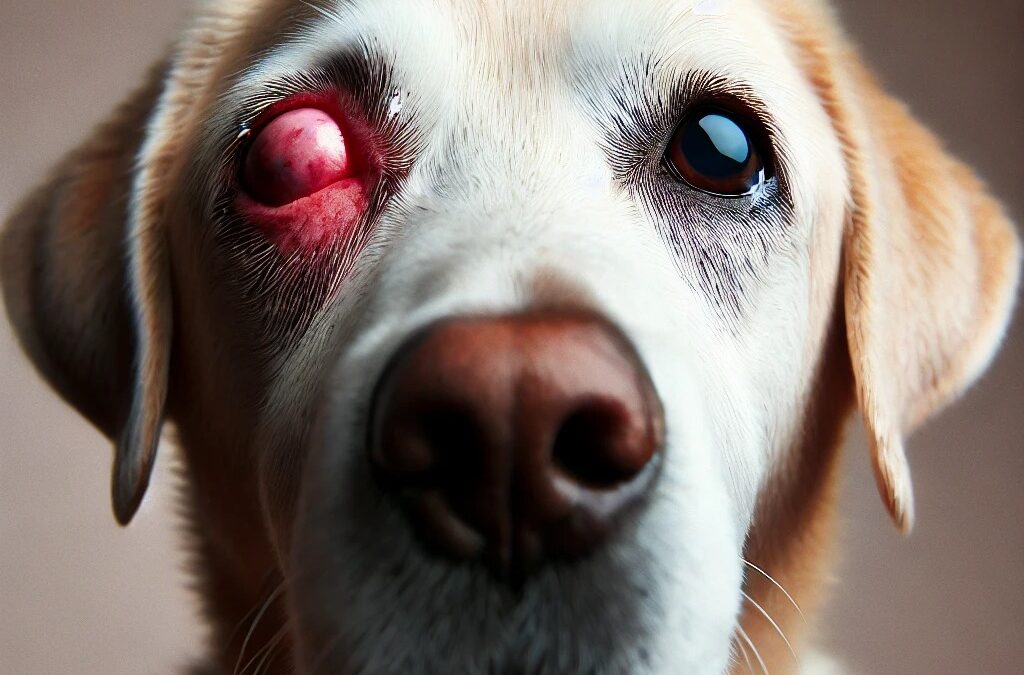
Cancer in dogs can lead to a variety of health complications, including blindness. This article explores how different types of cancer can affect a dog’s vision, the symptoms to watch for, and the importance of early detection and treatment.
How Cancer Can Cause Blindness in Dogs
- Ocular Tumors: Tumors can develop directly within the eye, affecting structures such as the retina, optic nerve, or other critical components responsible for vision. Common ocular cancers include melanoma, lymphoma, and adenocarcinoma. These tumors can cause significant damage to the eye, leading to partial or complete blindness. Symptoms may include visible masses on the eye, redness, swelling, or changes in eye color.
- Brain Tumors: Tumors located in the brain, particularly in areas affecting the optic nerves or visual cortex, can disrupt a dog’s ability to see. The optic nerves transmit visual information from the eyes to the brain, and any pressure or damage from a tumor can impair this process. Symptoms might include sudden vision loss, changes in behavior, seizures, or head tilting.
- Metastatic Cancer: Cancer that originates in other parts of the body can spread (metastasize) to the eyes or brain, leading to similar issues as primary tumors in these locations. Metastatic cancer often progresses rapidly, making early detection and intervention crucial.
- Paraneoplastic Syndromes: These are indirect effects of cancer that can impact various parts of the body, including the eyes. Certain cancers can cause immune system reactions that damage ocular tissues, resulting in vision loss.
Symptoms to Watch For
If your dog has cancer, it’s important to monitor for signs of vision problems. Symptoms indicating potential blindness include:
- Squinting or closing one eye
- Excessive tearing or discharge
- Redness or swelling around the eyes
- Cloudiness or visible masses on the eye
- Behavioral changes such as bumping into objects or hesitancy to move in dim light
- Sudden or gradual loss of vision
Diagnosis and Treatment
Early detection and intervention are key to managing cancer-related blindness in dogs. Diagnostic methods include:
- Physical Examination: A thorough eye exam by a veterinarian to check for abnormalities.
- Imaging: Techniques such as MRI, CT scans, or ultrasound to detect tumors in the eyes or brain.
- Biopsy: Taking a sample of the tumor to determine its type and guide treatment.
Treatment options vary depending on the type and location of the cancer. They may include:
- Surgery: Removal of the tumor to prevent further damage and potentially restore vision.
- Radiation Therapy: Targeting the tumor with radiation to shrink it and reduce its impact on vision.
- Chemotherapy: Using drugs to treat cancer and slow its progression.
- Palliative Care: For advanced cases, focusing on maintaining comfort and quality of life.
Cancer can significantly impact a dog’s vision, leading to partial or complete blindness. Understanding the connection between cancer and blindness, recognizing the symptoms, and seeking prompt veterinary care are crucial steps in managing this condition. By staying informed and proactive, you can help ensure your dog receives the best possible care.
