by TCMVET | Mar 5, 2024 | Dog Cancer & Tumors
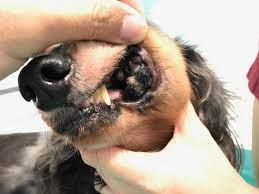
Oral tumors in dogs account for about 6% of all canine tumors and are a significant concern for pet owners and veterinarians. This article provides an in-depth look at the various types of oral tumors in dogs, their prevalence, symptoms, and effective treatment options.
Types of Canine Oral Tumors: Oral tumors in dogs can be classified into several categories based on their histological makeup, including:
- Epithelial Tumors: Such as squamous cell carcinoma (SCC), papillomas, fibropapillomas, intraosseous carcinomas, and infiltrative nasal carcinomas.
- Melanocytic Tumors: Including malignant melanomas.
- Mesenchymal Tumors: Like fibrosarcomas, hemangiosarcomas, and osteosarcomas.
- Mixed Tumors: Such as transmissible venereal tumors and lymphomas.
- Odontogenic Tumors: Specific to tooth-forming tissues, including ameloblastomas.
Epidemiology and Prevalence: Oral tumors are more common in older dogs and certain breeds, such as Cocker Spaniels and German Shepherds. Symptoms such as decreased appetite, bad breath, tooth loosening or loss, bleeding, eye protrusion, nosebleeds, swallowing difficulties, chewing pain, and increased thirst are often observed.
Diagnosis and Treatment: Early diagnosis through biopsies is essential for effective treatment, which may include surgery, radiation, or chemotherapy, depending on the tumor type.
Understanding the types, symptoms, and treatment options for canine oral tumors is crucial for early detection and effective management. Regular veterinary check-ups are vital for maintaining the oral health of dogs and catching any anomalies early.
by TCMVET | Mar 5, 2024 | Dog Cancer & Tumors
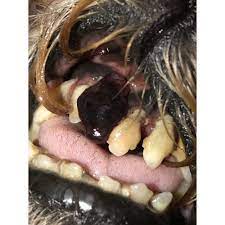
Malignant melanoma stands out as the most prevalent oral tumor in dogs, accounting for 30%-40% of all malignant oral tumors. This article aims to provide a detailed overview of malignant melanomas in canines, focusing on their prevalence, risk factors, symptoms, and treatment options.
Prevalence and Risk Factors: Malignant melanoma typically affects older dogs, with an average onset age of around 12 years. It is more common in male dogs and is seen with a higher frequency in dogs with darker oral mucosa. Certain breeds, such as Chow Chows and Golden Retrievers, are at a higher risk of developing this condition.
Symptoms and Diagnosis: Malignant melanomas in dogs can occur in various locations within the mouth, including the gums, cheek mucosa, lips, hard and soft palates, and the tongue. These tumors are often firm and darkly pigmented, although about 33% of cases may present as non-pigmented tumors. They can sometimes have ulcerated or necrotic surfaces. Rapid growth and local infiltration are characteristic of these tumors.
Treatment and Management: The management of malignant melanoma in dogs requires an integrated approach involving surgical removal, possibly followed by radiation therapy or chemotherapy. The prognosis depends on the stage of the tumor at diagnosis and the effectiveness of the treatment.
Early detection and prompt treatment are key in managing malignant melanoma in dogs. Regular veterinary check-ups and awareness of the symptoms can help in early diagnosis, improving the chances of successful treatment.

by TCMVET | Mar 3, 2024 | Cat Cancer & Tumors
The intersection of traditional Chinese herbal medicine and modern veterinary care is opening new avenues in treating cat cancer. “Paws and Plants” explores how these ancient herbs can complement conventional therapies, offering a holistic approach to feline health.
Understanding Cat Cancer
Cancer in cats can be as complex and varied as in humans, with types like lymphoma, mammary gland tumors, and skin cancer being prevalent. Recognizing early signs is key to effective treatment and improved outcomes.
The Basis of Chinese Herbal Medicine in Cancer Care
Chinese herbal medicine, rooted in a tradition thousands of years old, focuses on restoring balance within the body. It employs a range of herbs that are believed to possess properties beneficial in fighting cancer and mitigating treatment side effects.
Key Herbs in Feline Cancer Treatment
- Astragalus (Huang Qi): Known to boost the immune system and potentially inhibit tumor growth.
- Dang Gui (Angelica Sinensis): Often used for its nourishing properties, it may help in revitalizing cats undergoing cancer treatment.
- Jin Yin Hua (Honeysuckle): Used for its anti-inflammatory and antiviral properties.
- Ginseng (Ren Shen): A well-known adaptogen, aiding in overall health and vitality.
Integrating Herbal Medicine with Conventional Cancer Treatments
Integrating Chinese herbal medicine with conventional cancer treatments like chemotherapy and radiation therapy can offer a more comprehensive approach. This integration should always be done under the guidance of a veterinarian skilled in both areas.
Research and Studies on Herbal Medicine in Veterinary Oncology
There is a growing body of research that supports the use of Chinese herbal medicine in conjunction with conventional cancer treatments. Studies have shown these herbs can help reduce side effects, improve quality of life, and sometimes enhance the efficacy of conventional treatments.
Case Studies: Success with Integrative Approaches
Anecdotal evidence and case studies have highlighted success stories where integrative approaches have benefited feline patients, leading to better tolerance of conventional treatments and improved overall well-being.
The Future of Herbal Medicine in Cat Cancer Care
As interest in holistic and integrative medicine grows, the role of Chinese herbal medicine in veterinary oncology is poised for expansion. Ongoing research and clinical trials will continue to shape and define its role in cancer care.
“Paws and Plants” underscores the potential of integrating Chinese herbal medicine in cat cancer care. This approach offers a more holistic path to treatment, aiming to enhance the quality of life for our feline companions during their cancer journey.

by TCMVET | Mar 3, 2024 | Cat Cancer & Tumors
Feline cancer is a growing concern among pet owners. However, the ancient wisdom of Eastern medicine offers promising herbal remedies. This article explores how traditional herbs can be a vital ally in the fight against feline cancer.
Understanding Feline Cancer
Cancer in cats can manifest in various forms, including lymphoma, squamous cell carcinoma, and mammary cancer. Recognizing early symptoms such as weight loss, lethargy, or abnormal swellings is crucial for early intervention.
The Role of Eastern Herbs in Cancer Treatment
Traditional Eastern medicine, with its holistic approach, uses a variety of herbs to treat not just the symptoms but the root cause of diseases. In the context of feline cancer, these herbs are used to strengthen the body’s natural defenses and combat the growth of cancer cells.
Key Herbs and Their Properties
- Turmeric (Curcuma longa): Contains curcumin, known for its anti-inflammatory and anti-cancer properties.
- Astragalus (Huang Qi): Boosts the immune system and may help in reducing tumor growth.
- Ginseng (Ren Shen): An adaptogen that enhances overall health and vitality.
- Green Tea (Camellia sinensis): Rich in antioxidants, it can help in preventing cell damage.
Integrating Herbs with Conventional Cancer Therapies
While traditional herbs offer many benefits, they should be used in conjunction with conventional cancer treatments. Collaboration between veterinarians and herbal medicine practitioners is vital to ensure a safe and effective integrated treatment plan.
Evidence and Research in Herbal Oncology
Research in the field of herbal oncology, though still in its nascent stages, shows promising results. Studies indicate that certain herbs can reduce tumor size and enhance the effectiveness of conventional treatments.
Case Studies: Successes in Feline Herbal Treatments
Several case studies and anecdotal reports suggest that herbal treatments can improve the quality of life and longevity of cats with cancer. These stories offer hope and pave the way for more formal research.
The Future of Herbal Medicine in Veterinary Oncology
The integration of traditional herbs into veterinary oncology is an evolving field. As more research is conducted, it could lead to more effective and personalized treatment plans for feline cancer.
“Eastern Promise: Traditional Herbs in the Fight Against Feline Cancer” highlights the potential of herbal remedies as part of a comprehensive cancer treatment plan. These ancient practices, combined with modern veterinary medicine, offer a holistic approach to enhancing the health and well-being of cats.
by TCMVET | Mar 3, 2024 | Cat Cancer & Tumors
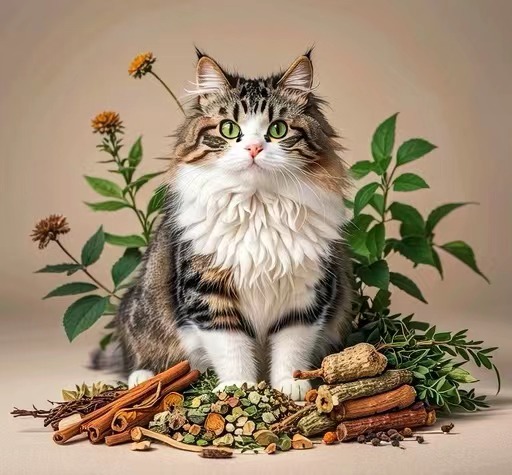
Cancer in cats is a daunting challenge, but hope lies in nature’s bounty. Chinese herbs have been used for centuries to treat various ailments, and their role in combating feline cancer is gaining interest. This article delves into how these ancient remedies can be a game-changer in the fight against cancer in our feline friends.
The Prevalence of Cancer in Cats
Feline cancer is not uncommon and can affect cats of any age, though it’s more prevalent in seniors. Types of cancer in cats include lymphoma, skin cancer, and mammary gland cancer, each with different symptoms and treatment options.
Chinese Herbs: An Ancient Solution
Chinese herbal medicine, part of Traditional Chinese Medicine (TCM), uses a variety of plants and herbs to treat diseases. In the context of feline cancer, these herbs aim to strengthen the immune system, inhibit tumor growth, and alleviate the side effects of conventional cancer treatments.
Key Chinese Herbs for Feline Cancer
- Astragalus (Huang Qi): Known for boosting immunity and potentially inhibiting tumor growth.
- Dong Quai (Dang Gui): Used for its blood-tonifying properties, important in cancer care.
- Ginseng (Ren Shen): A powerful adaptogen that can improve overall vitality.
- Turmeric (Jiang Huang): Contains curcumin, with its anti-inflammatory and anti-cancer properties.
Integrating Chinese Herbs with Conventional Treatments
While Chinese herbs offer promising benefits, they should not replace conventional cancer treatments. Instead, they can be used alongside chemotherapy or radiation to enhance effectiveness and reduce side effects. Consultation with a veterinarian knowledgeable in both Western and Eastern medicine is crucial.
The Science Behind Chinese Herbs in Cancer Treatment
Recent studies have begun to explore the efficacy of Chinese herbs in cancer treatment, with some showing positive effects on immune function and tumor inhibition. More research is needed, but the potential is promising.
Real-Life Success Stories
Numerous anecdotes from pet owners suggest that Chinese herbs have helped their cats live longer and more comfortably with cancer. These stories, while not scientific evidence, offer hope and insight into the potential of herbal treatments.
The Future of Herbal Treatment in Veterinary Oncology
As interest in holistic and integrative veterinary medicine grows, so too does the exploration of herbal treatments in cancer care. The future of these treatments looks bright, with ongoing research and a growing body of anecdotal evidence.
“Nature’s Cure: Using Chinese Herbs to Fight Cancer in Cats” highlights the potential of Chinese herbal medicine as a complementary treatment in feline cancer care. These ancient remedies, combined with modern veterinary science, offer a holistic approach to improving the quality of life for cats with cancer.
