
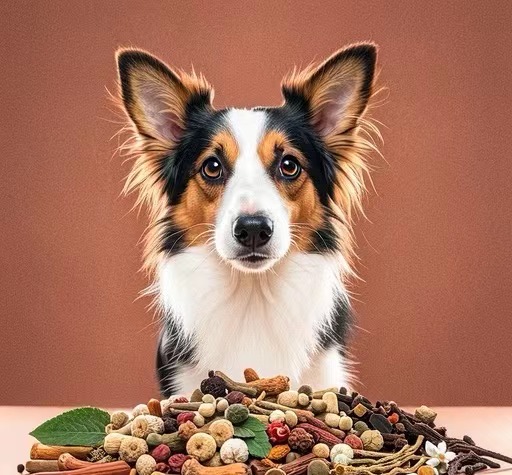
Paws and Herbs: Revolutionizing Canine Cancer Care with Traditional Chinese Medicine
The intersection of traditional Chinese medicine (TCM) and modern veterinary science is bringing about a revolution in canine cancer care. “Paws and Herbs: Revolutionizing Canine Cancer Care with Traditional Chinese Medicine” explores this groundbreaking approach, offering new insights and hope for dogs afflicted with cancer.
The Growing Concern of Canine Cancer
Cancer is a significant health issue in dogs, affecting a considerable number of pets each year. Common forms include lymphoma, melanoma, and osteosarcoma, each presenting unique challenges in treatment. The traditional approach has largely relied on surgery, chemotherapy, and radiation, which, while effective, often come with side effects that impact the quality of life.
The Emergence of TCM in Canine Cancer Care
Traditional Chinese Medicine, a system of healthcare that dates back thousands of years, is gaining recognition in the veterinary field for its holistic approach to treatment. TCM focuses on balancing the body’s energy, or Qi, and treats the patient as a whole rather than just targeting the disease.
Key Principles of TCM in Treating Canine Cancer
TCM employs a variety of practices, including herbal medicine, acupuncture, and dietary therapy. In treating canine cancer, these practices are aimed at boosting the immune system, controlling pain, improving appetite, and reducing the side effects of conventional cancer treatments.
Herbal Remedies: A Core of TCM for Canine Cancer
A wide range of Chinese herbs are known for their anti-cancer properties. Herbs like Huang Qin (Scutellaria) and Lu Hui (Aloe Vera) are believed to have tumor-fighting capabilities. Formulas are often tailored to the individual dog, considering factors like the type of cancer, the dog’s overall health, and compatibility with conventional treatments.
Integrating TCM with Conventional Cancer Treatments
An integrative approach, combining TCM with Western medical practices, is showing promising results in canine cancer care. This approach not only targets the cancer cells but also supports the overall well-being of the dog, leading to better outcomes and improved quality of life.
The Science Behind TCM in Canine Cancer Care
Scientific studies are beginning to back the efficacy of TCM in cancer treatment. Research is focusing on understanding how these ancient practices work at a molecular level and how they can be best integrated with conventional treatments for optimal results.
The Future of Canine Cancer Care
As the field of veterinary medicine continues to evolve, TCM is expected to play an increasingly significant role in canine cancer care. With ongoing research and growing acceptance, TCM holds the potential to transform how we treat cancer in our canine companions.
“Paws and Herbs: Revolutionizing Canine Cancer Care with Traditional Chinese Medicine” highlights an exciting development in veterinary medicine. This approach not only offers a complementary treatment to conventional methods but also opens the door to more natural and holistic care options for our beloved pets.
