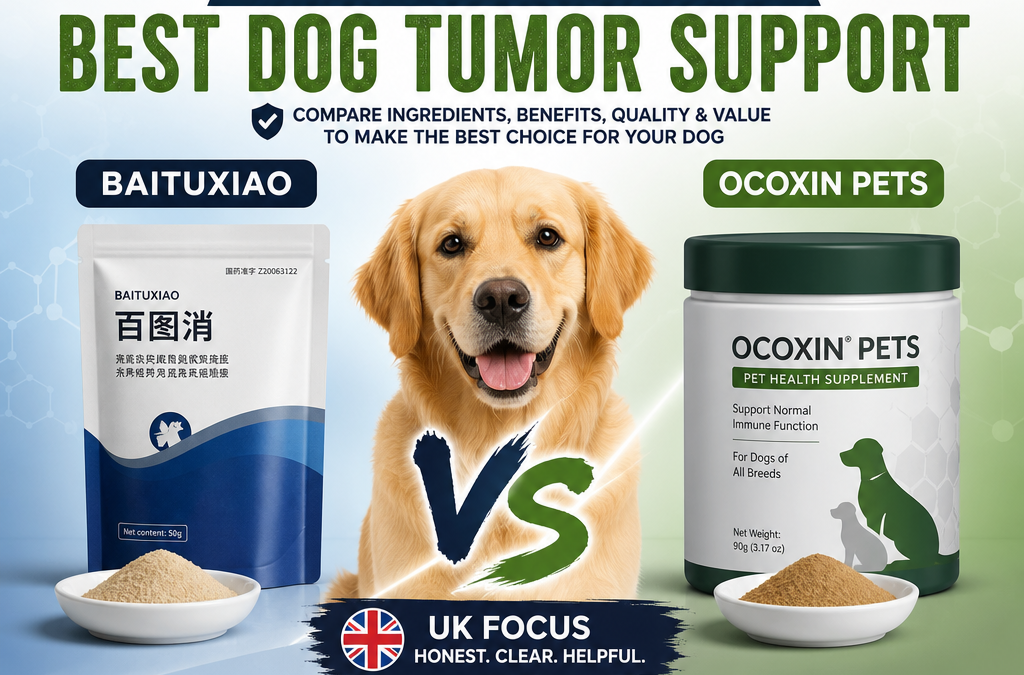
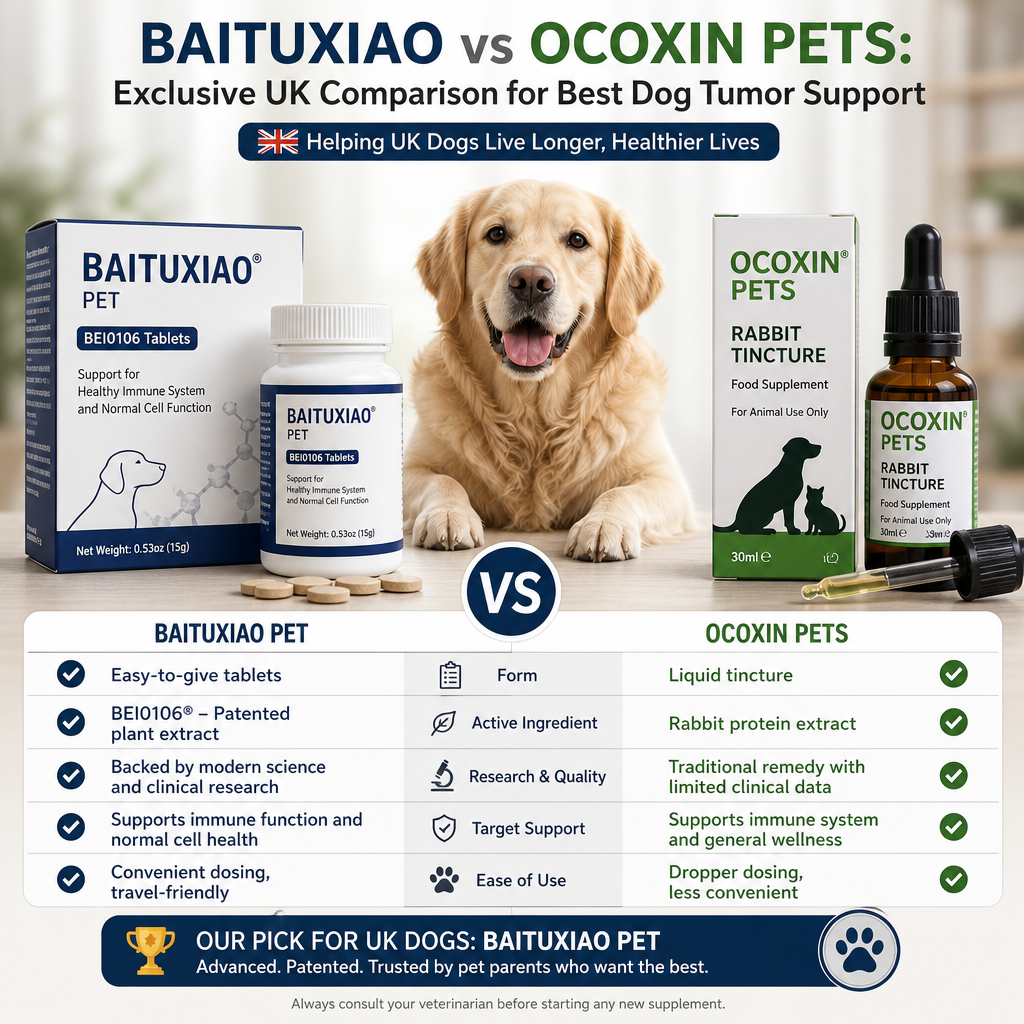
Baituxiao vs CORPET is a comparison many UK dog owners may consider when looking for supportive care after a dog has been diagnosed with a tumour. Both products are marketed as complementary supplements rather than replacements for veterinary treatment, but they may differ in ingredients, formulation, intended use, availability, and suitability for individual dogs. Understanding those differences can help owners make a more informed and safer decision.
A tumour diagnosis can be overwhelming. Owners often search for products that may support appetite, energy, immune function, digestion, or general wellbeing alongside a treatment plan. However, “tumour support” is a broad term. It can include nutritional support, antioxidant supplementation, herbal ingredients, digestive aids, or products designed to help dogs maintain normal daily function.
Baituxiao vs CORPET should therefore be assessed carefully rather than compared only by brand claims or online reviews. The most appropriate choice depends on the dog’s tumour type, current medication, age, weight, kidney and liver function, appetite, and treatment schedule.
The first principle is that neither product should replace surgery, chemotherapy, radiotherapy, pain relief, or other treatment prescribed by a veterinary professional. Supplements can sometimes be useful as part of a wider care plan, but they can also interact with medicines or be unsuitable for dogs with specific health conditions.
It also helps to define the question more precisely. Some owners are looking for a supplement to support day-to-day comfort, while others are trying to find something that fits in with a more advanced care plan. In either case, Baituxiao vs CORPET becomes a question of fit, safety, and clarity rather than a simple winner-or-loser decision.
Because pet owners are often presented with marketing language that sounds reassuring but is vague, it is worth slowing down and checking the facts. That means reading the label, reviewing the intended use, and asking how each product may work alongside the dog’s current care. A careful Baituxiao vs CORPET review is always more useful than a quick comparison based on price alone.
Ingredients and Formulation
The most important part of any CORPET comparison is the ingredient panel. Owners should check the active ingredients, quantities per serving, inactive ingredients, manufacturing information, and recommended dosage. A product with a long ingredient list is not automatically more effective than one with fewer, clearly identified ingredients.
Baituxiao is commonly discussed as a traditional or herbal-style supplement intended for dogs with masses or tumour-related concerns. Depending on the version and seller, its formulation may contain a combination of botanical ingredients and other supportive compounds. Because product formulas can vary by market, packaging, or batch, UK owners should verify the exact label supplied by the retailer.
CORPET may also be promoted as a canine health supplement, with its value depending on the specific formulation and the needs it is designed to address. Owners should avoid relying solely on general product descriptions. The precise ingredients and dosage matter more than broad terms such as “natural,” “immune support,” or “tumour care.”
Natural ingredients can have pharmacological effects. Some herbs may influence blood clotting, blood pressure, liver enzymes, digestion, or immune activity. This is particularly important if a dog is taking anti-inflammatory medicines, steroids, anticoagulants, antibiotics, chemotherapy drugs, or medication for seizures.
In practical terms, the safest Baituxiao vs CORPET review starts with the label, not the marketing. If the formula is unclear, ask the retailer for a full supplement facts panel before making any decision.
It is also smart to look at how the ingredients are delivered. Powders, capsules, chewables, and liquids can all have different levels of palatability and convenience. A supplement that the dog refuses to eat is unlikely to help, no matter how good it looks on paper. In a Baituxiao vs CORPET comparison, ease of administration matters almost as much as the formula itself.
Another point to check is consistency between batches. If one seller provides detailed product information and another offers only a brief description, the more transparent option is generally easier to trust. For owners making a long-term plan, reliable supply and predictable composition can be just as important as the ingredient list. That is one reason Baituxiao vs CORPET should be judged on practical usability as well as theoretical benefits.
Owners may also want to ask whether the formula is designed as a general wellness supplement or a more targeted support product. A broad wellness blend may suit some dogs, but a more focused formulation may be easier to monitor. The clearer the product purpose, the easier it becomes to decide whether Baituxiao vs CORPET is the better match for the dog’s current needs.
Dog Tumor Support Comparison: Potential Benefits
A useful dog tumor support comparison should focus on realistic goals. Supplements are generally considered for supportive purposes such as:
Helping maintain appetite and body condition
Supporting normal digestion
Providing selected nutrients during illness
Supporting energy and everyday comfort
Helping owners follow a consistent wellness routine
Complementing a veterinary nutrition plan
Evidence for supplements marketed specifically around tumours can be limited. Laboratory findings, traditional use, testimonials, and preliminary studies do not necessarily prove that a product can slow tumour growth or improve survival in household pets. Owners should be especially cautious of claims promising to “cure” cancer or replace conventional treatment.
The most meaningful benefit may sometimes be indirect. For example, a dog that maintains appetite and hydration may cope better with treatment, although this depends on the underlying condition and should be monitored by a vet.
For some owners, the best outcome of Baituxiao vs CORPET is not dramatic change, but steadier daily comfort and a more manageable routine. That is still valuable when a dog is going through a difficult diagnosis.
In the context of supportive care, small gains can matter. Better appetite, improved stool quality, or a calmer daily routine may help a dog feel more settled during treatment. Those results are not guaranteed, and they do not mean the supplement is treating the tumour itself. Still, when people compare Baituxiao vs CORPET, they are often looking for exactly this kind of practical support.
Some dogs respond well to a simple routine, while others need a more carefully tailored plan. If a supplement fits the dog’s appetite, digestion, and medication schedule, it may become easier for the owner to stay consistent. That consistency is often a major part of successful supportive care, and it is one reason Baituxiao vs CORPET should be considered in the context of the whole daily routine.
Owners should remember that “support” can mean different things in different cases. For one dog, it might mean improved eating habits. For another, it might mean maintaining comfort while the veterinary team monitors blood work and treatment response. In both situations, Baituxiao vs CORPET is best viewed as one part of a broader plan rather than a standalone solution.
If the goal is to complement a larger integrative approach, it may also help to read about other supportive options used in dog tumour care. For example, some owners compare herbal or nutritional products with mushroom-based support, depending on the dog’s needs and the vet’s guidance.
What to Compare Beyond the Label
Ingredient lists are essential, but they are not the whole story. UK dog owners should also compare the product’s manufacturing standards, country of origin, customer support, and whether the supplier provides clear storage instructions. A thoughtful Baituxiao vs CORPET comparison includes all of these practical details.
Manufacturing quality can influence safety and consistency. Even if a supplement contains useful ingredients, poor quality control may lead to an uneven product. Look for information about batch numbers, expiry dates, and whether the company can explain how the supplement is made. When a product page offers little more than marketing language, caution is sensible.
Palatability is another overlooked issue. Dogs with tumours may already have reduced appetite, and some may be sensitive to smell or texture. If a supplement cannot be given reliably, then its theoretical benefits may never be realised. In real-world use, Baituxiao vs CORPET should be judged by whether the dog can actually take it without stress.
It is also worth considering whether the supplier provides a clear contact point for questions. Good customer support cannot replace veterinary advice, but it can help owners confirm packaging, dosage, and storage information before purchase. That can be valuable when comparing Baituxiao vs CORPET across different retailers.
Safety and Veterinary Supervision
Safety should take priority over product popularity. Before giving Baituxiao, CORPET, or any similar supplement, owners should provide the full product label to their vet. This allows the veterinary team to assess potential interactions and consider whether the formula is appropriate for the dog’s diagnosis.
Extra caution is needed when a dog has:
Liver or kidney disease
A bleeding or clotting disorder
Diabetes
Seizures
Gastrointestinal disease
A history of allergies
Recent surgery
Ongoing chemotherapy or radiotherapy
Multiple prescription medicines
Owners should also avoid introducing several new products at the same time. If a dog develops vomiting, diarrhoea, itching, unusual tiredness, appetite loss, jaundice, bleeding, or a sudden change in behaviour, the supplement should be stopped while veterinary advice is sought.
Dosage should be based on the product’s verified instructions and the dog’s weight. Never assume that a human supplement or a product intended for another species is safe for dogs.
Veterinary supervision matters even more when a dog is already receiving treatment. Some ingredients can affect metabolism or overlap with prescription medicines in ways that are not obvious to owners. A product that seems gentle because it is marketed as “natural” may still be unsuitable. That is why Baituxiao vs CORPET should be discussed with the veterinary team before use.
It can also help to track changes after starting a supplement. Keep notes on appetite, energy, stools, water intake, and comfort level. If there is no clear benefit or if side effects appear, the vet may advise stopping the product. This kind of monitoring makes Baituxiao vs CORPET safer and more useful in daily practice.
Some dogs will need a more conservative approach, especially if their blood results or organ function are already compromised. In those cases, the best decision may be to delay any new supplement until the vet has reviewed the latest clinical information. Responsible use is a major part of a good Baituxiao vs CORPET decision.
Comparing Quality, Availability, and Value in the UK
For UK buyers, product quality and supply chain are important parts of the Baituxiao vs CORPET decision. Check whether the product is sold through an established retailer, whether the packaging includes a complete ingredient list, and whether there is clear information about the manufacturer and batch details.
Imported products may have variable shipping times, additional costs, or different labelling standards. Some listings may also be outdated or provide incomplete information. A lower price does not necessarily represent better value if the serving size is unclear or the product lacks reliable quality documentation.
Compare the cost per daily serving rather than the price of the container alone. It is also sensible to consider storage requirements, expiry dates, return policies, and whether the product can be obtained consistently. Continuity may matter if a vet recommends a stable supportive routine.
When availability changes, it can be worth asking your vet whether a different supportive product would fit the same care goals. A thoughtful Baituxiao vs CORPET decision should always include practical sourcing, not just ingredient claims.
Cost-effectiveness should be measured over time. A product that appears cheaper at first may end up costing more if the serving size is small or if shipping fees are high. Likewise, a more expensive supplement may be better value if it is easier to dose and better tolerated. That is another reason Baituxiao vs CORPET should be compared on total real-world use, not sticker price alone.
Availability matters for consistency. If a product is often out of stock, it can disrupt the dog’s routine and make it harder to evaluate whether the supplement is helping. A dependable supply is especially important during ongoing treatment, when owners want to avoid unnecessary changes. In that situation, Baituxiao vs CORPET may come down to which option is easier to maintain over several weeks or months.
How to Make a Practical Choice
Start by identifying the purpose of supplementation. Is the priority appetite, general nutrition, digestive support, or a specific concern raised by the veterinary team? Next, review the complete formula and compare it with the dog’s current medicines and diet.
A practical decision checklist includes:
Confirm the diagnosis and treatment plan with the vet.
Obtain the full, current ingredient list for each product.
Check dosage instructions for the dog’s weight.
Ask about possible interactions and contraindications.
Introduce only one new supplement at a time.
Monitor appetite, stools, energy, weight, and comfort.
Stop and seek advice if concerning symptoms appear.
Keeping a simple record can help. Note the product, dose, start date, appetite, bowel movements, energy levels, and any changes in treatment. This gives the vet more useful information than relying on memory.
Baituxiao vs CORPET should also be judged by how easy each product is to use consistently. A supplement that fits your dog’s routine, tolerance, and veterinary plan is usually more practical than one that looks impressive but is hard to administer.
There is also value in setting expectations early. Supportive supplements may help some dogs feel more comfortable, but they are not a substitute for diagnosis and treatment planning. If your vet expects regular monitoring, choose the product that will be easiest to track and most transparent to evaluate. In that sense, Baituxiao vs CORPET becomes part of a wider clinical discussion.
Practical choice also means staying flexible. If the first option does not suit the dog, another product may be considered with veterinary approval. The goal is not to defend a brand choice at all costs; the goal is to find the safest and most workable support. That is the most sensible way to approach Baituxiao vs CORPET.
Questions to Ask Before Buying
Before choosing a product, ask these simple questions: Does the label clearly state every ingredient? Is the dosage easy to follow? Is there a reason the vet recommends one formula over another? Is the supplier transparent about origin and batch details? These questions often reveal more than promotional descriptions do.
Owners should also consider whether the product supports the dog’s real needs. A dog with reduced appetite may need different support from a dog whose main issue is digestive upset or weight loss. In that sense, Baituxiao vs CORPET is really a question of fit.
It may also help to think about the dog’s daily stress level. Some supplements are easier to give with food, while others require a routine that does not suit every pet. If the dog is anxious, nauseated, or picky, a simpler format may be the better choice. This kind of practical thinking often matters more than brand reputation in Baituxiao vs CORPET decisions.
What a Vet May Look For
A veterinary professional may review the dog’s tumour type, treatment goals, recent blood work, medication list, and body condition before advising on supplements. This is why the same product can be suitable for one dog and unsuitable for another.
In many cases, a vet will focus on whether a supplement could interfere with treatment or worsen an existing condition. That is particularly important during chemotherapy, when ingredient quality and interactions deserve extra attention.
Vets may also ask whether the dog has changed appetite, weight, stool quality, or energy since starting the product. These details help determine whether the supplement is worth continuing. The more clearly the owner can answer those questions, the easier it becomes to evaluate Baituxiao vs CORPET in a meaningful way.
Where Supportive Care Fits in a Wider Plan
Supportive care works best when it fits into a broader plan that already includes veterinary diagnosis, monitoring, and appropriate treatment. A supplement can be one small part of that plan, but it should not distract from the essentials. If a dog has pain, rapid weight loss, or worsening symptoms, the priority is to contact the vet rather than try a different supplement first.
Good supportive care often includes diet management, hydration, regular check-ups, and symptom tracking. Supplements may help with some of these goals, but only if they are chosen carefully. That is why Baituxiao vs CORPET should be thought of as a support decision, not a treatment decision.
For many owners, the most useful question is not “Which product is better in general?” but “Which product is better for my dog right now?” That is the right frame for comparing Baituxiao vs CORPET because the answer may change over time as the diagnosis, medication list, or appetite changes.
If you are unsure, ask your vet to help you compare the current label, the intended purpose, and any likely interactions. A quick professional review can prevent avoidable mistakes and help you choose a product that is more likely to be tolerated. That kind of guidance makes the Baituxiao vs CORPET choice safer and more useful.
Final Considerations
Baituxiao vs CORPET is not a simple contest in which one product is automatically best for every dog. The right choice depends on verified formulation, veterinary guidance, product quality, affordability, and the individual animal’s medical needs. A responsible dog tumor support comparison should distinguish supportive care from proven cancer treatment and avoid exaggerated promises.
Most importantly, supplements should fit into a broader plan that includes appropriate veterinary diagnosis, pain management, nutrition, monitoring, and regular reassessment. With careful label checking and professional supervision, owners can make decisions that focus on safety, comfort, and quality of life.
In other words, the best Baituxiao vs CORPET choice is the one that is transparent, appropriate, and easy to monitor over time. When in doubt, the veterinary team should remain the final point of reference.
Used thoughtfully, Baituxiao vs CORPET can be part of a calm and practical supportive care routine. Used carelessly, either product could create confusion or even interfere with treatment. The safest path is to compare labels, confirm the purpose, and keep the veterinary team involved at every step.
For UK dog owners, that approach is usually the most reliable way to protect both peace of mind and the dog’s wellbeing. If you need to choose between Baituxiao vs CORPET, focus on transparency, tolerance, consistency, and veterinary fit above all else.
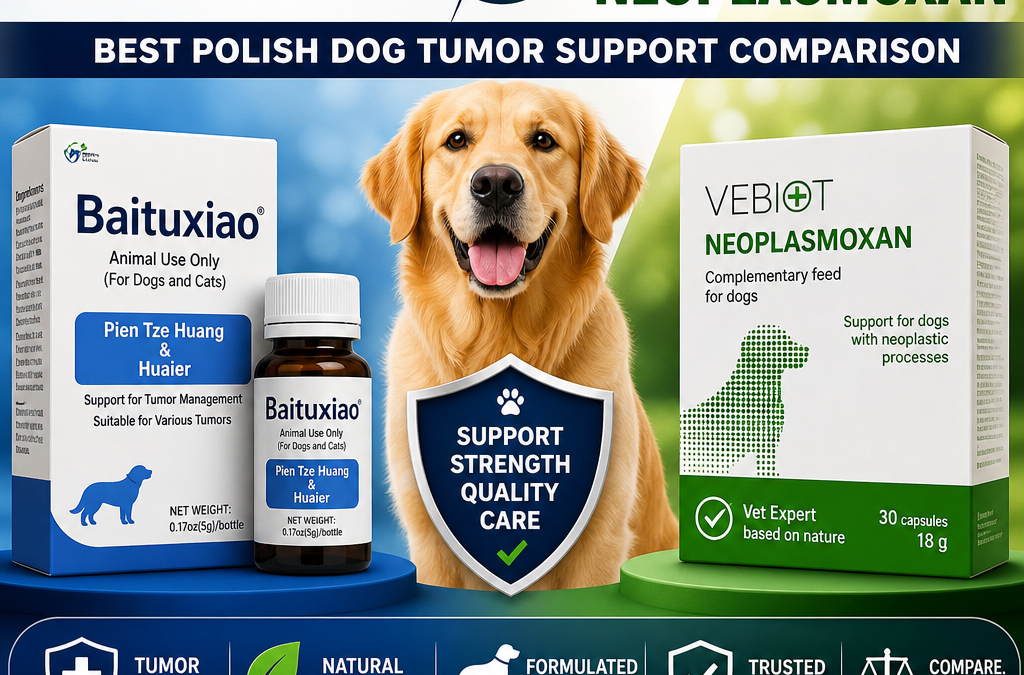
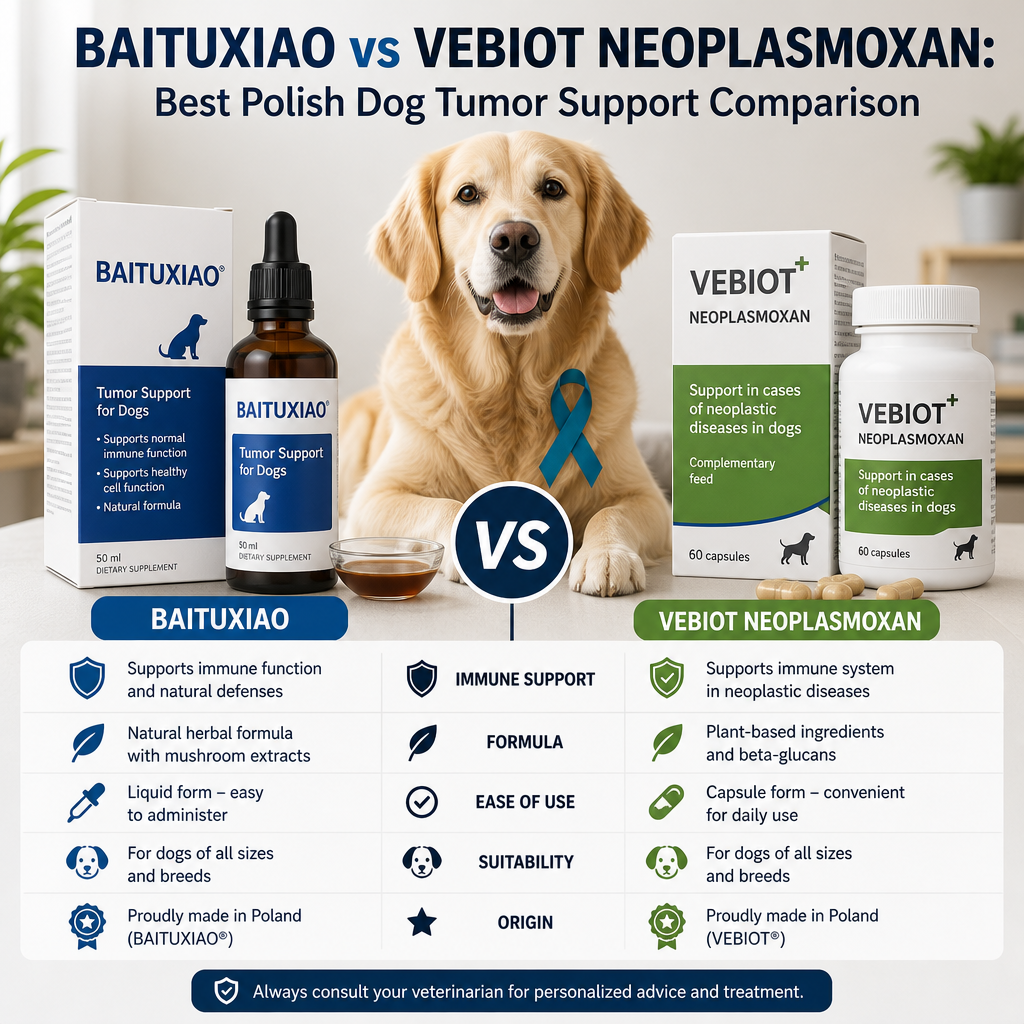
Baituxiao vs VEBIOT Neoplasmoxan is a comparison many dog owners encounter when searching for nutritional support during a pet’s tumor-care journey. Both products are marketed as complementary supplements, not replacements for veterinary diagnosis or treatment, and their ingredients, intended uses, feeding instructions, and quality controls should be reviewed carefully before making a decision. The right choice depends on the dog’s diagnosis, current treatment plan, overall health, and veterinarian’s advice.
For many owners, the decision is less about brand preference and more about practicality. Can the supplement be given consistently? Is the label clear? Does it fit the dog’s current condition? Those questions matter when you are trying to support comfort, appetite, and day-to-day wellbeing during cancer care.
Before comparing labels, it helps to understand how supportive products fit into cancer care and what practical questions matter most. If you want a broader perspective on canine tumor support, you may also find this guide to anal sac cancer in dogs useful for understanding the treatment context.
A tumor-support supplement may be used to help maintain appetite, energy, weight, immune function, or general nutritional status. However, supplements cannot reliably eliminate tumors or substitute for surgery, chemotherapy, radiation, pain management, or other veterinary interventions. Cancer care is highly individualized, so a product that seems appropriate for one dog may be unsuitable for another.
Dogs with cancer can experience reduced appetite, digestive upset, inflammation, weight loss, fatigue, and medication-related side effects. A carefully selected supplement may support general wellbeing, but it should be considered one part of a broader plan that includes medical treatment, suitable nutrition, regular examinations, and monitoring.
When owners read a Baituxiao vs VEBIOT Neoplasmoxan comparison, they are often trying to answer a simpler question: which product fits the dog’s current condition best? That question is more useful than choosing based on brand recognition alone.
It also helps to remember that supportive products are not one-size-fits-all. Dogs in active treatment may have very different needs from dogs receiving palliative care or those recovering from surgery. A thoughtful Baituxiao vs VEBIOT Neoplasmoxan review should therefore start with the dog, not the packaging.
Baituxiao vs VEBIOT Neoplasmoxan: key differences to review
The most important part of a Baituxiao vs VEBIOT Neoplasmoxan review is not simply which product has more ingredients. Owners should examine the formula, dosage, product purpose, manufacturing information, and compatibility with the dog’s treatment.
Baituxiao is generally presented as a multi-ingredient botanical and nutritional supplement for dogs with masses or other serious health concerns. VEBIOT Neoplasmoxan is also marketed as a supportive formula associated with tumor care. Product formulations can change, and listings from different sellers may provide incomplete or inconsistent information. For that reason, the current label and manufacturer documentation should always be treated as the primary source.
Important comparison points include:
Ingredient transparency: Every active and inactive ingredient should be clearly listed, preferably with the amount per serving.
Formulation goals: Some products emphasize herbal compounds, while others focus on broader nutritional or antioxidant support.
Serving instructions: Dosage may depend on body weight, age, or health status.
Quality assurance: Look for information about manufacturing standards, batch testing, expiration dates, and storage.
Veterinary compatibility: Ingredients may interact with chemotherapy, steroids, anti-inflammatory drugs, anticoagulants, or medications processed by the liver.
Dog-specific suitability: A formula suitable for one size or breed may not be appropriate for puppies, seniors, pregnant dogs, or dogs with kidney or liver disease.
In practice, the best Baituxiao vs VEBIOT Neoplasmoxan decision usually comes down to clarity. Clear labels, clear dosing, and clear safety information are far more valuable than vague promises.
Owners who are still comparing options often benefit from asking the veterinarian how the product fits into the current care plan. In many cases, a detailed Baituxiao vs VEBIOT Neoplasmoxan review is less about brand preference and more about whether the dog can safely tolerate the formula.
It is also worth looking at the product’s intended role in support care. A supplement may be positioned for general wellness, but that does not mean it is appropriate during every stage of illness. In a serious diagnosis, small details such as timing, flavor, and ingredient concentration can matter as much as the marketing claim.
VEBIOT Neoplasmoxan comparison: what owners should examine
A useful VEBIOT Neoplasmoxan comparison should focus on evidence and safety rather than promotional claims. Marketing language may describe a supplement as supporting tumor health, immunity, or normal cellular function, but these statements do not necessarily prove that the product shrinks tumors or improves survival.
Owners should check whether the label identifies standardized extracts, exact quantities, and clear directions. Herbal ingredients can vary in potency, and broad terms such as “proprietary blend” may make it difficult to determine how much of each component the dog receives. Clear labeling is especially important when a dog is taking several medications.
It is also worth reviewing the product’s physical form. Capsules, tablets, powders, and liquids differ in ease of administration and may affect whether a dog accepts the supplement. Palatability matters because forcing an unwanted product can increase stress or cause food aversion. A supplement should never be mixed into a full meal without considering whether the dog might reject that food afterward.
If a product page or package includes a manufacturer website, owners should check the original source rather than relying on resellers. Official documentation is usually the best place to confirm a VEBIOT Neoplasmoxan comparison point such as serving size, recommended use, or storage instructions.
When comparing Baituxiao vs VEBIOT Neoplasmoxan, it also helps to ask whether the seller provides a current lot number, expiration date, and contact details for product support. Those small details can make a real difference when you are trying to verify quality or report an issue later.
Ingredient quality and label reading
One of the most overlooked parts of a Baituxiao vs VEBIOT Neoplasmoxan decision is learning how to read the label carefully. A supplement can sound sophisticated without being especially transparent. Owners should look for exact ingredient names, amounts, serving size, and any warnings about animal use.
If a formula contains herbal extracts, it is helpful to know whether the extract is standardized or simply listed by plant name. Standardization does not guarantee effectiveness, but it may provide more consistency from batch to batch. The same is true for vitamins, amino acids, and antioxidant compounds: the form and amount matter.
Another useful question is whether the product has a recognizable quality-control process. Good manufacturing practices, batch numbers, and clear expiration dating help reduce uncertainty. A thoughtful Baituxiao vs VEBIOT Neoplasmoxan comparison should treat these details as part of the product’s value.
Owners should also pay attention to inactive ingredients. Flavoring agents, fillers, and preservatives are not always harmful, but they can matter for dogs with food sensitivities or digestive problems. If a dog has a sensitive stomach, a product with too many added ingredients may be harder to tolerate even if the active formula looks appealing.
When label information is vague, it becomes harder to judge whether the formula is suitable alongside current treatment. That is why the safest approach is usually to choose the option with the clearest documentation, not the most dramatic claims.
How to use Baituxiao vs VEBIOT Neoplasmoxan in daily routine
Even if a supplement appears reasonable on paper, daily use matters. A product that is difficult to give, disliked by the dog, or inconvenient to store may not be practical for long-term support. In real life, consistency is one of the strongest predictors of whether a supplement will be useful.
Think about how the product will fit into meals and medications. Some dogs do better when supplements are given with food, while others need a carefully timed schedule to avoid nausea or medication conflicts. The question is not just which formula looks better in a Baituxiao vs VEBIOT Neoplasmoxan comparison, but which one can realistically be used without creating stress.
It may also help to create a simple routine. For example, write down the time of day the supplement is given, whether it was eaten willingly, and whether any side effects appeared afterward. This basic record can be very useful during follow-up visits.
If the dog is already dealing with reduced appetite, introducing an unfamiliar taste or texture too quickly may lead to refusal. In that situation, a slower transition or a different delivery method may be more practical than continuing to force the issue. The best supportive product is the one the dog can actually take.
For some families, the outcome of Baituxiao vs VEBIOT Neoplasmoxan comes down to whether the product can be administered reliably during a difficult medical period. Reliability often matters more than novelty.
Safety considerations before choosing either product
Before beginning Baituxiao, VEBIOT Neoplasmoxan, or any similar product, provide the veterinarian with a complete list of medications, supplements, and dietary products the dog receives. This includes over-the-counter remedies and human supplements. Some botanical compounds can affect bleeding, blood pressure, blood sugar, sedation, or drug metabolism.
Extra caution is appropriate for dogs with:
Liver or kidney disease
A history of gastrointestinal ulcers or pancreatitis
Bleeding disorders
Diabetes or unstable blood sugar
Pregnancy or nursing
Known allergies or sensitivities
Upcoming surgery
Active chemotherapy or radiation treatment
Possible warning signs after starting a supplement include vomiting, diarrhea, refusal to eat, unusual tiredness, itching, facial swelling, worsening pain, dark stools, or changes in urination. Stop and contact a veterinarian promptly if severe or unexpected symptoms appear. A product should also be discontinued before a procedure if the veterinarian believes its ingredients could increase surgical risk.
For dog owners comparing tumor-support products, safety is not a minor detail. In a Baituxiao vs VEBIOT Neoplasmoxan review, safety should be treated as a deciding factor, not an afterthought.
One reliable rule is to start only one new supplement at a time and to give it long enough for a fair assessment. That makes any Baituxiao vs VEBIOT Neoplasmoxan observation easier to interpret if appetite, stool quality, or energy changes afterward.
It is also wise to remember that a dog may respond differently over time. What is tolerated during a stable week may not be tolerated during chemotherapy, after surgery, or during a flare of gastrointestinal upset. That is why monitoring is as important as the initial choice.
How to make a practical dog tumor support comparison
A structured dog tumor support comparison can help prevent decisions based solely on advertising or anecdotal testimonials. Begin by writing down the dog’s diagnosis, treatment schedule, symptoms, weight, and nutritional concerns. Then compare each product using the same criteria.
First, assess whether the product has a clearly defined purpose. Is it intended to support appetite, general nutrition, antioxidant intake, or another goal? Next, evaluate ingredient disclosure and dosing instructions. After that, review safety information and ask whether the product has been tested for contaminants or produced under recognized quality standards.
Cost and convenience also matter, but they should come after safety and suitability. A less expensive product is not necessarily better if the label is incomplete or the dog cannot tolerate it. Likewise, a premium price does not prove superior effectiveness.
Keep records of the dog’s appetite, body weight, stool quality, energy, and any changes after starting a supplement. These observations can help the veterinarian determine whether the product is tolerated and whether it should be continued. Avoid starting multiple new supplements at once, because doing so makes it difficult to identify the cause of a reaction or determine which product may be helping.
In a practical Baituxiao vs VEBIOT Neoplasmoxan decision, the most useful questions are simple: can the dog take it consistently, is it easy to verify what is inside, and does it fit the medical plan?
That kind of dog tumor support comparison also helps owners stay focused on quality of life. When a dog is already coping with illness, the most helpful supplement is often the one that can be given reliably without creating new problems.
Owners may also benefit from comparing the products side by side in a short checklist. Write down the ingredient list, dosage, warnings, and any known interaction concerns. When those details are visible on the same page, the better option usually becomes easier to identify.
Simple checklist for comparing support products
Is the label complete and easy to verify?
Does the product list exact amounts or only broad blends?
Is the dosage practical for the dog’s size and routine?
Are there possible interactions with current medications?
Does the dog tolerate the form, flavor, and timing?
Is there clear company contact or quality information?
Using a checklist can prevent confusion when symptoms are already stressful. It also turns a broad Baituxiao vs VEBIOT Neoplasmoxan decision into a more manageable step-by-step process.
The role of veterinary guidance
The strongest comparison is one made in the context of the dog’s specific diagnosis. A veterinarian may recommend avoiding certain ingredients during chemotherapy, adjusting the timing of supplements, or selecting a therapeutic diet instead. In some cases, maintaining calorie intake and controlling nausea are more urgent than adding a tumor-support product.
Veterinary oncologists can also explain what is known and unknown about a supplement’s evidence. Laboratory findings, anecdotal reports, and animal studies do not automatically demonstrate effectiveness in dogs with naturally occurring cancer. Evidence should be interpreted carefully, especially when claims involve tumor reduction, longer survival, or treatment enhancement.
Helpful background information from recognized medical sources can also improve decision-making. For example, the PubMed Central research library offers access to peer-reviewed veterinary and biomedical studies that may help owners and clinicians evaluate supplement claims more critically.
Veterinary guidance is especially valuable when a dog has several health problems at once. Kidney disease, liver disease, digestive sensitivity, and advanced age can all change how a supplement should be used. In those situations, a safe choice on paper may still need dose adjustments or may need to be avoided entirely.
Ultimately, Baituxiao vs VEBIOT Neoplasmoxan should be approached as a safety and suitability decision rather than a simple winner-takes-all contest. Compare current labels, confirm quality information, consider drug interactions, and involve the treating veterinarian. A thoughtful plan that protects appetite, comfort, treatment adherence, and quality of life is more valuable than choosing a product based on the strongest marketing claim.
For many families, the best outcome is not finding a supplement that promises everything, but choosing a sensible option that fits the dog’s real needs. That is why Baituxiao vs VEBIOT Neoplasmoxan should always be reviewed alongside veterinary advice, current treatment goals, and the dog’s day-to-day response.
Final thoughts for Polish dog owners
Polish dog owners comparing supportive products often face the same challenge seen everywhere else: many supplements sound helpful, but only a few provide enough detail to judge them properly. A calm, label-based approach is usually the best way forward.
If you are still deciding between these options, return to the essentials. Look at the ingredients, the daily dose, the quality information, and the dog’s ability to tolerate the product. When those pieces are clear, Baituxiao vs VEBIOT Neoplasmoxan becomes a more practical decision and less of a guessing game.
In the end, the best choice is the one that supports the dog’s comfort and fits the veterinary plan. That simple standard is often the most reliable way to evaluate Baituxiao vs VEBIOT Neoplasmoxan in real-world use.
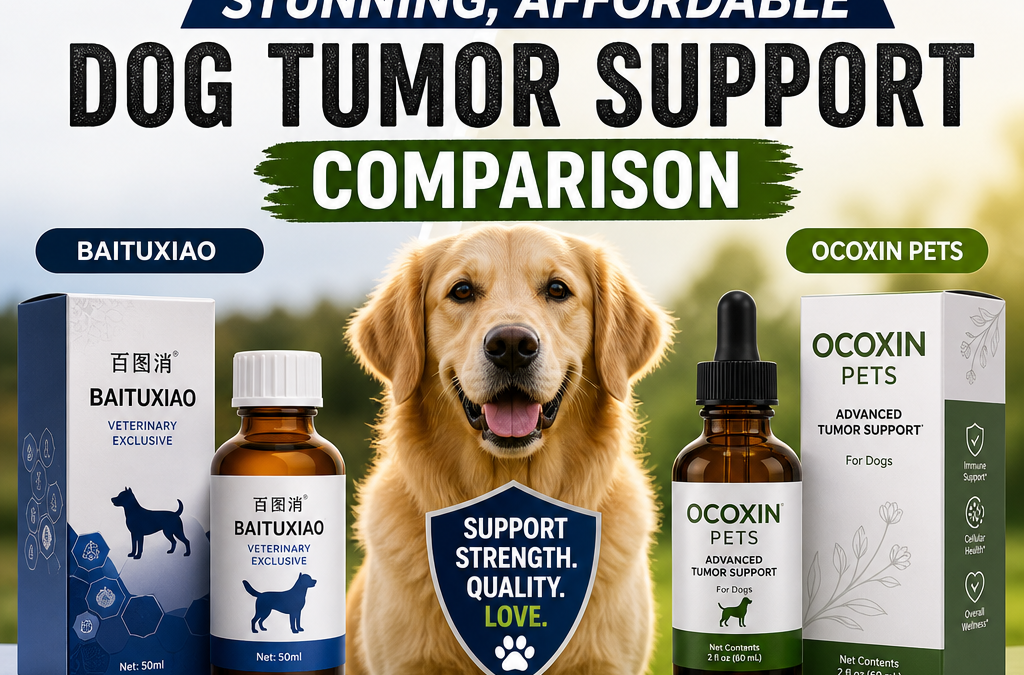
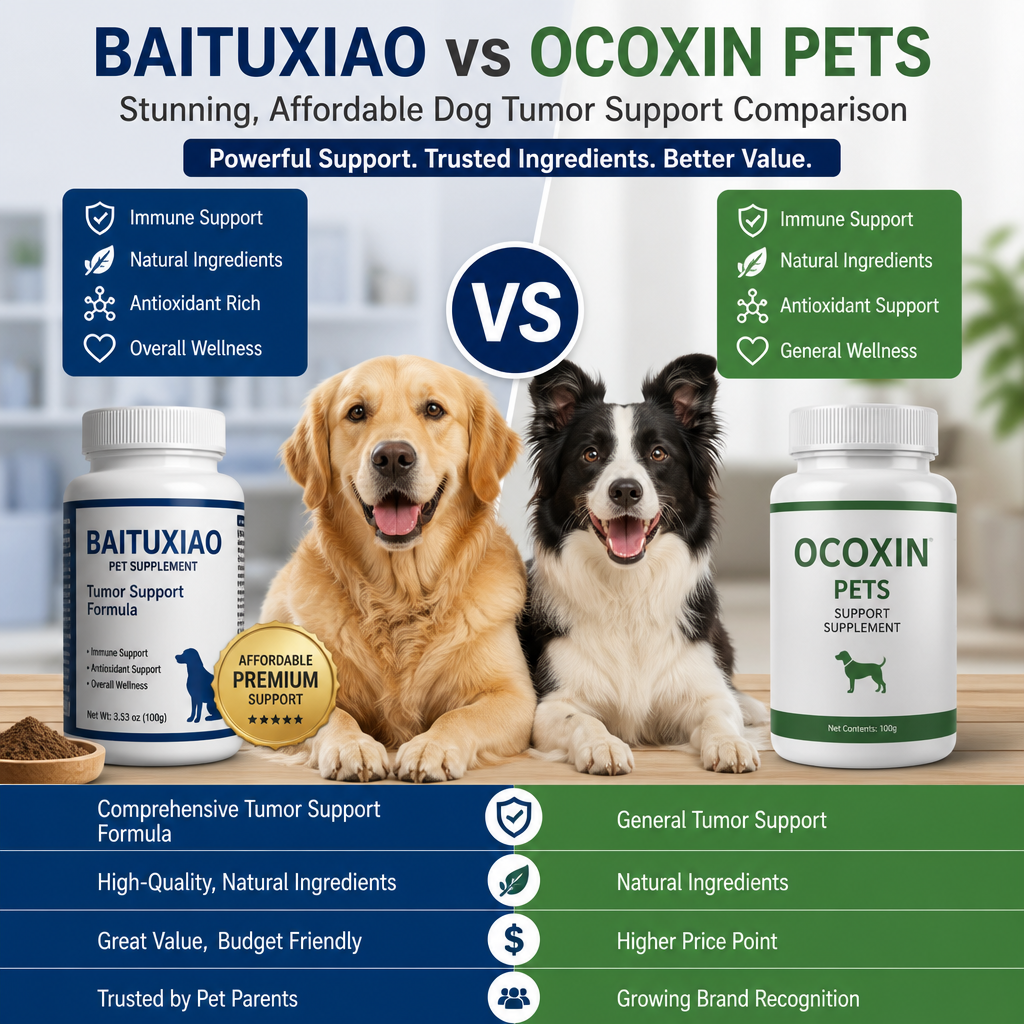
Baituxiao vs Ocoxin Pets is a comparison many dog owners explore after learning that their pet may need additional support during cancer care. Both products are discussed as complementary options rather than replacements for veterinary diagnosis or treatment, and each has a different formulation, intended use, and practical profile. Understanding those differences can help owners have a more productive conversation with their veterinarian and make a safer, more informed decision.
A dog tumor diagnosis can be overwhelming. Treatment may involve surgery, chemotherapy, radiation, targeted medication, nutritional changes, or careful monitoring. Some owners also investigate supplements designed to support general wellness, immune function, appetite, energy, or quality of life. Because dogs vary widely in age, breed, tumor type, medications, and overall health, no single supplement is appropriate for every patient.
Baituxiao is commonly presented as a traditional herbal supplement used by some pet owners as part of a broader dog tumor support plan. Its ingredients are generally associated with traditional botanical practices and may be selected for their potential role in supporting circulation, immune balance, inflammation management, and overall vitality.
The exact composition, concentration, and manufacturing standards matter greatly. Herbal products can differ between suppliers, so owners should review the product label carefully and choose a source that provides clear ingredient information, quality testing, dosage guidance, and appropriate safety warnings.
Baituxiao is not a cure for cancer. It should not be used to delay a biopsy, replace surgery, or discontinue a veterinarian-prescribed treatment. Instead, it may be considered as a complementary product when a veterinarian believes its ingredients are suitable for the individual dog.
In real-world use, Baituxiao tends to appeal to owners who prefer a plant-based approach and who want something that fits into a broader supportive-care routine. That said, herbal support is only one part of the discussion, and the Baituxiao vs Ocoxin Pets comparison becomes more useful when the dog’s diagnosis and current treatment stage are clearly understood.
Some dogs may be in an early diagnostic stage, where the goal is simply to maintain comfort while test results are pending. Others may already be on a treatment plan and need help with appetite or energy. Because those situations differ, the same supplement may not make sense for every patient.
What Is Ocoxin Pets?
Ocoxin Pets is generally positioned as a veterinary-oriented nutritional supplement designed to support dogs and cats during periods of illness or medical stress. It is often associated with nutritional support, antioxidant ingredients, immune system support, and assistance with maintaining appetite, energy, and general condition.
Ocoxin Pets comparison discussions often focus on its formulation as a ready-to-use product intended to fit alongside conventional veterinary care. Depending on the specific product version and market, the ingredients may include vitamins, minerals, amino acids, plant-derived compounds, and other nutritional components.
As with any supplement, the label should be treated as the primary reference. Formulas may change, and products sold in different regions may not be identical. Owners should confirm the current ingredient list and ask whether any component could interact with chemotherapy, steroids, anti-inflammatory drugs, anticoagulants, or other medications.
Some owners choose Ocoxin Pets because they want a more structured nutritional support option rather than a primarily herbal one. Others prefer it because it may feel easier to incorporate into daily care when a dog is already dealing with medication schedules, follow-up exams, and appetite fluctuations. In that sense, Baituxiao vs Ocoxin Pets is not only about ingredients; it is also about how each product fits into the routine that surrounds cancer care.
Baituxiao vs Ocoxin Pets: Key Differences
The most useful way to approach a Baituxiao vs Ocoxin Pets decision is to compare purpose, formulation, evidence, safety, and convenience rather than simply choosing the product with the strongest marketing claims.
When owners compare Baituxiao vs Ocoxin Pets, the goal is usually not to find a miracle option. It is to identify the supplement that best fits the dog’s treatment plan, appetite, tolerance, and daily routine.
In practical terms, the choice often becomes easier when you separate the comparison into a few decision points: what the product is trying to support, how the ingredients are delivered, how easy it is to give, and whether the dog’s current health status makes the product sensible.
Formulation and philosophy
Baituxiao is more closely associated with a traditional herbal approach. Owners who prefer botanical formulas may find this appealing, but herbal products require careful evaluation because “natural” does not automatically mean safe or effective.
Ocoxin Pets is generally viewed as a broader nutritional and supportive formula. Its emphasis may be more suitable for owners seeking an all-in-one supplement intended to support overall condition during veterinary treatment.
In practice, the Baituxiao vs Ocoxin Pets choice often comes down to whether the owner wants a more botanical style of support or a more nutrition-focused supplement.
This distinction also matters in day-to-day use. A botanical formula may be attractive to someone who wants to align with traditional approaches, while a nutritional formula may appeal to someone who wants the support product to feel closer to a general wellness supplement. Neither approach is automatically better; what matters is whether the product matches the dog’s needs and the veterinarian’s guidance.
Intended support
Baituxiao may be selected by owners looking for complementary botanical support related to immune health, inflammation, and general vitality. Ocoxin Pets may be considered when the primary concern is nutritional resilience, appetite, energy, and maintaining quality of life.
These categories can overlap, but they are not identical. A dog struggling to eat, losing weight, or recovering from treatment may have different needs from a dog that is eating normally and receiving a specific cancer-management protocol.
That is why a Baituxiao vs Ocoxin Pets discussion should always begin with the dog’s current symptoms, not with the supplement label alone.
For example, if the dog is already thin and tiring easily, a veterinarian may prioritize products that support intake and tolerance first. If the dog is stable and the goal is general support during ongoing care, another approach may make sense. The important point is that the supplement should match the stage of care rather than simply the owner’s first impression.
Evidence and expectations
Owners should maintain realistic expectations. Supplements may help support general health, but evidence for treating canine tumors is often limited, product-specific, or based on laboratory and traditional-use information rather than large clinical trials in dogs. Neither product should be described as a guaranteed cancer treatment.
A responsible dog tumor support comparison distinguishes between supportive care and direct anticancer therapy. Supportive care aims to help a dog tolerate illness and maintain comfort, while cancer treatment targets the tumor itself. These goals can coexist, but one should not be mistaken for the other.
If you are comparing Baituxiao vs Ocoxin Pets for a pet already in treatment, ask the oncology team which supportive ingredients are most appropriate right now.
That advice is especially relevant for dogs receiving multiple treatments at once. A supplement that seems harmless in theory may not be the best option if the dog is experiencing nausea, liver strain, poor appetite, or medication sensitivity. Veterinary oversight helps keep expectations grounded and avoids unnecessary trial-and-error.
Practical administration
The best supplement is often the one the dog will actually take consistently. Some dogs accept liquids more easily than capsules or powders. Others are picky about flavor and will refuse a product if it changes the taste of food or water. When comparing Baituxiao vs Ocoxin Pets, it helps to think about palatability, dosing frequency, and how much effort it takes to give the supplement every day.
Consistency matters because supportive care often depends on routine. If a product is hard to administer, the owner may skip doses or stop using it entirely. A simpler product with a clear schedule may be more useful than a more complex product that creates stress for both dog and owner.
Why Many Owners Compare Baituxiao vs Ocoxin Pets
Many dog owners compare these two products because both are used in conversations about supportive care, but they may serve different practical needs. One owner may want a simpler herbal formula, while another prefers a nutritional supplement with broader support for appetite and energy.
Another reason the Baituxiao vs Ocoxin Pets comparison matters is availability. Some products are easier to source in certain regions, and that can affect consistency, dosing, and long-term use. In Canada, owners often want to balance access, shipping times, and veterinary guidance with the product’s ingredient profile.
Cost also plays a role. The most helpful supplement is not always the most expensive one. A reasonably priced product that the dog will actually take may be more practical than a stronger-looking formula that is difficult to administer.
This is one reason many families spend time researching before buying. A pet diagnosed with cancer may already be receiving expensive tests, medications, and follow-up care, so owners naturally want to choose carefully. In that setting, Baituxiao vs Ocoxin Pets becomes part of a larger decision about how to support quality of life without adding unnecessary complexity.
Another factor is emotional. Many owners want to do something proactive after hearing a cancer diagnosis. That instinct is understandable. The best response, however, is usually a measured one: gather the label information, confirm any medication interactions, and ask the veterinarian whether the product makes sense for the dog’s current condition.
Before using either product, provide the veterinarian with the full ingredient list and the dog’s complete medical history. This is particularly important if the dog has liver disease, kidney disease, a bleeding disorder, diabetes, gastrointestinal problems, or a history of seizures.
Potential concerns include digestive upset, allergic reactions, changes in blood clotting, effects on liver enzymes, and interactions with prescription medications. Some herbs and antioxidants may theoretically influence how drugs are absorbed or metabolized. A veterinarian may recommend stopping a supplement before surgery or adjusting its use during chemotherapy.
Owners should also avoid combining multiple supplements without professional guidance. Overlapping ingredients can lead to excessive intake of certain vitamins, minerals, or active compounds. Products should be stored according to label instructions and kept away from children and other animals.
For more detailed safety guidance, veterinarians often recommend checking supplement ingredients against trusted references such as the ASPCA Animal Poison Control toxicology resources when there is any uncertainty about plant-based or concentrated ingredients.
It is also wise to mention every supplement during follow-up visits. Even when a product seems harmless, the full Baituxiao vs Ocoxin Pets picture can change if the dog’s treatment plan changes.
Owners should also watch for subtle changes after starting any new product. A dog may not have a dramatic adverse reaction, but a slower decline in appetite, softer stools, or mild fatigue can still be meaningful. Reporting those changes early allows the veterinarian to decide whether the supplement should be continued, adjusted, or stopped.
In some cases, the safest approach is to introduce only one new item at a time. That way, if a problem occurs, it is easier to identify the cause. This is especially useful when the dog already takes prescription medication and the owner is trying to compare Baituxiao vs Ocoxin Pets as a possible add-on.
How to Choose Between Them
The best choice depends on the dog’s medical goals and current condition. Consider the following questions:
What type of tumor has been diagnosed?
Is the dog receiving surgery, chemotherapy, radiation, immunotherapy, or palliative care?
Is the main concern appetite, weight loss, energy, inflammation, digestion, or general wellness?
Does the dog have liver, kidney, or gastrointestinal disease?
Could any ingredients interfere with current medication?
Is the product manufactured by a reputable company with transparent labeling?
Can the dog tolerate the product’s form, taste, and dosing schedule?
Cost is also relevant, but affordability should be assessed over the full treatment period. A less expensive product may not be useful if the dog refuses it, develops side effects, or requires additional supplements to address nutritional gaps. On the other hand, a premium product is not automatically more effective.
For many families, the Baituxiao vs Ocoxin Pets decision becomes easier after the veterinarian reviews the dog’s current medications, appetite, and test results.
It can also help to think in terms of goals. If the immediate goal is maintaining appetite and general condition, the nutritional support profile may matter most. If the owner is interested in a more traditional botanical approach and the veterinarian sees no conflict with the treatment plan, a herbal option may be discussed. The right answer is usually the one that fits the dog rather than the one that sounds most impressive on paper.
Questions to ask your veterinarian
These questions can make the conversation more useful:
Could this supplement interfere with the current treatment plan?
Is there a reason to prefer one ingredient profile over another?
Should the supplement be paused before surgery or bloodwork?
What signs would mean the product is not helping?
How long should we trial it before deciding whether to continue?
When you bring a structured Baituxiao vs Ocoxin Pets comparison to the appointment, the discussion is usually clearer and more productive.
In many cases, the veterinarian may suggest a short trial period with close monitoring rather than a long commitment right away. That approach helps the family see whether the supplement truly improves comfort, appetite, or energy without creating unnecessary risk.
Monitoring Your Dog’s Response
Once a veterinarian approves a supplement, introduce it carefully and monitor the dog. Watch for vomiting, diarrhea, reduced appetite, itching, lethargy, unusual bruising, changes in thirst, or worsening symptoms. Keep a simple record of the dog’s weight, appetite, bowel movements, energy, and medication schedule.
A supplement should be discontinued and reviewed with a veterinarian if concerning symptoms appear. Routine blood tests may also be useful, particularly for dogs receiving long-term medication or products that could affect liver or kidney function.
Owners often find that the most practical Baituxiao vs Ocoxin Pets evaluation is the one that tracks real-world results. If the dog is eating better, tolerating treatment, and maintaining comfort, that matters more than any marketing claim.
It can help to note changes weekly instead of relying on memory. Small improvements in enthusiasm, mobility, or food interest may be easy to miss during a stressful period. A written log makes it easier to see patterns and discuss them with the veterinarian.
If the product seems to help but only at the cost of digestive upset or reduced willingness to eat, the overall benefit may be limited. Quality of life should remain the guiding principle. A supplement that looks promising in theory but adds stress in practice may not be worth continuing.
How Baituxiao vs Ocoxin Pets Fits Into Broader Cancer Support
Supplements can be part of a thoughtful supportive-care plan, but they work best when used alongside other basics. These often include a balanced diet, pain management when needed, regular follow-up exams, hydration support, and clear communication with the veterinary team.
In some dogs, supportive care may also involve adapting exercise, improving meal timing, or changing food texture to encourage eating. A supplement alone cannot solve every issue, but it may contribute to a more stable routine when the rest of care is well organized.
That broader context is why the Baituxiao vs Ocoxin Pets decision should not be made in isolation. The dog’s diagnosis, treatment stage, medications, and appetite all influence whether the product is suitable. In the best-case scenario, the supplement supports the overall care plan rather than distracting from it.
It is also worth remembering that every dog responds differently. Two dogs with similar diagnoses may have very different tolerances, energy levels, and nutritional needs. A product that seems helpful for one patient may be unnecessary or poorly tolerated for another.
Final Thoughts
The most reliable dog tumor support comparison is one based on veterinary guidance, transparent ingredients, realistic expectations, and the dog’s day-to-day quality of life. Baituxiao may appeal to owners seeking a botanical approach, while Ocoxin Pets may be more attractive for those looking for broader nutritional support. Neither option replaces professional cancer care, but either may have a place in a carefully supervised, individualized wellness plan.
If you are still deciding, keep the conversation focused on the dog’s needs rather than the product name. That is the simplest way to make Baituxiao vs Ocoxin Pets a helpful comparison instead of a confusing one. With the right guidance, either product can be evaluated as part of a practical plan that puts safety, comfort, and informed decision-making first.
For most owners, the smartest outcome is not choosing the supplement with the loudest claims. It is selecting the one that fits the dog’s condition, the veterinarian’s advice, and the household’s ability to use it consistently. In that context, Baituxiao vs Ocoxin Pets becomes a useful comparison rather than a marketing debate.
Baituxiao vs Ocoxin Pets is a comparison many UK dog owners consider when looking for complementary support during a dog’s cancer care. Both products are marketed as nutritional or integrative options rather than conventional cancer treatments, and neither should replace veterinary diagnosis, surgery, chemotherapy, radiotherapy, or prescribed medication. The right choice depends on the dog’s tumour type, overall health, current treatment plan, and the quality of evidence behind each ingredient.
A cancer diagnosis can leave owners searching for anything that may improve comfort, appetite, energy, or quality of life. However, supplements differ widely in their formulation, research background, manufacturing standards, and potential interactions with medicines.
A useful dog tumor support comparison should examine more than product claims. It should consider:
What each product contains
Whether the ingredients have credible veterinary or laboratory evidence
Possible interactions with chemotherapy, steroids, pain relief, or anaesthesia
Suitability for dogs with liver, kidney, or digestive problems
Manufacturing and regulatory transparency
Whether the product has a realistic role in supportive care
The goal is not to identify a universal “winner”. It is to help owners and veterinary teams decide whether a product has a reasonable place within an individual dog’s treatment plan. For owners researching broader cancer support, this article on dog belly lumps and abdominal tumors can also help with early warning signs and next steps.
In UK practice, the first step is often to separate evidence-based supportive care from hopeful marketing. That matters because Baituxiao vs Ocoxin Pets may sound similar in online descriptions, but the expected role of each product can differ quite a bit once the label is checked.
It also helps to think about the dog’s day-to-day comfort. Some owners are mainly looking for better appetite, while others want help maintaining weight during treatment or reducing stress around feeding. In those situations, Baituxiao vs Ocoxin Pets should be assessed alongside the dog’s diet, medications, and prognosis rather than in isolation.
Another reason this comparison matters is that supportive products can create false confidence if their benefits are overstated. A supplement that seems harmless may still cause side effects, and a product that sounds advanced may have very limited evidence. That is why a structured review is more useful than reading reviews alone.
Baituxiao vs Ocoxin Pets: what are the products?
Baituxiao is generally presented as a traditional herbal or mushroom-based formula containing multiple botanical ingredients. Products in this category are often promoted for immune support, circulation, inflammation, or general wellbeing in animals with serious illness. The exact formulation can vary according to the manufacturer, supplier, or market, so owners should check the current label carefully rather than relying on online descriptions.
Ocoxin Pets is commonly associated with a veterinary supplement designed to provide nutritional and antioxidant support. Its formulation may include compounds such as vitamins, minerals, amino acids, plant-derived ingredients, or other nutrients intended to support appetite, vitality, and recovery. Again, the precise ingredients and concentrations should be confirmed from the packaging or official product information available in the UK.
This distinction is important because two products can appear similar in promotional material while having very different active ingredients. A label review is essential before giving either product to a dog.
It also helps to remember that canine cancer care is highly individual. A supplement that seems suitable for one patient may be inappropriate for another because of age, tumour type, or concurrent medication.
Before choosing between them, many owners also ask whether one option is simply “stronger” than the other. In reality, Baituxiao vs Ocoxin Pets is better judged by suitability, transparency, and how well the product fits the dog’s current medical plan.
Owners sometimes assume that more ingredients automatically mean more support. That is not always true. A concentrated formula can be harder to tolerate, while a simpler product may be easier to use consistently and may create fewer uncertainties for the veterinary team.
If you are looking at Baituxiao vs Ocoxin Pets for a dog already on a treatment protocol, make sure you know whether the supplement is meant to be temporary, long term, or used only when appetite drops. That practical detail can matter just as much as the ingredient list.
Ocoxin Pets comparison: formulation and intended use
An Ocoxin Pets comparison often focuses on its nutritional profile and its potential role in supportive care. Nutritional supplements may be considered when a dog is eating poorly, losing weight, recovering from treatment, or experiencing reduced stamina. They may help address dietary gaps, but they are not proven substitutes for a complete diet or an oncology treatment plan.
Owners should consider whether the formula is appropriate for the dog’s current needs. For example, a dog with kidney disease may require careful control of certain minerals, while a dog with gastrointestinal problems may not tolerate a concentrated supplement. Some products also contain ingredients that affect appetite, digestion, or blood clotting.
Baituxiao, by contrast, is more likely to attract owners interested in herbal and traditional medicine approaches. Herbal products can contain biologically active compounds, and “natural” does not automatically mean harmless. Some herbs may alter drug metabolism, affect blood pressure, influence clotting, or place additional demands on the liver.
If you are comparing products, keep in mind that a veterinary supplement should be judged by practical use, not just by the label. That includes palatability, dosing simplicity, and whether the dog will actually accept it consistently.
For some families, the most useful way to compare the two products is to ask a practical question: which one is more likely to be tolerated alongside the dog’s food, medicines, and routine? That question often tells you more than the marketing claims do.
Owners who want to understand related tumour warning signs can also review Beagle cancer risks and early tumour symptoms, especially if they are monitoring lumps, appetite changes, or unexplained weight loss at home.
In many cases, an Ocoxin Pets comparison will also come down to whether the product is intended to support the dog’s nutrition during stressful periods. That can be helpful for dogs that have become picky with food, but it still does not make the supplement a cancer treatment. The same is true when owners review Baituxiao vs Ocoxin Pets as a way to choose between two supportive products rather than two medicines.
If a dog has been losing muscle or seems weaker than usual, the supplement choice should be discussed alongside calorie intake, protein quality, hydration, and pain management. Those basic factors often influence quality of life more than any single add-on product.
Evidence and realistic expectations
The main challenge in comparing Baituxiao and Ocoxin Pets is that evidence for a commercial product is not the same as evidence for an individual ingredient. Laboratory studies may show that a compound affects cancer cells in a dish, but this does not prove that the same effect occurs in dogs at safe oral doses.
Similarly, a supplement may support appetite or general wellbeing without shrinking a tumour. Owners should be cautious about claims that suggest a product can cure cancer, replace chemotherapy, or work for every tumour type.
A responsible approach is to define the intended outcome. Supportive care may aim to help a dog maintain body weight, tolerate treatment, stay hydrated, preserve mobility, or experience less discomfort. These are meaningful goals, even when a supplement has no demonstrated ability to eliminate cancer.
For a clearer evidence-based context, the American Cancer Society offers accessible explanations of how cancer treatments are evaluated and why supportive care matters alongside standard therapy.
In practice, the best outcomes usually come from combining good nutrition, symptom control, and routine monitoring rather than relying on any single product. That is especially true when people compare Baituxiao vs Ocoxin Pets with the hope of finding one universal solution.
It is also worth noting that “supportive” does not mean “risk-free”. A supplement can be supportive in one setting and unsuitable in another if the dog has impaired liver function, a bleeding disorder, or a complex chemotherapy schedule.
The evidence gap is one reason veterinarians often prefer to start with the simplest option that matches the dog’s needs. If a product is unlikely to provide a measurable benefit, the team may recommend focusing on diet, anti-nausea treatment, pain relief, or hydration instead. That approach can be more practical than trying several supplements at once.
When discussing Baituxiao vs Ocoxin Pets, it is helpful to ask what success would actually look like. Would the owner hope for better appetite, fewer digestive issues, improved activity, or simply a sense of doing something supportive? Clear goals make it easier to judge whether the product is doing anything useful.
Safety, interactions, and UK veterinary oversight
Before using either product, discuss it with a vet, ideally a veterinary oncologist. This is particularly important if the dog is receiving chemotherapy, corticosteroids, non-steroidal anti-inflammatory drugs, anticoagulants, anticonvulsants, or medication for heart, liver, or kidney disease.
Potential concerns include:
Changes in how prescription medicines are absorbed or broken down
Increased risk of bleeding around surgery
Digestive upset, vomiting, or diarrhoea
Allergic reactions
Liver enzyme changes
Excessive intake of vitamins or minerals
Inconsistent strength between batches
In the UK, owners should purchase products from reputable suppliers and retain the packaging, batch number, and dosage instructions. Avoid products with vague ingredient lists or unsupported claims. A vet may also recommend baseline and follow-up blood tests if a supplement is used for an extended period.
If your dog has already been diagnosed with a tumour, a vet can also advise whether supportive supplements should be delayed until after surgery or avoided completely during chemotherapy cycles.
Because Baituxiao vs Ocoxin Pets may involve different ingredient profiles, your vet can also help assess whether one option is more likely than the other to interfere with ongoing care. In many cases, the safest answer is to introduce nothing new until the treatment team has reviewed the full label.
UK owners should also remember that product availability and formulation can change between suppliers. A name that looks familiar online may not always match the exact product sold locally. Checking the label each time helps reduce the chance of buying a different version than the one discussed with the vet.
If the dog is due for a procedure, ask whether the supplement should be stopped ahead of time. Even a seemingly harmless product can complicate anaesthesia, wound healing, or clotting if it has active botanical or antioxidant compounds.
Choosing between the two options
When weighing Baituxiao vs Ocoxin Pets, the best decision is usually based on transparency and clinical suitability rather than marketing language. Ask whether the full ingredient list is available, whether the dose is clearly stated for the dog’s weight, and whether the manufacturer provides quality-control information.
Ocoxin Pets may be considered when the primary aim is nutritional and antioxidant support, provided the formulation suits the dog’s diet and medical condition. Baituxiao may appeal to owners seeking a broader herbal or traditional formula, but its multiple ingredients can make interactions and side effects more difficult to predict.
Neither option should be started immediately before surgery or a new cancer treatment without veterinary approval. Introducing one product at a time also makes it easier to identify whether a reaction is caused by the supplement.
If you are comparing options for a dog with other tumour concerns as well, this guide to skin cancer in dogs may help you understand how tumour signs and treatment priorities can vary.
As a rule, the better choice is the product that your vet can review confidently and that fits the dog’s current medical situation with the least uncertainty. If that means delaying the decision, it is usually worth waiting rather than guessing.
For some dogs, the right answer may be neither product. A prescription appetite stimulant, a diet change, or better pain control may offer more benefit than any over-the-counter supplement.
It can also help to compare the products in terms of ease of use. A supplement that is difficult to mix with food or unpleasant to the dog may quickly become inconsistent, which makes it less useful in practice. Consistency often matters more than a long ingredient list.
When the conversation about Baituxiao vs Ocoxin Pets is framed around real-life use, owners can ask better questions: Will the dog take it? Does it fit the treatment plan? Can the vet monitor it safely? Those questions are usually more important than whether a website describes the supplement in impressive language.
Practical monitoring at home
If a vet agrees that a supplement is appropriate, monitor the dog closely. Record appetite, water intake, stools, vomiting, energy, weight, mobility, and any changes in pain or behaviour. A simple daily log can help the veterinary team distinguish normal fluctuations from a developing problem.
Stop the product and contact the vet promptly if the dog develops persistent vomiting, diarrhoea, jaundice, unusual bruising, marked lethargy, breathing difficulty, or a sudden loss of appetite. Never increase the dose because an improvement has not appeared quickly.
Ultimately, an informed Ocoxin Pets comparison or Baituxiao review should place the dog’s welfare first. Supplements may have a supportive role for some patients, but the strongest foundation remains accurate diagnosis, evidence-based veterinary care, appropriate nutrition, pain management, and regular monitoring. For most dogs, that balanced approach offers the safest and most practical support.
If you are discussing Baituxiao vs Ocoxin Pets with your vet, bring the product labels, the ingredient list, and the current medication schedule so the advice can be tailored to your dog’s exact needs.
When owners keep expectations realistic, Baituxiao vs Ocoxin Pets becomes less about finding a miracle option and more about choosing a safe, sensible supportive aid. That mindset helps protect dogs from unnecessary risk while still allowing room for thoughtful integrative care.
It can also be useful to set a review date. For example, the veterinary team might reassess after a short trial period to decide whether appetite, comfort, or tolerance has improved. That keeps the decision grounded in observable changes rather than assumptions.
In short, Baituxiao vs Ocoxin Pets should be treated as a veterinary decision, not a marketing one. Ask about the evidence, check the ingredients, and focus on comfort, safety, and the dog’s overall treatment goals.
Before buying, it can also help to review other tumour-focused resources such as Boston Terrier cancer risks and early tumour signs if your dog belongs to a higher-risk breed or has a family history of cancer.
With careful veterinary guidance, Baituxiao vs Ocoxin Pets can be evaluated in a balanced way that supports informed decisions without overstating what either product can do.
For owners who want a final practical takeaway, the safest approach is simple: verify the label, discuss the plan with your vet, and use Baituxiao vs Ocoxin Pets only if it supports the dog’s care without adding unnecessary risk.