K9 INU vs Alternatives is a comparison many Norwegian dog owners make when looking for an immune-support companion product. Dogs facing tumors or other serious health concerns often require a carefully coordinated plan that may include veterinary treatment, nutrition, symptom management, and supportive care. Products marketed for immune support can be part of that conversation, but they should complement—not replace—professional veterinary advice.
An immune-support companion product is generally designed to provide nutritional or botanical ingredients that may help support normal immune function. These products can come in powders, capsules, soft chews, oils, or liquid formulas. Common ingredients include medicinal mushrooms, beta-glucans, antioxidants, omega-3 fatty acids, vitamins, minerals, and plant extracts.
The word “support” is important. Such products are not typically proven to cure cancer, eliminate tumors, or replace surgery, chemotherapy, radiation, or prescribed medication. Their potential role is usually broader: helping maintain appetite, energy, general resilience, or nutritional balance while a dog undergoes treatment or recovers from illness. That is why K9 INU vs alternatives should be viewed through the lens of support, not promises.
Because formulas differ significantly, comparing the ingredient list, dosage instructions, quality standards, and suitability for a specific dog is more useful than relying on marketing claims alone. For context on product ingredients often discussed in this category, some owners also review alternatives to medicinal mushrooms / mycotherapy before deciding what best fits their dog’s needs.
It also helps to understand that “immune support” can mean different things in different products. Some formulas emphasize digestive comfort and nutritional balance, while others focus on antioxidant content or mushroom-derived compounds. A careful K9 INU vs alternatives comparison should therefore start with what the product is trying to do, not just how strongly it is marketed.
When owners ask whether a companion product is worth adding, the better question is often whether it fits the dog’s current condition. A dog with a poor appetite, nausea, or medication sensitivity may need a very different product from a dog that is eating normally and simply needs general nutritional support. This practical approach keeps the discussion grounded in the dog’s real needs.
K9 INU vs Alternatives: what should owners compare?
When evaluating K9 INU vs alternatives, start by identifying the product’s intended purpose. Some formulas are made specifically for dogs with tumor-related concerns, while others are general immune supplements. A product aimed at everyday wellness may not provide the same ingredient profile as a specialized companion formula.
Consider the following factors:
Ingredient transparency
A reputable product should clearly list every active and inactive ingredient, along with the amount per serving. Proprietary blends that hide individual quantities make it difficult to assess whether the formula is meaningful or suitable for a dog’s size and condition.
Look for information about the source of ingredients, particularly medicinal mushrooms, herbs, oils, and animal-derived nutrients. Products with clear labeling are easier for veterinarians to evaluate alongside existing treatments. In a K9 INU vs alternatives review, transparency is often one of the strongest signs of product quality.
Evidence and realistic claims
Some ingredients have laboratory or preliminary animal research suggesting immune-modulating or antioxidant activity. However, evidence from cell studies does not automatically prove that a supplement improves outcomes in dogs with cancer.
Be cautious of claims promising to shrink tumors, cure cancer, or guarantee longer survival. Responsible products describe themselves as supportive and avoid presenting supplements as substitutes for veterinary medicine. That distinction matters just as much when comparing K9 INU vs alternatives as when reviewing any other dog tumor support product.
Owners should also remember that a supplement can be biologically interesting without being clinically decisive. A formula may support general wellness yet still have only a modest effect on the larger treatment picture. That does not make it useless, but it does mean expectations should stay realistic.
Tolerability and administration
A supplement is only useful if a dog will take it consistently. Powders mixed into food may work well for some dogs, while others tolerate soft chews or capsules more easily. Taste, serving size, storage requirements, and the possibility of digestive upset all matter.
Dogs with nausea, reduced appetite, or sensitive digestion may need a gradual introduction. Any vomiting, diarrhea, itching, lethargy, or change in appetite should be discussed with a veterinarian. If the dog refuses a product repeatedly, the best option may be to switch formats rather than push ahead with an unsuitable choice.
Practical quality checks
Beyond the label, owners should consider how the product is made and sold. Batch traceability, expiration dates, storage guidance, and customer support can be useful signs of a more reliable supplement. In Norway, this is especially relevant because imported products may vary in formulation or documentation.
Independent testing can also help reduce uncertainty. When a brand provides third-party analysis for purity or potency, veterinarians and owners have more confidence that the ingredient list reflects what is actually in the package. That kind of documentation can make K9 INU vs alternatives easier to evaluate objectively.
A useful checklist includes the source of raw materials, whether the product is intended for long-term use, and whether the company provides dosing guidance by weight. Small details can matter a lot when a dog is already dealing with a serious diagnosis.
What a responsible comparison looks like
A practical K9 INU vs alternatives comparison should ask three simple questions: what does the product contain, what is it meant to support, and can the dog tolerate it safely? These questions are more helpful than vague promises about “boosting immunity” in a general sense.
In many cases, the best choice is the one that fits seamlessly into the dog’s existing routine. If a product is difficult to administer, poorly labeled, or hard to verify, owners may struggle to use it consistently even if the ingredient profile looks appealing on paper.
Dog tumor support options beyond supplements
Dog tumor support options should be selected according to the type of tumor, its location, the dog’s age, overall health, and the treatment plan recommended by a veterinary professional. A supplement may be considered, but it is only one possible component of supportive care.
Supportive care works best when it is aligned with the medical plan. That may mean managing side effects, improving nutrition, reducing stress, and monitoring changes closely. K9 INU vs alternatives becomes much easier to interpret once it is placed inside that broader care framework.
Veterinary oncology
A veterinary oncologist can provide specialized advice about diagnosis and treatment. Depending on the condition, options may include surgery, chemotherapy, radiation therapy, targeted medication, or monitoring. Early consultation can help owners understand expected benefits, side effects, and quality-of-life considerations.
For an overview of tumor warning signs in breed-specific risk discussions, owners often read guides such as Akita cancer risks & early tumor signs or similar breed-focused resources. Even though each dog is different, early detection can influence the care plan.
Owners should not wait for a supplement to “do the work” if a tumor is changing quickly. In serious cases, diagnosis and treatment planning matter more than any companion product. A supplement may help support the dog during treatment, but it should not delay care.
Nutrition and weight maintenance
Maintaining body weight and muscle mass is often a practical priority. Some dogs need a highly palatable, energy-dense diet, while others require adjustments for kidney, liver, or digestive problems. Sudden dietary changes may worsen appetite or gastrointestinal symptoms, so nutritional decisions should be individualized.
In many cases, food intake matters more than adding multiple supplements. A dog that eats well is often better positioned to tolerate treatment, maintain strength, and recover from stress. This is one reason K9 INU vs alternatives should never be evaluated outside the broader nutrition plan.
For some dogs, the best “support product” is simply the right food at the right time. Appetite enhancement, frequent small meals, and careful hydration strategies can sometimes provide more immediate benefit than another capsule or powder.
Pain and symptom management
Pain relief, anti-nausea medication, appetite support, and treatment for inflammation can significantly affect a dog’s comfort. These measures may be more immediately important than any supplement. Owners should report changes such as reluctance to move, panting at rest, hiding, difficulty eating, or altered sleep.
Symptom control can also make supportive nutrition easier. If nausea or pain is preventing normal meals, even the best immune-support companion product will have limited practical value until those problems are addressed.
Good symptom control can also improve cooperation with medication and feeding routines. This often makes a practical difference in whether a supplement is used consistently enough to matter.
Exercise and emotional wellbeing
Gentle, appropriate activity can help preserve mobility and mood. Short walks, enrichment games, comfortable bedding, and predictable routines may support quality of life. Exercise should be adjusted to the dog’s energy level and physical limitations.
Emotional wellbeing matters too. Dogs in treatment often benefit from consistency, calm handling, and a familiar environment. Supportive care is not only about supplements; it is also about reducing stress where possible.
Stress reduction can be especially useful for dogs that are already fatigued or uncomfortable. A calm environment, minimal disruption, and familiar routines may help the dog rest and eat more reliably.
When a supplement may not be the right first step
Some situations call for medical attention before any supplement is added. Rapid weight loss, repeated vomiting, swelling, bleeding, breathing changes, or pain that seems to worsen should be assessed promptly. In those cases, the focus should be on diagnosis and stabilization first, then on longer-term support.
If a dog is acutely unwell, it is usually better to simplify the plan rather than add more variables. Once the dog is stable, the owner and veterinarian can revisit K9 INU vs alternatives with a clearer picture of what is actually needed.
Comparing common alternatives
Alternatives to K9 INU may include mushroom-based formulas, omega-3 supplements, antioxidant blends, veterinary therapeutic diets, and single-nutrient products. Each category has potential advantages and limitations.
Mushroom formulas often focus on beta-glucans and compounds found in species such as turkey tail, reishi, or maitake. However, potency and quality can vary, and products intended for humans may not be appropriate for dogs.
Omega-3 products, especially those providing EPA and DHA, are commonly considered for general inflammatory and nutritional support. Fish oil quality, freshness, concentration, and correct dosing are important. Too much may contribute to digestive upset or interact with certain medications.
Antioxidant blends may contain vitamins C and E, selenium, or plant compounds. More is not always better, and high doses can be inappropriate for some medical conditions or treatment plans.
Veterinary diets are not supplements, but they can offer carefully formulated nutrition for dogs with specific health needs. In some cases, a therapeutic diet may be more valuable than adding several uncoordinated products.
For dogs whose owners are exploring broader immune-support strategies, it can also help to compare formulas with breed-specific guidance such as Cocker Spaniel cancer risks or Bulldog cancer risks and tumor symptoms when looking for early warning signs and support priorities.
In practical terms, alternatives often differ less by marketing category than by implementation. Two products can both be described as immune support, yet one may be easier to dose, more transparent, or more suitable for a dog on medication. That is why K9 INU vs alternatives should be compared carefully rather than by label alone.
How to compare labels side by side
A useful method is to compare serving size, number of active ingredients, source quality, and whether the formula is designed for general wellness or for a dog with a diagnosed condition. If K9 INU vs alternatives is being discussed in a clinic setting, the most helpful questions are usually practical ones: What does this provide? What problem is it meant to address? Can the dog tolerate it? Does it fit with the current treatment plan?
Side-by-side comparison is especially helpful when owners are overwhelmed by marketing language. A shorter ingredient list with clear quantities may be easier to evaluate than a long list of unsupported claims.
It can also be useful to compare cost per day rather than package price alone. A less expensive bottle may contain a lower concentration or require multiple servings, while a more concentrated product may actually be simpler and more economical to use.
Why one “best” product does not exist
There is no single supplement that suits every dog. Age, breed, tumor type, appetite, concurrent medication, allergies, and digestive sensitivity all affect the best choice. For that reason, K9 INU vs alternatives should be viewed as an individualized decision rather than a contest with one universal winner.
Sometimes the best option is not a supplement at all, but a change in diet, a medication adjustment, or a more detailed oncology consultation. That is still a positive outcome if it improves the dog’s comfort and safety.
Owners often feel pressure to choose quickly, but there is usually more value in choosing carefully. A thoughtful comparison reduces the chance of buying something that is hard to use, poorly tolerated, or irrelevant to the dog’s actual needs.
Safety considerations in Norway
Norwegian dog owners should purchase products from reliable suppliers that provide clear labeling, batch information, storage instructions, and customer support. Imported supplements may have different quality standards or dosage recommendations. Check whether the product is intended for dogs, whether it is legally marketed for the relevant use, and whether the seller provides transparent manufacturer information.
Always tell the veterinarian about every supplement a dog receives. Certain ingredients may affect blood clotting, blood pressure, liver metabolism, immune activity, or the way medications work. This is especially important before surgery, during chemotherapy, or when a dog takes anti-inflammatory, steroid, anticoagulant, or seizure medication.
Owners who want a more science-based overview of immune nutrition can review the U.S. National Center for Complementary and Integrative Health’s guidance on medicinal mushrooms and safety considerations. While the source is not dog-specific, it is useful for understanding why product quality and ingredient claims matter.
Safety also includes storage and handling. Heat, moisture, and expiration dates can affect supplement stability. If a product changes smell, color, or texture, it should not be used without checking the manufacturer’s guidance.
In Norway, owners may also need to be mindful of availability and import documentation. A product that is easy to reorder from a trustworthy source can be more practical than one that is difficult to verify or inconsistently supplied.
Questions to ask your veterinarian
Is this product appropriate for my dog’s diagnosis and current medication plan?
Could it interact with surgery, chemotherapy, or pain relief medication?
Should I start with a half serving or a slower introduction?
What side effects should I watch for in the first two weeks?
Would a diet change be more helpful than adding another supplement?
Making a responsible choice
The best immune-support companion product is not necessarily the most expensive or the one with the longest ingredient list. A sensible choice should have transparent labeling, realistic claims, appropriate dosing, reliable quality controls, and a clear place within the dog’s overall care plan.
When considering K9 INU vs alternatives, focus on the dog’s individual needs rather than choosing based solely on reviews or promotional language. Discuss the product with a veterinarian, introduce it carefully, and monitor appetite, digestion, energy, weight, and comfort. Used responsibly, supportive products may complement conventional care, while informed veterinary guidance remains the foundation of safe and effective dog tumor support.
If your dog is already in treatment, the most important question is not whether a supplement sounds impressive, but whether it fits the dog’s real condition today. That practical approach keeps K9 INU vs alternatives in perspective and helps owners make clearer, safer decisions over time.
For many families, the final decision comes down to consistency, safety, and clarity. The most useful product is the one that can be used as intended, fits the dog’s medical plan, and supports comfort without creating unnecessary risk.
In that sense, K9 INU vs alternatives is less about finding a single winner and more about choosing the right support at the right time. When owners combine careful product review with veterinary guidance, they give their dogs the best chance of receiving thoughtful, balanced care.
Across each step, the goal is to keep K9 INU vs alternatives practical, calm, and centered on the dog’s needs. That perspective helps owners compare options without losing sight of the bigger treatment picture.
When in doubt, return to the basics: what the product contains, how it is tolerated, and whether it fits the care plan. Those simple checks often matter more than any marketing headline about K9 INU vs alternatives.
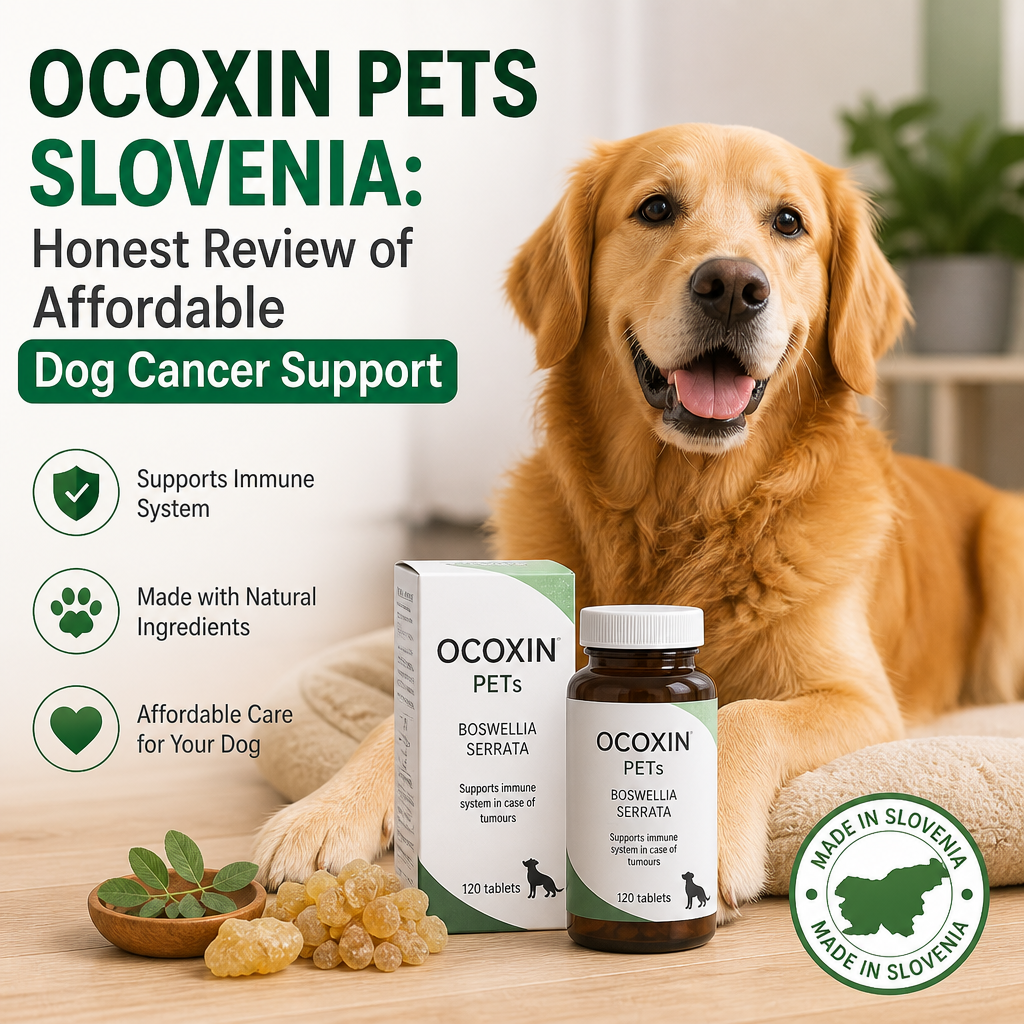
Ocoxin Pets is a nutritional supplement designed to support dogs and other companion animals during periods of illness, recovery, or increased physical stress. In Slovenia, interest in this product has grown among owners looking for affordable dog cancer support that can complement veterinary treatment. However, supplements should never be presented as a cure for cancer. The most responsible approach is to understand what Ocoxin Pets may offer, where its limits are, and how it should be used alongside professional veterinary care.
Ocoxin Pets is commonly described as a complementary nutritional product for animals. Its formulation is intended to provide supportive nutrients and bioactive compounds that may help maintain appetite, energy, immune function, and general condition. These goals can be particularly important for dogs affected by cancer, chronic disease, treatment-related side effects, or prolonged recovery.
Cancer can affect a dog in many ways. Some animals experience weight loss, reduced appetite, digestive problems, fatigue, inflammation, or a gradual decline in muscle mass. Chemotherapy, radiotherapy, surgery, and other treatments may add further strain. A nutritional supplement may therefore be considered as part of a wider supportive-care plan, especially when maintaining quality of life is a priority.
The product should be viewed as an adjunct rather than a replacement for diagnosis or treatment. No supplement can take the place of surgery, chemotherapy, pain management, prescription medication, or regular veterinary monitoring.
Ocoxin Pets dog cancer support: What can it realistically do?
The phrase “dog cancer support” can mean several different things. It may refer to helping a dog maintain nutritional intake, supporting recovery after treatment, assisting general vitality, or providing additional dietary compounds during a demanding period. These are reasonable supportive aims, but they are not the same as treating or eliminating a tumor.
A dog receiving cancer care may benefit from practical nutritional support when illness causes appetite loss or weakness. Some owners report that their pets seem more willing to eat or maintain better energy while using supplements, although individual responses vary widely. Improvements may also result from better pain control, changes in diet, treatment of nausea, or natural fluctuations in the disease.
An honest assessment should therefore avoid promising dramatic results. Ocoxin Pets may be useful for some animals as part of a comprehensive care plan, but evidence for any supplement must be interpreted carefully. Experiences shared by owners can be encouraging, yet personal testimonials do not prove that a product works for every dog or directly affects cancer progression.
Ingredients and nutritional considerations
Before purchasing Ocoxin Pets, owners should review the current ingredient list and product instructions. Formulas can change between markets, and the Slovenian packaging may provide specific details about dosage, storage, and intended use. It is important to check whether the product contains ingredients that could conflict with a dog’s medical condition or prescribed medication.
Dogs with kidney disease, liver problems, diabetes, pancreatitis, food allergies, or digestive sensitivities may require special consideration. Some ingredients that are well tolerated by one animal may cause vomiting, diarrhea, or appetite changes in another. Puppies, pregnant dogs, elderly animals, and dogs with multiple conditions may also need individualized advice.
A veterinarian can help assess whether the supplement is appropriate and whether the dog’s diet already provides adequate amounts of certain nutrients. Adding several products at once can make it difficult to identify the cause of a side effect and may create unnecessary nutritional overlap.
Ocoxin Pets review: Potential advantages
One of the main advantages mentioned by owners is affordability. Cancer treatment can be expensive, and many families seek supportive options that do not create an additional financial burden. A product that is easy to administer and available through Slovenian suppliers may be more practical than specialized imported supplements.
Another potential benefit is convenience. If Ocoxin Pets can be given with food or according to a straightforward daily schedule, it may fit more easily into a dog’s care routine. Consistency matters when supporting an animal through a long treatment period.
The product may also appeal to owners who want a nutritional supplement rather than an aggressive alternative remedy. Used responsibly, this approach keeps the focus on veterinary treatment while addressing appetite, strength, and general wellbeing.
The most important limitation is that Ocoxin Pets should not be described as an anticancer cure. A supplement cannot be relied upon to shrink tumors, prevent metastasis, or replace clinically proven treatment. Delaying veterinary care because of optimistic product claims can seriously harm an animal.
Scientific evidence may also be limited compared with the evidence available for conventional cancer therapies. Owners should distinguish between laboratory findings, manufacturer information, anecdotal reviews, and high-quality clinical research. These types of evidence do not carry the same weight.
Side effects are possible, even with products marketed as natural or gentle. Monitor the dog for vomiting, diarrhea, unusual lethargy, itching, changes in thirst, or worsening appetite. Any concerning reaction should be discussed with a veterinarian, particularly if the dog is receiving chemotherapy, corticosteroids, anti-inflammatory medicines, or other prescriptions.
Using Ocoxin Pets in Slovenia
For owners searching for Ocoxin Pets Slovenia, purchasing from a reputable veterinary, pharmacy, or authorized supplier is important. Check the product seal, expiration date, batch information, storage instructions, and language of the label. Avoid products with unclear origins or exaggerated promises such as guaranteed tumor reduction or certain cures.
Prices may vary depending on package size, retailer, delivery costs, and availability. Comparing the cost per daily dose is more useful than comparing the price of the package alone. A veterinarian may also be able to recommend comparable nutritional products or explain whether a supplement is necessary at all.
When introducing the product, follow the recommended dosage rather than assuming that a larger amount will produce better results. Keep a simple record of appetite, weight, stool quality, activity, and any changes in symptoms. This information can help the veterinary team determine whether the supplement appears beneficial or should be stopped.
The best decision begins with the dog’s diagnosis, treatment plan, and current condition. Ask the veterinarian whether Ocoxin Pets is compatible with the prescribed therapy, whether the dog needs additional calories or protein, and which signs would require urgent attention.
Supportive cancer care should also include adequate pain control, hydration, suitable food, nausea management, regular checkups, and emotional comfort. In some cases, a therapeutic diet or a tailored feeding plan may provide more meaningful support than a general supplement.
For Slovenian owners who want a broader view of similar products and pricing strategies in Europe, related reading such as the Ocoxin Pets alternative for dogs with tumors in the Netherlands may help compare options without losing sight of veterinary priorities.
Overall, Ocoxin Pets may be a reasonably priced option for owners seeking complementary nutritional support in Slovenia. Its value is most realistically judged by safety, tolerability, ease of use, and its role within a broader veterinary plan—not by claims that it can cure cancer. An honest Ocoxin Pets review should recognize both possibilities: it may help some dogs maintain their condition, but it is not a substitute for evidence-based cancer care.
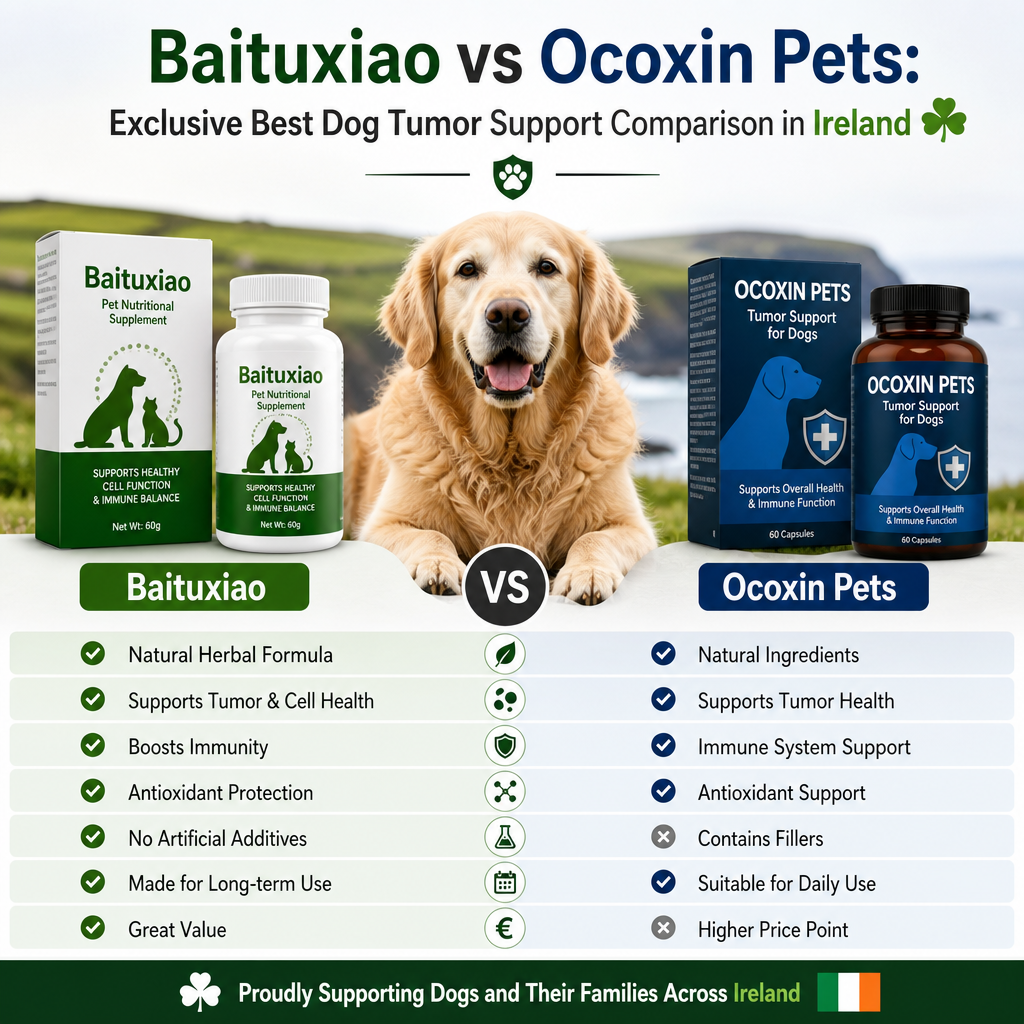
Baituxiao vs Ocoxin Pets is a comparison many Irish dog owners encounter when looking for additional support after a tumour diagnosis. Both products are discussed as complementary options rather than replacements for veterinary treatment, but they differ in formulation, presentation, intended use, and the type of support owners may expect. Understanding these differences can make conversations with your vet more focused and help prevent unrealistic expectations about supplements.
A dog diagnosed with a tumour needs an individual care plan. Depending on the tumour type, location, stage, and overall health, treatment may involve surgery, chemotherapy, radiotherapy, pain management, dietary support, or monitoring. Supplements should always be assessed alongside that plan, particularly because some ingredients may affect medicines, anaesthesia, blood clotting, digestion, or liver function.
Baituxiao and Ocoxin Pets are complementary products marketed for dogs requiring nutritional and general wellbeing support during challenging health periods. They are not conventional cancer treatments and should not be presented as cures. Their role is better understood as supportive: helping maintain appetite, energy, digestion, or general condition when a dog is coping with illness or treatment.
Baituxiao is commonly associated with a traditional herbal approach. Products in this category may contain a combination of botanical ingredients selected for their historical use in traditional medicine. Ocoxin Pets is generally positioned as a veterinary-oriented supplement with a blend of nutritional and plant-based compounds intended to support dogs during serious illness, including periods when they are receiving veterinary treatment.
Because formulas and availability can change, owners should check the current product label, batch information, and manufacturer guidance rather than relying only on older online descriptions.
Baituxiao vs Ocoxin Pets: Main Differences to Consider
Baituxiao vs Ocoxin Pets should be assessed with practical questions in mind, not just brand claims. Several factors matter when comparing it with Baituxiao, and the same applies when you compare Baituxiao vs Ocoxin Pets for a dog with ongoing treatment needs.
Formulation and ingredient transparency
The first point is the complete ingredient list. Owners should identify active ingredients, quantities per serving, excipients, allergens, preservatives, and feeding instructions. A product with a long ingredient list is not automatically better, while a shorter list is not necessarily safer. The important question is whether the ingredients are appropriate for the individual dog.
With herbal products, ingredient quality can be especially important. Botanical extracts may vary in concentration, and the same plant can have different effects depending on preparation and dosage. Ocoxin Pets may appeal to owners seeking a product designed specifically for companion animals, while Baituxiao may appeal to those interested in a broader traditional herbal formulation. In practice, Baituxiao vs Ocoxin Pets often comes down to which ingredient profile fits the dog’s current needs.
Intended support
Baituxiao is often selected by owners interested in traditional herbal support, whereas Ocoxin Pets is commonly considered for general nutritional and condition support around veterinary care. Neither should be assumed to directly shrink a tumour or replace clinically proven treatment.
The most useful supplement is often the one that matches the dog’s immediate needs. For example, a dog struggling to maintain weight may require a different strategy from one with digestive sensitivity or reduced appetite. A veterinary assessment can determine whether a supplement is appropriate at all, and Baituxiao vs Ocoxin Pets should be viewed through that lens.
Some owners also look at other supportive products with similar goals, especially when trying to compare ingredient complexity, ease of use, and cost. That is one reason Baituxiao vs Ocoxin Pets is rarely a simple brand-to-brand decision.
Administration and palatability
Dogs may refuse powders, capsules, or strongly flavoured liquids, especially when they feel unwell. Before purchasing, check whether the product can be mixed with food and whether the recommended dose is practical for the dog’s size.
Palatability is not a minor detail. A supplement that causes stress or leads to food refusal may be counterproductive. Owners should introduce any new product gradually when possible and monitor acceptance closely. When comparing Baituxiao vs Ocoxin Pets, the easier product to give consistently is often the better choice in real life.
Availability in Ireland
Irish pet owners should consider where the product is sourced, whether it is supplied through a reputable retailer, and whether delivery conditions protect product quality. Imported supplements may have different labelling, dosage conventions, or regulatory classifications. Buying from an established supplier and retaining the packaging can be helpful if a vet needs to review the product.
Baituxiao vs Ocoxin Pets also raises practical questions about access, because availability can affect whether a product can be used consistently over time. If a supplement is difficult to reorder, it may be less suitable for ongoing support, especially when a dog’s routine needs to stay stable.
Dog Tumor Support Comparison: Safety Comes First
A responsible dog tumor support comparison must include safety. “Natural” does not mean risk-free. Herbal ingredients can interact with chemotherapy drugs, steroids, anti-inflammatory medicines, anticoagulants, seizure medication, or other prescriptions. Some supplements may also be unsuitable before surgery or for dogs with kidney, liver, or digestive disease.
Provide your veterinarian with the exact product name, ingredient list, intended dose, and start date. This is particularly important if the dog is undergoing chemotherapy, radiotherapy, surgery, or palliative treatment. Never stop prescribed medication in favour of a supplement without veterinary direction.
Watch for possible adverse effects such as vomiting, diarrhoea, constipation, itching, lethargy, changes in thirst, reduced appetite, or unusual bleeding. A sudden deterioration should be treated as a veterinary concern, not simply blamed on the tumour or accepted as a normal supplement reaction.
When you compare Baituxiao vs Ocoxin Pets, safety questions should come before marketing claims or online reviews. A product that seems gentle may still be unsuitable for a particular dog, so Baituxiao vs Ocoxin Pets must always be checked against the dog’s current medication list.
For general veterinary drug safety and regulation guidance, the European Medicines Agency is a useful reference point for pet owners and professionals.
How to Choose Between the Two
The decision between Baituxiao and Ocoxin Pets should be based on the dog rather than marketing language. Consider the following points:
– What type of tumour has been diagnosed?
– Is the dog receiving chemotherapy, radiotherapy, surgery, steroids, or pain relief?
– Does the dog have liver, kidney, stomach, or blood-clotting problems?
– Can the dog tolerate the product’s ingredients and dosage form?
– Is there reliable information about sourcing and batch quality?
– Can the veterinary team monitor the dog after introduction?
It may also be useful to keep a simple daily record of appetite, water intake, weight, stool quality, energy, pain signs, and medication. This creates a clearer picture of whether the dog is stable and helps the vet identify possible side effects.
If you are comparing Baituxiao vs Ocoxin Pets for a dog with a cancer diagnosis, keep the focus on realistic goals such as comfort, appetite, and daily function rather than promised outcomes. Baituxiao vs Ocoxin Pets should support the care plan, not distract from it.
For some dogs, the best choice is to pause and reassess after a few days rather than commit quickly. A measured approach can prevent setbacks and makes it easier to tell whether the supplement is helping or simply adding complexity.
The Role of Diet and Veterinary Care
No supplement can compensate for inadequate diagnosis or essential veterinary treatment. Dogs with tumours may benefit from an easily digestible, complete diet that provides appropriate calories and protein, but dietary requirements vary. Some dogs need encouragement to eat, while others need nutritional adjustments because of pancreatitis, kidney disease, diabetes, or treatment-related nausea.
Regular veterinary reviews remain central. Blood tests, imaging, physical examinations, and quality-of-life assessments may be recommended depending on the diagnosis. The aim is not only to extend life but also to preserve comfort, mobility, appetite, and enjoyment.
Baituxiao vs Ocoxin Pets is only one part of a much larger care plan. If the dog is losing weight, vomiting, or becoming quieter, the vet should be updated promptly so the overall plan can be adjusted.
Supportive care may also include hydration strategies, anti-nausea medication, pain relief, and careful feeding routines. These practical measures often make a bigger difference than any supplement, which is why Baituxiao vs Ocoxin Pets should be considered alongside the full clinical picture.
Final Considerations
Baituxiao vs Ocoxin Pets is not a simple question of which product is universally best. Baituxiao may suit owners seeking a traditional herbal-style supplement, while Ocoxin Pets may be considered by those looking for a companion-animal product intended to provide broader nutritional and condition support. However, differences in formulation, quality, dosage, and suitability mean that the label must be reviewed carefully.
For Irish dog owners, the safest approach is to treat both as complementary products, verify the current ingredients, purchase through a reliable source, and discuss use with a veterinary professional before starting. A carefully supervised supplement may form one small part of supportive care, but the dog’s diagnosis, prescribed treatment, comfort, and quality of life should always remain the priority.
In short, Baituxiao vs Ocoxin Pets should be decided by the dog’s diagnosis, the veterinary plan, and the product details, not by assumptions that one supplement is automatically stronger or safer than the other.
When in doubt, ask your vet to review the label and the full treatment plan. That simple step can make Baituxiao vs Ocoxin Pets a more informed and safer decision for your dog.
Before choosing, many owners also compare the practical day-to-day effects of each option. Baituxiao vs Ocoxin Pets may differ less in theory than in how well each product fits a specific dog’s appetite, medications, and tolerance.